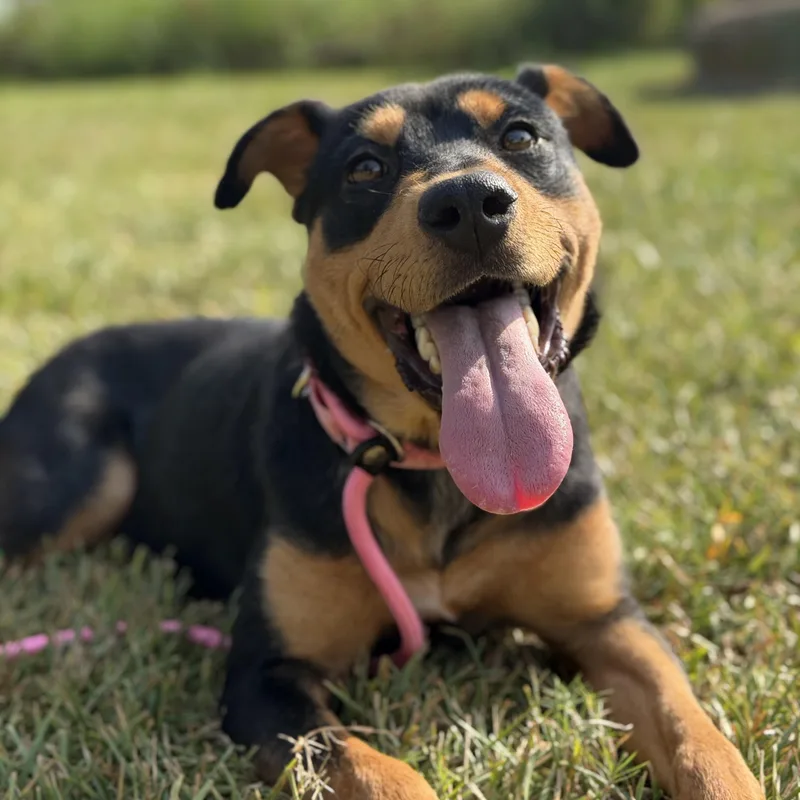
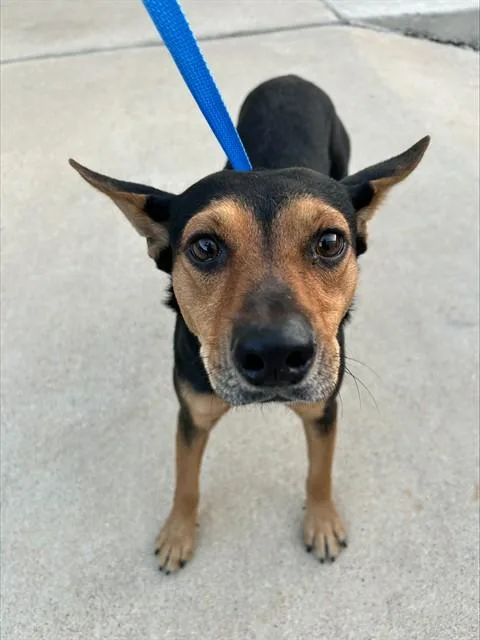
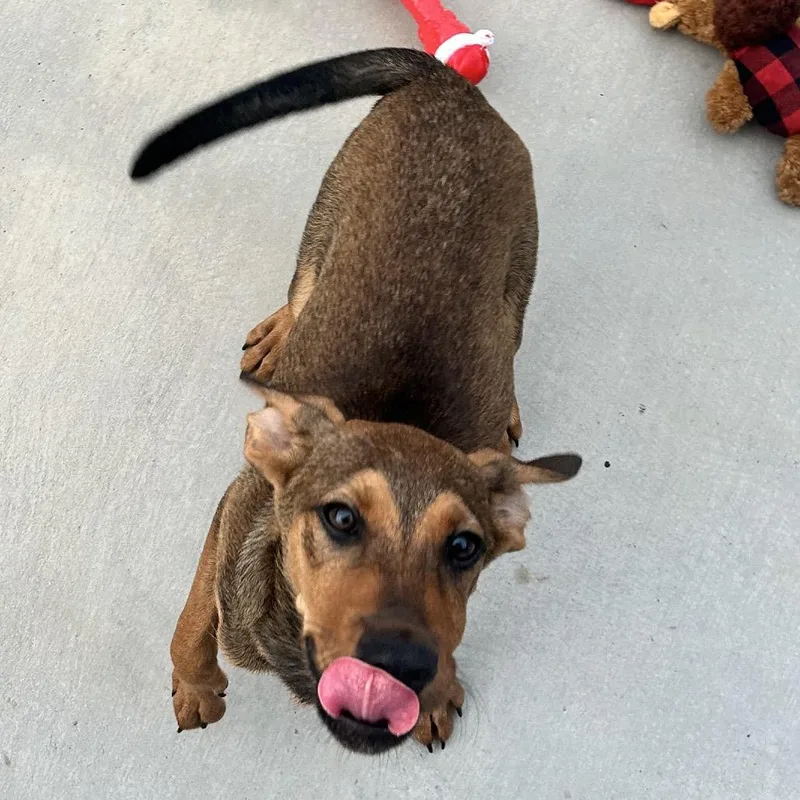
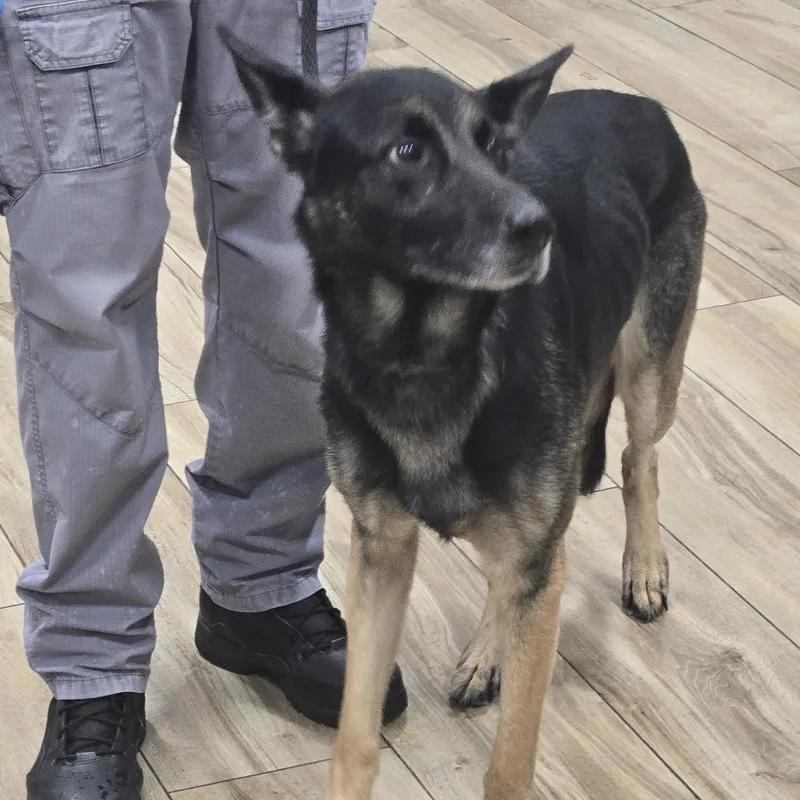
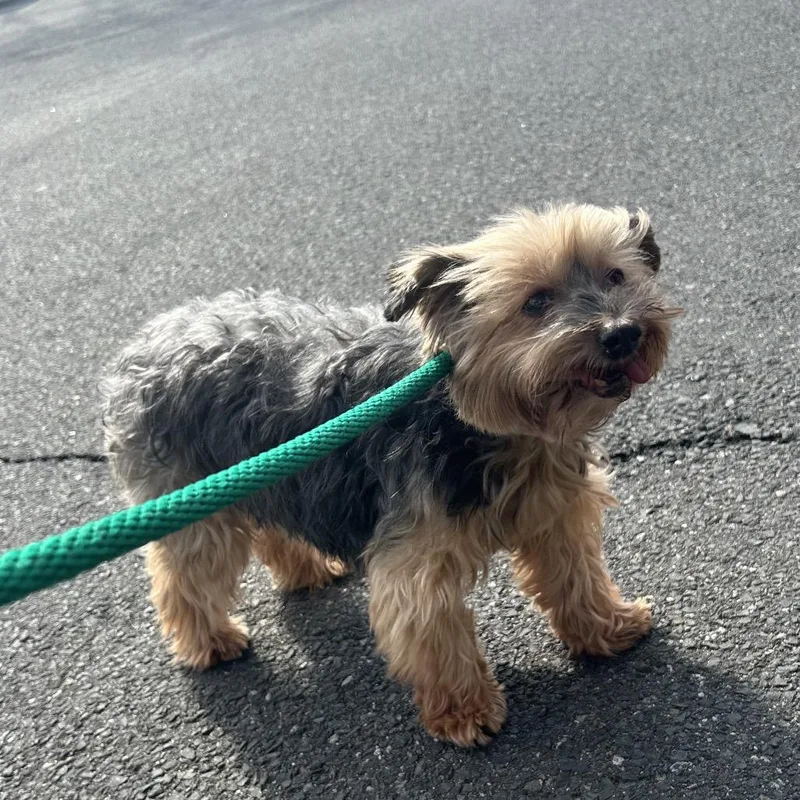
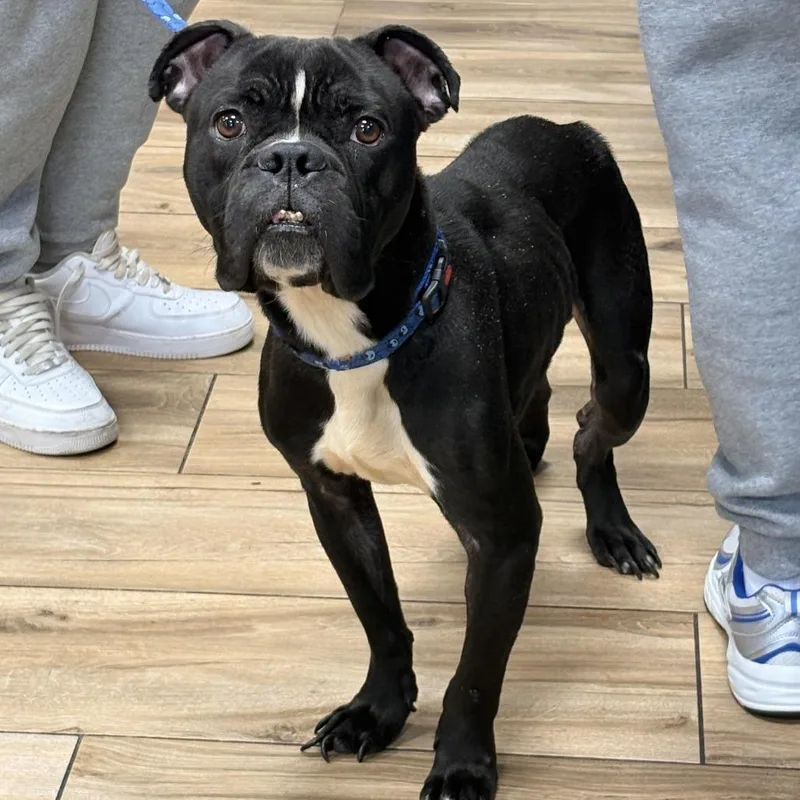
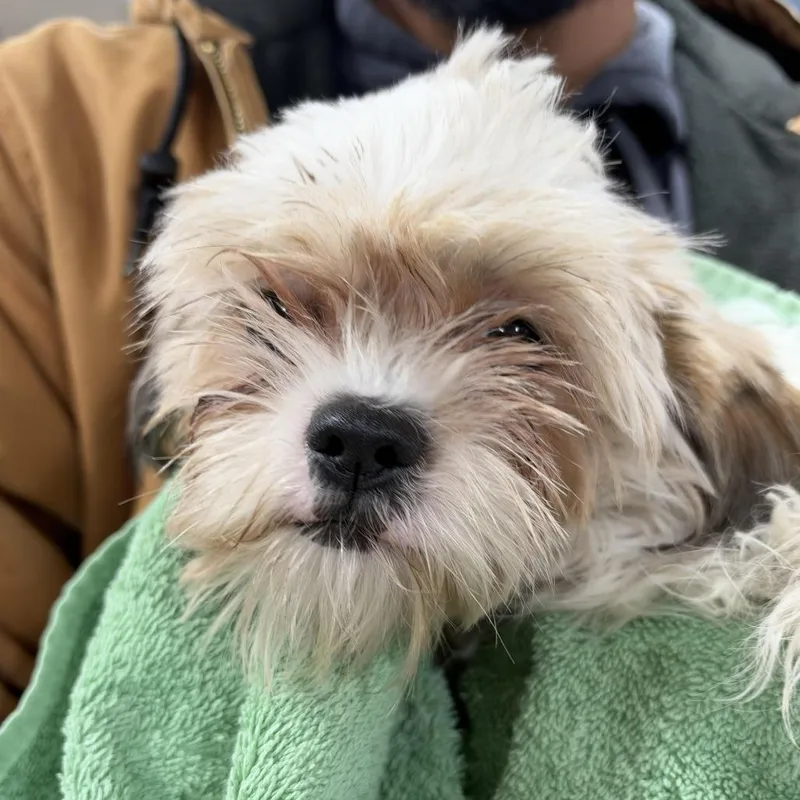
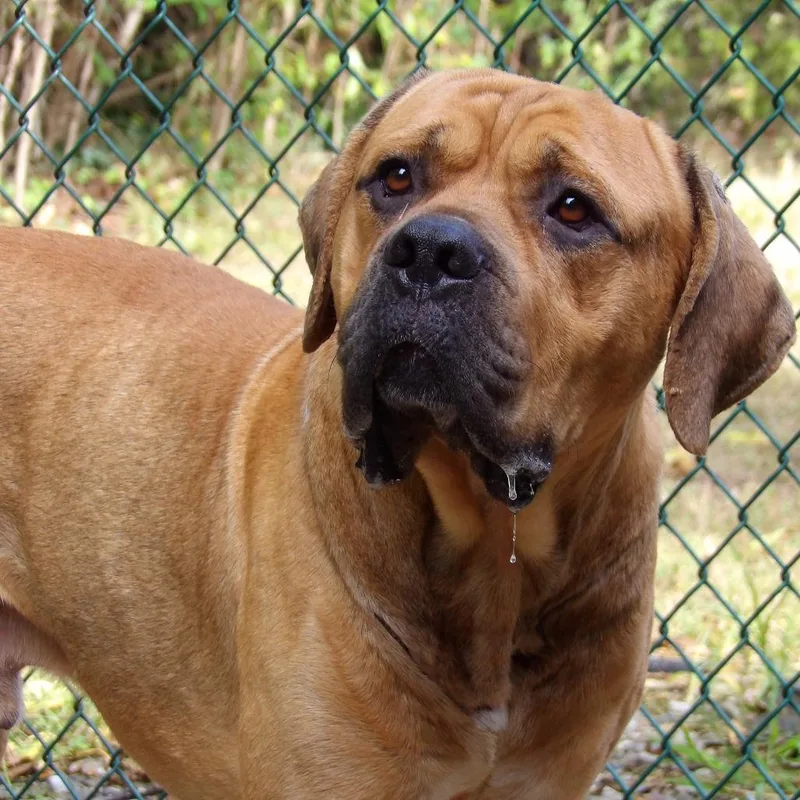
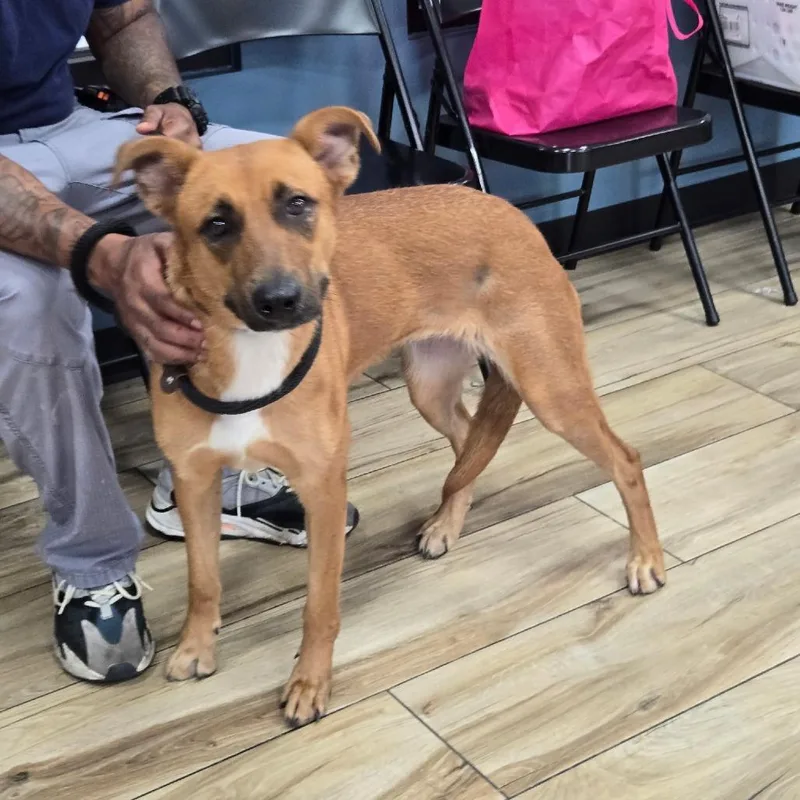
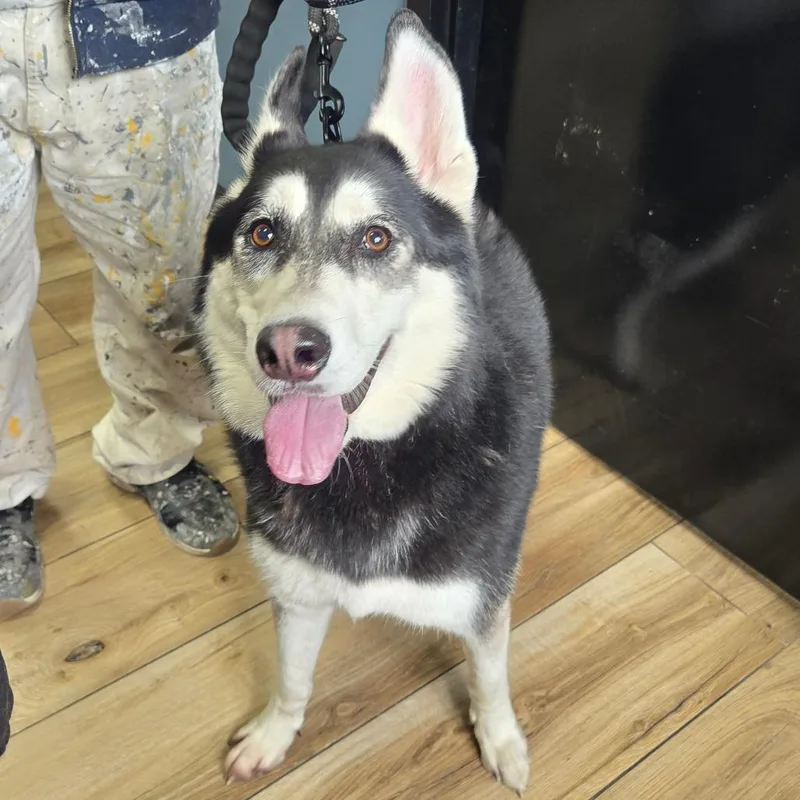
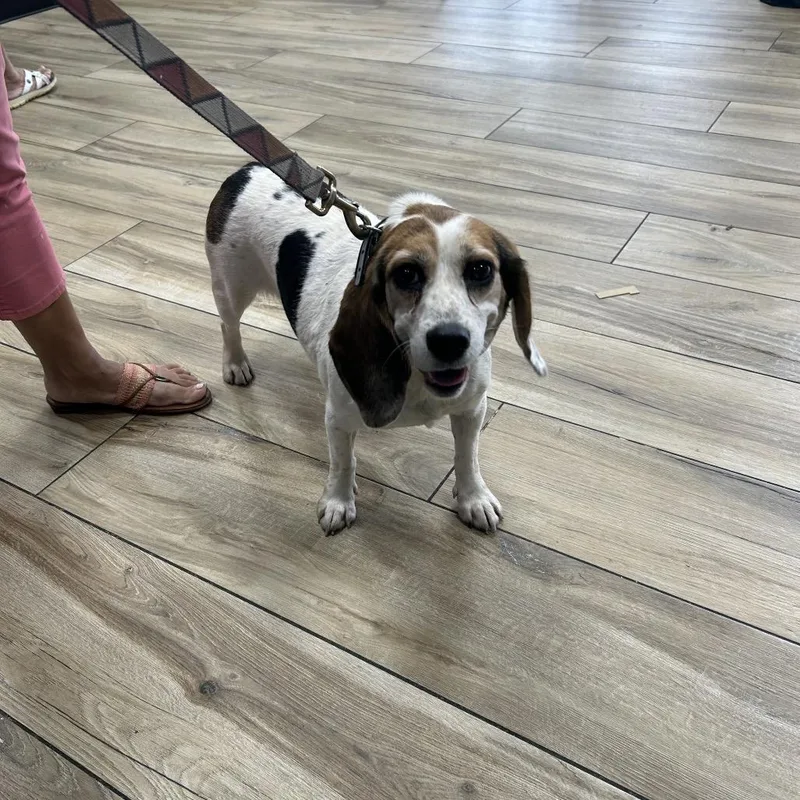
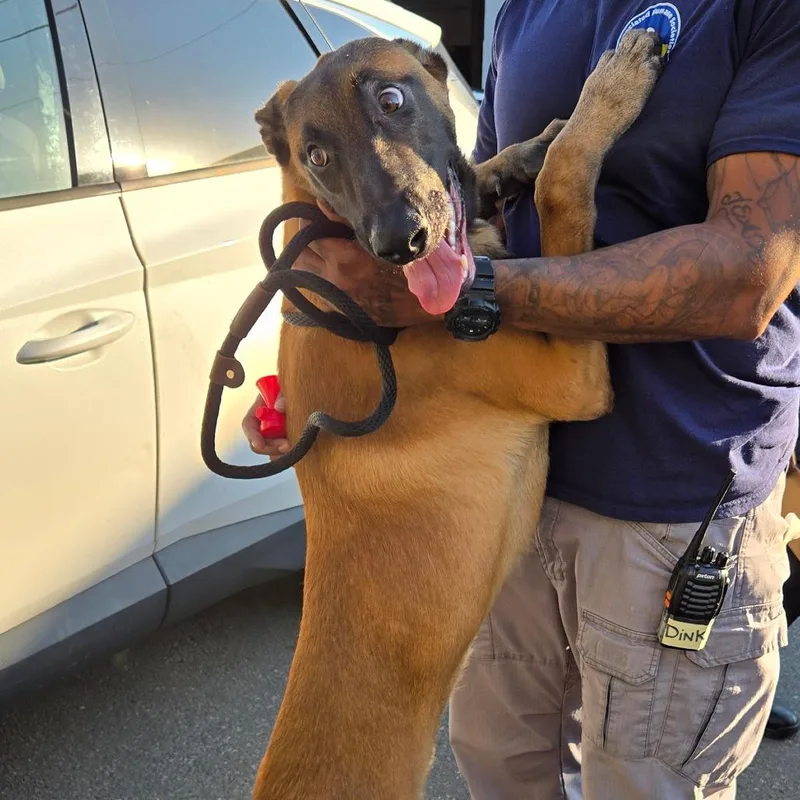
German Pinscher Dogs for Adoption in Newark, NJ

Your guide to finding and caring for a German Pinscher in Newark

German Pinschers fit Newark best with someone who'll walk them hard every day. The 2.2-mile path around Weequahic Lake gives a lean, energetic dog room to stretch, and a two-family house in Clinton Hill or a walk-up near Branch Brook Park is plenty of space if the routine is steady. They're alert and watchful, so they'll notice every footstep in a shared hallway. Teaching a calm reaction to sounds outside the door early on saves a lot of barking later.

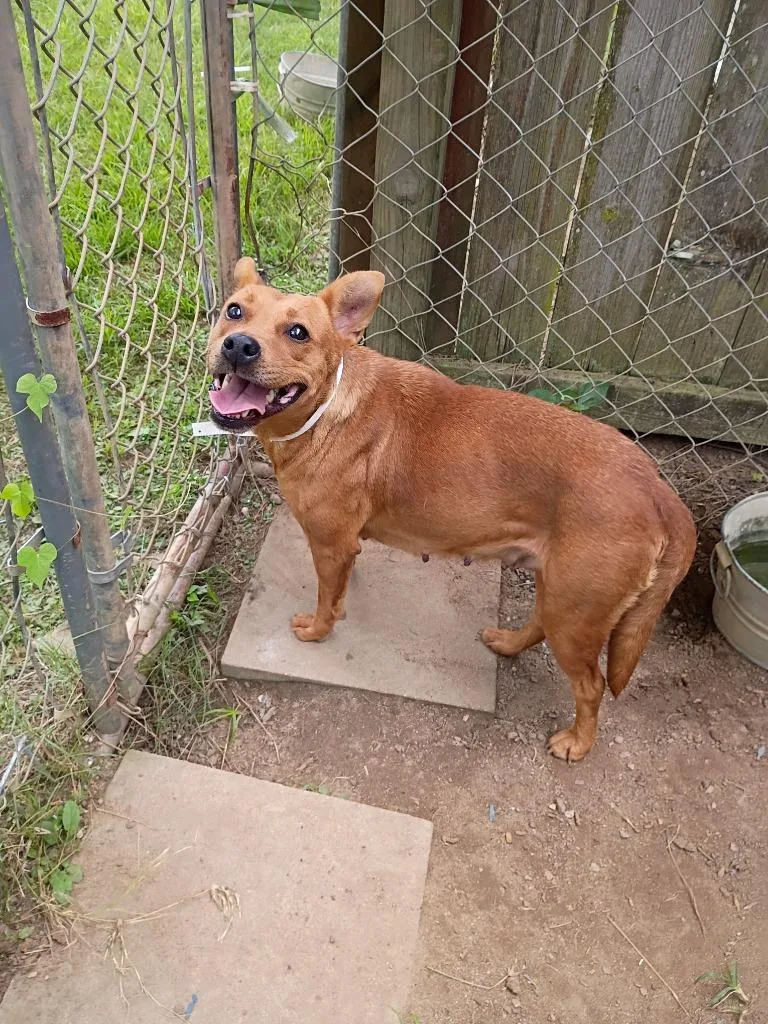
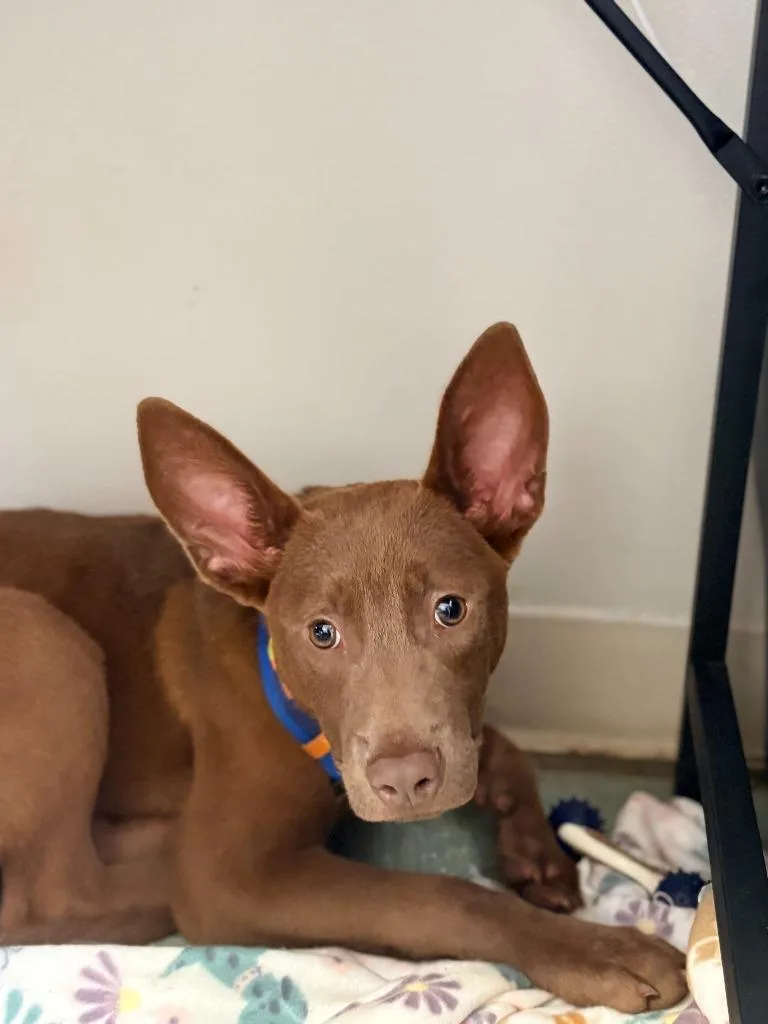
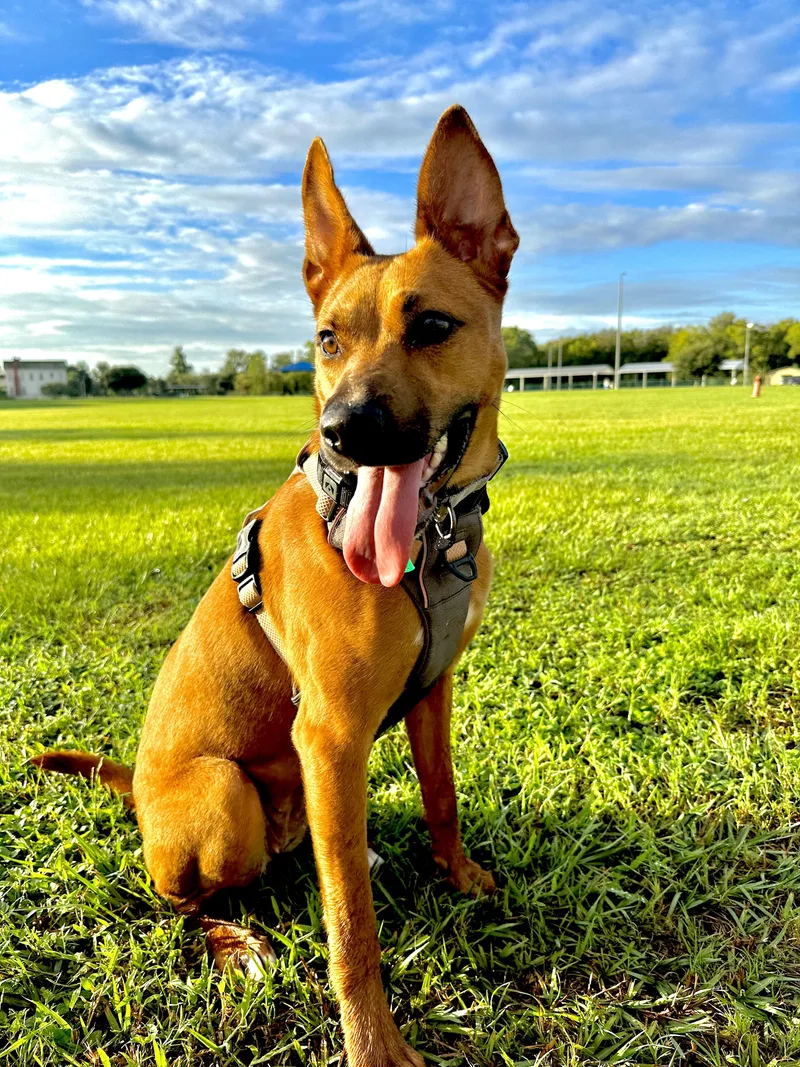
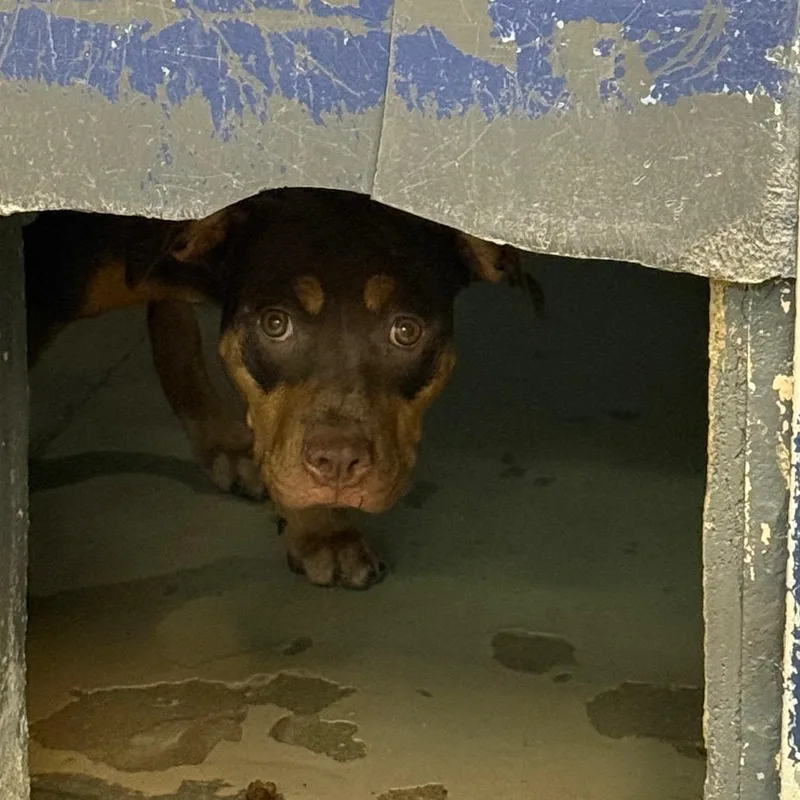
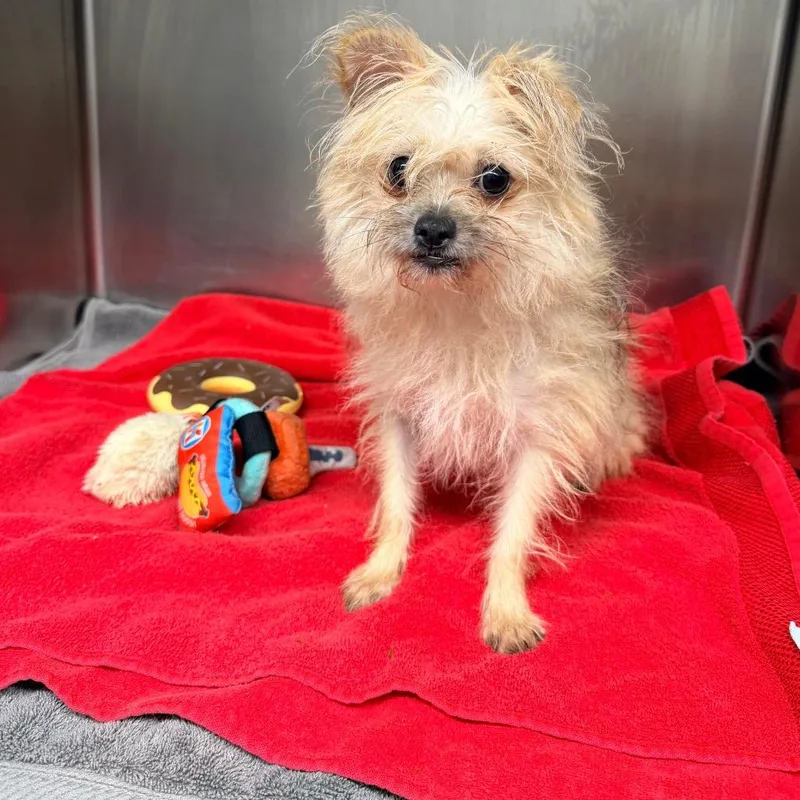
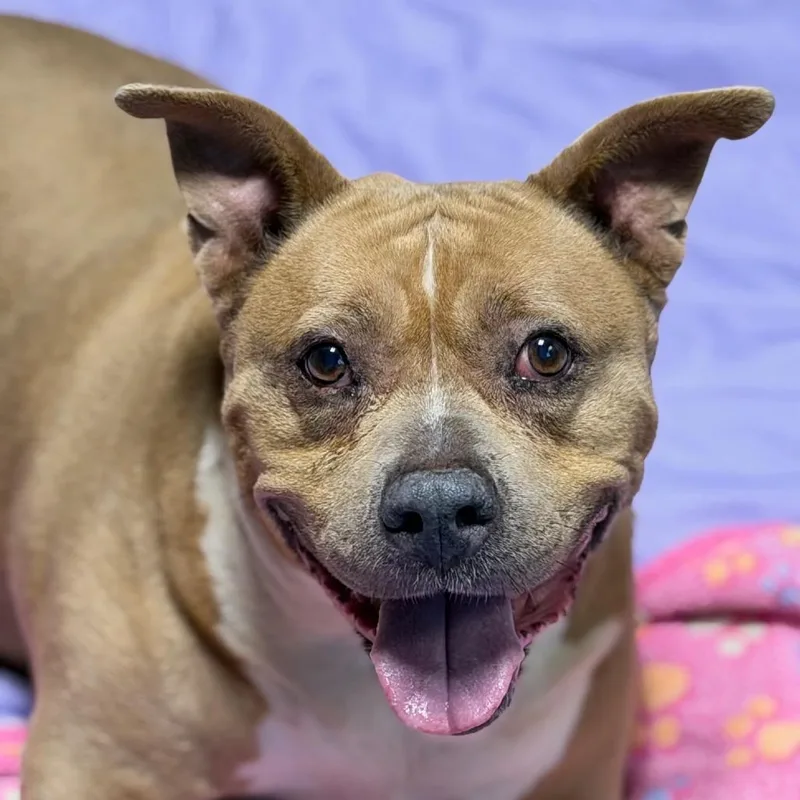
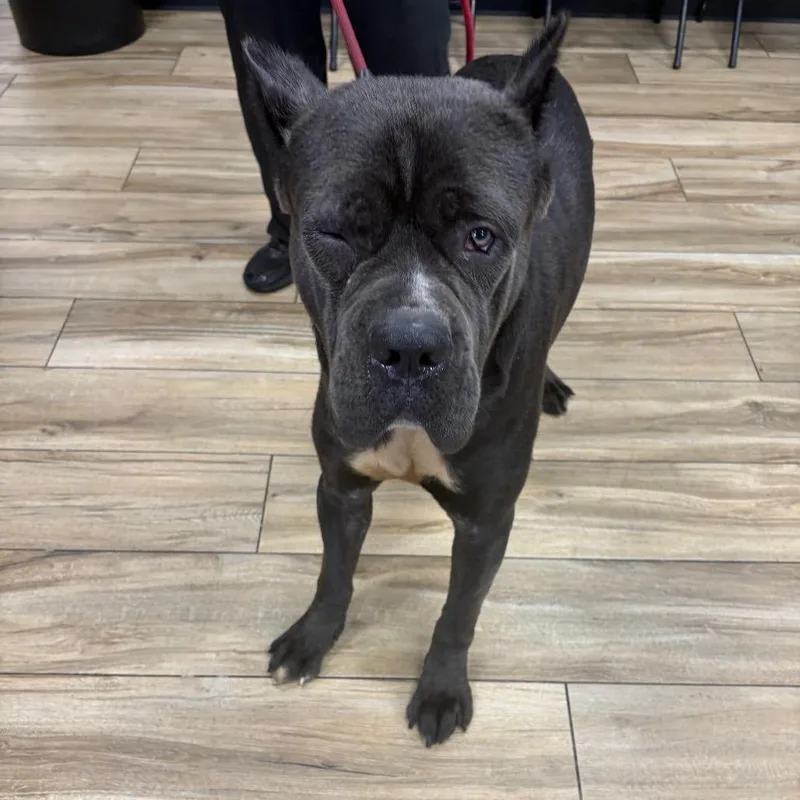
68 German Pinschers available in Newark and nationwide

Give a German Pinscher a home

While we don't have enough dogs near Newark, keep in mind that many rescues may offer transport.

German Pinschers Available for Adoption Near Newark

About the German Pinscher breed

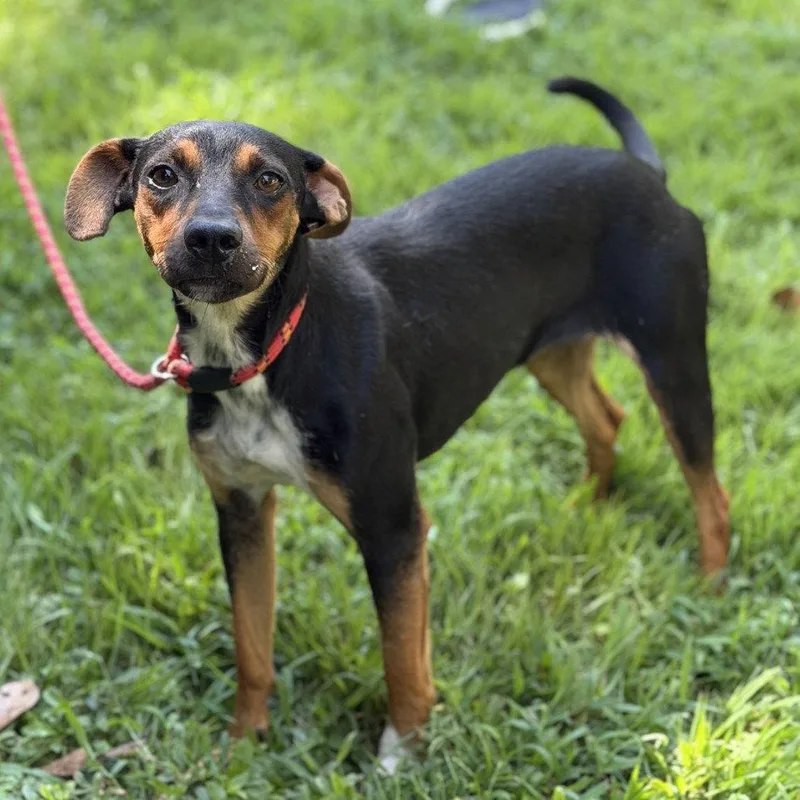
The German Pinscher is a sleek, medium-sized German farm dog, originally kept to catch rats in stables and guard carriages. It's the smooth-coated cousin of the Standard Schnauzer and helped give rise to the Doberman and Miniature Pinscher. The breed nearly vanished after World War II and remains uncommon today, with a short, glossy coat in red or black and rust over a square, muscular frame.

Most are alert, quick-witted and fearless, devoted to their own people and watchful with strangers. They have real energy, a strong prey drive and a knack for testing rules. In Newark, where squirrels, pigeons and busy sidewalks come with the territory, a good leash routine and steady training matter more than a big yard. With daily exercise and firm, kind guidance, many are playful, low-fuss companions.

Weight
25–45 lbs
Height
17–20 in
Lifespan
12–14 yrs
Temperament
Alert, Energetic, Intelligent, Protective
Group
Working
Shedding
Low to Moderate

Owning a German Pinscher in Newark

Having a German Pinscher in Newark

Energy, independence and prey drive shape life with a German Pinscher more than size does. In Newark, that means a reliable leash routine, daily exercise outside the apartment and a plan for winter cold, since the short coat is easy to care for but offers little insulation.

Temperament

German Pinschers are confident, curious and closely bonded to their families, often wary of strangers until introduced. Many are playful at home but quick to test boundaries, and some are pushy with other dogs. Busy Newark sidewalks make early socialization and calm, consistent training worthwhile, and most will chase a squirrel given the chance.

Exercise Needs

Plan on a brisk daily walk plus time to run and think. Weequahic Park's 2.2-mile lake loop and the county dog parks at Branch Brook and Vailsburg suit that well. Fetch, flirt-pole games and scent work help burn off energy on rainy or icy days. Keep the dog leashed outside the dog parks, since prey drive can override recall.

Health Considerations

Hip dysplasia, cataracts and von Willebrand's disease, an inherited bleeding disorder, are documented in the breed. A veterinarian can check the hips and eyes and should know a dog's clotting status before any surgery. Tick and flea prevention is sensible in New Jersey, and regular checkups help catch problems early.

Living Space

A German Pinscher can do well in a Newark walk-up or a two- or three-family house, the kind of housing common in the city, as long as daily exercise happens outside. Stairs and shared hallways bring noise, so practice calm greetings. Its agile build can clear low fences, and the short coat means it lives indoors.

What it costs to own a German Pinscher in Newark

ExpenseTypical costPer year
Food$35 to $70 per month$420 to $840
Pet insurance$45 to $85 per month$540 to $1,020
Routine vet care$225 to $450 per year$225 to $450
Other*$434 to $1,162 per year$434 to $1,162
Estimated yearly total (after year one)$1,619 to $3,472

Other costs are estimates and vary with size, age and health.

* The Newark dog license, flea, tick and heartworm prevention, a dental cleaning allowance, toys and bedding, and occasional baths and brushing.

Adopt a German Pinscher in Newark.

Now that you know more, let’s find you a new best friend. These rescues and shelters below have dogs available in and near Newark.

Rescues and Shelters in or near Newark

Newark's shelter and rescue community cares for dogs of every size and type, from small terriers to athletic medium breeds. Here are the rescues & shelters in the Newark area with dogs available for adoption, worth asking whether a German Pinscher is coming in.

Frequently Asked Questions

Yes, Newark's code names no breed, and New Jersey's dangerous-dog law looks at a dog's behavior, not its breed. You'll need a dog license with proof of rabies vaccination, a leash of six feet or less, and waste pickup, with fines up to $500. Read your lease too, since some landlords set their own breed or size limits.

Yes, with some help. Newark sees about 80 freezing nights and roughly 31 inches of snow a year, and a German Pinscher's thin, short coat gives little insulation. Use a coat or sweater, shorten walks on the coldest days and rinse salt from paws. New Jersey law also bars leaving dogs outside in 32°F weather for over 30 minutes without proper shelter.

Start with the Essex County dog parks at Branch Brook Park and Vailsburg Park, both with large-dog areas where a German Pinscher can run off energy. For leashed mileage, Weequahic Park's 2.2-mile lake loop works well. Dogs at the dog parks must be vaccinated and licensed, and a strong prey drive is a good reason to keep a leash on everywhere else.

Yes, a German Pinscher can do well in a Newark apartment if its daily exercise is covered. Its medium size and low-fuss coat help, but it needs long walks, mental games and practice staying calm when it hears neighbors. A refundable pet deposit counts toward New Jersey's cap of 1.5 months' rent on security deposits.

Usually not. NJ Transit buses, trains and the Newark Light Rail allow only service animals, police dogs and small pets in carry-on travel cages, and an adult German Pinscher at 25 to 45 pounds is typically too big for one. Plan walks and vet trips on foot or by car.

Not inside. New Jersey's food code bars pet dogs from restaurant premises, with service animals as the exception. Patio policies vary and aren't guaranteed, so don't plan a meal around it. On hot days, leave a German Pinscher at home rather than in a parked car, which is a cruelty offense in New Jersey.

Very little. The short, smooth coat needs a weekly brushing to lift loose hair, plus a bath only when it's dirty. After snowy walks, wipe paws and rinse off road salt. Grooming costs are minimal and fall within the $434 to $1,162 yearly Other estimate, along with the license, dental care and parasite prevention.

Yes, German Pinschers shed, but only lightly to moderately. Their short, smooth coat drops small hairs year-round, with slightly more during seasonal changes. Weekly brushing with a rubber curry or grooming mitt removes most loose hair and keeps the coat shiny. Compared with double-coated breeds, cleanup is easy, though short hairs can still cling to fabric.

German Pinschers are not aggressive by nature, and the breed standard penalizes unprovoked attacks. They are fearless, protective and wary of strangers, though, and some can be pushy or reactive with other dogs. Good socialization from an early age, steady training and enough exercise make a big difference. An adopted adult's history is the best guide to its behavior.

Expect roughly $1,600 to $3,500 a year for a German Pinscher in Newark, based on food at $35 to $70 a month, insurance at $45 to $85 a month, routine vet care at $225 to $450 a year and other costs at $434 to $1,162. Emergency care and one-time setup items such as a crate and bed come on top.