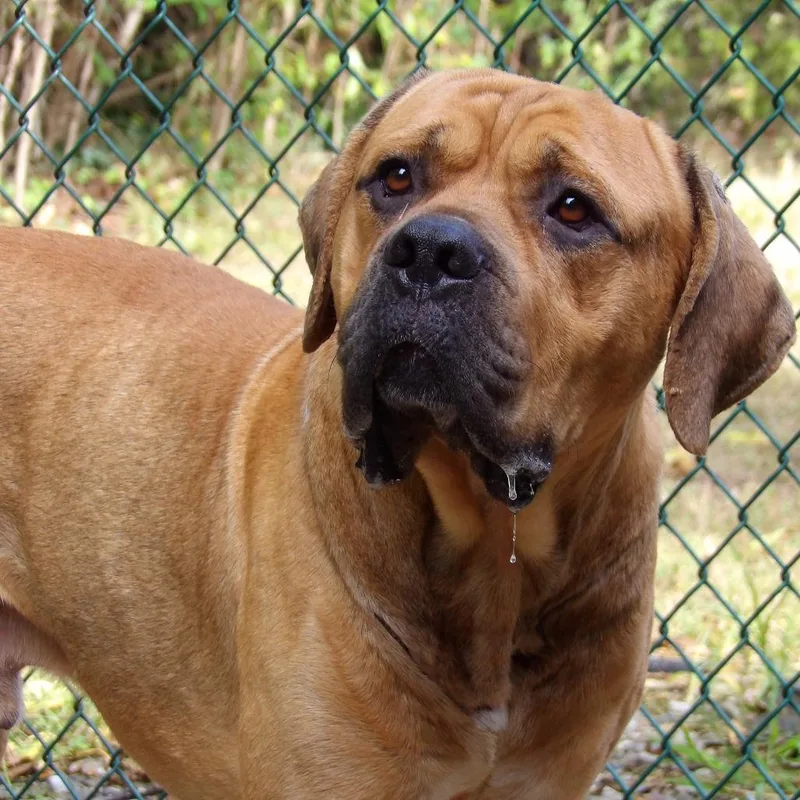
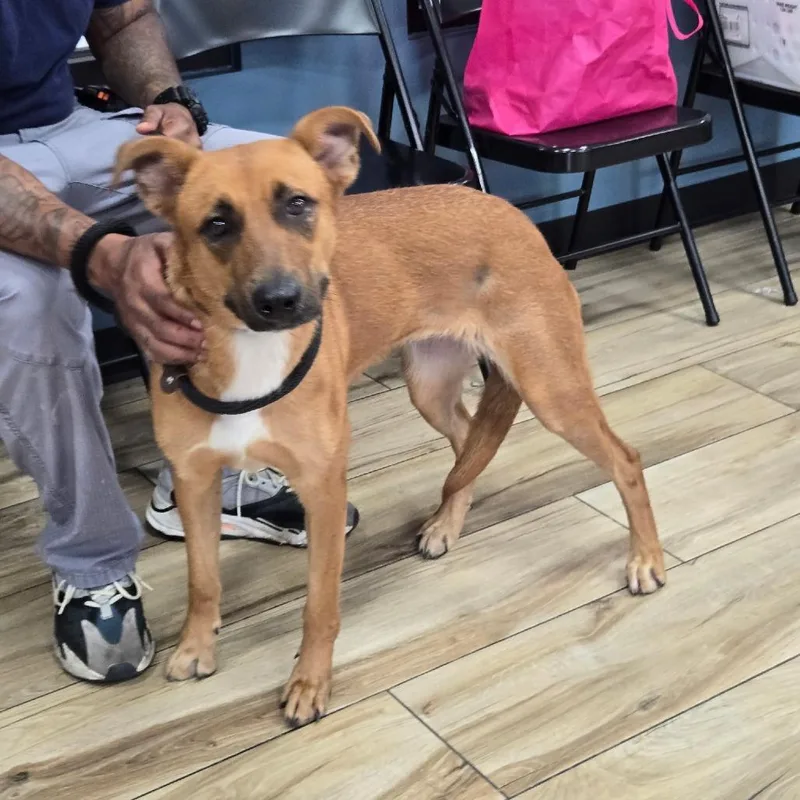
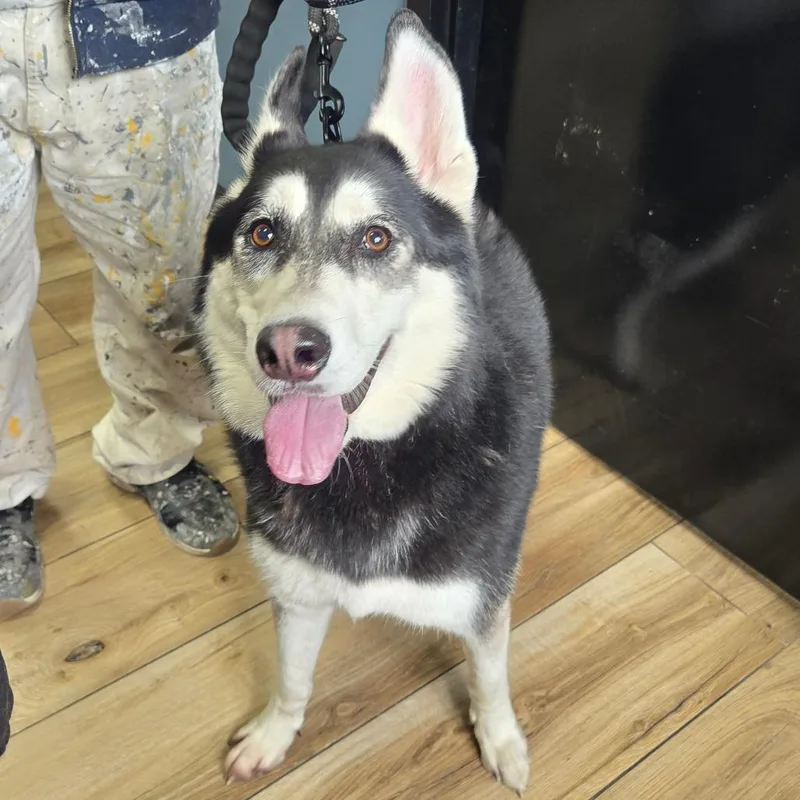
Curly-Coated Retriever Dogs for Adoption in Newark, NJ

Your guide to finding and caring for a Curly-Coated Retriever in Newark

A Curly-Coated Retriever fits well in Upper Vailsburg, where single-family houses and Vailsburg Park give a big dog room to move. A Curly is tall and athletic, and it wants a real job each day, whether that's a loop around the park or a game of fetch in a fenced yard. They're rare, and they tend to be reserved with strangers instead of greeting everyone. If you're adopting one in Newark, plan on a firm walking routine, since so many homes here are two- and three-family buildings.

15109 dogs similar to Curly-Coated Retriever available in Newark and nationwide

Bring home a Curly-Coated Retriever

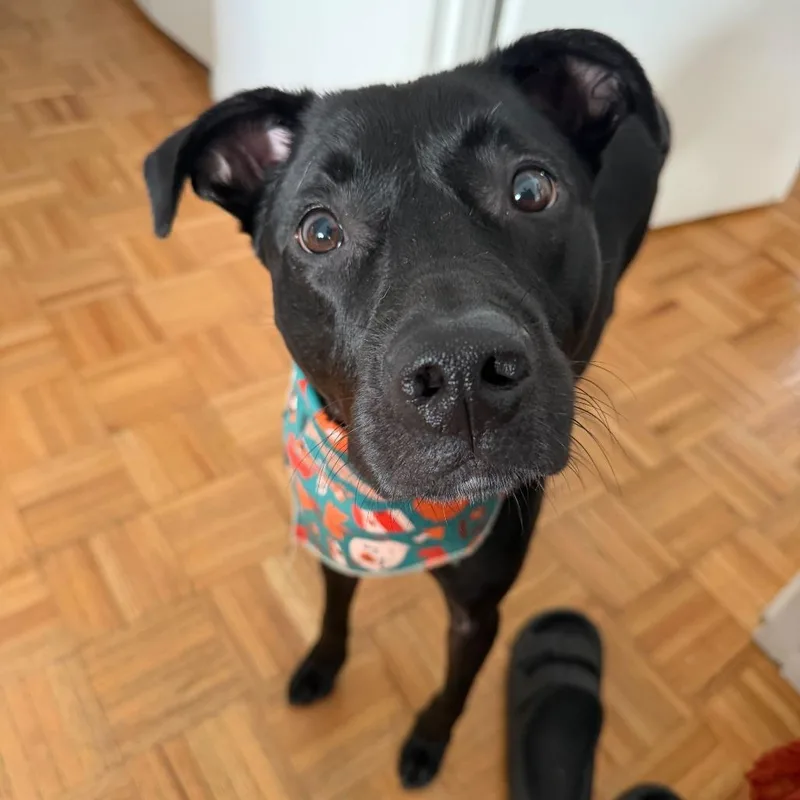
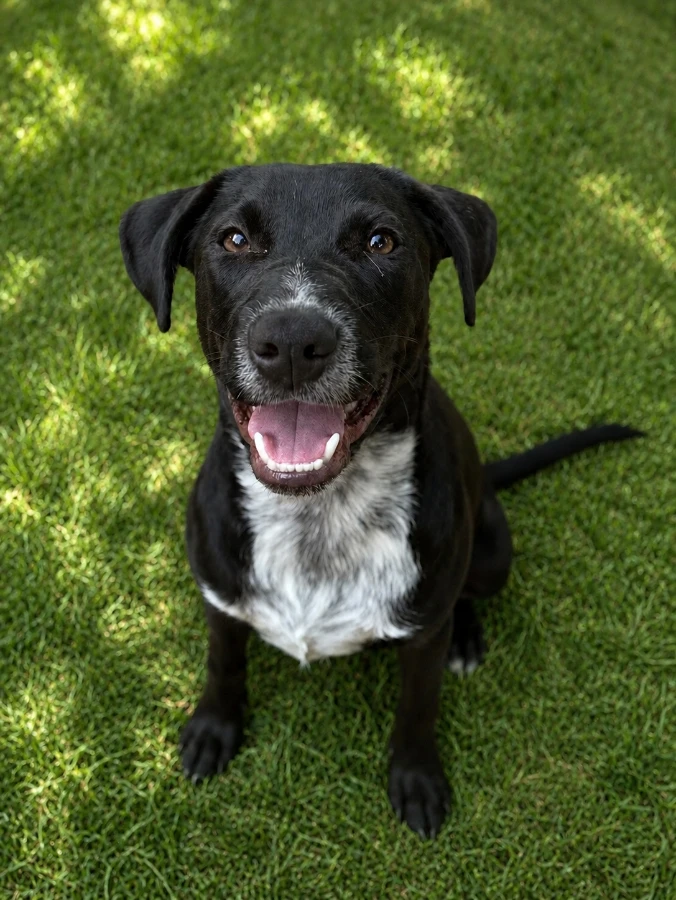
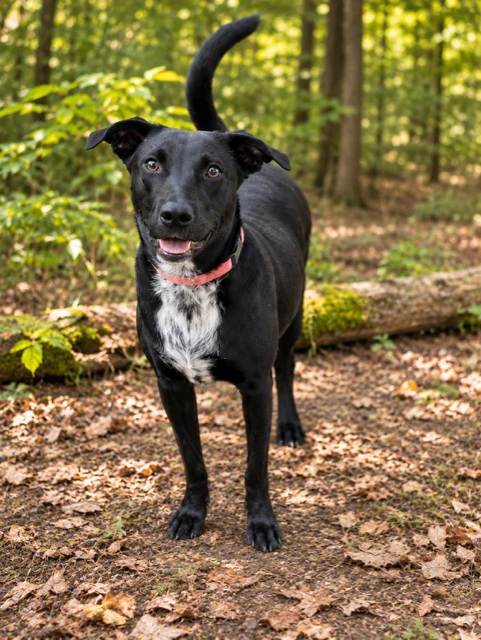
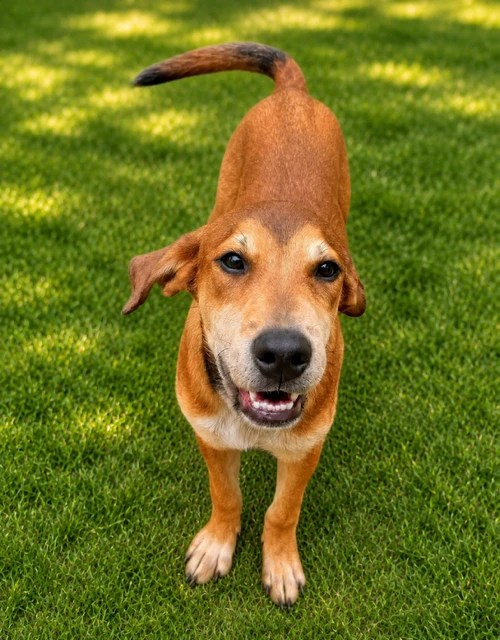
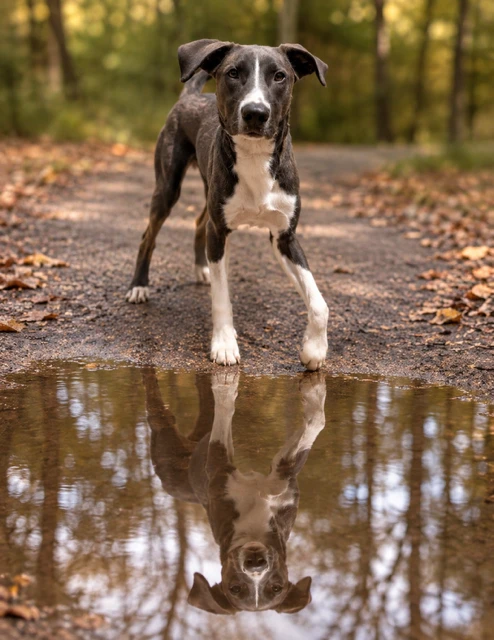
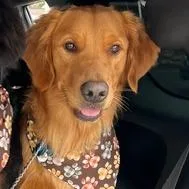
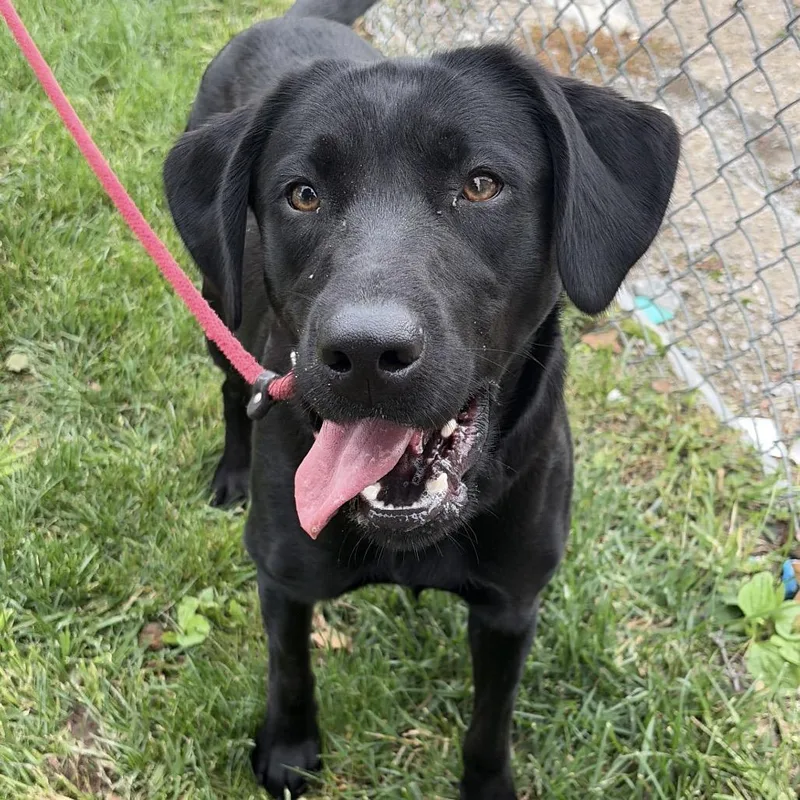
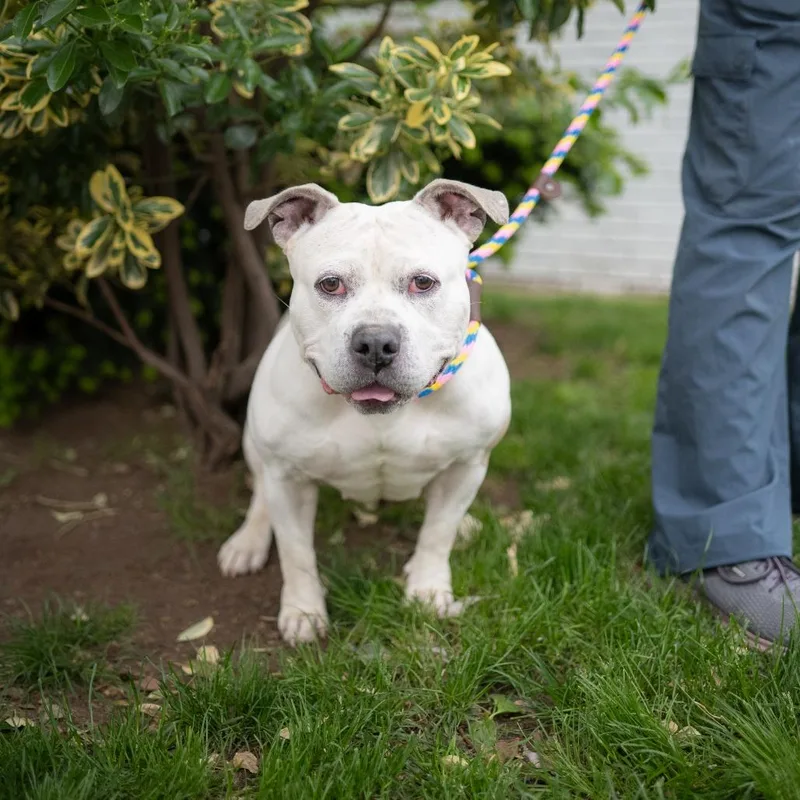
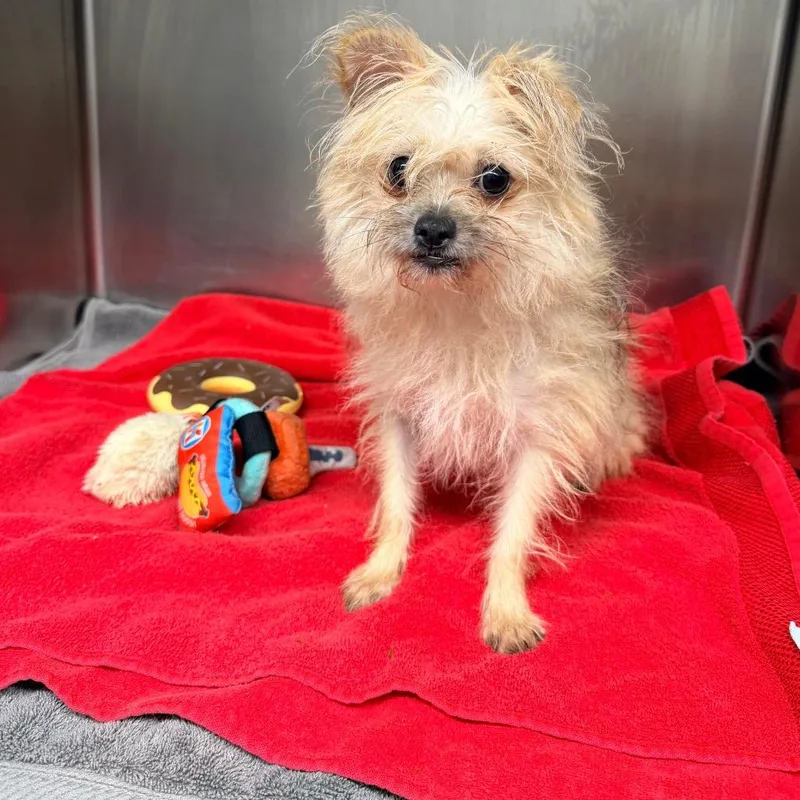
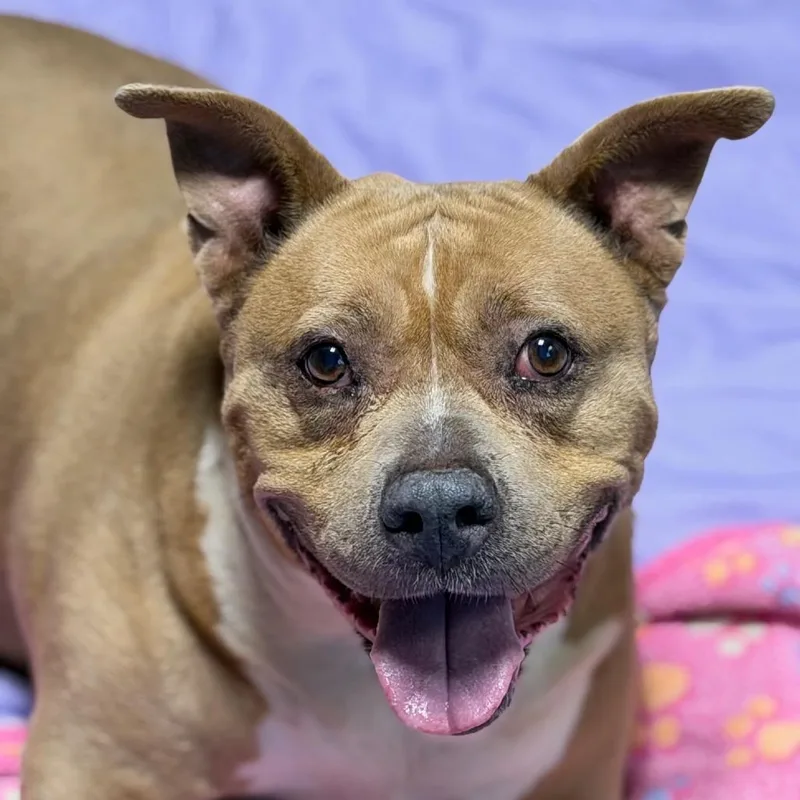
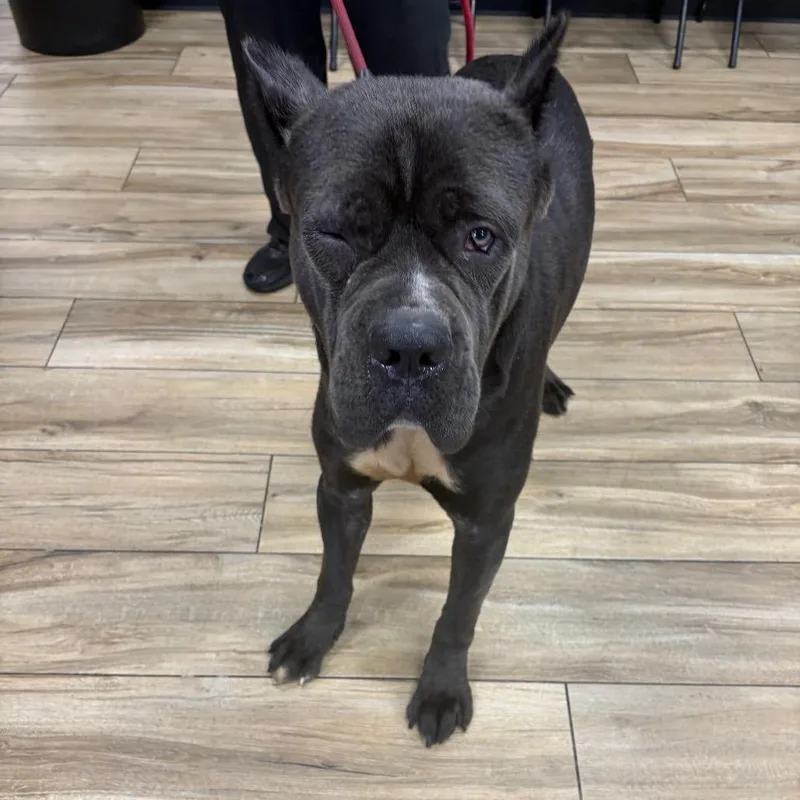
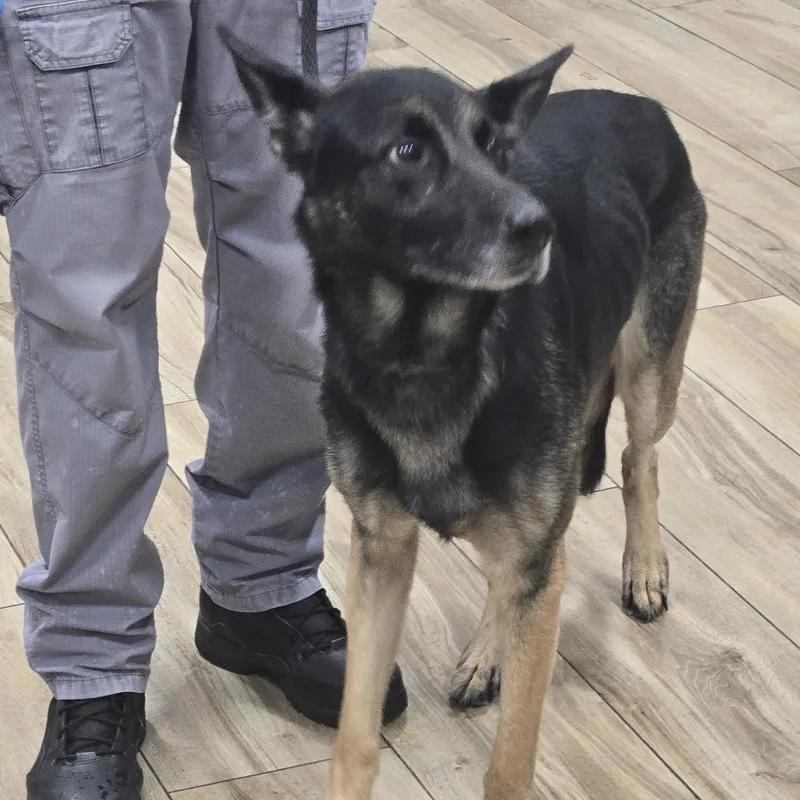
Curly-Coated Retrievers and Similar Breeds Available for Adoption Near Newark

About the Curly-Coated Retriever breed

The Curly-Coated Retriever is one of the oldest retriever breeds, shown in England by about 1860 and recognized by the AKC in 1924. It's the tallest of the retrievers, usually 23 to 27 inches and 60 to 95 pounds, with tight, crisp curls over the body and a smooth face and front legs. Coats come in black or liver, and they shed little most of the year.

Curlies are more independent than Labs or Goldens, and many stay playful for two or three years. In a dense city like Newark, early practice with buses, sidewalk crowds and apartment hallways helps a reserved dog feel at ease. Patient, reward-based training suits a dog that likes to make its own decisions, and each Curly's personality differs.


Weight
60–95 lbs
Height
23–27 in
Lifespan
10–12 yrs
Temperament
Confident, Intelligent, Independent
Group
Sporting
Shedding
Low to Moderate

Owning a Curly-Coated Retriever in Newark

Having a Curly-Coated Retriever in Newark

A Curly pairs a working retriever's stamina with a more self-possessed outlook than its better-known cousins. Its unusual coat, slow maturity and long daily exercise needs shape life in Newark more than size alone, so they're worth weighing before you adopt.

Temperament

Curlies are usually devoted and gentle at home but politely reserved with strangers, which can work on busy Newark sidewalks if the dog is socialized early. They're clever and independent, so repetitive drills bore them. Reward-based training works best, and many stay puppyish for two or three years. Each dog's personality varies.

Exercise Needs

Expect vigorous daily exercise: long walks, running and retrieving games. Weequahic Park's 2.2-mile lake loop, laps around Branch Brook Park or time in a county dog park all fit the bill. Add scent games or obedience classes, because a bored Curly tends to invent its own entertainment.

Health Considerations

Curlies can face hip and elbow dysplasia, exercise-induced collapse, glycogen storage disease, an inherited form of progressive retinal atrophy, heart disease and coat loss. Bloat is a risk in deep-chested dogs, so avoid hard exercise right after meals. A veterinarian can check hips, eyes and heart after adoption and set up regular checkups.

Living Space

Many Newark homes are two- to four-unit buildings or walk-ups, so a Curly needs a plan for stairs, shared hallways and a long daily outing. A fenced yard helps, but routine matters more than square footage. Its size and swinging tail need floor space, and it wants to live indoors with the family.

What it costs to own a Curly-Coated Retriever in Newark

ExpenseTypical costPer year
Food$55 to $110 per month$660 to $1,320
Pet insurance$65 to $130 per month$780 to $1,560
Routine vet care$250 to $500 per year$250 to $500
Other*$483 to $1,261 per year$483 to $1,261
Estimated yearly total (after year one)$2,173 to $4,641

Other costs are estimates and vary with size, age and health.

* The Newark dog license, flea, tick and heartworm prevention, a dental cleaning allowance, toys and bedding, and light coat care with occasional trims.

Adopt a Curly-Coated Retriever in Newark.

Now that you know more, let’s find you a new best friend. These rescues and shelters below have dogs available in and near Newark.

Rescues and Shelters in or near Newark

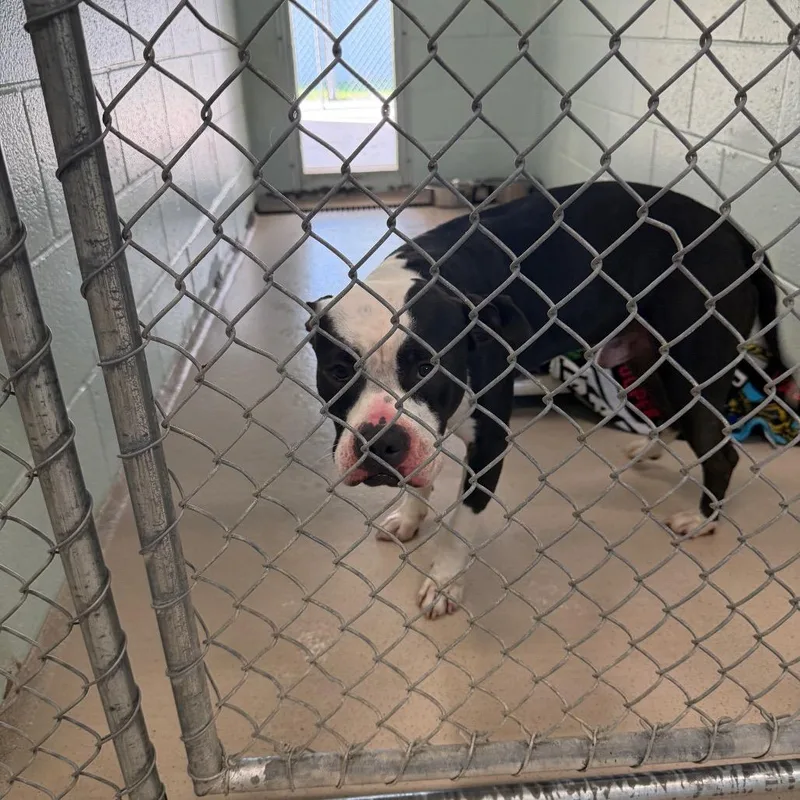
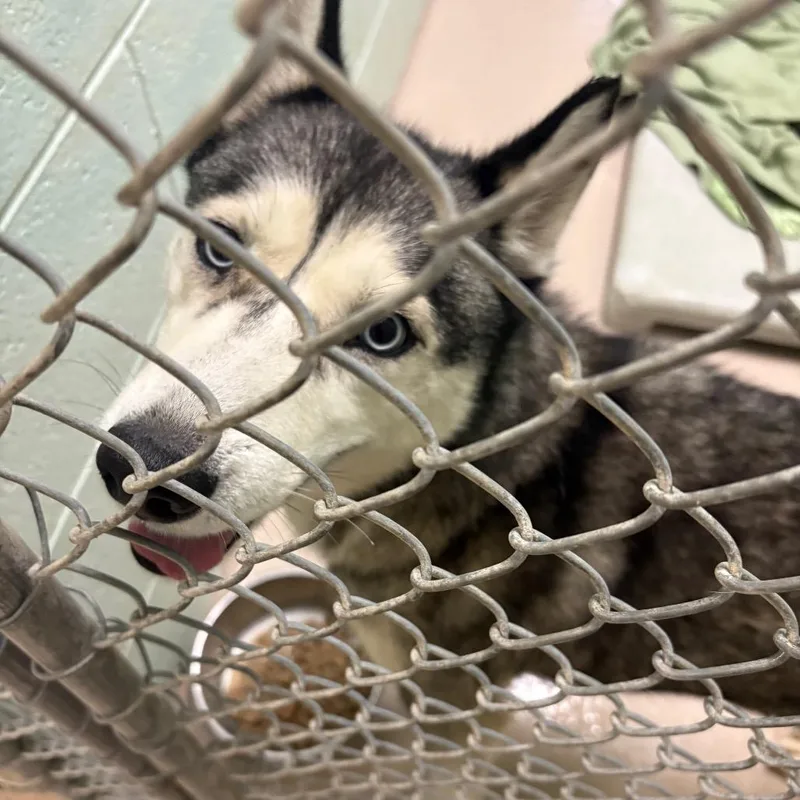
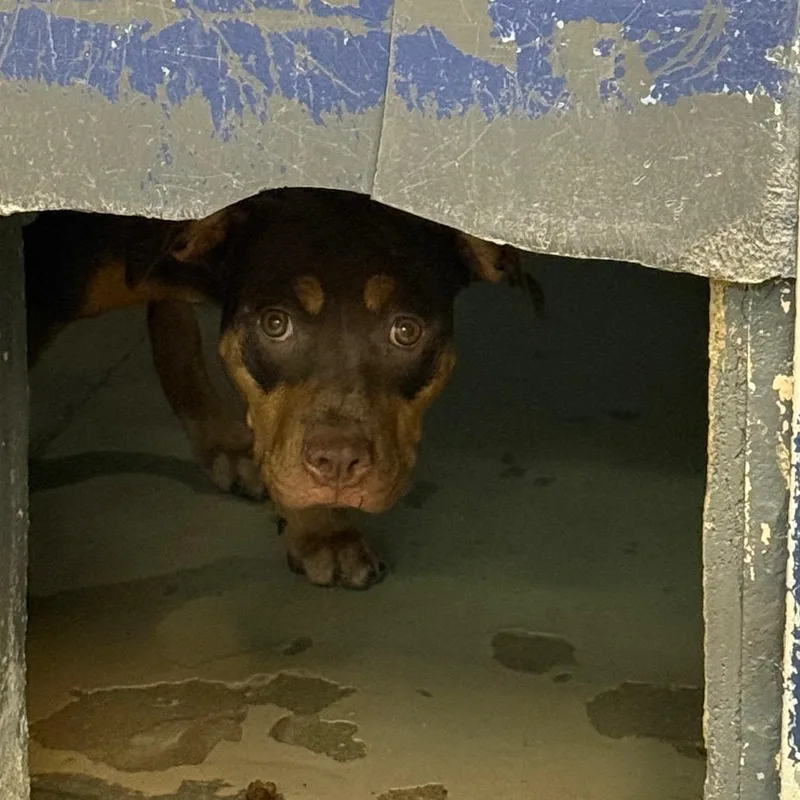
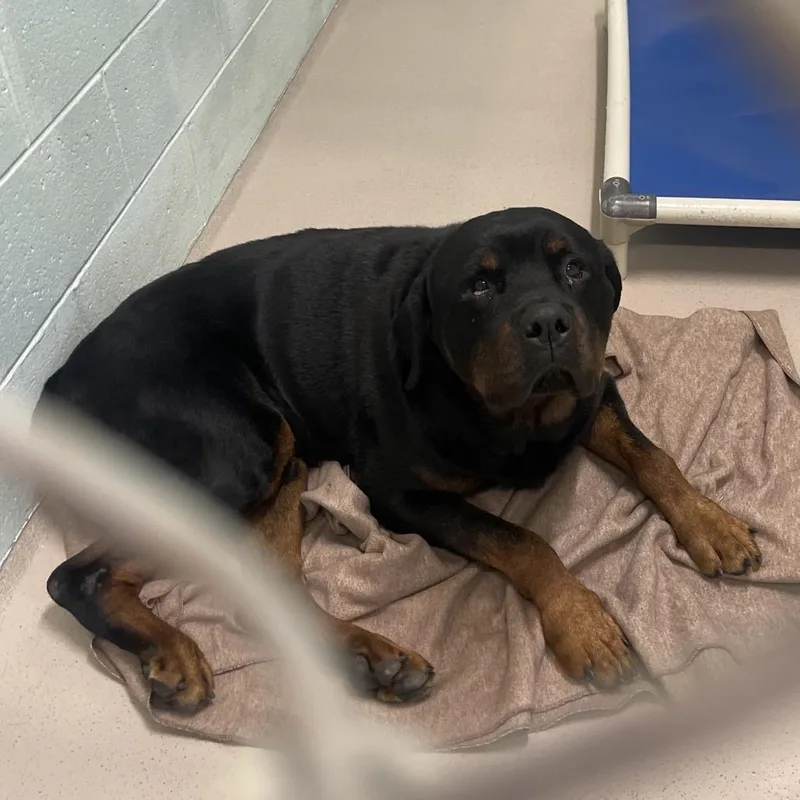
Newark-area shelters and rescues list their adoptable dogs here, though a rare breed like the Curly turns up only occasionally. Here are the rescues & shelters in the Newark area with dogs available for adoption, worth asking whether a Curly-Coated Retriever is coming in.

Frequently Asked Questions

Yes. Newark's code names no breed, and New Jersey's dangerous-dog law looks at a dog's behavior, not its breed. You'll need a dog license with proof of rabies vaccination, a leash no longer than six feet in public, and waste pickup. State law also bars tethering a dog outdoors between 11 p.m. and 5 a.m.

Yes, if the daily routine is solid. Many Newark apartments are in small multifamily buildings, so stairs, shared hallways and neighbor noise matter more than yard size. A Curly needs a long daily outing plus mental work like scent games. Leases often set weight limits, so confirm a 60- to 95-pound dog is welcome first.

Weequahic Park's 2.2-mile loop around its lake suits a Curly's stamina on leash, while the dog parks in Branch Brook and Vailsburg parks allow off-leash fetch. Riverfront Park's boardwalk and Riverbank Park in the Ironbound add leashed city strolls. There's no dog beach, so use fetch and scent games to replace swimming.

Generally no. NJ Transit buses, trains and the Newark Light Rail allow only service animals, police dogs and small pets in carry-on travel cages, and a 60- to 95-pound Curly won't fit in one. Plan on walking or driving for vet visits and outings, and arrange a car trip for longer errands.

Light grooming is enough: dampen the curls and work them with your fingers instead of brushing, which frizzes them, and add an occasional trim. Winter road salt and muddy spring walks mean extra paw wipes and towel drying. Grooming is a small part of the Other costs, about $0 to $100 a year.

Mostly no. New Jersey's food code bars pet dogs from restaurant premises, with service animals the exception, and it has no outdoor-dining exception. Patio policies vary and aren't guaranteed, so don't count on one. A big, active Curly is usually happier on a long walk than waiting beside a table anyway.

Yes, Curly-Coated Retrievers shed, but usually less than most retrievers for much of the year. Many have one or two heavier seasonal sheds when the curls loosen and drop hair, and intact females may shed more after a heat cycle. Owners generally avoid brushing, which frizzes the curls, and instead dampen the coat and work loose hair out by hand.

Yes, Curly-Coated Retrievers are rare in the United States. They have been recognized by the American Kennel Club since 1924 yet rank among the least registered breeds, landing around 168th in recent popularity lists. That rarity means few appear in shelters, so adopters often check breed-specific rescues and set up alerts on adoption listings to hear when one becomes available.

No, Curly-Coated Retrievers are not hypoallergenic, even though their tight curls hold loose hair better than many coats. Allergens come from dander, saliva and urine, which every dog produces. Some people with mild allergies tolerate a Curly better than a heavier shedder, but anyone with allergies should spend extended time with a specific dog before adopting.

Plan on roughly $2,200 to $4,600 a year for a Curly in Newark. Food runs $55 to $110 a month and insurance $65 to $130 a month. Routine vet care is $250 to $500 a year, and other costs such as prevention, dental care, supplies and the license add $483 to $1,261. Emergencies are extra.