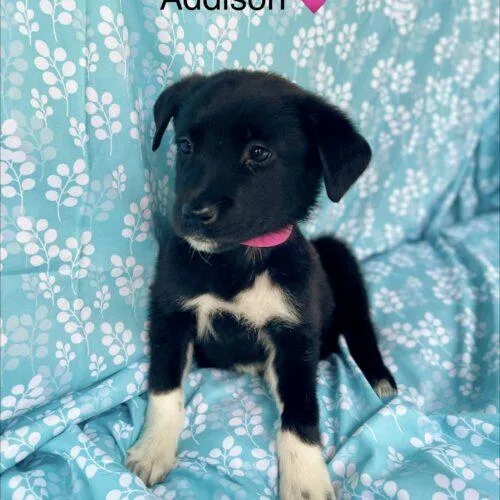
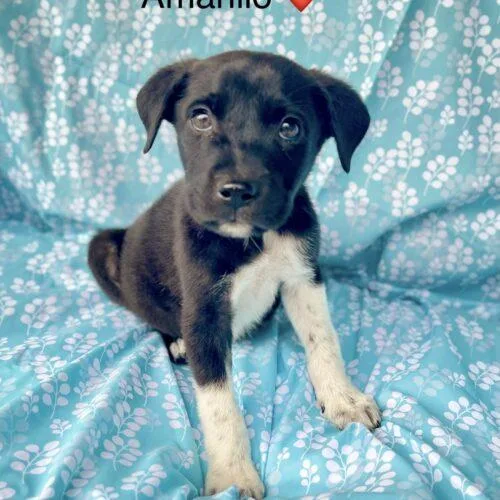
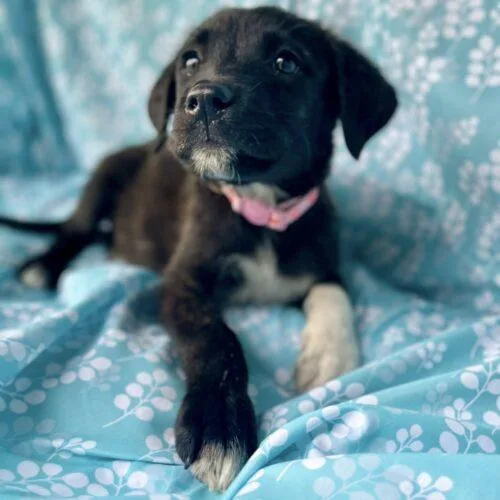
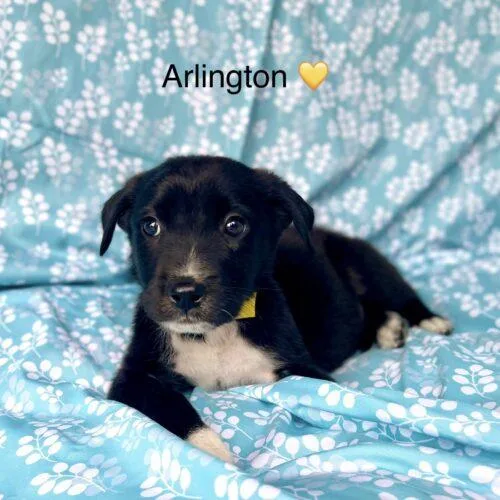
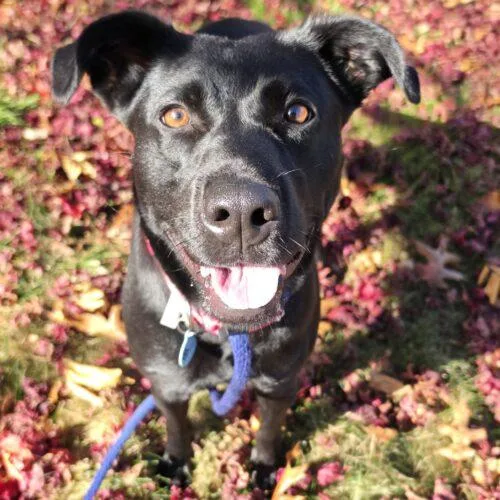
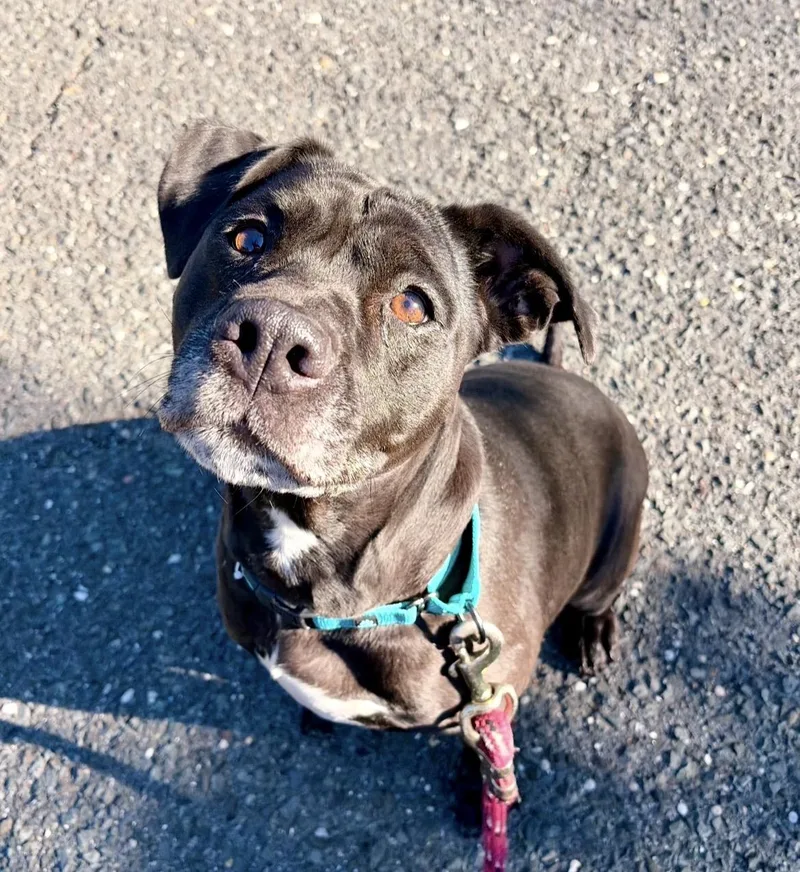
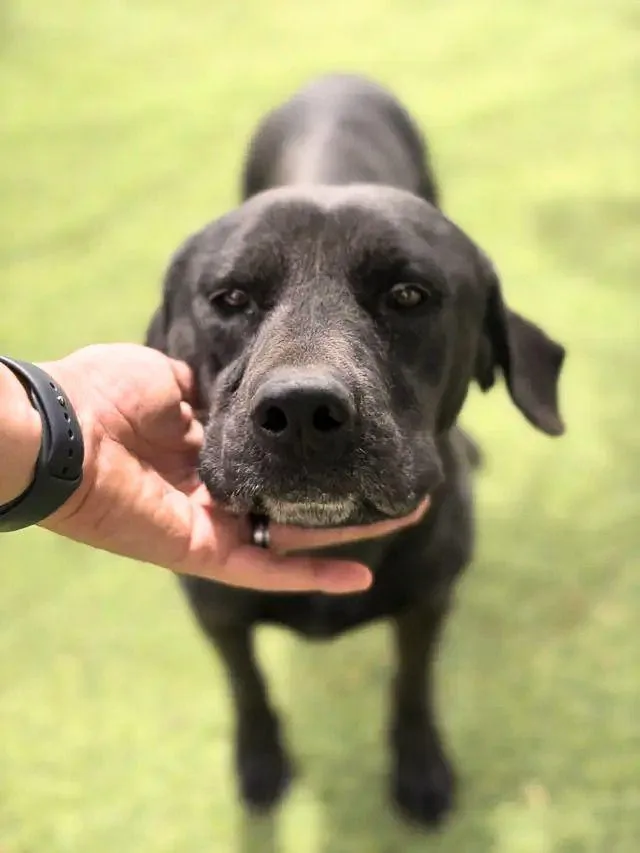
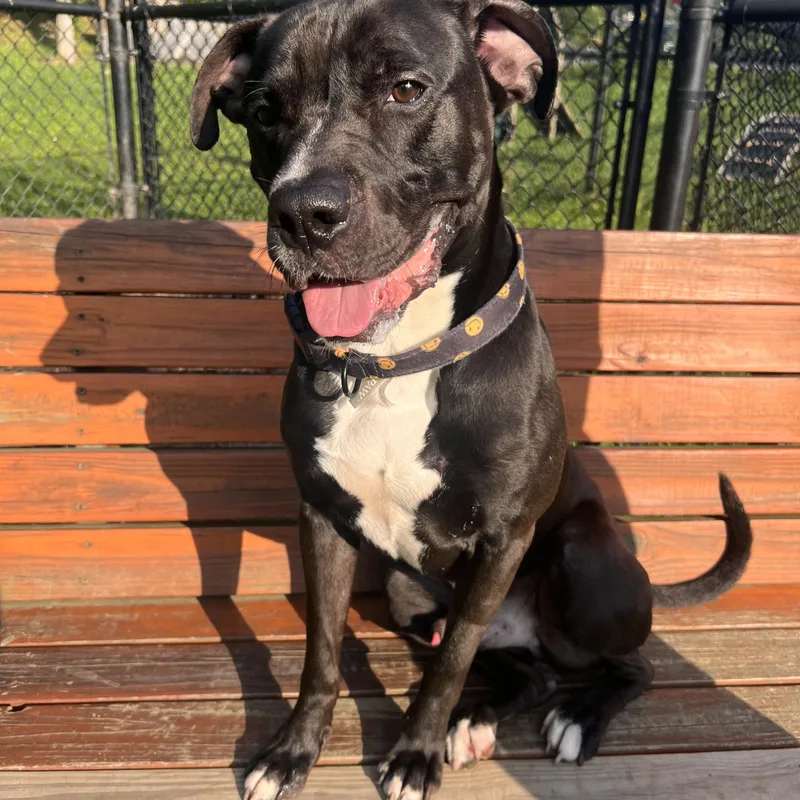
Black Labrador Retriever Dogs for Adoption in Newark, NJ

Your guide to finding and caring for a Black Labrador Retriever in Newark

Black Labs suit Weequahic, where a 2.2-mile rubberized path circles Weequahic Lake. That's a full loop for a big, energetic dog, and the detached houses around Lyons and Chancellor Avenues give a Lab room to settle afterward. In Forest Hill, the Branch Brook Park dog park is a short trip for off-leash play. Most black Labs in Newark will want at least one long walk a day, a sturdy six-foot leash and a towel by the door for wet, snowy paws.

3296 Black Labrador Retrievers available in Newark and nationwide

Find your Black Labrador Retriever

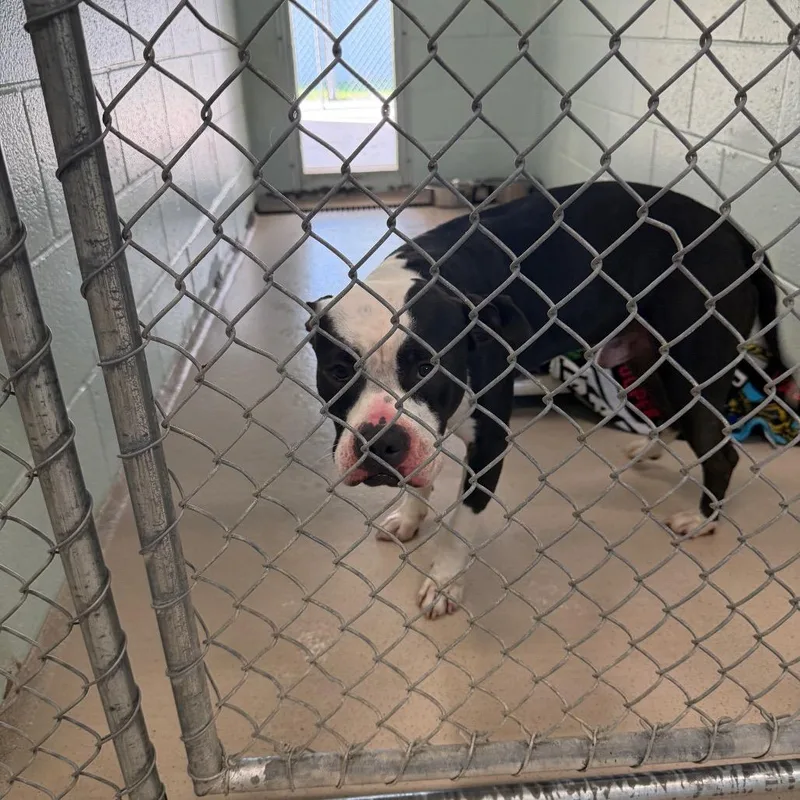
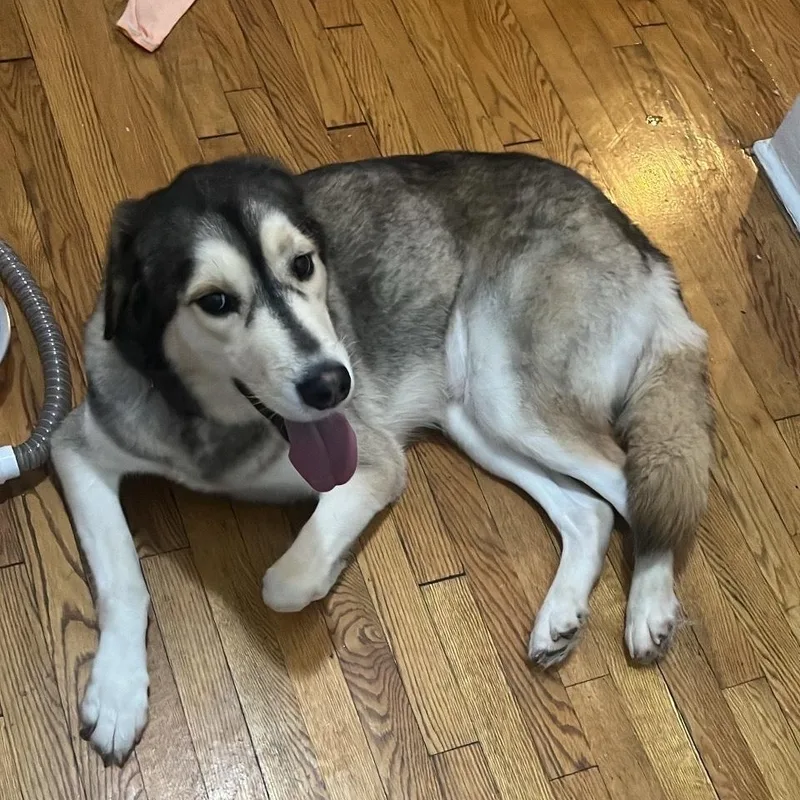
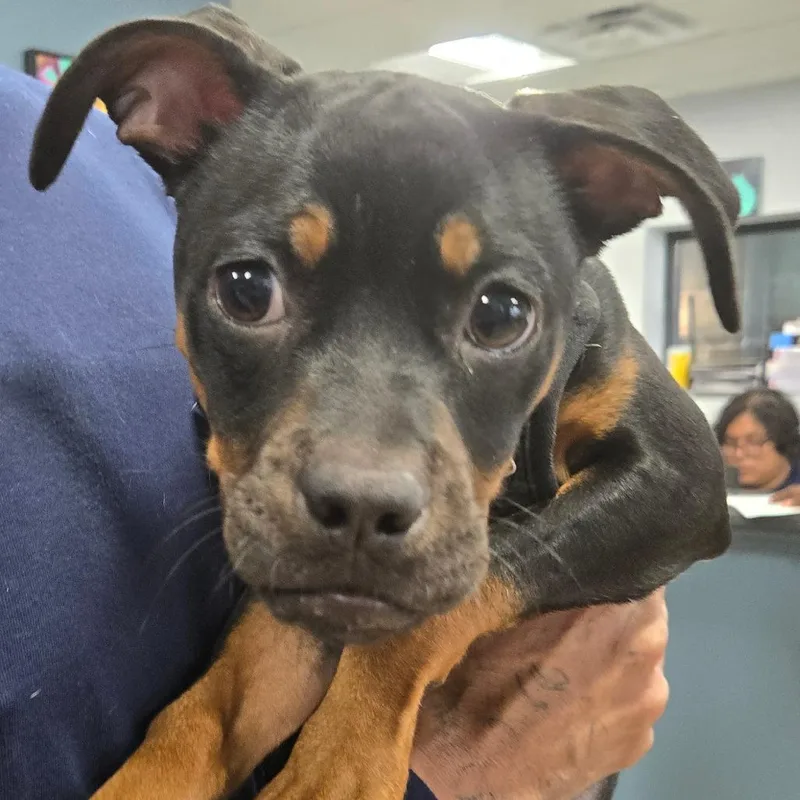
Black Labrador Retrievers Available for Adoption Near Newark

About the Black Labrador Retriever breed

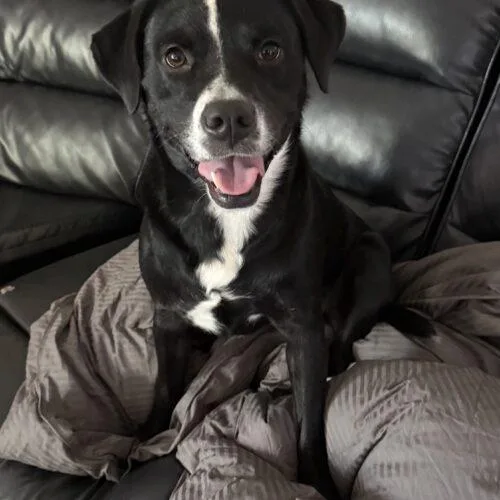
A black Lab is simply a Labrador Retriever in the breed's original color. The breed grew out of Newfoundland's St. John's water dogs and was refined in Britain as a retriever, which explains the water-resistant double coat, otter tail and love of fetch. Many are friendly with nearly everyone, though young dogs can be bouncy, mouthy and strong.

In Newark, that sociable nature suits busy sidewalks and shared stairwells, but it comes with upkeep. Expect heavy shedding in spring and fall, a hearty appetite that calls for measured meals, and a need for consistent, reward-based training. Field-bred Labs tend to be leaner and more driven than show-bred ones, and each dog's age and history matter more than coat color.

Weight
55–80 lbs
Height
21–25 in
Lifespan
10–14 yrs
Temperament
Friendly, Outgoing, Active
Group
Sporting
Shedding
Moderate to High

Owning a Black Labrador Retriever in Newark

Having a Black Labrador Retriever in Newark

Black Labs bring a sociable outlook and working-dog stamina. Energy, appetite and seasonal shedding shape daily life more than color does, so match a dog's age and drive to your routine, and expect Newark's winters and humid summers to change how you exercise.

Temperament

Most black Labs are outgoing and affectionate, which helps on crowded Newark sidewalks and in buildings with many neighbors. Adolescents can be boisterous and mouthy, and some Labs chase small animals. Food-motivated dogs respond well to reward-based training. A dog's own history and socialization say more than breed reputation.

Exercise Needs

Plan on an hour or more of brisk activity a day for a grown, healthy Lab, with fetch or scent games on top. Newark options include the Weequahic Lake loop, Branch Brook Park's paths and the county dog parks. Puppies, adolescents and field-bred dogs may need more, while seniors do better with gentler outings.

Health Considerations

Labs can be prone to hip and elbow dysplasia, cruciate ligament tears, exercise-induced collapse, eye disease, ear infections and skin allergies. Obesity is common, so measure meals and keep regular weigh-ins. In Newark, add year-round parasite prevention and a veterinarian's exam of the hips and elbows early on.

Living Space

A black Lab can live happily in a Newark apartment or two-family house if daily exercise is covered. Stairs, shared hallways and neighbors matter more than yard size. Expect shed hair, a sweeping tail and a dog that wants to stay indoors with the family, especially in cold or humid weather.

What it costs to own a Black Labrador Retriever in Newark

ExpenseTypical costPer year
Food$55 to $110 per month$660 to $1,320
Pet insurance$65 to $130 per month$780 to $1,560
Routine vet care$250 to $500 per year$250 to $500
Other*$590 to $1,490 per year$590 to $1,490
Estimated yearly total (after year one)$2,280 to $4,870

Other costs are estimates and vary with size, age and health.

* Flea, tick and heartworm prevention, a dental cleaning allowance, the Newark dog license, toys and bedding, and brushing and baths for heavy seasonal shedding.

Adopt a Black Labrador Retriever in Newark.

Now that you know more, let’s find you a new best friend. These rescues and shelters below currently have Black Labrador Retrievers available.

Rescues in Newark with Black Labrador Retrievers Available

Newark's shelter community cares for large numbers of dogs, and the groups below list the pets currently looking for homes. Here are the rescues & shelters in the Newark area where you can find Black Labrador Retrievers and other dogs available for adoption.

Frequently Asked Questions

Yes, Newark's code names no breed restrictions, and New Jersey's dangerous-dog law looks at a dog's behavior rather than its breed. You'll need a city license with proof of rabies vaccination, a leash of six feet or less, and waste pickup. State law also bans outdoor tethering between 11 p.m. and 5 a.m.

Yes, a Lab's dense double coat suits Newark's winters, which bring about 80 freezing nights and roughly 31 inches of snow. Keep outings short on the coldest days and wipe salt off paws. State law bars leaving a dog outdoors at or below 32°F for over 30 minutes without proper shelter.

Start with the county dog parks at Branch Brook Park and Vailsburg Park, which have separate large-dog areas for off-leash play. For leashed exercise, the 2.2-mile path around Weequahic Lake and Branch Brook Park's paths work well. Dogs at the dog parks need license tags and vaccinations, with two dogs per person.

Generally no. NJ Transit trains, buses and the Newark Light Rail allow only service animals, police dogs and small pets in carry-on travel cages, so a 55-to-80-pound Lab won't fit that rule. Plan walks from home, or use a car or pet-friendly ride when a trip is too far.

Yes, if its exercise needs are met. Most Newark rentals are in two- to four-unit buildings, so think about stairs, shared hallways and neighbor noise. Confirm any size limit or pet fee in the lease. A refundable pet deposit counts toward New Jersey's 1.5-month security-deposit cap.

Usually not inside. New Jersey's food code keeps pet dogs out of restaurant premises, with service animals the exception, and no outdoor-dining exception exists for pets. Some patios may be more relaxed, but that isn't guaranteed, so plan outings around parks and walks instead of meals.

Brush a Lab weekly, and daily during the heavy spring and fall sheds. Baths are occasional, mostly after muddy or salty walks. Humid summers and winter road salt call for wiping paws and checking ears. Most owners budget about $100 to $300 a year, part of the Other costs listed above.

A Labrador Retriever is a large sporting dog developed to retrieve game for hunters, especially from water. Labs have a short, dense double coat, a thick otter tail and a broad head, and they come in black, yellow and chocolate. Many are friendly, food-motivated and eager to work, which makes them common family, guide and service dogs.

We have 1 rescue with Black Labrador Retrievers available: Associated Humane Societies. You can see every rescue with Black Labrador Retrievers available in the list above these questions, or scroll to the top to see the Black Labrador Retrievers near Newark.

Budget roughly $2,280 to $4,870 a year for a black Lab in Newark. That covers food of $55 to $110 a month, insurance of $65 to $130 a month, routine vet care of $250 to $500 a year, and other costs of $590 to $1,490 a year.