Basenji Dogs for Adoption in Newark, NJ

Your guide to finding and caring for a Basenji in Newark

A Basenji suits a Newark apartment better than most hounds, since it yodels instead of barking. In a Weequahic high-rise on Elizabeth Avenue or a Forest Hill two-family house, neighbors are rarely bothered by the noise. The 2.2-mile loop around Weequahic Lake gives a leashed Basenji the brisk daily outing it needs. These dogs are quick, curious and tidy, and they'll test every gap in a door or gate, so a snug harness matters more than extra square footage.

156 Basenjis available in Newark and nationwide

Fall for a Basenji

While we don't have enough dogs near Newark, keep in mind that many rescues may offer transport.

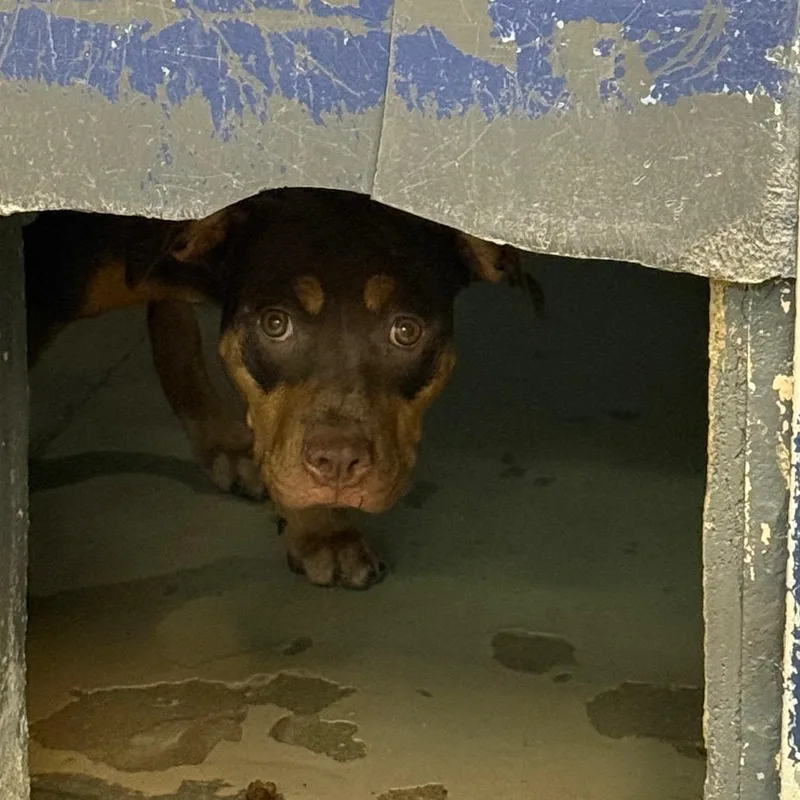
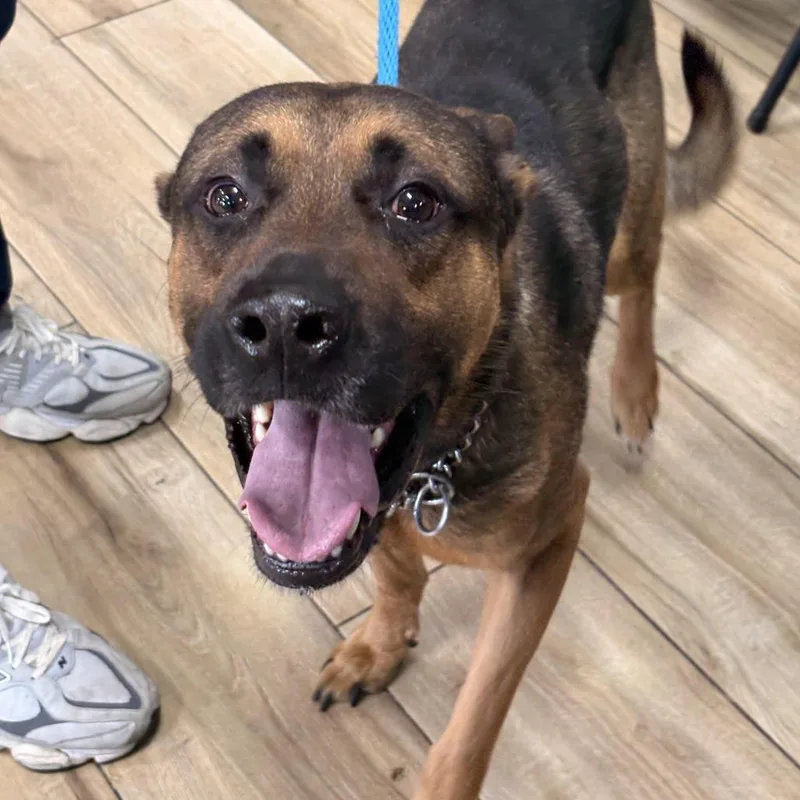
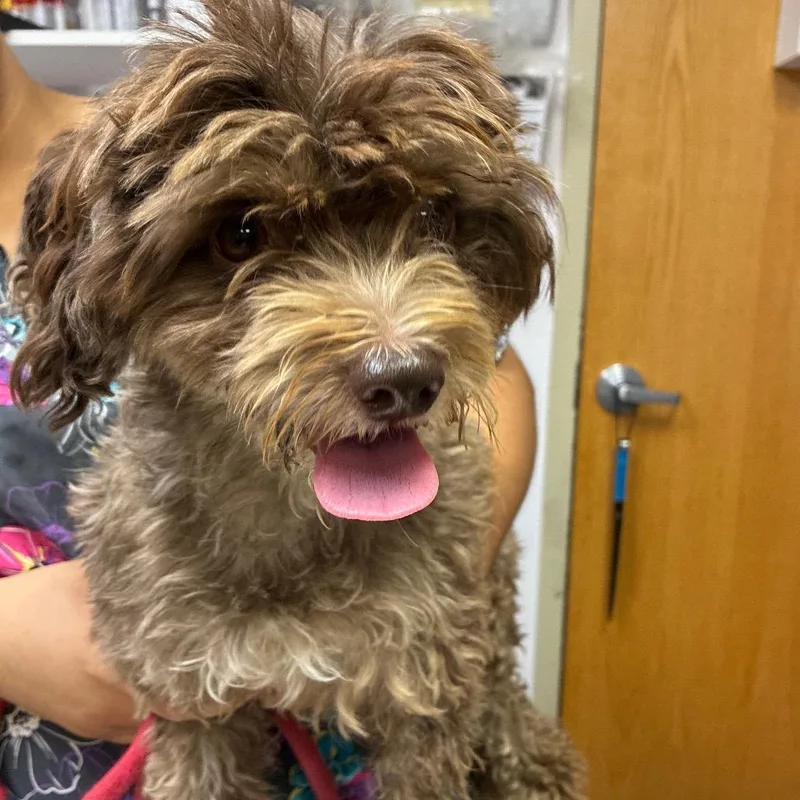
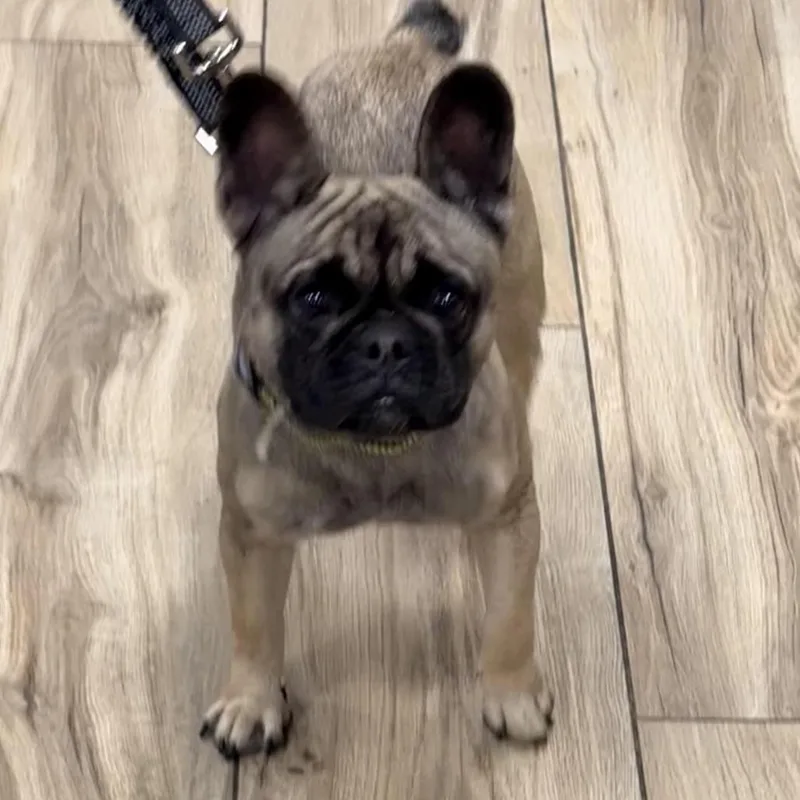
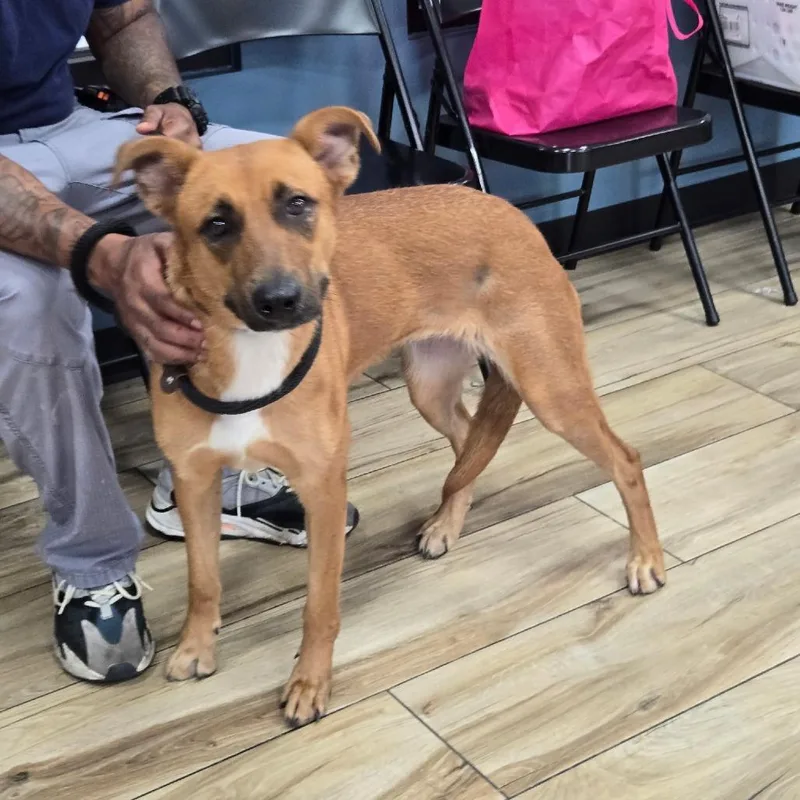
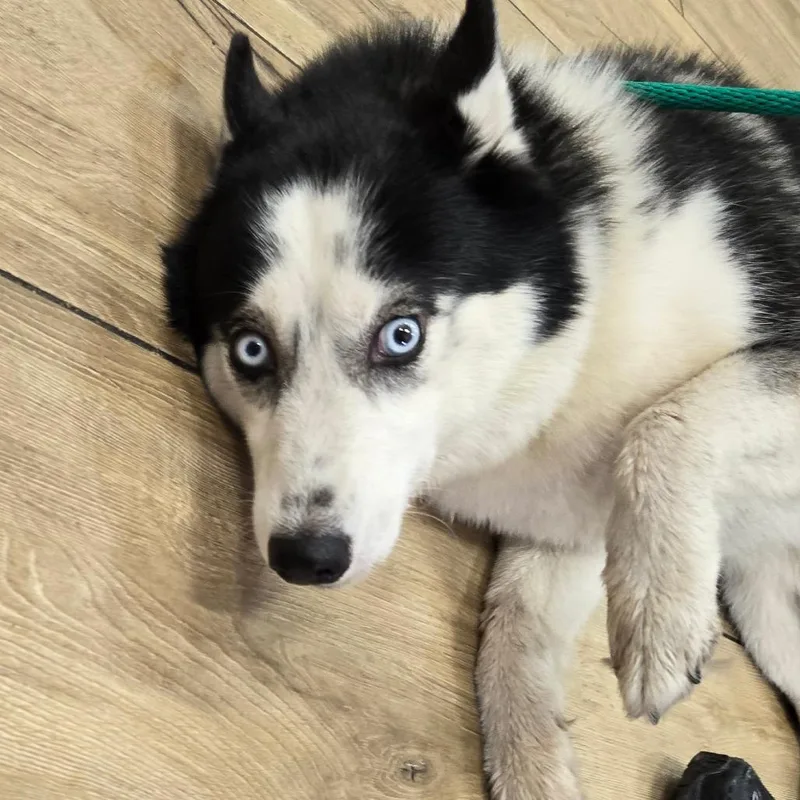
Basenjis Available for Adoption Near Newark

About the Basenji breed

The Basenji is a small hunting hound from Central Africa's Congo basin, where village hunters used it to find small game and drive it into nets. Genetic studies place it among the oldest dog lineages. Instead of barking, it yodels and makes a sound called a baroo, thanks to an unusually shaped larynx.

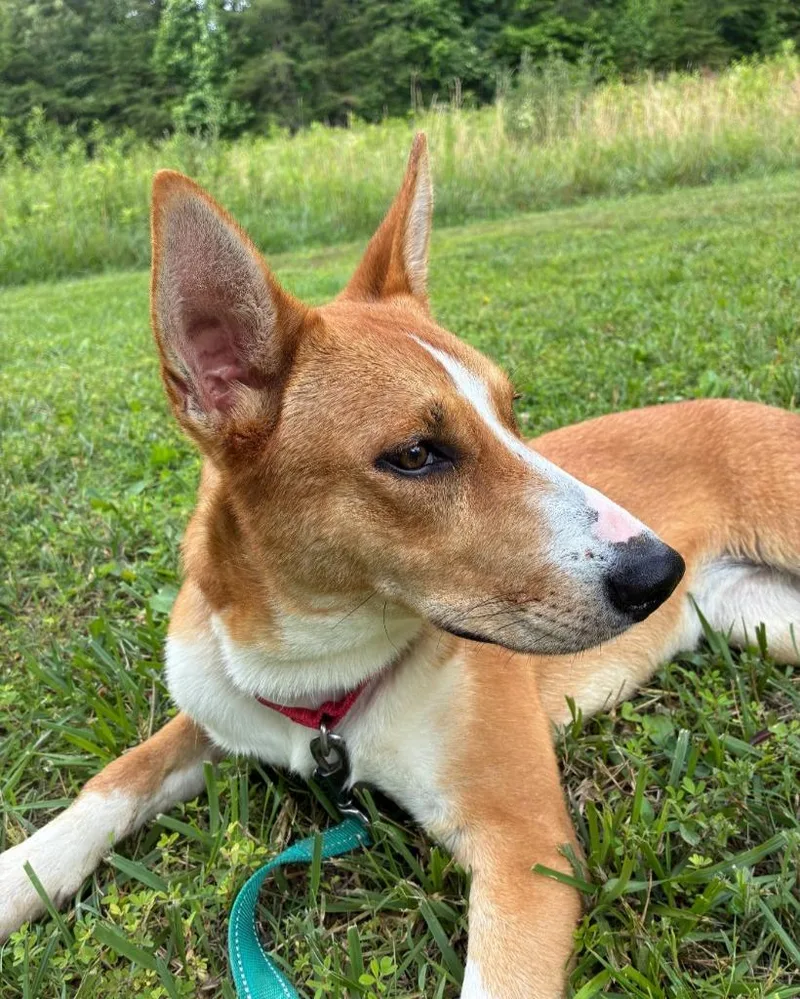
Basenjis have a wrinkled brow, upright ears, a tightly curled tail and a short, fine coat that sheds little, and they groom themselves much like cats. Many are affectionate with their people but independent and reserved with strangers, and most love to chase. In a busy city like Newark, that means a secure harness, a fully enclosed space for any off-leash play, and patient, creative training. Dogs vary, so expect a range of personalities.

Weight
20–26 lbs
Height
15–18 in
Lifespan
12–15 yrs
Temperament
Independent, Intelligent, Alert, Affectionate
Group
Hound
Shedding
Low

Owning a Basenji in Newark

Having a Basenji in Newark

Basenjis are quiet, clean and clever, but also athletic and skilled at escaping. In Newark, the big questions are whether you can provide daily leashed exercise, keep doors and windows secure, and keep a cold-averse dog comfortable through winter and humid summers.

Temperament

Basenjis are usually affectionate with family, alert and reserved with strangers. They think for themselves and may ignore commands that seem pointless, so training takes patience and good rewards. Strong prey drive can make squirrels and small pets irresistible targets. Some enjoy other dogs, while others prefer being the only dog, and each dog's history and personality matter.
Exercise Needs

Plan on a brisk daily walk or run, plus play and puzzle toys. Weequahic Park's 2.2-mile lake loop suits a leashed Basenji, and Branch Brook and Vailsburg both have fenced off-leash dog parks run by Essex County. Keep the dog leashed everywhere else, since its chase instinct makes open spaces risky.

Health Considerations

Basenjis can inherit Fanconi syndrome, a kidney disorder, along with progressive retinal atrophy, pyruvate kinase deficiency and hypothyroidism. DNA tests exist for some of these. A veterinarian can check for early signs, suggest periodic urine screening and set a checkup schedule. Year-round flea, tick and heartworm prevention is sensible in New Jersey.

Living Space

Newark's many walk-ups and two- or three-family houses can suit a quiet Basenji that gets daily exercise. Stairs, shared hallways and neighbors matter more than yard size. Because Basenjis slip through doors and gaps, use baby gates, secure windows and a harness. Many dislike cold and rain, so give the dog a cozy indoor spot.

What it costs to own a Basenji in Newark

ExpenseTypical costPer year
Food$20 to $45 per month$240 to $540
Pet insurance$40 to $85 per month$480 to $1,020
Routine vet care$200 to $400 per year$200 to $400
Other*$385 to $1,065 per year$385 to $1,065
Estimated yearly total (after year one)$1,305 to $3,025

Other costs are estimates and vary with size, age and health.

* The Newark dog license, flea, tick and heartworm prevention, a dental cleaning allowance, durable chew toys and bedding, and minimal grooming for a short, self-cleaning coat.

Adopt a Basenji in Newark.

Now that you know more, let’s find you a new best friend. These rescues and shelters below have dogs available in and near Newark.

Rescues and Shelters in or near Newark

The rescues and shelters serving Newark are listed below, and the dogs they have available change often, so check back here. Here are the rescues & shelters in the Newark area with dogs available for adoption, worth asking whether a Basenji is coming in.

Frequently Asked Questions

Yes, you can own a Basenji in Newark. The city's code names no breed, and New Jersey's dangerous-dog law looks at a dog's behavior, not its breed. Once the dog is of licensing age, you'll need a city license with proof of rabies vaccination, a leash no longer than six feet and waste pickup. Landlords set their own pet rules, so get yours in writing.

A Basenji can be a good fit for Newark if you want a quiet, clean small dog and can give it a brisk daily outing. Its lack of barking suits shared-wall buildings and walk-ups. The trade-offs are a strong chase drive, a talent for slipping out doors, and a dislike of cold, wet weather, so plan on a harness and a firm routine.

Yes, with some help. Many Basenjis dislike cold, and Newark sees about 80 freezing nights a year. Use a coat or sweater, keep walks short and wipe salt from paws afterward. A dog left outside in freezing weather needs proper shelter under state law, and a yard or porch doesn't qualify, so keep your Basenji inside.

The best fenced option is one of Essex County's two off-leash dog parks, at Branch Brook Park and Vailsburg Park, each with separate small and large dog areas. For leashed exercise, try the 2.2-mile loop around Weequahic Lake. Bring proof of license and vaccination, and watch closely, since Basenjis climb fences and bolt after anything that moves.

Only in a carry-on travel cage. NJ Transit allows service animals, police dogs and small pets in carry-on cages on its trains, buses and the Newark Light Rail. An adult Basenji is on the large side for a carry-on cage, so plan on walking or driving, and check PATH's current pet rules before riding.

Not inside. New Jersey's food code bars pet dogs from restaurant premises, with exceptions for service animals. Patio policies vary and aren't guaranteed. If a patio does welcome dogs, keep your Basenji on a short leash and close to you, since its chase drive can turn a passing squirrel into a sudden bolt.

Very little. A Basenji's short, fine coat sheds lightly and the dog cleans itself like a cat, so a weekly rubdown with a soft brush or rubber mitt is usually enough. In Newark, wipe paws after winter salt, dry the dog after rain and trim nails monthly. Occasional baths or nail trims fit within the yearly Other costs of $385 to $1,065.

A Basenji is a small, ancient hunting dog from Central Africa, famous for not barking. It belongs to the AKC Hound Group and was recognized in 1943. Basenjis are lean and elegant, with a wrinkled forehead, upright ears and a tightly curled tail. They tend to be clever, independent, clean and energetic, with a strong instinct to chase.

A Basenji looks like a small, athletic dog with a short, fine coat, upright pointed ears, a wrinkled forehead and a tail curled tightly over its back. Common colors are chestnut red, black, tricolor and brindle, always with white feet, chest and tail tip. It moves with a quick, springy trot often compared to a trotting racehorse.

Expect roughly $1,300 to $3,000 a year, or about $110 to $250 a month, for a Basenji in Newark. Food runs $20 to $45 a month and insurance $40 to $85. Routine vet care is $200 to $400 a year, and other costs such as the license, parasite prevention and dental care add $385 to $1,065 a year.