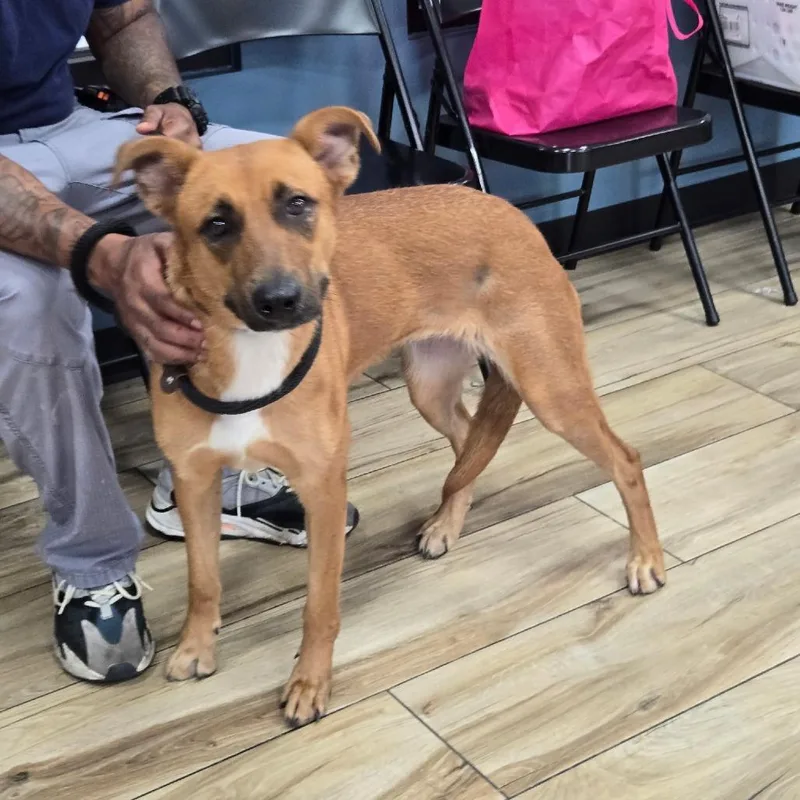
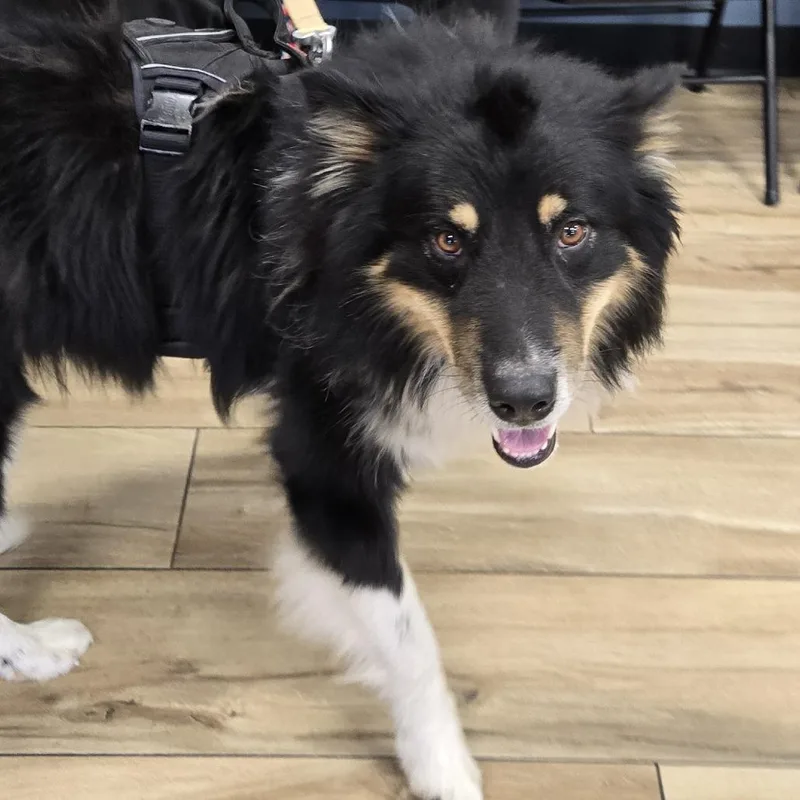
Australian Cattle Dog / Blue Heelers for Adoption in Newark, NJ

Your guide to finding and caring for an Australian Cattle Dog / Blue Heeler in Newark

Blue Heelers fit Newark best when someone is out the door with them every day. In Weequahic, that can mean laps on the 2.2-mile path around Weequahic Lake before work, then an evening run in the fenced Vailsburg Park dog park. These dogs are quick, watchful and happiest with a job, so training games on the walk matter as much as the miles. A Heeler who gets that routine settles in at home and keeps an eye on the front door.

4305 Australian Cattle Dog / Blue Heelers available in Newark and nationwide

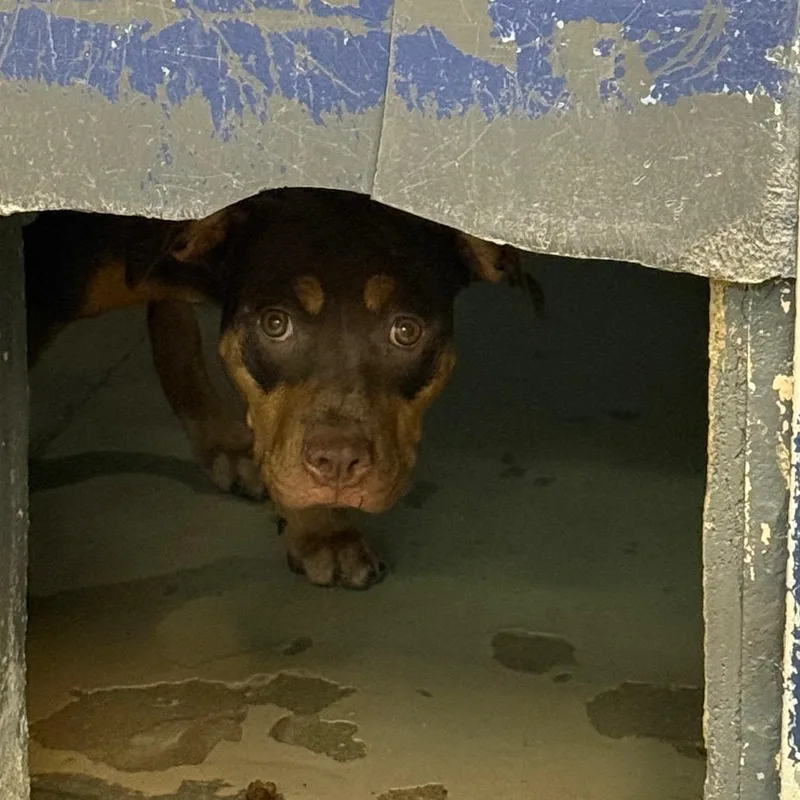
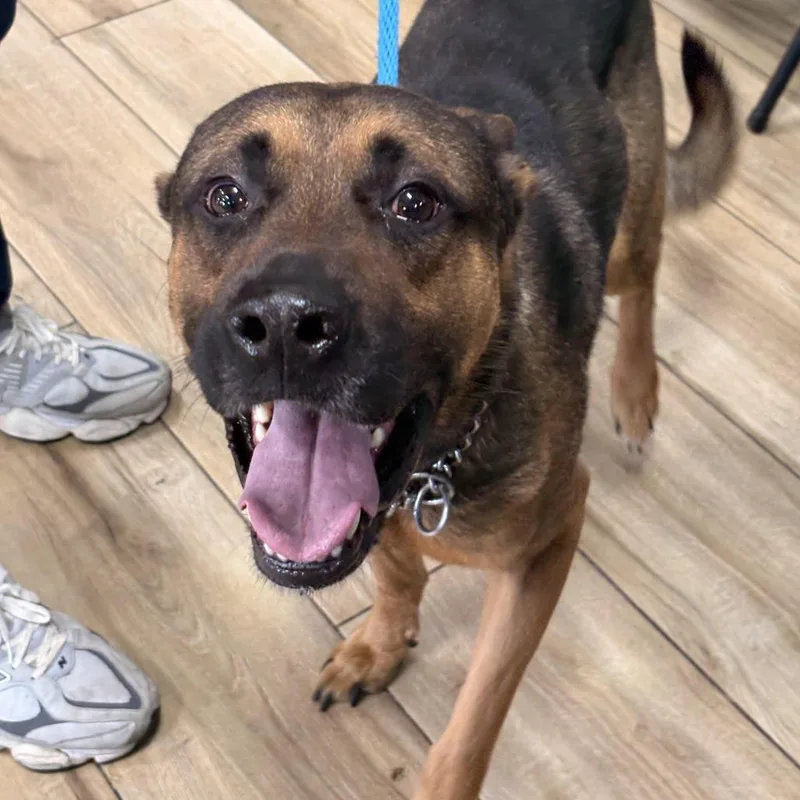
Say hello to your Blue Heeler

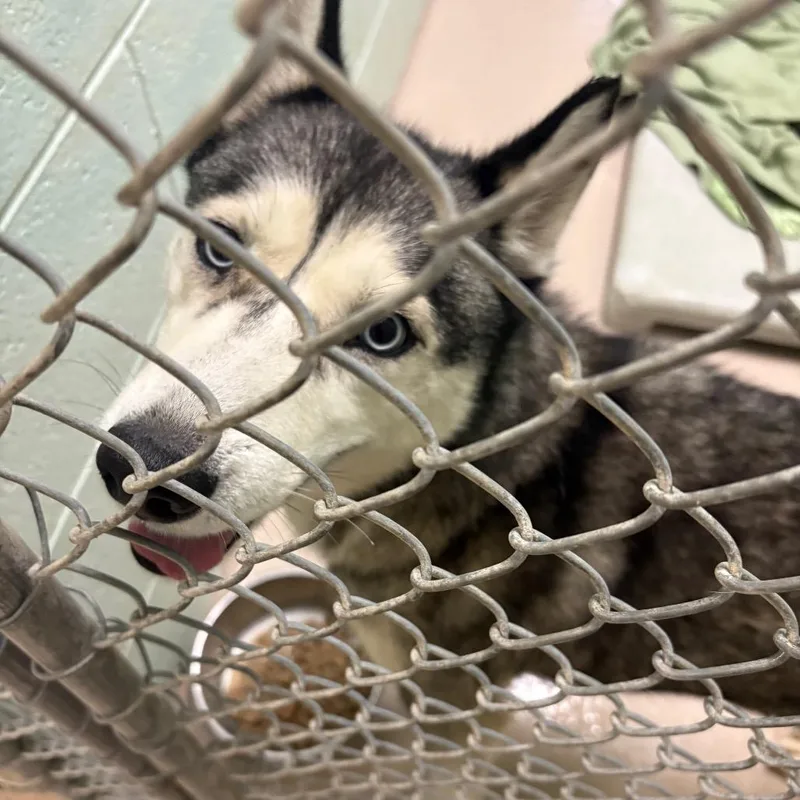
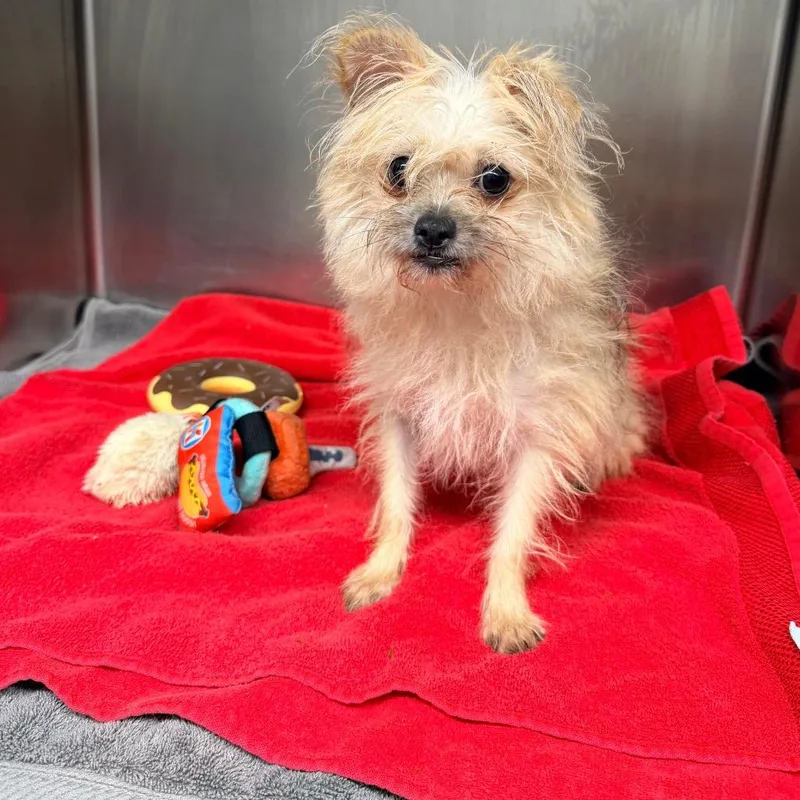
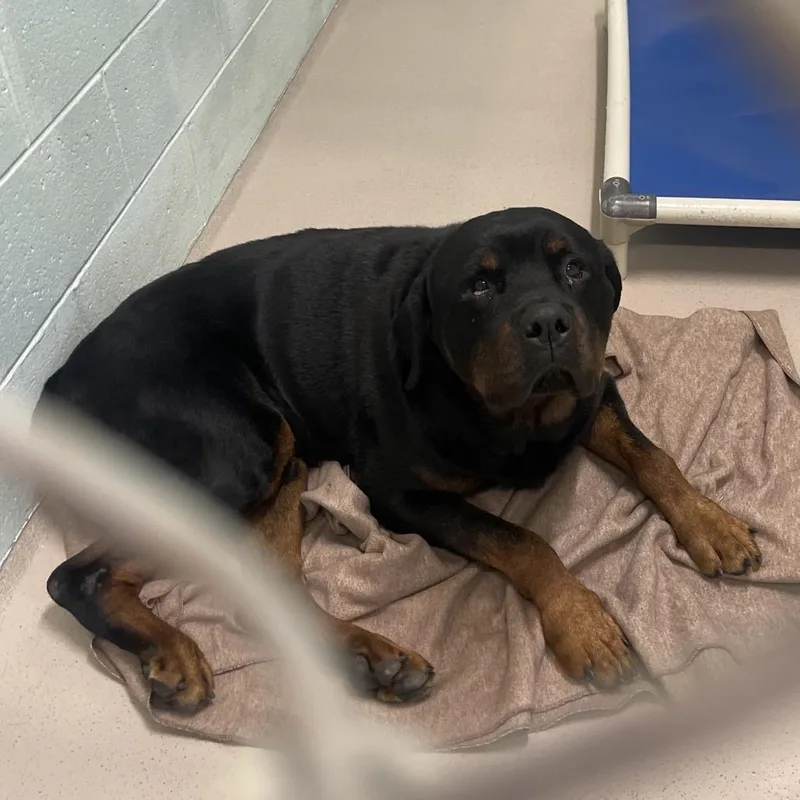
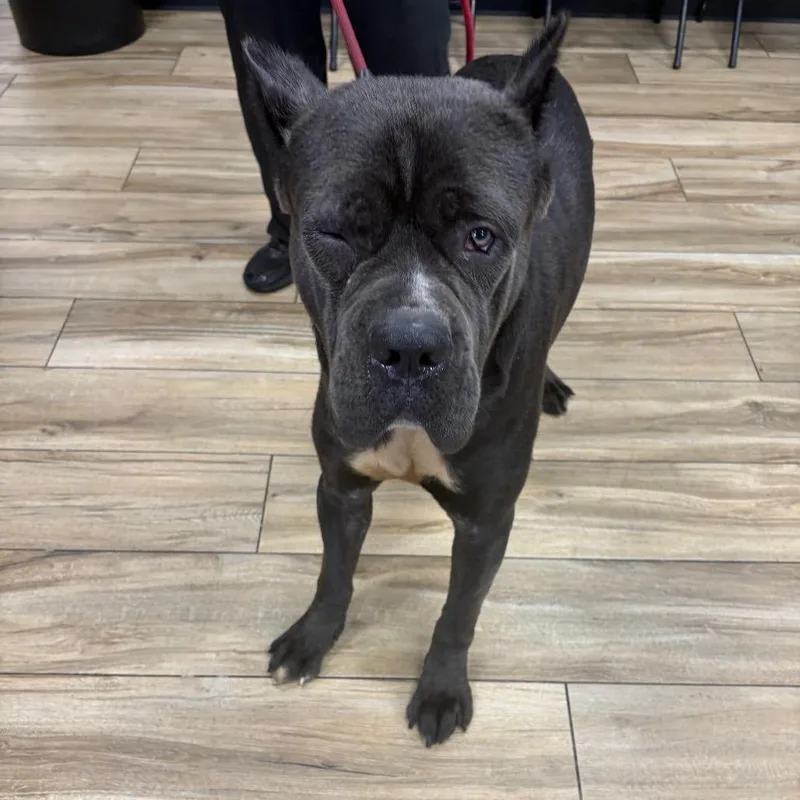
Australian Cattle Dog / Blue Heelers Available for Adoption Near Newark

About the Australian Cattle Dog / Blue Heeler breed

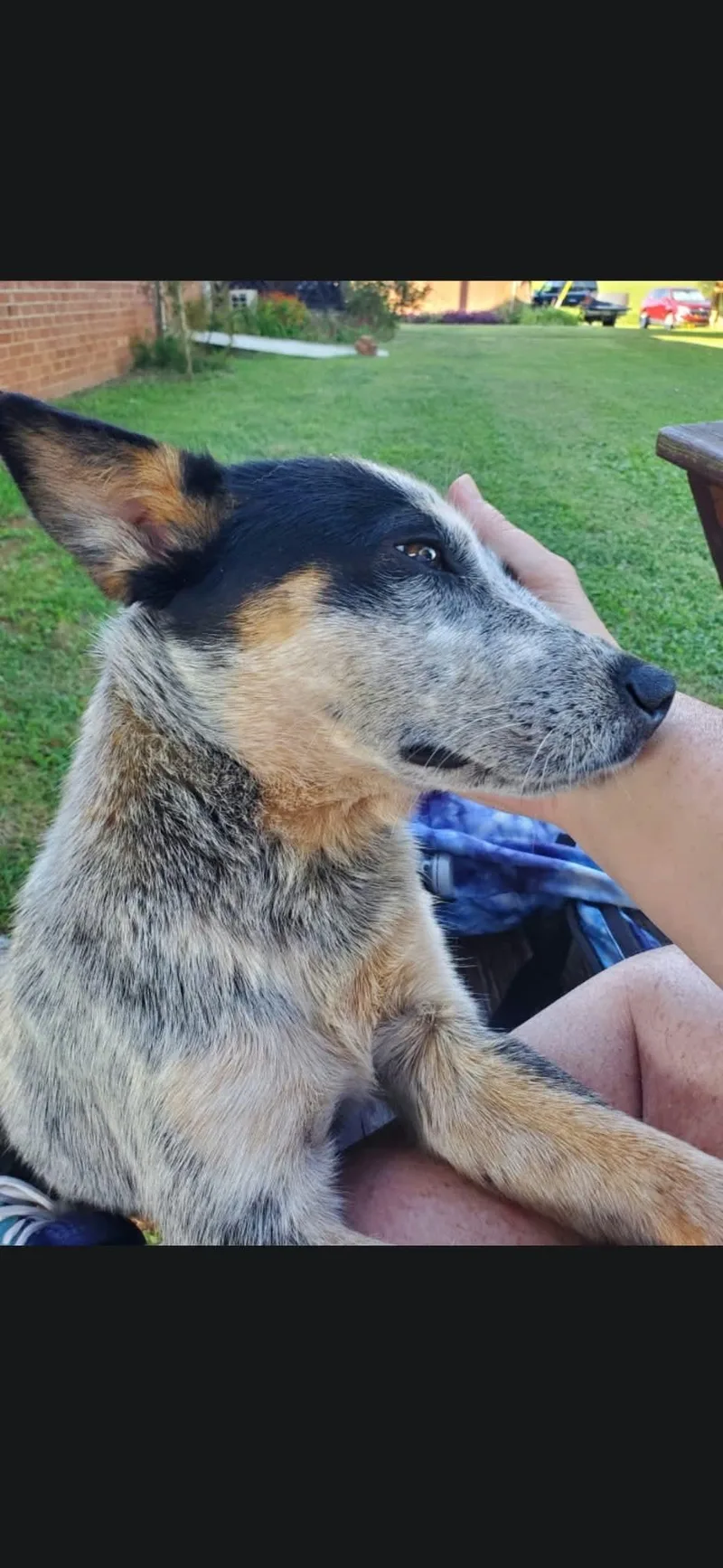
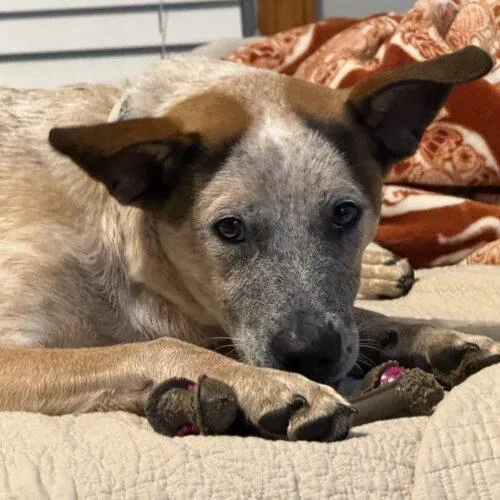
Australian Cattle Dogs, often called Blue Heelers, were developed in nineteenth-century Australia to drive cattle over long distances in heat and dust. They nip at the heels of stock to move it, which is where the name comes from. Adults are compact and muscular, usually 35 to 50 pounds, with a short, weatherproof coat in blue or red speckle.

Heelers tend to be loyal, clever and wary of strangers, and many attach closely to one person. Their stamina and herding instinct can show up as chasing bikes or nipping at kids and other pets, so training and early socialization matter. In Newark's busy streets, a Heeler with steady routines and plenty of mental work can be a devoted, hardy companion that often lives well into its teens.

Weight
35–50 lbs
Height
17–20 in
Lifespan
12–16 yrs
Temperament
Energetic, Intelligent, Loyal, Alert
Group
Herding
Shedding
Moderate

Owning an Australian Cattle Dog / Blue Heeler in Newark

Having an Australian Cattle Dog / Blue Heeler in Newark

A Heeler's drive to work shapes life with one more than its size does. Daily exercise, training and a predictable routine matter most, and city living adds leash manners and sidewalk distractions to plan for.

Temperament

Heelers tend to be alert, confident and loyal, often bonding with one person and staying reserved with strangers. On crowded Newark sidewalks, that watchfulness can turn into barking or herding at passing bikes, kids and other dogs. Reward-based training and steady socialization help, though drive varies from dog to dog.

Exercise Needs

Expect at least an hour or two of vigorous activity a day, plus mental work. Weequahic Park's 2.2-mile lake loop suits steady walks and runs, and the county dog parks give room to sprint. Puzzle toys, trick training and scent games help prevent boredom-driven chewing, digging and nipping.

Health Considerations

Heelers are often long-lived, but documented concerns include congenital deafness, progressive retinal atrophy, primary lens luxation and hip and elbow dysplasia. A veterinarian can check hearing, eyes and joints and talk through screening. Because Newark has ticks and hot, humid summers, keep parasite prevention current and watch for overheating.

Living Space

Most Newark homes are apartments or units in two- to four-family buildings, and a Heeler can manage there if exercise is non-negotiable. Stairs, shared hallways and neighbor noise matter more than yard size. Heelers tend to bark at footsteps and doors, so practice calm greetings and quiet routines early.

What it costs to own an Australian Cattle Dog / Blue Heeler in Newark

ExpenseTypical costPer year
Food$35 to $70 per month$420 to $840
Pet insurance$55 to $100 per month$660 to $1,200
Routine vet care$225 to $450 per year$225 to $450
Other*$434 to $1,165 per year$434 to $1,165
Estimated yearly total (after year one)$1,739 to $3,655

Other costs are estimates and vary with size, age and health.

* The Newark dog license, flea, tick and heartworm prevention, a dental cleaning allowance, durable toys and bedding, and light home grooming for a short coat.

Adopt an Australian Cattle Dog / Blue Heeler in Newark.

Now that you know more, let’s find you a new best friend. These rescues and shelters below have dogs available in and near Newark.

Rescues and Shelters in or near Newark

The rescues and shelters below care for Newark-area dogs and work to match them with adopters. Here are the rescues & shelters in the Newark area with dogs available for adoption, worth asking whether an Australian Cattle Dog / Blue Heeler is coming in.

Frequently Asked Questions

Yes. Newark has no breed-specific rules, and New Jersey's dangerous-dog law looks at a dog's behavior, not its breed. You'll need a city license from about seven months old, with proof of rabies vaccination, plus a leash of six feet or less and waste pickup. State tethering rules also limit how long a dog can stay outside in extreme weather.

It can, if daily exercise is guaranteed. Most Newark homes are in small multifamily buildings, so a Heeler's alert barking at hallway noise is the bigger challenge than square footage. Plan long walks, training sessions and puzzle toys every day. Check your lease for pet terms; a refundable pet deposit counts toward New Jersey's 1.5-month security-deposit cap.

Branch Brook Park and Vailsburg Park both have fenced Essex County dog parks with separate large-dog areas, where dogs need vaccinations, a license and a limit of two dogs per person. For leashed exercise, try Weequahic Park's 2.2-mile lake loop or Riverfront Park's boardwalk. Heelers that herd or nip may do better in quieter hours.

Generally not. NJ Transit trains, buses and the Newark Light Rail allow only service animals, police dogs and small pets in carry-on travel cages, and a 35 to 50 pound Heeler won't fit a carrier. Plan walks, car trips or a nearby park instead. Other systems, such as PATH, have their own rules, so check current policy first.

Yes, with care. Newark summers average 84°F, with about 28 days at 90°F and plenty of humidity. Exercise early or late, carry water, and keep your Heeler off hot asphalt. On Code Red days, when the heat index reaches 100°F, stick to indoor play. Never leave a dog in a parked car.

Not much. The short double coat needs a weekly brushing, and more often during the heavy sheds in spring and fall. Bathe only when needed. In winter, wipe salt off paws after walks, and in summer check paws for heat damage. Home grooming is the norm, which is why grooming is a small part of the yearly Other cost.

Usually not. New Jersey's food code bars pet dogs from restaurant premises, with exceptions for service animals, and the state has no outdoor-dining exception. Some patios may allow dogs, but policies vary and aren't guaranteed. Plan outings around parks and walks, and leave a Heeler at home when you eat out.

Blue Heelers typically live about 12 to 16 years, and a recent UK study put the breed's average life expectancy at about 14 years, longer than many purebreds. A famous Australian Cattle Dog named Bluey reportedly lived over 29 years, though such records are hard to verify. Staying lean and active and getting regular checkups support a long life.

A Blue Heeler is an Australian Cattle Dog with a blue coat. It is a medium-sized herding breed developed in Australia to drive cattle by nipping at their heels. Heelers are compact, muscular and tough, known for intelligence, stamina, loyalty and wariness of strangers. The red-coated version is called a Red Heeler, and both are the same breed.

Expect roughly $1,740 to $3,650 a year for a Heeler in Newark. That covers food at $35 to $70 a month, pet insurance at $55 to $100 a month, routine vet care at $225 to $450 a year, and other yearly costs of about $434 to $1,165.