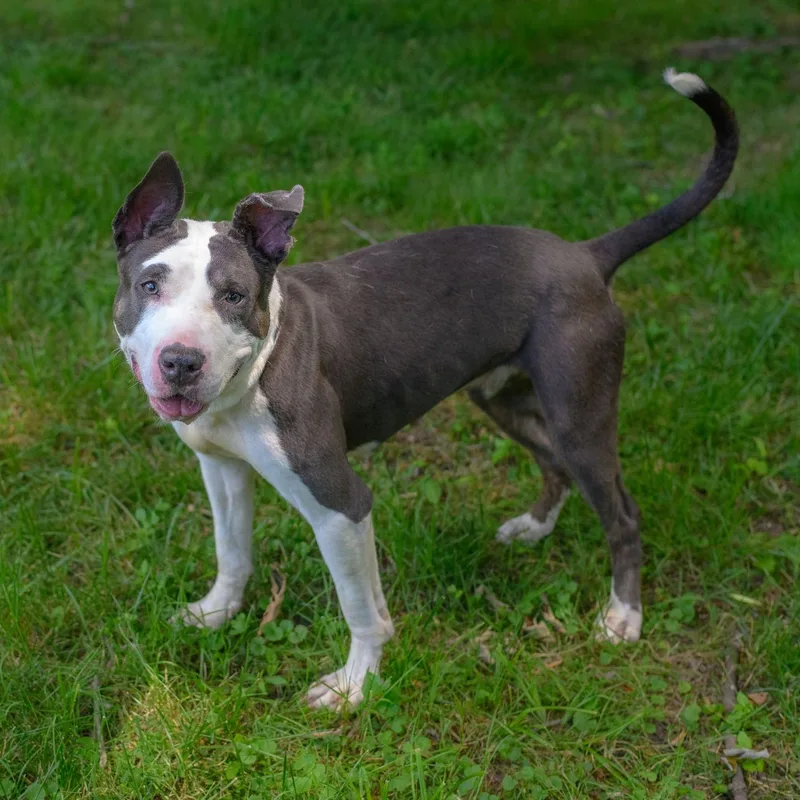
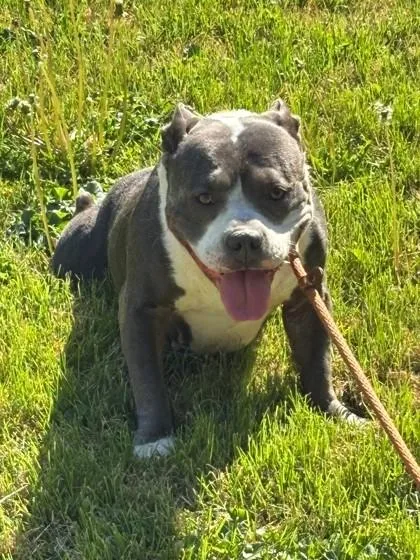
Black Labrador Retriever Dogs for Adoption in Hamilton Township, NJ

Your guide to finding and caring for a Black Labrador Retriever in Hamilton Township

Black Labs suit Hamilton's yard-and-driveway streets, as long as the yard isn't their only exercise. Most homes here are detached houses, so a Lab has room to sprawl in Hamilton Square or Yardville, but it still needs real walks. A loop on the leashed trails at Veterans Park off Kuser Road burns off a lot of energy, and the dark coat soaks up sun on a July lawn. Afterward, most black Labs are happy to claim the couch.

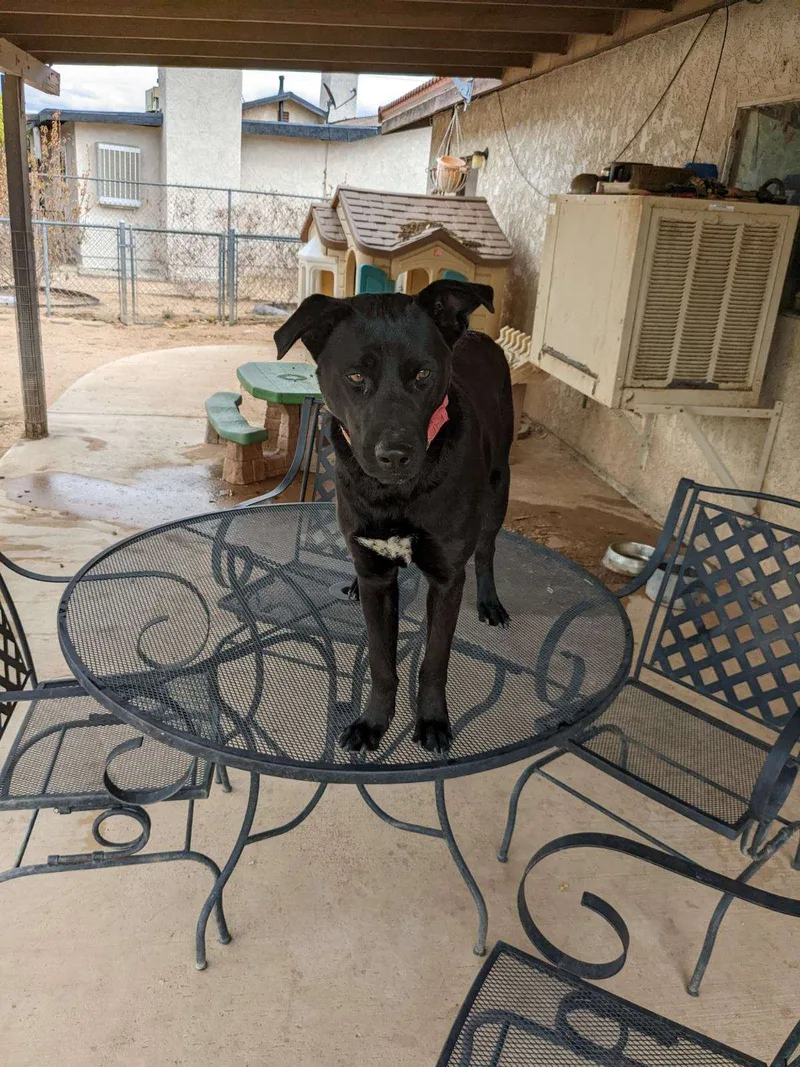
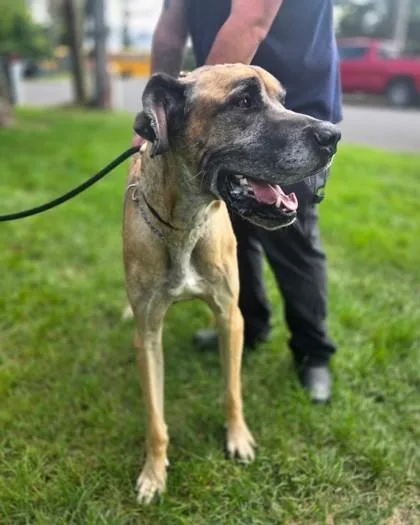
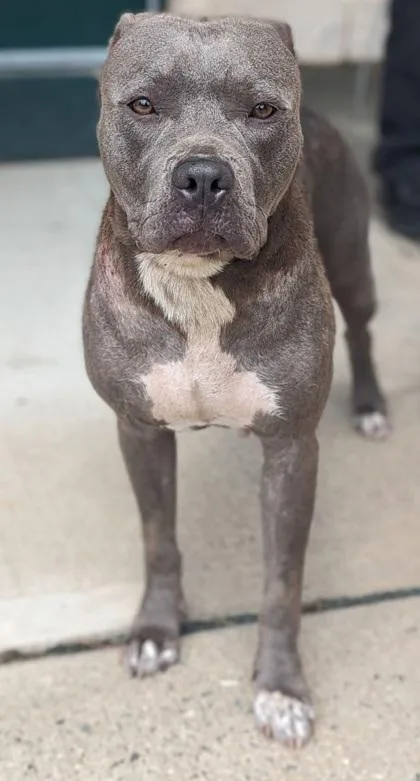
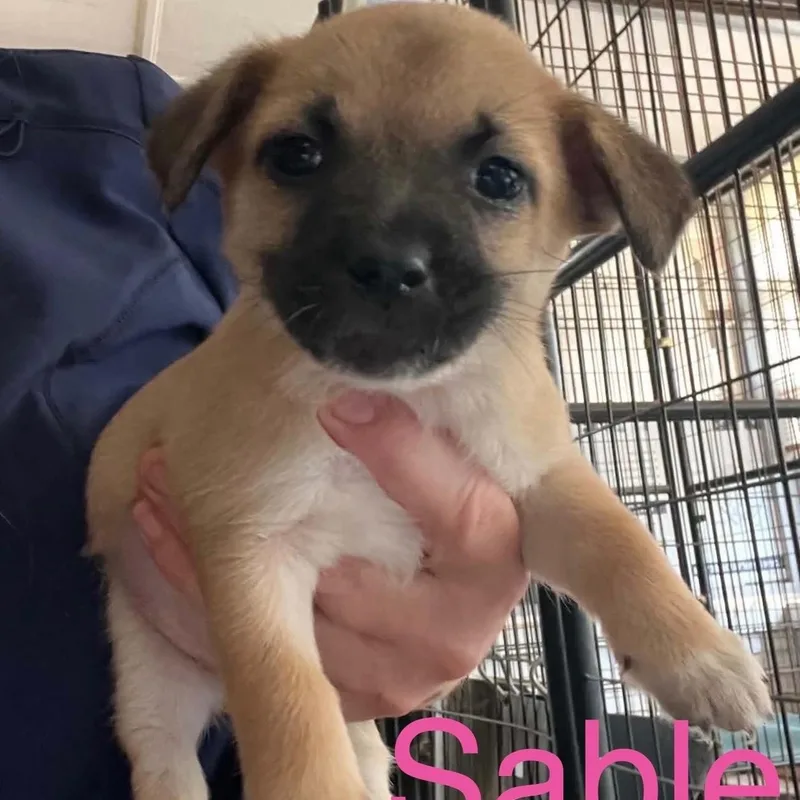
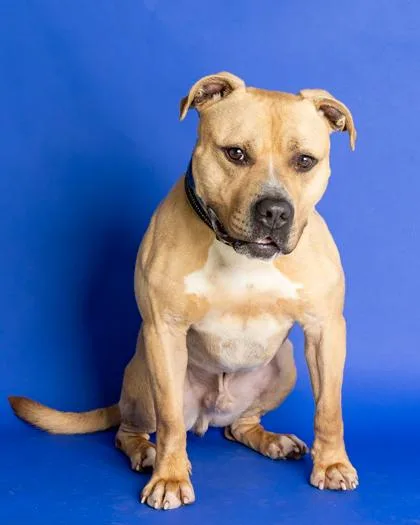
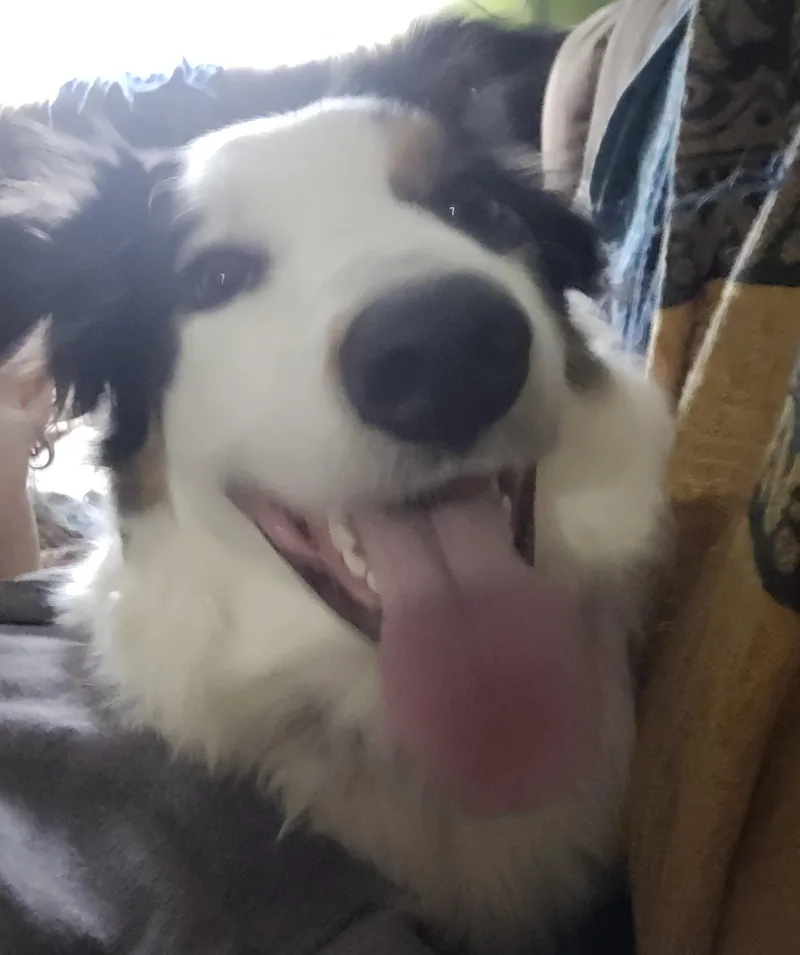
3029 Black Labrador Retrievers available in Hamilton Township and nationwide

Find your Black Labrador Retriever

While we don't have enough dogs near Hamilton Township, keep in mind that many rescues may offer transport.

Black Labrador Retrievers Available for Adoption Near Hamilton Township

About the Black Labrador Retriever breed

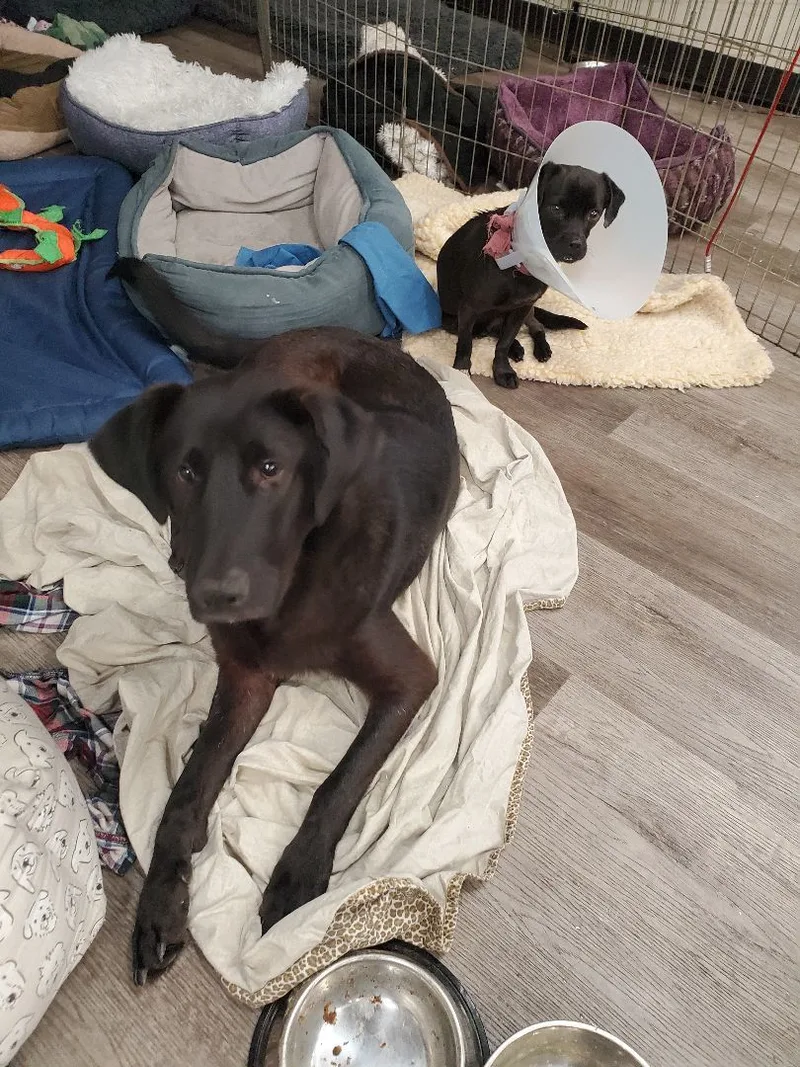
A black Labrador Retriever is a Lab in the breed's original and most familiar color, not a separate breed. Labs descend from the St. John's water dogs of Newfoundland and were refined in Britain as gun dogs, which explains the dense water-resistant double coat, the otter tail and the love of fetching. Black is genetically dominant over chocolate, and some dogs have a small white chest spot.

Color doesn't change personality. Black Labs are typically friendly, food-motivated and eager to please, though field-bred dogs run leaner and more driven than show-bred ones. In Hamilton, that means a dog who wants daily exercise, steady training, measured meals and a good brushing in shedding season. Labs mature slowly, so expect a bouncy adolescence before they settle.

Weight
55–80 lbs
Height
21–25 in
Lifespan
10–14 yrs
Temperament
Friendly, Outgoing, Active
Group
Sporting
Shedding
Moderate to High

Owning a Black Labrador Retriever in Hamilton Township

Having a Black Labrador Retriever in Hamilton Township

Energy, appetite and seasonal shedding shape daily life with a black Lab far more than coat color does. In Hamilton, a yard helps, but walks, training and weight control matter most. Age and drive vary from dog to dog.

Temperament

Black Labs are usually outgoing and affectionate with family, guests and other dogs, and many are patient with respectful children. Young ones can be mouthy and boisterous. Their love of food makes reward-based training effective. A dog's history and socialization matter more than breed reputation or coat color, so spend time with a dog before deciding.

Exercise Needs

Plan on an hour or more of brisk activity most days: walks, fetch or training games. Veterans Park's leashed trails, about four miles in all, and its two dog parks near the South Entrance give Hamilton Labs room to burn energy. Field-bred dogs usually need more, while seniors still enjoy gentler daily outings.

Health Considerations

Labs can develop hip and elbow dysplasia, cruciate ligament tears, exercise-induced collapse, progressive retinal atrophy, and ear or skin problems. Obesity is common, so measure meals and keep weigh-ins regular. In Hamilton, tick checks after wooded trails matter too. A veterinarian can check the hips and elbows at the first visit.

Living Space

Most Hamilton homes are detached houses, which suits a large Lab, and a fenced yard makes play easier but can't replace walks. Apartments and townhouses work when daily exercise is reliable. Dark coats absorb heat, so shade and water matter outside. Expect shed hair, a sweeping tail and a dog who wants to live indoors.

What it costs to own a Black Labrador Retriever in Hamilton Township

ExpenseTypical costPer year
Food$55 to $110 per month$660 to $1,320
Pet insurance$65 to $130 per month$780 to $1,560
Routine vet care$250 to $500 per year$250 to $500
Other*$593 to $1,471 per year$593 to $1,471
Estimated yearly total (after year one)$2,283 to $4,851

Other costs are estimates and vary with size, age and health.

* The $18 to $21 Hamilton dog license, a dental cleaning allowance, flea, tick and heartworm prevention, toys and bedding, and brushing and baths during heavy shedding.

Adopt a Black Labrador Retriever in Hamilton Township.

Now that you know more, let’s find you a new best friend. These rescues and shelters below currently have Black Labrador Retrievers available.

Rescues in Hamilton Township with Black Labrador Retrievers Available

The township shelter and nonprofit rescues serving Mercer County help dogs find homes, and Labs and Lab mixes may appear here. Here are the rescues & shelters in the Hamilton Township area where you can find Black Labrador Retrievers and other dogs available for adoption.

Frequently Asked Questions

Yes. Hamilton Township has no breed bans, and New Jersey law overrides local breed-specific rules, so a black Lab is treated like any other dog. License a newly adopted dog once you've kept it more than 10 days, and make sure your home type allows another pet under the township's household limit.

Veterans Park is the best all-around pick: leashed trails of about four miles for steady walks and two dog parks near the South Entrance for off-leash play. Roebling Park and the Abbott Marshlands add longer trail options, though posted dog rules apply. Wooded stretches mean ticks, so check your Lab's ears and paws afterward.

Yes, a black Lab's double coat handles Hamilton Township winters well. Freezing nights happen about 97 times a year, but active adults stay comfortable. Wipe paws after salted sidewalks and shorten outings for seniors and lean dogs. State law requires insulated, dry shelter for any dog kept outside in the cold.

Yes, if daily exercise is dependable. Hamilton Township is mostly detached houses, but about 17% of homes are in buildings with five or more units, and a black Lab can live in one with long walks and play. Ask about size limits and pet deposits before signing, and expect plenty of shed hair.

Generally no. NJ Transit allows only service animals and small pets in carry-on travel cages on its trains and buses, so a 55- to 80-pound Lab can't ride from Hamilton station unless it's a service dog. Hamilton Township is car-oriented anyway, so plan to drive and use a crash-tested crate or harness.

Probably not. New Jersey's food code generally bars pet dogs from food establishments, including patios, and outdoor-dining bills haven't become law. Service animals are the exception. Plan outings around Veterans Park or Sayen Gardens instead, and never leave your Lab in a parked car while you eat.

Brush weekly most of the year and daily during spring and fall shedding. Baths every few weeks or after muddy trails are plenty, and salted winter sidewalks mean extra paw wipes. Most owners brush at home, which fits within the $593 to $1,471 yearly Other costs; occasional professional baths push toward the high end.

Often, for active households. Hamilton Township's yards, leashed trails at Veterans Park and mild spring and fall suit a sociable Lab. Long solo workdays are harder, and many residents commute from Hamilton station, so a dog that needs midday walks needs a plan. Consider the dog's age and energy, since each Lab differs.

We have 1 rescue with Black Labrador Retrievers available: Pet Rescue of Mercer. You can see every rescue with Black Labrador Retrievers available in the list above these questions, or scroll to the top to see the Black Labrador Retrievers near Hamilton Township.

Expect roughly $55 to $110 a month for food and $65 to $130 for pet insurance. Routine vet care runs about $250 to $500 a year, and other costs such as prevention, dental care, supplies, brushing and the license add about $593 to $1,471 a year. Large dogs eat more, so measured portions help your budget and their joints.