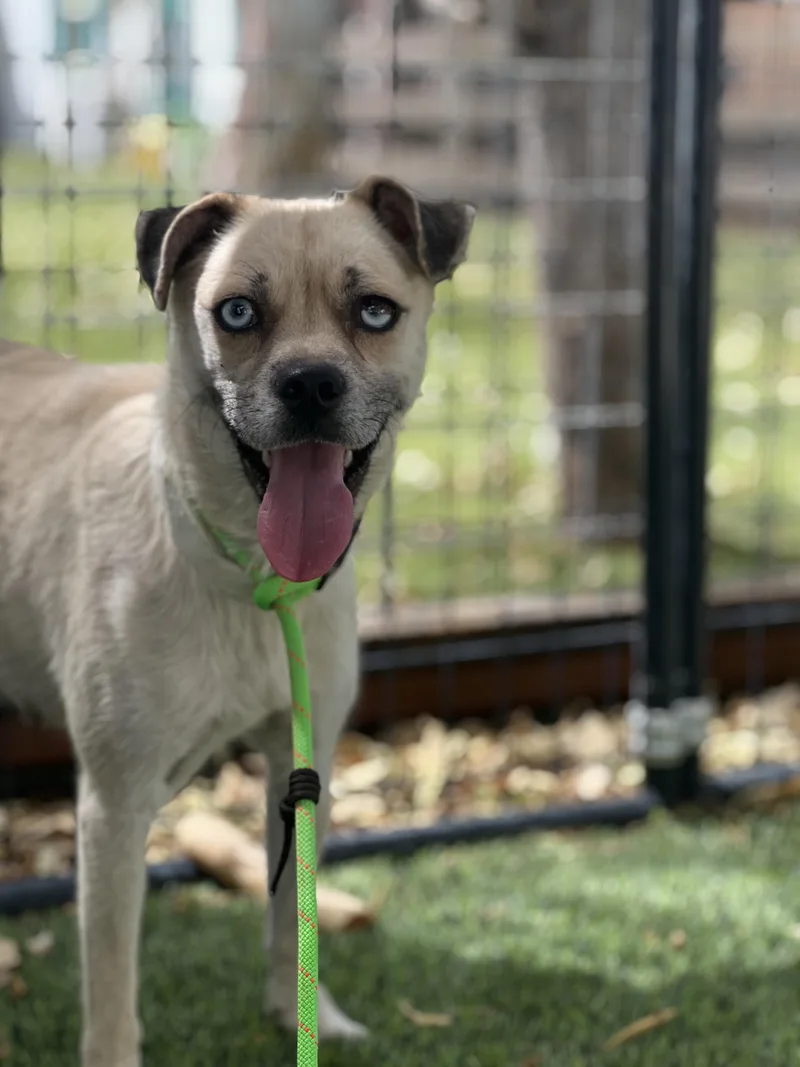
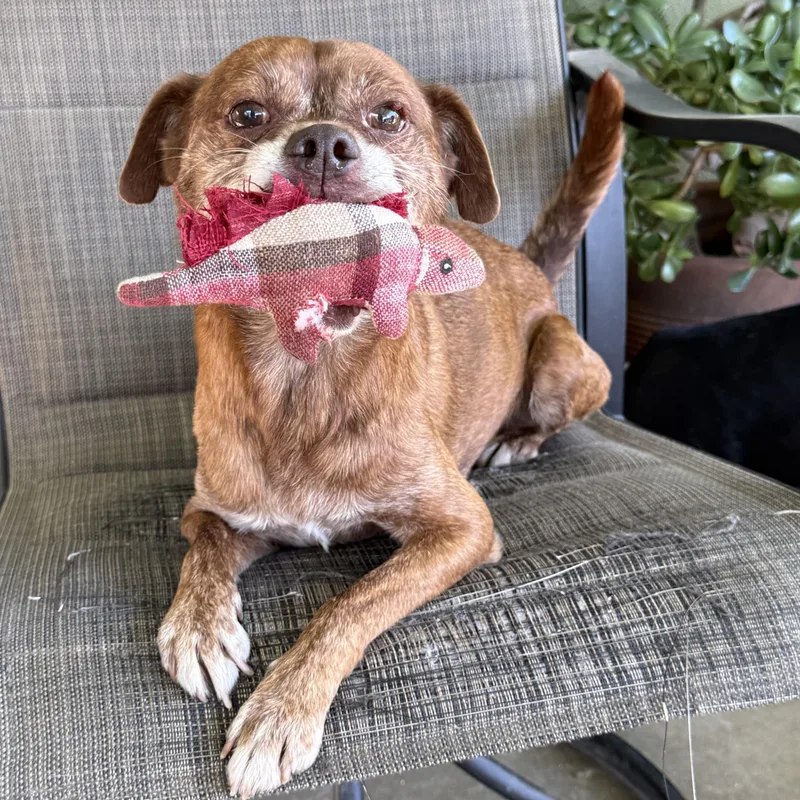
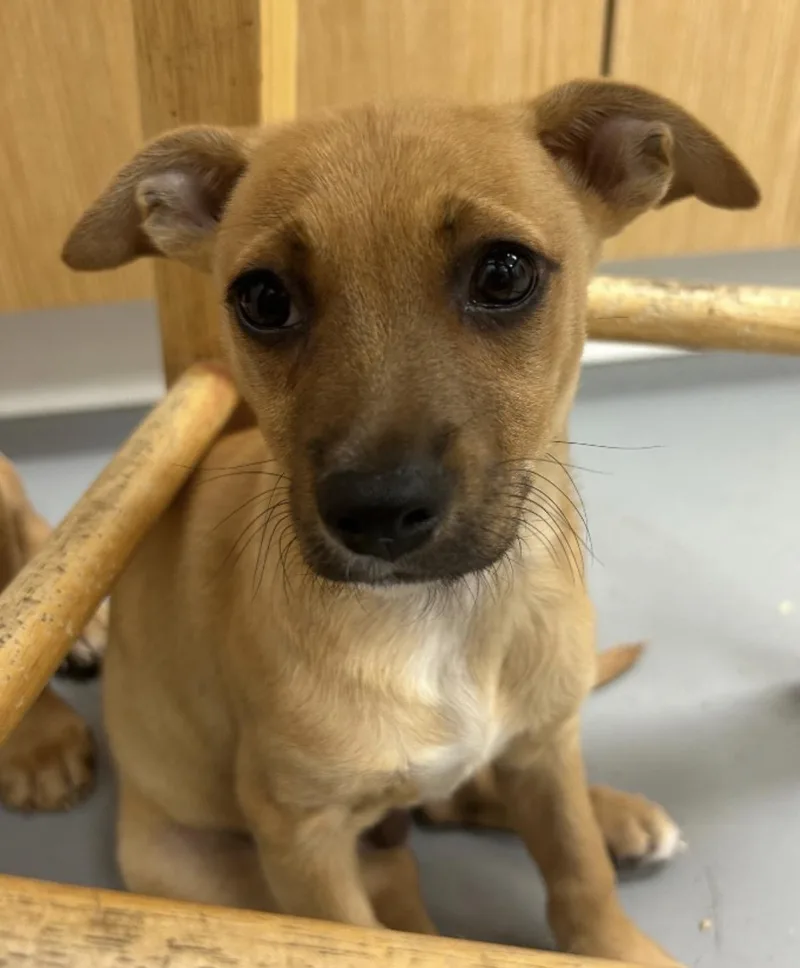
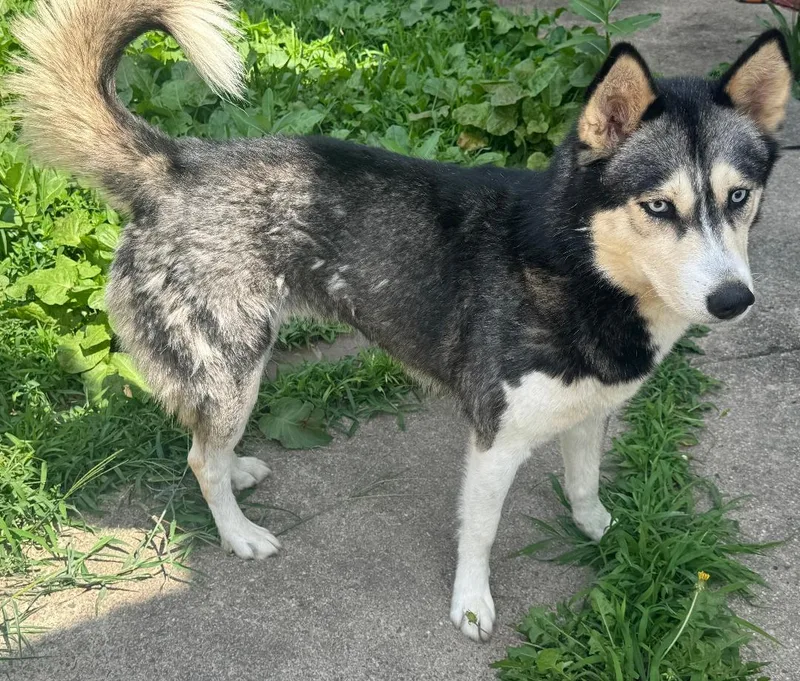
Puggle Dogs for Adoption in East Brunswick, NJ

Your guide to finding and caring for a Puggle in East Brunswick

58 Puggles available in East Brunswick and nationwide

Find your forever Puggle

While we don't have enough dogs near East Brunswick, keep in mind that many rescues may offer transport.

Puggles Available for Adoption Near East Brunswick

About the Puggle breed

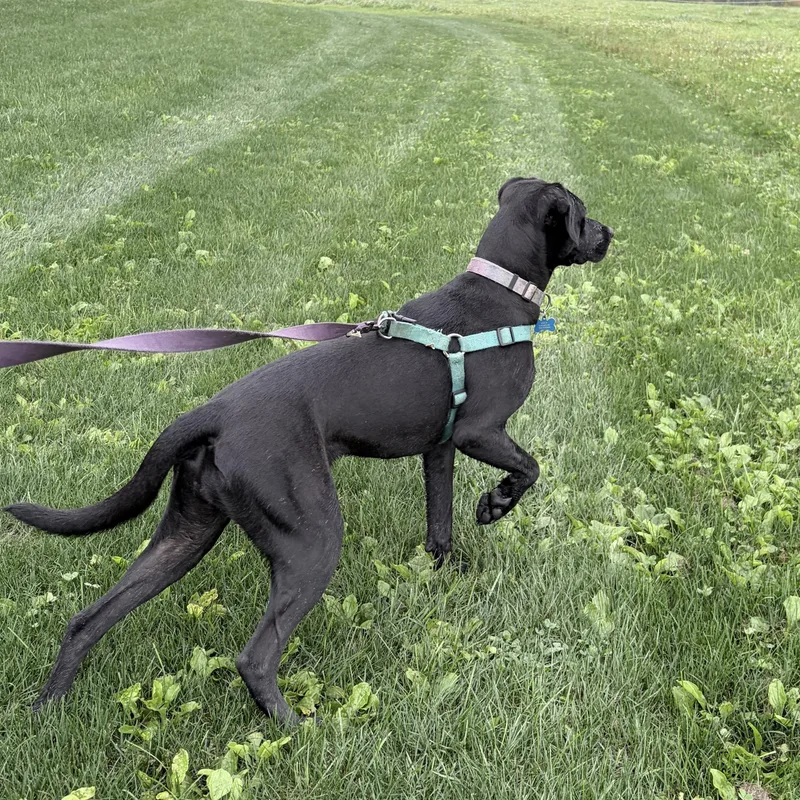
Puggles are a Pug and Beagle cross that appeared in the United States in the 1990s and quickly became one of the most popular designer mixes of the early 2000s. Most have a compact, sturdy body, a short smooth coat in fawn, tan, red, lemon or black, a wrinkled brow, a dark mask and floppy beagle ears. Their muzzle is usually longer than a Pug's, which tends to make breathing easier, though it varies from dog to dog.

Many Puggles are friendly, playful and sociable, with the Pug's love of people and some of the Beagle's nose-first curiosity. Because they are a cross, adopters may meet a mellow couch companion or a busy, vocal sniffer. Steady training, daily walks, portion control and care for ears and facial folds help a Puggle thrive.

Weight
15–30 lbs
Height
10–15 in
Lifespan
10–15 yrs
Temperament
Friendly, Playful, Sweet
Shedding
Moderate

Owning a Puggle in East Brunswick

Having a Puggle in East Brunswick

A Puggle blends two very different parents: a people-loving toy companion and a determined scent hound. Knowing how that mix shapes energy, appetite, vocal habits and health helps adopters find a Puggle whose personality suits their home.

Temperament

Puggles tend to be cheerful, affectionate and social with people and other dogs, and many are patient with respectful children. The Beagle side can bring stubbornness, baying and a habit of following their nose, while the Pug side often adds clownish charm. Positive, food-based training usually works best. Individual personalities vary widely in this cross.

Exercise Needs

Most Puggles do well with a couple of brisk daily walks plus play, and sniff-heavy outings satisfy their Beagle curiosity. Scent games and food puzzles provide mental work. Shorter muzzles make some Puggles sensitive to heat, so exercise in cooler hours and watch for heavy panting. A secure leash matters, since scents can pull them away.

Health Considerations

Puggles can inherit problems from either parent, including cherry eye and other eye conditions, kneecap luxation, hip dysplasia, ear infections and skin-fold irritation. Obesity is common and worsens joint and breathing issues. Short-muzzled Puggles may snore or struggle in heat. Regular veterinary checkups and a lean body weight help keep a Puggle healthy.

Living Space

Puggles adapt to apartments or houses as long as they get daily walks and company. Their baying or barking can matter in shared buildings, and a fenced yard should be checked for escape routes, since a scent can tempt them away. They are indoor dogs, poorly suited to living outside in heat or cold.

What it costs to own a Puggle

ExpenseTypical costPer year
Adoption fee$150, one time$150 in year one
Food$20 to $45 per month$240 to $540
Pet insurance$40 to $85 per month$480 to $1,020
Routine vet care$200 to $400 per year$200 to $400
Other*$490 to $1,290 per year$490 to $1,290
Estimated yearly total (after year one)$1,410 to $3,250
First-year total (with adoption fee)$1,560 to $3,400

Adoption fee is the fee on Puggle listings in East Brunswick on GetBuddy today. Other costs are national averages for Puggles; we don't have costs specific to East Brunswick yet.

* Flea, tick and heartworm prevention, a dental cleaning allowance, a dog license, toys and bedding, and baths, brushing and ear and face-fold cleaning; license fees vary by city.

Adopt a Puggle in East Brunswick.

Now that you know more, let’s find you a new best friend. These rescues and shelters below currently have Puggles available.

Rescues in East Brunswick with Puggles Available

Here are the rescues & shelters in the East Brunswick area where you can find Puggles and other dogs available for adoption.

Frequently Asked Questions

A Puggle is a cross between a Pug and a Beagle, first bred intentionally in the United States in the 1990s. It is a small, sturdy companion dog, usually 15 to 30 pounds, with a short coat, wrinkled forehead and floppy ears. As a mix rather than a recognized breed, a Puggle can lean toward either parent in looks and personality.

Puggles usually grow to about 10 to 15 inches tall at the shoulder and weigh roughly 15 to 30 pounds as adults. Size depends on the parents, especially whether the Beagle parent was the smaller or larger variety. Most reach adult height around their first birthday and fill out over the following months.

Puggles are often good dogs for people who want a friendly, playful, small-to-medium companion. Many get along well with people and other dogs. They can be stubborn, vocal and food-obsessed, and some struggle when left alone. Training, daily walks and weight control make a big difference. Meeting the individual dog is the best way to judge the fit.

Most adult Puggles weigh between about 15 and 30 pounds. Smaller dogs often have a 13-inch Beagle parent, while larger ones can come from bigger Beagles. Because Puggles love food and gain weight easily, many shelter Puggles arrive heavier than ideal. A veterinarian can tell you a healthy target weight based on frame and body condition.

Puggles can be good family dogs, since many are affectionate, playful and sturdy enough for respectful children. They usually enjoy being part of household activity. Supervision is still important, and very young kids may get knocked over by an excited young Puggle. Families should plan for training, daily exercise and keeping food out of reach.

Taking care of a Puggle means daily walks and play, measured meals to prevent obesity, weekly brushing and occasional baths. Clean the ears and any facial wrinkles regularly to prevent infections, brush teeth often, and keep nails trimmed. Avoid heavy exercise in hot weather. Regular veterinary visits and parasite prevention round out good everyday care.

Puggles can have a mild doggy odor, like many short-coated dogs, but they should not smell strongly. A persistent bad smell usually points to ear infections, dirty facial folds, skin problems, dental disease or full anal glands. Regular ear and wrinkle cleaning, baths every few weeks and dental care keep most Puggles smelling fresh.

You might consider a Puggle if you want a friendly, social dog of manageable size and can provide daily walks, training and company. A Puggle may not suit you if barking or baying would bother neighbors, you are away for long hours, or you live somewhere very hot without air conditioning. The Puggles listed on this page are a good place to start.

Puggles are typically outgoing, affectionate and playful, mixing the Pug's people-loving nature with the Beagle's curiosity. Many love food, sniffing on walks and snuggling afterward. Some are vocal and stubborn, and young ones can be energetic. Because they are a cross, one Puggle might be a laid-back lap dog while another is a busy explorer.

We have 1 rescue with Puggles available: Animal Rescue Force. You can see every rescue with Puggles available in the list above these questions, or scroll to the top to see the Puggles near East Brunswick.

Find Puggles in Nearby Cities

Expand your search to find Puggles available for adoption near East Brunswick.

Explore Other Breeds in East Brunswick

Looking for a different breed? Browse other dogs available for adoption in East Brunswick.