Tosa Inu Dogs for Adoption in Stratham, NH

Your guide to finding and caring for a Tosa Inu in Stratham

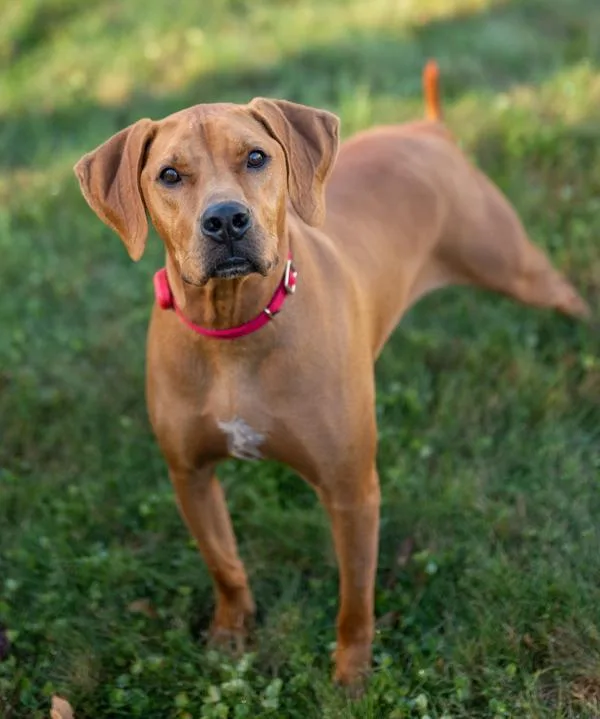
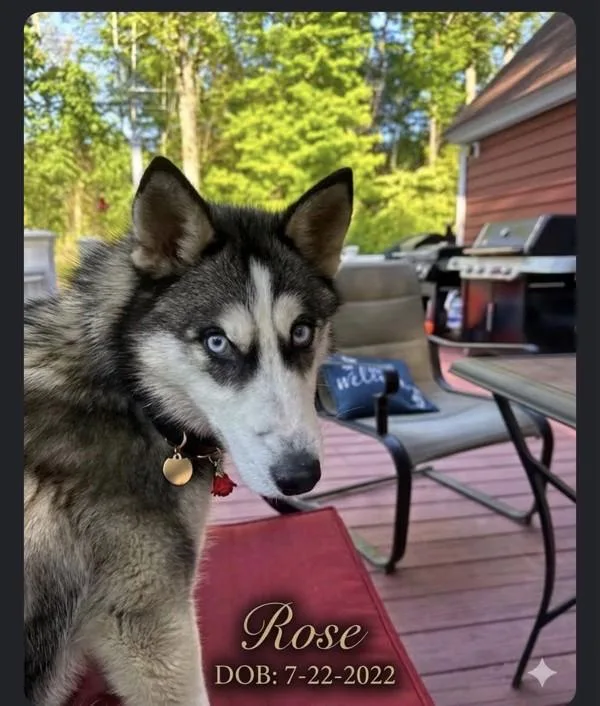
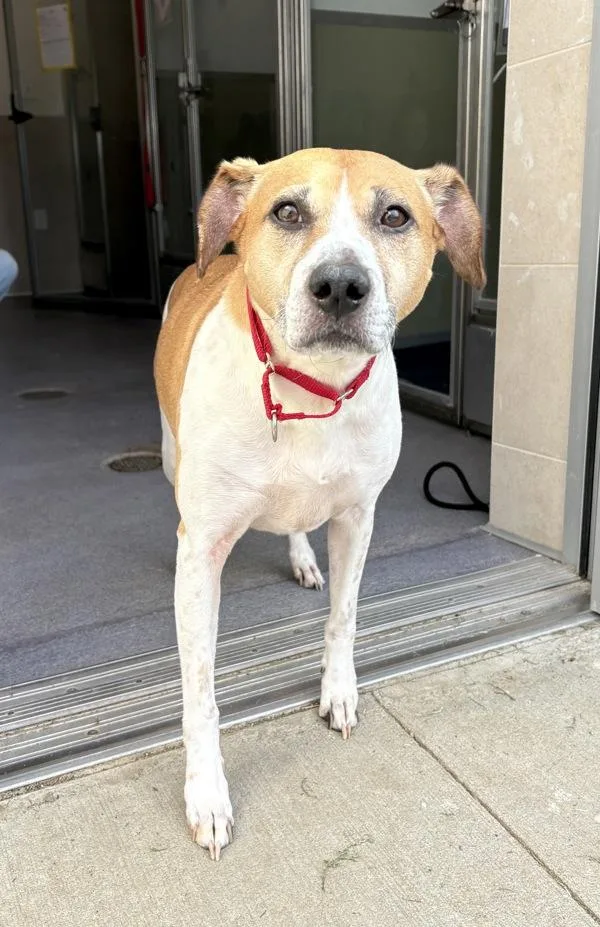
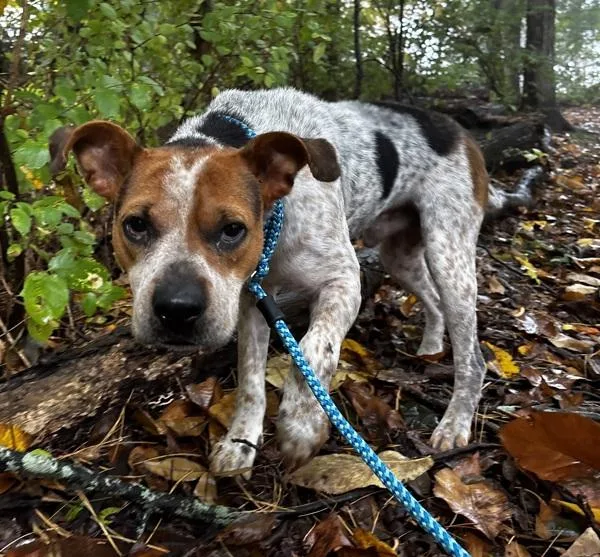
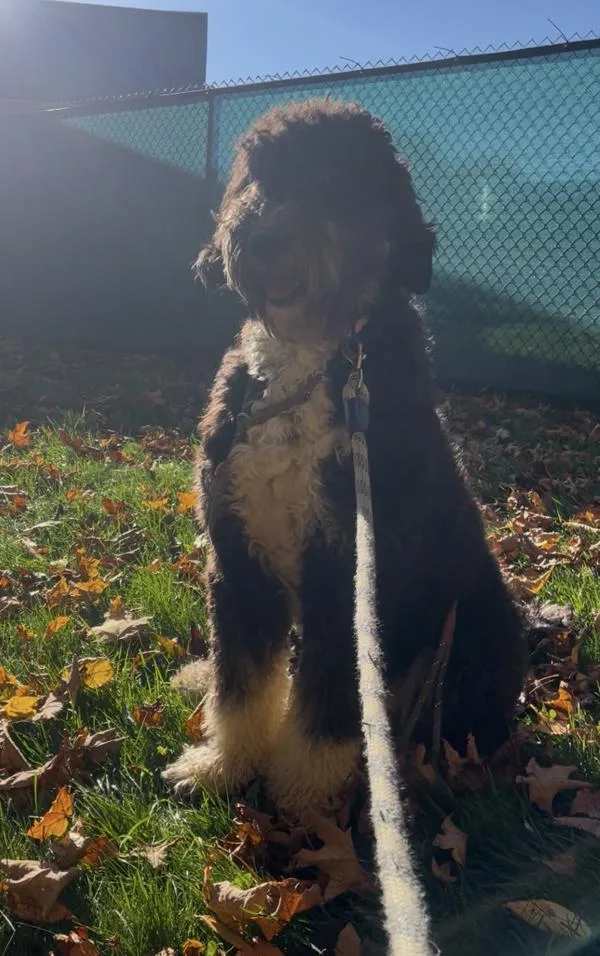
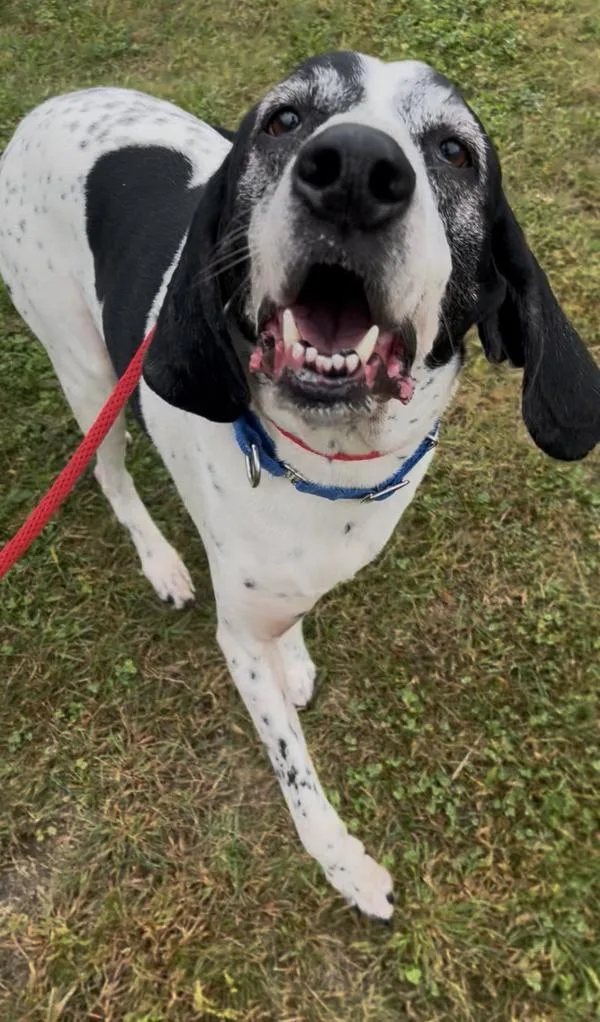
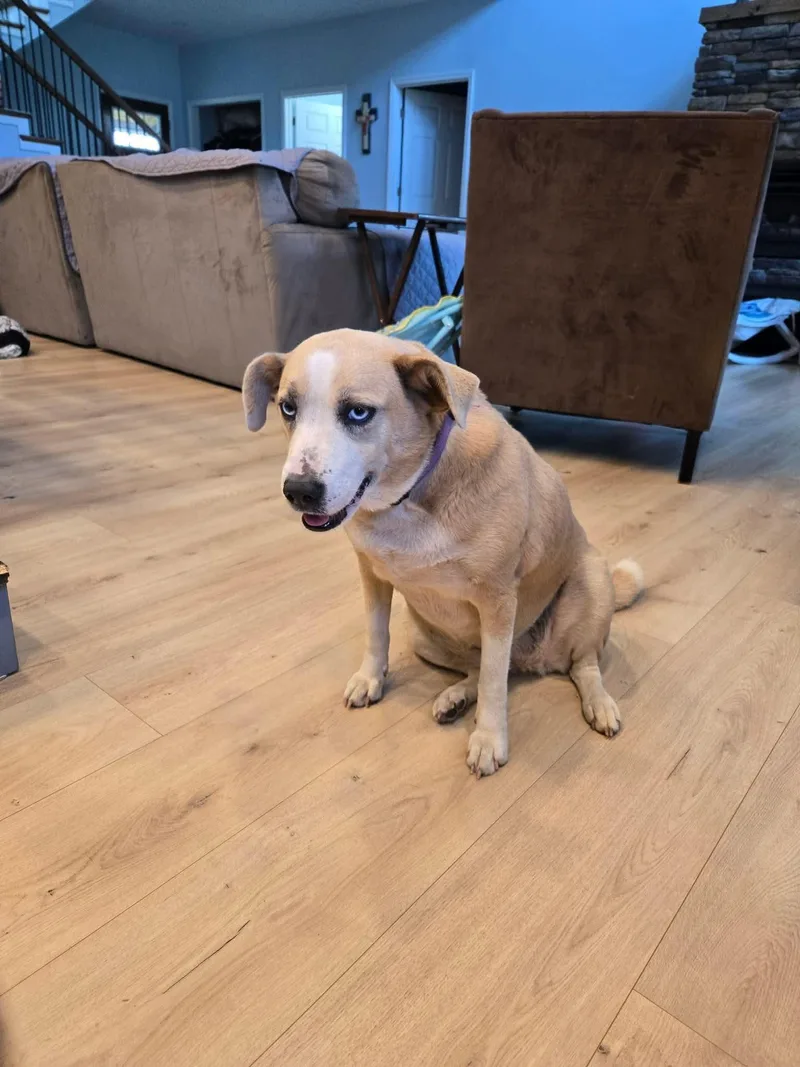
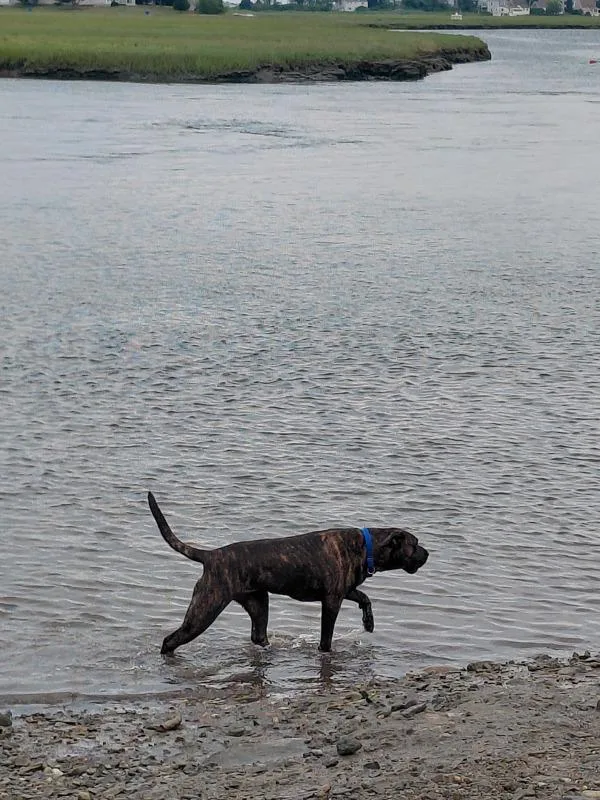
1109 dogs similar to Tosa Inu available in Stratham and nationwide

A Tosa Inu is ready for you

While we don't have enough dogs near Stratham, keep in mind that many rescues may offer transport.

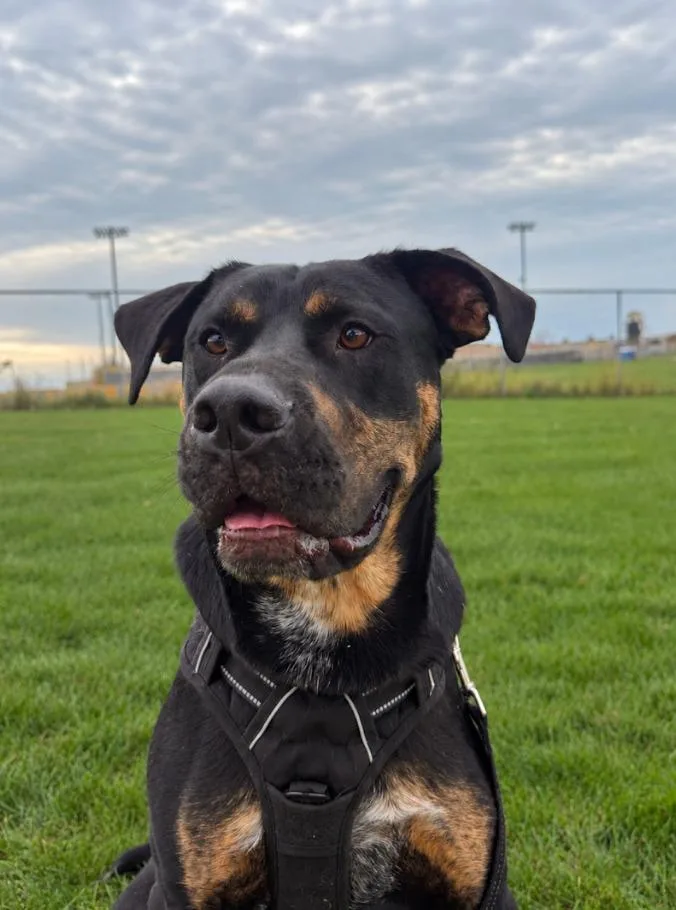
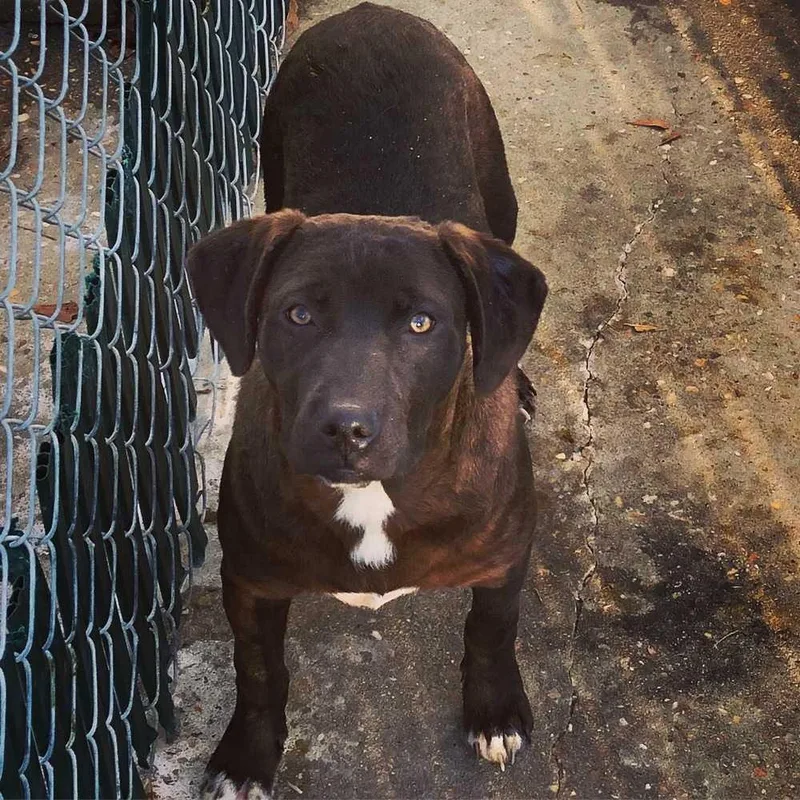
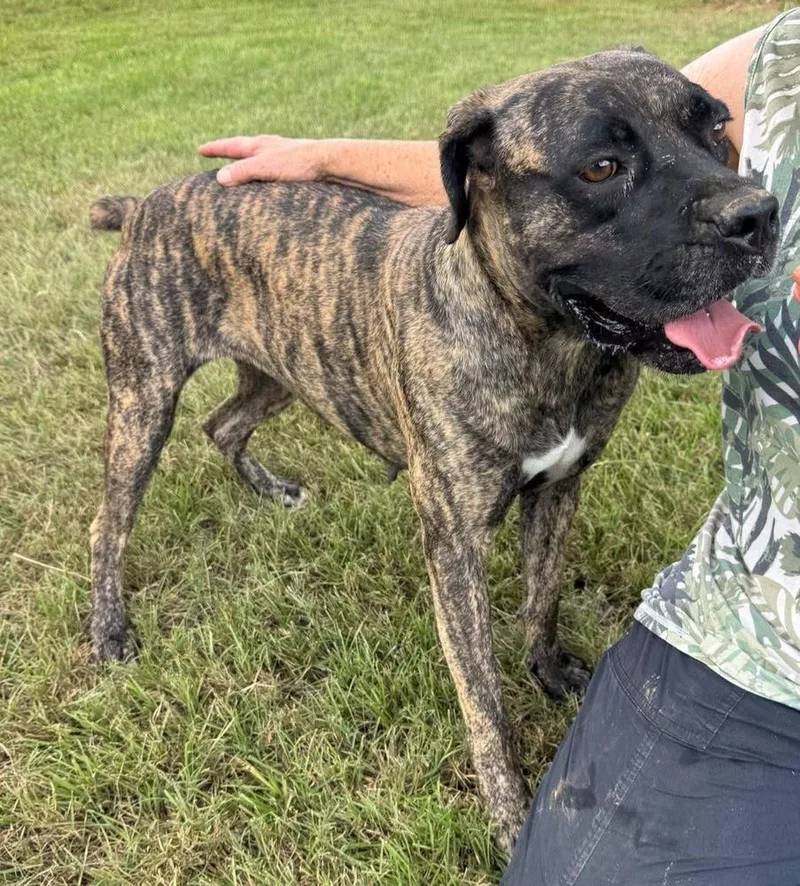
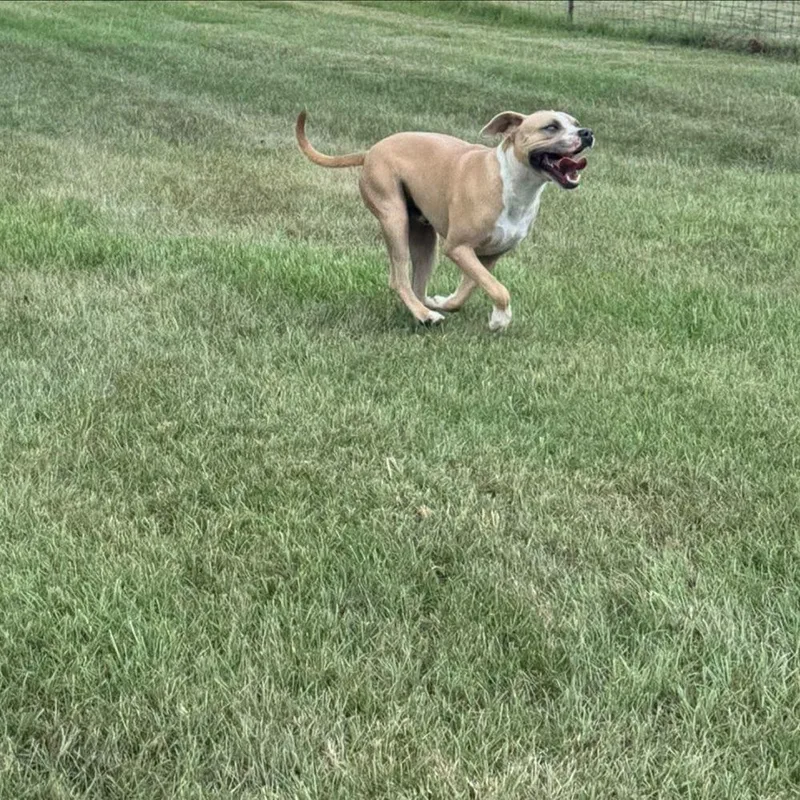
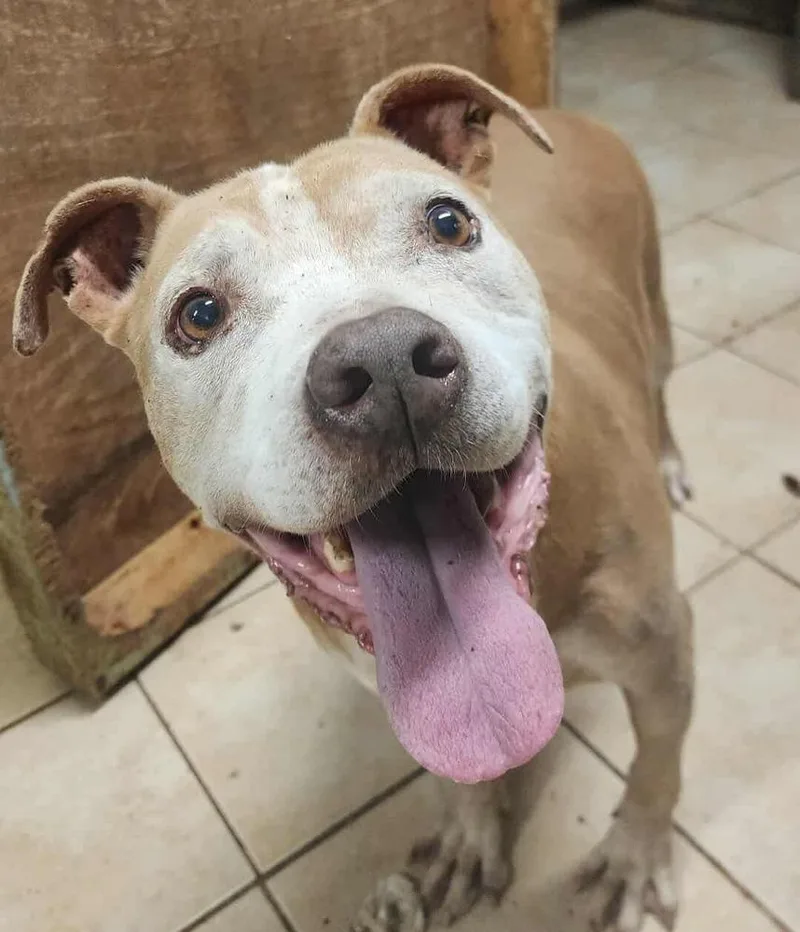
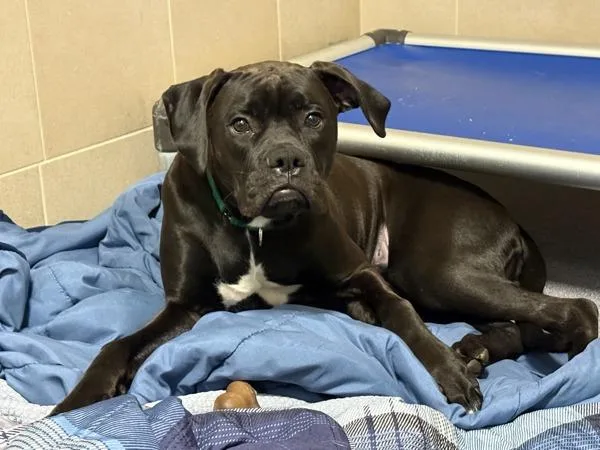
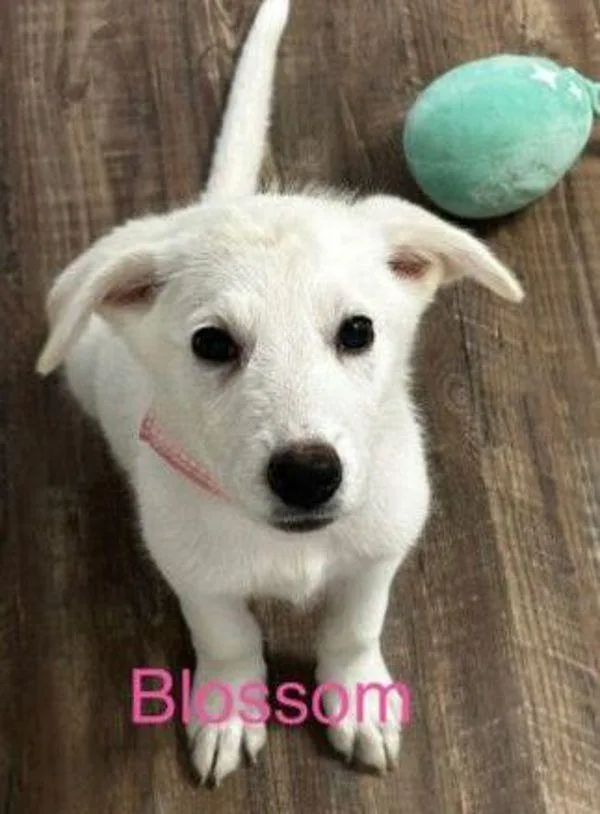
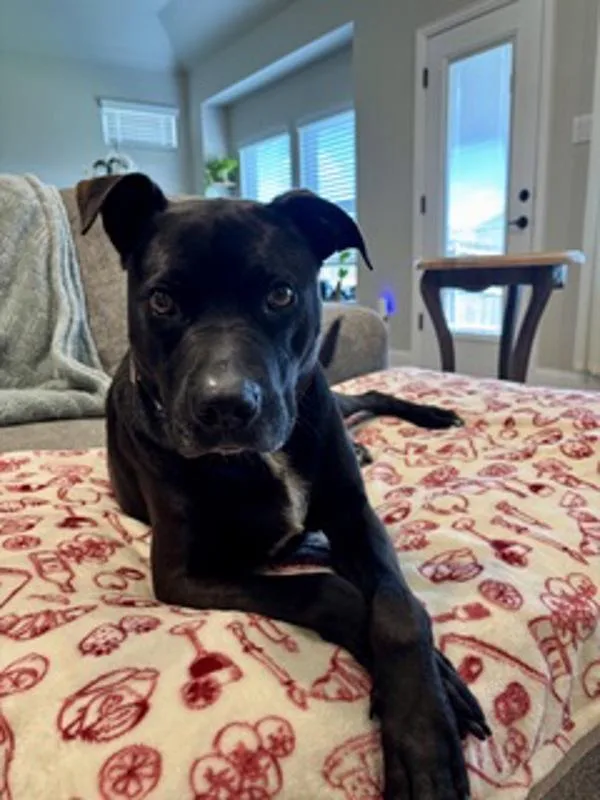
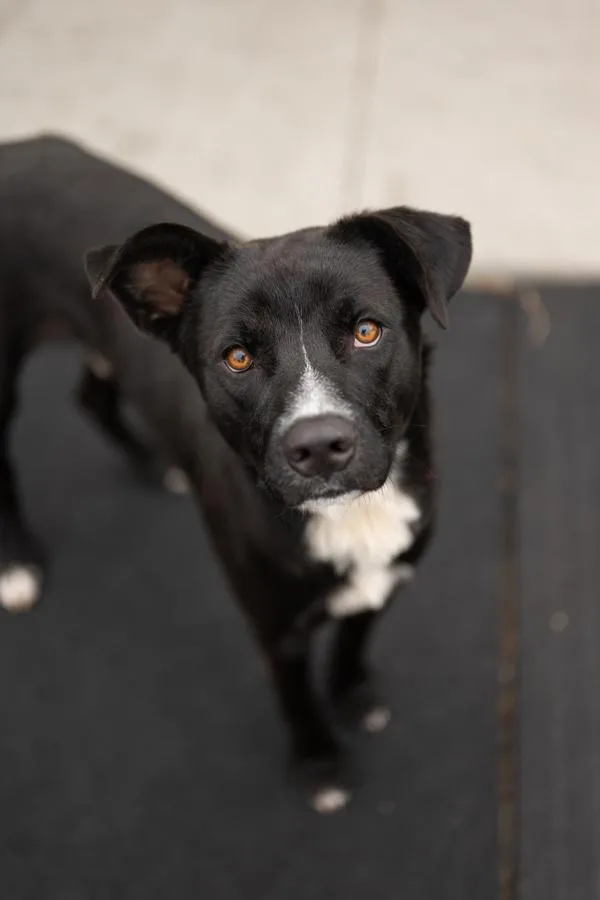
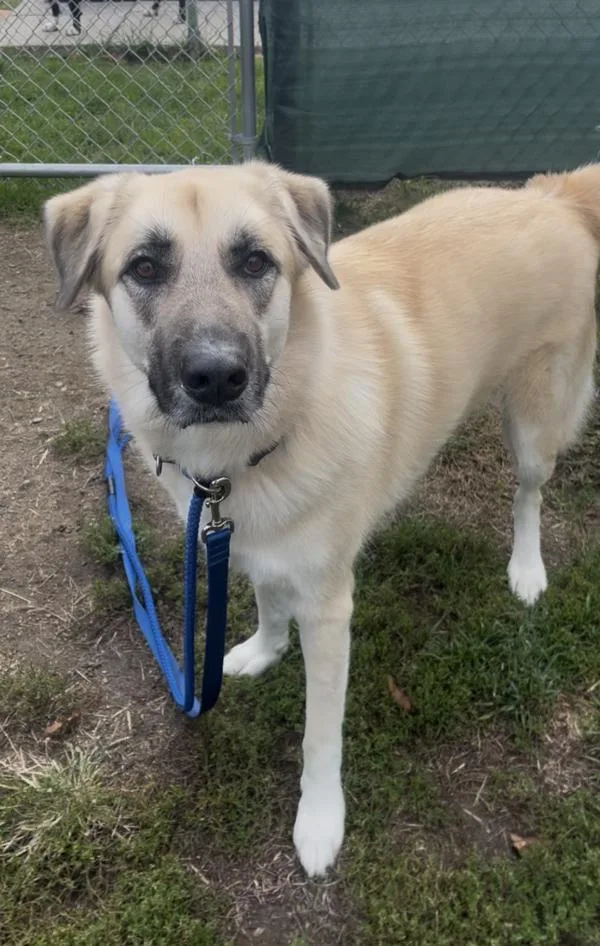
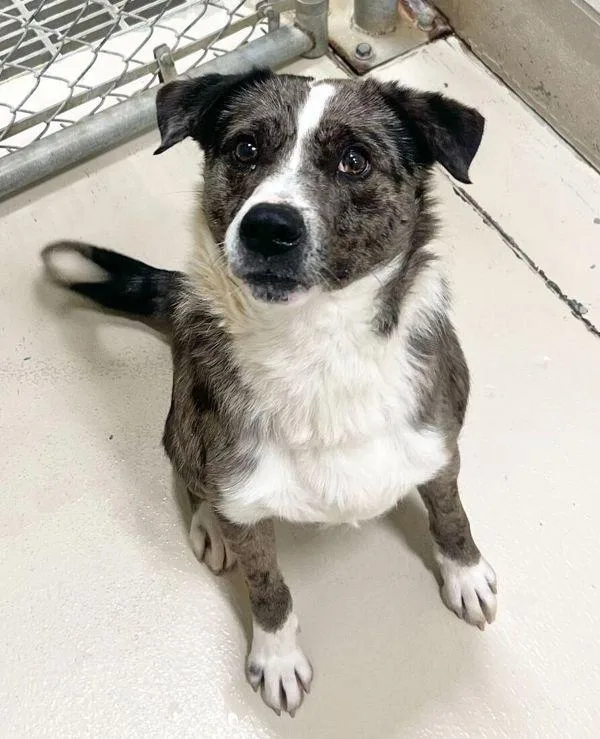
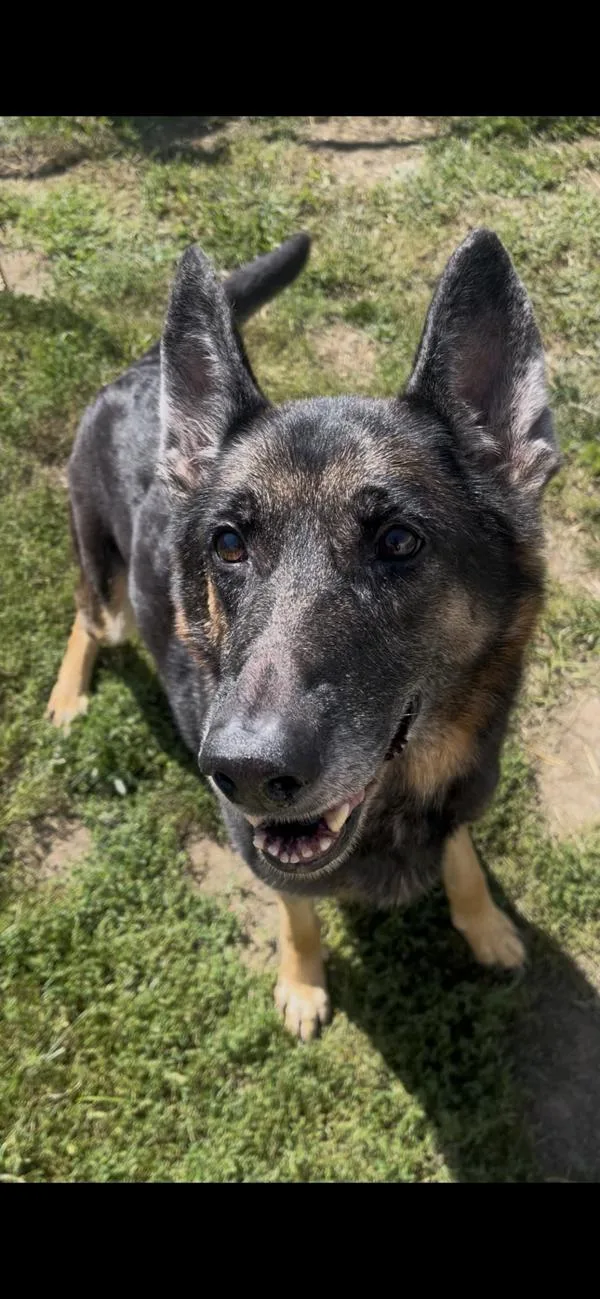
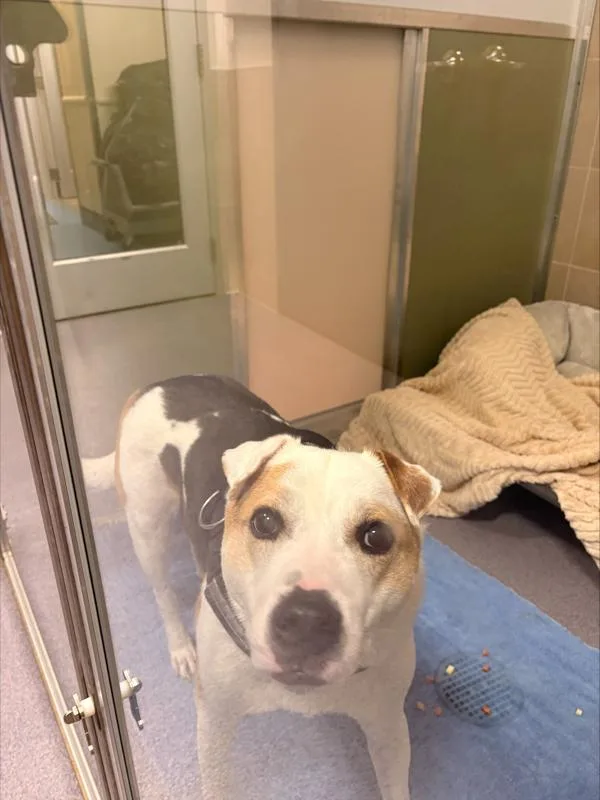
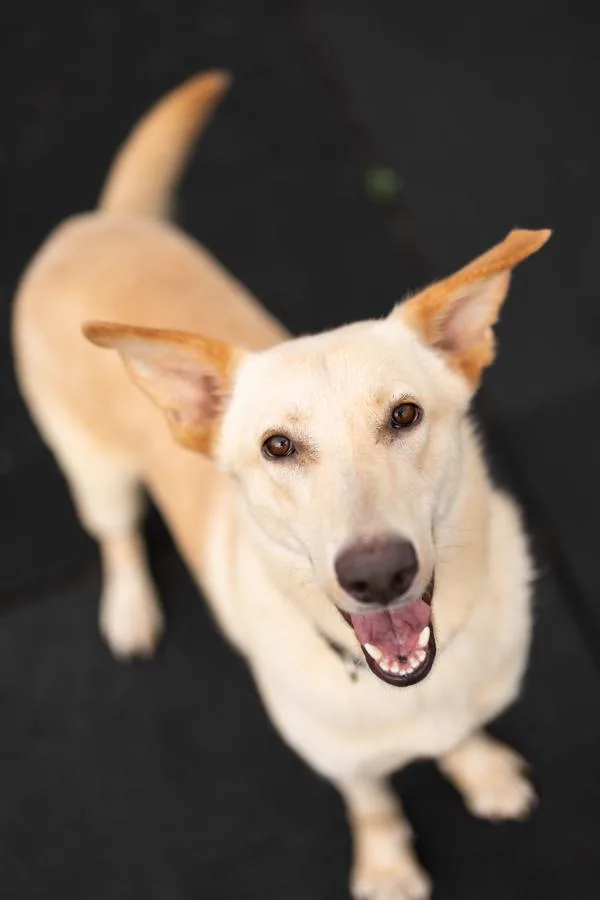
Tosa Inus and Similar Breeds Available for Adoption Near Stratham

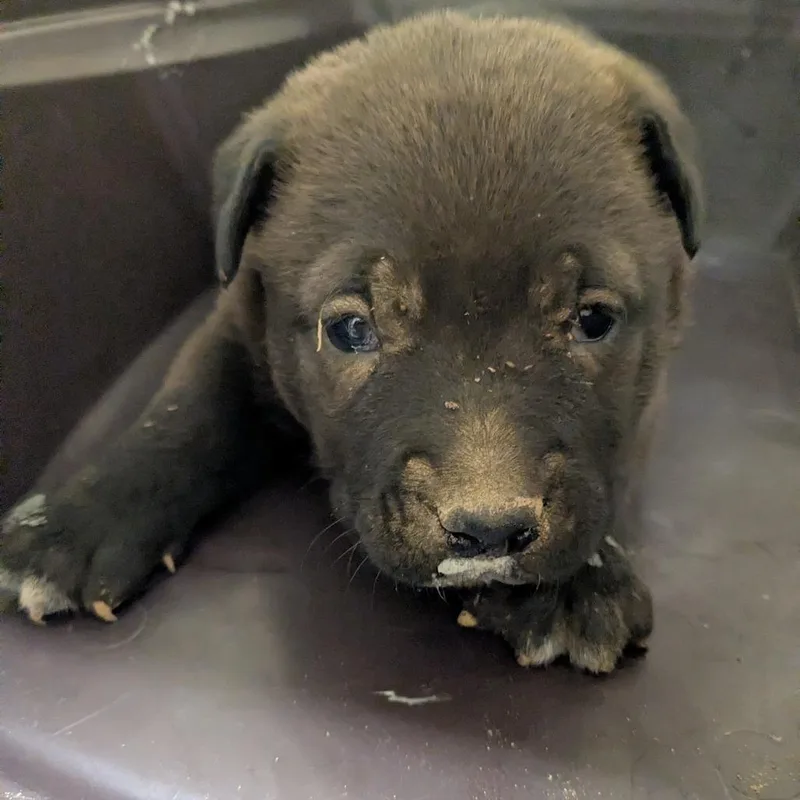
About the Tosa Inu breed

Japan's largest native breed, the Tosa Inu was developed in the late nineteenth century in Tosa, now Kochi Prefecture, by crossing local dogs with Western breeds such as the Mastiff, Bulldog, Great Dane and Saint Bernard. It was created for a ritualized form of dog fighting, and that history still shapes how many countries regulate it. Tosas have a short, dense coat, usually red, fawn, apricot, black or brindle, a broad head and a powerful, muscular frame.

Well-raised Tosas are often quiet, calm and deeply loyal to their family, but they tend to be wary of strangers and can be intolerant of other dogs. Their size and strength demand an experienced handler, early socialization, steady training and secure containment. Prospective adopters should also check local laws, housing rules and insurance policies before bringing one home.

Weight
80–200 lbs
Height
22–32 in
Lifespan
10–12 yrs
Temperament
Loyal, Calm, Protective
Group
Working
Shedding
Moderate

Owning a Tosa Inu in Stratham

Having a Tosa Inu in Stratham

Tosa Inus combine a quiet, composed manner at home with immense strength and a guarded attitude toward outsiders. Understanding how that power, dog selectivity and giant-breed health play out day to day is essential before deciding whether this breed fits a household.

Temperament

Tosas tend to be patient, steady and affectionate with family, and many are quiet indoors. They are often aloof or suspicious with strangers and may be aggressive toward other dogs, especially of the same sex. Their strength makes early socialization and calm, consistent, reward-based training essential, and an experienced owner is strongly preferred.

Exercise Needs

Most Tosas need moderate daily exercise such as long, controlled leash walks and play in a secure yard. They are not built for distance running, and puppies should avoid heavy, repetitive impact while growing. Training sessions, scent games and chew toys provide mental work. Walks need reliable equipment and a handler strong enough to manage them.

Health Considerations

Like other giant mastiff types, Tosas are prone to hip and elbow dysplasia, bloat, heart disease and eyelid problems such as entropion. Their size makes them sensitive to heat and obesity, which worsens joint strain. Lifespans are relatively short. Plan for regular veterinary care and weight management.

Living Space

A Tosa usually does best in a house with a tall, secure fence and space indoors for a very large dog. Apartments are difficult because of size, shared spaces and restrictions many landlords and insurers place on the breed. They should live indoors with family and be supervised carefully around visiting dogs and unfamiliar people.

What it costs to own a Tosa Inu

ExpenseTypical costPer year
Food$80 to $160 per month$960 to $1,920
Pet insurance$85 to $170 per month$1,020 to $2,040
Routine vet care$250 to $500 per year$250 to $500
Other*$590 to $1,690 per year$590 to $1,690
Estimated yearly total (after year one)$2,820 to $6,150

Other costs are national averages for Tosa Inus; we don't have costs specific to Stratham yet.

* Flea, tick and heartworm prevention, a dental cleaning allowance, a dog license, heavy-duty toys and bedding, basic coat care and joint supplements; license fees vary by city, and some insurers restrict this breed.

Adopt a Tosa Inu in Stratham.

Now that you know more, let’s find you a new best friend. These rescues and shelters below currently have Tosa Inus available.

Rescues in Stratham with Tosa Inus Available

Here are the rescues & shelters in the Stratham area where you can find Tosa Inus and other dogs available for adoption.

Frequently Asked Questions

Tosa Inus can be challenging to train, mainly because of their size, strength and independent streak rather than any lack of intelligence. Many learn readily with calm, consistent, reward-based methods, but harsh handling tends to backfire. Early socialization and obedience work are essential, and professional guidance helps. They are generally best suited to owners experienced with large, powerful guardian breeds.

Tosa Inus can be dangerous in the wrong circumstances, which is why several countries ban or restrict them. They were bred for fighting, are very powerful and often show aggression toward other dogs. Many are calm and gentle with their own families, but responsible ownership requires experience, socialization, secure fencing and close control around other animals and strangers.

Tosa Inus can be devoted family dogs in the right home, but they are not a typical family breed. Many are patient and affectionate with their own people, yet their size can knock over children, and they may be wary of visitors and other dogs. Experienced adults, older children and homes without other dogs usually suit them best.

No, Tosa Inus are not illegal nationwide in the United States, since there is no federal breed ban. Some cities and counties restrict or ban large guardian or fighting breeds, and many landlords, homeowners associations and insurers exclude Tosas. Rules change often, so check local ordinances and your housing and insurance policies before adopting one.

A Tosa Inu is a giant Japanese mastiff breed developed in the Tosa region on the island of Shikoku during the late 1800s. Local dogs were crossed with Western breeds to create a large, powerful dog for ritual fighting. Today Tosas are known as quiet, loyal family guardians that are reserved with strangers and require experienced, responsible handling.

Tosa Inu is pronounced roughly TOE-sah EE-noo. Tosa refers to the former Tosa province in Japan where the breed was developed, and inu is simply the Japanese word for dog. In English-speaking countries the breed is also called the Tosa, the Tosa Ken or the Japanese Mastiff, and all of these names refer to the same breed.

Tosa Inus most often come in red or fawn, and the breed standard also accepts apricot, black and brindle. Small white markings on the chest and feet are permitted. Many have a darker mask on the muzzle. The short, dense coat looks similar in all colors, and color has no known link to temperament or health in this breed.

We have 1 rescue with Tosa Inus available: NHSPCA. You can see every rescue with Tosa Inus available in the list above these questions.