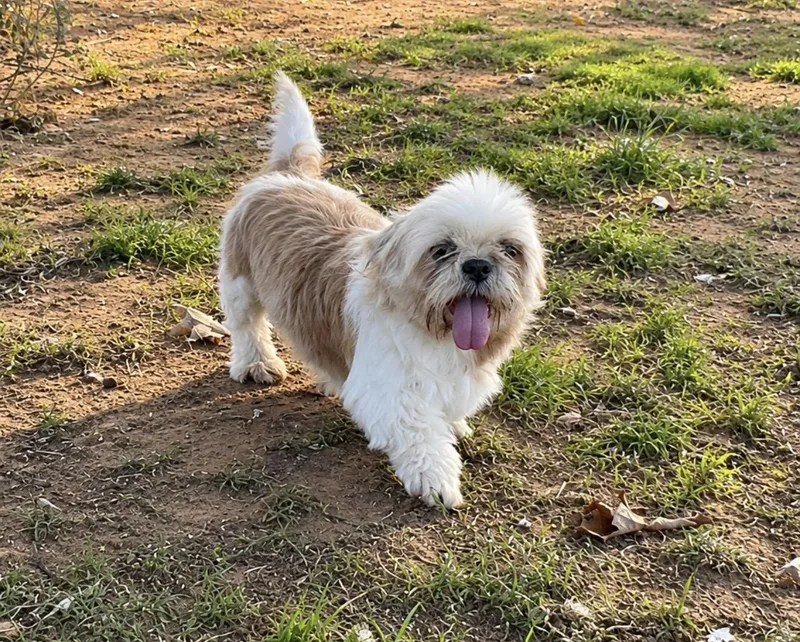
Maltese Dogs for Adoption in Pelham, NH

Your guide to finding and caring for a Maltese in Pelham

567 Maltese available in Pelham and nationwide

Your Maltese is waiting

While we don't have enough dogs near Pelham, keep in mind that many rescues may offer transport.

Maltese Available for Adoption Near Pelham

About the Maltese breed

Small white lap dogs from the central Mediterranean appear in Greek and Roman writing more than two thousand years ago, and the Maltese is usually counted as their descendant, though today's breed was largely standardized in Victorian Britain. Under its floor-length, silky white coat is a fine-boned toy dog that usually weighs under seven pounds. The single coat has no undercoat and sheds very little, but it mats quickly unless brushed often or kept in a short puppy cut.

Many Maltese are gentle, affectionate and surprisingly fearless, happiest when close to their people and often playful well into old age. Their small size makes them easy to carry but easy to injure, so they suit homes with careful adults or calm, older children. Prospective adopters should plan for regular grooming, daily tooth care, patient housetraining and a dog that dislikes long hours alone.


Weight
4–8 lbs
Height
7–10 in
Lifespan
12–15 yrs
Temperament
Gentle, Affectionate, Playful
Group
Toy
Shedding
Low

Owning a Maltese in Pelham

Having a Maltese in Pelham

A Maltese combines a lap dog's devotion with a lively, playful spirit and a coat that needs real commitment. Its fragile frame, dental risks and attachment to people matter as much as its looks when deciding whether one fits your home.

Temperament

Maltese tend to be gentle, trusting and deeply attached to their people, often following them from room to room. Many are playful and confident despite their size, and some bark at noises or strangers. They can become anxious when left alone often. Gentle, reward-based training works well, though housetraining usually takes extra patience.

Exercise Needs

Maltese need modest daily activity: a couple of short walks plus indoor play usually keep them fit. Mental stimulation through training games, puzzle toys and new places matters too, since bored toy dogs often bark more. They tire quickly in heat and cold, and a harness protects their delicate throat better than a collar.

Health Considerations

Dental disease is the most common problem in Maltese, so daily tooth brushing and regular cleanings matter. Luxating patellas, collapsing trachea, heart conditions such as patent ductus arteriosus, liver shunts and low blood sugar in puppies are also reported. Tear staining is common. Keep regular veterinary checkups.

Living Space

A Maltese adapts well to apartments, condos and houses because its exercise needs are small and it prefers being indoors with its people. Stairs, high furniture and rough play can injure such a light dog, so ramps and supervision help. Neighbors may notice alert barking, which early training and company usually reduce.

What it costs to own a Maltese

ExpenseTypical costPer year
Food$15 to $35 per month$180 to $420
Pet insurance$30 to $60 per month$360 to $720
Routine vet care$200 to $400 per year$200 to $400
Other*$940 to $2,340 per year$940 to $2,340
Estimated yearly total (after year one)$1,680 to $3,880

Other costs are national averages for Maltese; we don't have costs specific to Pelham yet.

* Flea, tick and heartworm prevention, extra dental care for a breed prone to dental disease, a dog license, toys and bedding, and professional grooming every six to eight weeks for a long silky coat; license fees vary by city.

Adopt a Maltese in Pelham.

Now that you know more, let’s find you a new best friend. These rescues and shelters below currently have Maltese available.

Rescues in Pelham with Maltese Available

Here are the rescues & shelters in the Pelham area where you can find Maltese and other dogs available for adoption.

Frequently Asked Questions

Maltese dogs were bred as companions, and that has been their role for more than two thousand years. Wealthy households in ancient Greece and Rome kept small white dogs as lap dogs and status symbols, and the modern Maltese continues that job. Some writers speculate they also caught rodents, but companionship has always been their main purpose.

A Maltese is a tiny, compact dog covered in long, silky, pure white hair that can hang nearly to the floor. It has dark, round eyes with black rims, a black nose, drop ears and a plumed tail carried over the back. Many pets wear a short puppy cut, which shows off their small, sturdy shape.

Maltese dogs come from the central Mediterranean, and most historians link them to the island of Malta. Ancient writers described small white dogs from Melita, a name used for both Malta and the Croatian island of Mljet, and recent scholarship generally favors Malta. The modern breed was largely developed and standardized in nineteenth-century Britain.

A Maltese is a toy breed weighing under seven pounds, known for its silky white coat and gentle, affectionate nature. It belongs to the AKC Toy Group and has been a companion dog for centuries. Many Maltese are playful, fearless and deeply attached to their people, which makes them popular lap dogs for adults and calm households.

Maltese dogs stay small, usually standing about 7 to 10 inches at the shoulder. The AKC standard calls for under seven pounds, ideally four to six, though many pet Maltese weigh up to about eight. A Maltese weighing much more may be overweight or have mixed ancestry. Their fine bones make them fragile despite their confidence.

Yes, Maltese dogs are generally linked to Malta, and ancient writers such as Strabo described small dogs from the island. Some scholars once argued for the Croatian island of Mljet, which shared the Latin name Melita, but most now favor Malta. Genetic work suggests today's breed was refined in Victorian Britain from older Mediterranean lap dogs.

Maltese dogs shed very little. They have a single coat of hair with no undercoat, so loose hairs tend to stay in the coat rather than land on furniture. That trapped hair is why Maltese mat easily and need frequent brushing. A short puppy cut makes upkeep easier while keeping the low-shedding benefit.

No dog is fully hypoallergenic, but Maltese are often a better fit for people with mild dog allergies because they shed so little. Allergens come mainly from saliva and dander, not just hair, so reactions still happen. Regular bathing and cleaning can help. Spend time with the specific dog before adopting to see how you respond.

Yes, Maltese are smart dogs that learn tricks and routines quickly, especially with gentle, reward-based training. They can be sensitive to harsh tones and may tune out when bored, so short, fun sessions work best. Housetraining is often slower than other learning, which is common in toy breeds and calls for patience and a consistent schedule.

We have 1 rescue with Maltese available: Live Free Animal Rescue. You can see every rescue with Maltese available in the list above these questions, or scroll to the top to see the Maltese near Pelham.