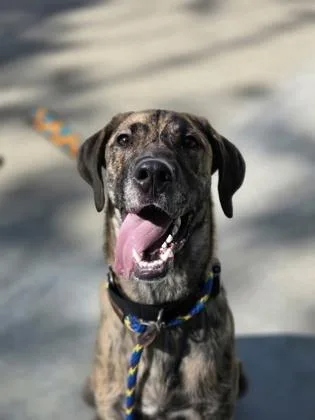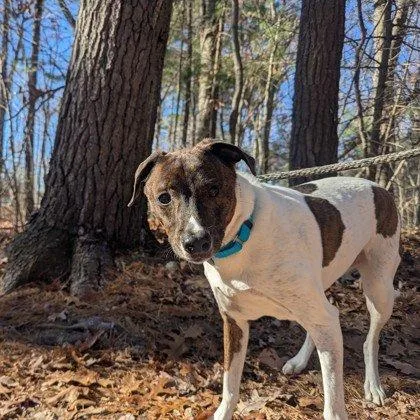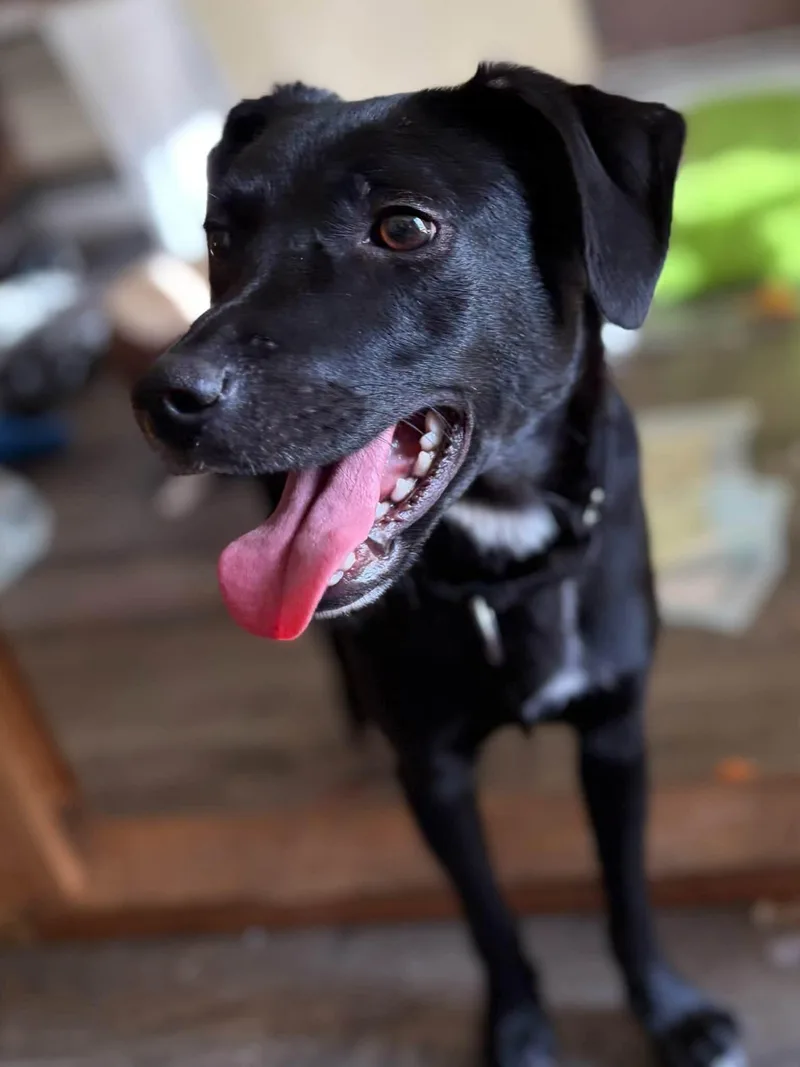
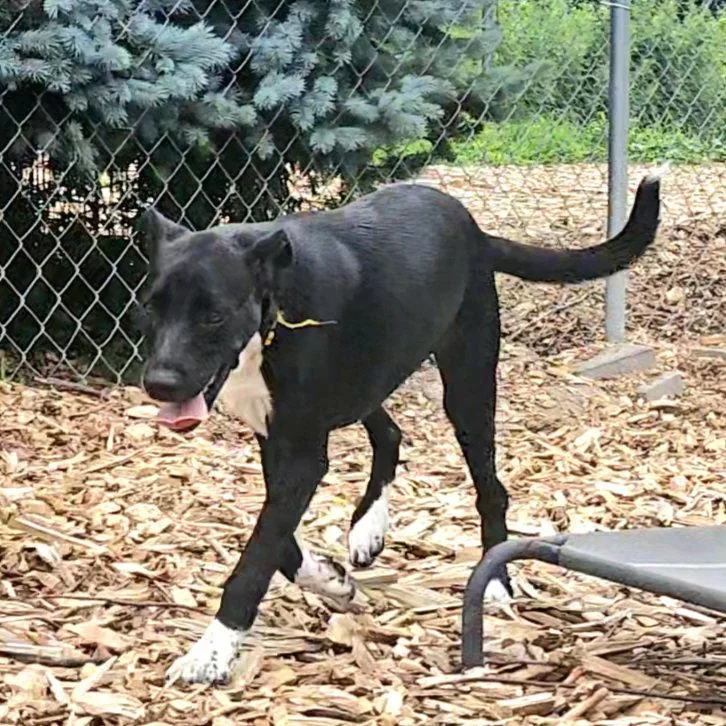
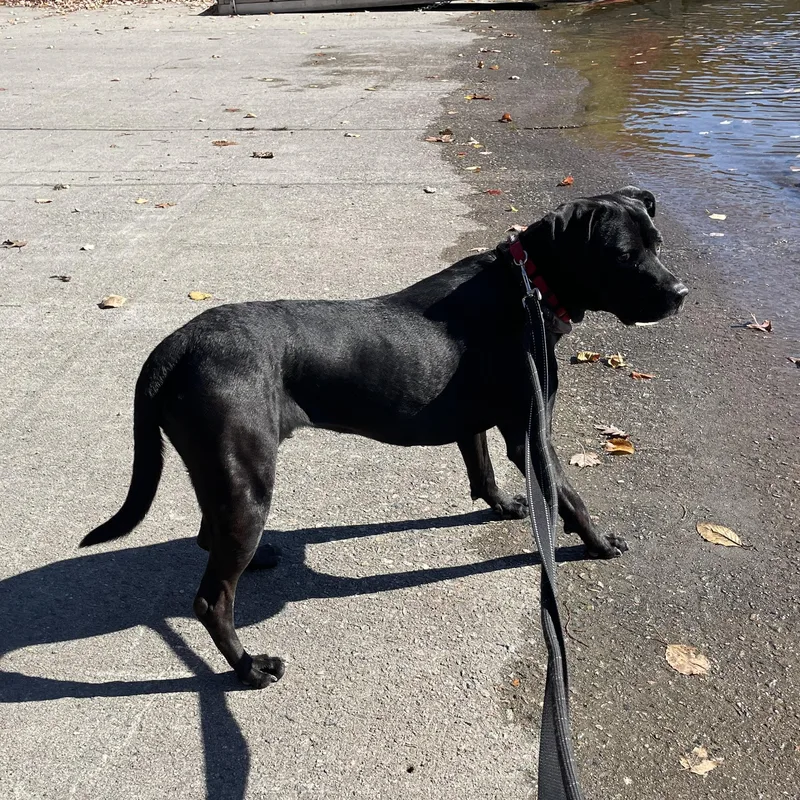
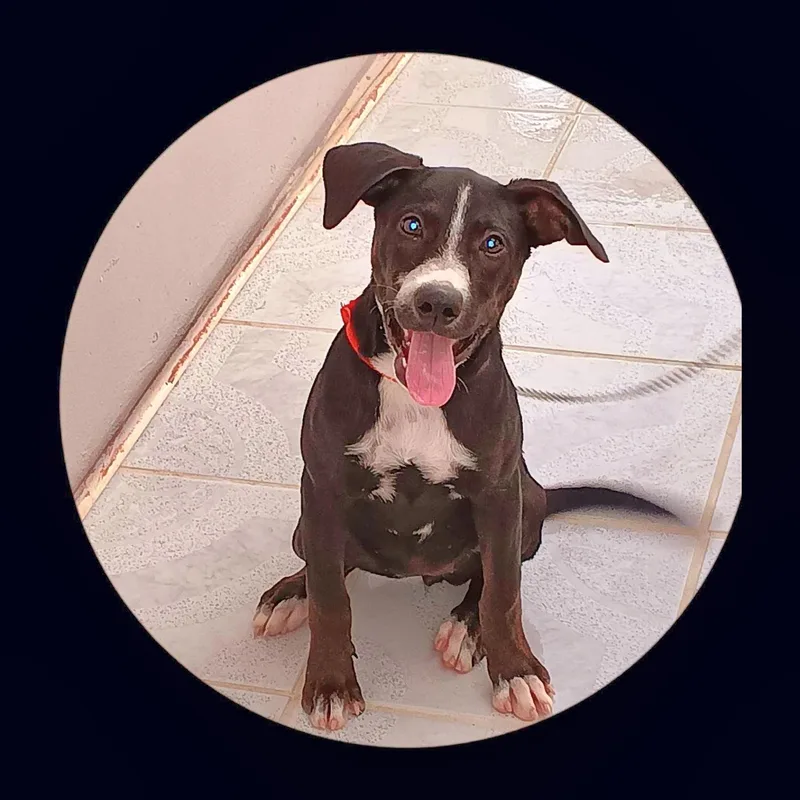
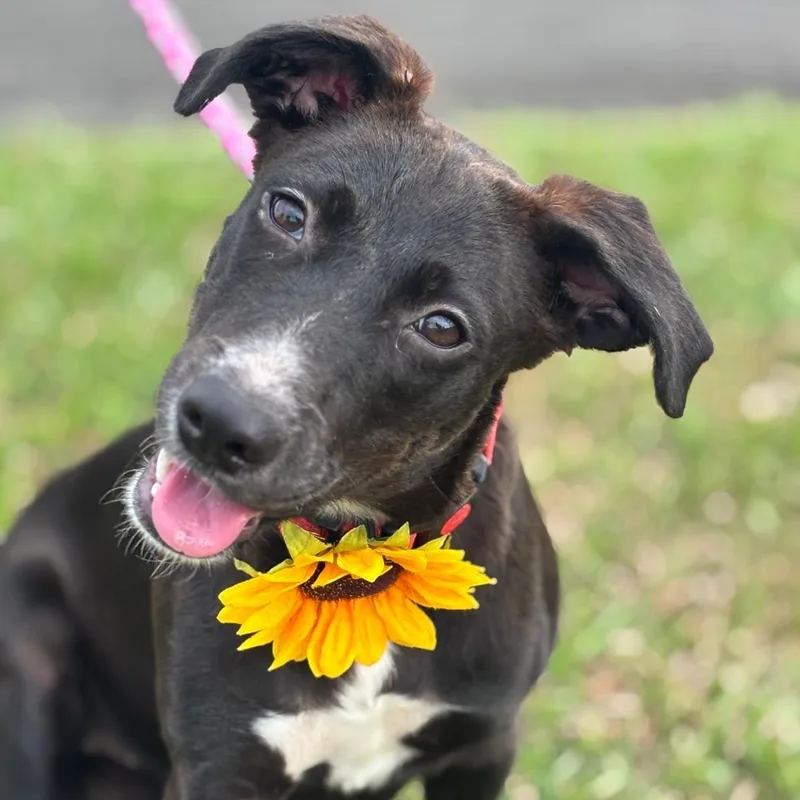
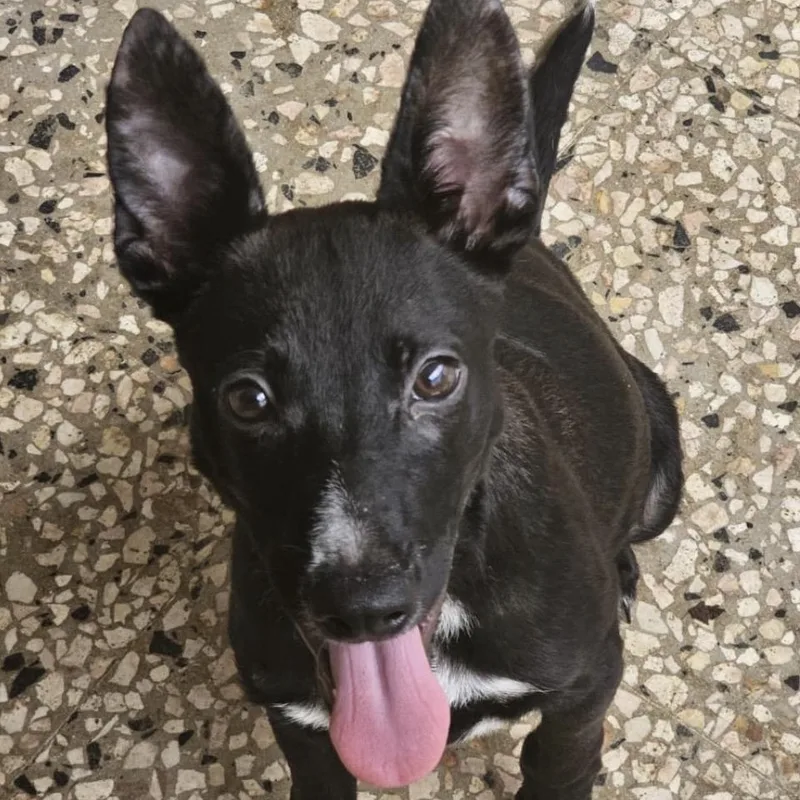
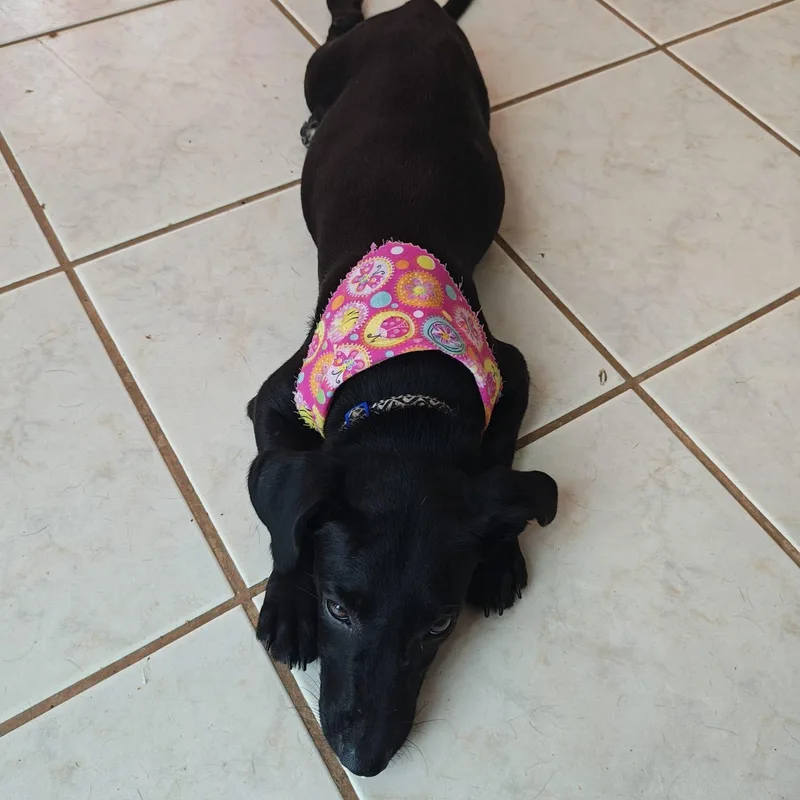
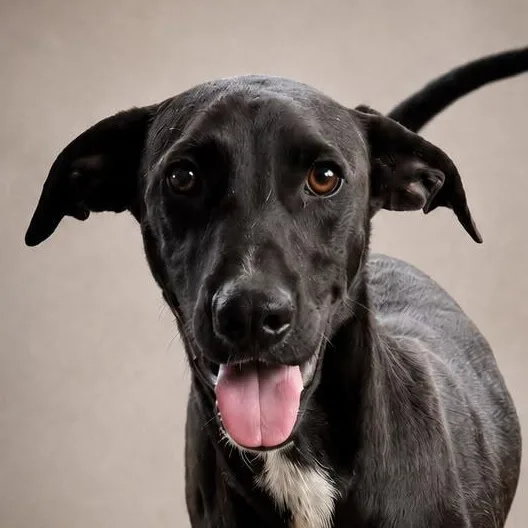
Black Labrador Retriever Dogs for Adoption in Nashua, NH

Your guide to finding and caring for a Black Labrador Retriever in Nashua

A black Lab fits Nashua best if there's a long walk waiting every day. Mine Falls Park's leashed trails run through the middle of the city, and the roomier cul-de-sacs around Lovewell's Pond mean plenty of yards for fetch. Winters here are long and snowy, which suits a Lab's dense coat. If you're adopting one in Nashua, plan on muddy paws, hair on the couch, and a dog who wants to be wherever you are.

3118 Black Labrador Retrievers available in Nashua and nationwide

Find your Black Labrador Retriever

Black Labrador Retrievers Available for Adoption Near Nashua

About the Black Labrador Retriever breed

A black Lab is a Labrador Retriever in the breed's original color, not a separate breed. Labs trace back to Newfoundland's St. John's water dogs and were refined in Britain as gun dogs, which explains the broad head, otter tail and water-resistant double coat. Adults usually weigh 55 to 80 pounds.

That history shows up in practical ways in Nashua. A Lab that loves retrieving will happily work through a snowy yard or a muddy trail, and the thick coat sheds heavily in spring and fall, so brushing becomes a routine. Labs are eager to please and food-motivated, which makes training easy and weight gain easy too. Dogs vary, so a Lab's age, energy and past matter more than its coat color.

Weight
55–80 lbs
Height
21–25 in
Lifespan
10–14 yrs
Temperament
Friendly, Outgoing, Active
Group
Sporting
Shedding
Moderate to High

Owning a Black Labrador Retriever in Nashua

Having a Black Labrador Retriever in Nashua

Black Labs pair a sociable outlook with steady working stamina and a thick coat built for cold, wet weather. In Nashua, exercise, appetite and shedding shape daily life far more than color does, so match a dog's age and drive to your routine.

Temperament

Black Labs are usually outgoing and affectionate with family, visitors and other dogs, which suits Nashua's mix of apartment buildings and neighborhood streets. Young Labs can be mouthy and boisterous, and their love of treats makes reward-based training work well. Temperament varies from dog to dog, so judge each Lab on its own behavior, not its coat color.
Exercise Needs

Most adult black Labs need an hour or more of active exercise a day, such as brisk walks, fetch or training games. Mine Falls Park's leashed trails and the Heritage Rail Trail downtown add variety, and snowy days still call for outings. Field-type dogs often need more, and seniors do well with gentler walks.

Health Considerations

Labs can develop hip and elbow dysplasia, cruciate ligament tears, exercise-induced collapse, eye disease and ear infections, and many gain weight easily. Hillsborough County is among New Hampshire's higher-Lyme areas, so check for ticks after trail walks and ask a veterinarian about prevention. Keep up regular weigh-ins and have the hips and elbows checked.

Living Space

A black Lab can live in a Nashua apartment or a house as long as daily exercise is covered. A fenced yard, common in the city's single-family neighborhoods, makes play easier but doesn't replace walks. Expect shed hair, a sweeping tail and a dog that wants to be indoors with the family.

What it costs to own a Black Labrador Retriever in Nashua

ExpenseTypical costPer year
Food$55 to $110 per month$660 to $1,320
Pet insurance$65 to $130 per month$780 to $1,560
Routine vet care$250 to $500 per year$250 to $500
Other*$583 to $1,460 per year$583 to $1,460
Estimated yearly total (after year one)$2,273 to $4,840

Other costs are estimates and vary with size, age and health.

* The Nashua dog license ($7.50 for a spayed or neutered dog, $10 unaltered), flea, tick and heartworm prevention, a dental cleaning allowance, toys and bedding, and brushing and baths for heavy shedding.

Adopt a Black Labrador Retriever in Nashua.

Now that you know more, let’s find you a new best friend. These rescues and shelters below have dogs available in and near Nashua.

Rescues and Shelters in or near Nashua

Nashua's stray and impounded dogs go to the Humane Society for Greater Nashua, one of the rescues listed here. Here are the rescues & shelters in the Nashua area with dogs available for adoption, worth asking whether a Black Labrador Retriever is coming in.

Frequently Asked Questions

Yes. Nashua has no known breed ban or breed-specific rule, and its dog rules are based on behavior. Dogs four months and older need a license renewed each year by April 30, and a current rabies vaccination is required from three months. Keep a Lab leashed off your property with a tag on the collar, because untagged dogs found loose can be impounded.

Yes, most Labs handle Nashua winters well thanks to a dense, water-resistant double coat. Expect snow, icy sidewalks and road salt, so wipe paws after walks, dry the coat and shorten outings on the coldest nights. Older Labs with stiff joints may need gentler, slower walks on ice, and a warm indoor bed matters.

Mine Falls Park is the top pick, with leashed forest, field and canal trails. The Yudicky Farm trails by Lovewell's Pond in southwest Nashua and Greeley Park near the Merrimack River also suit leashed walks. Dogs must be leashed in city parks, waste picked up, and fenced playgrounds or posted areas avoided. The only fenced off-leash park is members-only.

Yes, a black Lab can live in a Nashua apartment if it gets daily exercise and company. Many homes here are in apartment buildings, so ask about weight limits and pet fees up front, since a Lab can reach 80 pounds. Plan on several walks a day and frequent vacuuming. Labs left alone for long days may chew or bark.

No. Nashua Transit System buses and the Transit Center allow service animals only, with no pets, even in carriers. A Lab is too big for a carrier anyway. Nashua has no subway or rail service, so walking or driving is the practical way to get a Lab around town, including trips to the veterinarian.

Only to outdoor patios, and only where the restaurant allows it. New Hampshire law lets restaurants welcome dogs outdoors, and Nashua has encouraged it since 2018, but it's each restaurant's choice. Pet dogs aren't allowed inside. Keep your Lab leashed, settled under the table and out of the aisles, and confirm the patio welcomes dogs before sitting.

Plan on brushing once or twice a week, and daily during the heavy spring and fall sheds, plus occasional baths, nail trims and ear checks. Nashua's salty winters and muddy springs mean wiping paws and drying ears often. Home brushing keeps costs down, and any professional baths fall under the yearly Other costs listed above.

A Labrador Retriever is a large sporting dog developed to retrieve game for hunters, especially from water. Labs have a short, dense double coat, a thick otter tail and a broad head, and they come in black, yellow and chocolate. Many are friendly, food-motivated and eager to work, which makes them common family, guide and service dogs.

Labs are large dogs, usually standing about 21.5 to 24.5 inches at the shoulder and weighing about 55 to 80 pounds, with females toward the lower end. Field-bred Labs often look taller and leaner, while show-bred Labs tend to be stockier. Most reach adult height by about a year and keep filling out until around two.

Most black Lab owners in Nashua should expect roughly $2,300 to $4,800 a year. That covers about $660 to $1,320 for food, $780 to $1,560 for insurance, $250 to $500 for routine vet care, and about $580 to $1,460 in other costs. Emergencies and illness are extra, and a Lab's orthopedic risks make a savings cushion wise.

Explore Other Breeds in Nashua

Looking for a different breed? Browse other dogs available for adoption in Nashua.