Black Russian Terrier Dogs for Adoption in Manchester, NH

Your guide to finding and caring for a Black Russian Terrier in Manchester

A Black Russian Terrier fits best in Manchester's outer neighborhoods, where a big dog has room to move. Youngsville sits close to the Lake Massabesic fire roads, and the largely suburban streets around Wolfe Park are easier on a dog this size than a cramped downtown block. Black Russians are watchful, devoted to their families and happiest with a patient, experienced handler. That thick coat makes snowy mornings easy, so a long walk before work is realistic. Brush the beard afterward, since it holds slush.

2696 dogs similar to Black Russian Terrier available in Manchester and nationwide

Find your Black Russian Terrier

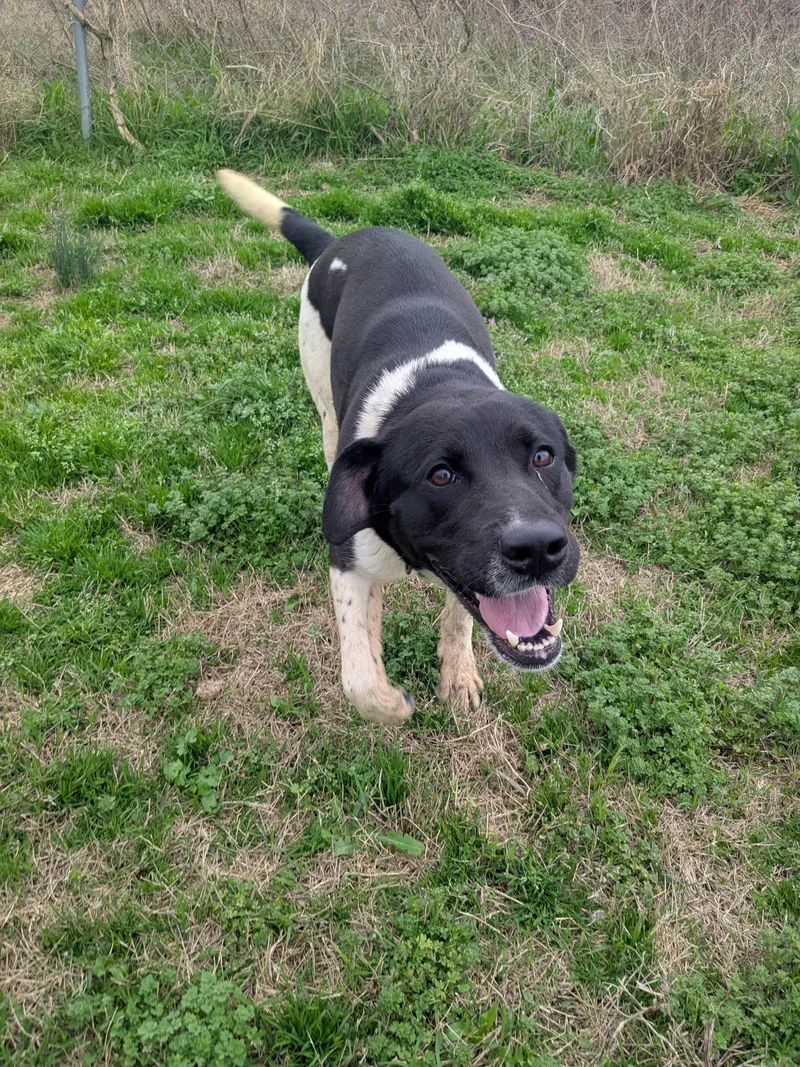
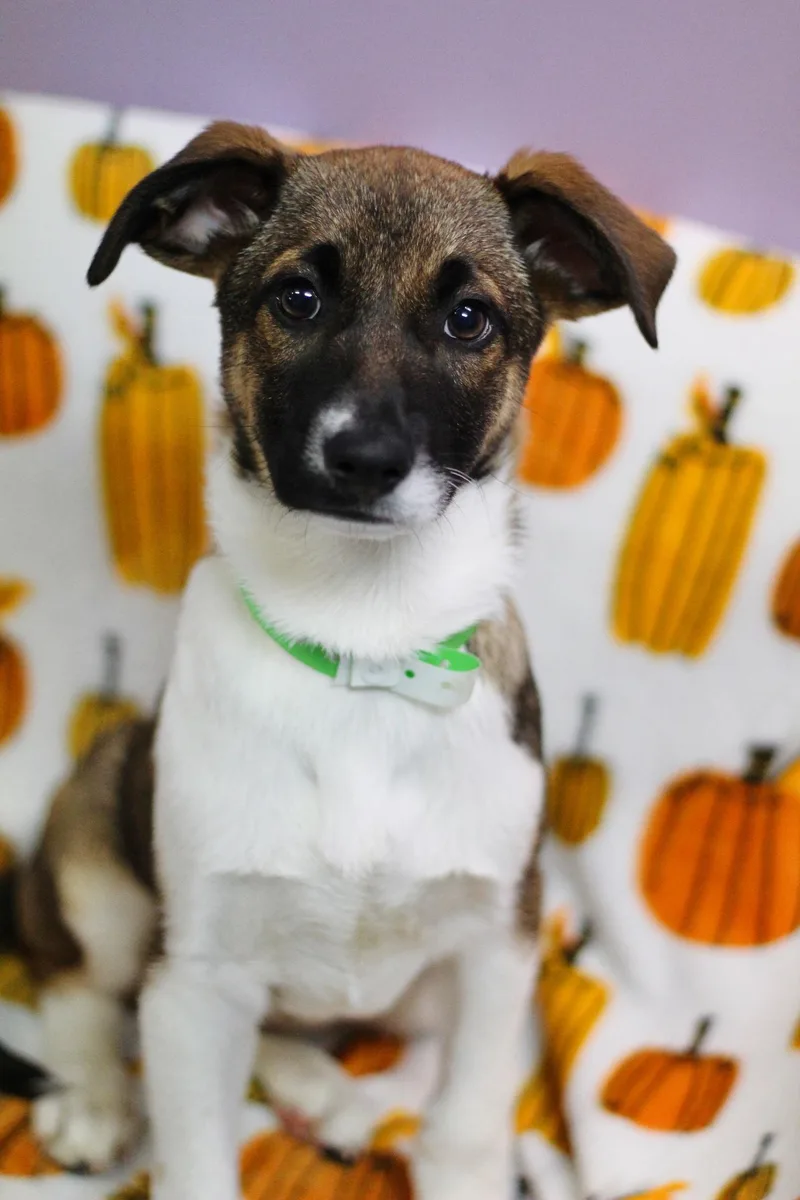
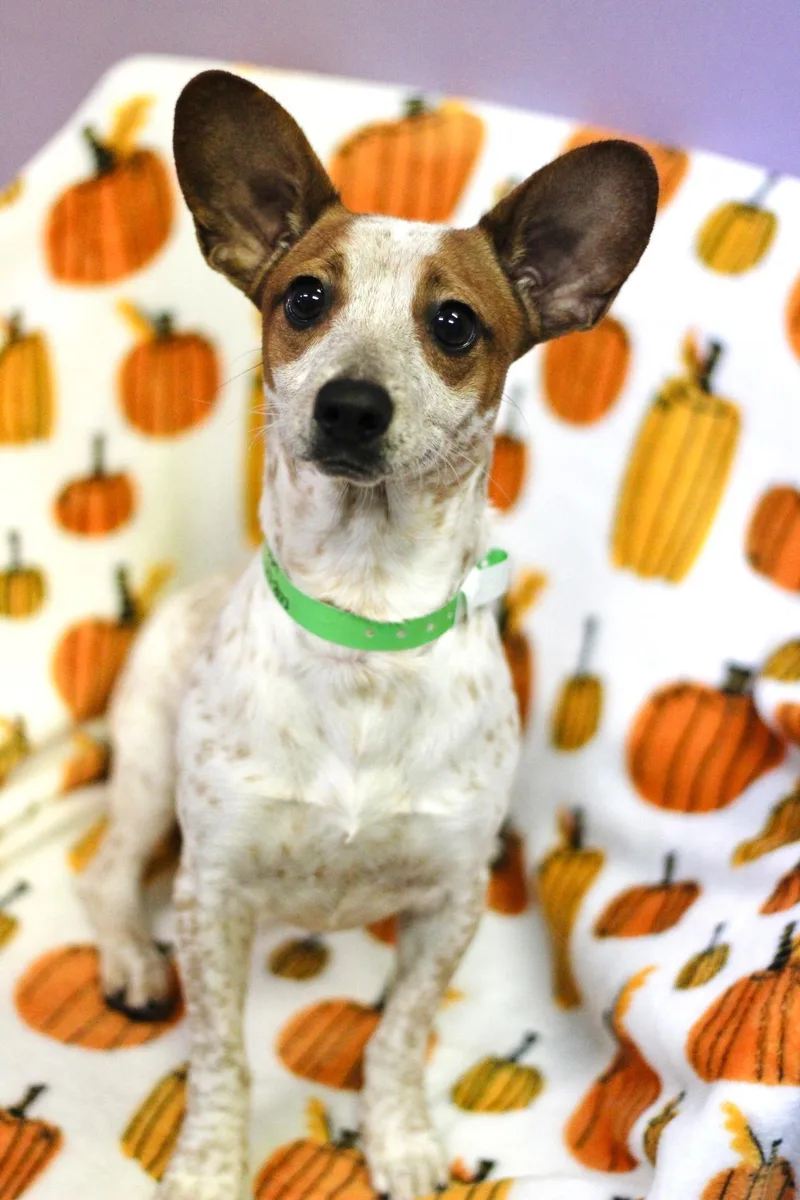
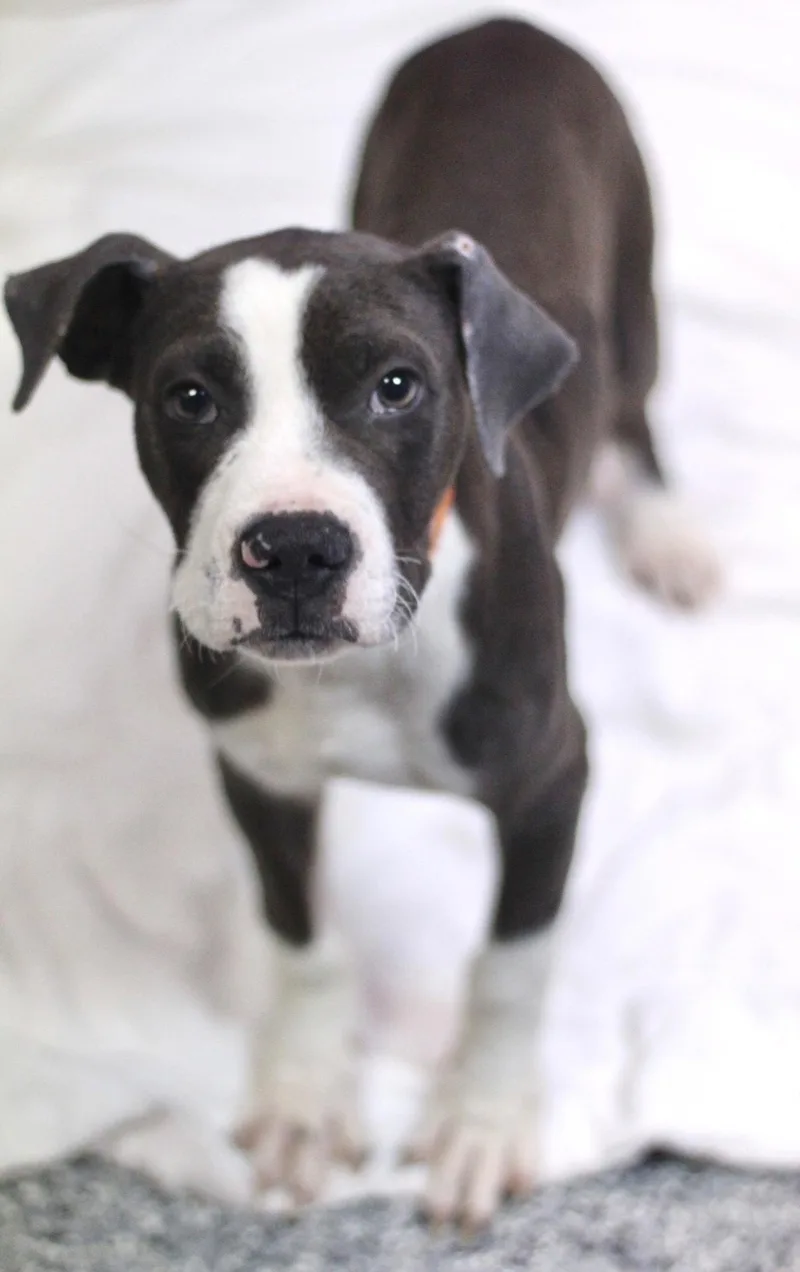
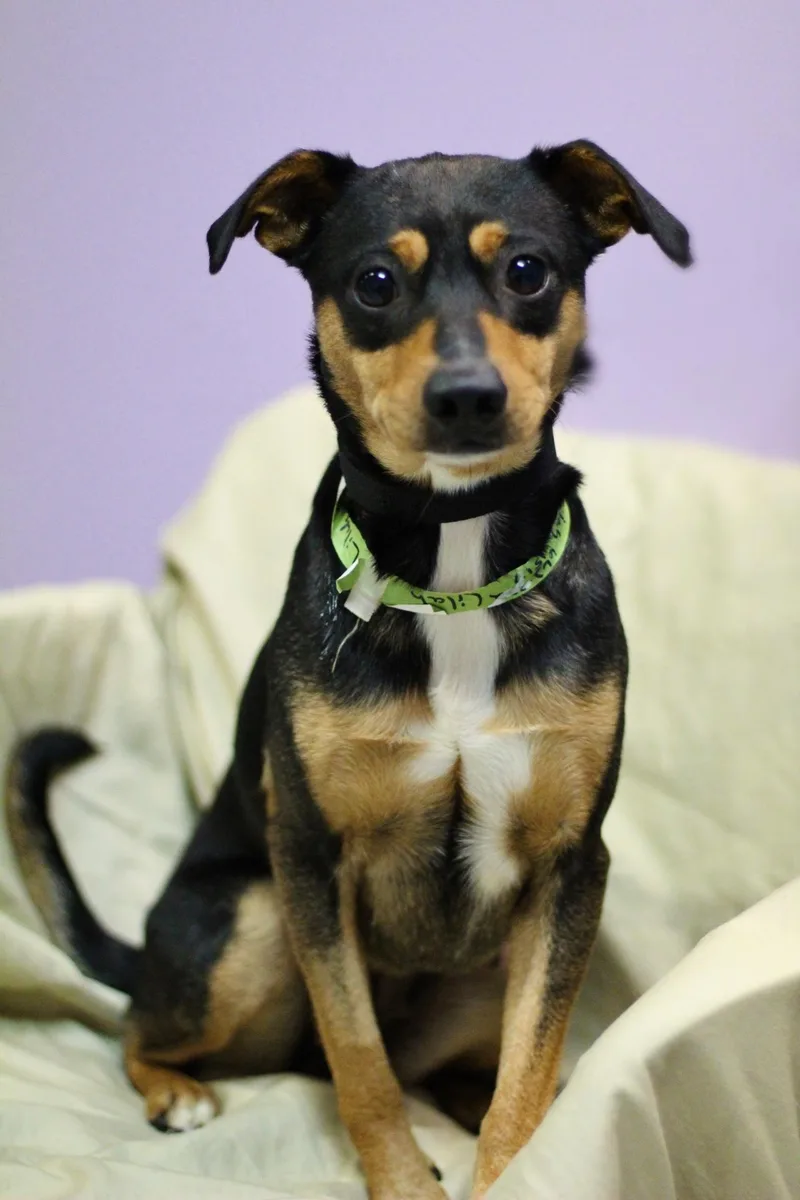
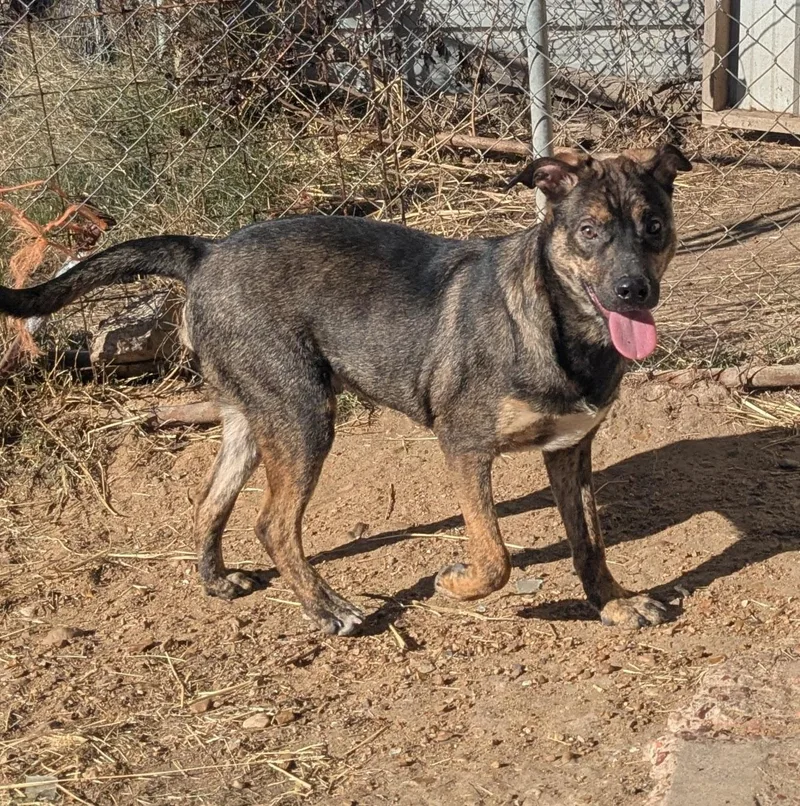
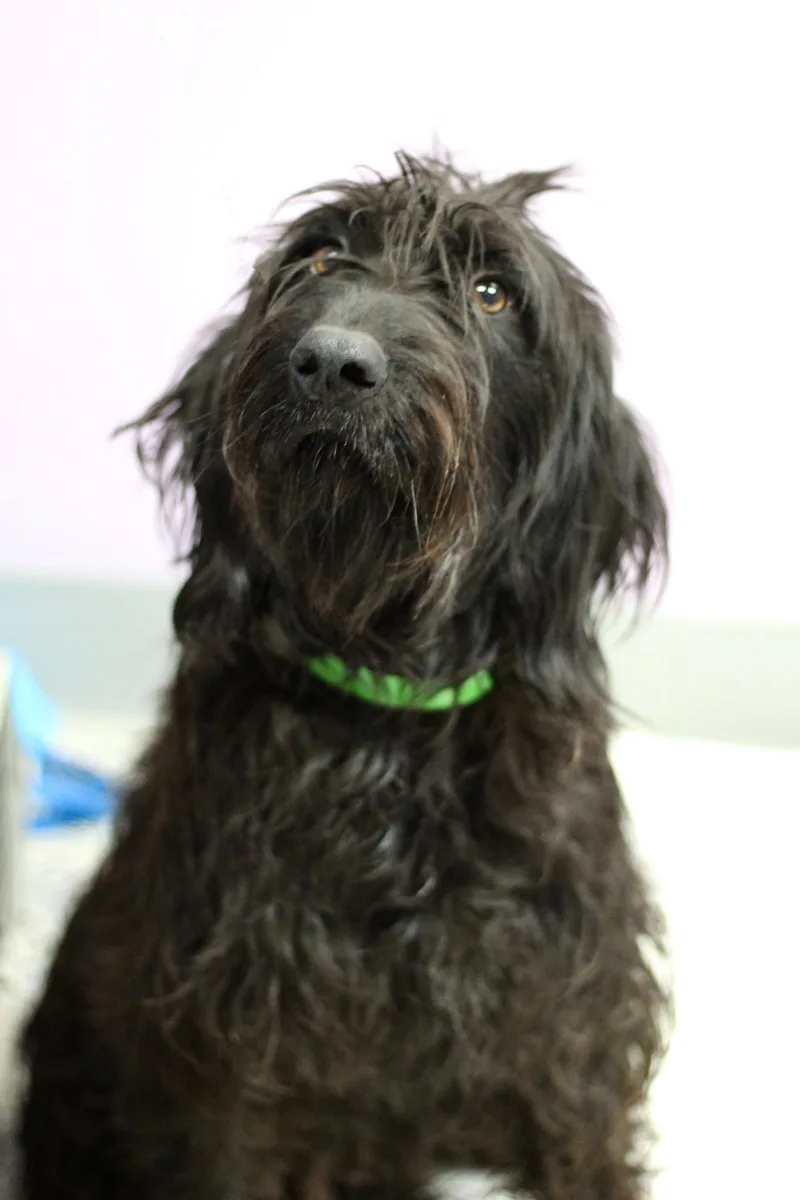
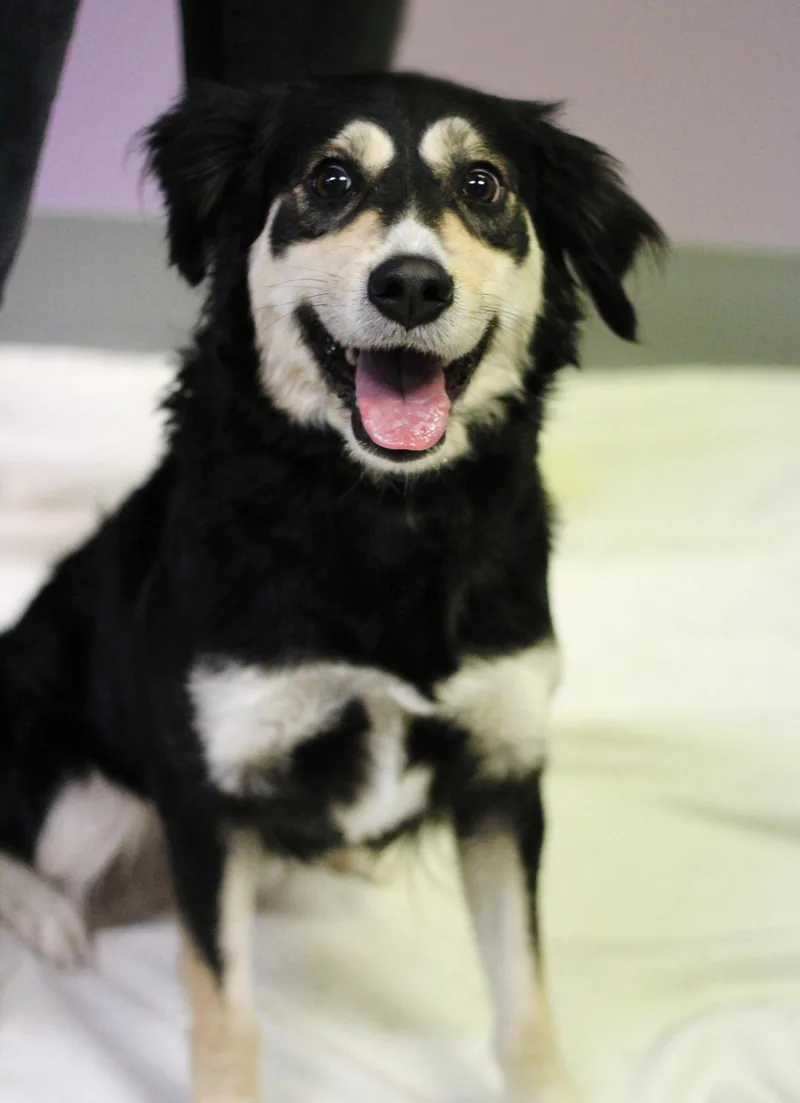
Black Russian Terriers and Similar Breeds Available for Adoption Near Manchester

About the Black Russian Terrier breed

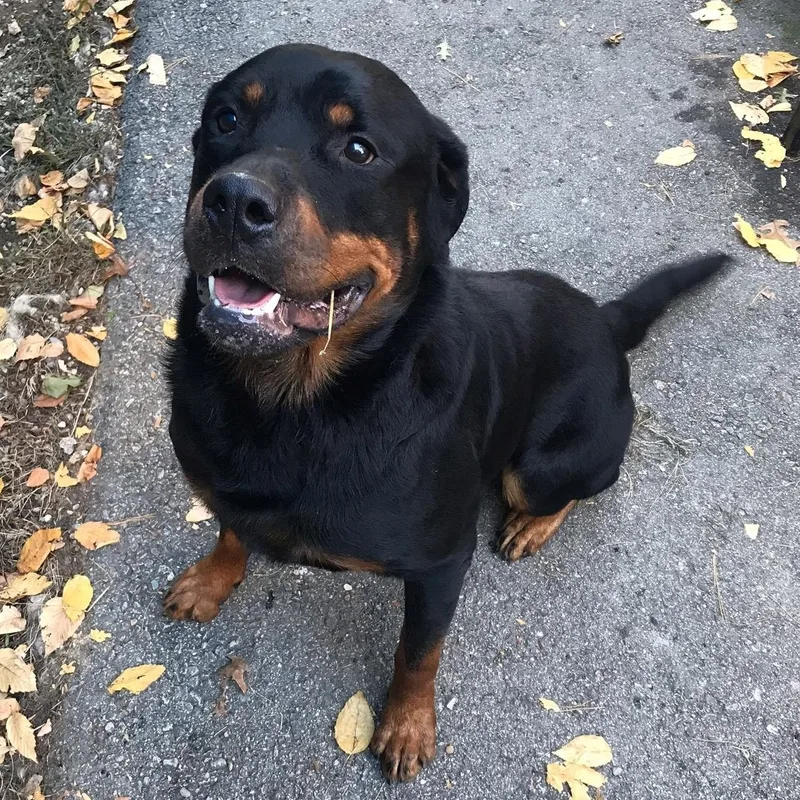
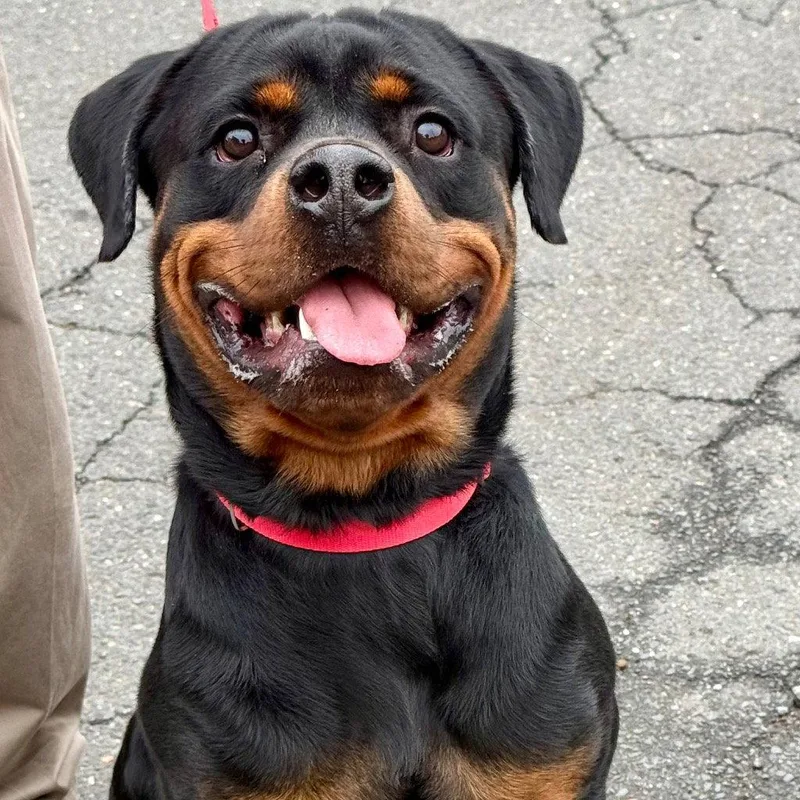
The Black Russian Terrier isn't a true terrier. It was developed in the late 1940s and 1950s at the Soviet Army's Red Star Kennel as a large, hardy working dog, drawing on about 17 breeds that included the Giant Schnauzer, Airedale, Rottweiler and Newfoundland. The result is a heavy-boned dog of roughly 80 to 130 pounds with a wavy black double coat, a bearded muzzle and eyebrows that fall over the eyes.

That guarding background shows up in daily life. Many Black Russians are calm and loyal with their families but aloof with visitors, so doorbells, sidewalk strangers and busy trails call for early socialization and steady training. The low-shedding coat still needs brushing several times a week and regular professional trims. Dogs vary, so a dog's own personality matters more than the breed label.

Weight
80–130 lbs
Height
26–30 in
Lifespan
10–12 yrs
Temperament
Confident, Protective, Loyal
Group
Working
Shedding
Low

Owning a Black Russian Terrier in Manchester

Having a Black Russian Terrier in Manchester

Size, training and coat care shape life with a Black Russian Terrier more than anything else. Expect a big, protective dog that needs an experienced handler, daily exercise and a grooming routine that keeps going through Manchester's snow, mud and tick season.

Temperament

Black Russians are usually calm, confident and devoted, often following a favorite person from room to room. Many stay reserved with strangers, which matters on busier sidewalks and crowded patios. Early socialization and reward-based training help channel that protectiveness. Each dog differs, so watch how a dog handles new people, noises and places.

Exercise Needs

Plan on at least two good walks a day plus play, hiking or swimming for dogs that enjoy it. Manchester's Lake Massabesic fire roads and city trails give a big dog room to roam, though dogs can't enter the lake. Skip hard exercise around meals because of bloat risk, and add training games to keep the mind busy.

Health Considerations

Black Russians can face hip and elbow dysplasia, progressive retinal atrophy, bladder stones and juvenile laryngeal paralysis, plus bloat risk common in deep-chested giants. Hillsborough County is among New Hampshire's worst areas for ticks and Lyme disease, so year-round tick prevention matters after trail walks. Keep the dog lean and have a veterinarian check the joints.

Living Space

Manchester's outer neighborhoods have many single-family houses, and a house with a securely fenced yard suits a Black Russian best. A calm adult can manage a roomy apartment with reliable daily exercise, but a dog of 80 to 130 pounds takes real floor space. Plan for stairs and shared entryways in older multi-unit buildings.

What it costs to own a Black Russian Terrier in Manchester

ExpenseTypical costPer year
Food$80 to $160 per month$960 to $1,920
Pet insurance$85 to $170 per month$1,020 to $2,040
Routine vet care$250 to $500 per year$250 to $500
Other*$1,033 to $2,760 per year$1,033 to $2,760
Estimated yearly total (after year one)$3,263 to $7,220

Other costs are estimates and vary with size, age and health.

* The Manchester dog license ($7.50 for a spayed or neutered dog, $10 unaltered), professional trims every 6–8 weeks, flea, tick and heartworm prevention, dental cleanings, joint supplements, toys and bedding.

Adopt a Black Russian Terrier in Manchester.

Now that you know more, let’s find you a new best friend. These rescues and shelters below have dogs available in and near Manchester.

Rescues and Shelters in or near Manchester

Manchester's animal shelter and nearby rescues work year-round to move dogs and cats into lasting, loving homes. Here are the rescues & shelters in the Manchester area with dogs available for adoption, worth asking whether a Black Russian Terrier is coming in.

Frequently Asked Questions

Yes, Manchester has no known breed ban or breed-specific rule, so a Black Russian Terrier is treated like any other dog. Rules focus on behavior, such as roaming, sustained barking and menacing people. Dogs 4 months and older need an annual license, rabies vaccination is required from 3 months, and dogs must be leashed in public.

Yes, the thick double coat suits Manchester's cold, snowy winters well. Wipe road salt and ice from paws and beard after walks, shorten outings on the coldest days, and plan warmth and water for power outages. Dogs shouldn't be left in cold cars either, and the black coat means July heat is the harder season.

Livingston Park's loop around Dorr's Pond, Derryfield Park's gravel course and Piscataquog River Park are good leashed options for a big dog. The Bass Island fenced dog park is members-only. Lake Massabesic's watershed trails allow pets, but dogs can't enter the water, and owners must remove waste.

A calm adult can, but it's a stretch for a dog of 80 to 130 pounds. A roomy ground-floor unit near trails works better than a small walk-up, and daily exercise is essential. Read lease size and breed limits carefully, and confirm how a pet deposit fits New Hampshire's security deposit limit.

Mostly no. Manchester Transit Authority buses allow pets only when they're fully contained in a carrier, and a Black Russian is far too big for one. Service animals are welcome aboard. Manchester has no subway or rail, so plan on driving to trails, vet visits and the groomer.

Sometimes, on outdoor patios. New Hampshire law lets restaurants allow dogs in outdoor dining areas, but it's each restaurant's choice, and dogs must be licensed, vaccinated and kept on the ground. Indoor dining is off limits except for service animals. A large, protective dog needs room under the table and calm manners around strangers.

Brush a few times a week and plan professional trims every 6 to 8 weeks. In Manchester, winter snow and salt and spring mud collect in the beard and leg hair, so brush and wipe down after walks to prevent mats. Check for ticks while brushing. Trims are part of the yearly other costs.

Black Russian Terriers can be good family dogs for experienced owners. Many are affectionate, calm and protective with their own families and gentle with children they are raised with. Their size and guarding instincts mean they need training, socialization and supervision around visiting kids. An adult rescue with a known history in a family home can be a strong match.

No, Black Russian Terriers are not truly hypoallergenic, since no dog is free of allergens. Their coat sheds little, so they drop less hair around the house than many breeds, which helps some people with mild allergies. Dander and saliva still cause reactions, so spend time with the specific dog before adopting if anyone has allergies.

Expect roughly $3,300 to $7,200 a year for a Black Russian Terrier in Manchester. Food runs $80 to $160 a month, insurance $85 to $170 a month, routine vet care $250 to $500 a year, and other costs, mostly grooming and prevention, about $1,033 to $2,760 a year. Illness or emergency care can add to that.