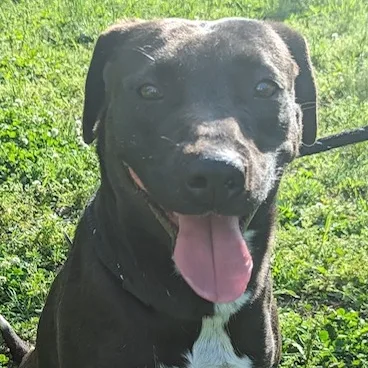
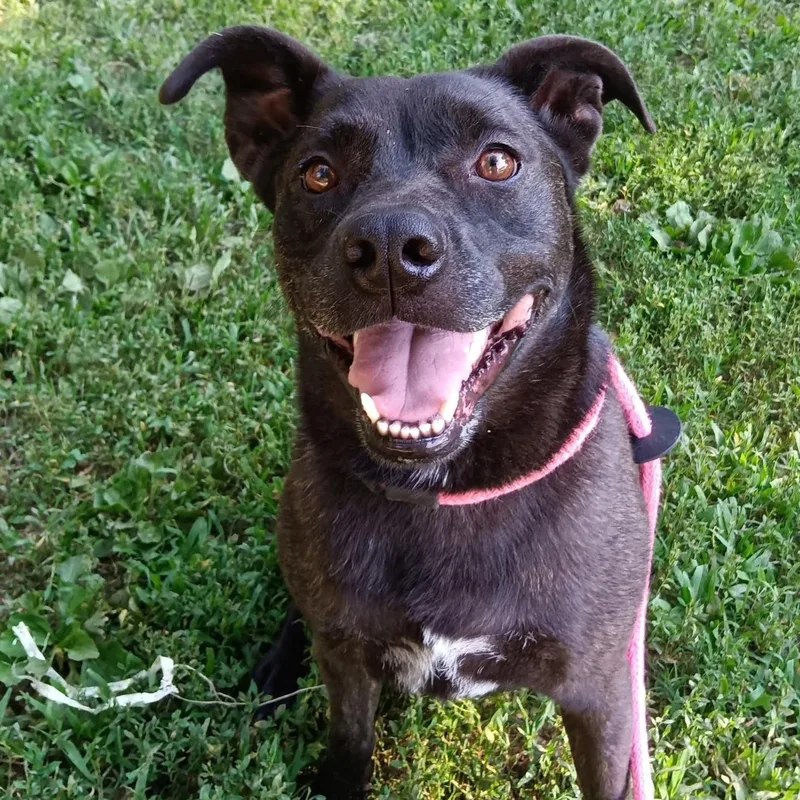
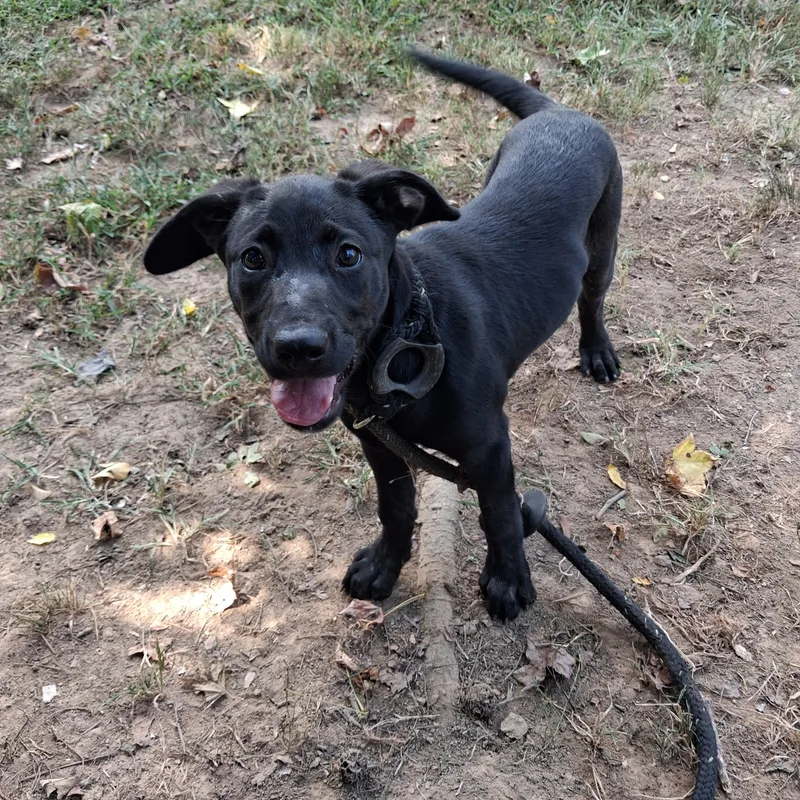
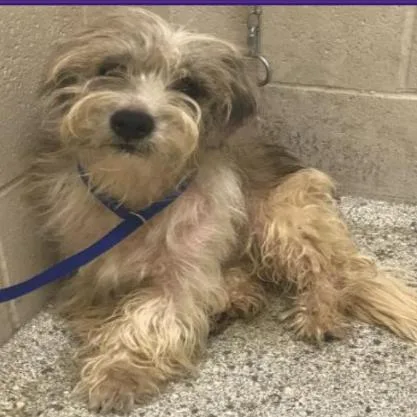
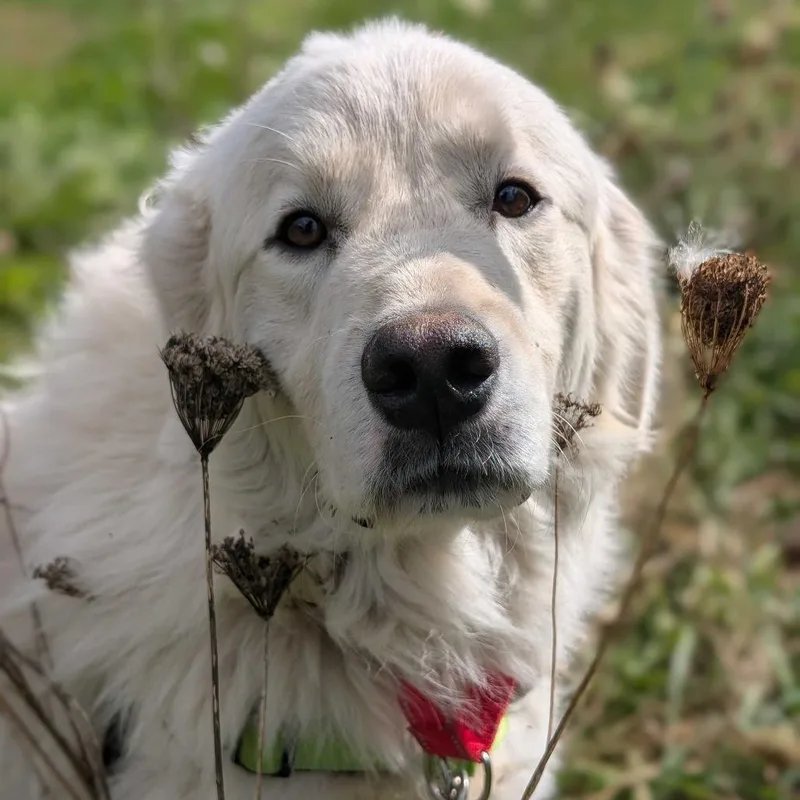
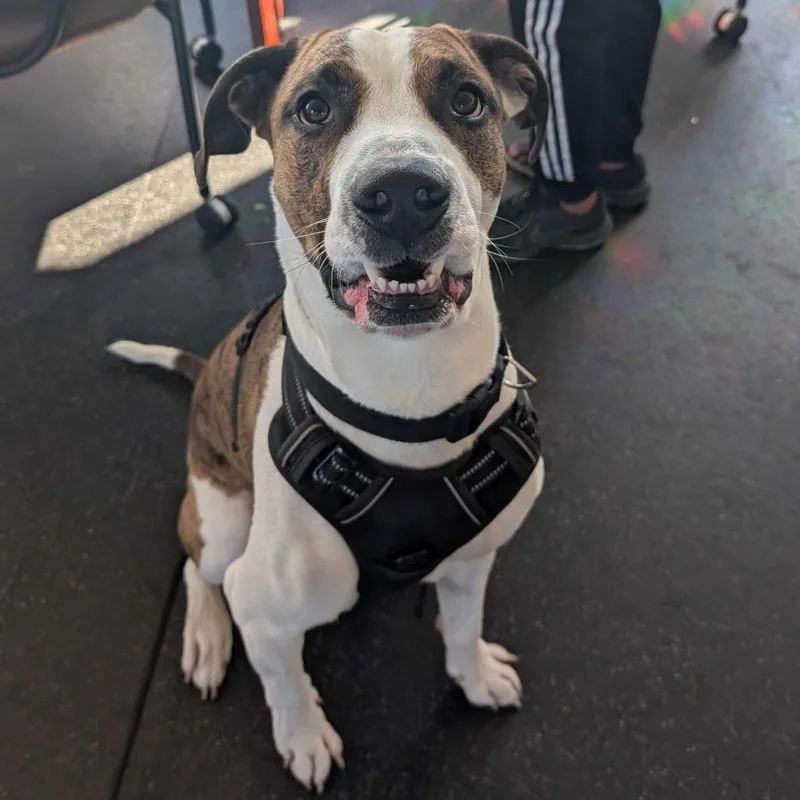
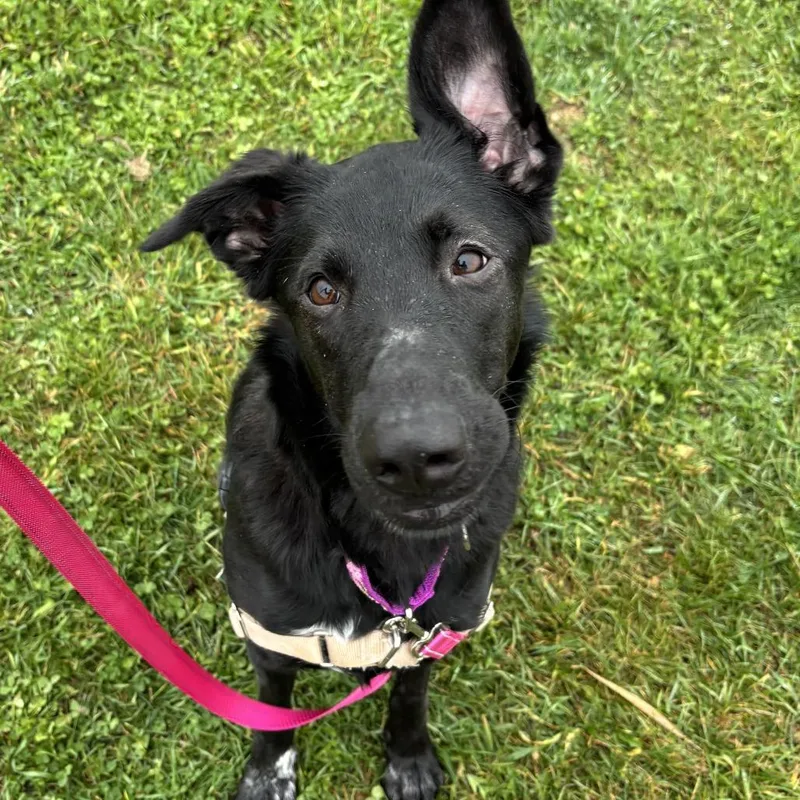
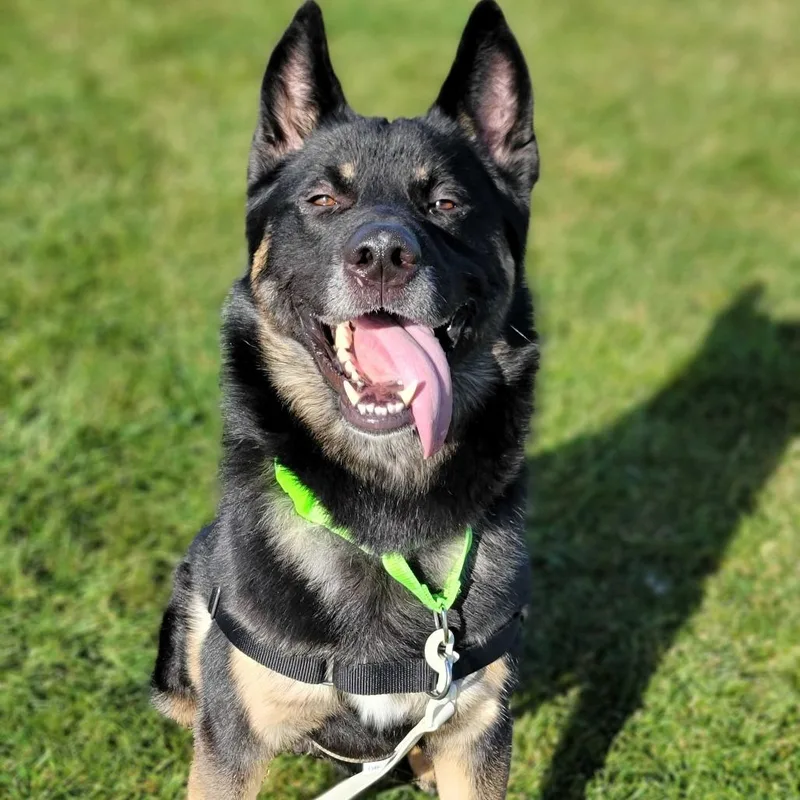
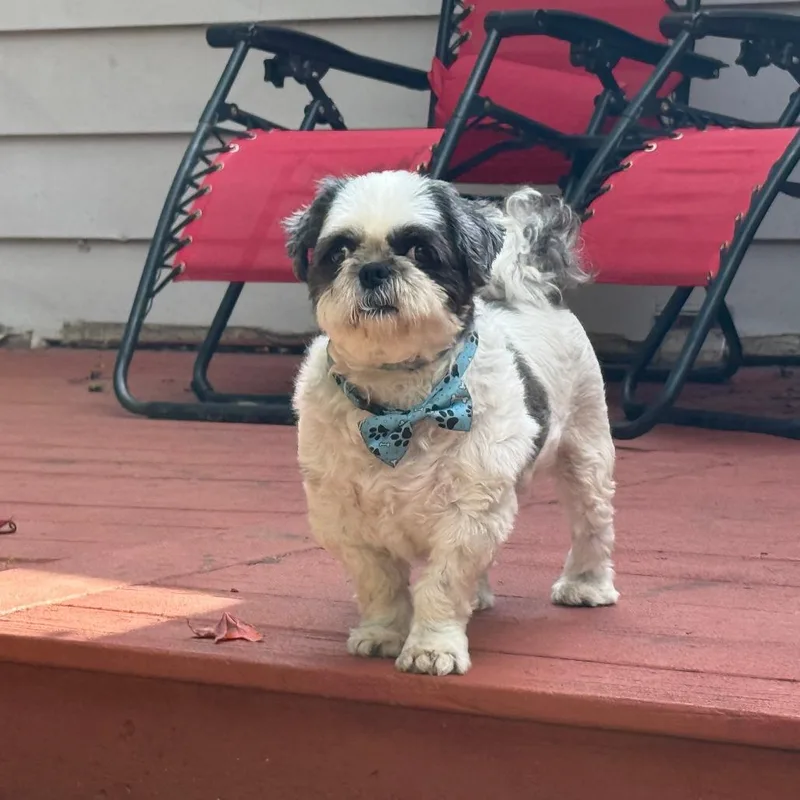
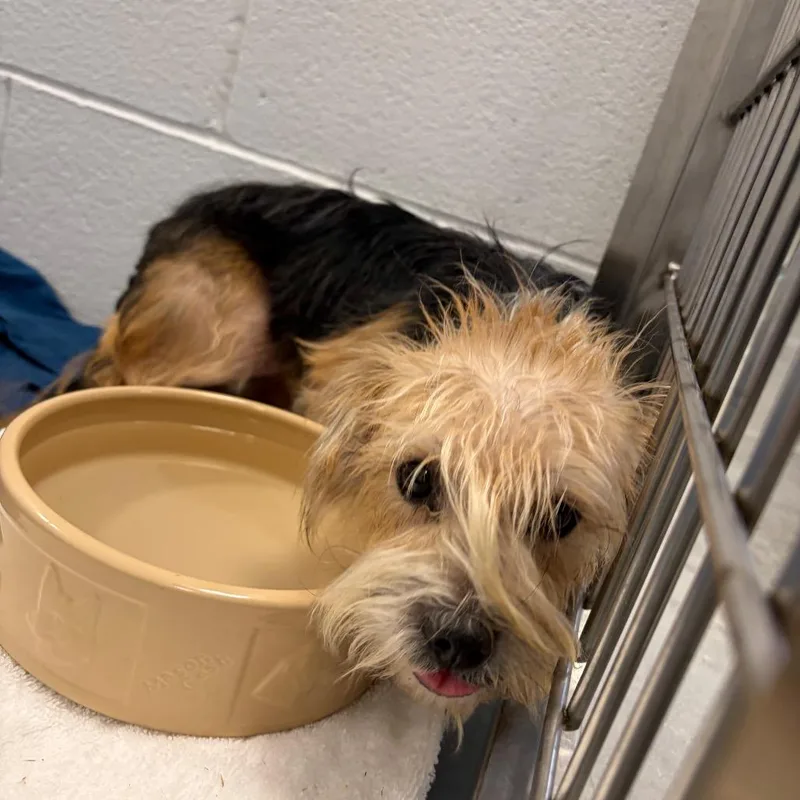
Black Labrador Retriever Dogs for Adoption in Dover, NH

Your guide to finding and caring for a Black Labrador Retriever in Dover

A black Lab suits Dover's trail-and-river side of life. The Community Trail runs about eight round-trip miles along the Cochecho River from Watson Road to Central Avenue, enough for the daily workout most Labs want. They're equally content in a downtown apartment near Garrison Hill or a house with a yard, as long as the walks happen. Their dense double coat handles Dover winters well, and it sheds a lot. Plan on a lint roller by the door.

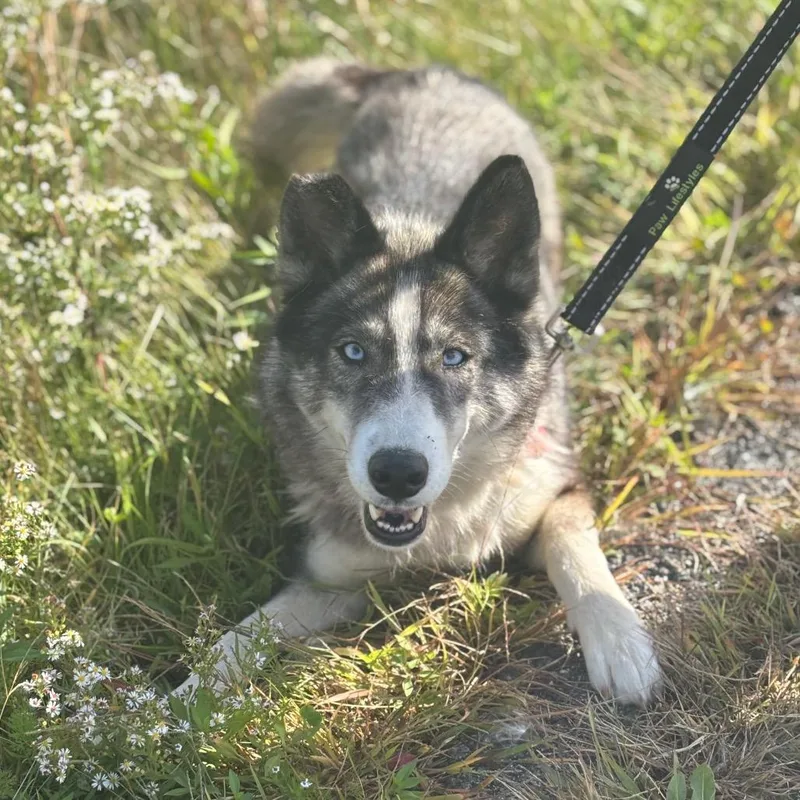
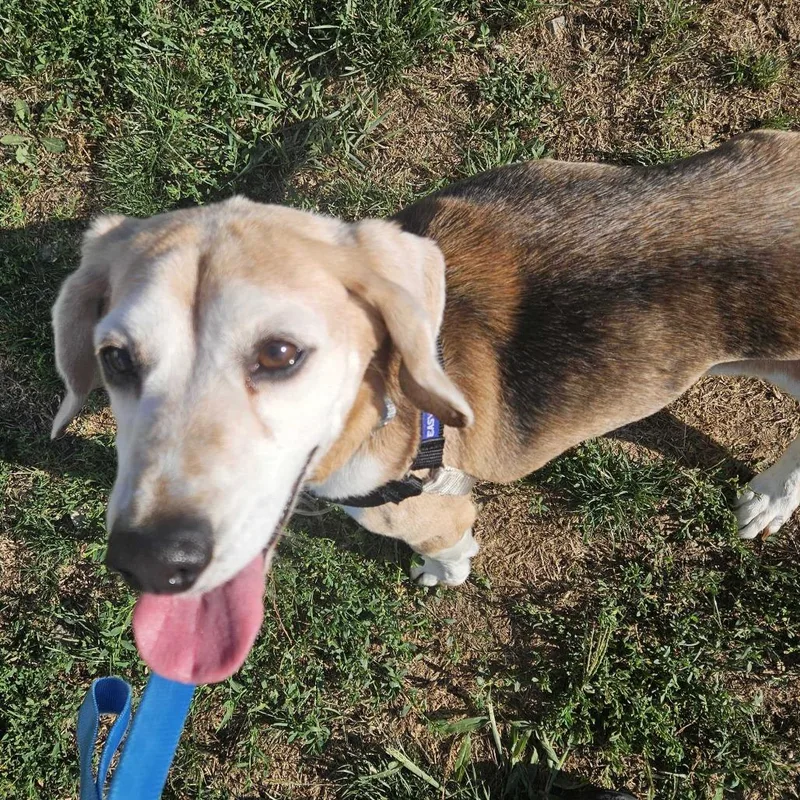
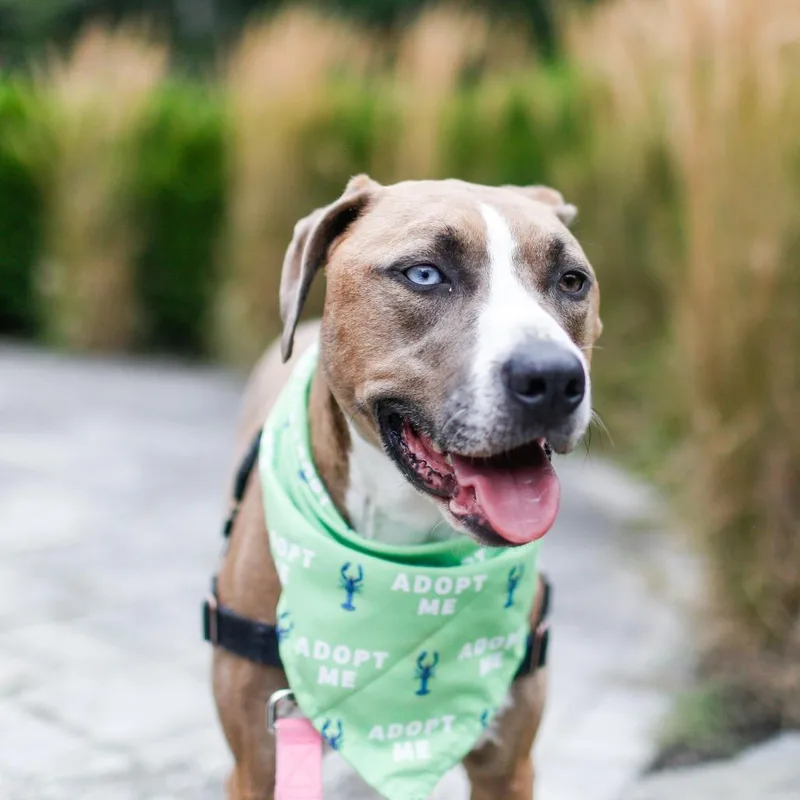
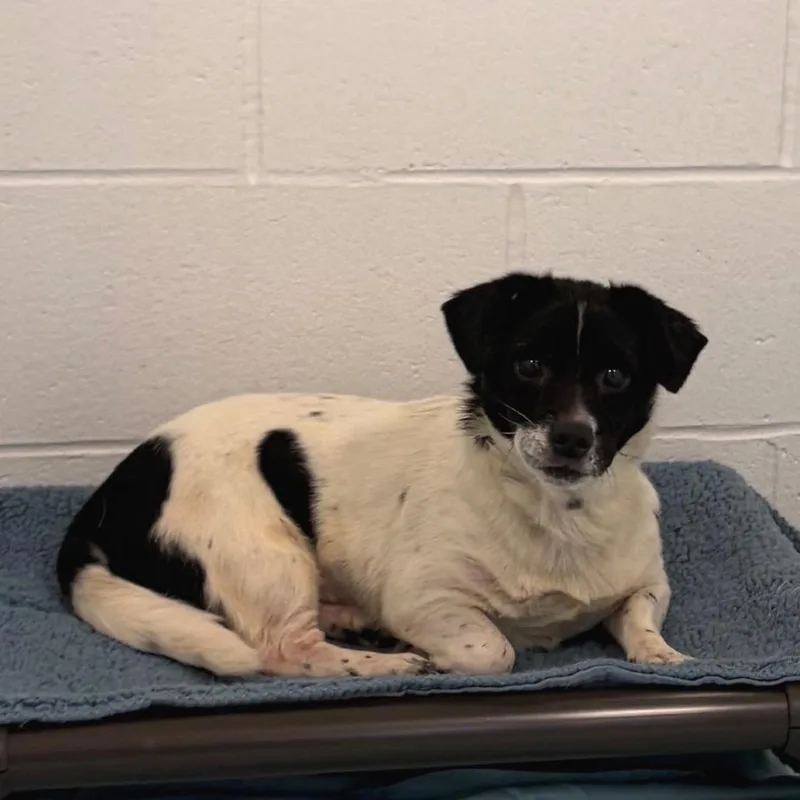
3060 Black Labrador Retrievers available in Dover and nationwide

Find your Black Labrador Retriever

Black Labrador Retrievers Available for Adoption Near Dover

About the Black Labrador Retriever breed

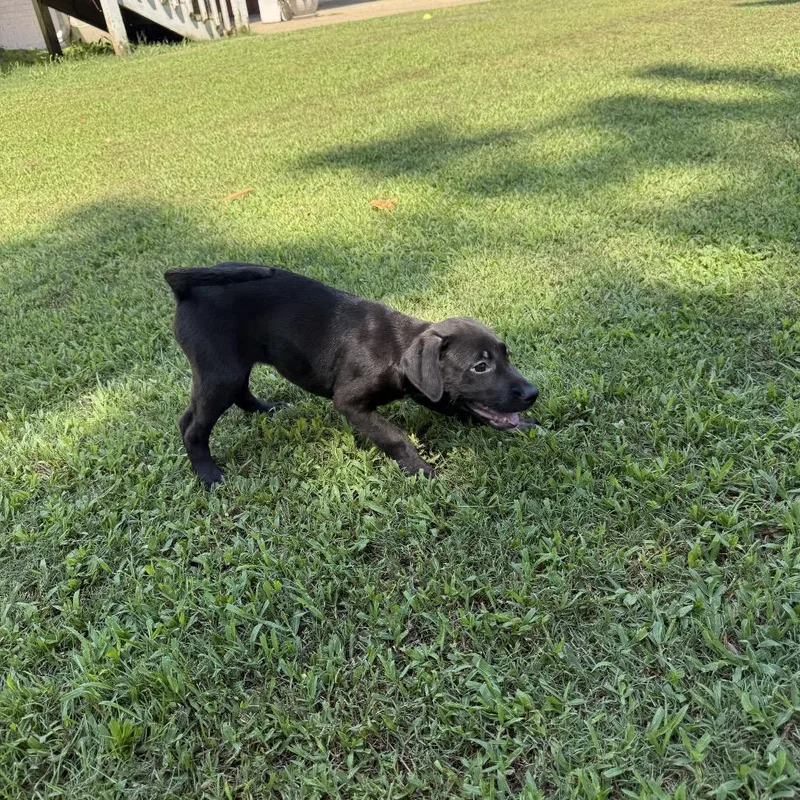
The black Lab is the Labrador Retriever in its original and most familiar color, not a separate breed. The breed descends from the St. John's water dogs of Newfoundland and was refined in Britain as a gun dog, which explains the otter tail, broad head and water-resistant double coat. Adults typically weigh 55 to 80 pounds.

Color doesn't change personality. A black Lab is usually friendly, eager to please and very food-motivated, though field-bred dogs tend to be leaner and more driven than show-bred ones. Expect a dog that wants daily exercise, steady training, measured portions and regular brushing, and that stays bouncy well into adolescence before it settles. Each dog varies, so age and energy level matter more than coat.

Weight
55–80 lbs
Height
21–25 in
Lifespan
10–14 yrs
Temperament
Friendly, Outgoing, Active
Group
Sporting
Shedding
Moderate to High

Owning a Black Labrador Retriever in Dover

Having a Black Labrador Retriever in Dover

Black Labs pair steady stamina with an easygoing social streak. In Dover, their energy, appetite and heavy shedding shape daily life far more than coat color, so match a dog's age and drive to your routine, whether that's trail walks or a quieter home.

Temperament

Black Labs tend to be outgoing and affectionate with family, guests and other dogs, which fits Dover's leashed trail and park culture. Young dogs are often mouthy and boisterous, and their food drive makes reward-based training work well. A dog's history and socialization say more than breed reputation or coat color.

Exercise Needs

Most grown black Labs need vigorous daily exercise: brisk walks, fetch or running. The Dover Community Trail and Garrison Hill add variety, and Longhill Dog Park offers off-leash play for licensed, spayed or neutered dogs. Retrieving games and scent work tire the mind too. Seniors still benefit from gentler outings.

Health Considerations

Labs can face hip and elbow dysplasia, cruciate ligament tears, exercise-induced collapse and eye disease, and obesity is common. Ear and skin trouble also occur. Strafford County has historically been a higher-risk area for Lyme disease, so tick checks after trail walks and a prevention plan from your veterinarian are worthwhile.

Living Space

A black Lab can manage a Dover apartment or a house if daily exercise is covered. The city offers both, from downtown apartments to houses with yards. A fenced yard helps but doesn't replace walks and attention. Expect shed hair, a sweeping tail and a dog that wants to live indoors with the family.

What it costs to own a Black Labrador Retriever in Dover

ExpenseTypical costPer year
Adoption fee$300, one time$300 in year one
Food$55 to $110 per month$660 to $1,320
Pet insurance$65 to $130 per month$780 to $1,560
Routine vet care$250 to $500 per year$250 to $500
Other*$583 to $1,460 per year$583 to $1,460
Estimated yearly total (after year one)$2,273 to $4,840
First-year total (with adoption fee)$2,573 to $5,140

Adoption fee is the fee on Black Labrador Retriever listings in Dover on GetBuddy today. Other costs are estimates and vary with size, age and health.

* The $7.50 Dover dog license for a spayed or neutered dog ($10 if unaltered), a dental cleaning, flea, tick and heartworm prevention, toys and bedding, and brushing and baths for heavy shedding.

Adopt a Black Labrador Retriever in Dover.

Now that you know more, let’s find you a new best friend. These rescues and shelters below currently have Black Labrador Retrievers available.

Rescues in Dover with Black Labrador Retrievers Available

Dover's rescue community includes a humane society on County Farm Road that has cared for Strafford County animals since 1984. Here are the rescues & shelters in the Dover area where you can find Black Labrador Retrievers and other dogs available for adoption.

Frequently Asked Questions

Yes, Dover has no known breed ban or breed-specific rule; its dog rules are based on behavior. You'll need a city license by April 30 for dogs four months and older, a rabies vaccination from three months, and a leash in parks. Barking for more than half an hour can draw fines, so training matters for a young Lab.

Yes, if it gets daily exercise, though landlord rules are usually the real hurdle. Dover has everything from downtown apartments to houses with yards. Get permission in writing, confirm any weight limit, and plan real walks every day. A bored Lab can bark for a long time, and Dover treats barking over half an hour as a nuisance.

For off-leash play, Longhill Dog Park is the city's only option and admits only licensed, vaccinated, spayed or neutered dogs, with a two-dog limit per adult. For long leashed walks, try the Community Trail along the Cochecho River or Garrison Hill. Bellamy Park has disc golf, so watch for flying discs and keep your Lab close.

Yes, Labs handle Dover winters well thanks to a dense, water-resistant double coat. Wipe road salt off paws, shorten walks on the coldest days and keep dogs off frozen ponds and tidal rivers. A thin senior may want a coat. Never leave a dog in a cold car either, since New Hampshire treats that as cruelty.

A black Lab needs brushing about once or twice a week, and daily during the heavy shedding seasons in spring and fall. A bath every month or two is plenty, though Dover's mud and road salt may call for extra paw wipes. Grooming is a small part of the yearly Other costs, roughly $100 to $300 if you pay for baths.

Possibly, on some patios. New Hampshire law lets restaurants allow dogs in outdoor dining areas, but it's each restaurant's choice, and indoor dining is closed to pet dogs. Some downtown patios welcome leashed dogs. Bring water and a mat, and expect your Lab to stay on the ground and out of restaurant dishes.

Not as a typical passenger. COAST buses allow only small pets in a fully enclosed lap carrier, so an adult black Lab can't ride unless it's a service animal. Amtrak's Downeaster, which stops at the Dover Transportation Center, also limits pets to small ones in carriers. Plan on walking or driving with your Lab.

A Labrador Retriever is a large sporting dog developed to retrieve game for hunters, especially from water. Labs have a short, dense double coat, a thick otter tail and a broad head, and they come in black, yellow and chocolate. Many are friendly, food-motivated and eager to work, which makes them common family, guide and service dogs.

We have 1 rescue with Black Labrador Retrievers available: Pope Memorial Humane Society. You can see every rescue with Black Labrador Retrievers available in the list above these questions, or scroll to the top to see the Black Labrador Retrievers near Dover.

Budget about $55 to $110 a month for food, $65 to $130 a month for insurance, $250 to $500 a year for routine vet care and roughly $583 to $1,460 a year for other costs such as prevention, dental care, grooming and the license. Large dogs eat more, and orthopedic problems can bring bigger one-off vet bills.