Havanese Dogs for Adoption in Omaha, NE

Your guide to finding and caring for a Havanese in Omaha

Havanese suit Omaha's apartment neighborhoods well, from walkable Blackstone to the newer buildings in Aksarben Village. They're small enough for a condo and content with a couple of short walks a day, plus a visit to the small-dog side at Dewey Dog Park. What they don't handle well is long days alone, so a Havanese fits best with someone who works from home or can get back at midday. In January, you'll want a coat for those walks.

153 Havanese available in Omaha and nationwide

Give a Havanese a home

While we don't have enough dogs near Omaha, keep in mind that many rescues may offer transport.

Havanese Available for Adoption Near Omaha

About the Havanese breed

Cuba's national dog, the Havanese belongs to the Bichon family of small companion dogs brought over by Spanish settlers. The breed nearly vanished after the Cuban Revolution, and American dogs today descend from a small group Cuban families carried out. Adults stand about 8 to 12 inches and weigh 7 to 13 pounds, with a long, silky, wavy coat, a plumed tail curled over the back and a springy gait.

Havanese are typically cheerful, people-focused and playful without being frantic. Many follow their people from room to room and dislike long stretches alone. The coat sheds little but tangles readily, so plan on frequent brushing or a short trim kept up by a groomer, especially through Omaha's muddy springs and snowy winters. Dogs vary, so an adopted Havanese or mix may differ from this picture.

Weight
7–13 lbs
Height
8–12 in
Lifespan
12–16 yrs
Temperament
Affectionate, Playful, Social, Intelligent
Group
Toy
Shedding
Low

Owning a Havanese in Omaha

Having a Havanese in Omaha

Havanese pair a small, sturdy body with a companion-first outlook. In Omaha, the biggest factors are how much time someone is home, how the long coat copes with snow and humid summers, and how well the dog settles in a building with close neighbors.

Temperament

Havanese tend to be friendly with family, visitors and other pets, and many enjoy gentle children. Some become anxious when left alone, and under-socialized dogs can be shy with strangers. Reward-based training usually works well. With neighbors close in Omaha's apartment buildings, practice short departures early and teach a quiet cue for alert barking.

Exercise Needs

Expect two daily walks plus indoor play, usually 20 to 40 minutes in all. Havanese enjoy tricks, short training sessions and hide-and-seek, which count as mental exercise. In Omaha, paved routes like the Field Club Trail make easy leashed outings, and on icy or sub-zero days indoor games can stand in for a long walk.

Health Considerations

Havanese are generally long-lived, but the breed can be affected by patellar luxation, cataracts and other eye disease, liver shunts, heart disease and Legg-Calvé-Perthes disease. Dental disease is common in small dogs. Keep up regular veterinary checkups and tooth brushing, and have a veterinarian check the knees, eyes and heart soon after adoption.

Living Space

A Havanese does well in a Midtown condo, a Benson apartment or a Millard house, since company matters more than square footage. A fenced yard is a bonus, not a requirement. They can be alert barkers, which matters in shared buildings, and they do best with people home much of the day or a reliable plan for long absences.

What it costs to own a Havanese in Omaha

ExpenseTypical costPer year
Adoption fee$365, one time$365 in year one
Food$15 to $35 per month$180 to $420
Pet insurance$30 to $60 per month$360 to $720
Routine vet care$200 to $400 per year$200 to $400
Other*$960 to $2,340 per year$960 to $2,340
Estimated yearly total (after year one)$1,700 to $3,880
First-year total (with adoption fee)$2,065 to $4,245

Adoption fee is the fee on Havanese listings in Omaha on GetBuddy today. Other costs are estimates and vary with size, age and health.

* Professional grooming, flea, tick and heartworm prevention, a dental cleaning allowance, the Omaha dog license, and supplies such as toys and bedding.

Adopt a Havanese in Omaha.

Now that you know more, let’s find you a new best friend. These rescues and shelters below currently have Havanese available.

Frequently Asked Questions

Yes, a Havanese can live in an Omaha apartment, and the main issue is noise rather than space. Omaha treats uninterrupted barking that disturbs neighbors as a violation, so teach a quiet cue and practice short departures early. In winter, plan quick potty trips in a coat. Walkable areas like Blackstone and Midtown Crossing suit a small dog's routine.

Yes, a Havanese can handle an Omaha winter as an indoor dog with a few adjustments. Roughly 135 nights a year hit freezing, and snow can reach a toy dog's belly, so shovel a potty path, use a coat and keep walks short on the coldest days. Omaha requires bedded shelter for any dog left outside, but a Havanese belongs indoors.

Hefflinger Dog Park in northwest Omaha has a separate small-dog area for dogs under 30 pounds, and the Gene Leahy Mall dog park downtown has its own small-dog section, so both suit a Havanese. For leashed walks, the Big Papio Trail and the loop around Standing Bear Lake are easy picks. Leashes are required outside city-recognized dog parks.

Yes, a Havanese can ride Metro buses and ORBT, but only in a carrier. Metro's passenger rules require pets to stay in a carrier unless they're service animals, and the carrier goes on your lap or the floor, not a seat. Most Havanese fit a carrier easily. Omaha has no subway or rail line, and the streetcar isn't open yet.

Sometimes, but only on patios. In Omaha, dogs are allowed on a restaurant patio only where the venue has health-department approval, they must stay leashed, and indoor dining rooms are off-limits. Midtown Crossing has said dogs are welcome on its restaurant patios. Bring a water bowl and a mat, and a quiet, well-socialized Havanese will usually settle beside your chair.

A Havanese needs brushing several times a week and a trim every six to eight weeks, and Omaha's weather makes the brushwork matter more. Spring mud and winter snow clump the long coat, so comb out the feathering on legs, belly and ears after wet walks. A shorter trim is more comfortable in humid summers. Grooming is the biggest part of the Other cost line.

A Havanese is a small, sturdy companion dog from Cuba and a member of the Bichon family, related to the Bichon Frise, Maltese and Bolognese. It has a long, silky, wavy coat in any color, a plumed tail carried over the back and a springy walk. Most are cheerful, sociable dogs that prefer to stay close to their people.

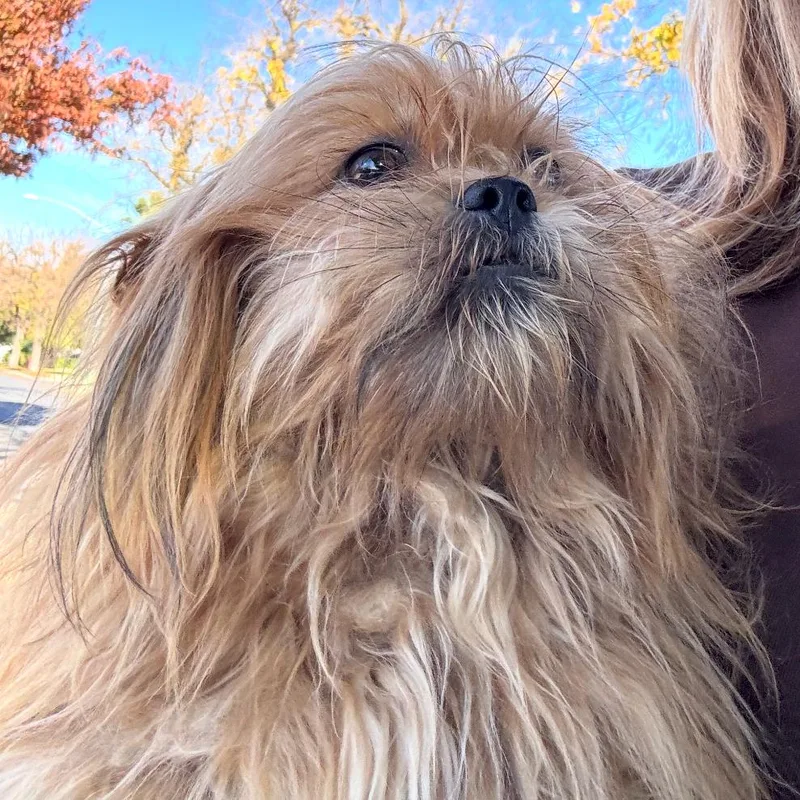
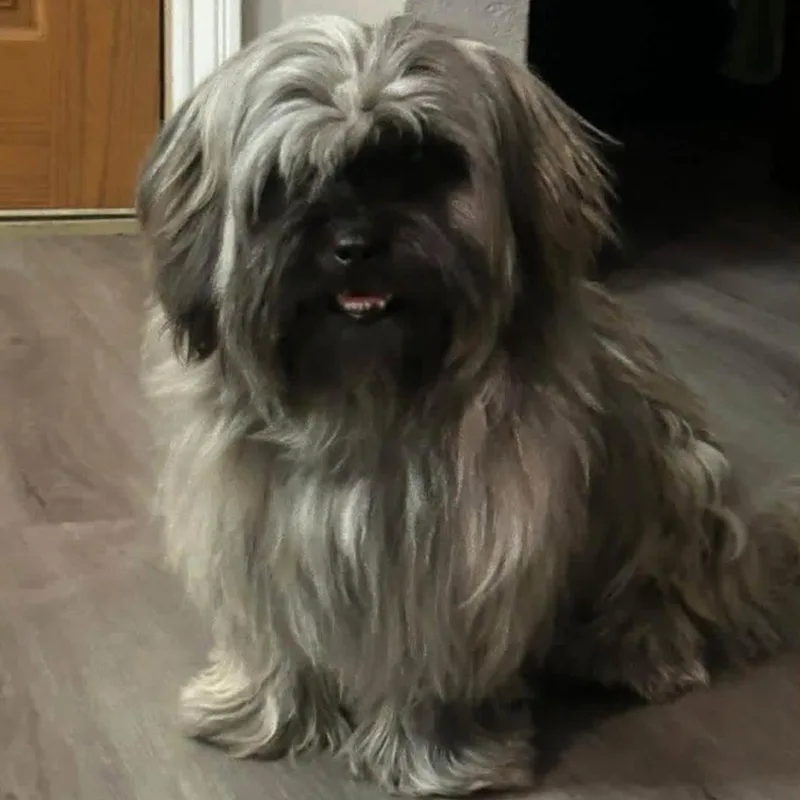
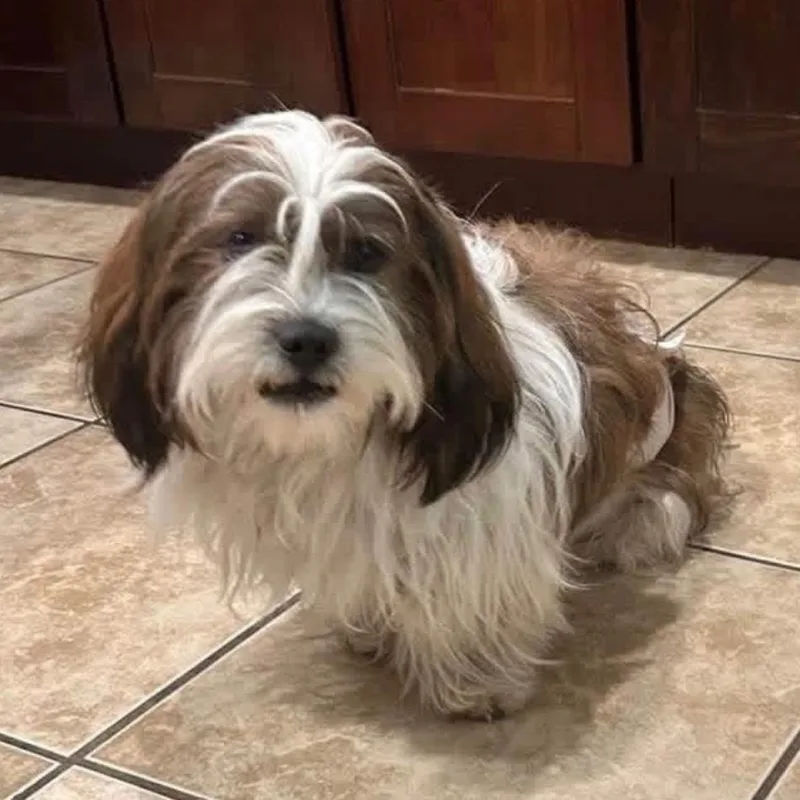
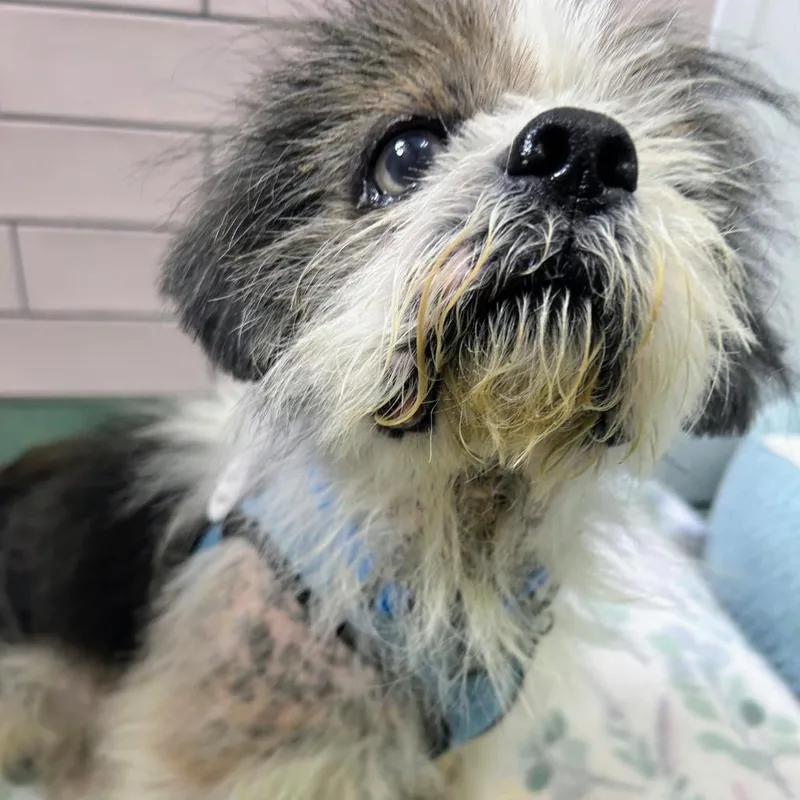
A Havanese looks like a small, slightly long-bodied dog draped in a soft, wavy, silky coat that can be left long, corded or trimmed short. It has large dark eyes, a full muzzle, folded ears and a plumed tail arched over the back. Coat colors include white, cream, gold, black, chocolate, silver and parti-color combinations.

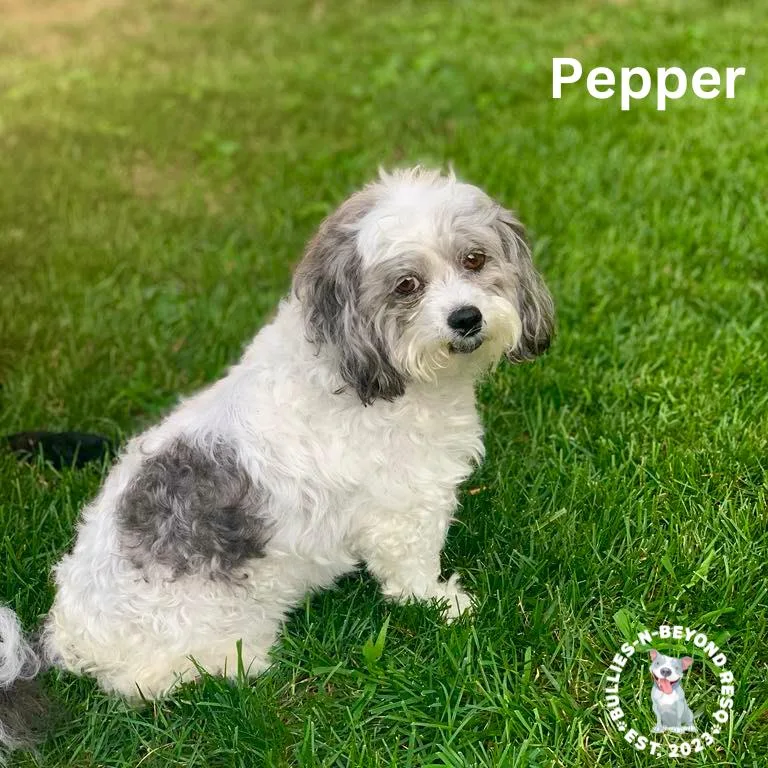
We have 1 rescue with Havanese available: Bullies-N-Beyond ResQ. You can see every rescue with Havanese available in the list above these questions, or scroll to the top to see the Havanese near Omaha.

A Havanese typically costs about $1,700 to $3,900 a year in Omaha, counting food, insurance, routine vet care and other costs. Professional grooming every six to eight weeks is the largest piece of the Other line, and insurance depends on age and coverage. Emergencies and illness aren't included, so a savings cushion helps.

Find Havanese in Nearby Cities

Expand your search to find Havanese available for adoption near Omaha.