Hamiltonstovare Dogs for Adoption in Omaha, NE

Your guide to finding and caring for a Hamiltonstovare in Omaha

A Hamiltonstovare fits Omaha best with a fenced yard and a long paved trail nearby. The Big Papio Trail runs about 10 miles from Hefflinger Park to Seymour Smith Park, plenty of steady mileage for a medium-sized scent hound on a leash. Hamiltonstovares are friendly and even-tempered, but the nose leads, so a yard in Millard or near West Maple makes recall mistakes safer. They're rare in the US, so hound mixes may show up here more often than purebreds.

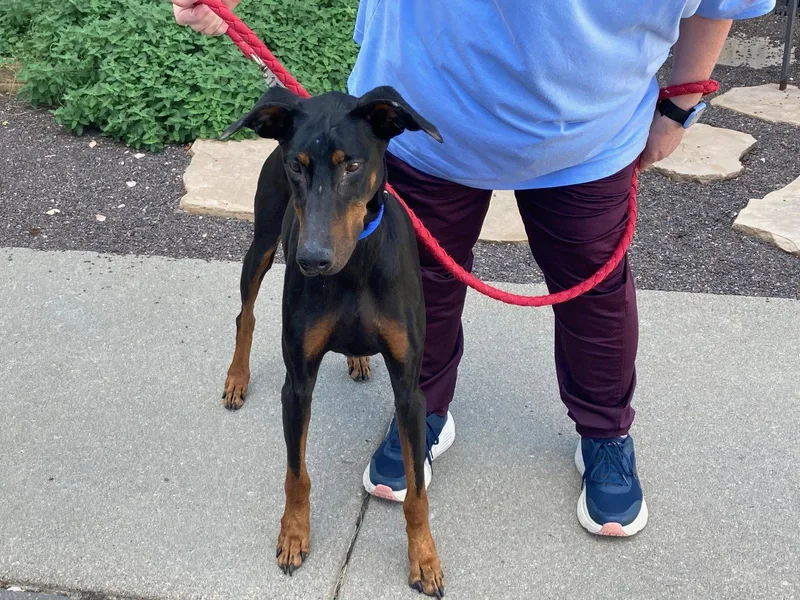
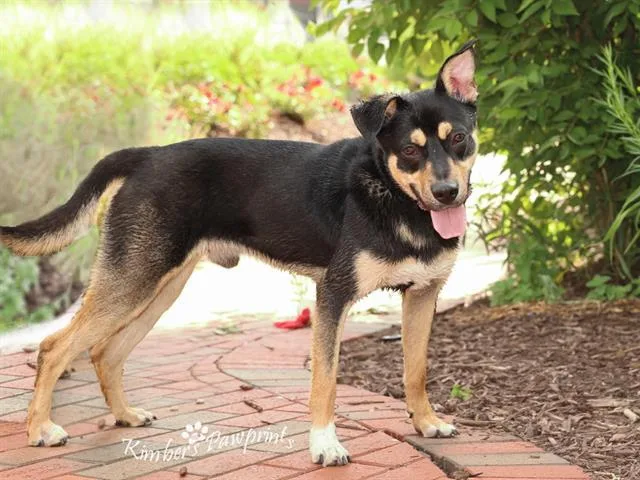
7882 dogs similar to Hamiltonstovare available in Omaha and nationwide

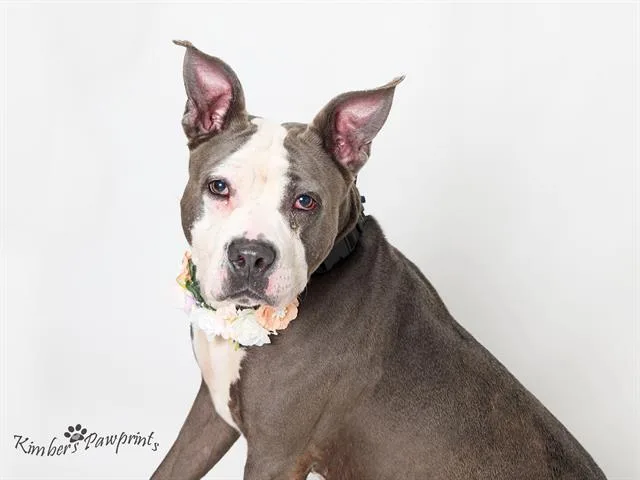
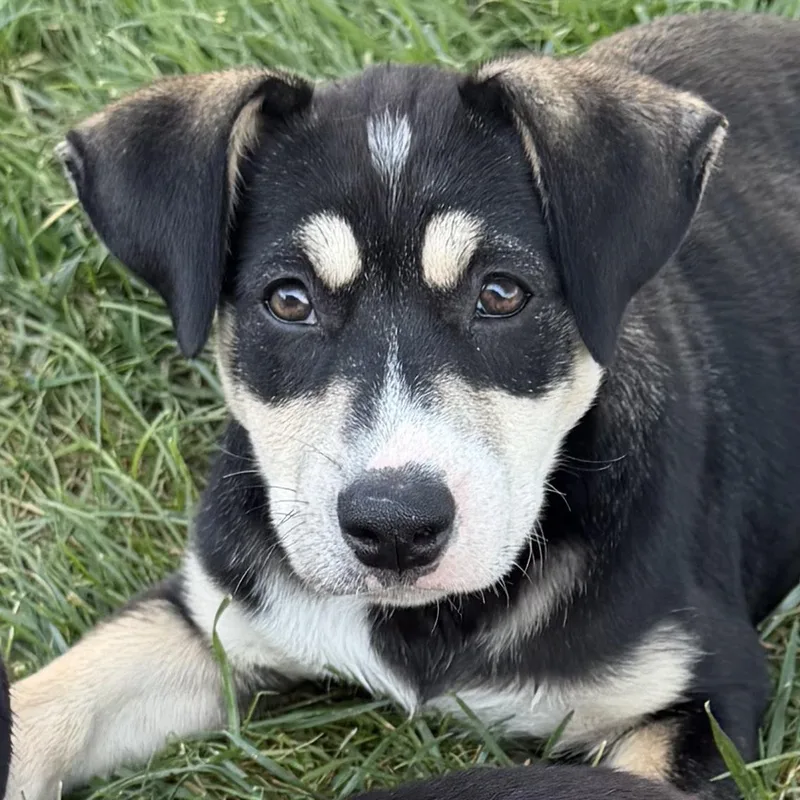
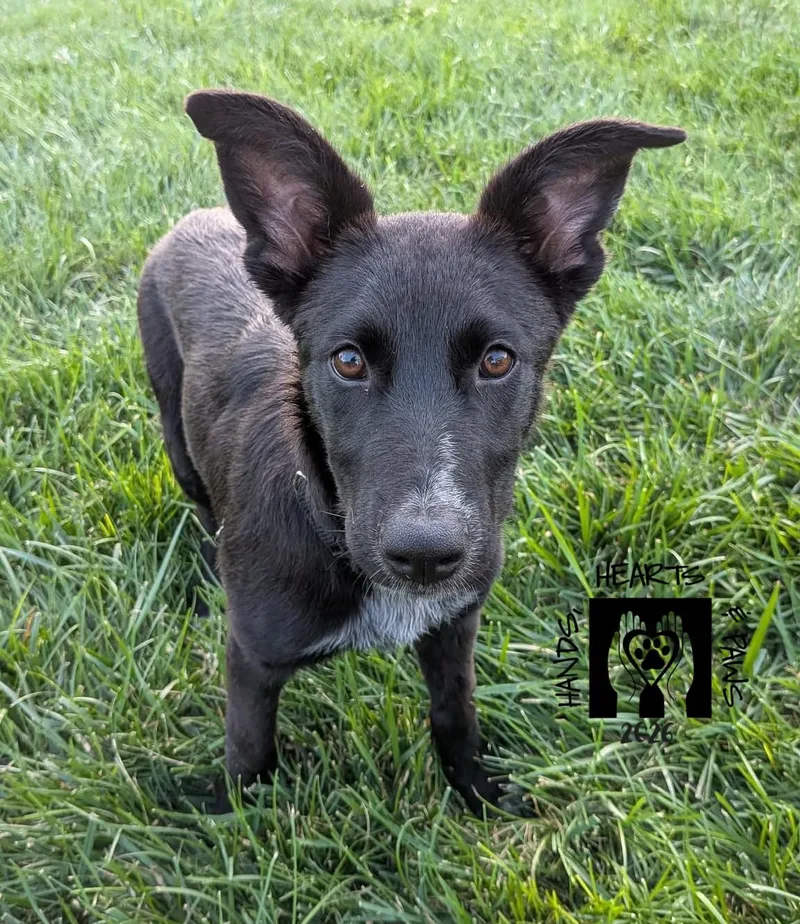
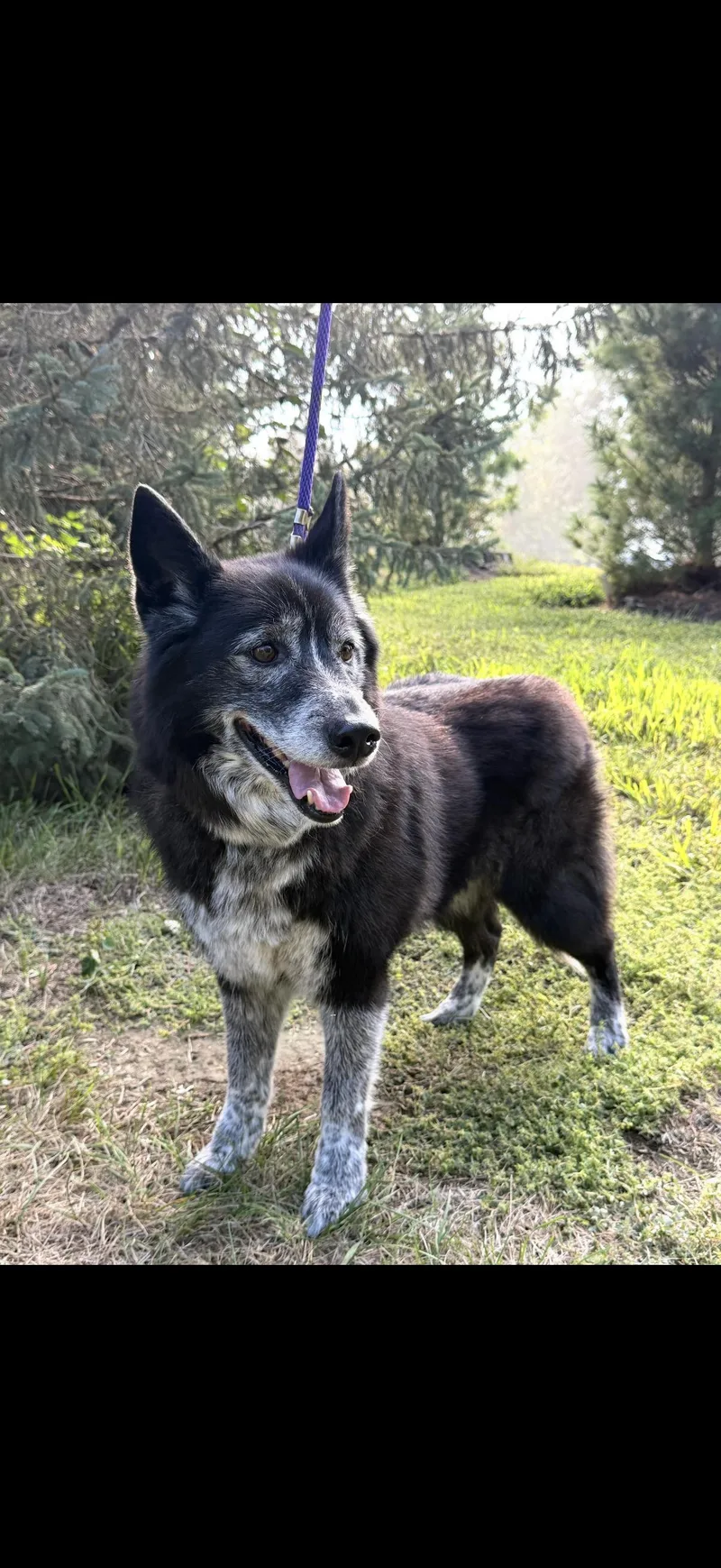
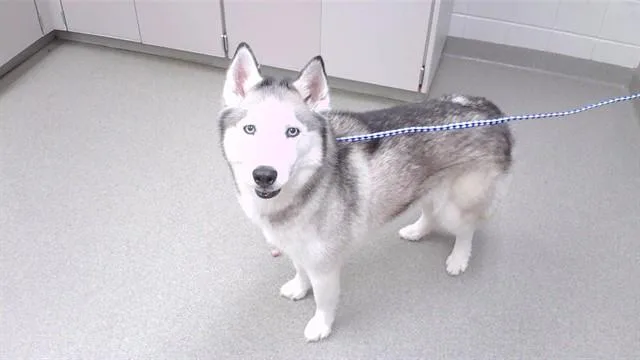
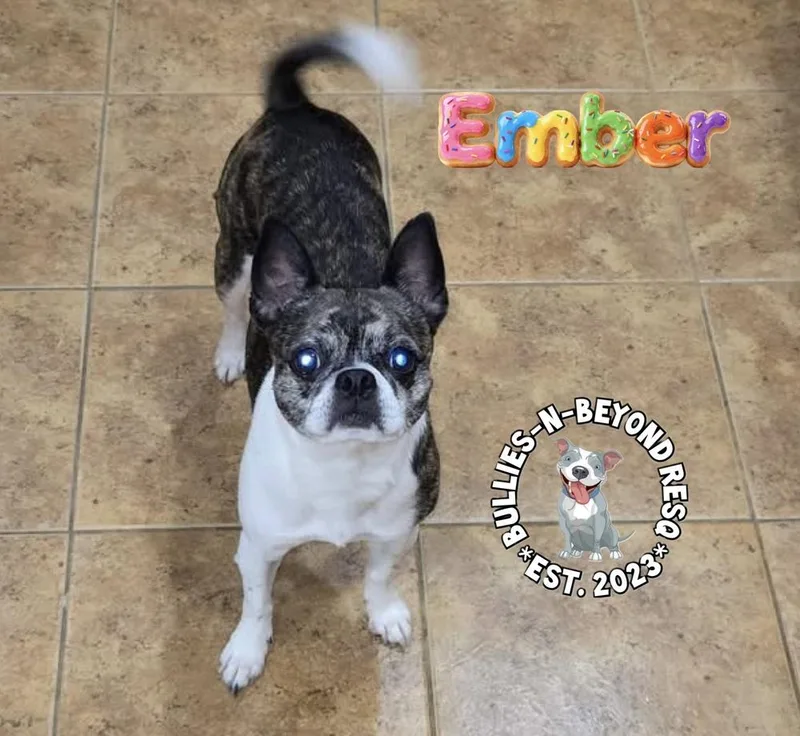
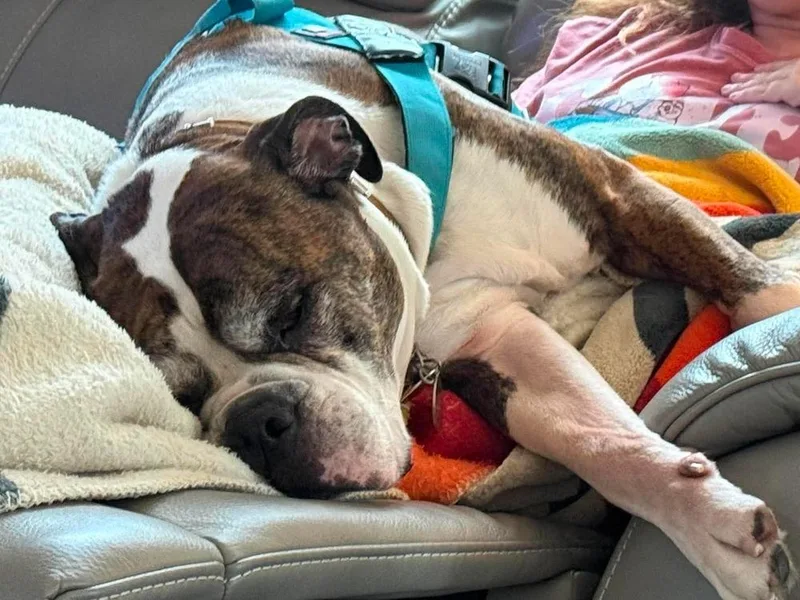
Say hello to your Hamiltonstovare

While we don't have enough dogs near Omaha, keep in mind that many rescues may offer transport.

Hamiltonstovares and Similar Breeds Available for Adoption Near Omaha

About the Hamiltonstovare breed

The Hamiltonstovare is a Swedish scent hound named for Count Adolf Hamilton, founder of the Swedish Kennel Club, who showed the first examples in 1886. It's a medium-sized, athletic dog with a harsh, close-lying coat in black, tan and white. Bred to trail hare and fox alone, it gives tongue on a scent, so the voice is part of the package.

For an Omaha household, that means a dog that loves long outings and follows its nose wherever it leads. Most are sociable with people and other dogs, but they can be stubborn, and a fresh scent can override recall. Shedding is moderate and grooming is simple. Every dog differs, so judge the dog in front of you rather than the breed alone.

Weight
50–60 lbs
Height
19–24 in
Lifespan
10–13 yrs
Temperament
Friendly, Energetic, Independent
Group
Hound
Shedding
Moderate

Owning a Hamiltonstovare in Omaha

Having a Hamiltonstovare in Omaha

Easygoing at home and tireless outdoors, this hound's nose, voice and stamina matter more than its size or tidy coat. In Omaha, that points toward fenced space, regular trail miles and a routine that doesn't leave the dog bored for long stretches.

Temperament

Hamiltonstovares are usually friendly and even-tempered, but they can be stubborn and easily distracted. On a busy Omaha trail that's an asset around people and other dogs and a challenge around squirrels. Keep training sessions short and rewarding, introduce cats and other small pets carefully, and remember that each dog's personality varies.

Exercise Needs

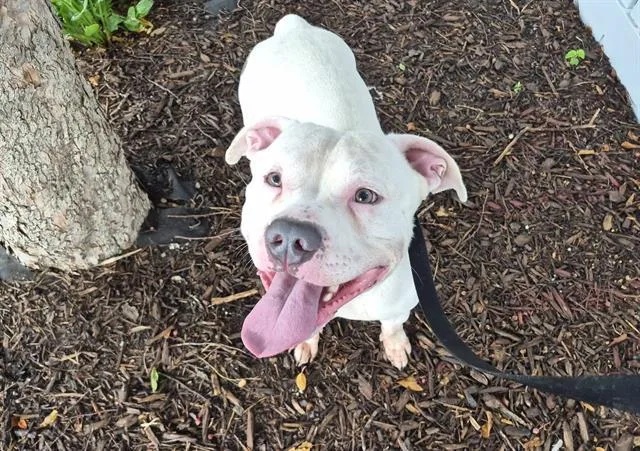
Plan on an hour or more of activity every day. The Big Papio and Keystone trails offer long leashed miles, and a long line lets the dog sniff and follow trails safely. Omaha's fenced dog parks suit off-leash running, since a scent can override recall. Tracking games tire the mind as well as the body.

Health Considerations

Hamiltonstovares are generally sturdy, but hip dysplasia occurs and drop ears need regular checks, especially after humid Omaha summers. Keep the dog lean to protect its joints. A veterinarian can screen hips and ears, set up parasite prevention and plan routine wellness visits, which matters most for a breed with limited health data outside Scandinavia.

Living Space

A house with a secure fenced yard, such as in Millard or Elkhorn, suits most Hamiltonstovares. An adult with long daily outings can manage in an apartment, but baying may carry to neighbors. Omaha has reported coyotes in yards, so supervise yard time at dusk and dawn, and keep the dog indoors with the family.

What it costs to own a Hamiltonstovare in Omaha

ExpenseTypical costPer year
Food$35 to $70 per month$420 to $840
Pet insurance$45 to $85 per month$540 to $1,020
Routine vet care$225 to $450 per year$225 to $450
Other*$440 to $1,190 per year$440 to $1,190
Estimated yearly total (after year one)$1,625 to $3,500

Other costs are estimates and vary with size, age and health.

* The Omaha dog license (lower for a spayed or neutered dog), flea, tick and heartworm prevention, a dental cleaning allowance, toys and bedding, and occasional brushing and baths.

Adopt a Hamiltonstovare in Omaha.

Now that you know more, let’s find you a new best friend. These rescues and shelters below have dogs available in and near Omaha.

Frequently Asked Questions

Yes, you can own a Hamiltonstovare in Omaha. The city's breed-specific rules target pit bull-type dogs and a short list of named breeds, and the Hamiltonstovare isn't among them. Every dog needs a license from 4 months old, with a lower fee if spayed or neutered, plus a rabies vaccination. Households are limited to three dogs without a permit.

Hefflinger Dog Park in northwest Omaha is fully fenced with a large All Dog area, and Hanscom and Dewey in Midtown also have fenced sections. For long leashed miles, try the Big Papio Trail or the 7.4 miles of paved loops around Zorinsky Lake. Outside dog parks, leashes are required, and a scent-driven hound should stay clipped.

A Hamiltonstovare fits Omaha if you can offer daily miles and a secure yard. Paved trails are plentiful, four seasons suit the short double coat, and the breed's friendly nature works well around neighbors. It's a weaker match if the dog will be alone for long workdays, since a bored hound may bay and wander.

It can, if the dog is an adult that gets long daily outings. Omaha has apartment-heavy areas like Midtown Crossing and Aksarben Village, but baying carries through walls, and uninterrupted barking that disturbs neighbors is against city rules. A 50- to 60-pound hound may also run into lease weight limits, so read the pet policy first.

Yes, most can. Omaha winters bring about 135 freezing nights and a few below 0°F, but the Hamiltonstovare's short double coat copes with cold better than many breeds. Use a coat for short outings on the worst days, rinse salt off paws, and keep the dog indoors, since the city requires bedded shelter for any dog left outside.

Not easily. Metro buses and ORBT require pets to ride in a carrier unless they're service animals, and a 50- to 60-pound Hamiltonstovare won't fit in one. Omaha has no subway, and the streetcar isn't expected to open until about 2028. Plan on driving to trailheads and dog parks instead.

Only to some patios. Dogs are allowed on an Omaha patio only where the venue has health-department approval, and they must stay leashed; indoor dining rooms are off-limits. Because a hound may bay or follow a scent, practice a calm down-stay at home first and look for patio signage before sitting down.

Very little. The short, harsh coat needs a weekly brush, a bit more during seasonal shedding, and a bath only when dirty. In Omaha, wipe salt from paws after winter walks and dry the drop ears after wet spring and summer days. Trim nails regularly. Grooming costs stay small, within the yearly Other costs.

Yes, Hamiltonstovares shed, though their short, close-lying coat makes care easy. Expect a moderate amount of hair year-round, with heavier shedding when the coat changes with the seasons. A weekly once-over with a rubber curry brush or hound glove removes most loose hair. They are not hypoallergenic, so people with dog allergies should spend time with one before adopting.

Expect roughly $1,600 to $3,500 a year for a Hamiltonstovare in Omaha, before emergencies. Food runs $35 to $70 a month, pet insurance $45 to $85, routine vet care $225 to $450 a year, and other costs such as the license, parasite prevention and dental care $440 to $1,190 a year. Adoption fees vary by listing.