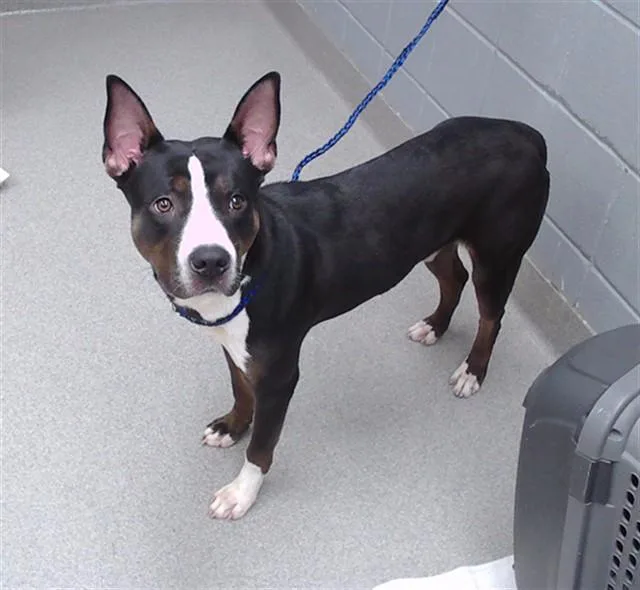
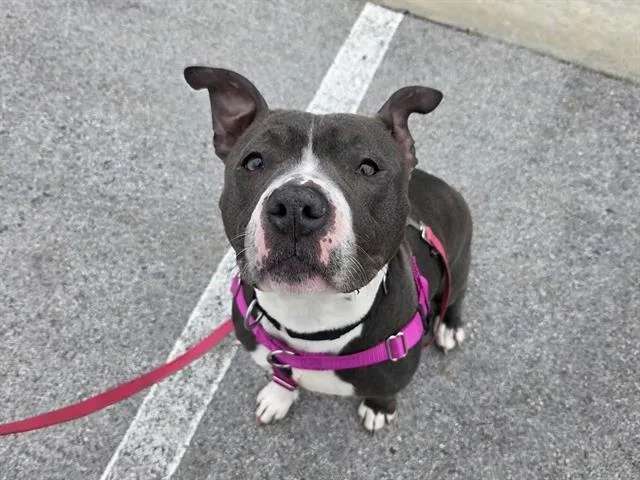
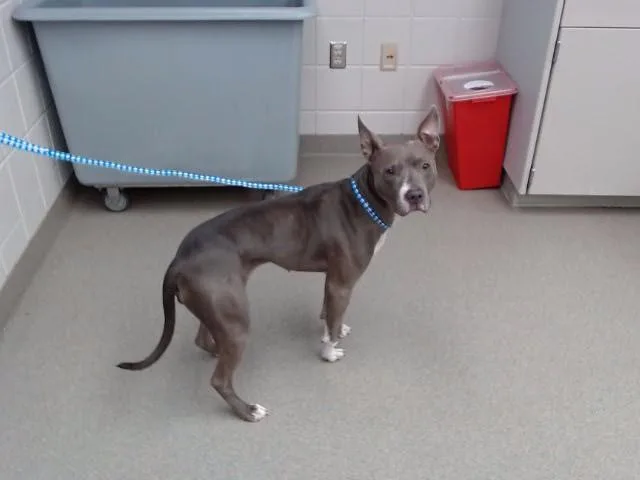
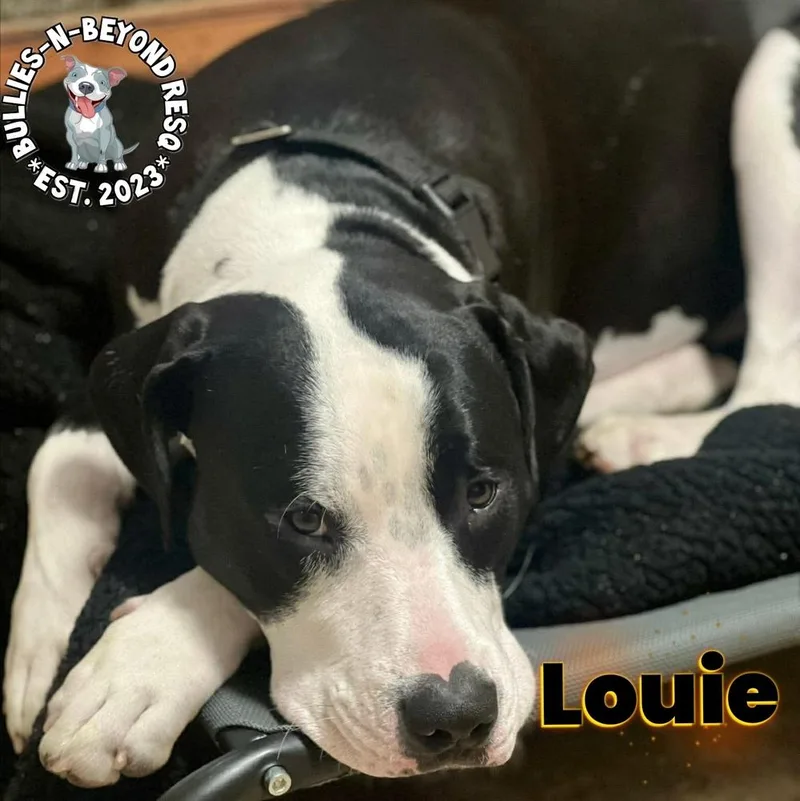
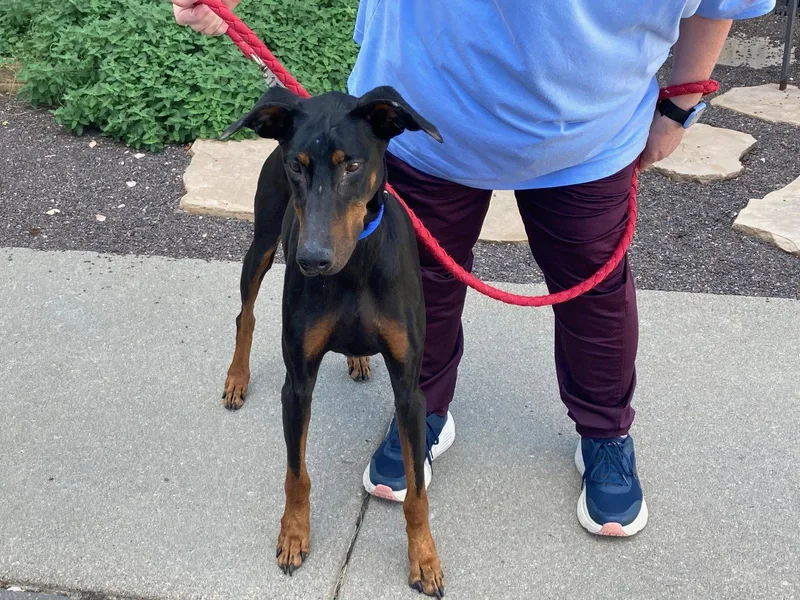
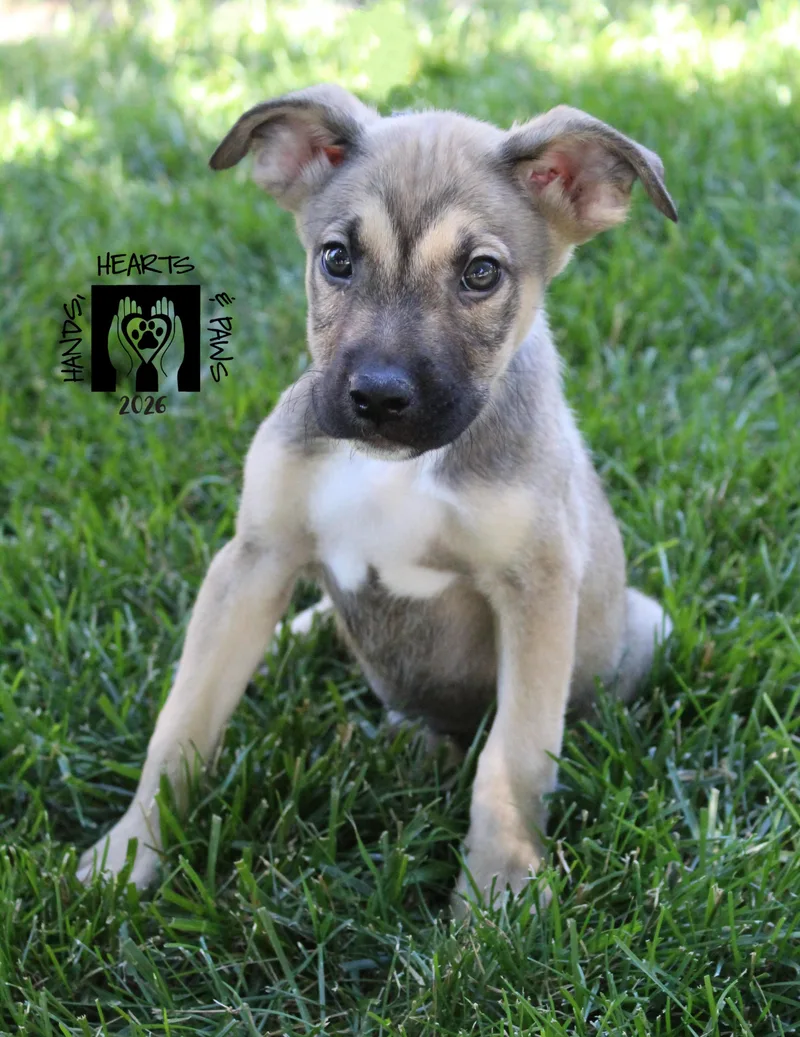
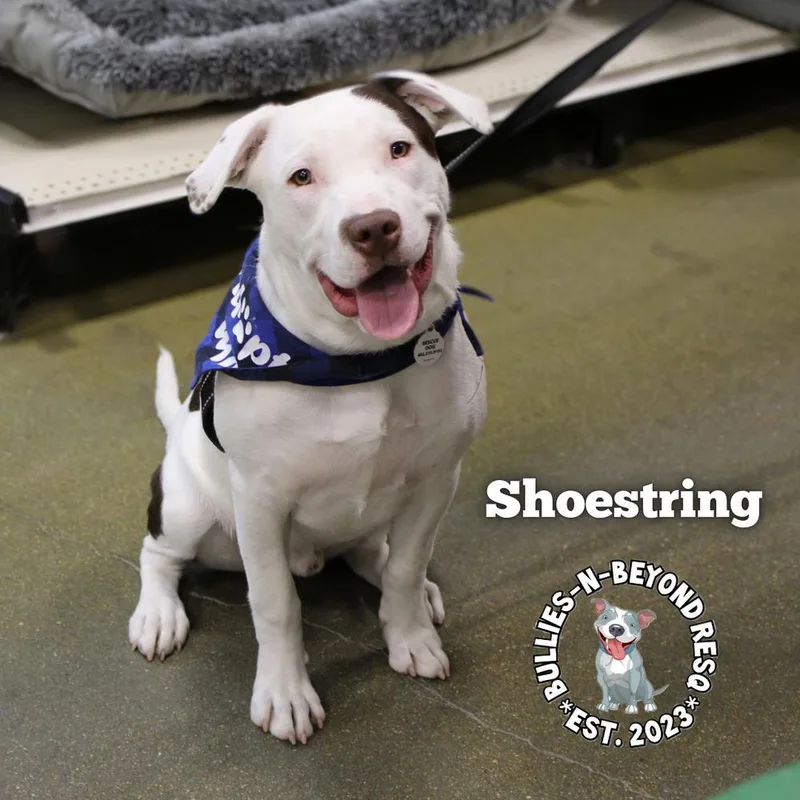
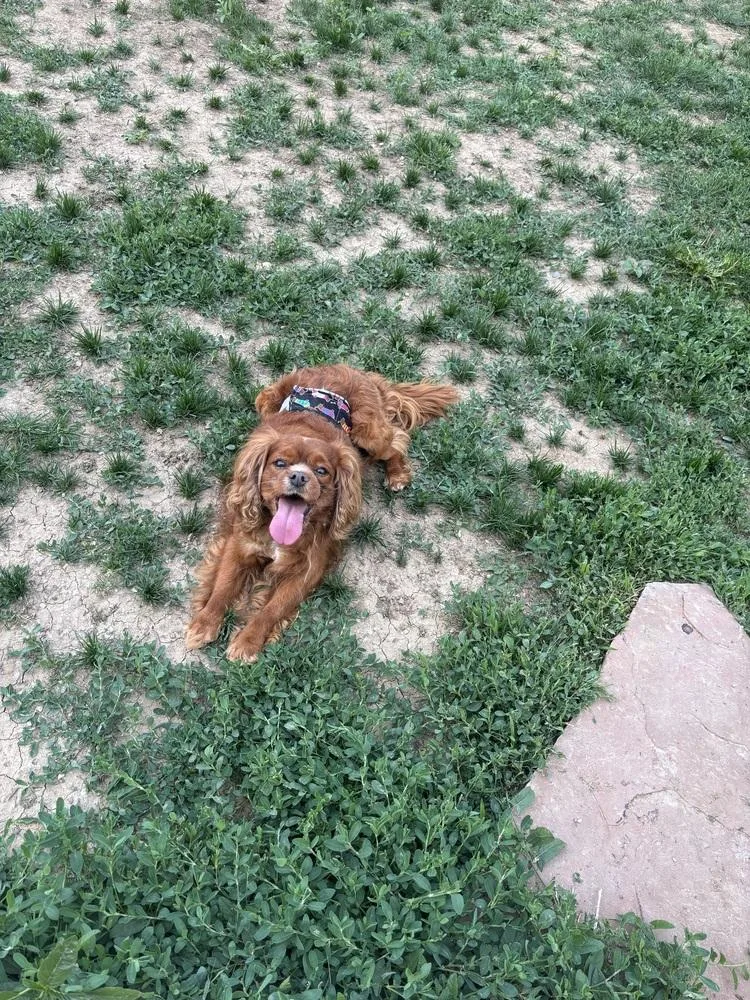
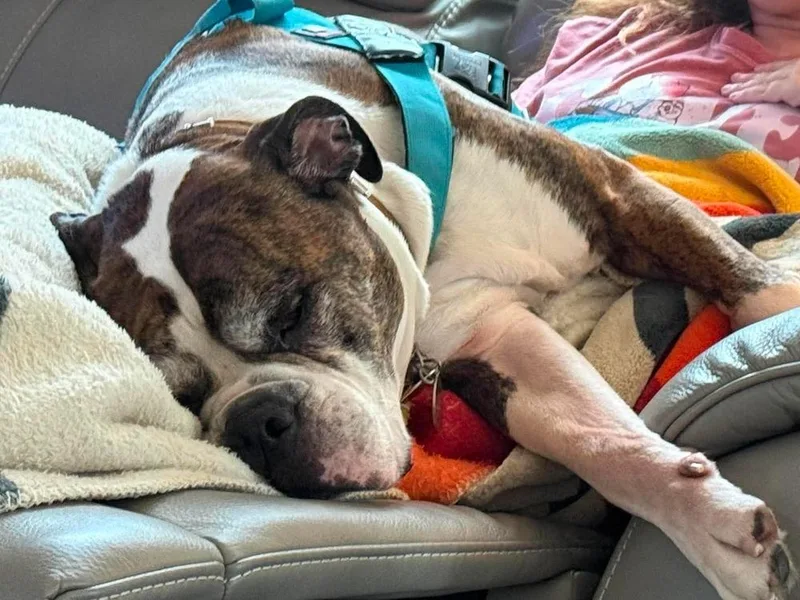
Boxer dog

Boxer Dogs for Adoption in Omaha, NE

Your guide to finding and caring for a Boxer in Omaha

Boxers fit well around Hanscom Park, where older Midtown homes have room for a big, bouncy dog. They want company and a real workout every day, and the park's two lakes and fenced dog area cover most of it. The Field Club Trail, a little under two miles long, is good for a leashed jog. Omaha winters are hard on that short coat, so a Boxer here needs a warm jacket and a bed indoors. Expect a shadow in the kitchen.

28 Boxers available for adoption in Omaha

Meet your next Boxer

Boxers Available for Adoption in Omaha

About the Boxer breed

Boxers came out of late nineteenth-century Germany, where the Bullenbeisser, a hunting dog used to hold boar and deer, was crossed with English Bulldogs. The result is a square, muscular dog, usually 50 to 80 pounds, with a short shiny coat in fawn or brindle, a black mask and a blunt muzzle. Boxers went on to work as messenger, guard and police dogs.

In a city like Omaha, personality matters as much as looks. Many Boxers are clownish and affectionate, and they stay puppyish for years, so plan on daily exercise, patient reward-based training and supervision around small children who could get bowled over. The short face and thin coat make them sensitive to heat and cold, and the breed carries real heart and cancer risks. Many dogs labeled Boxers are mixes, so size and energy can vary.


Weight
50–80 lbs
Height
21–25 in
Lifespan
10–12 yrs
Temperament
Playful, Energetic, Loyal
Group
Working
Shedding
Low to Moderate

Owning a Boxer in Omaha

Having a Boxer in Omaha

A Boxer is a bouncy, people-focused athlete with a short face and a thin coat. In Omaha, that means planning around hard winters and humid summer afternoons, along with daily exercise and regular heart and cancer screening by a veterinarian. Dogs vary, so treat these as tendencies.

Temperament

Boxers tend to be devoted, playful and goofy with their families, and many are patient with children, though their bounce can overwhelm toddlers. Many are wary of strangers and make alert watchdogs, and some don't get along with dogs of the same sex. Reward-based training works best, since they bore quickly and can be headstrong.

Exercise Needs

Most Boxers need vigorous daily activity, like brisk leashed walks, fetch and training games. Omaha's fenced Hanscom and Dewey dog parks have separate large-dog areas, and trails such as the Keystone Trail suit leashed outings. Because of the short muzzle, exercise in the cooler parts of the day and watch for heavy panting.

Health Considerations

Boxers have well-documented risks for heart disease, including arrhythmogenic right ventricular cardiomyopathy and aortic stenosis, and they develop cancers such as mast cell tumors more often than many breeds. Hip dysplasia, hypothyroidism and bloat also occur. Have a veterinarian check the heart, look into new lumps promptly, and keep up regular visits.

Living Space

A Boxer can live in a house or an apartment if it gets enough exercise and company. Omaha offers both, from older Midtown houses with yards to apartment districts like Aksarben Village and Midtown Crossing. A fenced yard helps with play but never replaces walks, and this is an indoor dog.

What it costs to own a Boxer in Omaha

ExpenseTypical costPer year
Adoption fee$250 to $465, one time$250 to $465 in year one
Food$55 to $110 per month$660 to $1,320
Pet insurance$65 to $130 per month$780 to $1,560
Routine vet care$250 to $500 per year$250 to $500
Other*$540 to $1,590 per year$540 to $1,590
Estimated yearly total (after year one)$2,230 to $4,970
First-year total (with adoption fee)$2,480 to $5,435

Adoption fee is the range of fees on Boxer listings in Omaha on GetBuddy today. Other costs are estimates and vary with size, age and health.

* The Omaha dog license, flea, tick and heartworm prevention, a dental cleaning allowance, toys and bedding, simple coat care, and a winter coat for a short-haired dog.

Boxer dog

Adopt a Boxer in Omaha.

Now that you know more, let’s find you a new best friend. These rescues and shelters below currently have Boxers available.

Frequently Asked Questions

Yes, most Boxers can handle Omaha winters with some help, but they're not outdoor dogs. Their short coat and thin build leave little insulation against a season with about 135 freezing nights a year and the occasional sub-zero stretch. Use a coat on walks, keep outings short in the worst cold, wipe salt off paws, and keep your Boxer inside.

Yes, you can own a Boxer in Omaha. Boxers aren't among the seven breeds named in the city's breed-specific rules. Your dog needs a city license from 4 months old, a current rabies vaccination and a leash outside the yard, and a household is limited to three dogs without a permit. Spayed or neutered dogs get a lower license fee.

Good options include the fenced Hefflinger Dog Park in northwest Omaha and the Miller Park dog park in North Omaha, both with big-dog space for a bouncy Boxer. For leashed exercise, try the Big Papio Trail, the riverfront trails or the Bob Kerrey Pedestrian Bridge. Go early on summer days, since Boxers overheat quickly.

Yes, a Boxer can live in an Omaha apartment if it gets long daily exercise and plenty of company. Areas like Aksarben Village and Midtown Crossing have apartments, and Dewey Dog Park sits next to Midtown Crossing. Watch the barking: Omaha law bans uninterrupted barking that disturbs neighbors, and bored Boxers can get noisy, so a steady routine matters.

Generally no. Metro buses, including ORBT, require pets to ride in a carrier unless they're service animals, and a 50-to-80-pound Boxer won't fit in one. Omaha has no subway or rail system, and the planned streetcar isn't open yet. Plan on car trips or walking, and use the city's trails for exercise instead.

Only sometimes, and only outdoors. Dogs are allowed on an Omaha patio only where the venue has Douglas County Health Department approval, and they must stay leashed. Indoor dining rooms are off-limits to pets. Practice a settled down-stay at home first, since an excited Boxer under a small patio table can be hard to manage.

Very little. A Boxer's short, smooth coat needs a weekly brush with a rubber curry mitt, a bath only when dirty, and regular nail trims, ear checks and tooth brushing. In Omaha, rinse salt off paws in winter and watch white-coated dogs for sunburn in summer. Most of this is home care, so grooming costs stay small.

A Boxer is a medium-to-large German working dog of the mastiff family, known for its square, muscular build, short shiny coat and broad, blunt muzzle with an underbite. Boxers come in fawn or brindle, often with white markings and a black mask. Many are playful, affectionate and protective, which explains their long popularity as family companions and watchdogs.

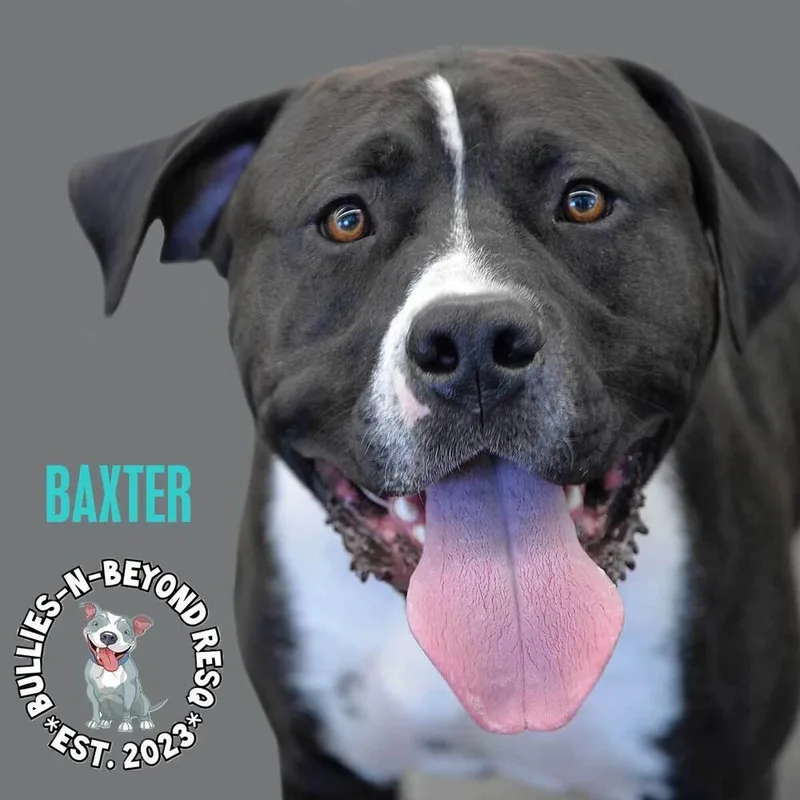
We have 5 rescues with Boxers available, including Nebraska Humane Society, Bullies-N-Beyond ResQ and Haven Animal Rescue Nebraska. You can see every rescue with Boxers available in the list above these questions, or scroll to the top to see the Boxers in Omaha.

Expect roughly $55 to $110 a month for food and $65 to $130 for pet insurance, plus $250 to $500 a year for routine vet care and $540 to $1,590 a year for other costs such as prevention, dental care and a winter coat. Together that's roughly $2,200 to $5,000 a year.