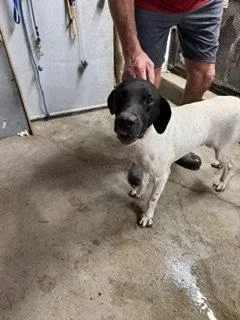
Basenji Dogs for Adoption in Omaha, NE

Your guide to finding and caring for a Basenji in Omaha

Basenjis fit Omaha's apartment districts better than most hounds, because they don't bark like other dogs. A small, quiet dog can settle into an Aksarben Village apartment or a Blackstone condo, as long as it gets a brisk walk every day, perhaps along the Field Club Trail. Security matters more than space: Basenjis climb fences and chase anything that runs. They're clever, catlike dogs that like their people and decide for themselves when to listen.

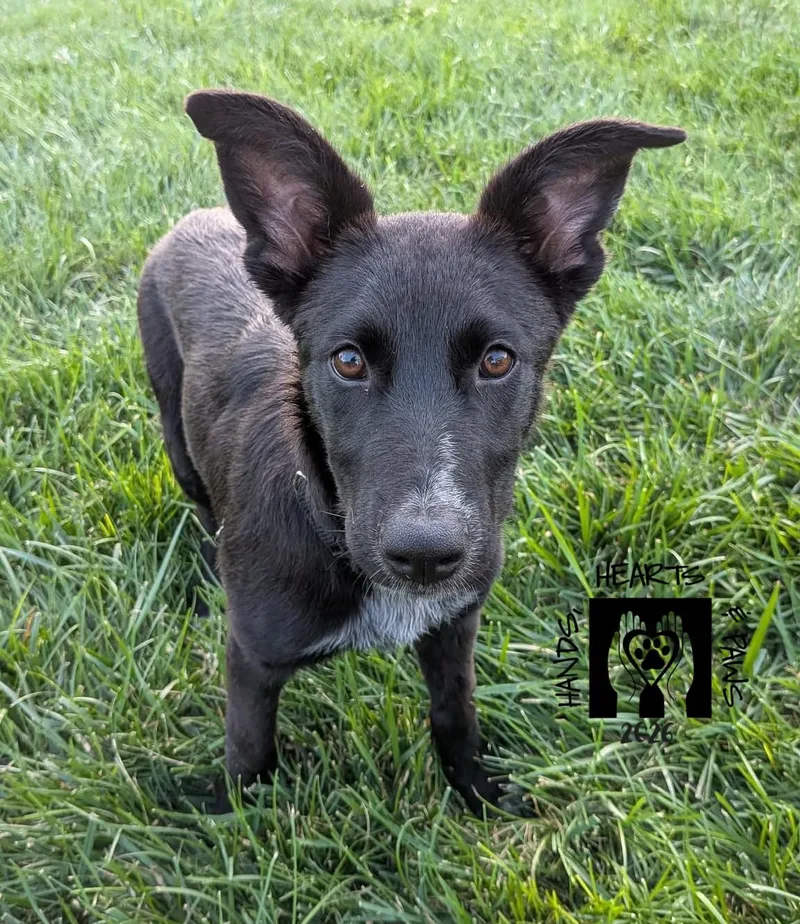
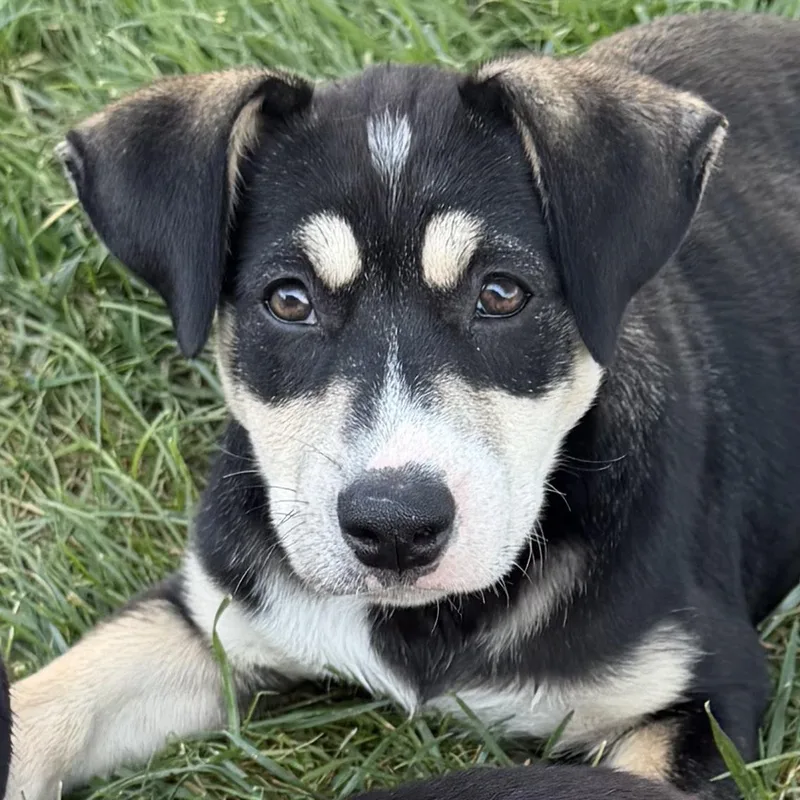
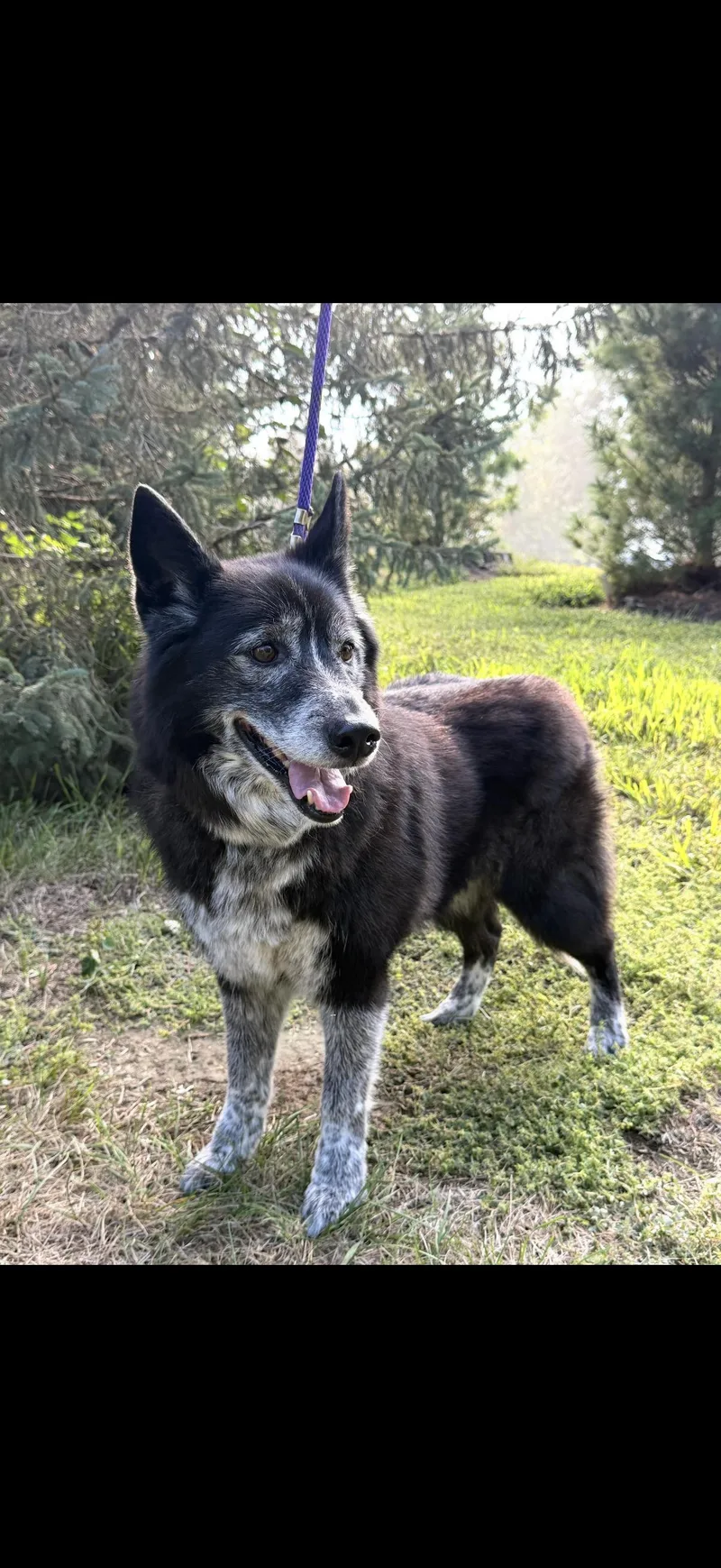
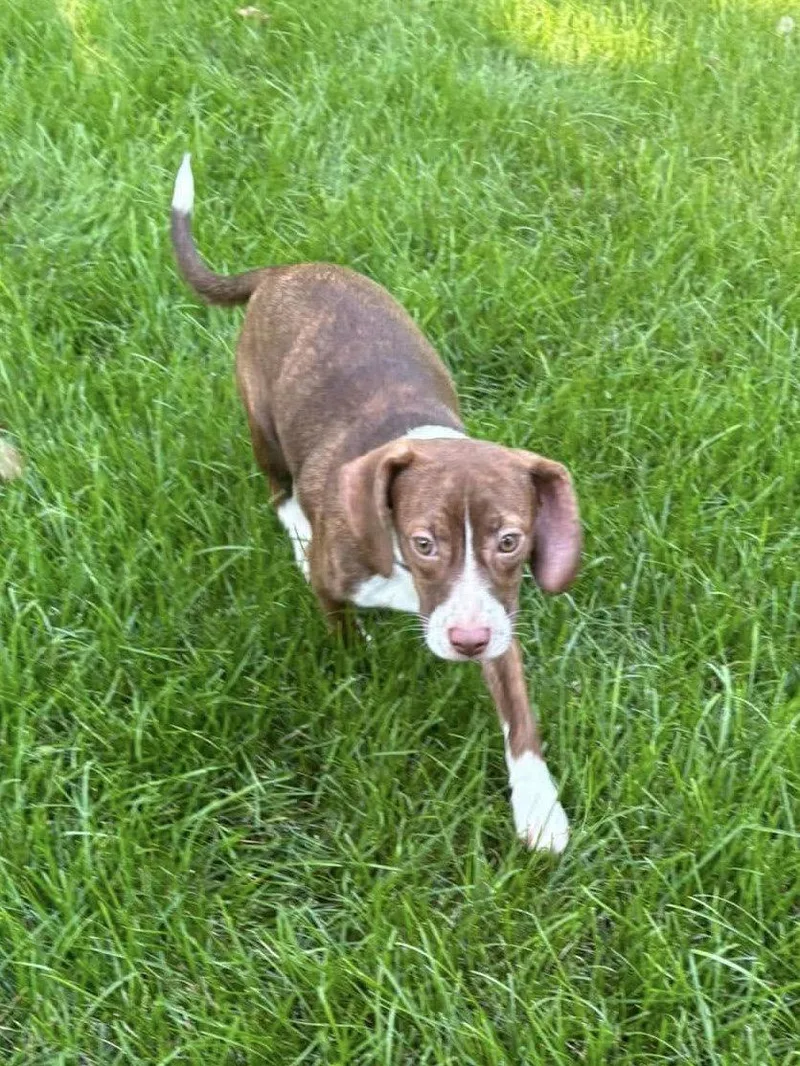
156 Basenjis available in Omaha and nationwide

Fall for a Basenji

While we don't have enough dogs near Omaha, keep in mind that many rescues may offer transport.

Basenjis Available for Adoption Near Omaha

About the Basenji breed

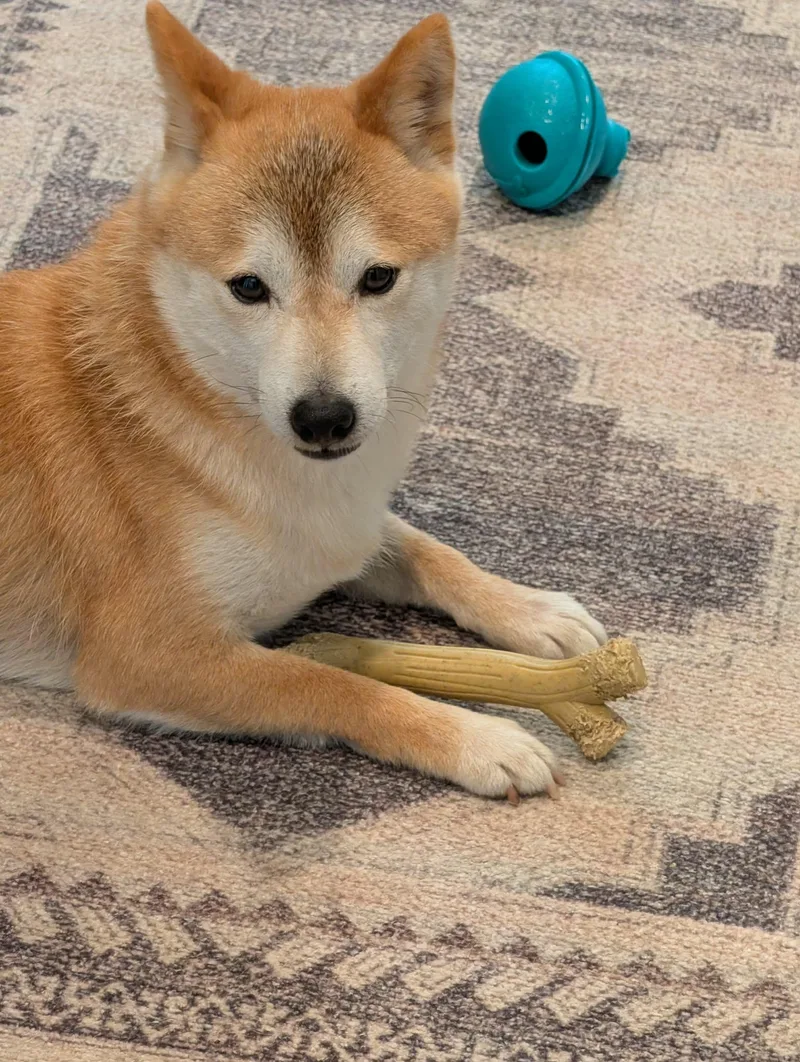
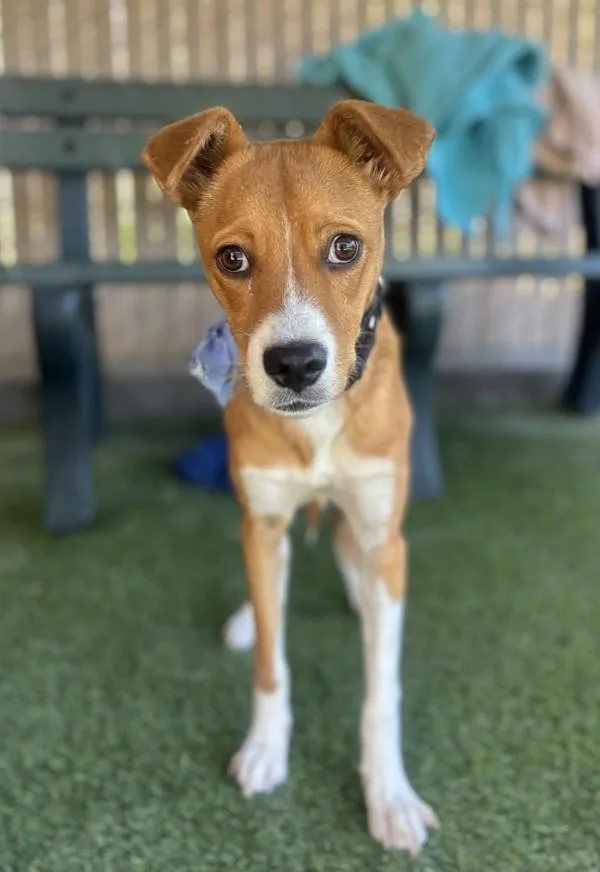
The Basenji is a small hunting hound from Central Africa's Congo basin, where village hunters used it to find small game and drive it into nets. It stands about 15 to 18 inches tall, weighs 20 to 26 pounds, and has a wrinkled forehead, upright ears and a tightly curled tail. Instead of barking, it yodels, howls and makes a sound called the baroo.

In Omaha, the short, fine coat and cat-like self-grooming keep a Basenji easy to maintain, but that thin coat offers little protection in a Midwest winter. Basenjis are clever, independent and often reserved with strangers, and many are determined escape artists and chewers. Because Omaha requires dogs to be leashed or fenced, a dog with a strong chase drive needs a secure routine from day one. Temperament varies from dog to dog.

Weight
20–26 lbs
Height
15–18 in
Lifespan
12–15 yrs
Temperament
Independent, Intelligent, Alert, Affectionate
Group
Hound
Shedding
Low

Owning a Basenji in Omaha

Having a Basenji in Omaha

Basenjis pair a hound's chase drive with a cat's independence. In Omaha, secure fencing, a warm winter plan and daily exercise matter more than square footage, and training works best when it's patient, short and creative.

Temperament

Basenjis are usually affectionate with their families, alert and reserved with strangers. They think for themselves, so commands that seem pointless may be ignored. Their prey drive makes small pets, and neighborhood squirrels and rabbits, a constant temptation. Some enjoy other dogs; others prefer to be the only one. Each dog differs.

Exercise Needs

Plan on vigorous exercise every day: brisk leashed walks, play in a securely fenced area or lure coursing. Omaha's leash rule suits the breed, since chase instinct makes open off-leash spaces risky. Paved loops like the Field Club Trail work well, and puzzle toys and scent games fill rainy or icy days.

Health Considerations

Basenjis can inherit Fanconi syndrome, a kidney disorder, along with progressive retinal atrophy, pyruvate kinase deficiency and hypothyroidism. Many adopted dogs have unknown backgrounds, so ask a veterinarian about DNA testing and periodic urine screening to catch problems early. Nebraska law requires rabies vaccination, which a routine checkup covers.

Living Space

Basenjis fit apartments in places like Midtown Crossing because they rarely bark, though they can yodel. Security matters more than size: they climb, squeeze through gaps and chew through barriers. In a house, check fence height and gaps, and expect a dog that wants a warm, dry spot indoors.

What it costs to own a Basenji in Omaha

ExpenseTypical costPer year
Food$20 to $45 per month$240 to $540
Pet insurance$40 to $85 per month$480 to $1,020
Routine vet care$200 to $400 per year$200 to $400
Other*$390 to $1,090 per year$390 to $1,090
Estimated yearly total (after year one)$1,310 to $3,050

Other costs are estimates and vary with size, age and health.

* The Omaha dog license, flea, tick and heartworm prevention, a dental cleaning allowance, durable chew toys and bedding, and minimal grooming for a short, self-cleaning coat.

Adopt a Basenji in Omaha.

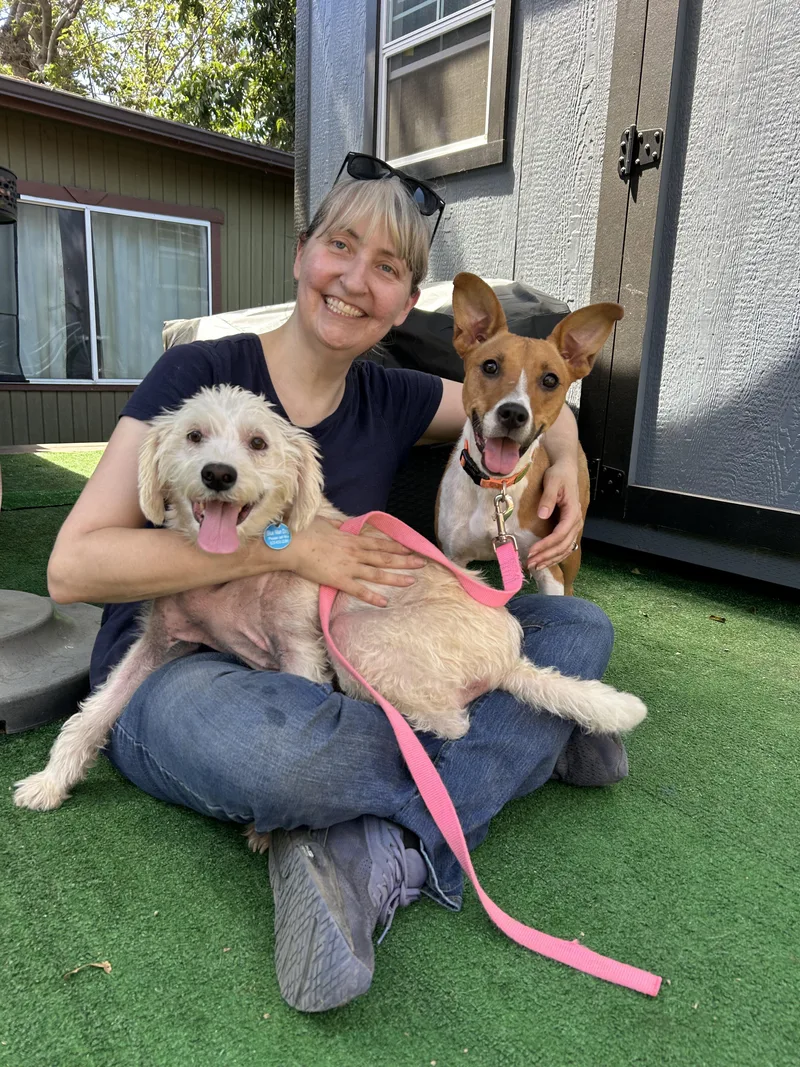
Now that you know more, let’s find you a new best friend. These rescues and shelters below have dogs available in and near Omaha.

Frequently Asked Questions

Yes. Omaha's breed-specific rules target pit bull-type dogs and a short list of related breeds, and Basenjis aren't among them. You'll still need a city dog license by 4 months of age, a current rabies vaccination, a leash or fenced yard, and no more than three dogs per household without a permit.

It can be, for active owners who can offer secure fencing and indoor comfort. Basenjis handle city living quietly, but they need daily exercise, a warm winter plan and a calm spot during spring storms and July fireworks. Coyotes in some neighborhoods are another reason to keep a chase-driven dog leashed or fenced.

Yes, with preparation. Winter nights drop near 18°F and occasionally below zero, and a Basenji's thin coat offers little insulation. Use a coat or sweater, keep outings short on the coldest days, wipe salt off paws and keep the dog indoors. Many dislike cold and wet, so expect to lean on indoor play.

Fenced dog parks are the safest choice. Dewey Dog Park has a double-gated entry, and Hanscom Dog Park and Hefflinger Dog Park have small-dog areas. For leashed walks, try the Field Club Trail, the Keystone Trail or the paved loops at Zorinsky Lake. Skip open fields, because a Basenji's chase instinct can override recall.

Only in a carrier. Omaha's Metro buses, including ORBT, require pets to ride in a carrier unless they're service animals, and the carrier goes on your lap or the floor without blocking the aisle. A Basenji needs a roomy, securely zipped carrier, since escape attempts are common. Omaha has no subway.

Only on patios. Dogs are allowed only where the venue has health-department approval, they must stay leashed, and indoor dining rooms are off-limits. Basenjis can be reserved with strangers and quick to bolt after movement, so choose a quiet corner, keep the leash short and bring a mat and water.

Very little. The short, fine coat sheds lightly and Basenjis clean themselves like cats, so a weekly rubber-mitt brushing and occasional baths are enough. Trim nails regularly, and in winter wipe salt and ice melt from paws and watch for dry skin. Professional grooming is rarely needed, so costs stay at the low end of Other.

A Basenji is a small, ancient hunting dog from Central Africa, famous for not barking. It belongs to the AKC Hound Group and was recognized in 1943. Basenjis are lean and elegant, with a wrinkled forehead, upright ears and a tightly curled tail. They tend to be clever, independent, clean and energetic, with a strong instinct to chase.

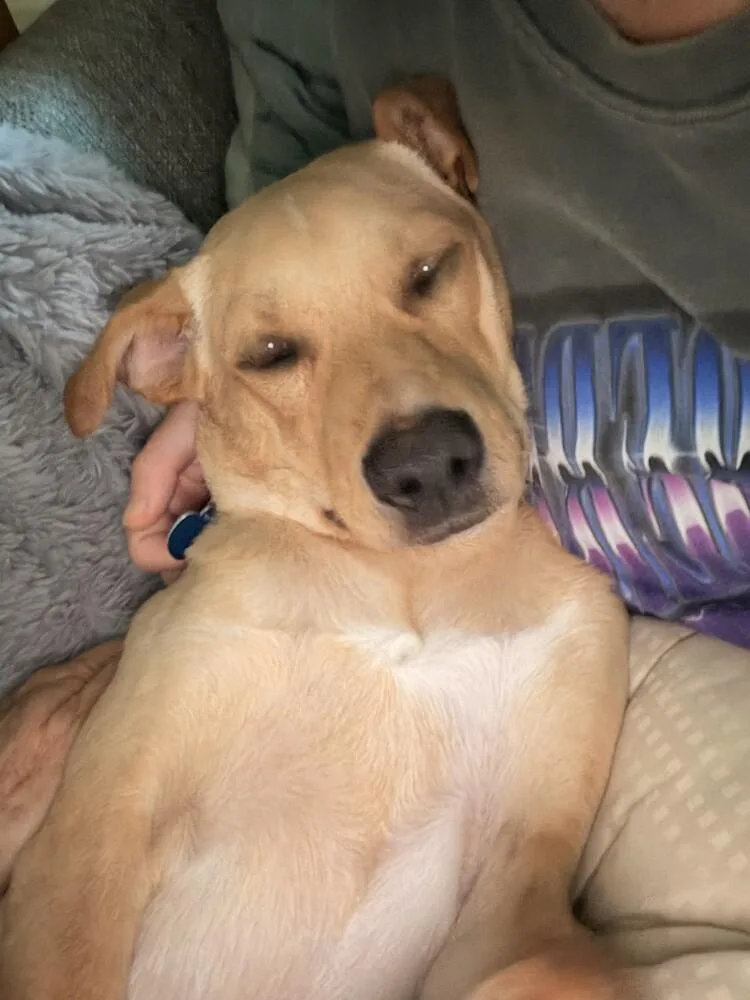
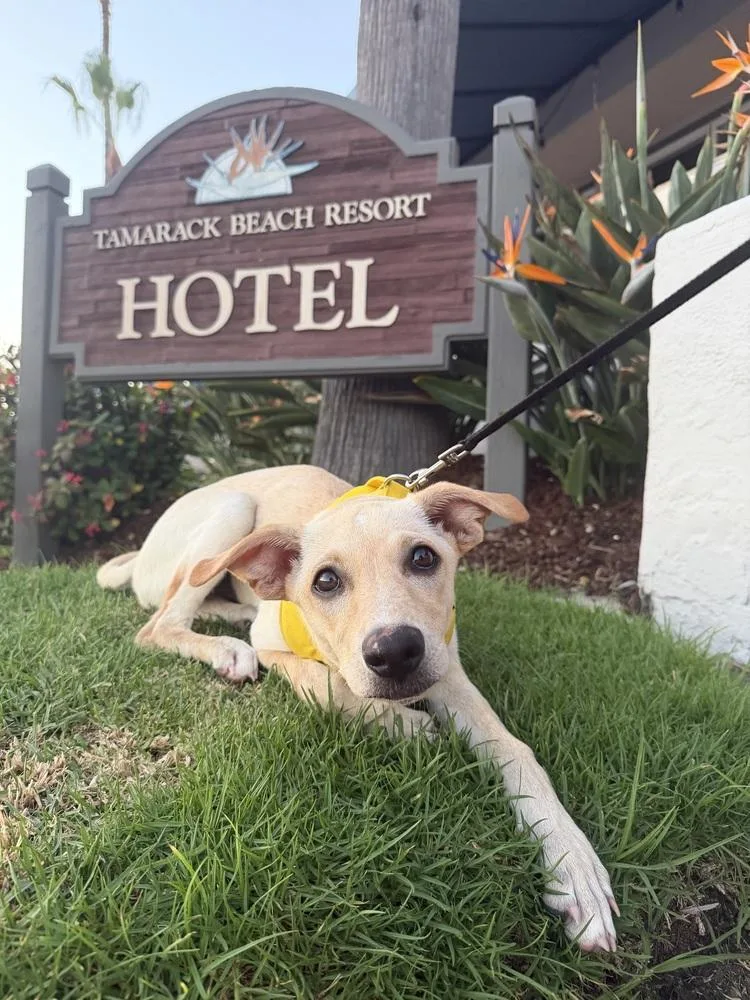
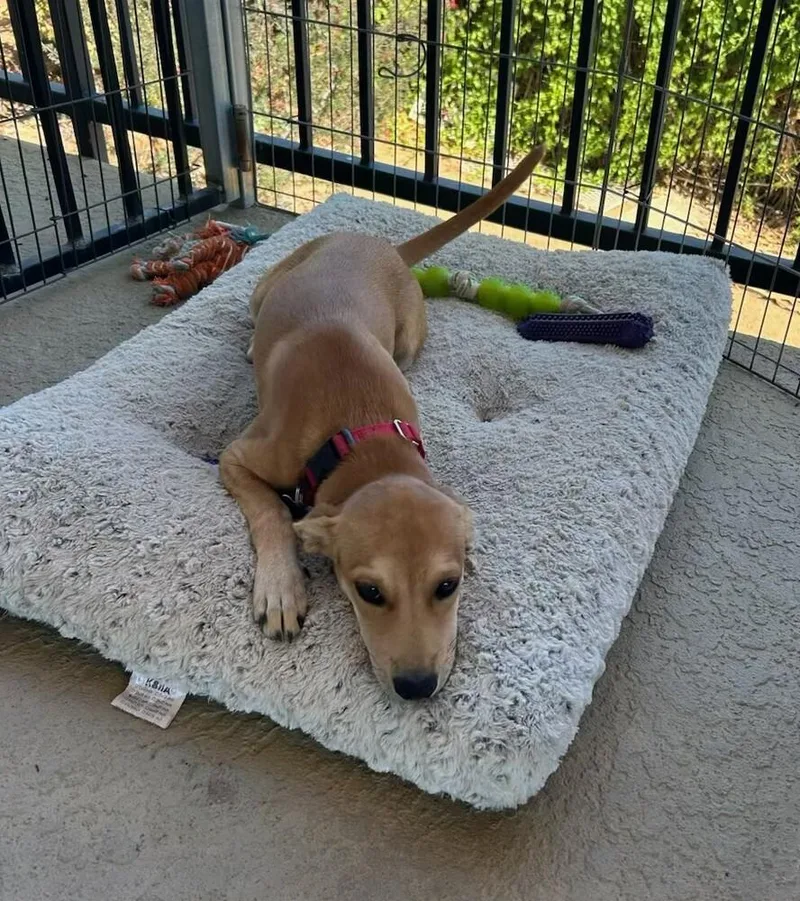
A Basenji looks like a small, athletic dog with a short, fine coat, upright pointed ears, a wrinkled forehead and a tail curled tightly over its back. Common colors are chestnut red, black, tricolor and brindle, always with white feet, chest and tail tip. It moves with a quick, springy trot often compared to a trotting racehorse.

Budget roughly $1,300 to $3,050 a year for a Basenji in Omaha. Food runs $20 to $45 a month and insurance $40 to $85, while routine vet care is $200 to $400 a year. Other costs add $390 to $1,090 for license, parasite prevention, dental care and chew toys. Hereditary conditions can raise vet bills.