Alaskan Malamute dog

Alaskan Malamute Dogs for Adoption in Omaha, NE

Your guide to finding and caring for an Alaskan Malamute in Omaha

Alaskan Malamutes suit Omaha's snowy winters, and the 7.4 miles of paved loop trail around Zorinsky Lake give a strong dog plenty of room to pull. Wide trails like that work better than a crowded Old Market sidewalk for a 90-pound dog with a mind of its own. If you're looking at Elkhorn or Millard, a securely fenced yard matters, because Malamutes dig and climb, and a tall, solid fence is a sensible starting point.

268 Alaskan Malamutes available in Omaha and nationwide

Adopt an Alaskan Malamute today

While we don't have enough dogs near Omaha, keep in mind that many rescues may offer transport.

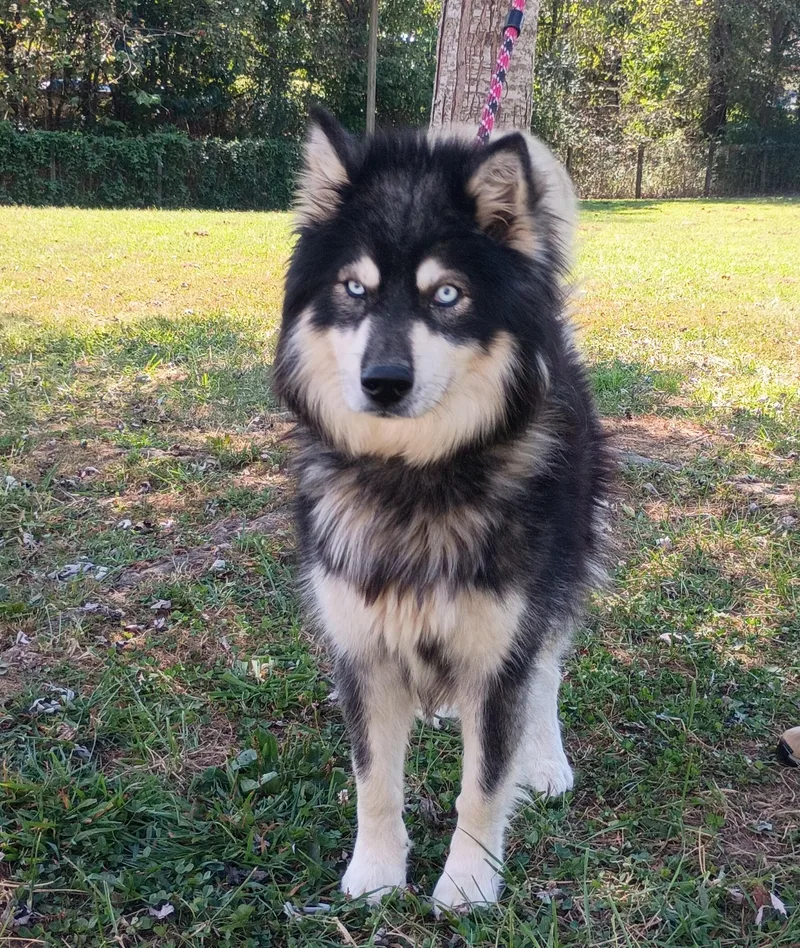
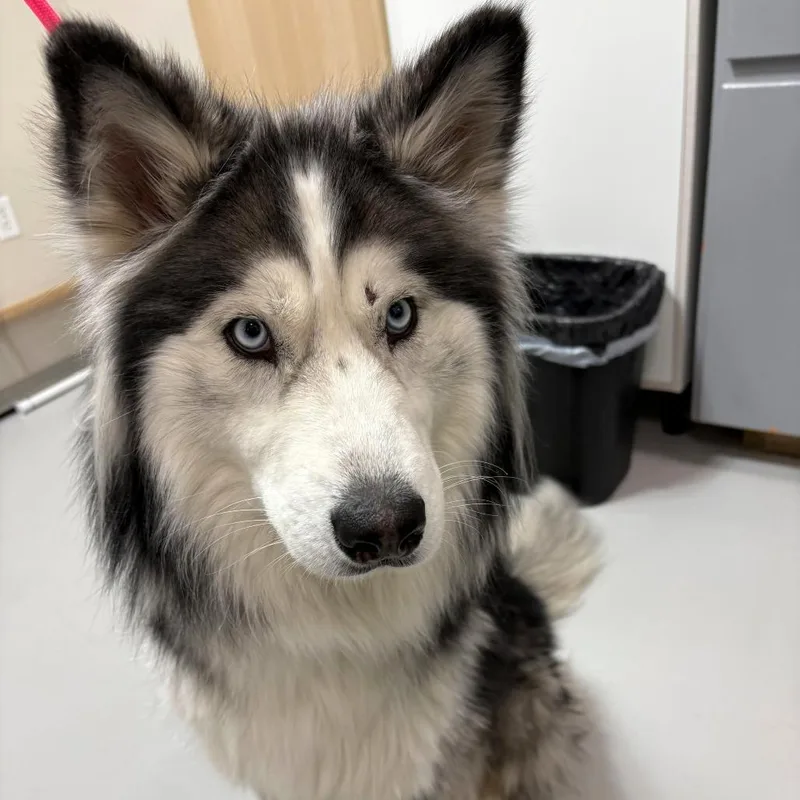
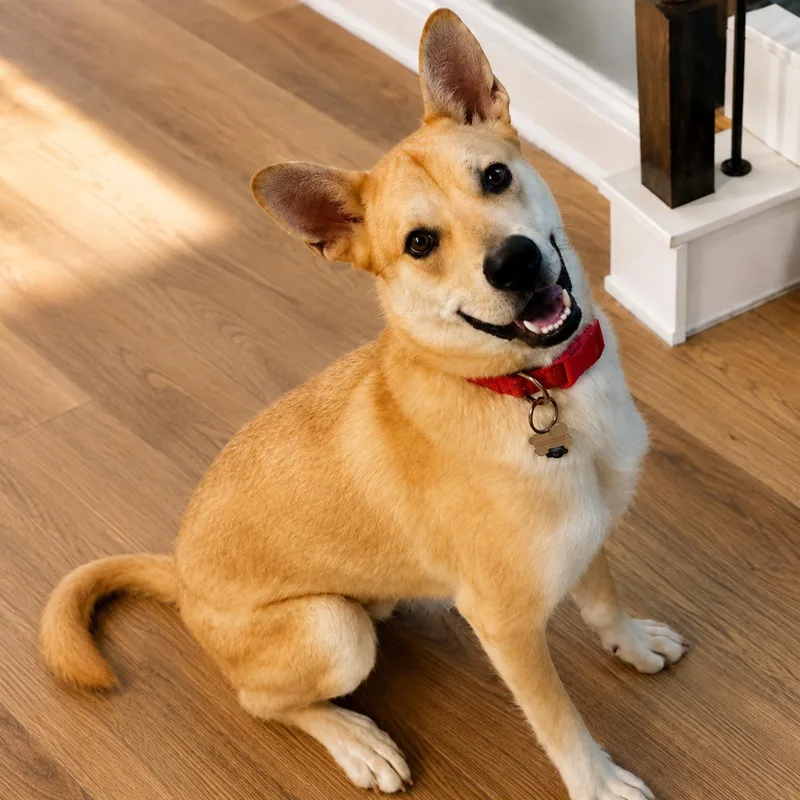
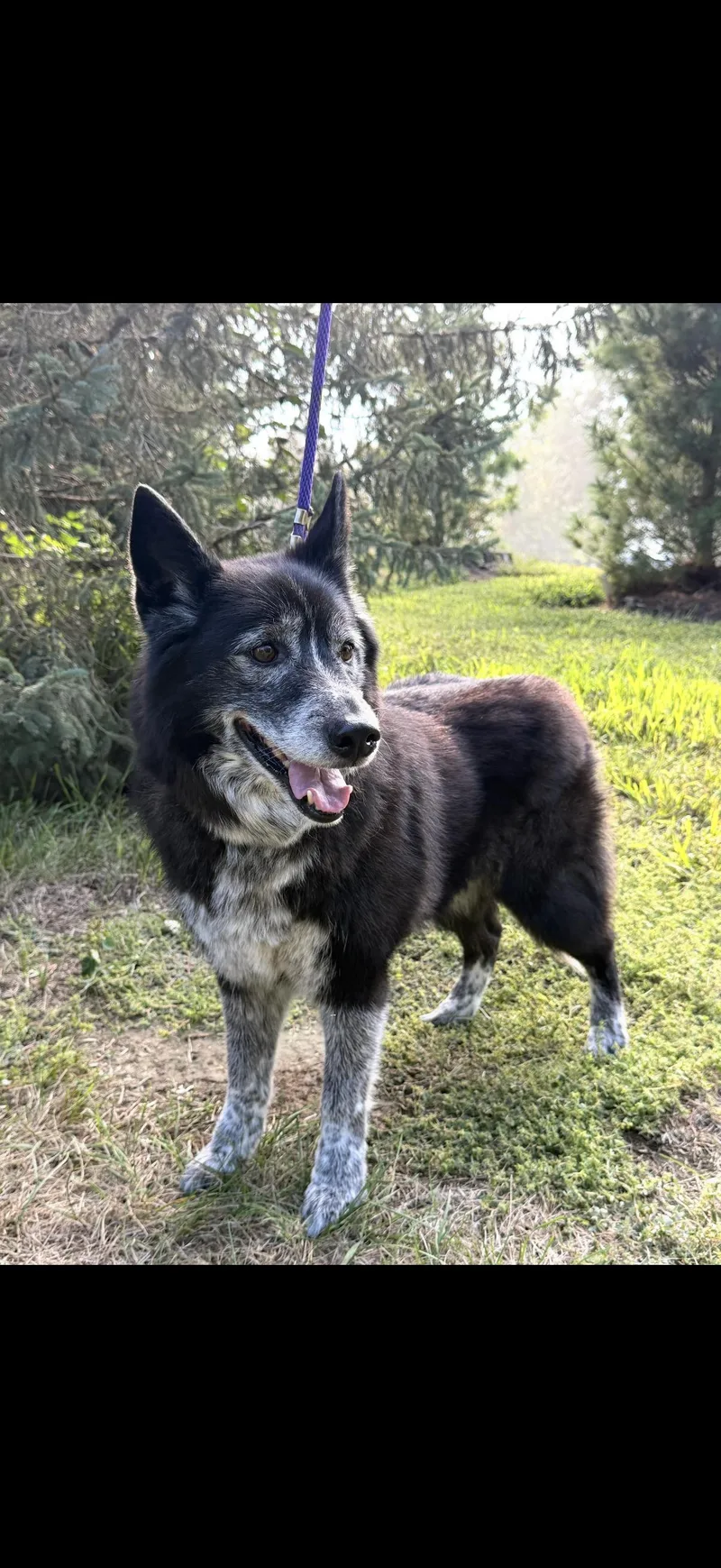
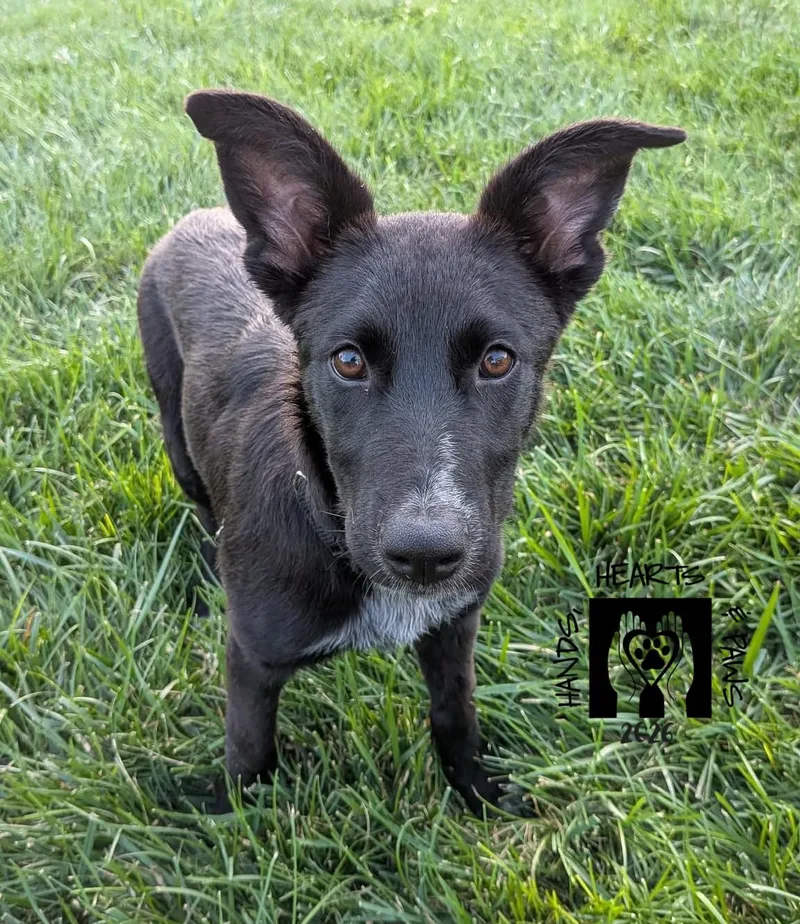
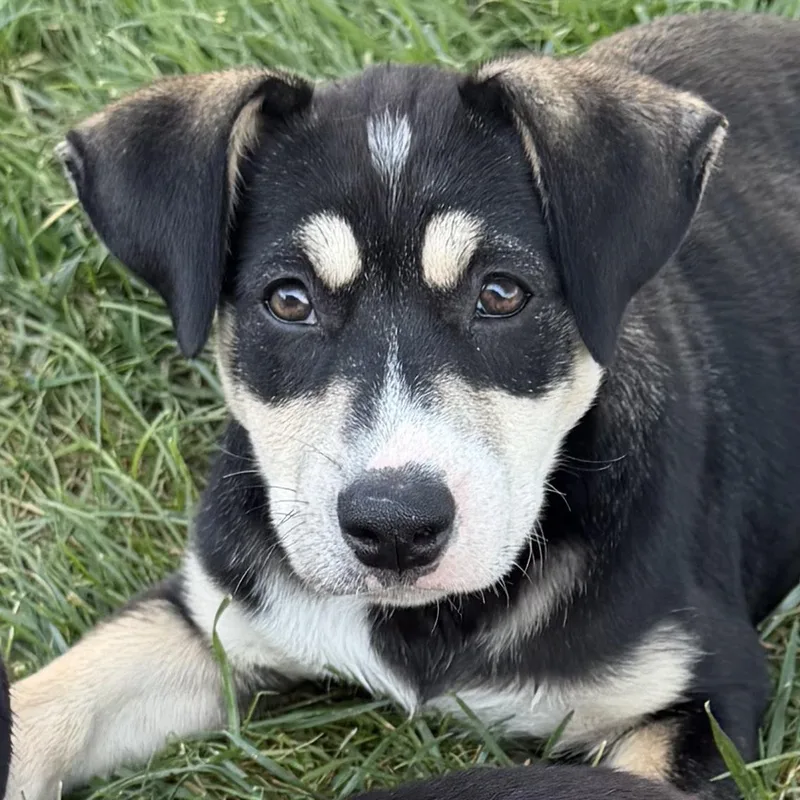
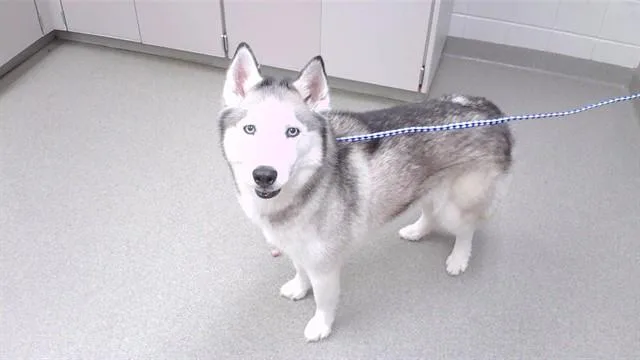
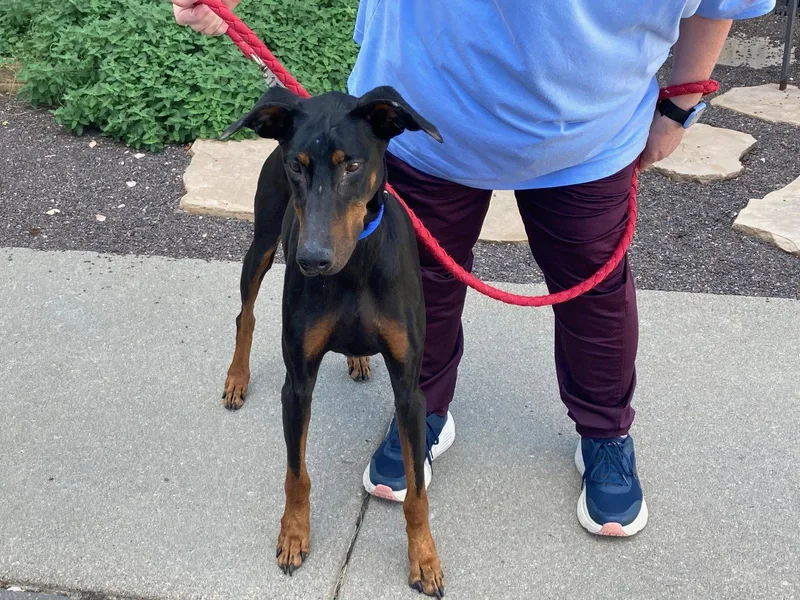
Alaskan Malamutes Available for Adoption Near Omaha

About the Alaskan Malamute breed

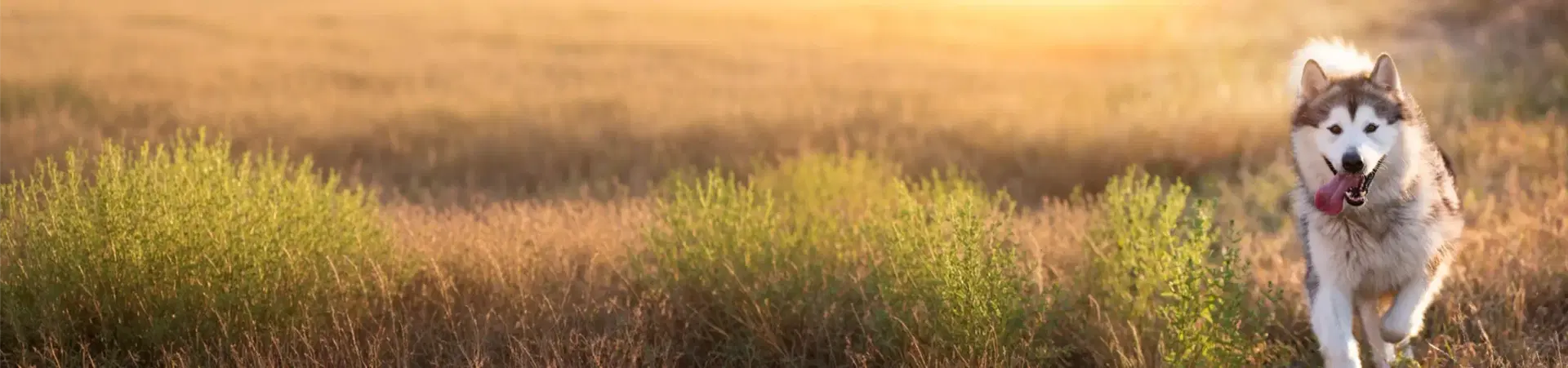
The Alaskan Malamute was developed by the Mahlemiut Inupiaq people of northwestern Alaska to haul heavy loads over long distances. Built for strength and endurance rather than speed, it has heavy bone, a deep chest, snowshoe feet and a thick double coat, with a plumed tail carried over the back. Most adults weigh about 75 to 95 pounds.

In Omaha, that frame and coat come with daily demands. Malamutes are usually affectionate and friendly, but many are independent, food-motivated and strong-willed, with a strong prey drive and a talent for digging. They tend to do best with patient, consistent training, long daily exercise and careful introductions to other dogs and small pets. Expect heavy shedding, especially during the seasonal coat blows. Dogs vary, so the dog in front of you matters more than the breed description.

Weight
70–95 lbs
Height
23–26 in
Lifespan
10–14 yrs
Temperament
Affectionate, Friendly, Independent, Loyal
Group
Working
Shedding
High

Owning an Alaskan Malamute in Omaha

Having an Alaskan Malamute in Omaha

Strength, an independent streak, heavy shedding and heat sensitivity shape life with a Malamute more than its friendly face suggests. In Omaha, the cold is rarely the problem. The humid summer stretch and finding enough space to exercise are the bigger questions.

Temperament

Malamutes are usually warm with people and rarely one-person dogs, which makes them poor guard dogs. They can also be stubborn, and some have a strong prey drive or little patience with dogs of the same sex. Consistent training and careful introductions help, and each dog's history and personality matter more than breed averages.

Exercise Needs

Plan on substantial daily exercise: long walks, hiking or pulling sports. Omaha's 80-plus miles of paved trails, including the Keystone and Big Papio, give plenty of room on a leash, and fenced parks like Hanscom and Dewey suit dogs that play well with others. Add training games and food puzzles to head off digging and howling.

Health Considerations

Conditions reported in Malamutes include hip dysplasia, hypothyroidism, polyneuropathy, chondrodysplasia, day blindness and cataracts. Keeping a Malamute lean protects its joints. A veterinarian can examine a newly adopted dog, suggest screening as it ages, and set up a prevention plan for fleas, ticks and heartworm.

Living Space

A securely fenced yard suits most Malamutes, since many dig and climb. In apartment districts such as Midtown Crossing or Aksarben Village, apartment life is possible only with reliable daily exercise and tolerance for shed hair and howling. Air conditioning matters more than square footage in July and August.

What it costs to own an Alaskan Malamute in Omaha

ExpenseTypical costPer year
Food$55 to $110 per month$660 to $1,320
Pet insurance$65 to $130 per month$780 to $1,560
Routine vet care$250 to $500 per year$250 to $500
Other*$610 to $1,485 per year$610 to $1,485
Estimated yearly total (after year one)$2,300 to $4,865

Other costs are estimates and vary with size, age and health.

* The Omaha dog license for a spayed or neutered dog, dental cleanings, flea, tick and heartworm prevention, toys and bedding, and brushing and baths for the heavy seasonal coat blow.

Adopt an Alaskan Malamute in Omaha.

Now that you know more, let’s find you a new best friend. These rescues and shelters below have dogs available in and near Omaha.

Frequently Asked Questions

An Alaskan Malamute fits Omaha best for active adopters who enjoy cold weather and have a cool home to retreat to in summer. The city's long trail network and snowy winters suit the breed, while humid July and August days mean early or late exercise. A fenced yard helps, but a committed renter with daily exercise time can make it work.

Yes, Malamutes are legal in Omaha, and they aren't among the pit bull-type breeds covered by the city's muzzle and insurance rules. License the dog by four months of age with proof of rabies vaccination, keep it leashed or fenced, and stay within three dogs per household unless you hold a permit.

Yes, Omaha winters suit Malamutes well. With about 135 freezing nights a year, roughly 27 inches of snow and occasional sub-zero stretches, the thick double coat is an advantage. Keep walks going in the snow, rinse salt off paws, and bring the dog inside on the coldest nights. Omaha rules require a bedded doghouse for any dog left out.

Hanscom, Dewey and Hefflinger have fenced dog parks, and Gene Leahy Mall and Miller Park offer more, though a Malamute that doesn't love other dogs may prefer leashed outings. Zorinsky Lake's paved loops total about 7.4 miles, and Standing Bear Lake has a boardwalk trail. The Keystone Trail runs about 17 miles through the city.

Not easily. Metro buses and ORBT require pets to ride in a carrier unless they are service animals, and a Malamute weighing 70 to 95 pounds won't fit in one. Omaha has no subway, and the streetcar isn't open yet. Plan on driving to trails and parks, and never leave the dog in a parked car.

Plan on brushing a few times a week, and daily during the heavy coat blows that usually come in spring and fall. Omaha's humid summers and cold winters both call for keeping the double coat intact rather than shaving it. Baths and extra help during shedding season fall under the Other line of the cost table.

Only on patios that have Douglas County Health Department approval. Dogs must stay leashed, and indoor dining rooms are off-limits to pets. Since not every patio qualifies, confirm with the venue before you go. A Malamute's size and friendliness can make a busy patio tricky, so practice settling under a table first.

Alaskan Malamutes are large dogs, typically standing about 23 to 26 inches at the shoulder, with males around 25 inches and females around 23. Their heavy bone, deep chest and thick coat make them look even bigger. Most reach full height by about a year old but keep filling out until two or three, so a young adult may still be broadening.

Most Alaskan Malamutes weigh about 75 to 95 pounds, and the breed standard describes ideal freighting weights of about 85 pounds for males and 75 for females. Individual dogs can be lighter or heavier depending on bone, sex and body condition. A fit Malamute has a visible waist under its coat, so feeling for ribs is more reliable than looking.

Plan on roughly $2,300 to $4,900 a year for a Malamute in Omaha: food at $55 to $110 a month, insurance at $65 to $130 a month, routine vet care of $250 to $500 a year, and $610 to $1,485 in other costs such as grooming, dental care, parasite prevention and the license. Illness and emergencies cost extra.

Find Alaskan Malamutes in Nearby Cities

Expand your search to find Alaskan Malamutes available for adoption near Omaha.