Akbash dog

Akbash Dogs for Adoption in Omaha, NE

Your guide to finding and caring for an Akbash in Omaha

An Akbash fits best on the edges of Omaha, where lots are bigger and the next house isn't right on top of you. Think Elkhorn's newer subdivisions or a fenced yard in Millard, not a Midtown apartment. These white guardian dogs are calm with their family but watchful, and they'll patrol the fence line and bark at night, especially when coyotes are around. If you're thinking of adopting one in Omaha, the big questions are fencing, neighbors and time at home.

61 Akbashes available in Omaha and nationwide

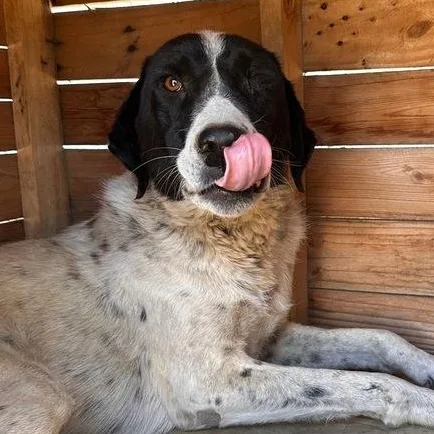
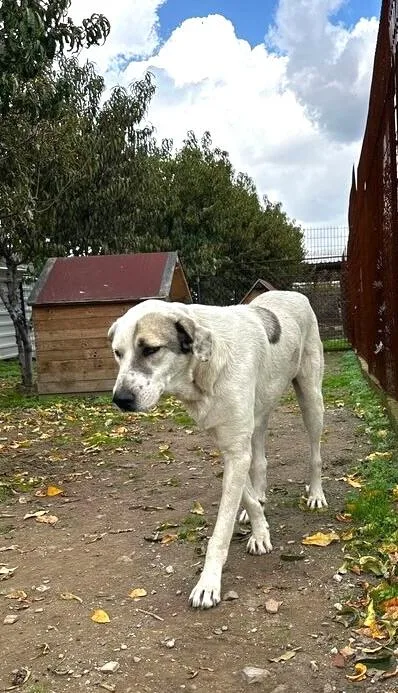
Meet your next Akbash

While we don't have enough dogs near Omaha, keep in mind that many rescues may offer transport.

Akbashes Available for Adoption Near Omaha

About the Akbash breed

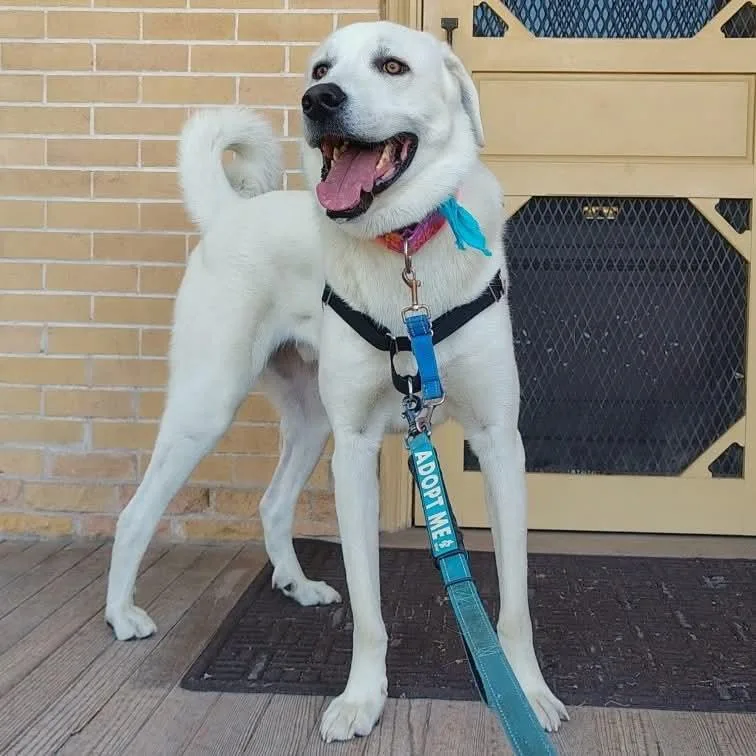
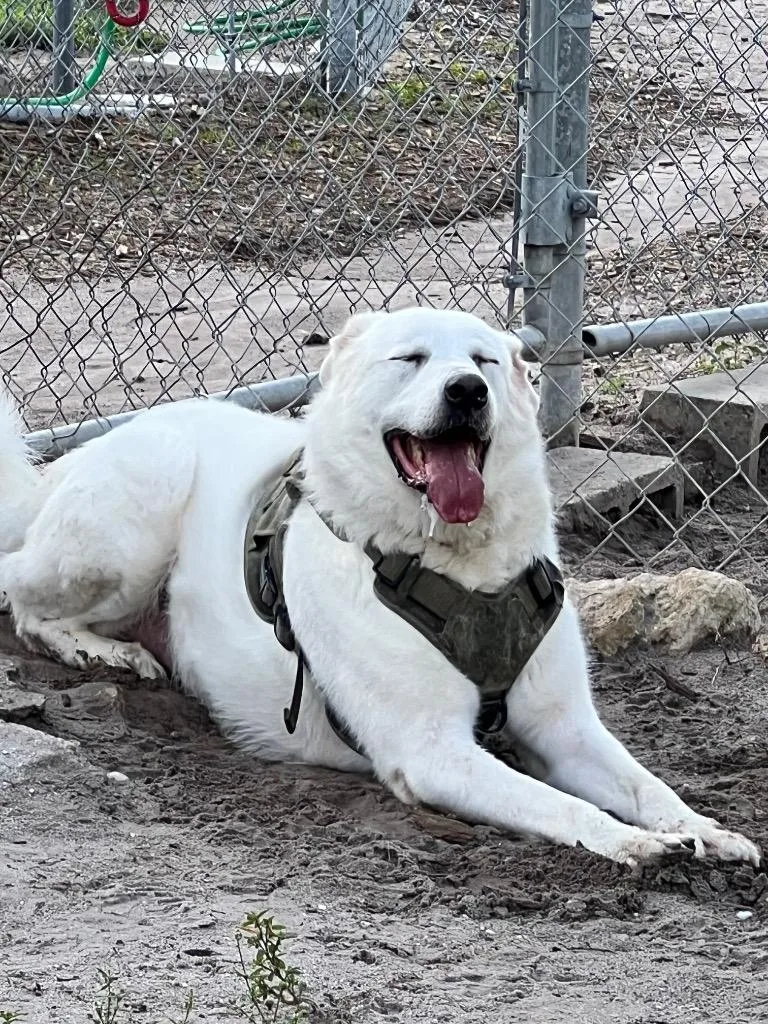
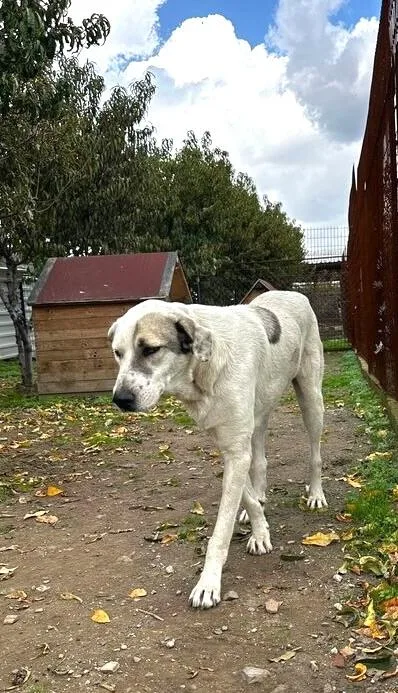
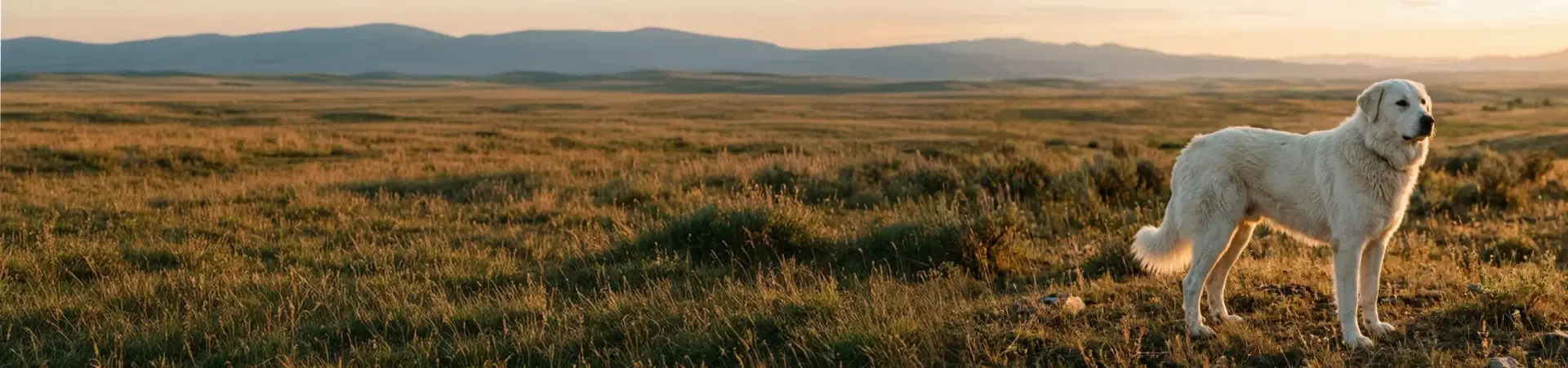
The Akbash is a white livestock guardian from western Turkey, where shepherds relied on it to live with their flocks and drive off wolves. Its name, akbaş, means white head. Tall, lean and long-legged, it blends mastiff power with sighthound speed. Americans began importing the breed in the 1970s for predator control work. Adults commonly weigh 75 to 140 pounds and have a thick white double coat in a medium or long length.

Many Akbash dogs are calm, quiet and gentle with their own family, yet aloof with strangers and watchful of unfamiliar dogs. They think for themselves and mature slowly, often taking two to three years. In Omaha that means tall, secure fencing, steady socialization, patience with training, and regular brushing through a heavy annual undercoat shed.

Weight
75–140 lbs
Height
27–34 in
Lifespan
10–12 yrs
Temperament
Protective, Calm, Independent, Loyal
Group
Working
Shedding
Moderate to High

Owning an Akbash in Omaha

Having an Akbash in Omaha

Akbash dogs are working guardians, so independence, night barking and a need for space shape daily life more than their gentle manner at home. In Omaha, fencing, neighbors and the seasons matter as much as personality.

Temperament

Many Akbash dogs are calm and quietly devoted at home, but they tend to be reserved with strangers and may challenge unfamiliar dogs. Their independence means training works through patience, not repetition. Early, ongoing socialization to neighborhood sounds and visitors helps in Omaha, though dogs of the breed vary.

Exercise Needs

An Akbash needs moderate daily exercise: long leashed walks plus time patrolling a securely fenced yard. Omaha requires dogs to be leashed or confined to a yard, so paved loops like Zorinsky Lake Park work well. These dogs are fast and may roam, so keep off-leash time to fenced spaces.

Health Considerations

Giant breeds can develop hip dysplasia, bloat, osteochondritis dissecans and hypothyroidism, and some guardian breeds are sensitive to anesthesia, so mention the breed before any procedure. Keep an Akbash lean, learn the signs of bloat, and have a veterinarian check the hips soon after adoption.

Living Space

An Akbash does best in a house with a tall, secure fence and room to patrol. It's a poor match for most apartments. Expect barking at night, which matters with close neighbors, and plan for the dog to spend plenty of time indoors with the family.

What it costs to own an Akbash in Omaha

ExpenseTypical costPer year
Food$80 to $160 per month$960 to $1,920
Pet insurance$85 to $170 per month$1,020 to $2,040
Routine vet care$250 to $500 per year$250 to $500
Other*$690 to $1,890 per year$690 to $1,890
Estimated yearly total (after year one)$2,920 to $6,350

Other costs are estimates and vary with size, age and health.

* Flea, tick and heartworm prevention, a dental cleaning allowance, the Omaha dog license, durable toys and bedding, brushing for a heavy annual undercoat shed, and joint supplements for a giant breed.

Akbash dog

Adopt an Akbash in Omaha.

Now that you know more, let’s find you a new best friend. These rescues and shelters below have dogs available in and near Omaha.

Frequently Asked Questions

Yes, you can own an Akbash in Omaha. The city's breed-specific rules target pit bull-type dogs and a short list of other breeds, not Akbash dogs. Standard rules apply: license the dog by four months, keep it leashed or in a yard, clean up after it, stay within three dogs per household without a permit, and keep rabies vaccination current.

An Akbash fits Omaha best in a house with tall, secure fencing and neighbors who can tolerate night barking. It copes well with cold winters and needs extra help in humid summers. It's a weaker match for a downtown condo or a very busy schedule, since a guardian dog wants space, a routine and owners who respect its independence.

An Akbash rarely does well in an Omaha apartment. It's a giant guardian dog that patrols and barks at night, and Omaha law makes uninterrupted barking that disturbs neighbors illegal. If you rent, look for a house or a unit with a private, tall-fenced yard rather than a shared building with thin walls.

Akbash dogs can handle Omaha summers with care. Highs reach the mid-80s, and about 33 days a year hit 90 degrees. Provide ventilated shade, cool water and indoor time, exercise at dawn or after dark, and test pavement with your hand. Leaving a dog in a hot car can be treated as neglect under Nebraska law.

Leashed walking suits an Akbash best. Zorinsky Lake Park offers about 7.4 miles of paved loops, Standing Bear Lake has a boardwalk trail, and the Keystone and Big Papio trails run through the city. Fenced off-leash spots like Hefflinger and Hanscom exist, but a dog wary of unfamiliar dogs may prefer quieter outings.

Probably not. Metro buses and ORBT require pets to ride in a carrier unless they are service animals, and a giant Akbash won't fit in one. Omaha has no subway or rail line, and the streetcar isn't open yet. Plan on car travel instead, with the dog safely restrained in a crate or harness.

Plan on brushing a few times a week, and daily during the heavy annual undercoat shed. Omaha's humid summers make clearing loose undercoat important, and winter calls for wiping salt off paws. Don't shave the coat. Occasional professional grooming for a giant dog falls within the $690 to $1,890 yearly Other budget.

Only on some patios. In Omaha, dogs are allowed on a restaurant patio only where the venue has health-department approval, and they must stay leashed. Indoor dining rooms are off-limits to pets. A giant, stranger-wary Akbash is usually more comfortable at home than seated beside crowded tables.

Akbash dogs are not typically aggressive toward their own family, but they are protective guardians that may act aggressively toward threats. The breed is described as gentle and quietly affectionate at home, aloof and suspicious with strangers, and watchful of unfamiliar dogs on its territory. Thorough socialization, secure fencing and careful introductions help prevent protective behavior from becoming a problem.

Plan on roughly $2,920 to $6,350 a year for an Akbash in Omaha. That covers food at $80 to $160 a month, insurance at $85 to $170 a month, routine vet care at $250 to $500 a year, and $690 to $1,890 in other costs such as parasite prevention, dental care, brushing and joint support.