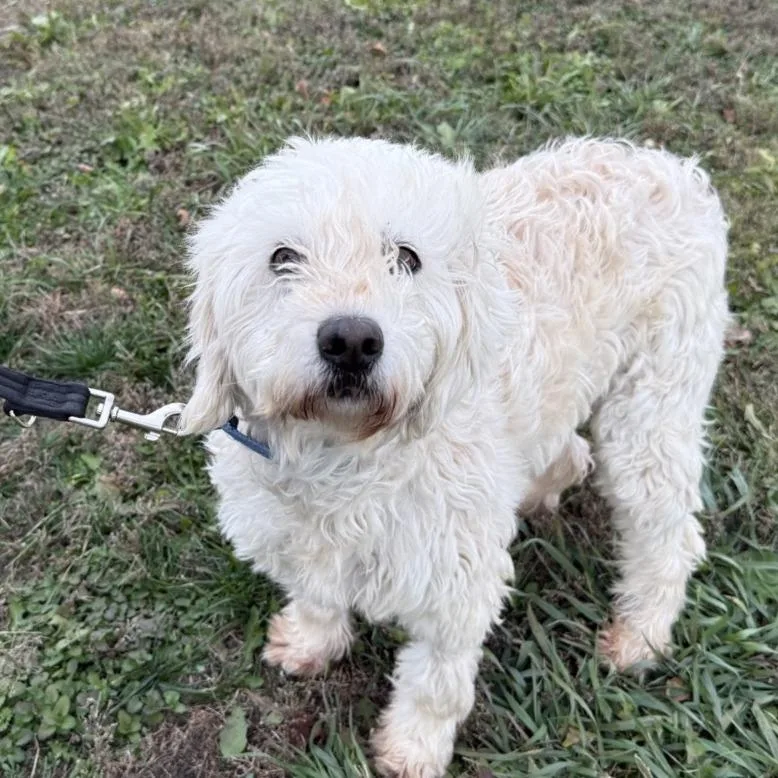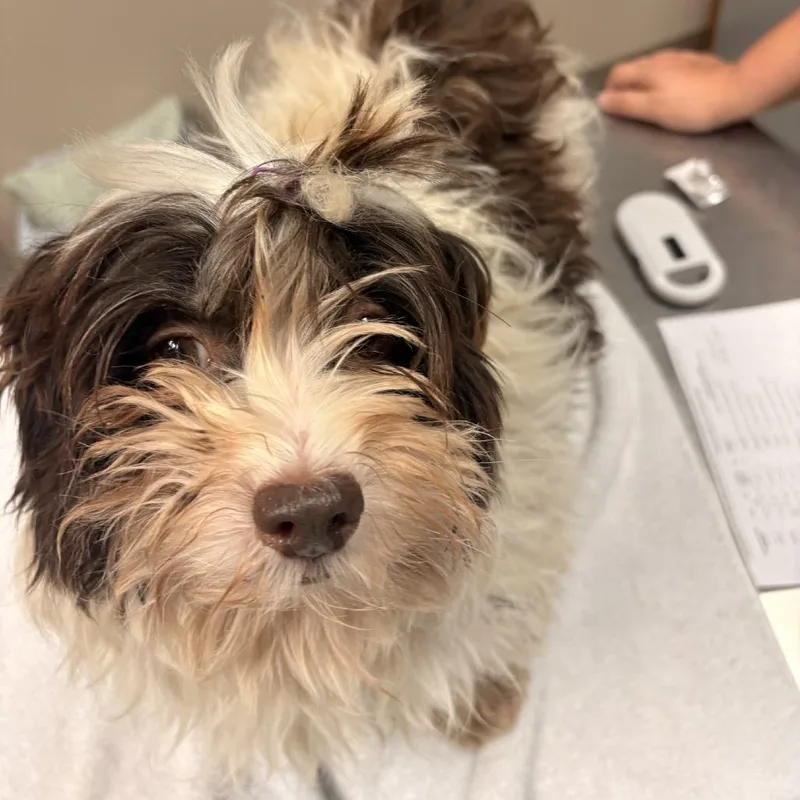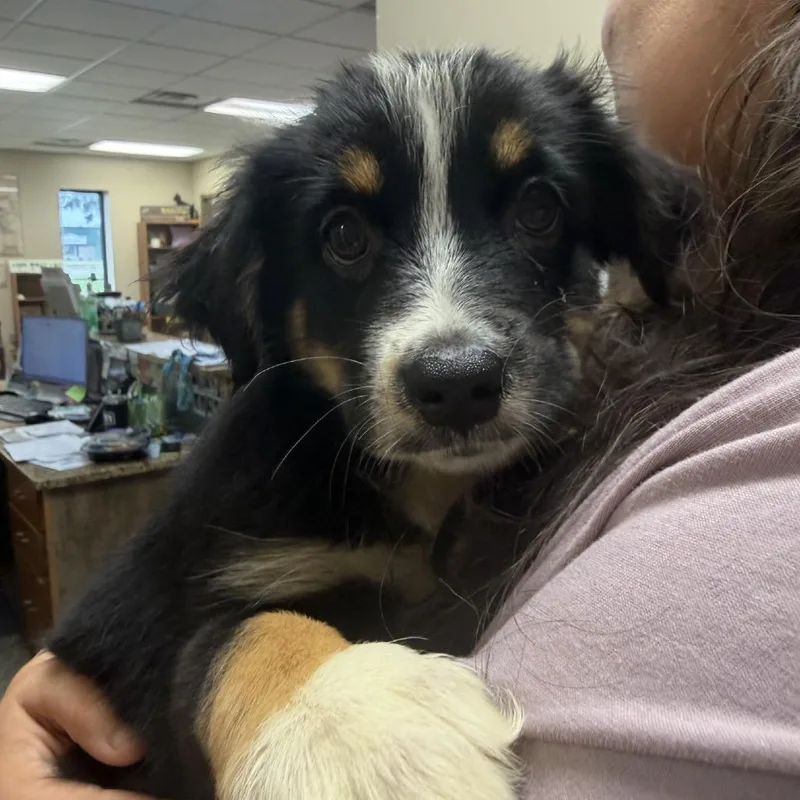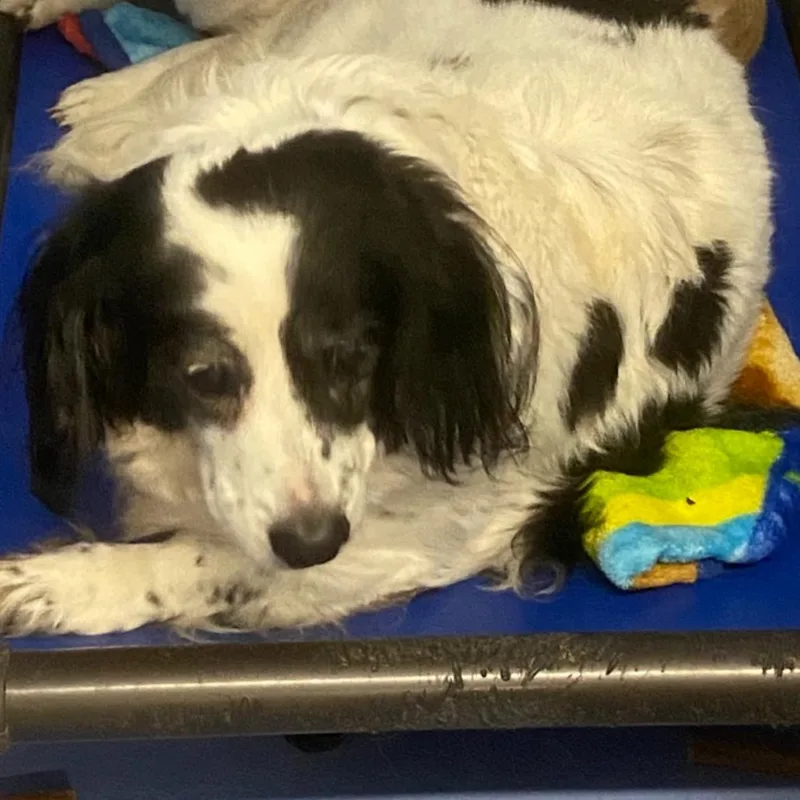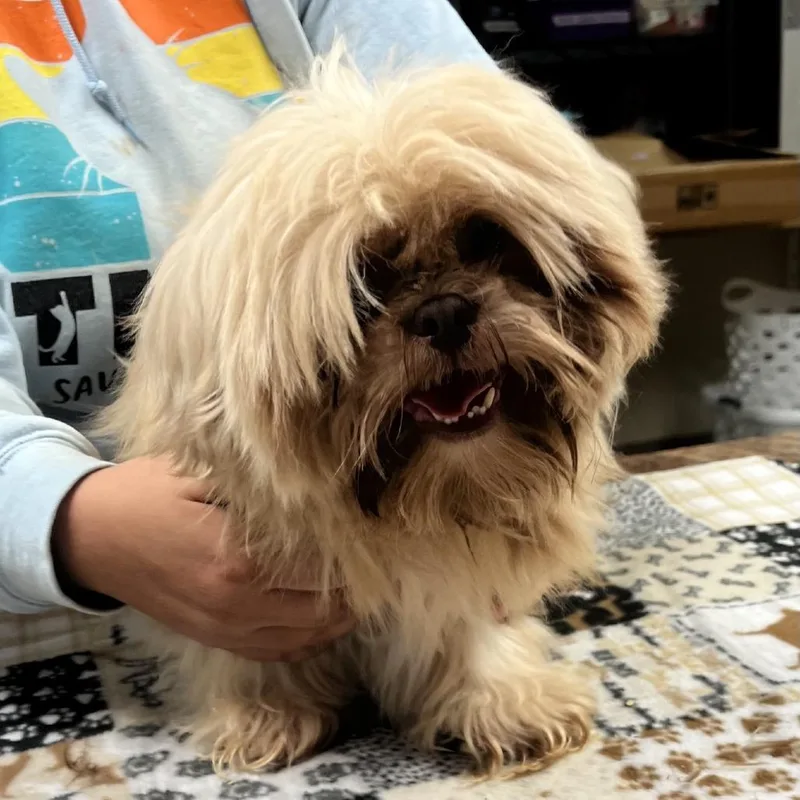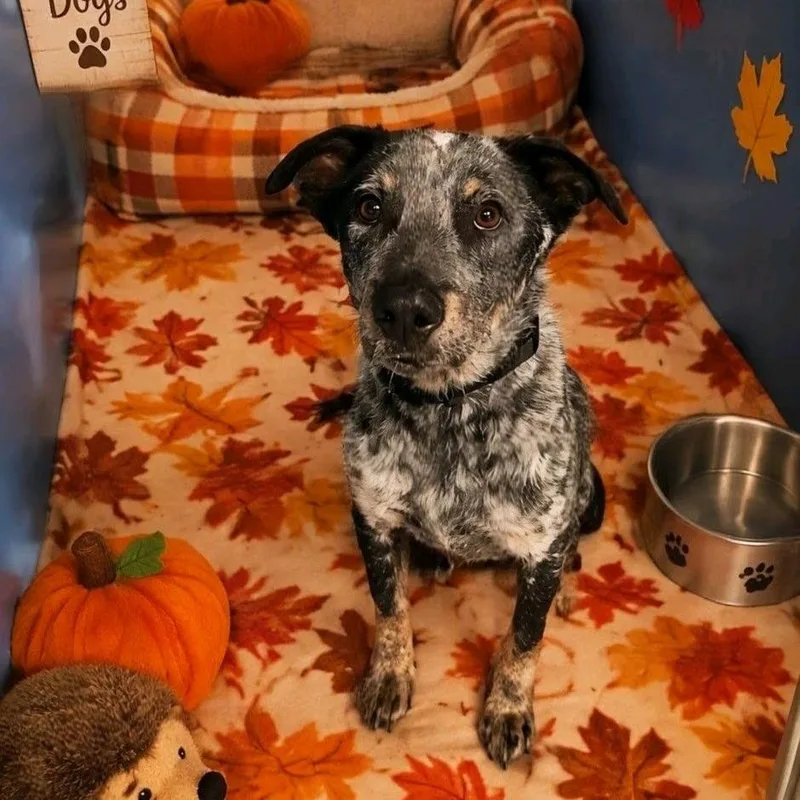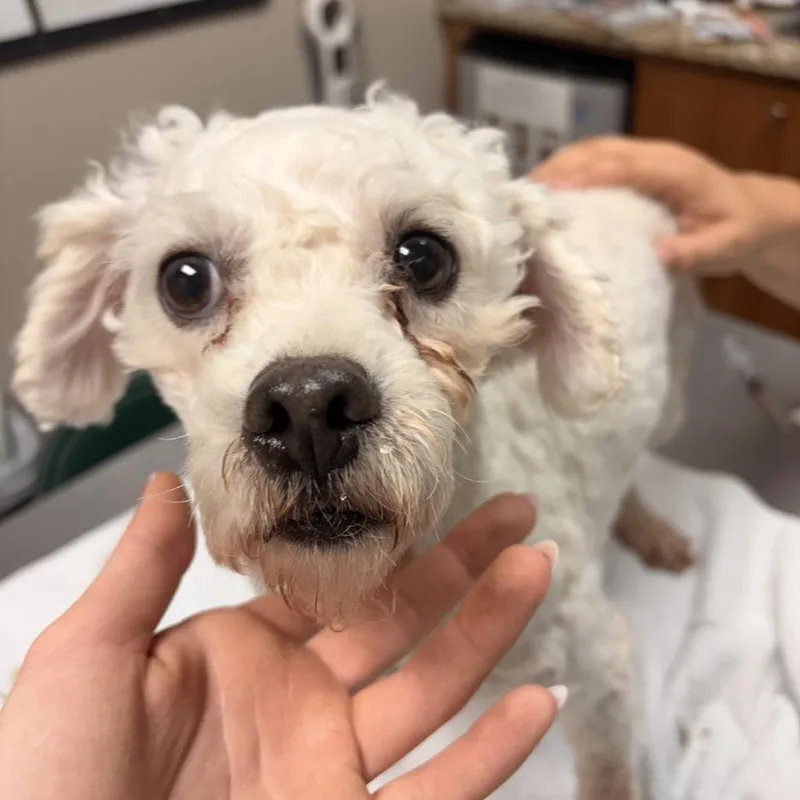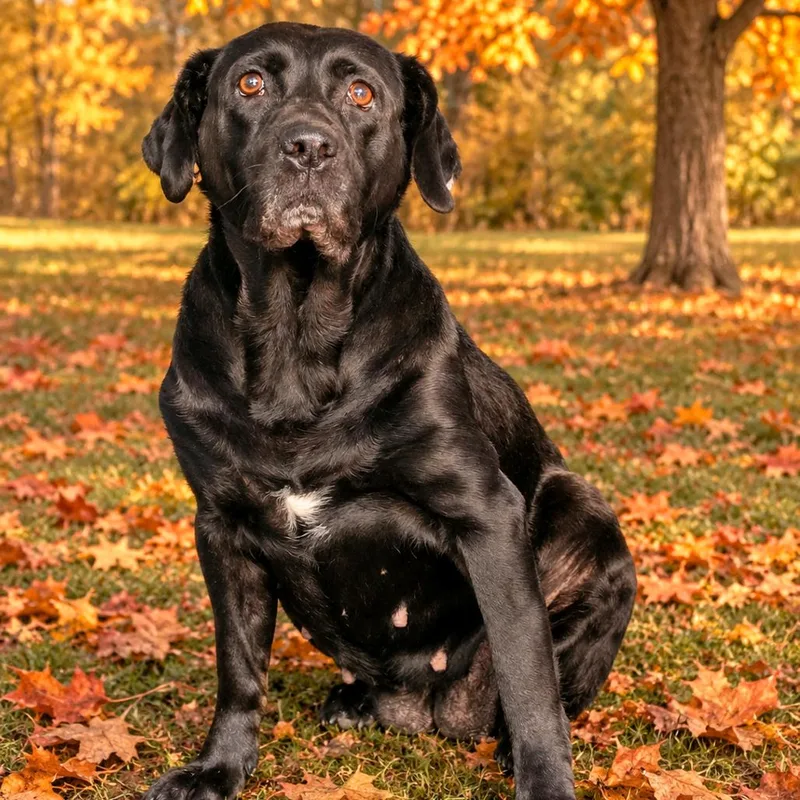
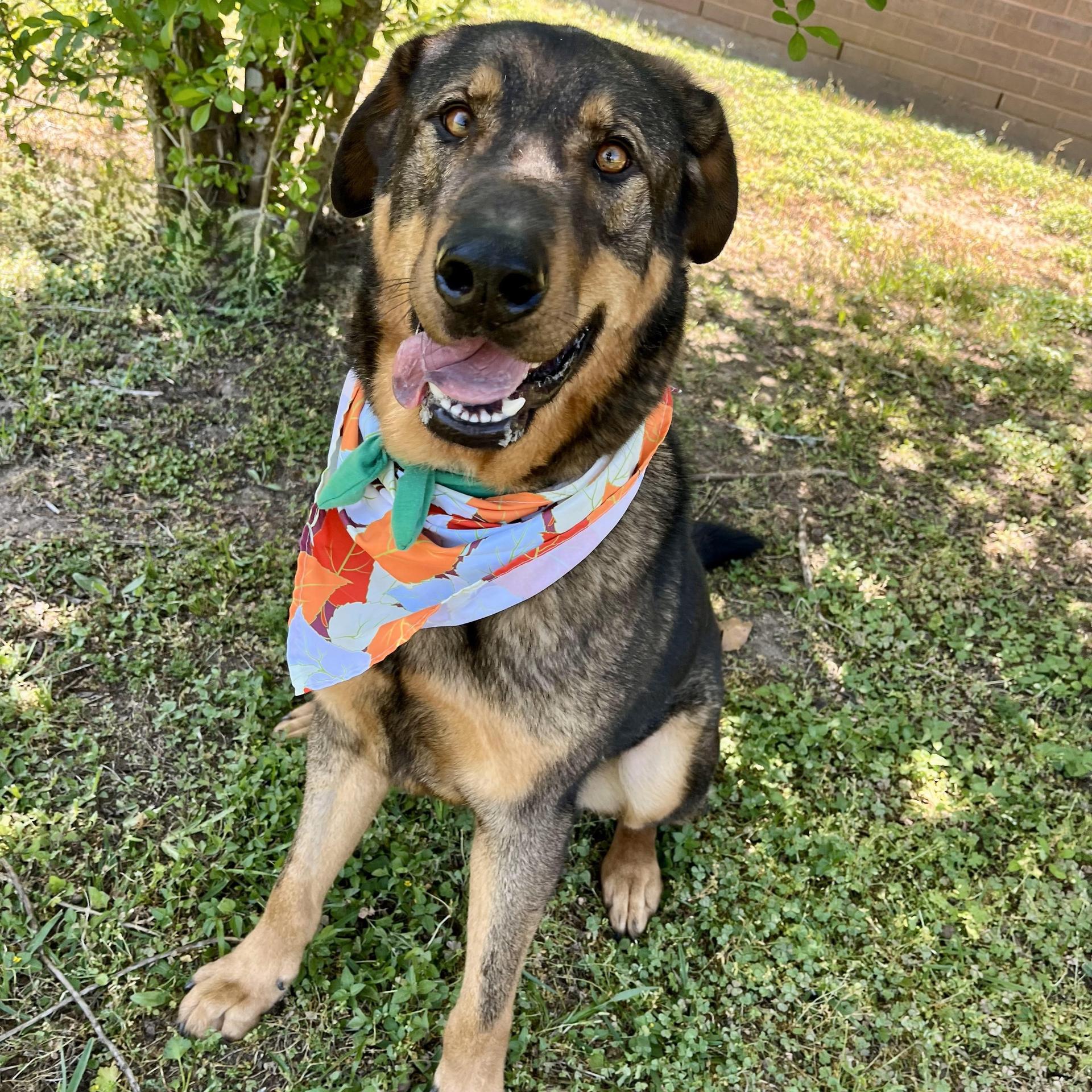
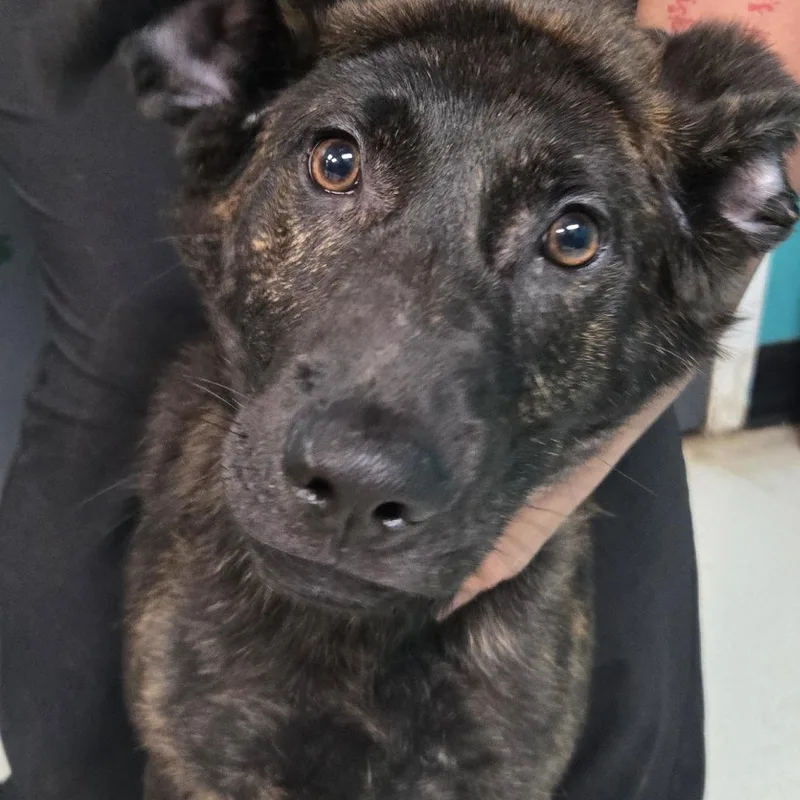
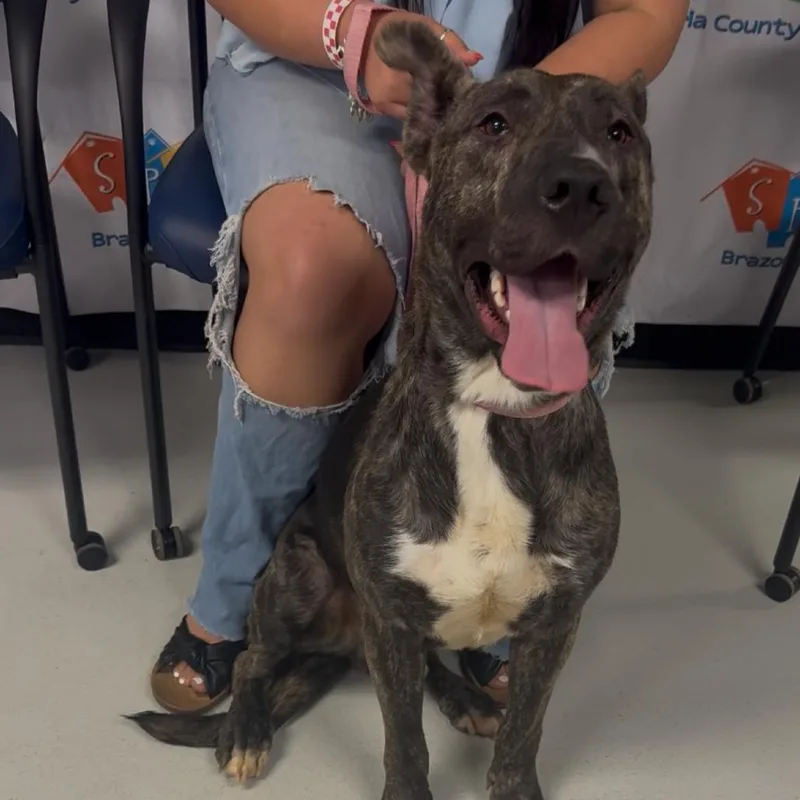
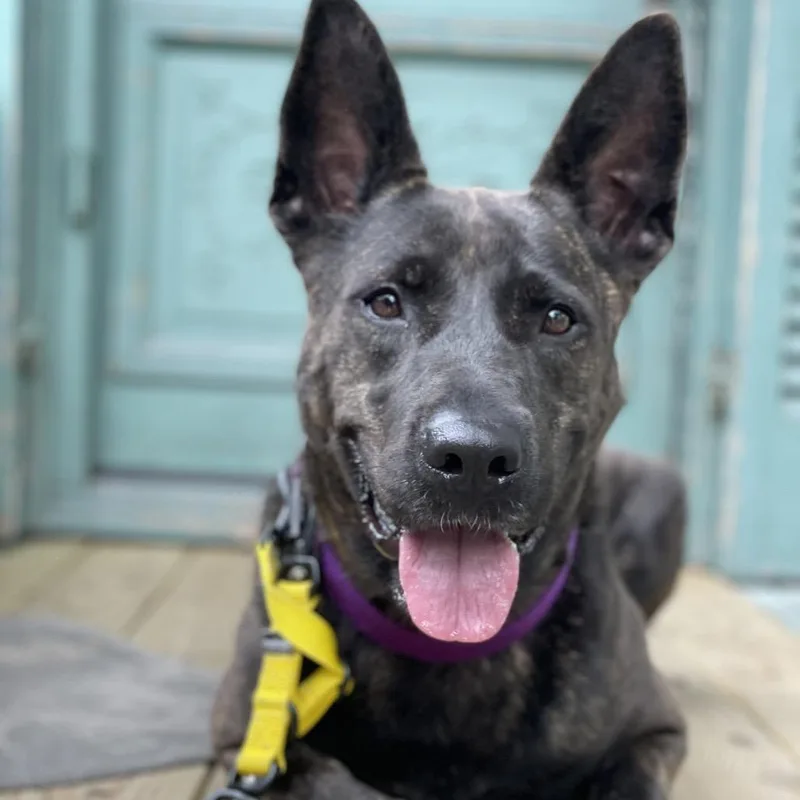
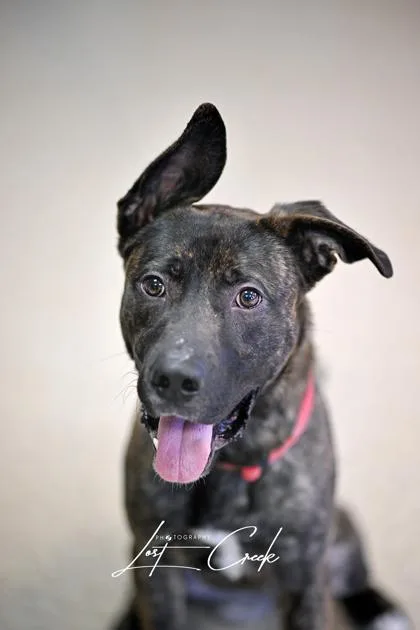
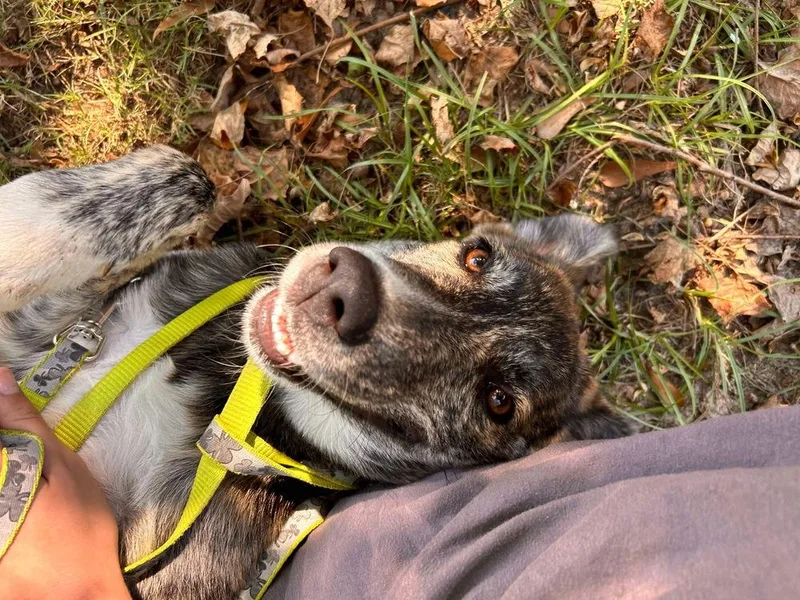
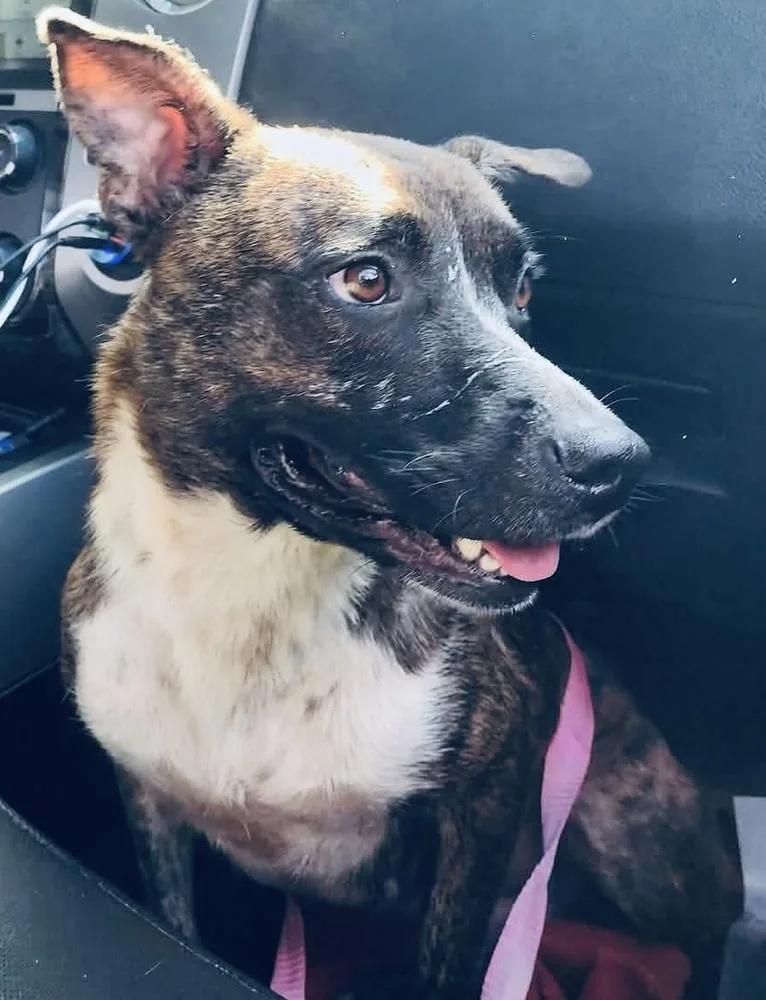
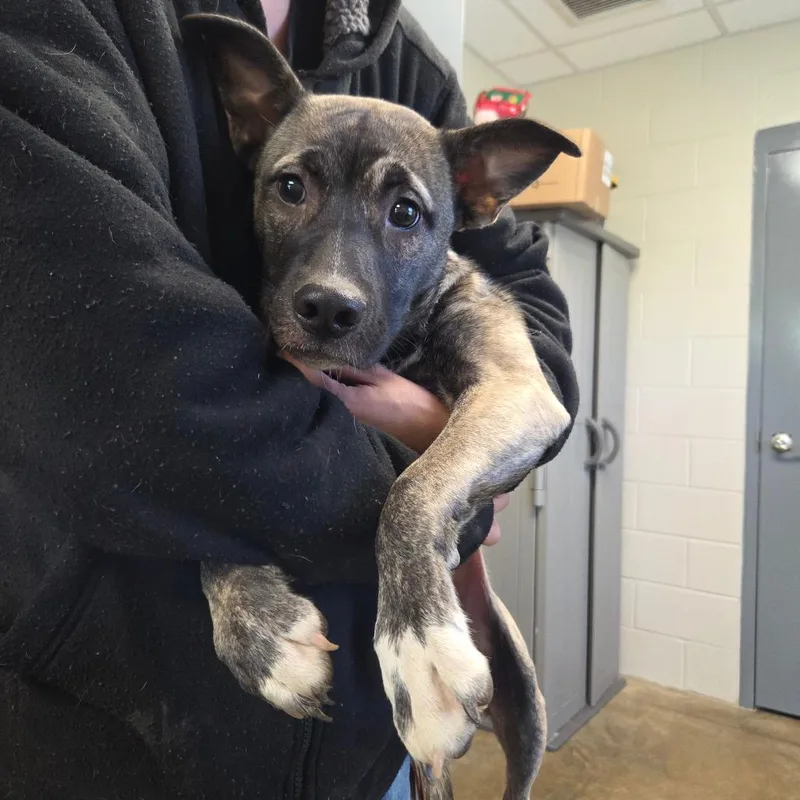
Dutch Shepherd Dogs for Adoption in Norfolk, NE

Your guide to finding and caring for a Dutch Shepherd in Norfolk

Dutch Shepherds suit Norfolk best with owners who are out on the trails most days. The Cowboy Trail starts at Ta-Ha-Zouka Park in south Norfolk, and the nearly 2-mile loop around Skyview Lake gives a leashed dog a steady route for long walks or jogs. Dutchies are bright and watchful, so they want a job as much as a workout. Plan on a morning run and an evening session of training games, with a sturdy fenced yard for the rest.

431 Dutch Shepherds available in Norfolk and nationwide

Open your home to a Dutch Shepherd

While we don't have enough dogs near Norfolk, keep in mind that many rescues may offer transport.

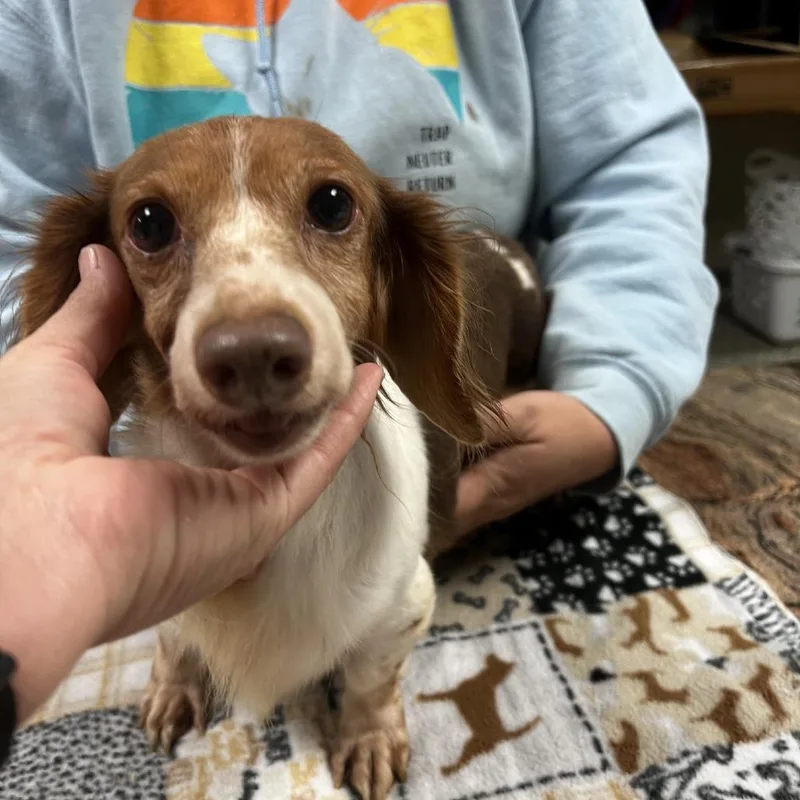
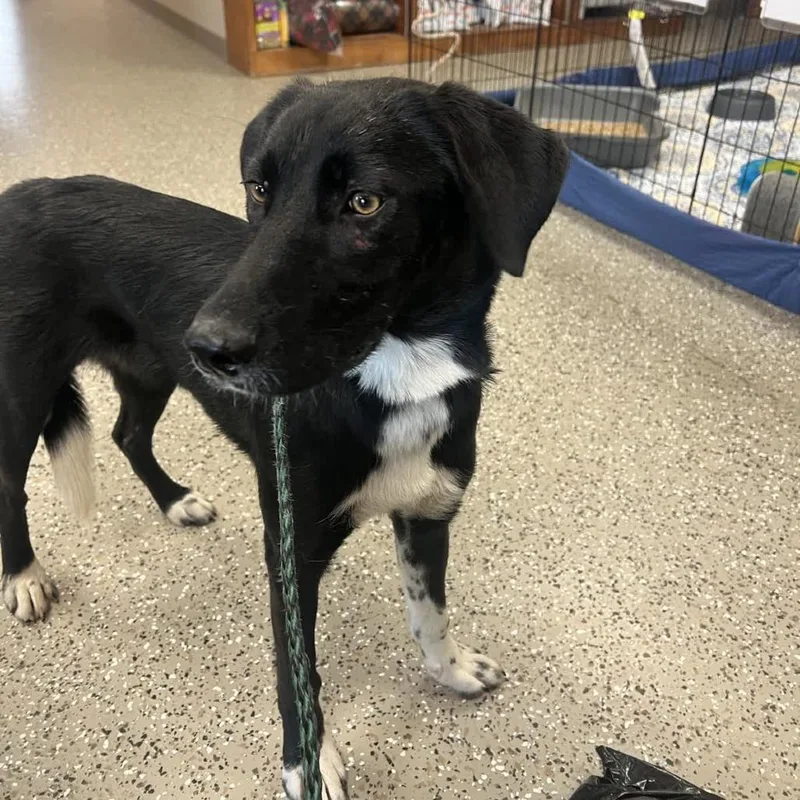
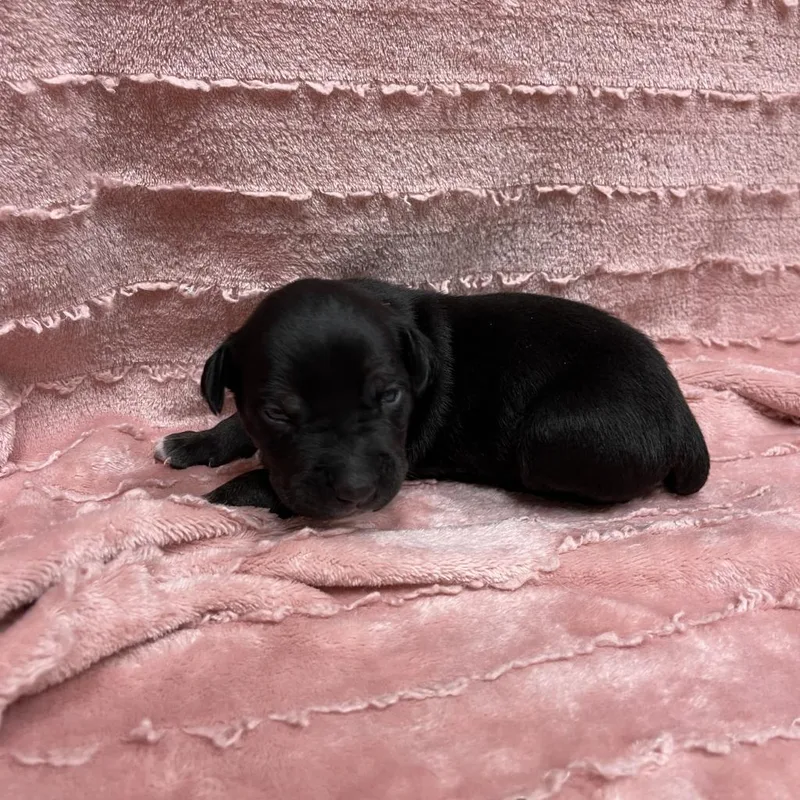
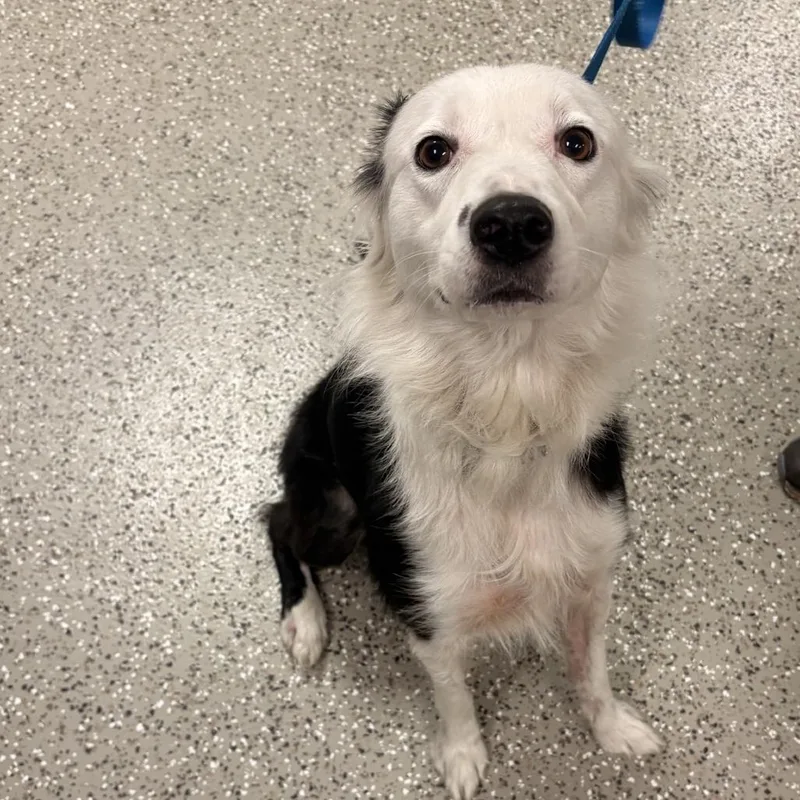
Dutch Shepherds Available for Adoption Near Norfolk

About the Dutch Shepherd breed

Dutch Shepherds began as all-purpose farm dogs in the Netherlands, herding sheep, keeping flocks out of crops and watching over farmyards. The brindle coat, in gold or silver tones, comes in short, long and rough varieties, and all have a woolly undercoat that sheds heavily in season. The breed is still rare in the US and sits in the AKC's Miscellaneous Class.

Many Dutch Shepherds are loyal, alert and eager to work, with an independent streak. They tend to be reserved with strangers and need early socialization. Their herding instincts can show up as chasing bikes or joggers, so reliable recall and good leash manners matter on busy park trails. They do best with experienced, active adopters who enjoy training as a shared hobby.

Weight
42–75 lbs
Height
21–25 in
Lifespan
11–14 yrs
Temperament
Energetic, Intelligent, Loyal, Alert
Group
Miscellaneous
Shedding
Moderate

Owning a Dutch Shepherd in Norfolk

Having a Dutch Shepherd in Norfolk

Dutch Shepherds pair high drive with sharp intelligence, which makes them rewarding for active, experienced adopters and a lot to handle for anyone else. In Norfolk, daily exercise, winter planning and consistent training decide how well one settles in.

Temperament

Dutch Shepherds tend to be devoted with their own people and watchful with strangers, and some are choosy about unfamiliar dogs. Since Norfolk parks require leashes outside the dog area, calm, controlled greetings on the trail are the safer habit. Start socialization early and use reward-based training. Temperament varies from dog to dog, especially between working-line and companion-bred dogs.
Exercise Needs

Plan on an hour or two of focused activity most days: running, fetch, hiking or training games. The Cowboy Trail and the Skyview Lake loop work for leashed outings, and the large-dog side of the Ta-Ha-Zouka off-leash area offers room to run. Add puzzle toys or scent games on frozen days, because bored Dutch Shepherds get vocal and destructive.

Health Considerations

Dutch Shepherds are generally robust, but hip and elbow dysplasia occur, a recessive inflammatory muscle disease has a DNA test, and rough-haired dogs can inherit an eye-drainage problem that raises glaucoma risk. Allergies are also reported. A veterinarian can check the hips and discuss genetic testing, and winter paw checks help after walks on icy or treated sidewalks.

Living Space

A securely fenced yard suits most Dutch Shepherds, though daily activity matters more than square footage. They should live indoors with the family, since isolation fuels barking and destruction. An apartment works only for owners committed to heavy exercise every day, and some dogs need careful management around unfamiliar dogs or small pets.

What it costs to own a Dutch Shepherd in Norfolk

ExpenseTypical costPer year
Adoption fee$150, one time$150 in year one
Food$55 to $110 per month$660 to $1,320
Pet insurance$55 to $110 per month$660 to $1,320
Routine vet care$250 to $500 per year$250 to $500
Other*$575 to $1,450 per year$575 to $1,450
Estimated yearly total (after year one)$2,145 to $4,590
First-year total (with adoption fee)$2,295 to $4,740

Adoption fee is the fee on Dutch Shepherd listings in Norfolk on GetBuddy today. Other costs are estimates and vary with size, age and health.

* Flea, tick and heartworm prevention, a dental cleaning allowance, toys and bedding, and brushing or grooming for seasonal shedding of the double coat; Norfolk's dog license is free.

Adopt a Dutch Shepherd in Norfolk.

Now that you know more, let’s find you a new best friend. These rescues and shelters below currently have Dutch Shepherds available.

Rescues in Norfolk with Dutch Shepherds Available

Norfolk has local shelters and rescues working to place dogs of every size, from athletic herding types to couch companions. Here are the rescues & shelters in the Norfolk area where you can find Dutch Shepherds and other dogs available for adoption.

Frequently Asked Questions

Yes. No breed ban appears in Norfolk's animal code, and its aggressive- and dangerous-dog rules are based on a dog's behavior, not its breed. Because Dutch Shepherds are watchful with strangers, secure fencing and solid training matter. Rules can differ in nearby towns, so confirm local requirements before moving a dog outside Norfolk.

Yes, most healthy Dutch Shepherds handle Norfolk winters well thanks to their double coat and active nature. With about 150 freezing nights a year and January lows near 12°F, shorten outings in the worst cold, check paws and give them a warm indoor bed. Lean, short-haired and older dogs may chill faster.

Ta-Ha-Zouka Park is the top pick, with the city's off-leash area and a 1.68-acre section for large, active dogs. From there, leashed dogs can follow the Cowboy Trail, and the nearly 2-mile Skyview Lake loop is another option. Since some Dutch Shepherds are selective with other dogs, use the off-leash area once recall and manners are reliable.

It can, but only for owners committed to heavy daily exercise. Norfolk is a small city with trails close by, which helps, yet a bored Dutch Shepherd in an apartment may bark or chew. Barking that disturbs neighbors can violate city code, so confirm the landlord's size rules and plan training sessions and puzzle toys.

Day to day, not much, but seasonal shedding is heavy. Brush a short-haired Dutch Shepherd weekly, and several times a week in spring and fall when the undercoat blows out. Rough coats may need occasional hand-stripping. Skip baths in freezing weather. Grooming sits in the Other costs, so budget for brushes or an occasional professional session.

Only to certain patios. Nebraska has allowed pet dogs in designated outdoor dining areas since April 2025, but each restaurant decides whether to permit them, and indoor dining rooms stay off-limits except for service animals. Because Dutch Shepherds are watchful with strangers, practice a calm down-stay first and confirm the patio allows dogs before you go.

A Dutch Shepherd is a medium-large herding breed from the Netherlands, recognized by its brindle coat in gold or silver tones. Originally a versatile farm dog, it is now widely used in police, military and sport work. Most are energetic, intelligent and loyal, and they need active, experienced homes with lots of training and exercise.

Dutch Shepherds are not inherently dangerous, but they are powerful, protective dogs that need training and socialization. Many are wary of strangers, and some working-line dogs have strong guarding drive. Without proper management, any dog with that combination can become a bite risk. Well-trained, socialized Dutch Shepherds are typically stable, loyal companions.

We have 1 rescue with Dutch Shepherds available: Animal Shelter of Northeast Nebraska. You can see every rescue with Dutch Shepherds available in the list above these questions, or scroll to the top to see the Dutch Shepherds near Norfolk.

Expect roughly $2,150 to $4,600 a year. Food runs $55 to $110 a month, insurance $55 to $110 a month, routine vet care $250 to $500 a year, and other costs $575 to $1,450 a year. Norfolk's dog license is free, and active Dutch Shepherds often eat at the higher end of the food range.

Find Dutch Shepherds in Nearby Cities

Expand your search to find Dutch Shepherds available for adoption near Norfolk.