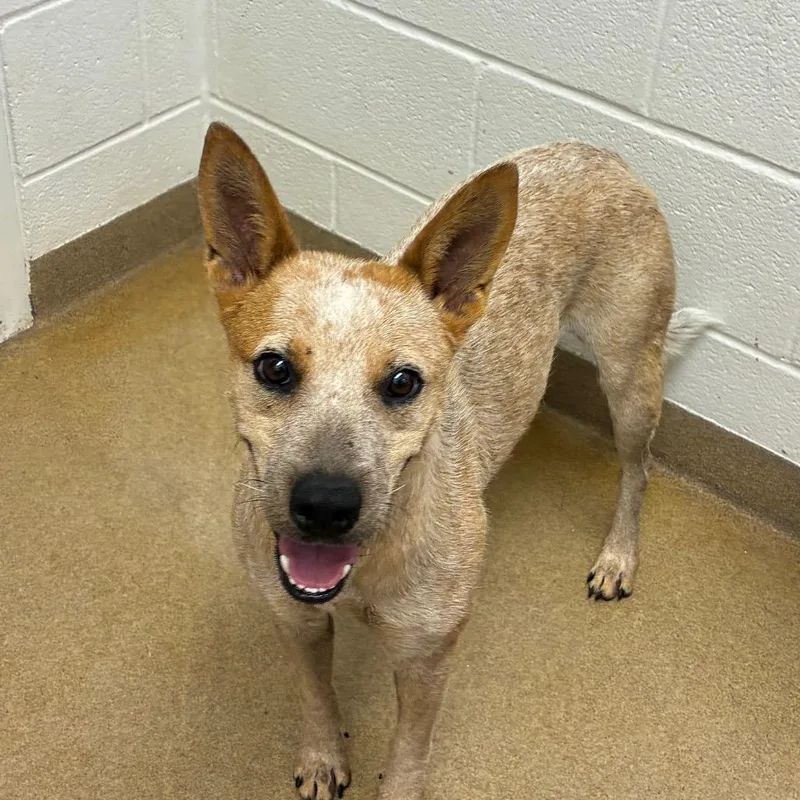
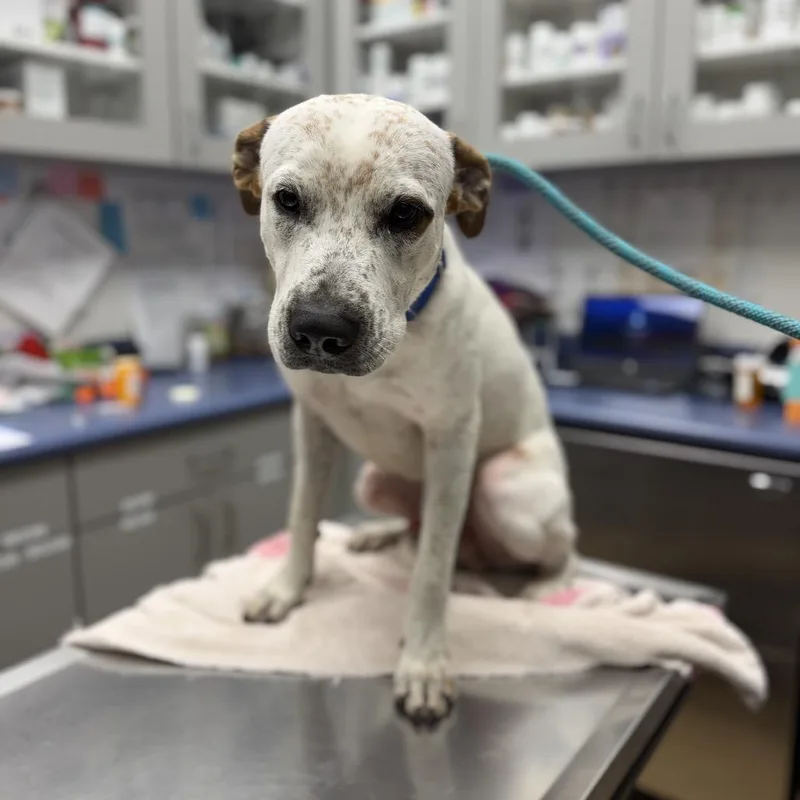
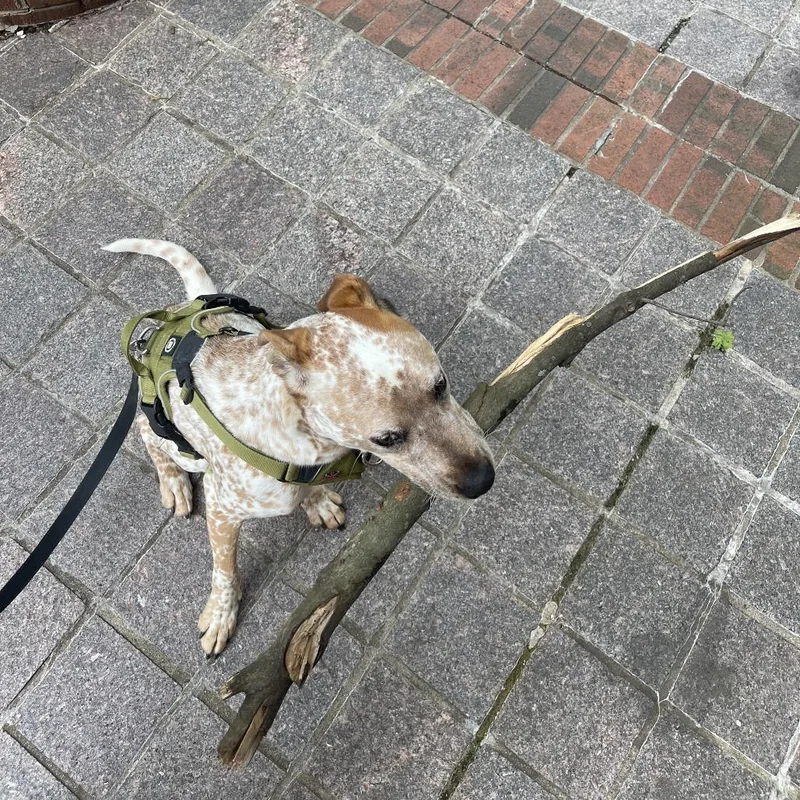
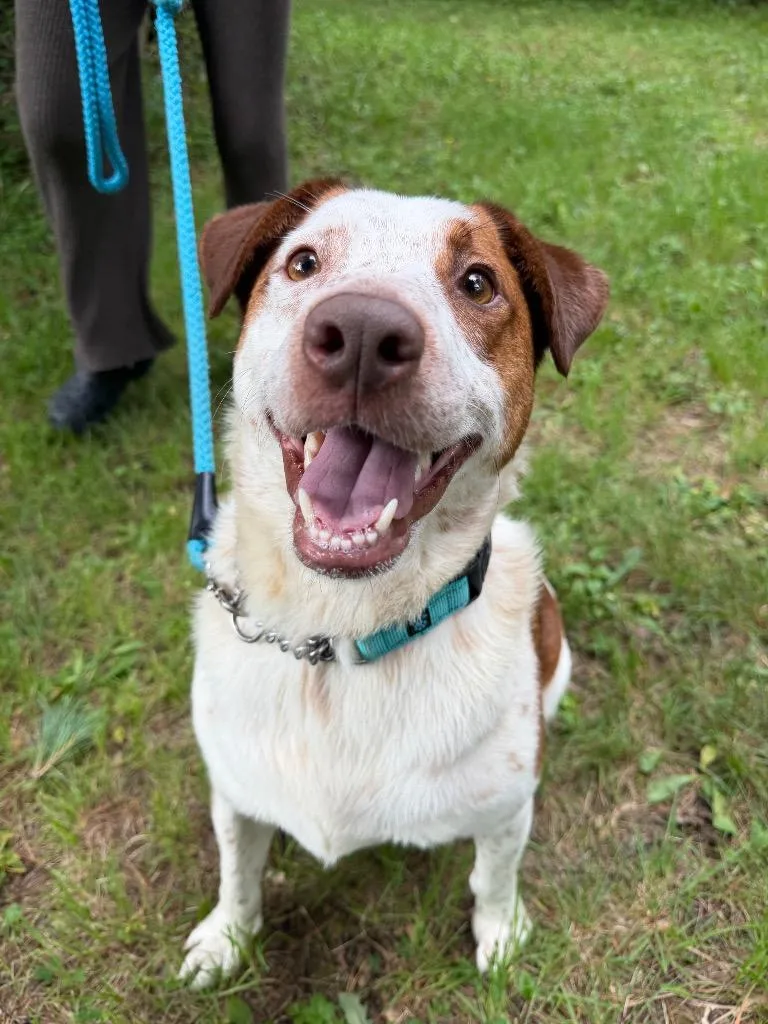
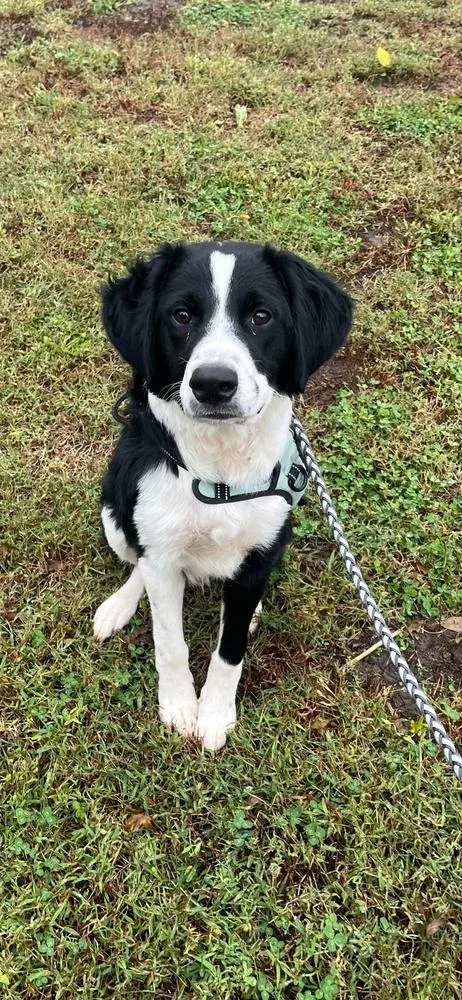
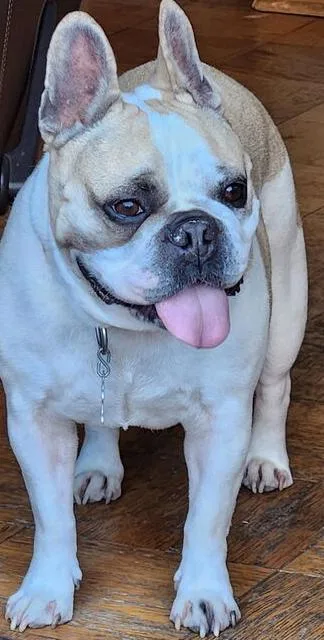
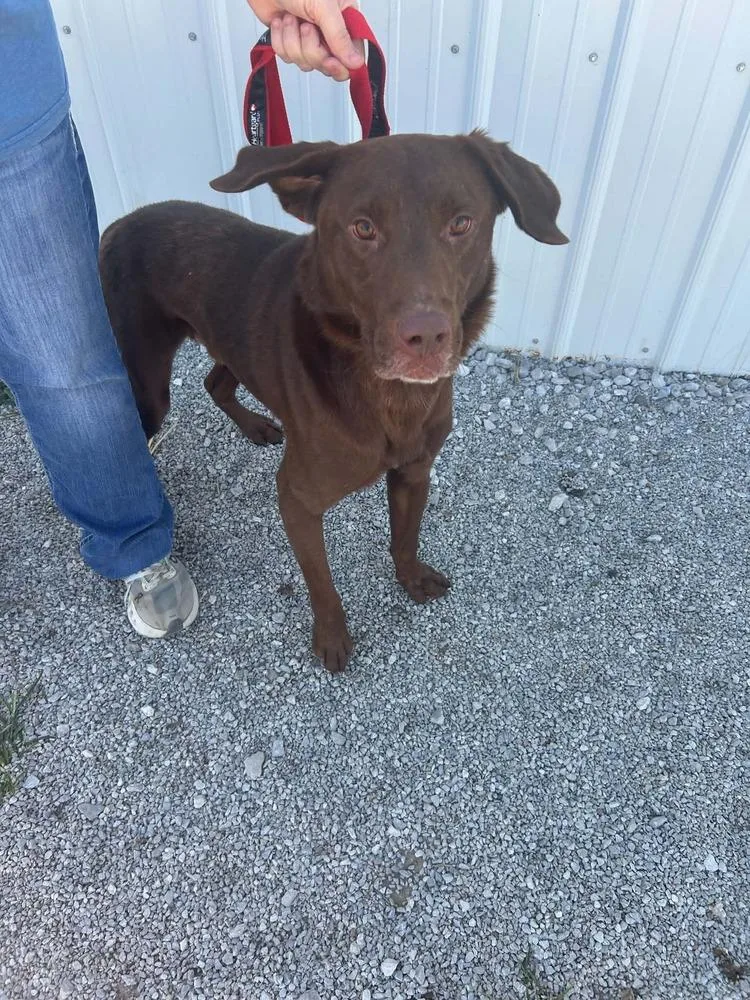
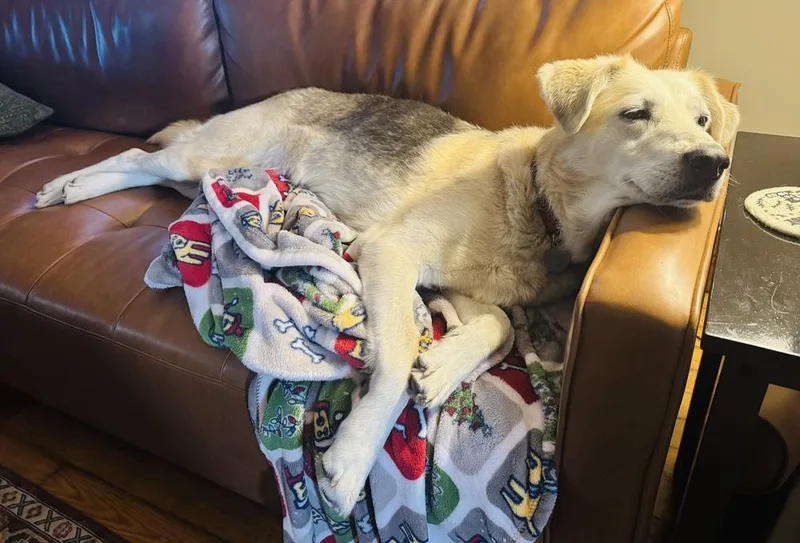
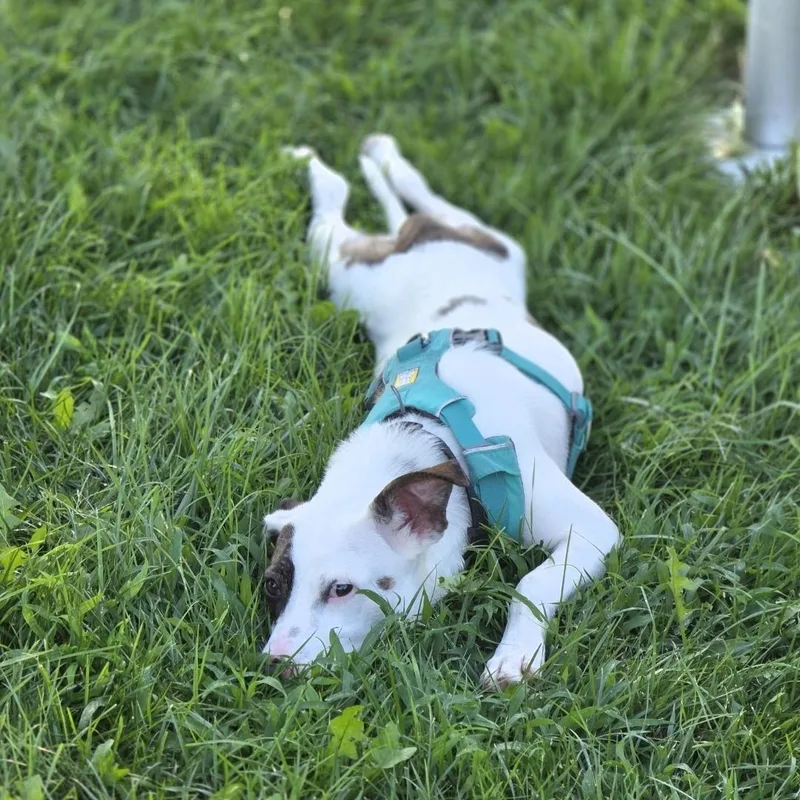
Cattle Dogs for Adoption in Lincoln, NE

Your guide to finding and caring for a Cattle Dog in Lincoln

A Cattle Dog fits Lincoln best with someone ready to log real miles on the MoPac Trail or the Billy Wolff Trail along Antelope Creek. These heeler-type dogs need an hour or more of hard exercise, and a morning run followed by fetch in the big fenced field at Rickman's Run suits them well. Mixes vary in size and energy, but most want a job and want to be wherever you are, so they do best with people who are home a good part of the day.

1850 Cattle Dogs available in Lincoln and nationwide

Fall for a Cattle Dog

While we don't have enough dogs near Lincoln, keep in mind that many rescues may offer transport.

Cattle Dogs Available for Adoption Near Lincoln

About the Cattle Dog breed

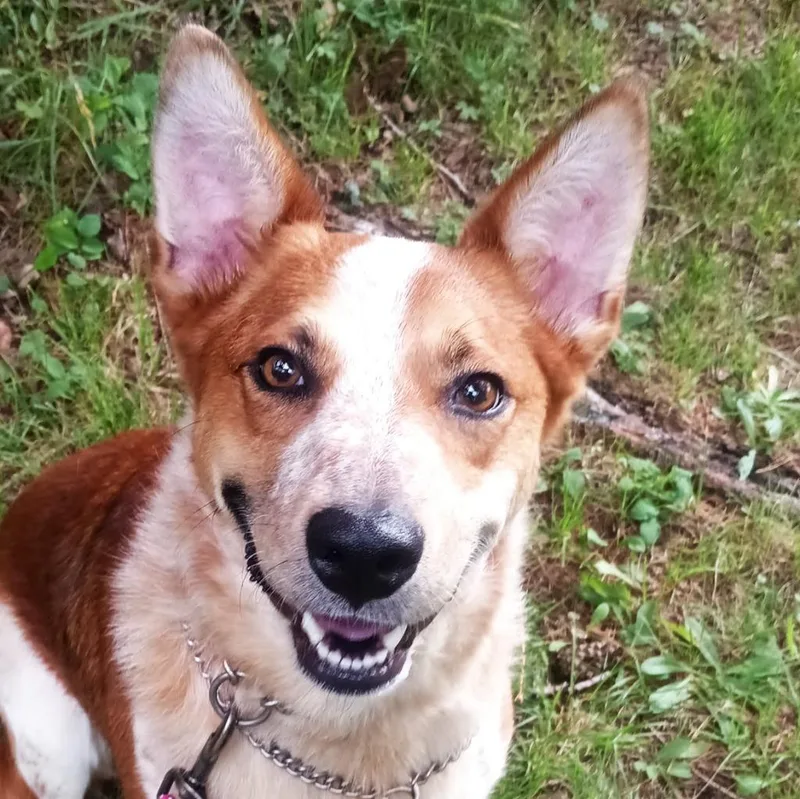
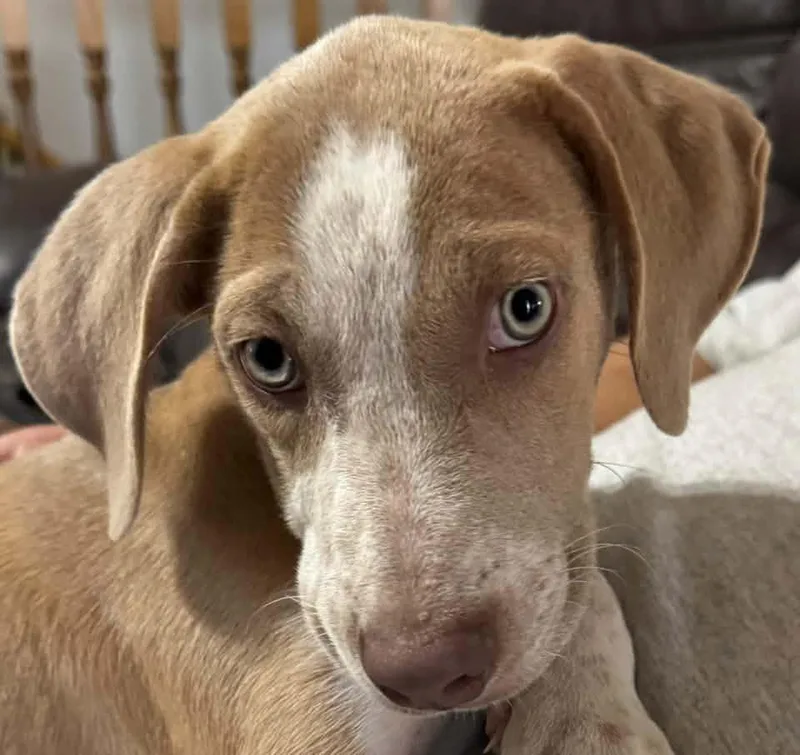
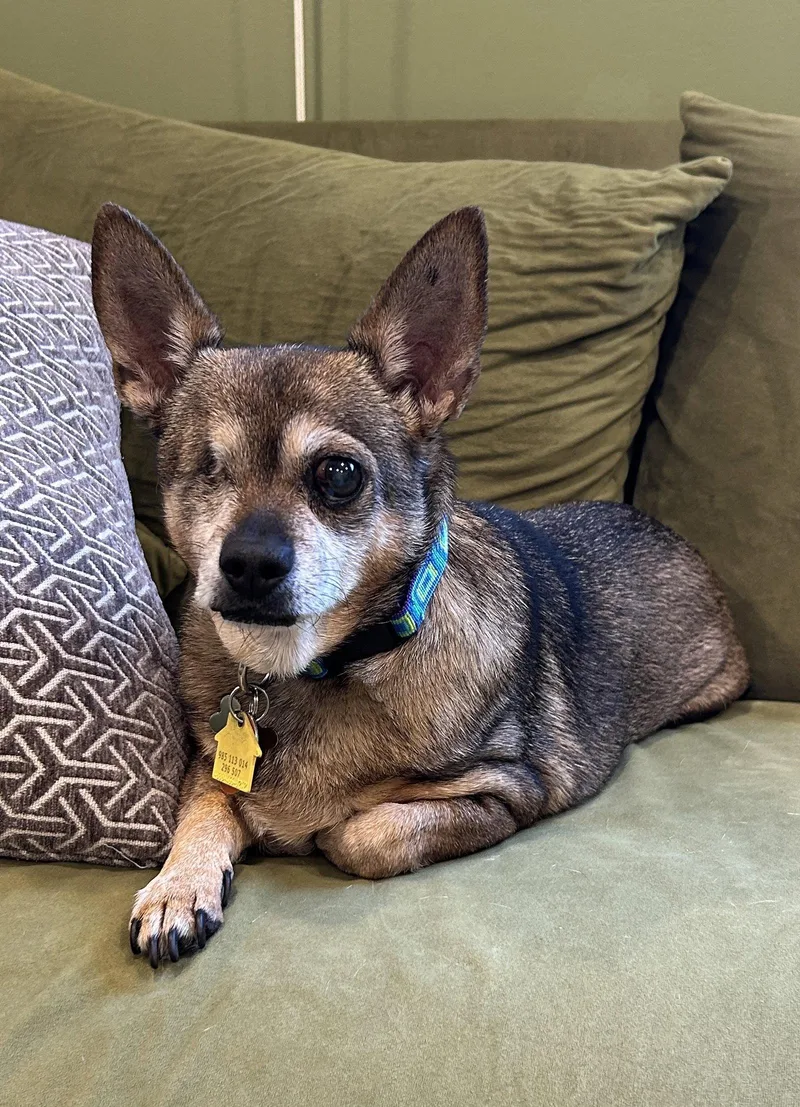
Cattle Dog is a label more than a single breed. In Lincoln listings it usually points to an Australian Cattle Dog, the Blue or Red Heeler, or a mix with one, though Texas Heelers and crosses with Border Collies or Labs can carry the name too. The Australian Cattle Dog was developed in nineteenth-century Australia by crossing collie-type herders with dingoes, making a tough, compact drover that moves cattle by nipping at their heels.

Most are medium-sized, muscular and short-coated, around 30 to 50 pounds, with a double coat that sheds moderately. They're sharp, independent and often bond closely with one family while staying wary of strangers. Because mixes vary, how a dog acts around people, other dogs and cats in person tells you more than the label does.

Weight
30–50 lbs
Height
17–20 in
Lifespan
12–16 yrs
Temperament
Energetic, Loyal, Intelligent, Protective
Group
Herding
Shedding
Moderate

Owning a Cattle Dog in Lincoln

Having a Cattle Dog in Lincoln

Heeler-type dogs bring stamina, quick thinking and a strong need for a job to do. In Lincoln, that means a household that can offer daily trail time, training and company, plus a plan for freezing winter nights.

Temperament

Cattle dogs tend to be loyal, alert and devoted to one person or family, and often reserved with strangers. Many try to herd running kids, bikes or other pets by nipping, and some guard their space. Early socialization helps on busy Lincoln trails, where close, short-leash manners matter. Mixes vary a lot from dog to dog.

Exercise Needs

Plan on at least an hour of vigorous activity daily, plus mental work like puzzle toys, scent games and training sessions. Lincoln's paved and crushed-rock trails suit jogging and long walks, but they require a short leash. Save off-leash fetch for the city dog runs, where the handler must keep the dog in view.

Health Considerations

Australian Cattle Dogs and their mixes are often hardy, but congenital deafness, progressive retinal atrophy, lens luxation and hip or elbow dysplasia occur. Fearless play can lead to cruciate tears. A veterinarian can check hearing and eyes. Ticks are abundant around Wilderness Park, so keep prevention current and check the coat after trail days.

Living Space

A securely fenced yard suits most cattle dogs, and many Lincoln homes, from 1950s ranch houses in Eastridge to newer southeast subdivisions, have one. Apartment life can work with dependable daily exercise. Bored heelers are known escape artists, so check fences and gates. Expect a dog that wants to be indoors with you.

What it costs to own a Cattle Dog in Lincoln

ExpenseTypical costPer year
Adoption fee$300, one time$300 in year one
Food$35 to $70 per month$420 to $840
Pet insurance$45 to $85 per month$540 to $1,020
Routine vet care$225 to $450 per year$225 to $450
Other*$460 to $1,185 per year$460 to $1,185
Estimated yearly total (after year one)$1,645 to $3,495
First-year total (with adoption fee)$1,945 to $3,795

Adoption fee is the fee on Cattle Dog listings in Lincoln on GetBuddy today. Other costs are estimates and vary with size, age and health.

* The $35 Lincoln license for a spayed or neutered dog, flea, tick and heartworm prevention, a dental cleaning allowance, durable toys and bedding, and light home grooming.

Adopt a Cattle Dog in Lincoln.

Now that you know more, let’s find you a new best friend. These rescues and shelters below currently have Cattle Dogs available.

Rescues in Lincoln with Cattle Dogs Available

Lincoln's rescue community centers on Capital Humane Society, the city's contracted shelter, alongside smaller local rescue groups. Here are the rescues & shelters in the Lincoln area where you can find Cattle Dogs and other dogs available for adoption.

Frequently Asked Questions

Yes. No known breed ban or breed-specific rule applies in Lincoln, and the city's dangerous-dog rules are based on a dog's behavior, not its breed. You'll need a license for any dog over six months, rabies vaccination, and a leash of six feet or less off your property. Most homes are limited to three dogs, so count yours first.

Yes, most can. Their double coat copes well with Lincoln's cold and snow. Shorten walks when wind chills bite, wipe paws after salted sidewalks, and keep the dog inside on the coldest nights. Dogs kept outdoors legally need unfrozen water, since snow and ice don't count, and a windproof shelter. Mixes with thinner coats may feel the cold sooner.

It can, if exercise is dependable. Apartment heelers need an hour or more of running or training daily, plus puzzle toys and scent games to head off barking and chewing. Lincoln's trails and dog runs help, and city code treats persistent barking as a nuisance, so a tired dog matters in shared buildings.

Start with Rickman's Run at Holmes Lake Park, whose 22-acre large-dog area gives heelers room to run off leash. The Bison Trail leads toward Pioneers Park, and the Rock Island Trail reaches Wilderness Park. On trails, keep a short leash and stay at the edge when others pass. Wilderness Park is muddy, with abundant ticks.

Only in a carrier, unless the dog is a service animal. StarTran buses require pets to ride in an enclosed carrier, and a cattle dog of 30 to 50 pounds is too big for most carriers. Service animals ride with their handler. Any dog acting threatening or out of control can be refused, so plan on driving or walking.

Not much. The short double coat needs a weekly brushing, more often in spring and fall when it sheds heavily, plus occasional baths and nail trims. Lincoln's cold winters and hot summers don't call for special coat work. Most owners groom at home, which is why the Other cost line only budgets a little for professional grooming.

It is for active households. Lincoln offers miles of trails and five dog runs, and a cattle dog needs an hour or more of exercise plus a job. People away all day or with little time outdoors may struggle. Winter cold and July heat push exercise to mornings or indoors, so have training games ready.

Sometimes, on a patio. Nebraska now lets restaurants allow pet dogs in designated outdoor dining areas, but each restaurant decides, so don't assume access. Service animals are allowed in dining areas. A reserved, alert heeler does best settled on a mat with a chew, away from foot traffic, since strangers and passing dogs can set off barking.

We have 1 rescue with Cattle Dogs available: Brave Animal Rescue. You can see every rescue with Cattle Dogs available in the list above these questions, or scroll to the top to see the Cattle Dogs near Lincoln.

Expect roughly $1,650 to $3,500 a year for a cattle dog, before the adoption fee. That covers food at $35 to $70 a month, insurance at $45 to $85 a month, $225 to $450 for routine vet care, and $460 to $1,185 for other costs. Active heelers can get hurt, so insurance is worth pricing.

Find Cattle Dogs in Nearby Cities

Expand your search to find Cattle Dogs available for adoption near Lincoln.