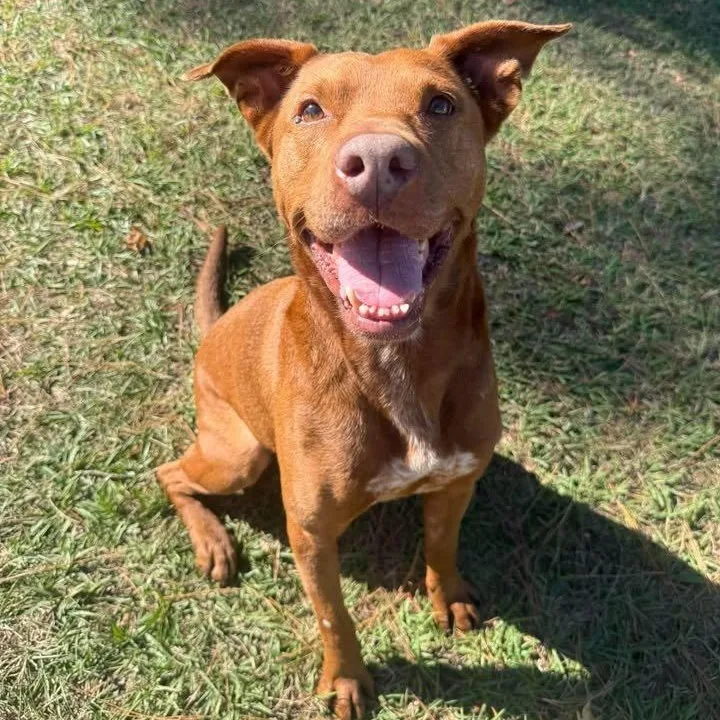
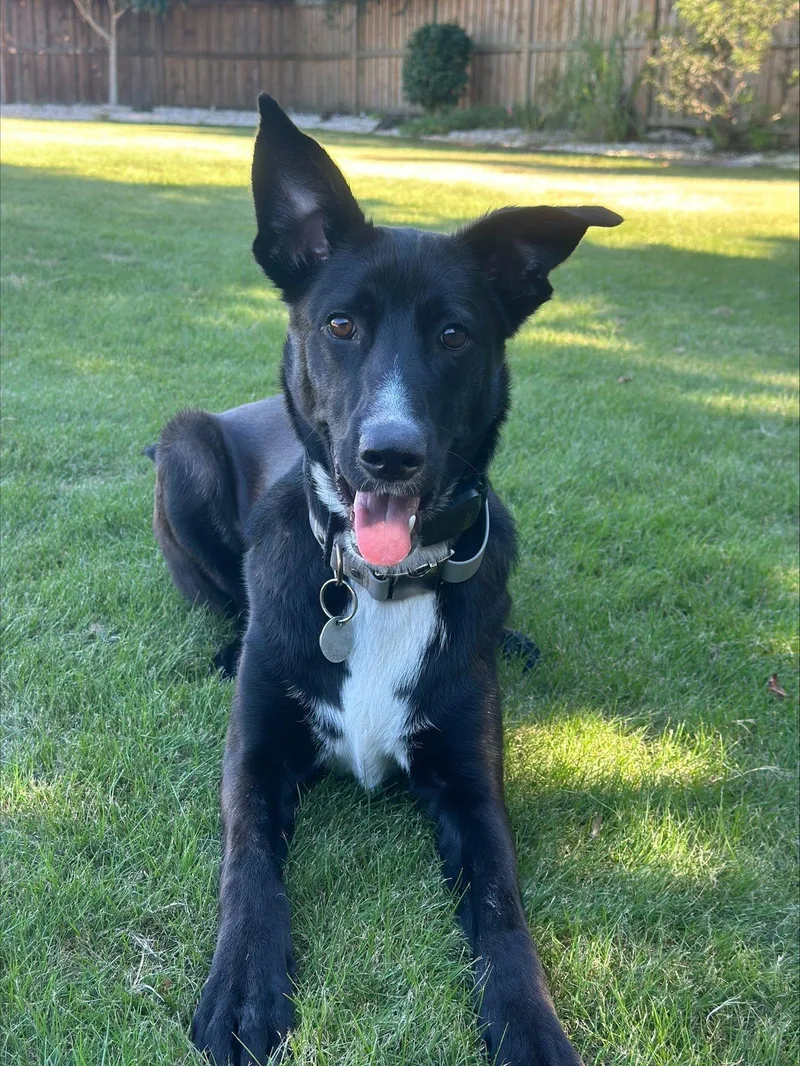
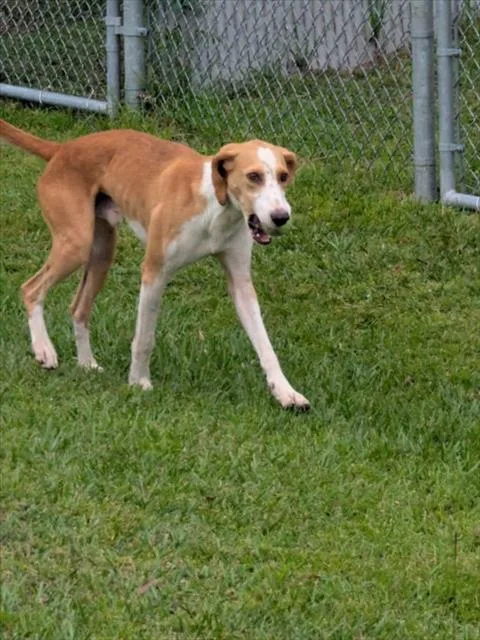
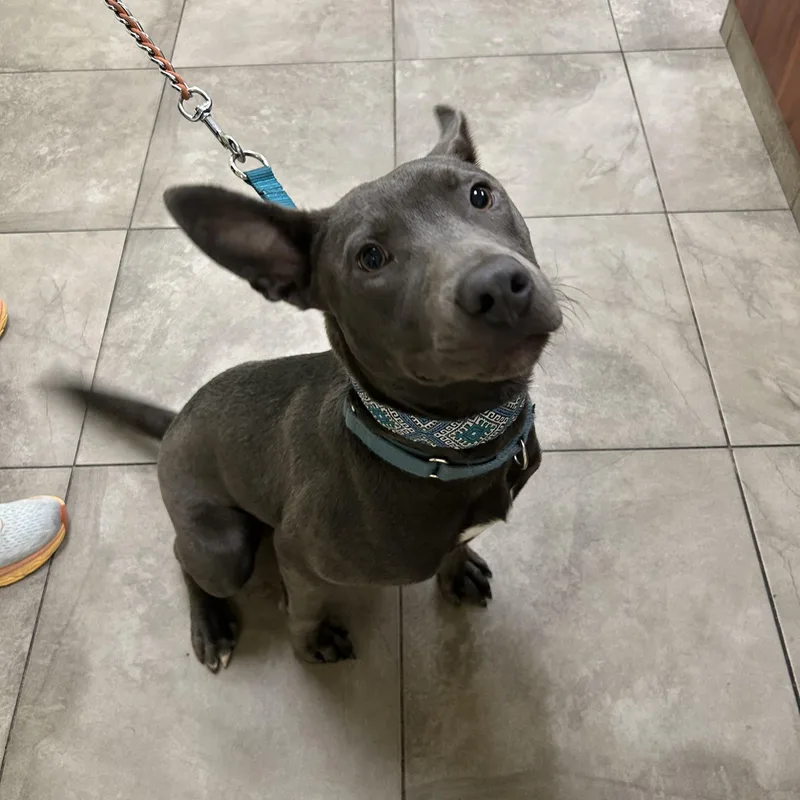
Australian Cattle Dog / Blue Heelers for Adoption in Wilmington, NC

Your guide to finding and caring for an Australian Cattle Dog / Blue Heeler in Wilmington

Blue Heelers fit Wilmington best when someone has the time to give them a real job each day. A Sunset Park Cape Cod with a fenced yard works well, with laps on the Gary Shell Cross-City Trail to burn off herding energy. Heelers like to chase anything that moves, so keep them leashed around cyclists. They're sharp, loyal and happiest learning something new, which makes training classes and puzzle games as important as walks. Summer humidity pushes the hard exercise to the coolest part of the day.

4341 Australian Cattle Dog / Blue Heelers available in Wilmington and nationwide

Say hello to your Blue Heeler

While we don't have enough dogs near Wilmington, keep in mind that many rescues may offer transport.

Australian Cattle Dog / Blue Heelers Available for Adoption Near Wilmington

About the Australian Cattle Dog / Blue Heeler breed

Australian Cattle Dogs were developed in nineteenth-century Australia to drive cattle over long distances, and they still carry that working mindset. They're medium-sized and muscular, usually 35 to 50 pounds, with a hard, weather-resistant double coat in blue or red speckle. That short coat sheds water well, which helps in a rainy place like Wilmington, and it stays tidy with a weekly brushing.

Heelers tend to bond closely with one person and stay reserved with strangers. They learn fast and can outsmart a casual owner, so consistent, reward-based training pays off. Nipping and chasing are common herding habits, and early socialization helps. A Heeler's stamina often outlasts its owner's, so planning honestly for daily exercise matters more than yard size.

Weight
35–50 lbs
Height
17–20 in
Lifespan
12–16 yrs
Temperament
Energetic, Intelligent, Loyal, Alert
Group
Herding
Shedding
Moderate

Owning an Australian Cattle Dog / Blue Heeler in Wilmington

Having an Australian Cattle Dog / Blue Heeler in Wilmington

In Wilmington, a Blue Heeler's stamina and sharp mind matter most. Heat and humidity shape when you can exercise, and the right home offers daily outlets for energy, a secure fence or a reliable leash routine, and steady training.

Temperament

Heelers are loyal, alert and confident, often attached to one person and reserved with strangers. On busy downtown sidewalks or the Riverwalk, that wariness calls for early socialization and calm leash manners. Herding instincts can show up as nipping at heels or bossing other pets, though drive varies from dog to dog.

Exercise Needs

Plan on an hour or more of vigorous activity daily, plus mental work like training games and puzzle toys. Wilmington's trails and fenced dog park areas help, but summer heat and humidity mean running is best in the coolest part of the day. A short stroll rarely tires a young Heeler.

Health Considerations

Heelers are often long-lived, but breed concerns include deafness, progressive retinal atrophy, lens luxation and hip and elbow dysplasia. A veterinarian can check hearing, eyes and joints. Wilmington's warm, wet climate makes year-round heartworm prevention, and a heartworm test, worth discussing with your vet.

Living Space

A home with a securely fenced yard suits a Heeler best, and it also fits the county's ban on tying dogs out. Apartments can work for owners who commit to long daily outings. Expect alert barking at hallway and sidewalk noise, and a dog who wants to stay close.

What it costs to own an Australian Cattle Dog / Blue Heeler in Wilmington

ExpenseTypical costPer year
Food$35 to $70 per month$420 to $840
Pet insurance$55 to $100 per month$660 to $1,200
Routine vet care$225 to $450 per year$225 to $450
Other*$435 to $1,160 per year$435 to $1,160
Estimated yearly total (after year one)$1,740 to $3,650

Other costs are estimates and vary with size, age and health.

* The $10 county dog registration for a spayed or neutered dog, flea, tick and heartworm prevention, a dental cleaning allowance, durable toys and bedding, and light home grooming for a short coat.

Adopt an Australian Cattle Dog / Blue Heeler in Wilmington.

Now that you know more, let’s find you a new best friend. These rescues and shelters below currently have Australian Cattle Dog / Blue Heelers available.

Rescues in Wilmington with Australian Cattle Dog / Blue Heelers Available

Wilmington's shelters and rescues care for dogs of every size and mix, and the listings here change as new pets arrive. Here are the rescues & shelters in the Wilmington area where you can find Australian Cattle Dog / Blue Heelers and other dogs available for adoption.

Frequently Asked Questions

Empie Park's fenced dog park is the top pick for off-leash running, with separate large- and small-dog areas. For leashed outings, try the 1.75-mile Riverwalk or the 15-mile Gary Shell Cross-City Trail, where a Heeler's chasing instinct needs watching around cyclists. City parks require leashes and pickup, with a $100 penalty.

A Blue Heeler fits Wilmington if you're active and consistent. Trails, a fenced dog park and mild winters give a Heeler plenty of outlets, while humid summers mean early or late workouts. It's a weaker match for people away all day, since bored Heelers often turn to chewing, barking and nipping.

Yes, you can own a Blue Heeler in Wilmington, and no breed ban is known. You'll need a rabies vaccination from four months, county registration and a leash in public. Tying a dog outside is banned in New Hanover County, so plan on a secure fence or indoor time.

Blue Heelers can handle Wilmington summers with care. Heat and humidity are the challenge, with warm nights and about 45 days at 90°F or higher. Walk at the coolest hours, offer water and shade, skip hot pavement, and keep exercise lighter on muggy afternoons. Never leave a dog in a parked car.

A Blue Heeler can live in a Wilmington apartment if you commit to long daily exercise and training. With about half of local households renting, plenty of people manage it. Expect some barking at hallway noise, and a fence isn't available, so reliable leash routines and a quiet resting spot matter.

No, Wave Transit prohibits pets on its buses and in its facilities, even in carriers. Only service animals are permitted, and the on-demand RideMICRO service has the same rule. For vet visits or outings with your Blue Heeler, plan on a car or a rideshare that accepts dogs.

A Blue Heeler needs little grooming: a weekly brushing, more often during seasonal coat blow in spring and fall. Wilmington's humidity and rain make drying the coat and paws after wet walks worthwhile. Baths are occasional, and professional grooming is rarely necessary, so costs stay modest within the yearly Other budget.

Sometimes. North Carolina lets restaurants allow leashed dogs on outdoor patios that can be reached without walking through the indoor dining area, but each restaurant decides. Dogs aren't allowed inside. A Heeler wary of strangers does best with practice settling calmly on a mat before a patio visit.

We have 1 rescue with Australian Cattle Dog / Blue Heelers available: New Hanover County Sheriff Animal Services Unit. You can see every rescue with Australian Cattle Dog / Blue Heelers available in the list above these questions, or scroll to the top to see the Australian Cattle Dog / Blue Heelers near Wilmington.

Expect roughly $1,740 to $3,650 a year for a Blue Heeler in Wilmington. That covers food at $35 to $70 a month, insurance at $55 to $100 a month, routine vet care at $225 to $450 a year, and other costs of $435 to $1,160 a year.