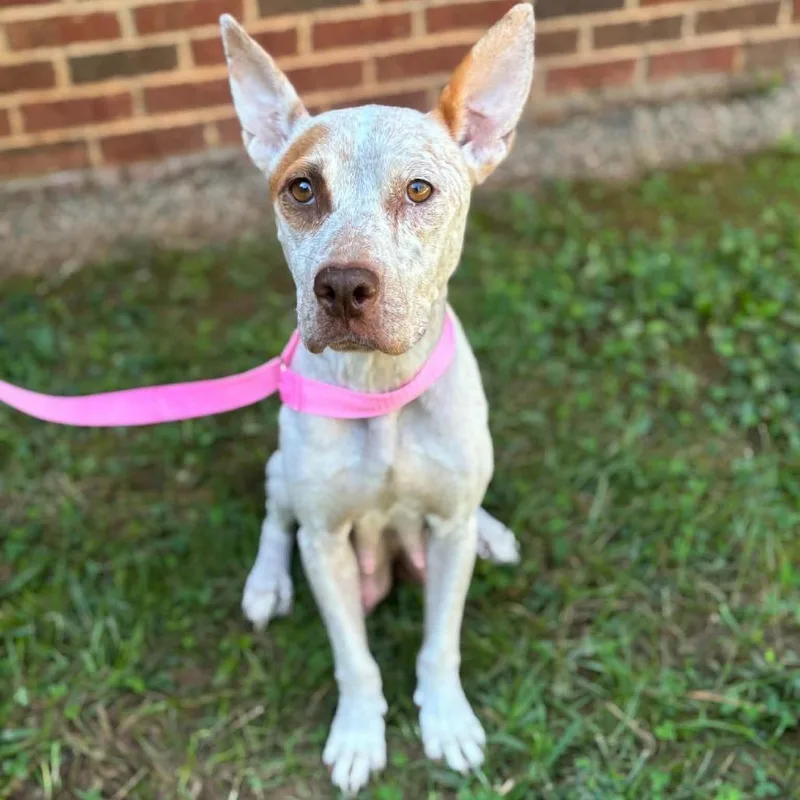
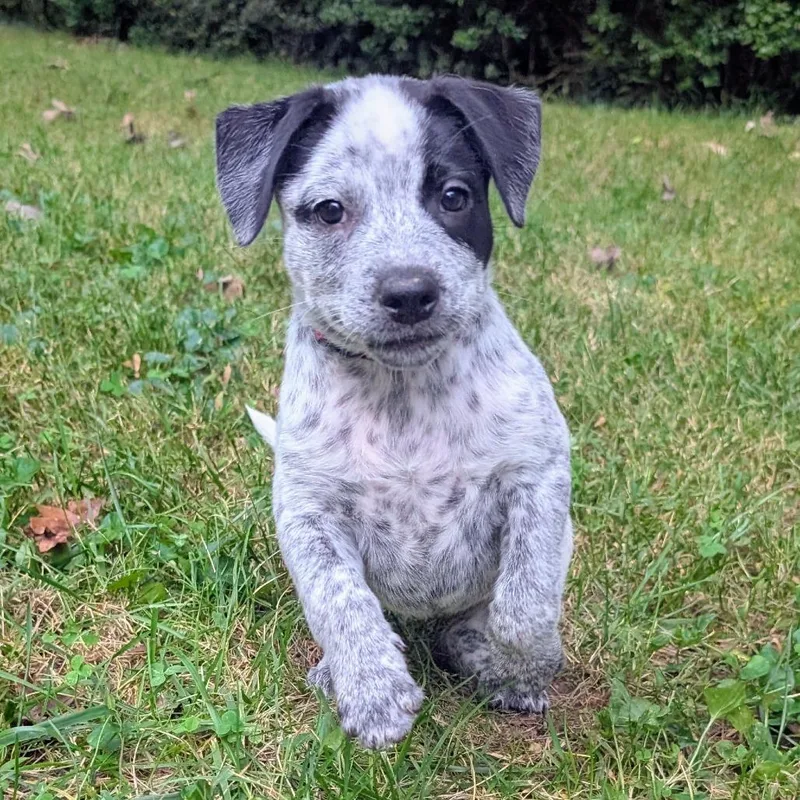
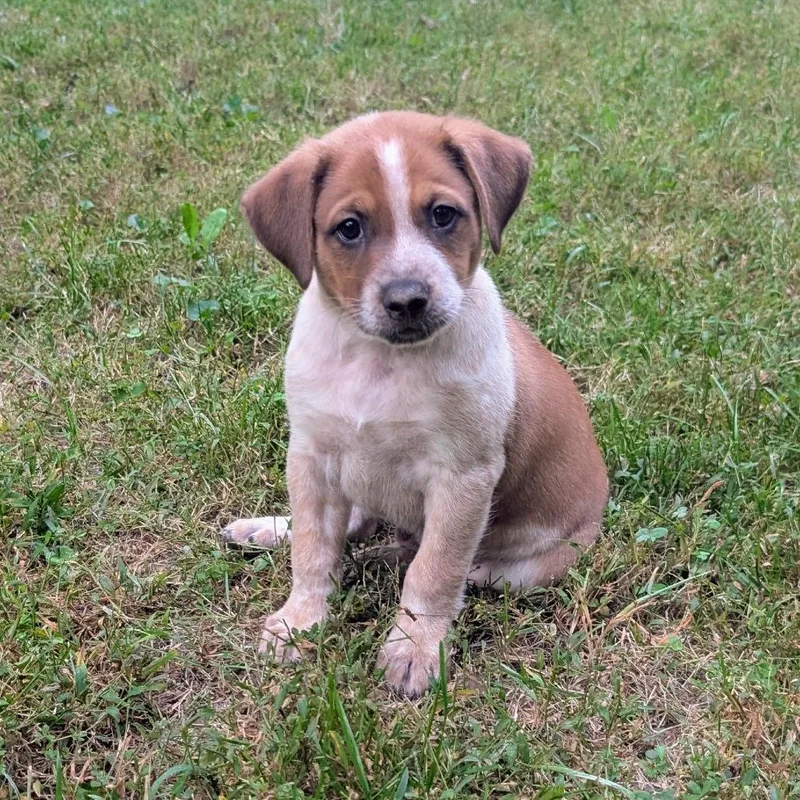
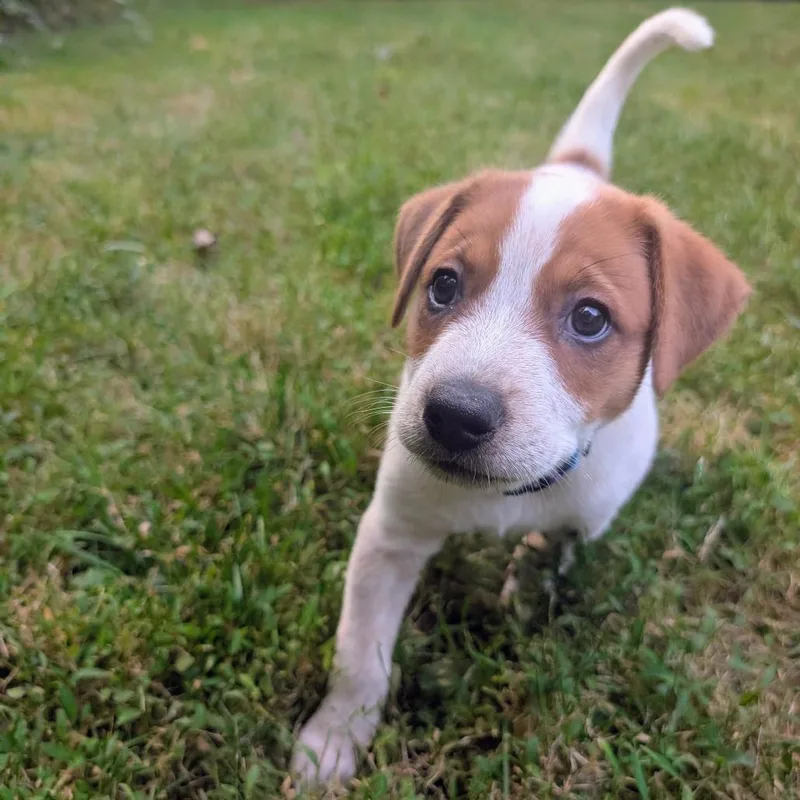
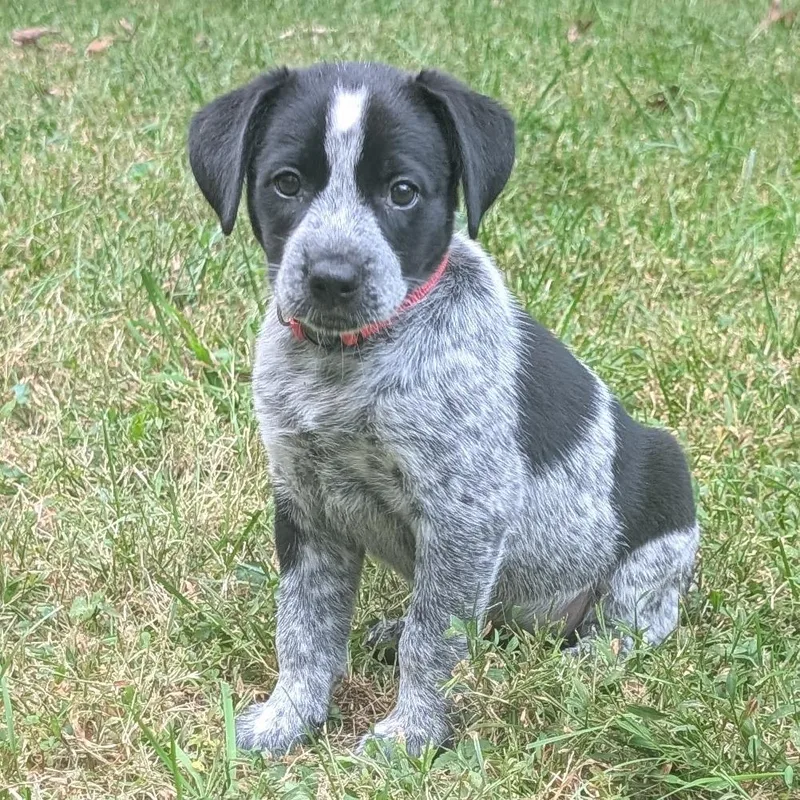
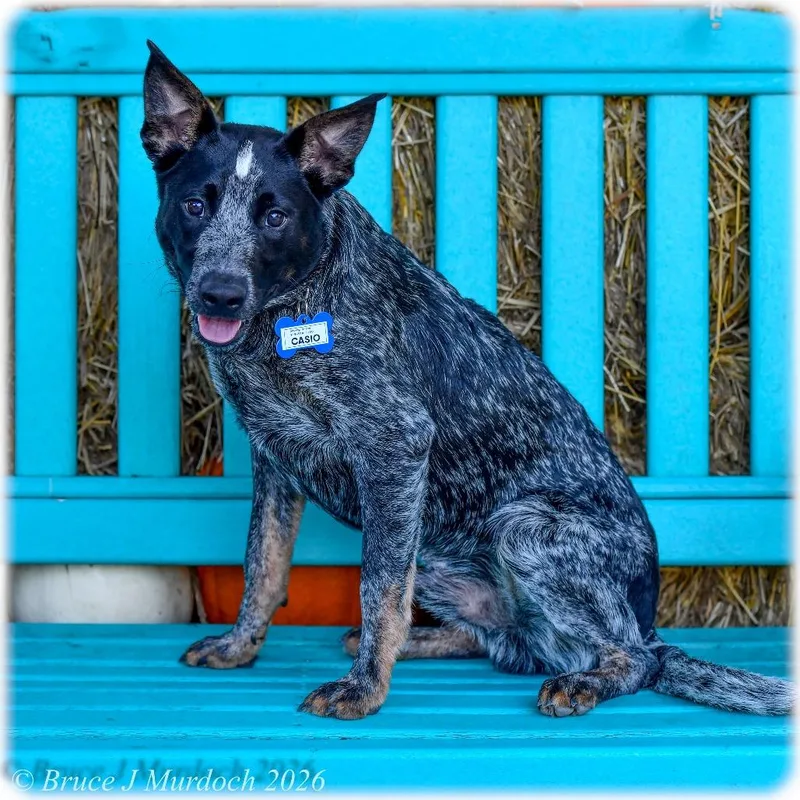
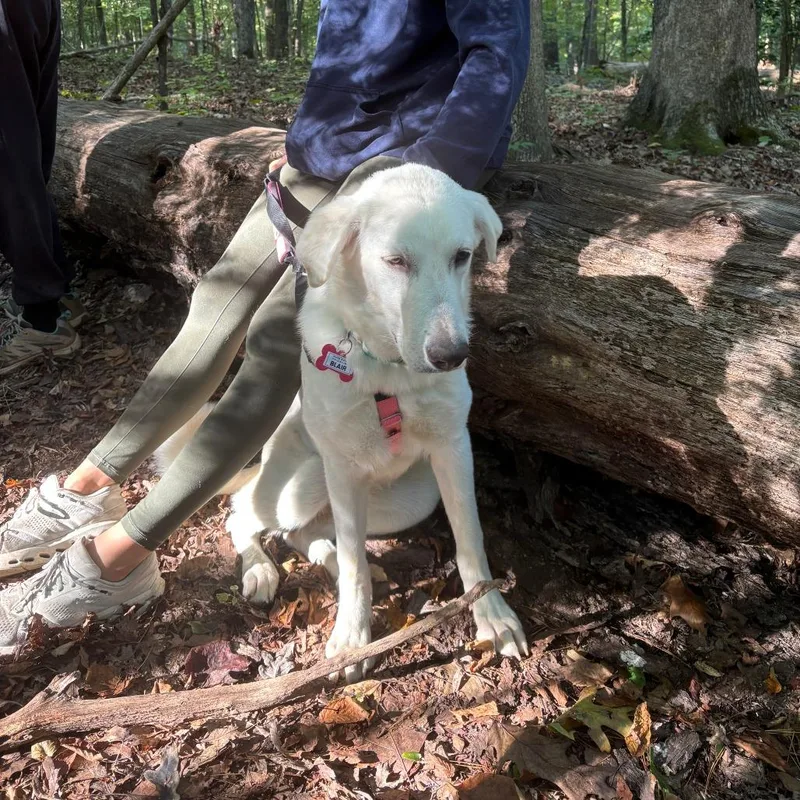
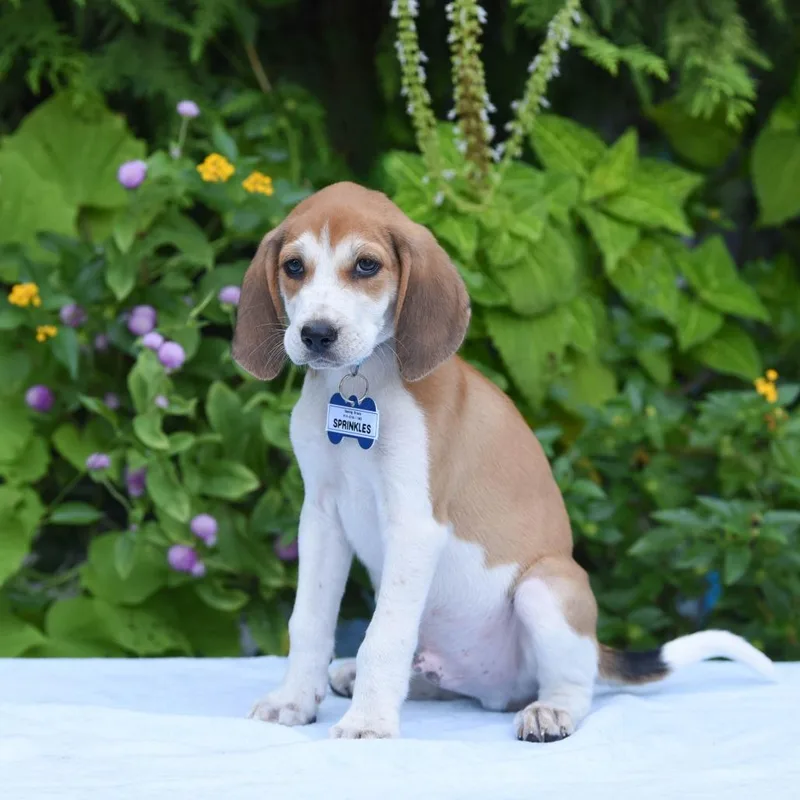
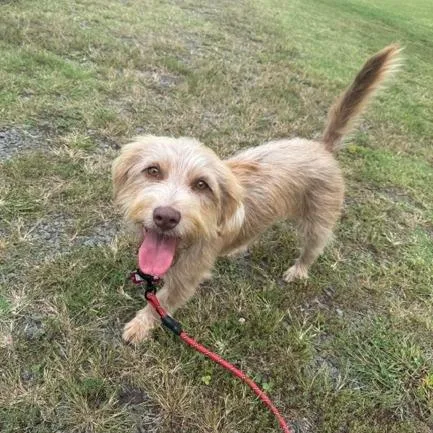
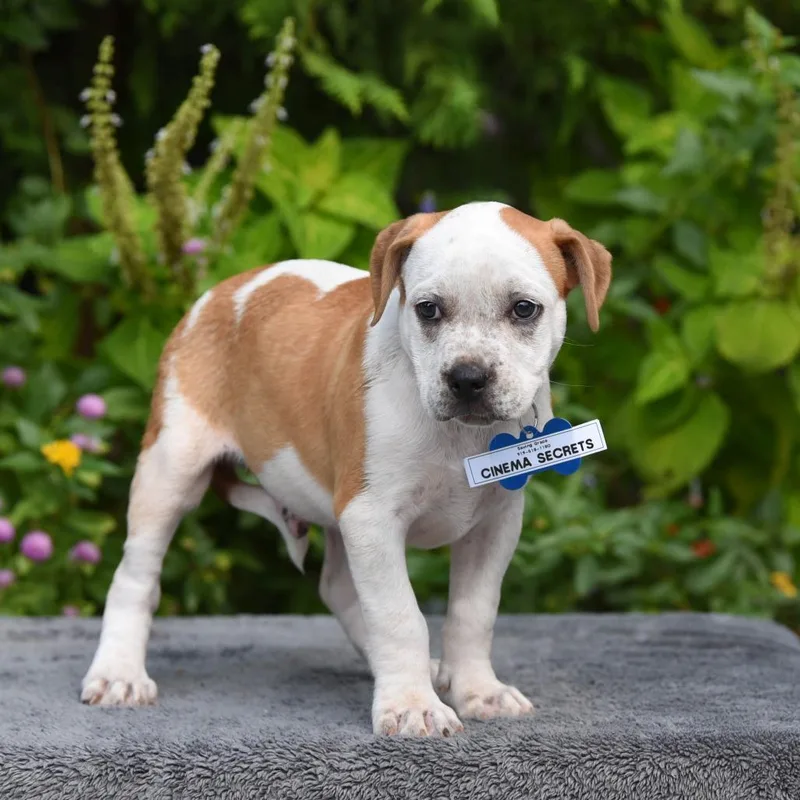
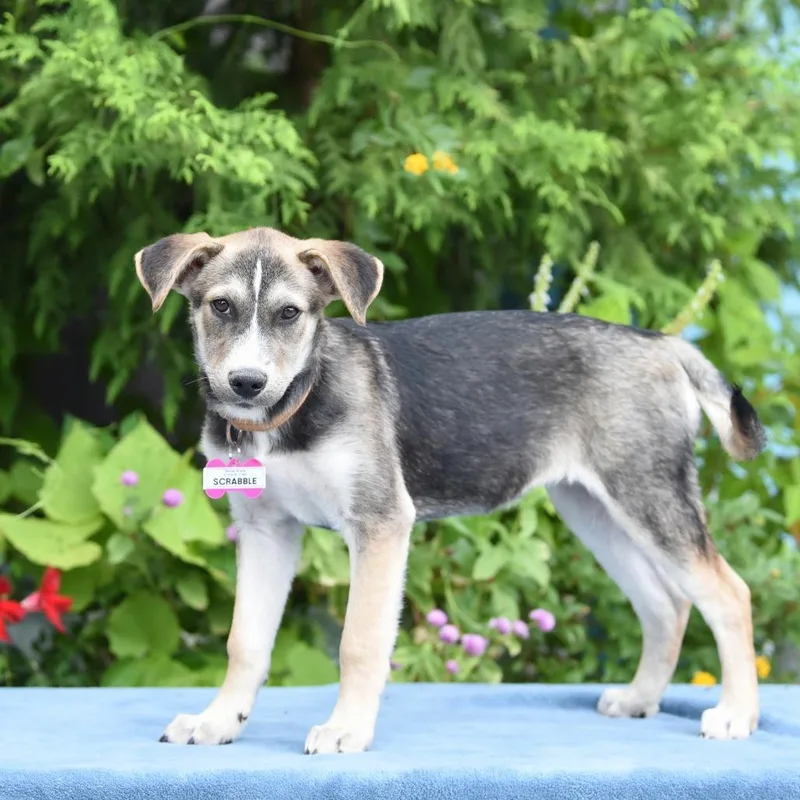
Cattle Dogs for Adoption in Wake Forest, NC

Your guide to finding and caring for a Cattle Dog in Wake Forest

Cattle Dogs have room to run in Wake Forest, thanks to the town's 20-plus miles of greenway. A heeler-type dog can cover the Smith Creek Greenway, trot the paved loops at Joyner Park, then settle on the porch of a Heritage home. The label covers a lot of mixes, so size and energy vary. Plan on about an hour of real exercise a day, plus a job for the dog's brain.

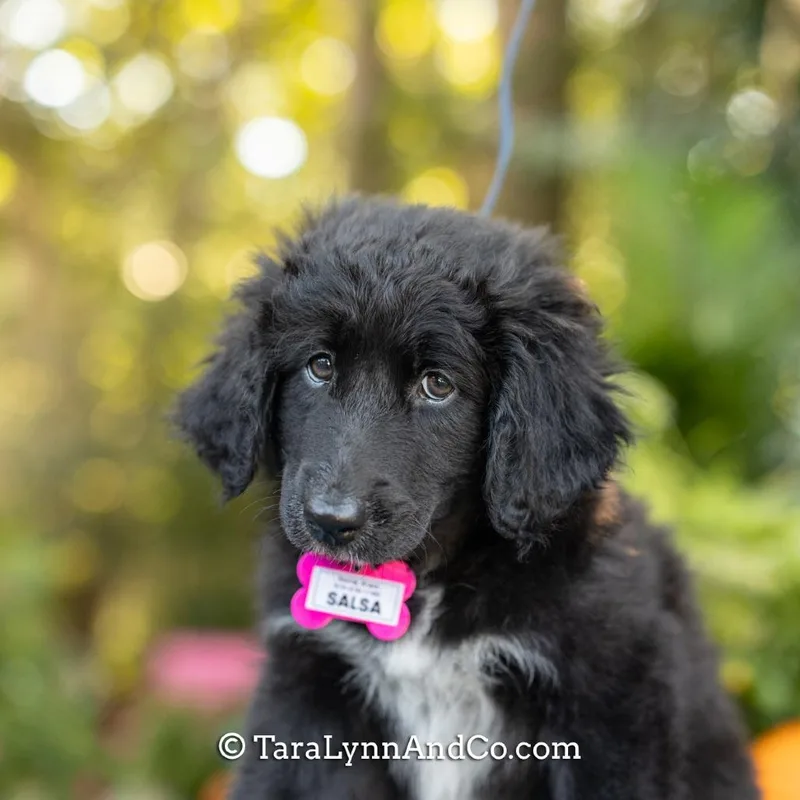
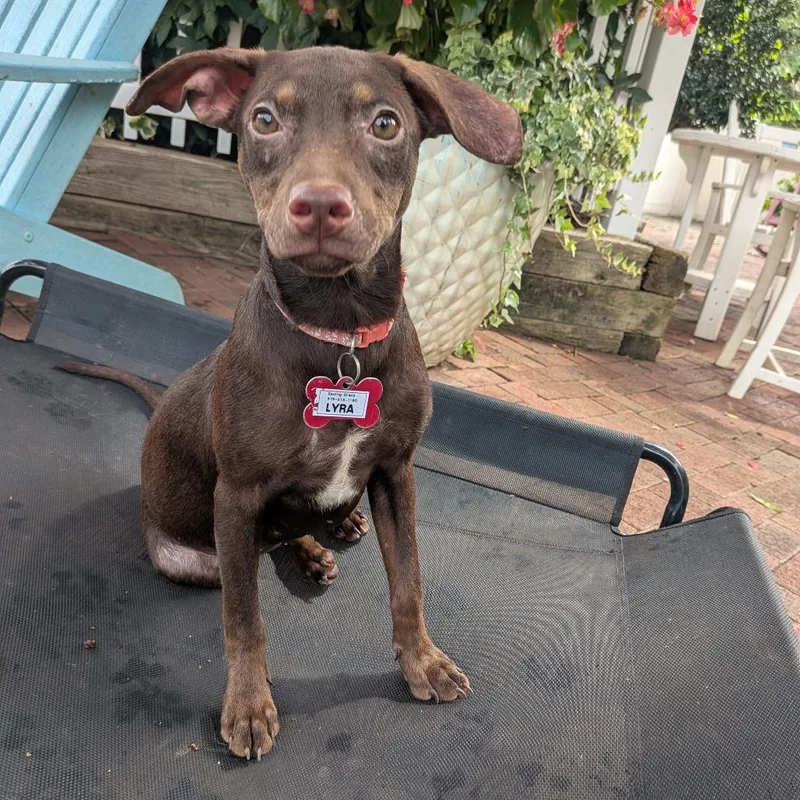
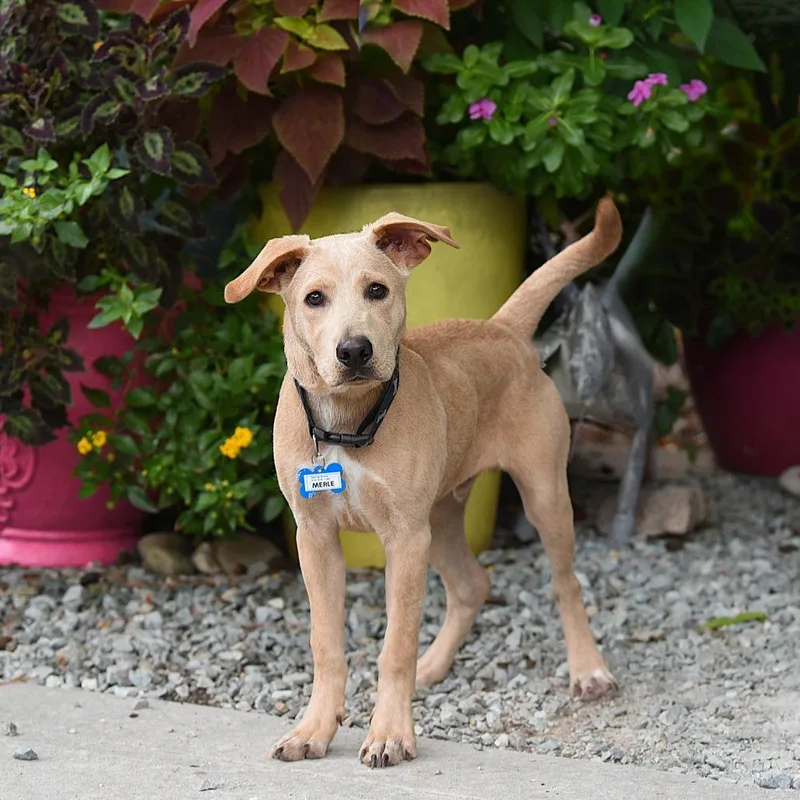
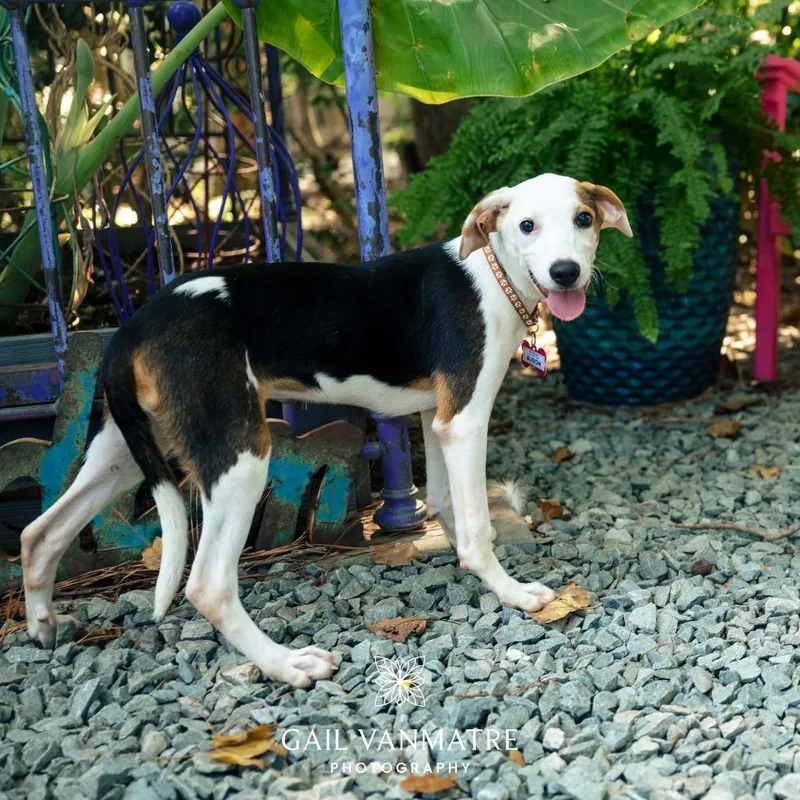
2015 Cattle Dogs available in Wake Forest and nationwide

Fall for a Cattle Dog

Cattle Dogs Available for Adoption Near Wake Forest

About the Cattle Dog breed

Cattle Dog is a shelter label more than a single breed. Most dogs carrying it are Australian Cattle Dogs, known as Blue or Red Heelers, or mixes with one. The Australian Cattle Dog was developed in nineteenth-century Australia to drive cattle over long distances by nipping at their heels, which explains the stamina, toughness and independent thinking.

Most are medium-sized, muscular and short-coated, around 30 to 50 pounds. Many bond closely with their people, stay reserved with strangers, and want something to do. Texas Heelers and crosses with Border Collies or Labs can look and act a bit different, so the dog in front of you matters more than the label.

Weight
30–50 lbs
Height
17–20 in
Lifespan
12–16 yrs
Temperament
Energetic, Loyal, Intelligent, Protective
Group
Herding
Shedding
Moderate

Owning a Cattle Dog in Wake Forest

Having a Cattle Dog in Wake Forest

Heeler-type dogs bring endurance, quick thinking and loyalty, whatever their mix. That suits active households with time for walks and training, and it can overwhelm a quiet, sedentary one. Wake Forest's greenways and parks make the daily workload easier to meet.

Temperament

Cattle Dogs tend to be loyal, alert and attached to one person or family, often reserved with strangers. Some nip at running kids, bikes or other pets, and some guard their space. Early socialization and consistent training help a great deal. Mixes vary, so watch how each dog reacts to children, dogs and cats.

Exercise Needs

Plan on at least an hour of vigorous activity daily, plus mental work like puzzle toys, scent games and short training sessions. Wake Forest's paved greenways and Joyner Park's loops handle the miles, and Flaherty Dog Park offers off-leash play. Bored heelers tend to chew, bark and test fences.

Health Considerations

Australian Cattle Dogs and their mixes are often hardy, but congenital deafness, progressive retinal atrophy, lens luxation and hip or elbow problems occur. Their fearless style can mean cruciate tears and other injuries. A veterinarian can check hearing and eyes, and keeping the dog lean protects its joints. In Wake Forest, ticks and heartworm prevention matter year-round.

Living Space

A securely fenced yard suits most Cattle Dogs, and Wake Forest has plenty of single-family homes with them. Active owners in apartments or townhomes can manage with reliable daily exercise. Heelers are known escape artists when bored, so check fences and gates, and expect a dog that wants to be indoors with the family.

What it costs to own a Cattle Dog in Wake Forest

ExpenseTypical costPer year
Food$35 to $70 per month$420 to $840
Pet insurance$45 to $85 per month$540 to $1,020
Routine vet care$225 to $450 per year$225 to $450
Other*$425 to $1,150 per year$425 to $1,150
Estimated yearly total (after year one)$1,610 to $3,460

Other costs are estimates and vary with size, age and health.

* Flea, tick and heartworm prevention, a dental cleaning allowance, durable toys and bedding, and light home grooming; Wake Forest has no pet license fee.

Adopt a Cattle Dog in Wake Forest.

Now that you know more, let’s find you a new best friend. These rescues and shelters below currently have Cattle Dogs available.

Rescues in Wake Forest with Cattle Dogs Available

Wake County's shelter and local rescues serve Wake Forest; the ones below show which dogs are available now. Here are the rescues & shelters in the Wake Forest area where you can find Cattle Dogs and other dogs available for adoption.

Frequently Asked Questions

Yes, you can. No known breed ban or restriction applies to Cattle Dogs in Wake Forest, and Wake County enforces animal rules there instead of the town. North Carolina requires rabies vaccination and tags, dogs can't run at large, and Wake Forest doesn't require a pet license. Dangerous-dog rules depend on a dog's behavior, not its breed.

It can be, for active households. Wake Forest has over 20 miles of greenway, Joyner Park's paved loops and a fenced dog park, which cover a heeler's daily exercise. Cattle Dogs do best with a yard, steady training and someone home a fair amount. Quiet, sedentary households may find the energy and herding habits hard to manage.

Flaherty Dog Park at 1100 N. White St. offers off-leash play in a fenced area, for dogs six months and older. For leashed miles, try E. Carroll Joyner Park's 3 miles of paved trail, the Wake Forest Reservoir's 1.6-mile natural trail, or the Smith Creek Greenway, which links south to the Neuse River Trail.

Yes, with sensible precautions. Wake Forest summers are humid, with highs in the upper 80s and hot spells into the 90s. Exercise early in the morning or after sunset, keep water handy, avoid hot pavement, and never leave a dog in a parked car. Trim the coat if needed, but don't shave it.

Mostly not. Go Wake Forest's on-demand rides allow pets only in an airline-approved carrier, which a 30- to 50-pound Cattle Dog won't fit. The GoTriangle WRX bus to Raleigh takes service animals only. A Cattle Dog that isn't a service animal is easiest to take by car.

Sometimes, on patios. North Carolina allows leashed dogs in outdoor dining areas if they don't pass through indoor spaces, but each restaurant decides whether to allow them. Dogs aren't allowed inside. Wary heelers do best with a settled, quiet routine, so bring a mat and a chew, and sit away from foot traffic.

Not much. The short double coat needs weekly brushing, and a few times a week during heavy shedding in spring and fall. Baths are occasional. Wake Forest's hot summers are no reason to shave, since trimming is safer. Most owners groom at home, which fits the low end of the other costs in the cost chart.

Most cattle dogs live about 12 to 16 years, and many Australian Cattle Dogs reach 13 or 14. Mixes can fall anywhere in that range. Keeping a dog lean, active, vaccinated and up to date on veterinary exams supports a long life, though no breed label can promise a particular lifespan for a particular dog.

We have 1 rescue with Cattle Dogs available: Saving Grace Animals for Adoption. You can see every rescue with Cattle Dogs available in the list above these questions, or scroll to the top to see the Cattle Dogs near Wake Forest.

Plan on roughly $1,600 to $3,450 a year for a Cattle Dog in Wake Forest. That covers food at $35 to $70 a month, insurance at $45 to $85 a month, routine vet care of $225 to $450 a year, and other costs of $425 to $1,150 a year, such as prevention and dental care.