Mastiff Dogs for Adoption in Gastonia, NC

Your guide to finding and caring for a Mastiff in Gastonia

A Mastiff fits Gastonia best in a house with a yard, like the wood-frame homes in York-Chester. Those older streets have front and back yards and deeper setbacks, so a dog this size has room to flop in the shade after a walk. Mastiffs are calm indoors but heavy, so plan on unhurried strolls, such as the paved loop around Rankin Lake, and a cool place to rest when July turns humid. If you're considering adopting one, think about your stairs and your car first.

909 Mastiffs available in Gastonia and nationwide

Give a Mastiff a home

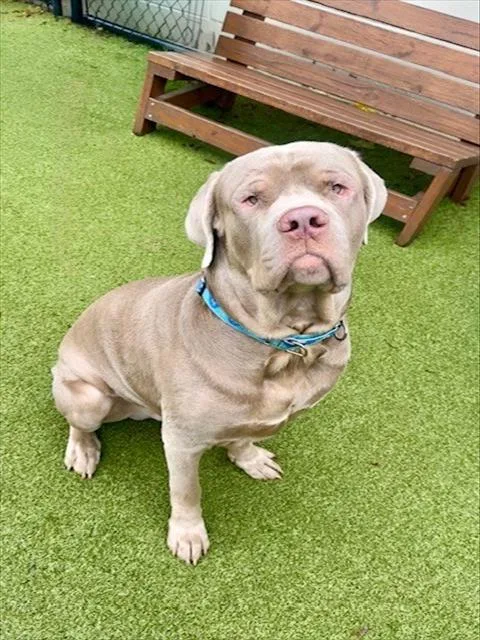
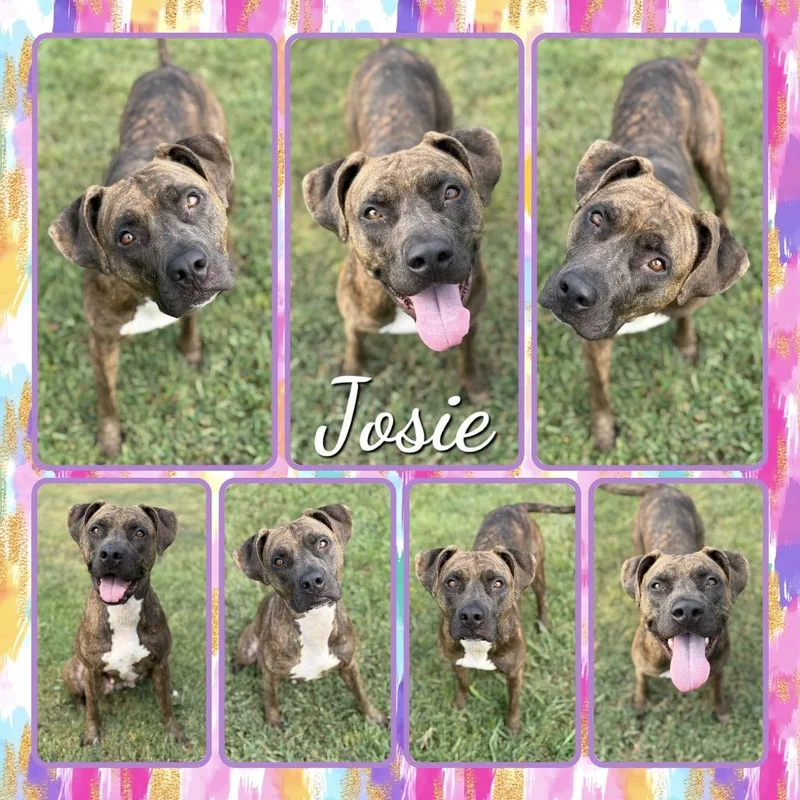
While we don't have enough dogs near Gastonia, keep in mind that many rescues may offer transport.

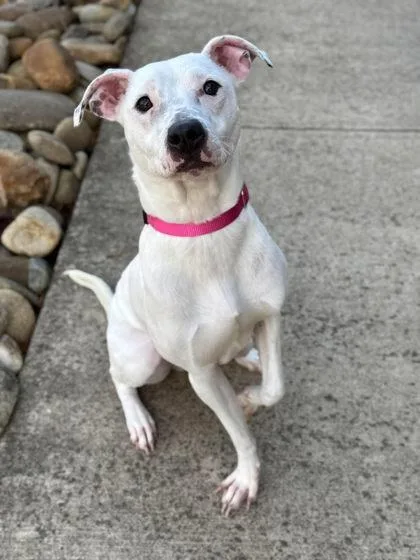
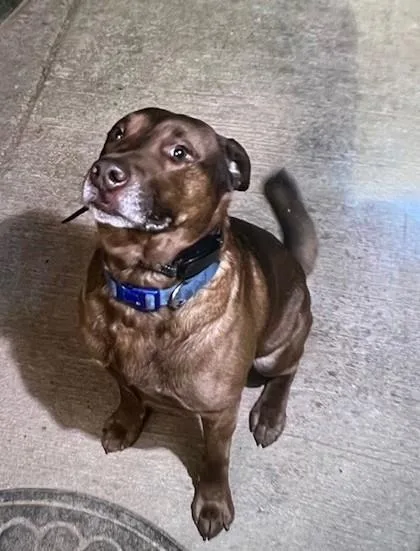
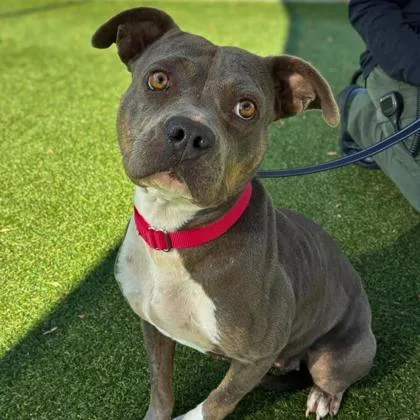
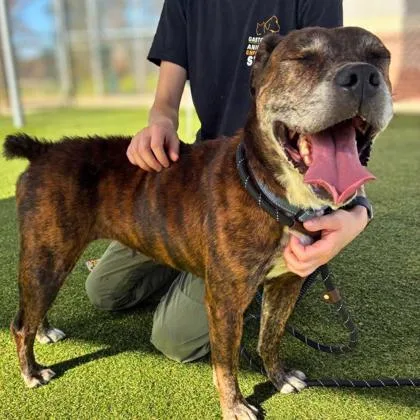
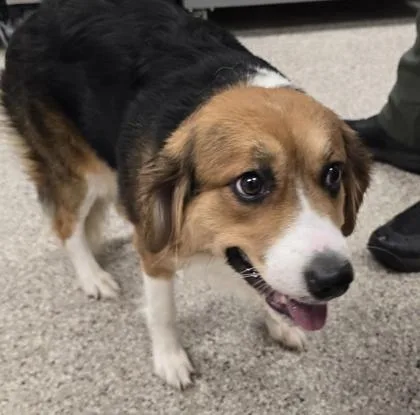
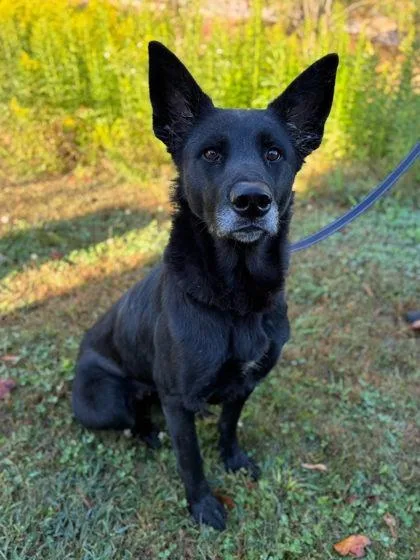
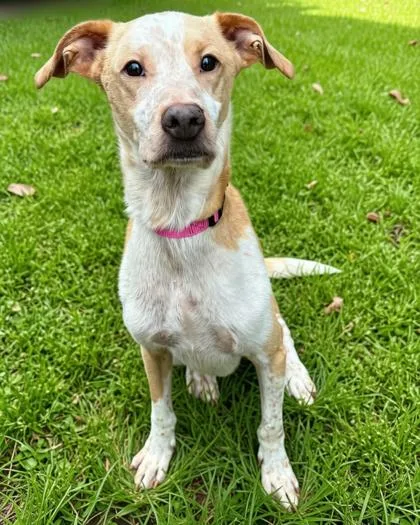
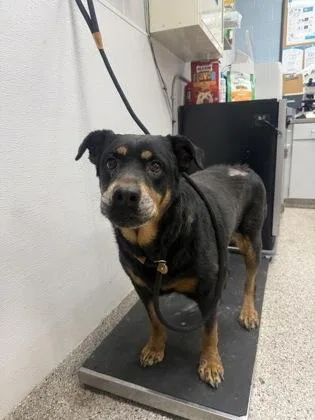
Mastiffs Available for Adoption Near Gastonia

About the Mastiff breed

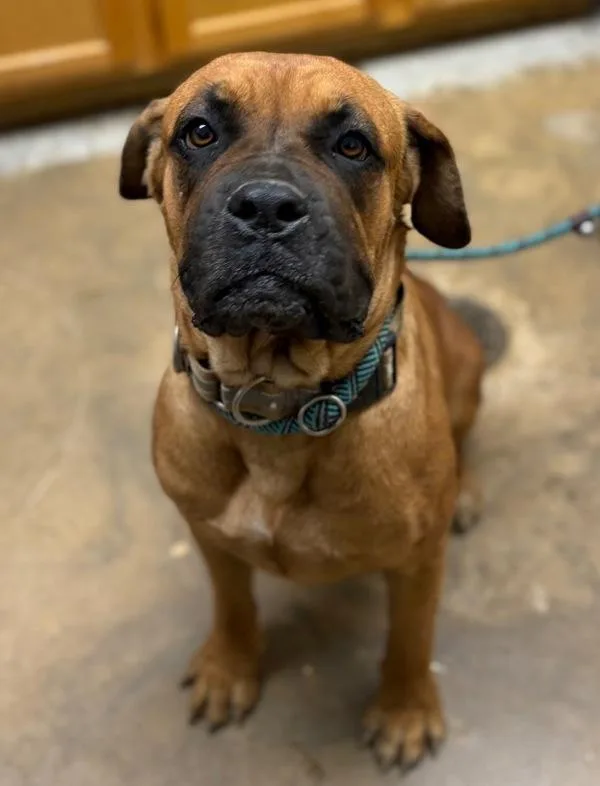
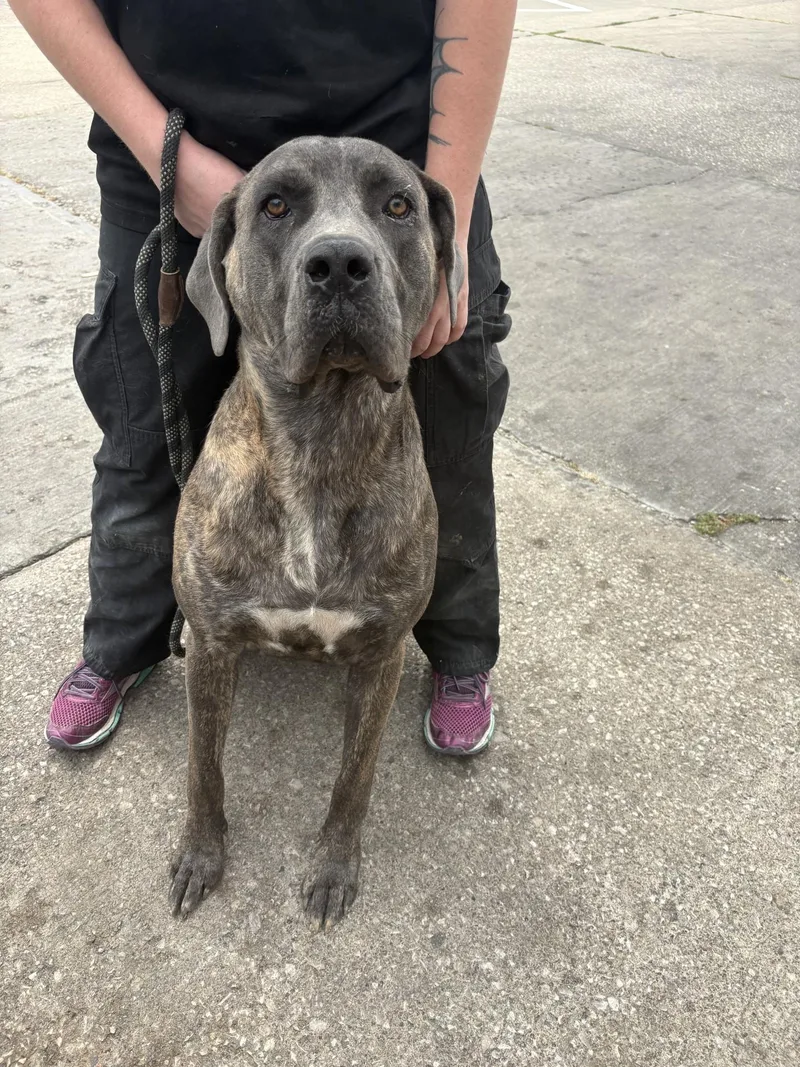
The Mastiff, also called the English Mastiff, is a massive, heavy-boned guardian with a broad head, dark mask and short fawn, apricot or brindle coat. Large guard dogs have lived in Britain for centuries, and the breed nearly vanished after World War II before being rebuilt from a small number of dogs.

Most Mastiffs are calm, dignified and gentle with family, with a quiet watchfulness toward strangers. They're more couch-loving than athletic, but size changes everything: adults commonly weigh well over 120 pounds, lean on people, drool and shed moderately. In Gastonia, that means sturdy gear, a car that fits a giant crate, and a budget for giant-breed food and vet care. Lifespans run shorter than in smaller breeds, often six to ten years, and each Mastiff differs in energy and manner.

Weight
120–230 lbs
Height
27–36 in
Lifespan
6–10 yrs
Temperament
Gentle, Dignified, Protective
Group
Working
Shedding
Moderate

Owning a Mastiff in Gastonia

Having a Mastiff in Gastonia

Mastiffs pair a steady, easygoing nature with a very large body. The cards below cover how that size shapes exercise, health and housing, and what it means for Gastonia's heat, yards and rental market.

Temperament

Mastiffs are typically calm, affectionate and patient with family, and often reserved with strangers. Dogs vary, so watch how a dog handles new people and noises. Early, reward-based training and steady socialization matter, since an adult this heavy can't be managed by strength. Some are stubborn, so keep sessions short and positive.

Exercise Needs

Expect moderate exercise: a couple of unhurried walks and relaxed play each day. In Gastonia, the paved Avon & Catawba Creeks Greenway suits steady leashed walking, but summer mornings stay warm, so keep outings short, shaded and followed by rest. Young dogs should avoid hard running and repeated jumping while their joints develop.

Health Considerations

Mastiffs are prone to hip and elbow dysplasia, bloat, obesity and bone cancer, and some carry heart or eye conditions. Learn bloat's signs, such as a swollen belly and unproductive retching, because it's an emergency. Keep the dog lean, and ask a veterinarian to check hips and heart. Rabies is active in Gaston County, so keep vaccines current.

Living Space

A house with a fenced yard and few stairs is easiest, and Gastonia has plenty, from York-Chester's older homes to newer east-side subdivisions. Apartments can work in ground-floor units or buildings with elevators. Plan for a giant crate, washable covers and drool towels, and keep the dog indoors in hot weather.

What it costs to own a Mastiff in Gastonia

ExpenseTypical costPer year
Food$80 to $160 per month$960 to $1,920
Pet insurance$85 to $170 per month$1,020 to $2,040
Routine vet care$250 to $500 per year$250 to $500
Other*$585 to $1,660 per year$585 to $1,660
Estimated yearly total (after year one)$2,815 to $6,120

Other costs are estimates and vary with size, age and health.

* The $10 Gaston County license for a spayed or neutered dog, giant-dose flea, tick and heartworm prevention, a dental cleaning allowance, durable toys and bedding, basic coat care and joint supplements.

Adopt a Mastiff in Gastonia.

Now that you know more, let’s find you a new best friend. These rescues and shelters below currently have Mastiffs available.

Rescues in Gastonia with Mastiffs Available

Gastonia's adoption community includes a county shelter and local nonprofits, and the dogs listed here change often as they find homes. Here are the rescues & shelters in the Gastonia area where you can find Mastiffs and other dogs available for adoption.

Frequently Asked Questions

Yes, you can own a Mastiff in Gastonia. Gaston County's animal ordinance applies citywide and has no known breed bans, so Mastiffs are judged by behavior like any dog. You'll need a county license tag on the collar, a current rabies vaccination and a leash off your property. Repeated barking can count as a nuisance, so early training helps.

Mastiffs can handle Gastonia summers with care, but heat is their biggest risk. About 50 days a year hit 90°F and nights stay near 70°F, so walk at dawn or after dark, keep outings short, and provide shade, water and air conditioning. Never leave a Mastiff in a parked car; North Carolina law lets officials enter vehicles to rescue animals.

A Mastiff suits Gastonia if you want a calm homebody and can manage heat and cost. Many homes have yards, winters are mild, and walking routes are flat. The tradeoffs are humid summers, giant-breed bills and storm-season power outages, so you'll want a cooling plan. Runners and people away all day may prefer another breed.

Yes, a Mastiff can live in a Gastonia apartment if the lease allows dogs of its size. Mastiffs are quiet and low-energy indoors, but they need room to stretch, an elevator or few stairs, and daily walks. Many rentals set weight limits, so read the pet policy and get any exception in writing before signing.

Flat, paved routes suit a Mastiff best: the Avon & Catawba Creeks Greenway, about three miles, and the 1.5-mile Highland Rail Trail. Dogs must be leashed in city parks and greenways. For off-leash time, George Poston Park's county dog park, open 7 a.m. to sunset, has a separate area for dogs over 25 pounds.

Gastonia has no fixed-route buses or subway. Public transit is GoGastonia, an on-demand service in shared minivans that carry up to five passengers. No pet policy is published, so check pet rules when booking. A 150-pound Mastiff is hard to fit into a shared van, so plan on a car for vet visits.

Only to patios, and only where the restaurant allows it. North Carolina permits restrained dogs in outdoor dining areas if they don't pass through indoor areas, but each restaurant decides. Pet dogs stay out of indoor dining rooms. A Mastiff takes up a lot of floor, so pick quiet times and bring a mat and water.

A Mastiff needs little grooming: weekly brushing, more often in spring when shedding rises. Wipe drool and facial folds, trim nails, and bathe only when needed. Gastonia's humidity can leave skin folds damp, so dry them well. Basic coat care is part of the Other costs in the cost table.

We have 1 rescue with Mastiffs available: Gaston County Animal Care and Enforcement. You can see every rescue with Mastiffs available in the list above these questions, or scroll to the top to see the Mastiffs near Gastonia.

Budget roughly $2,800 to $6,100 a year for a Mastiff in Gastonia, based on the ranges in the table for food, insurance, routine vet care and other yearly costs. Food and insurance are the biggest items, since giant dogs eat a lot and carry higher orthopedic and bloat risks. Emergency care and one-time gear like a giant crate are extra.