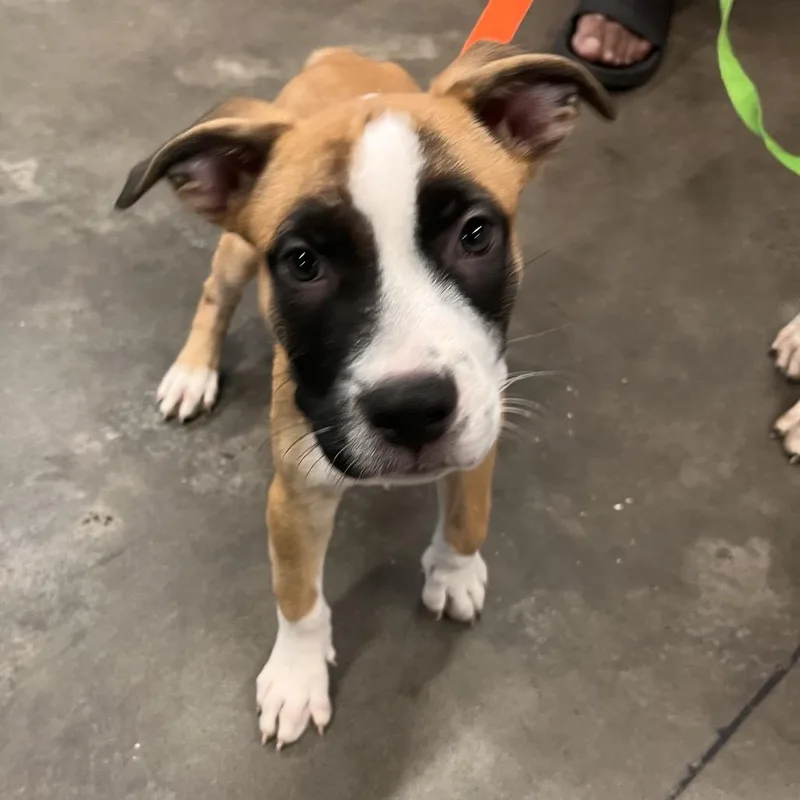
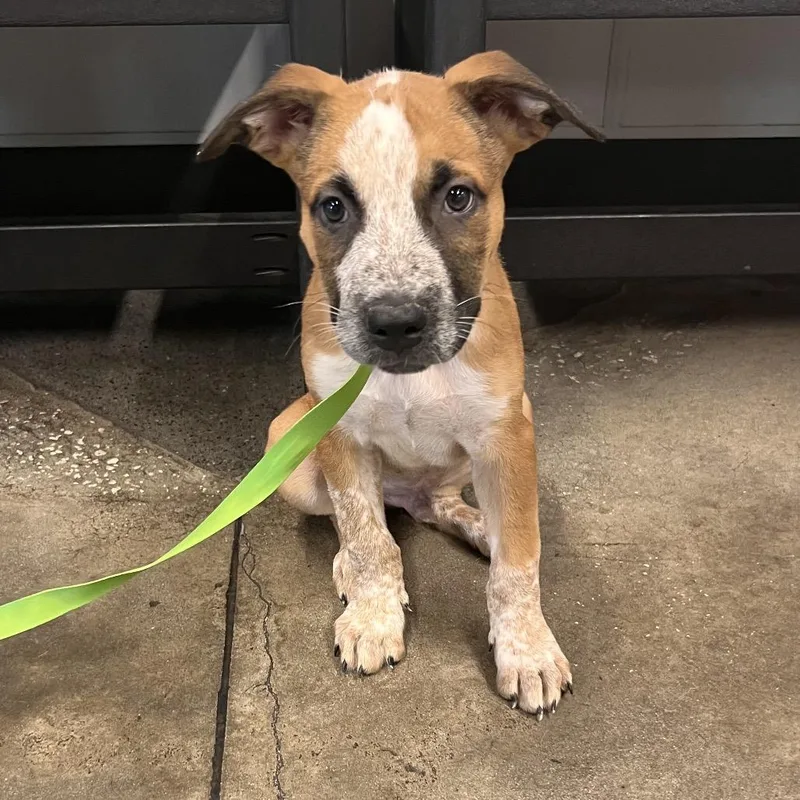
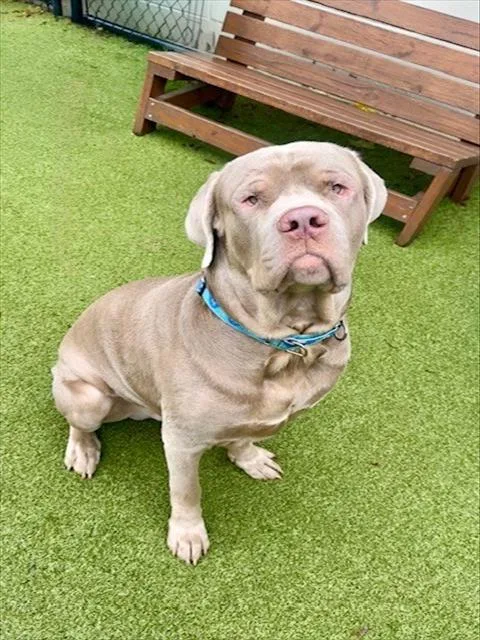
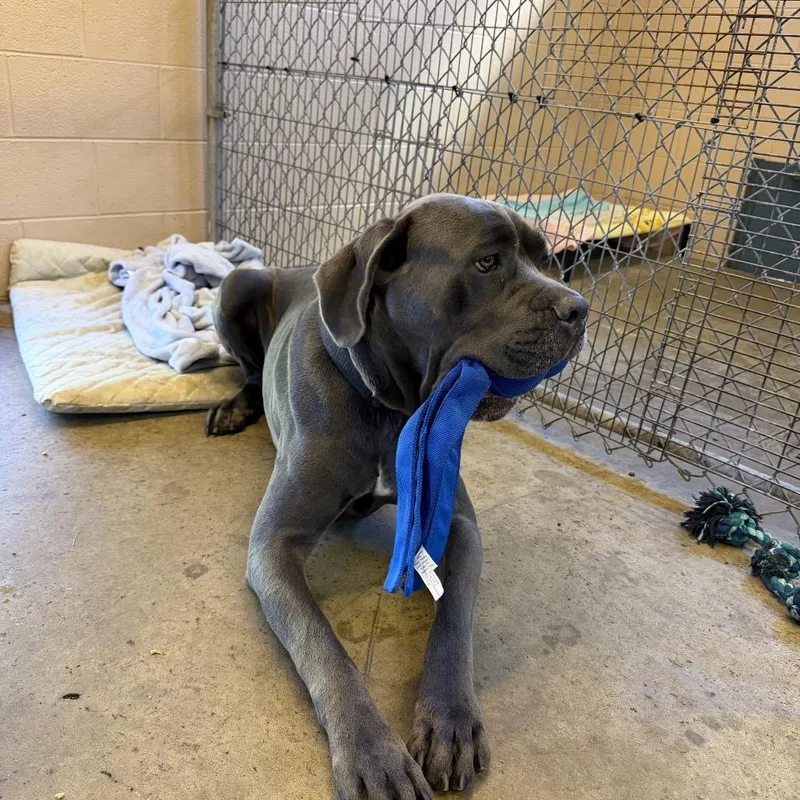
Mastiff Dogs for Adoption in Durham, NC

Your guide to finding and caring for a Mastiff in Durham

A Mastiff in Durham does best in a roomy house with some shade and a flat place to stroll. The paved American Tobacco Trail runs along the edge of Forest Hills, which gives a heavy-boned dog an easy, level walk, and the streetcar-era blocks of Lakewood make a slow, sniffing loop. July afternoons are too warm for much more than a short outing, so most Mastiff routines here start early. Most Mastiffs are happiest when they're lying near their people.

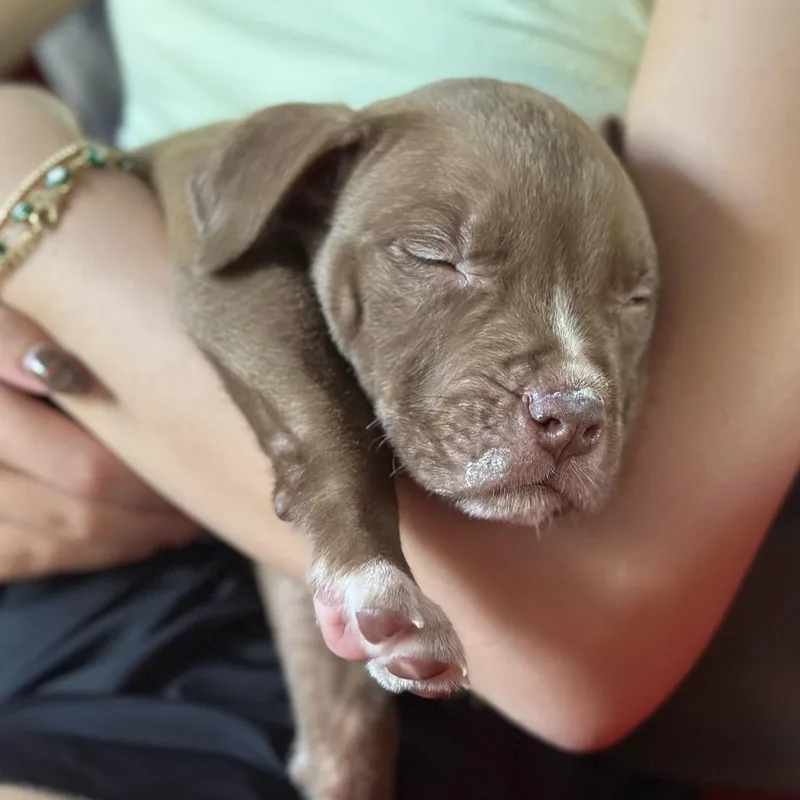
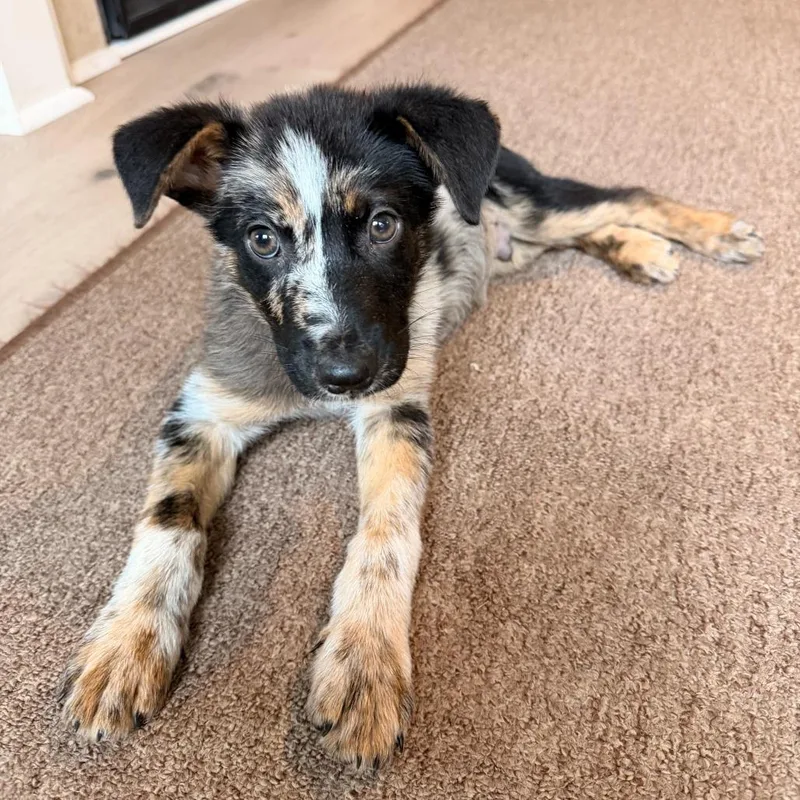
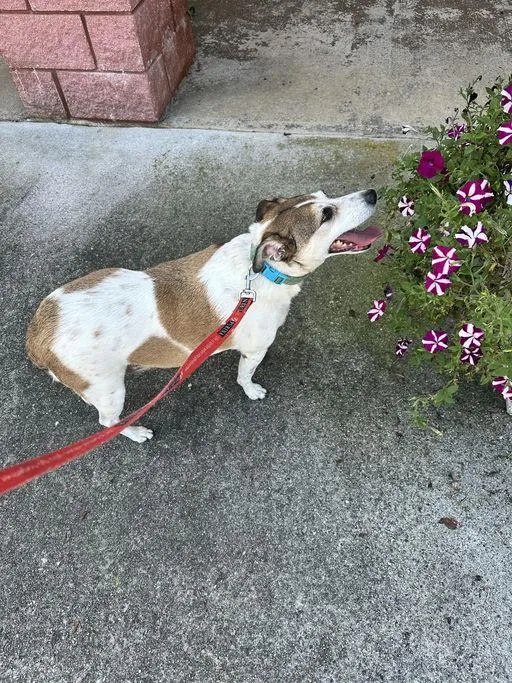
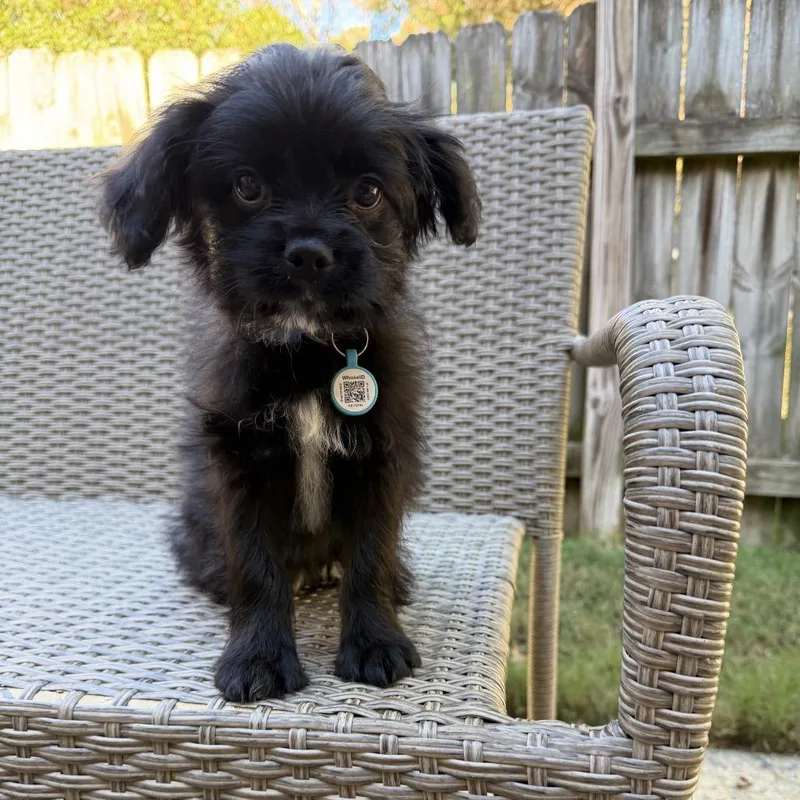
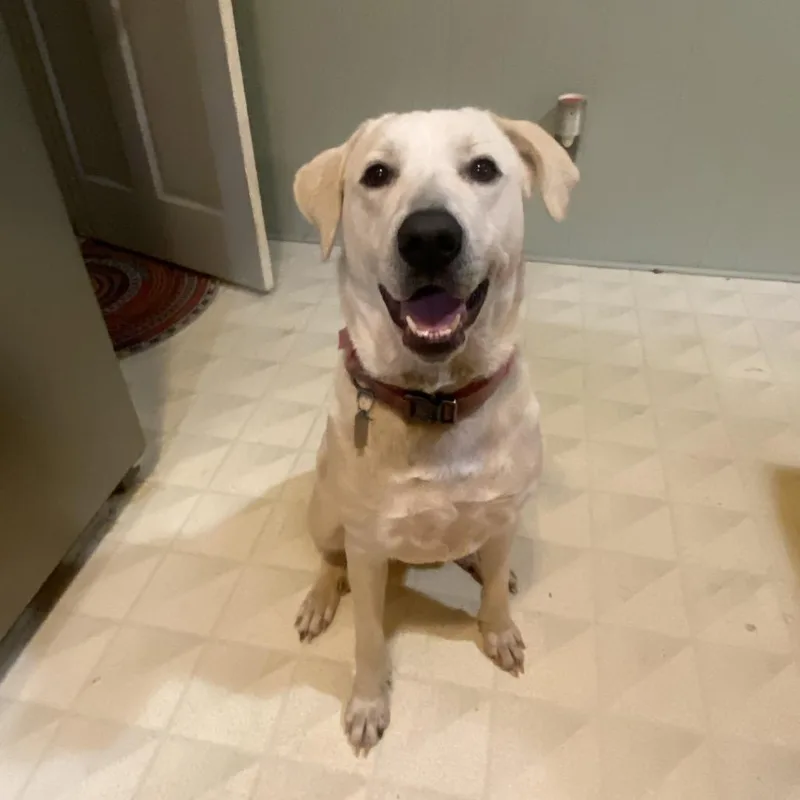
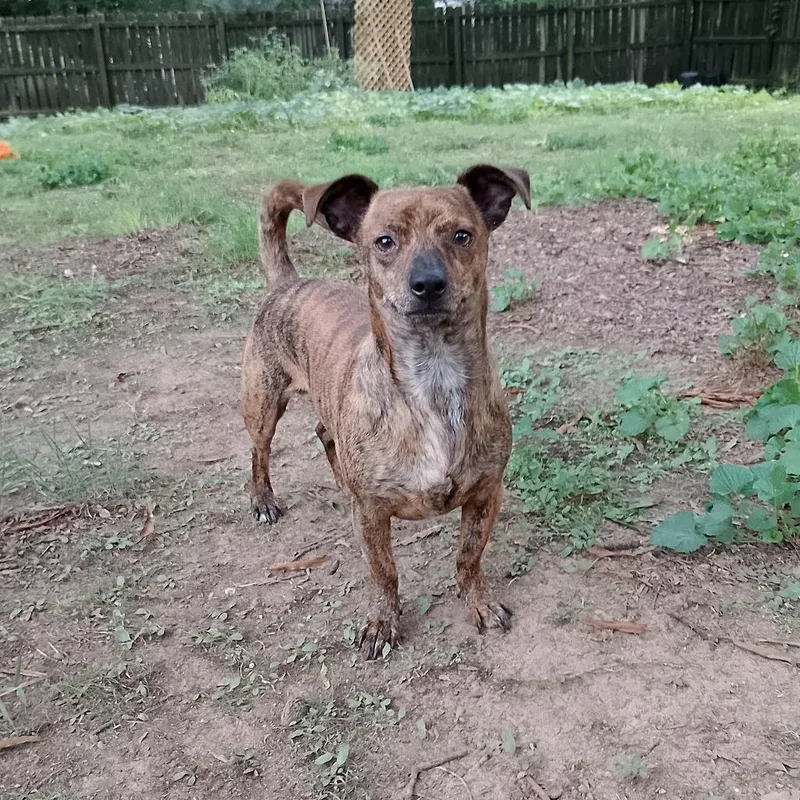
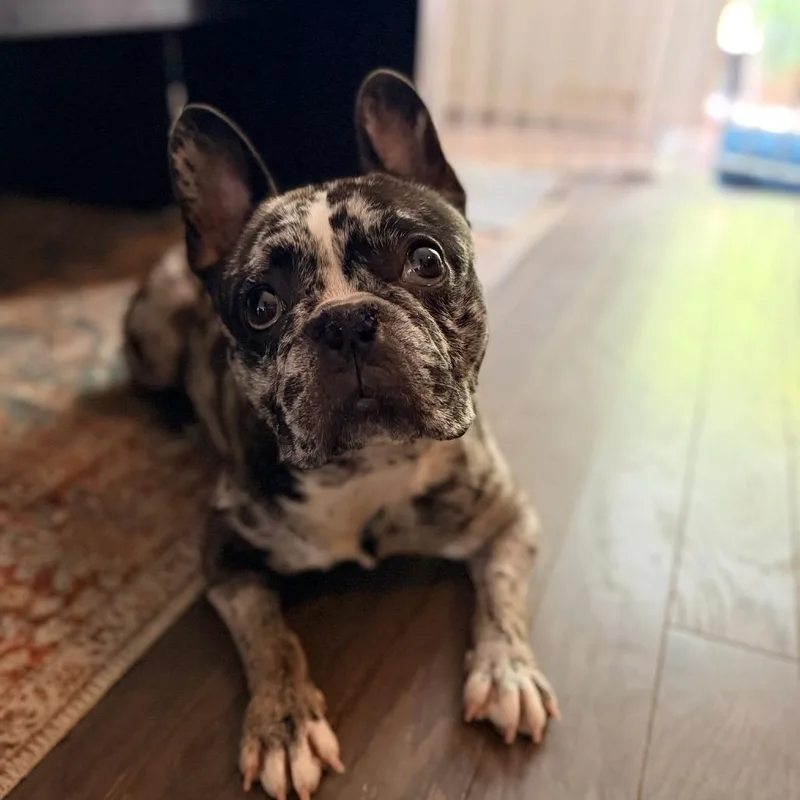
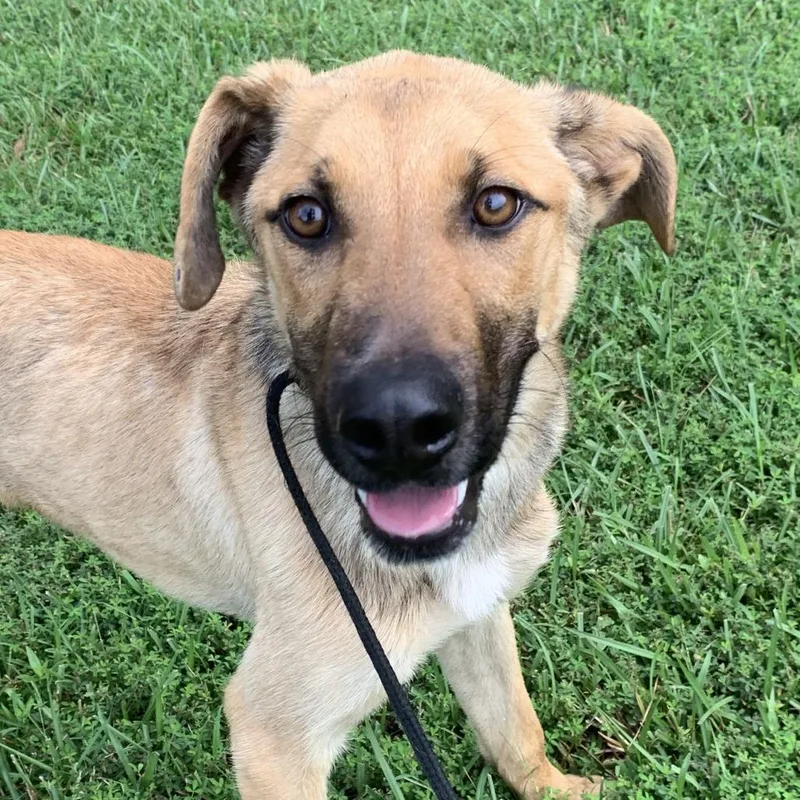
911 Mastiffs available in Durham and nationwide

Give a Mastiff a home

While we don't have enough dogs near Durham, keep in mind that many rescues may offer transport.

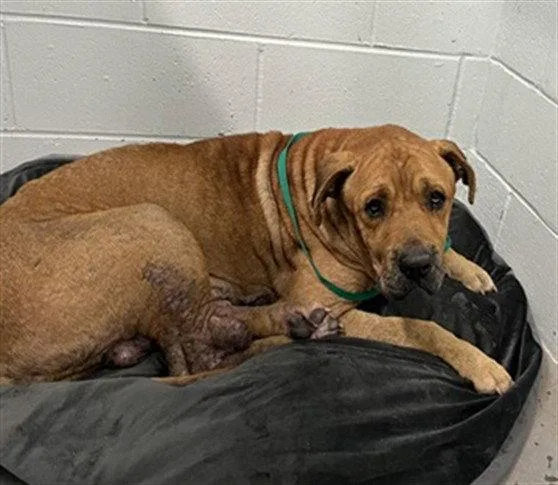
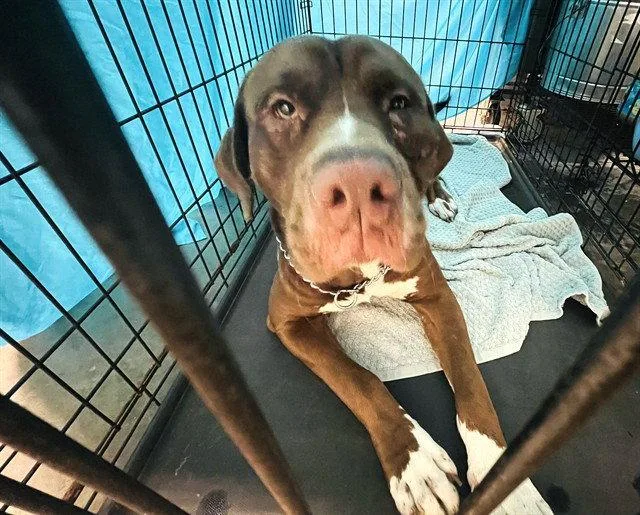
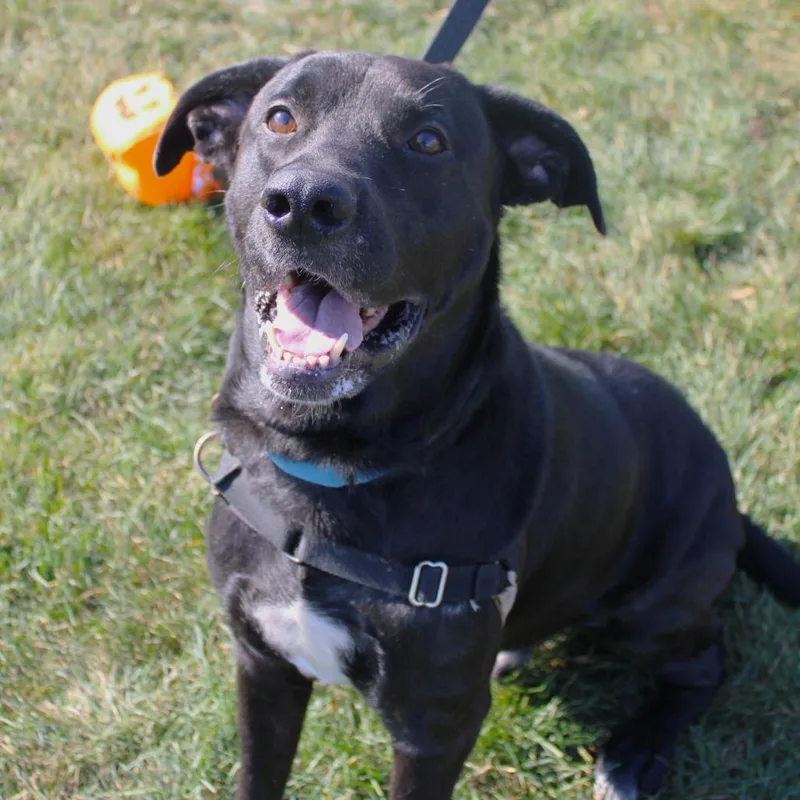
Mastiffs Available for Adoption Near Durham

About the Mastiff breed

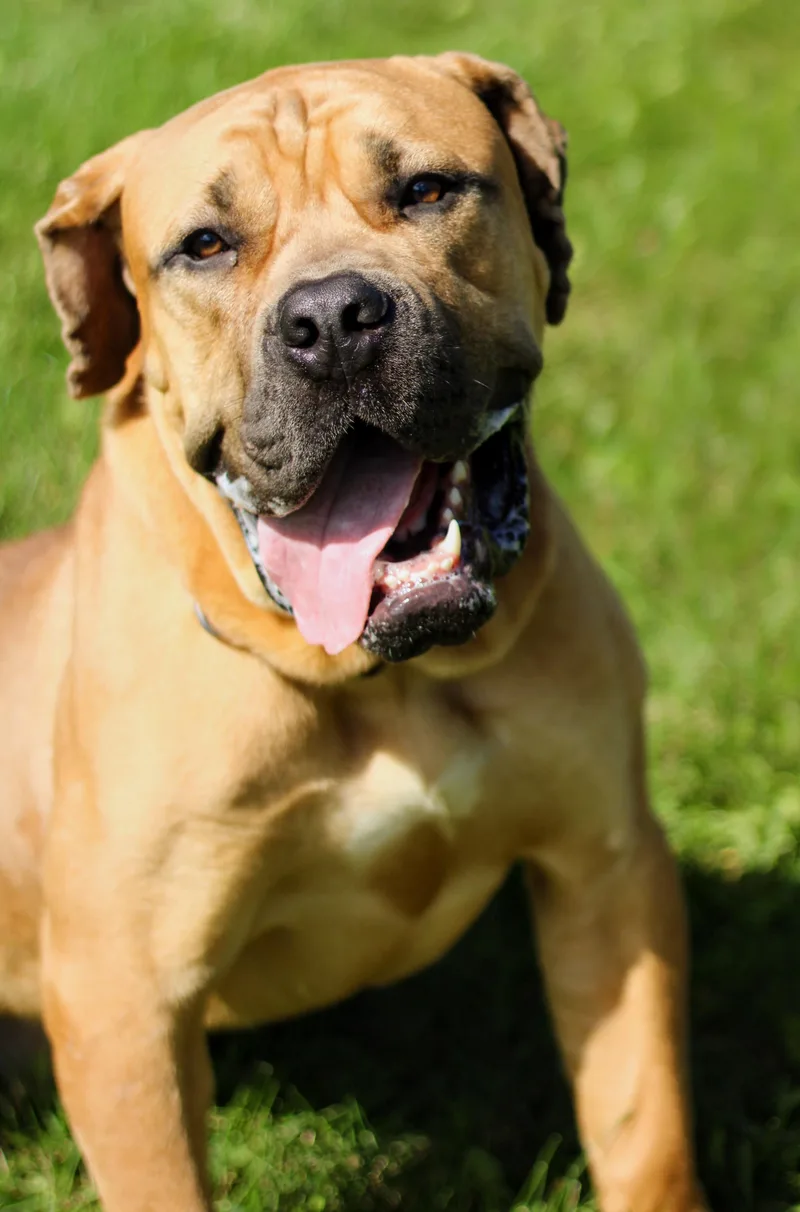
The Mastiff, called the English Mastiff by many, is a massive, heavy-boned guardian from Britain with a broad head, dark mask and short fawn, apricot or brindle coat. Its ancestors guarded estates for centuries, and the breed nearly vanished after World War II before it was rebuilt from a small number of dogs.

Most Mastiffs are calm, dignified and gentle at home, with a quiet protectiveness toward their people. They're couch-loving more than athletic, but a dog of 120 to 230 pounds still needs early training, sturdy gear and room to stretch out. In Durham, plan for giant-breed food and vet bills and a lifespan that often runs six to ten years. Shedding is moderate, and drool comes with the breed.

Weight
120–230 lbs
Height
27–36 in
Lifespan
6–10 yrs
Temperament
Gentle, Dignified, Protective
Group
Working
Shedding
Moderate

Owning a Mastiff in Durham

Having a Mastiff in Durham

Size shapes nearly everything about living with a Mastiff. These cards explain how exercise, health and space play out for a giant dog in Durham, so you can judge whether your home and daily routine can handle one.

Temperament

Mastiffs are typically calm, affectionate and watchful, often aloof with strangers and patient with respectful children, though every dog varies. Early socialization matters, and reward-based training works far better than force with a dog this heavy. In busy Durham neighborhoods, steady exposure to visitors, bikes and other dogs helps a guardian breed stay relaxed.
Exercise Needs

Adult Mastiffs usually need moderate exercise: a daily walk or two and relaxed play. Durham's level, paved greenways suit that pace well. Keep summer outings short, early and shaded, and avoid hot pavement. Puppies should skip long runs, repeated jumping and lots of stairs while their joints develop.

Health Considerations

Mastiffs are prone to hip and elbow dysplasia, bloat, obesity and bone cancer, and some carry heart or eye conditions. Learn bloat's signs, such as a swollen belly and unproductive retching, because it needs emergency care. Keeping a Mastiff lean protects its joints. A veterinarian can check hips and heart, and year-round tick and heartworm prevention suits North Carolina.

Living Space

Mastiffs are quiet indoors and can manage an apartment with an elevator, but a house with few stairs and room to sprawl is easier. Plan for a giant crate, a sturdy car setup and washable covers for drool. A tail swings at table height, so clear low surfaces. They belong indoors, especially in summer.

What it costs to own a Mastiff in Durham

ExpenseTypical costPer year
Adoption fee$275, one time$275 in year one
Food$80 to $160 per month$960 to $1,920
Pet insurance$85 to $170 per month$1,020 to $2,040
Routine vet care$250 to $500 per year$250 to $500
Other*$592 to $1,672 per year$592 to $1,672
Estimated yearly total (after year one)$2,822 to $6,132
First-year total (with adoption fee)$3,097 to $6,407

Adoption fee is the fee on Mastiff listings in Durham on GetBuddy today. Other costs are estimates and vary with size, age and health.

* Giant-dose flea, tick and heartworm prevention, a dental cleaning allowance, the annual Durham dog park tag, durable toys and bedding, basic coat care and joint supplements.

Adopt a Mastiff in Durham.

Now that you know more, let’s find you a new best friend. These rescues and shelters below currently have Mastiffs available.

Rescues in Durham with Mastiffs Available

Durham's county shelter and foster-based rescues list adoptable dogs here, from giant guardians to small companions. Here are the rescues & shelters in the Durham area where you can find Mastiffs and other dogs available for adoption.

Frequently Asked Questions

Yes, with planning. Durham sees about 40 days a year at 90°F or higher, and a Mastiff's heavy build and moderately short muzzle make heat harder. Keep outings brief and early, and provide cool floors and fresh water. Heavy panting, thick drool, wobbling or collapse signals heatstroke: move the dog somewhere cool and get veterinary help immediately.

Yes. Durham has no known breed ban, and its dangerous-dog rules judge a dog's behavior, not its breed. What matters most is the home: some landlords limit weight or breed, so confirm the lease allows a giant dog. If you move to another North Carolina town later, look up its animal rules first, since local rules can differ.

It's possible if the building allows giant dogs. Mastiffs are quiet and low-energy indoors, but they need floor space, traction on slick flooring and several short outdoor trips daily. Look for a ground-floor unit or a reliable elevator, and confirm the lease has no weight limit. A balcony can't substitute for walks, and tethering a dog there is banned.

Durham's four city dog parks, Downtown, PetSafe at Duke Park, Piney Wood and Rock Quarry, all have separate large-dog areas. Each dog needs an annual city tag, proof of rabies, distemper/parvo and bordetella vaccines, and a negative fecal test. For leashed walks, the flat, paved American Tobacco Trail is easy on a Mastiff's joints.

Realistically, no. Durham has buses only, no subway or light rail. Service animals ride all buses, but GoDurham bans uncaged animals and GoTriangle's regional buses allow no pets at all. A Mastiff won't fit in a carrier, so plan on a car with a sturdy setup, and check GoDurham's current rules before any trip.

Sometimes, on outdoor patios. North Carolina lets restaurants allow leashed dogs outside as long as the dog doesn't pass through indoor dining areas, but each restaurant sets its own policy. A Mastiff takes up a lot of floor, so choose a patio with a direct outside entrance and room to lie down away from walkways.

Not much. The short coat needs a weekly brushing, more often during seasonal shedding in Durham's mild spring and fall. Wipe drool and facial folds daily, keep nails trimmed and check skin for ticks after trail walks. Most owners handle this at home, and the small cost is part of the Other line in the cost table.

A Mastiff is a giant working dog from Britain, also known as the English Mastiff, bred for centuries as a guardian of homes and estates. Males stand at least 30 inches at the shoulder and many weigh over 160 pounds. The breed is known for a massive head, a black mask, a short coat and a calm, dignified, good-natured temperament.

We have 1 rescue with Mastiffs available: Independent Animal Rescue Inc.. You can see every rescue with Mastiffs available in the list above these questions, or scroll to the top to see the Mastiffs near Durham.

Budget about $80–$160 a month for food, $85–$170 for insurance, $250–$500 a year for routine vet care and $592–$1,672 a year for other costs such as prevention, dental care and the dog park tag. That adds up to roughly $2,800–$6,100 a year, before emergencies, which can run high for giant breeds.