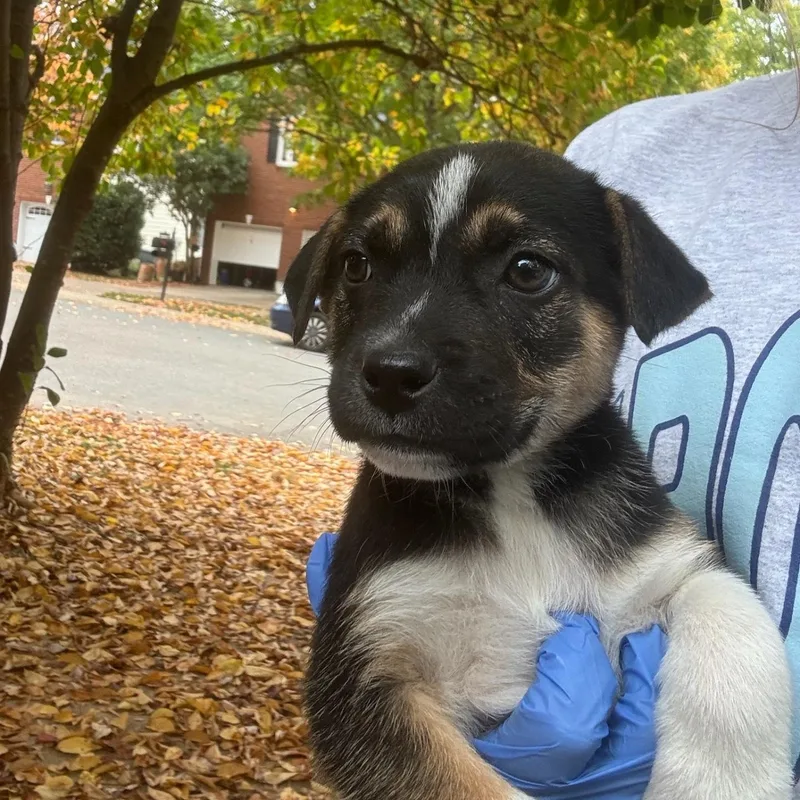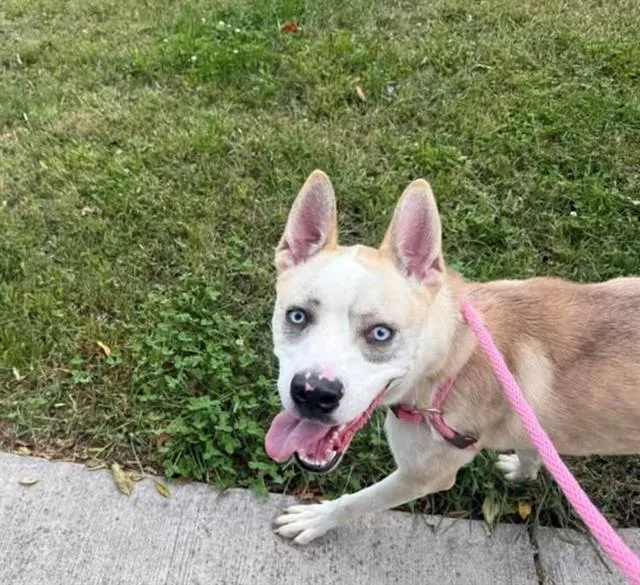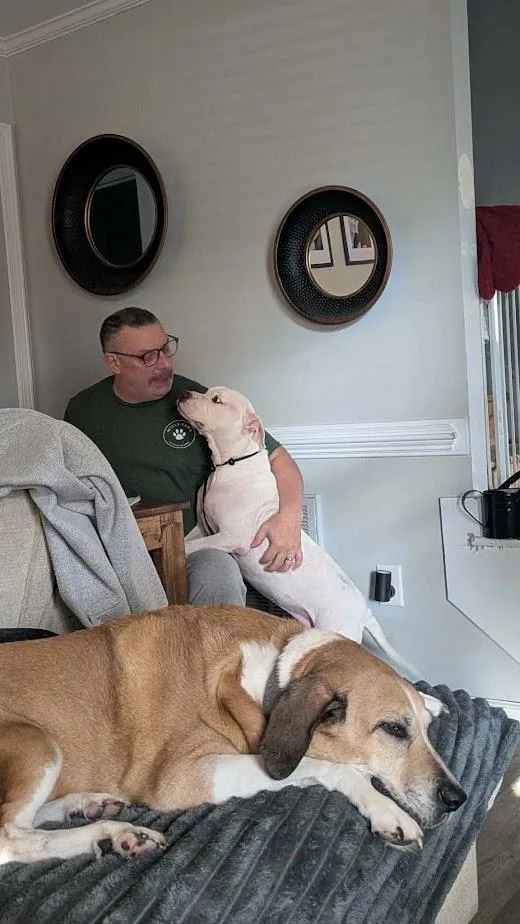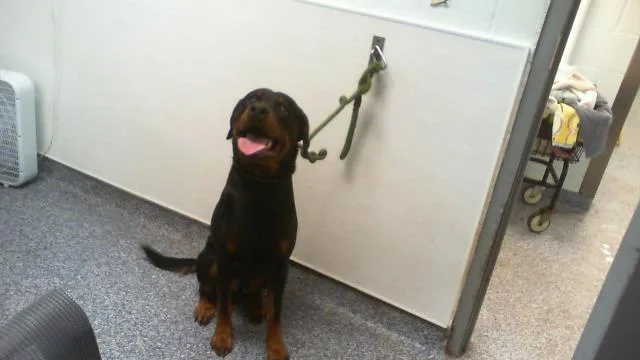
Mastiff Dogs for Adoption in Charlotte, NC

Your guide to finding and caring for a Mastiff in Charlotte

A Mastiff fits Charlotte best in a house with a shaded yard and an easy walk to a greenway. Picture the newer subdivisions in Steele Creek or the 1950s ranch homes around Madison Park, where a 150-pound dog can sprawl on cool floors and stroll the Little Sugar Creek Greenway at dusk. Mastiffs are mellow, but they're huge, so a walk-up apartment and a July afternoon on hot pavement both take planning. Expect a calm, drooly housemate who mostly wants to be near you.

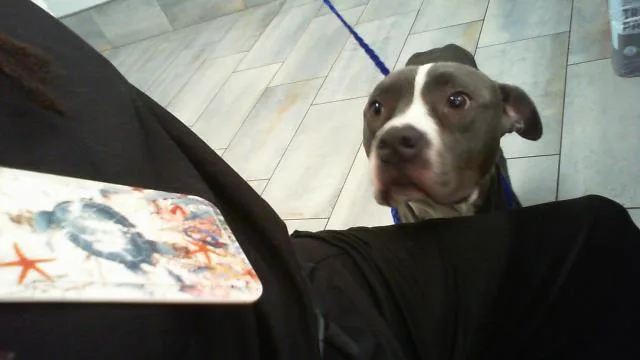
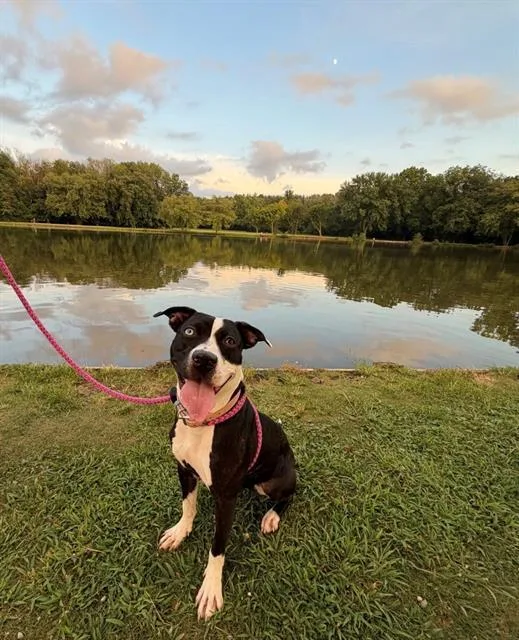
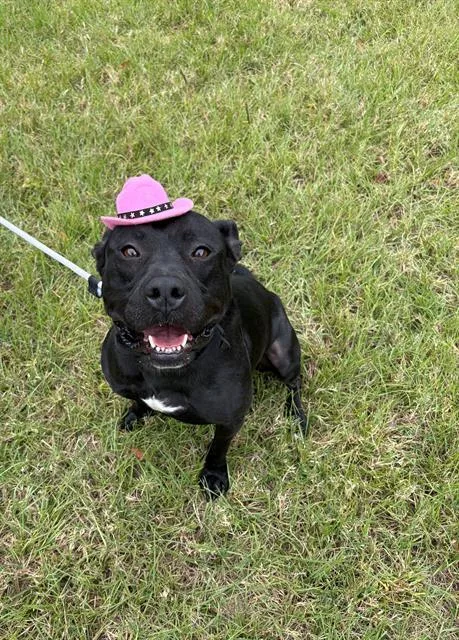
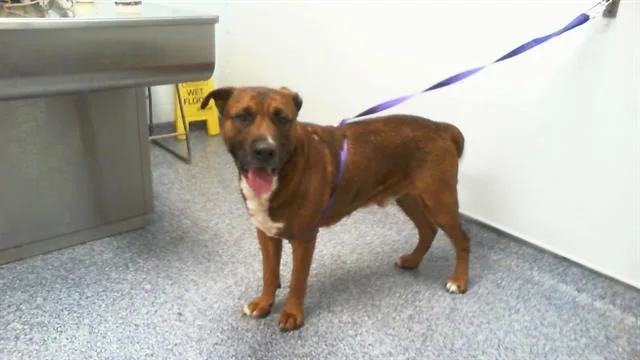
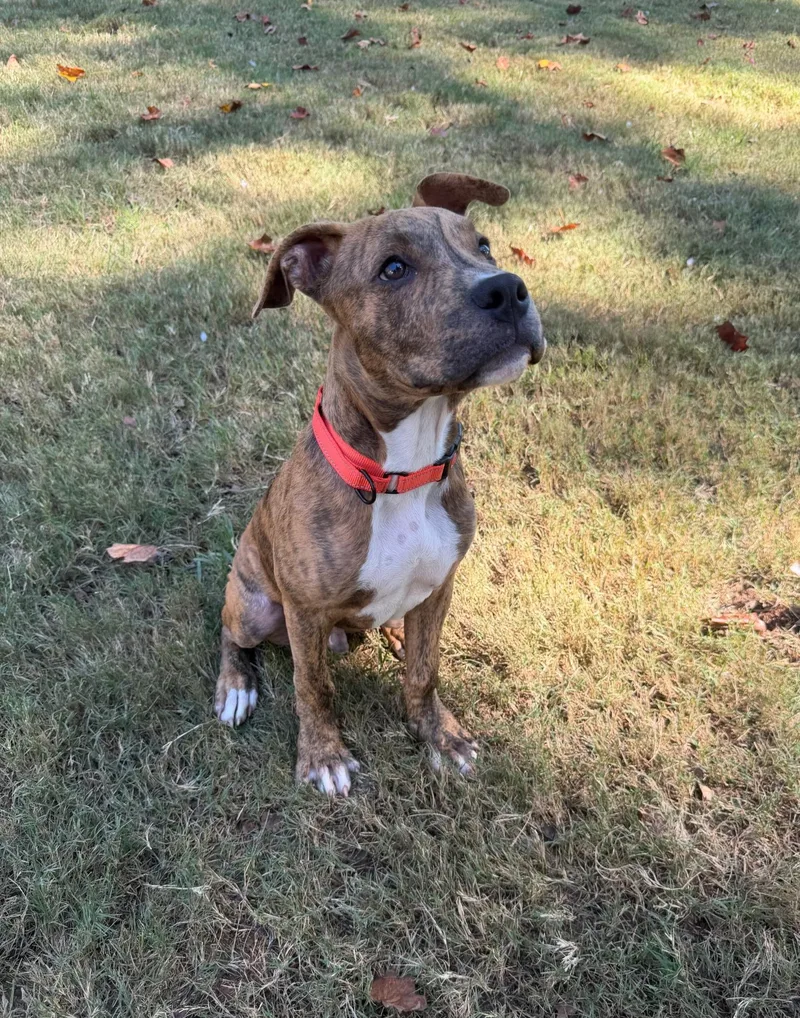
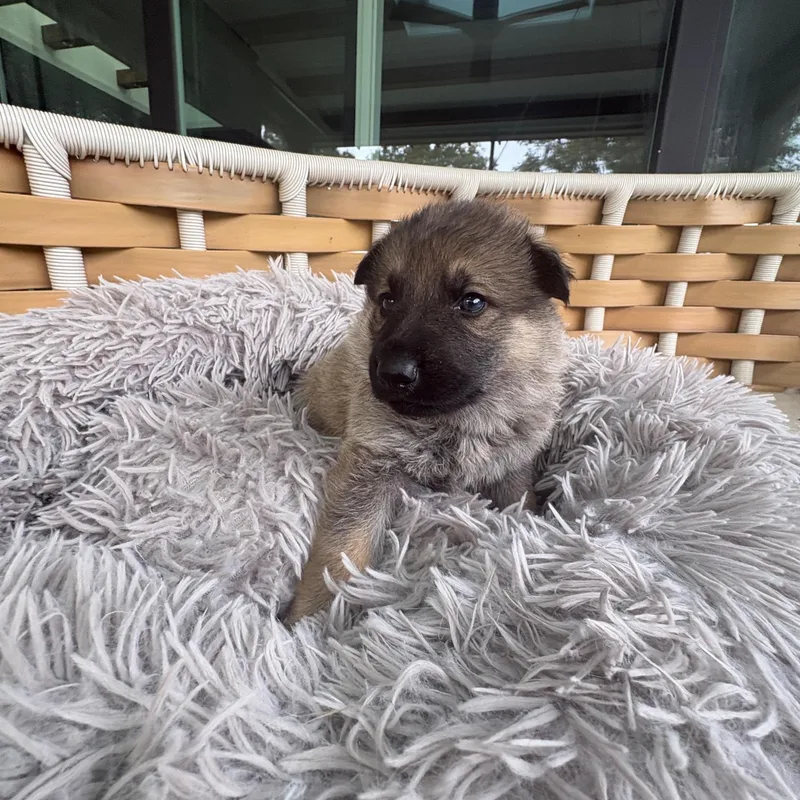
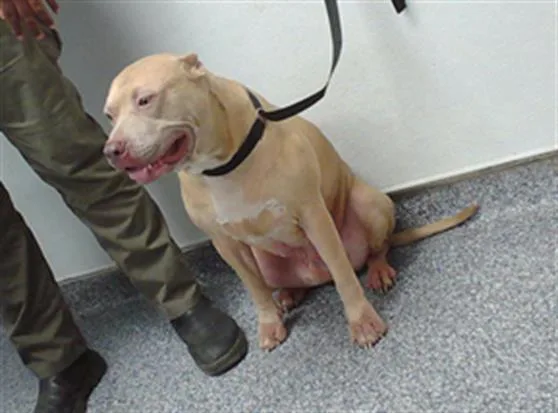
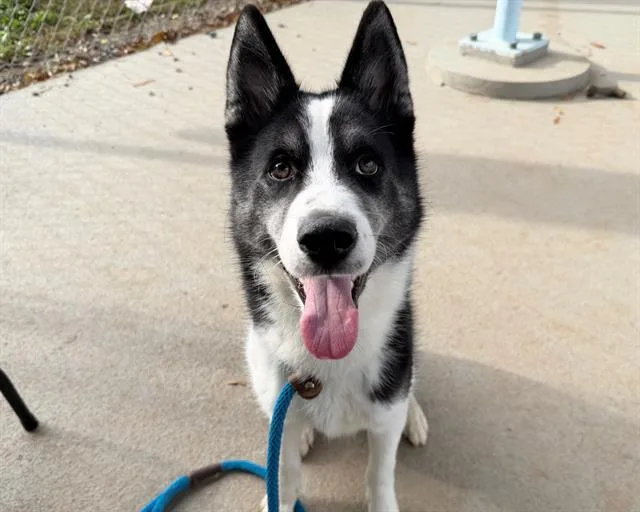
887 Mastiffs available in Charlotte and nationwide

Give a Mastiff a home

While we don't have enough dogs near Charlotte, keep in mind that many rescues may offer transport.

Mastiffs Available for Adoption Near Charlotte

About the Mastiff breed

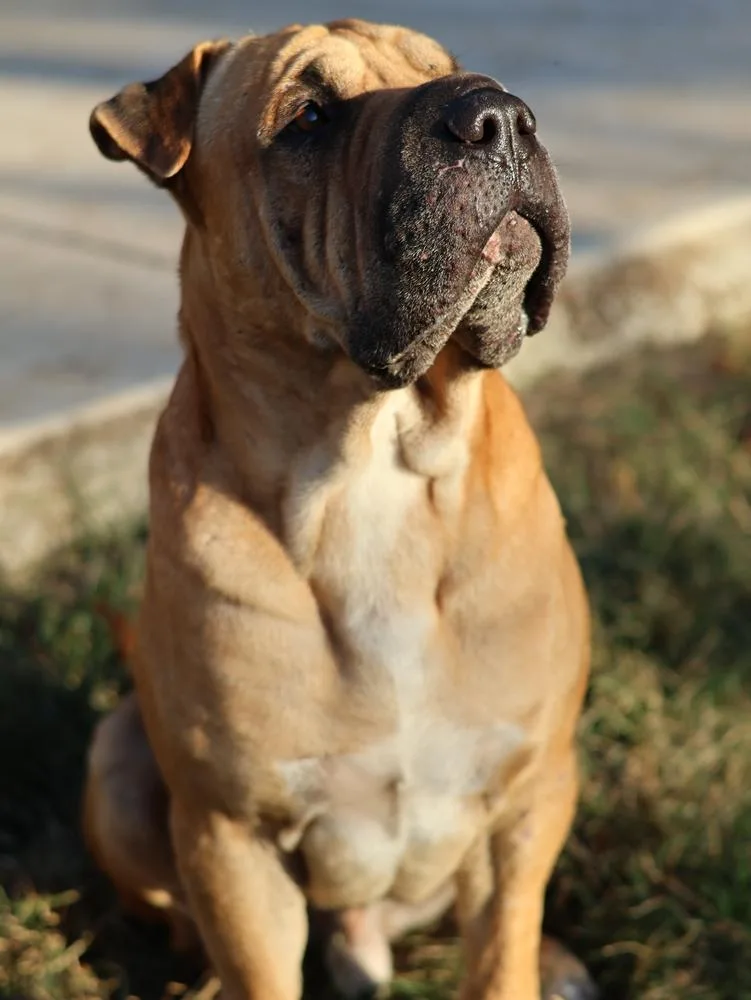
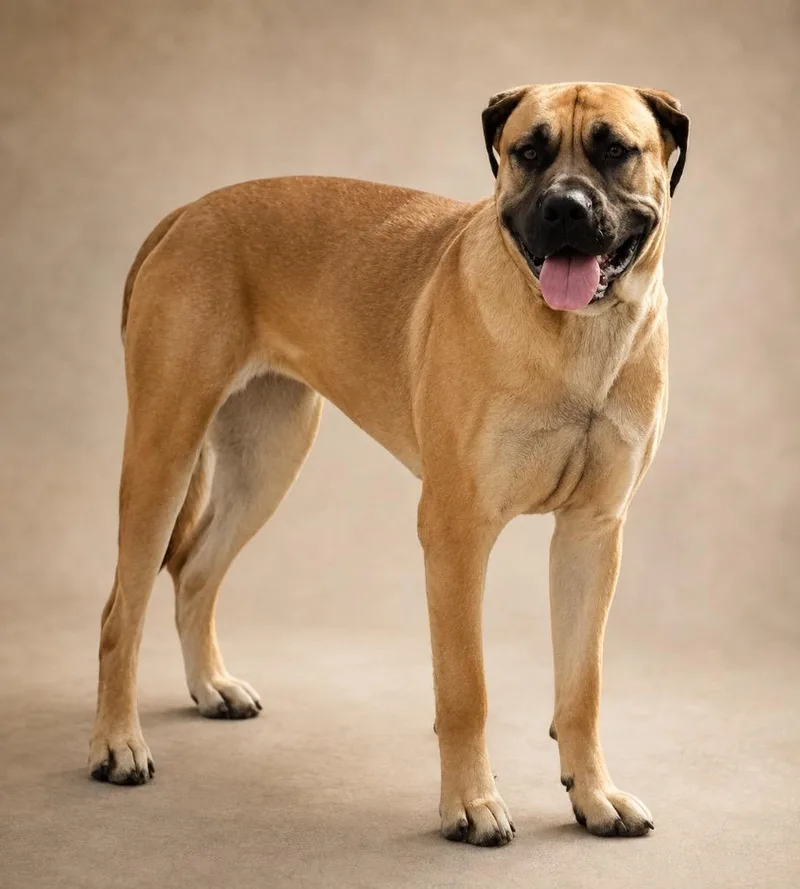
The Mastiff, often called the English Mastiff, is a massive guardian with a broad head, dark mask and short fawn, apricot or brindle coat. Large guard dogs have lived in Britain since Roman times, and the modern breed nearly vanished after World War II. Adults commonly weigh anywhere from 120 to 230 pounds.

Day to day, the breed is simpler than its size suggests. Most Mastiffs are calm, loyal and a little aloof with strangers, happiest lounging near their people. They shed moderately, drool, and need weekly brushing. Their lifespan is often under ten years, so plan for giant-breed food, sturdy gear and steady veterinary care. Every Mastiff is different, and temperament depends on more than breed.

Weight
120–230 lbs
Height
27–36 in
Lifespan
6–10 yrs
Temperament
Gentle, Dignified, Protective
Group
Working
Shedding
Moderate

Owning a Mastiff in Charlotte

Having a Mastiff in Charlotte

Mastiffs pair a gentle, steady nature with one of the heaviest frames in the dog world. These cards cover how that size shapes exercise, health and housing in Charlotte, so you can judge whether a giant, easygoing guardian suits your home.

Temperament

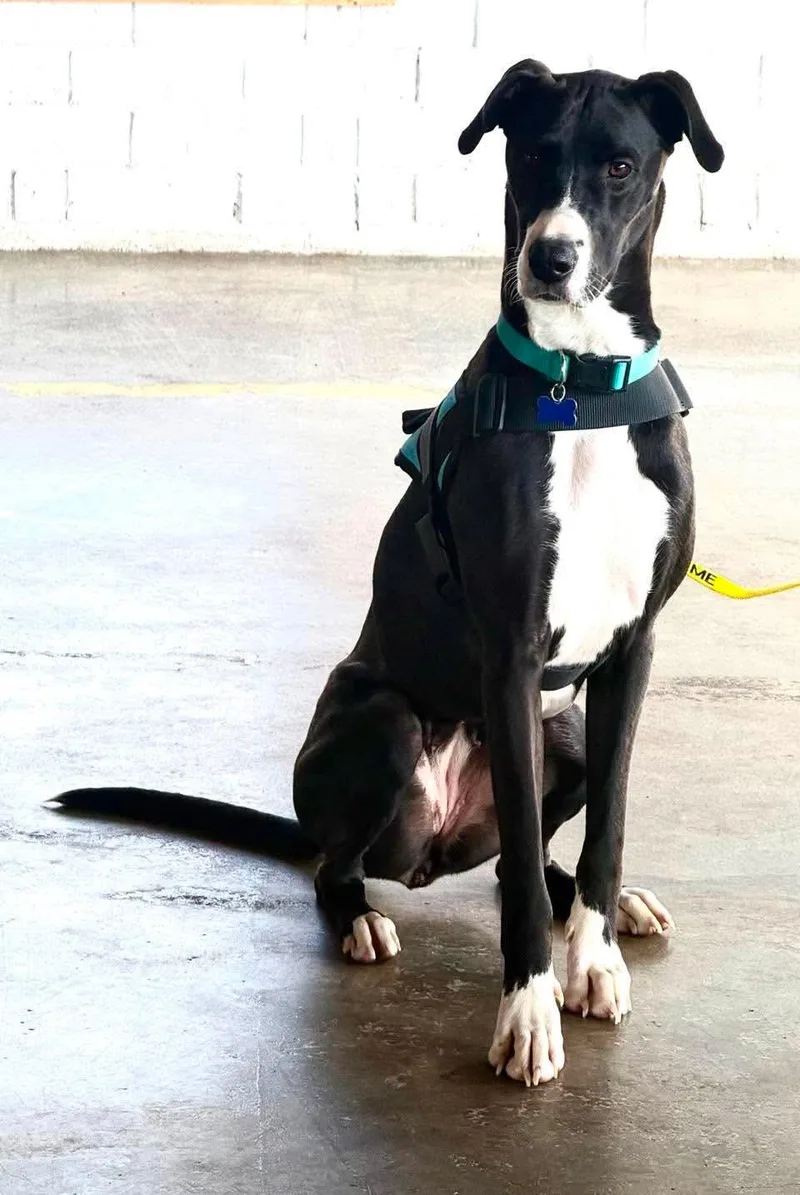
Mastiffs tend to be calm, affectionate and patient with their families, and watchful with strangers. On busy Charlotte sidewalks and greenways, steady socialization helps a dog this size stay relaxed around other dogs and passersby. Start reward-based training early, since an adult Mastiff can be stubborn and can't be physically managed. Temperament varies from dog to dog.
Exercise Needs

Most adult Mastiffs do well with a daily walk or two and relaxed play rather than long runs. In Charlotte, that can mean an easy loop on a leashed greenway or a visit to a county dog park with a large-dog area. Keep outings short and shaded in warm weather, and limit stairs and jumping for puppies.

Health Considerations

Mastiffs are prone to hip and elbow dysplasia, bloat, obesity and bone cancer, and some carry heart or eye conditions. Learn the signs of bloat, such as a swollen belly and unproductive retching, because it's an emergency. Keeping a Mastiff lean protects its joints. A veterinarian can check hips and heart, and giant breeds usually need more frequent checkups as they age.

Living Space

Mastiffs are quiet indoors, but a giant dog changes how a home works. Charlotte's mix of houses and apartment towers suits them differently: a house with few stairs and a shaded yard is easiest, while an apartment needs an elevator and room to sprawl. Plan for a giant crate, washable furniture covers and drool towels.

What it costs to own a Mastiff in Charlotte

ExpenseTypical costPer year
Food$80 to $160 per month$960 to $1,920
Pet insurance$85 to $170 per month$1,020 to $2,040
Routine vet care$250 to $500 per year$250 to $500
Other*$585 to $1,680 per year$585 to $1,680
Estimated yearly total (after year one)$2,815 to $6,140

Other costs are estimates and vary with size, age and health.

* The $10 to $30 Charlotte dog license, giant-dose flea, tick and heartworm prevention, a dental cleaning allowance, durable toys and bedding, basic coat care and joint supplements.

Adopt a Mastiff in Charlotte.

Now that you know more, let’s find you a new best friend. These rescues and shelters below currently have Mastiffs available.

Frequently Asked Questions

Yes, you can get a Mastiff in Charlotte. Neither the city nor Mecklenburg County has a breed ban, and the dangerous-dog rules look at a dog's behavior rather than its breed. You'll need a rabies vaccination and an annual license once the dog is four months old, and you must keep it leashed or fenced. Rules can differ in nearby towns.

A Mastiff can suit Charlotte well if you have air conditioning, a home with few stairs and time to be around. Mild winters and long springs and falls make for comfortable walks, and greenways give leashed strolling room. The trade-offs are hot, humid summers, no CATS transit, and thunderstorms and occasional ice storms that stress a dog this size. Each Mastiff's needs vary.

Mastiffs can handle Charlotte summers with care, but heat is their biggest challenge. About 49 days a year reach 90°F, and the air is humid. Walk before breakfast or after dark, keep the dog in air conditioning during the day, and test pavement with your hand for five seconds. Heavy panting, unsteadiness or vomiting means cool the dog and see a vet quickly.

Yes, a Mastiff can live in a Charlotte apartment if the building allows it. Look for an elevator, easy ground-floor access and a lease without weight or breed limits, since rules vary by building and many allow only two pets. North Carolina lets landlords charge a reasonable nonrefundable pet fee, and security deposits are capped at 1.5 months' rent for month-to-month tenancies and two months for longer leases.

Davie Dog Park in south Charlotte is the county's biggest at five acres, with shade trees, water spigots and fenced play areas, which gives a Mastiff room to stretch out. Frazier Dog Park near Uptown is only 1.3 acres. For more space, the U.S. National Whitewater Center's 70-acre Off Leash area charges a dog pass, $12 a day or $25 a month, and requires vaccinated dogs at least four months old.

No, pet dogs can't ride CATS buses or the LYNX light rail. Only service animals and animals in training are allowed aboard, and violations can bring a $50 civil penalty. The code names no carrier exception, and a Mastiff wouldn't fit in one anyway. Plan on a car with a sturdy, secured setup for vet trips and outings.

Sometimes, on patios that choose to allow dogs. North Carolina lets restaurants admit leashed dogs in outdoor dining areas as long as they don't pass through indoor areas, but each restaurant decides. Indoors, only service animals are permitted. A Mastiff takes up serious floor space, so pick a roomy spot, bring water, and skip patios in midday summer heat.

A Mastiff needs little grooming: a weekly brush with a rubber curry or hound glove handles moderate shedding, which can rise in spring. In Charlotte's humid summers, also wipe drool and clean face wrinkles often, dry skin folds after rain or baths, and trim nails regularly. Grooming costs fall within the Other line of the cost table, and a professional groomer isn't essential.

We have 1 rescue with Mastiffs available: Charlotte Mecklenburg Animal Care & Control. You can see every rescue with Mastiffs available in the list above these questions, or scroll to the top to see the Mastiffs near Charlotte.

Expect roughly $2,800 to $6,100 a year for a Mastiff in Charlotte, based on the food, insurance, routine vet care and other yearly ranges in the table. Food and insurance are the biggest items for a giant breed. Emergencies such as bloat surgery aren't included, so a savings cushion matters.

Find Mastiffs in Nearby Cities

Expand your search to find Mastiffs available for adoption near Charlotte.