Japanese Akita Dogs for Adoption in Charlotte, NC

Your guide to finding and caring for a Japanese Akita in Charlotte

A Japanese Akita fits Charlotte best when the street is quiet and the yard is fenced. In ranch-house neighborhoods like Starmount and Montclaire, a fenced backyard and a quiet evening walk suit a dog that's reserved with strangers and often picky about other dogs. It sheds heavily twice a year, and in a humid Charlotte July it'll spend afternoons indoors with the air conditioning on. If you want a quiet, devoted companion rather than a dog park regular, this breed is worth a look.

457 dogs similar to Japanese Akita available in Charlotte and nationwide

Find your Japanese Akita

While we don't have enough dogs near Charlotte, keep in mind that many rescues may offer transport.

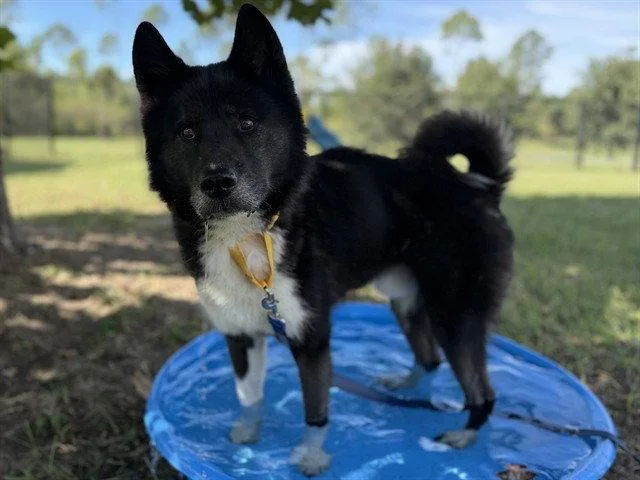
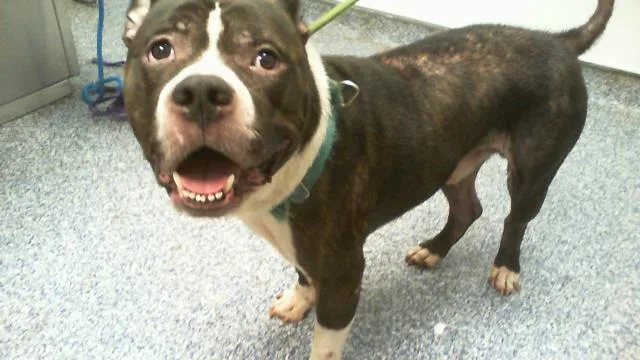
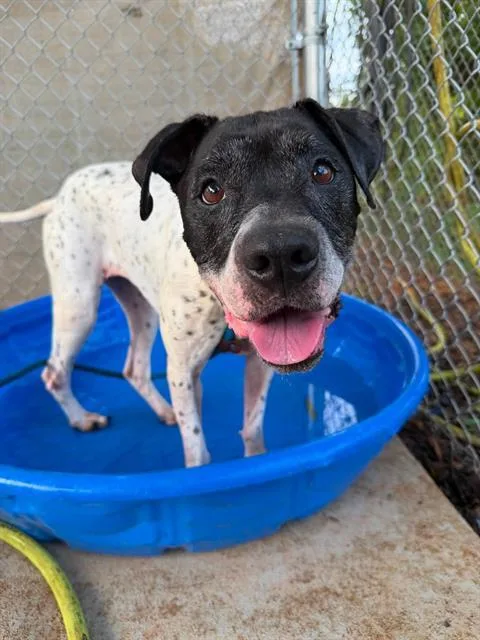
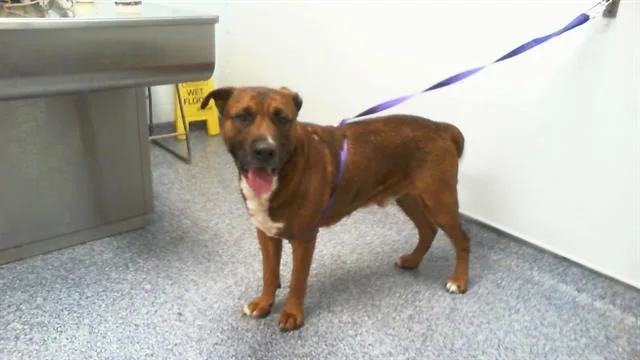
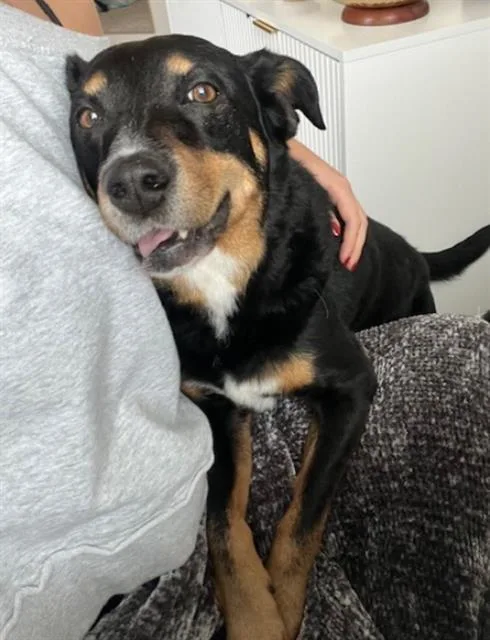
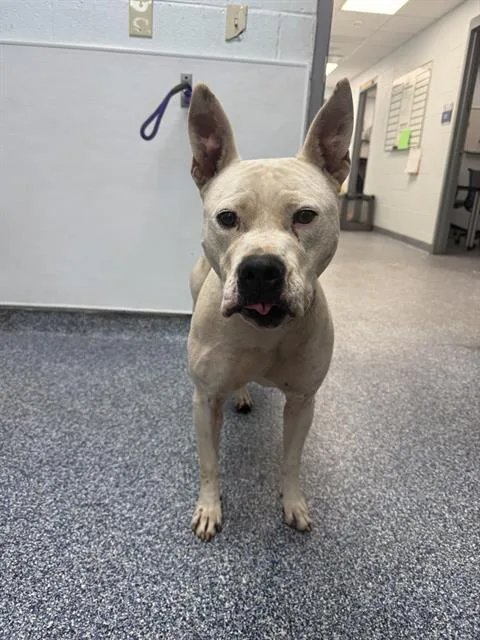
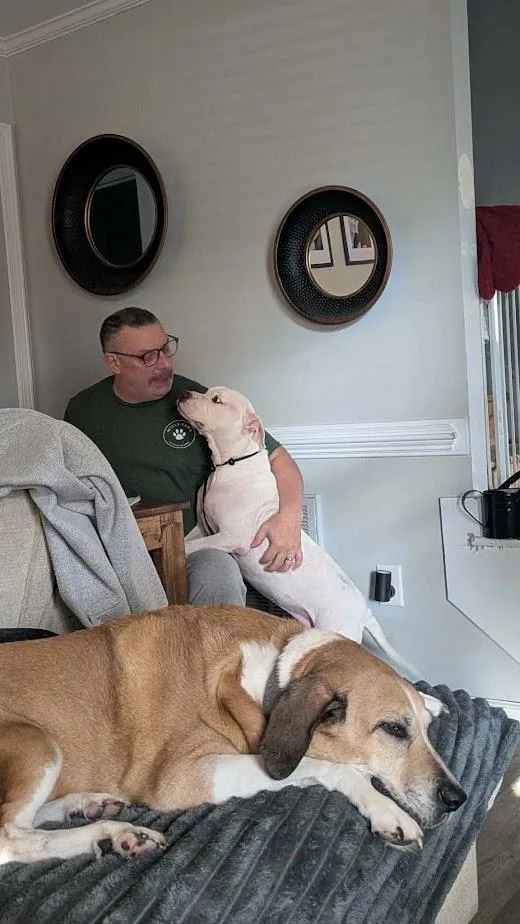
Japanese Akitas and Similar Breeds Available for Adoption Near Charlotte

About the Japanese Akita breed

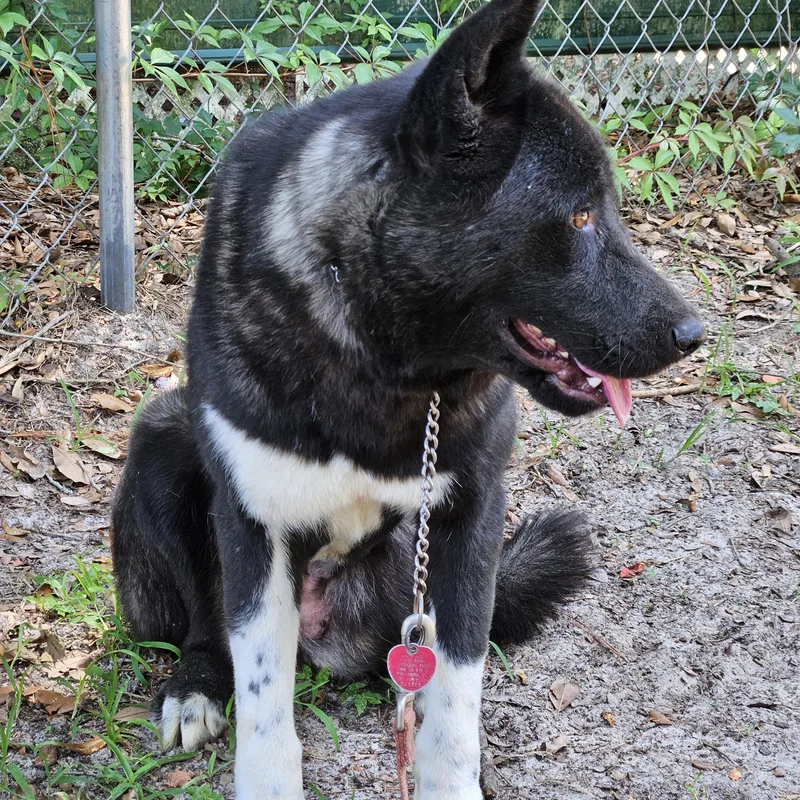
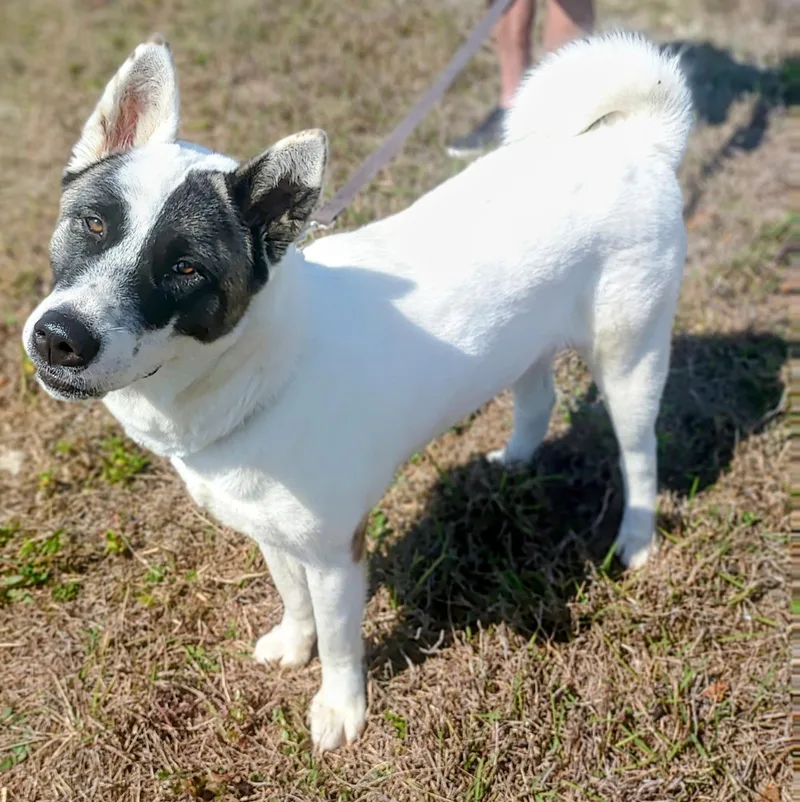
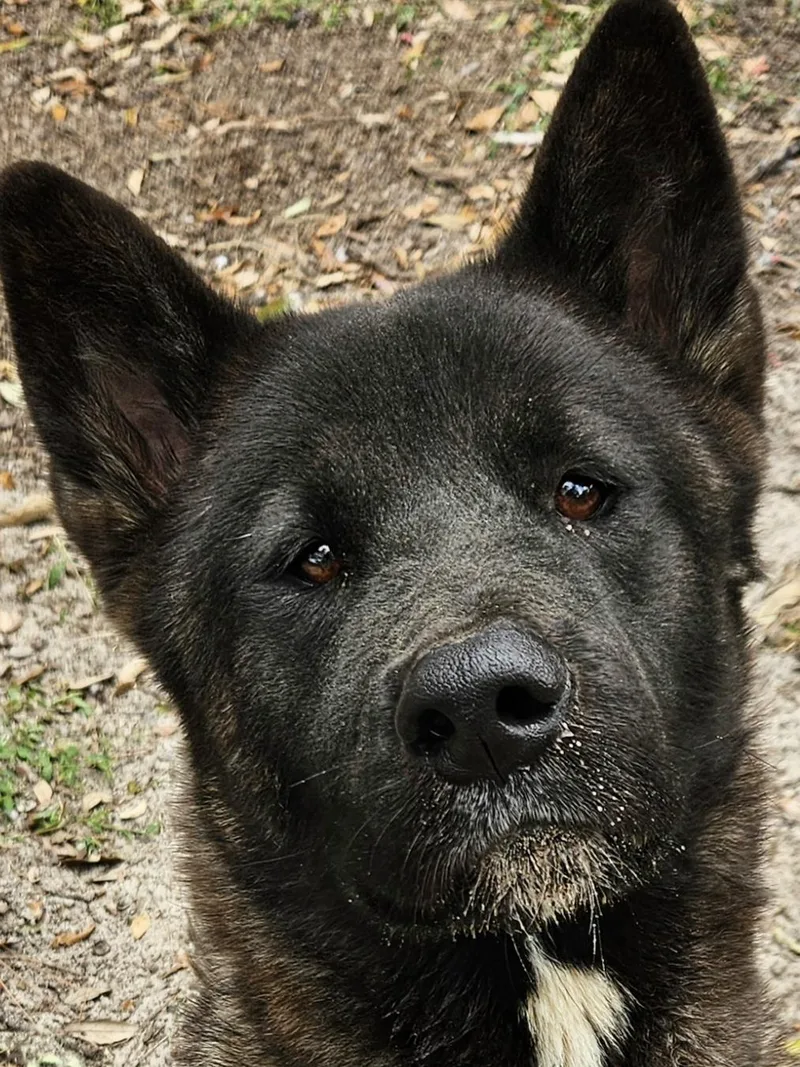
The Japanese Akita is the lighter, fox-faced original from northern Japan, built to hunt in deep snow. Its thick coat comes in red, fawn, sesame, brindle or white, usually with pale urajiro shading. Many are calm, tidy and quietly attached to their families, though they stay aloof with strangers and may not accept other dogs.

In Charlotte, that reserve shapes everyday life. Crowded sidewalks, busy greenways and shared apartment halls take planning, and early training and careful introductions matter. So does a securely fenced yard where one is available. The coat blows heavily about twice a year, so expect plenty of brushing and vacuuming through spring and fall. Each dog's personality varies, so meet the dog before deciding.

Weight
55–100 lbs
Height
22–27 in
Lifespan
10–14 yrs
Temperament
Loyal, Dignified, Independent, Protective
Group
Miscellaneous
Shedding
High

Owning a Japanese Akita in Charlotte

Having a Japanese Akita in Charlotte

A Japanese Akita is reserved and independent, so steady routines matter more than constant activity. In Charlotte that means a secure yard or calm leashed walks, a cool indoor retreat for humid summers, and a plan for heavy shedding. Each dog differs, and breed alone doesn't decide behavior.

Temperament

Japanese Akitas are typically calm and devoted at home but wary of strangers and often intolerant of other dogs, especially of the same sex. On busy Charlotte sidewalks that means a short leash, space from other dogs and patient, reward-based training. Each dog differs, and breed doesn't decide how any one dog behaves.

Exercise Needs

Plan on moderate daily exercise: a couple of brisk leashed walks, sniffing time and play in a securely fenced space. Charlotte's greenways and parks work well on leash, while off-leash dog parks are often a poor fit for this breed. In summer, walk early or late, and test the pavement with your hand for five seconds first.

Health Considerations

Japanese Akitas can develop immune-related skin and eye problems, thyroid disease, hip dysplasia and bloat, and their blood values can read unusually on lab tests. Have a veterinarian review a new dog's records and set up regular checks. In Charlotte, add flea, tick and heartworm prevention, and stay alert to heat with that thick coat.

Living Space

A Japanese Akita can manage a Charlotte apartment with daily exercise, though elevators and hallways in Uptown or South End towers can stress a dog wary of strangers and other dogs. A house with a securely fenced yard, like many in Steele Creek's subdivisions, suits it well. It should live indoors with its family.

What it costs to own a Japanese Akita in Charlotte

ExpenseTypical costPer year
Food$55 to $110 per month$660 to $1,320
Pet insurance$65 to $130 per month$780 to $1,560
Routine vet care$250 to $500 per year$250 to $500
Other*$585 to $1,460 per year$585 to $1,460
Estimated yearly total (after year one)$2,275 to $4,840

Other costs are estimates and vary with size, age and health.

* Flea, tick and heartworm prevention, a dental cleaning allowance, the $10 Charlotte dog license for a spayed or neutered dog, toys and bedding, and brushing and baths for heavy seasonal coat blowouts.

Adopt a Japanese Akita in Charlotte.

Now that you know more, let’s find you a new best friend. These rescues and shelters below have dogs available in and near Charlotte.

Frequently Asked Questions

Yes, you can own a Japanese Akita in Charlotte. No breed ban or breed-specific rule appears in Charlotte's animal ordinance, and dangerous-dog rules turn on a dog's behavior, not its breed. You'll still need a license, a current rabies vaccination, and a leash or secure fence. Nearby towns have their own rules, which can differ.

Yes, a Japanese Akita can live in a Charlotte apartment if it gets daily exercise and calm handling. The harder part is shared space: elevators, hallways and neighbors' dogs can stress a dog that's wary of strangers, and although the breed is generally quiet, excessive noise can draw a nuisance complaint. A quieter unit helps, and confirm large breeds are allowed before you apply.

The Little Sugar Creek Greenway is a good starting point. It runs from Cordelia Park through Uptown and south to Pineville, and pets are permitted on leash. The Cross Charlotte Trail adds more leashed miles. For off-leash time, the Whitewater Center's fenced 70-acre area charges $12 a day for a dog pass, but it only suits a dog that enjoys other dogs.

Yes, with planning. Charlotte summers are hot and humid, with about 49 days a year at 90°F or higher, though that's milder than the Deep South. A Japanese Akita does best living indoors in air conditioning, with shade and fresh water outside. Heavy panting, unsteadiness or a deep red tongue means cool the dog down gradually and see a veterinarian.

No. Charlotte's transit code bars animals from CATS vehicles unless they assist a person with a disability or are in training, so a pet Japanese Akita can't ride CATS buses or the LYNX light rail. A $50 civil penalty can apply, and the code lists no carrier exception. A dog this size will need a car or a walk.

Brush a Japanese Akita at least weekly, and daily during the heavy coat blows that come about twice a year, usually in spring and fall. Baths every couple of months are usually enough, and in Charlotte's humidity the coat should be dried fully afterward. Brushing and occasional baths are counted in the Other cost line on this page.

Sometimes, on patios. North Carolina rules let restaurants allow leashed dogs in outdoor dining areas if they don't pass through indoor areas, but each restaurant decides, and indoor dining is off limits to pets. Because a Japanese Akita is often wary of strangers, a quiet corner table, a short leash and off-peak hours keep the visit calm.

It can be, for adopters who are home a fair amount and want a calm, reserved dog. Charlotte's mild winters suit the coat, and greenways offer leashed walks. It fits less well if you want a social dog park regular, can't keep the dog cool in July, or live where a large dog with a guarding streak would be hard to manage.

The Japanese Akita, also called the Akita Inu, is a large spitz-type dog from the mountains of northern Japan. It is the original Akita, lighter and more fox-faced than the American Akita. Japanese Akitas are dignified, independent and deeply loyal to their family, usually reserved with strangers, and known for a thick coat with pale cream shading called urajiro.

Food runs about $55 to $110 a month and insurance $65 to $130. Routine vet care is about $250 to $500 a year, and other costs, including coat care, come to $585 to $1,460 a year. Together that's roughly $2,300 to $4,800 a year, and the Charlotte license for a spayed or neutered dog is $10.