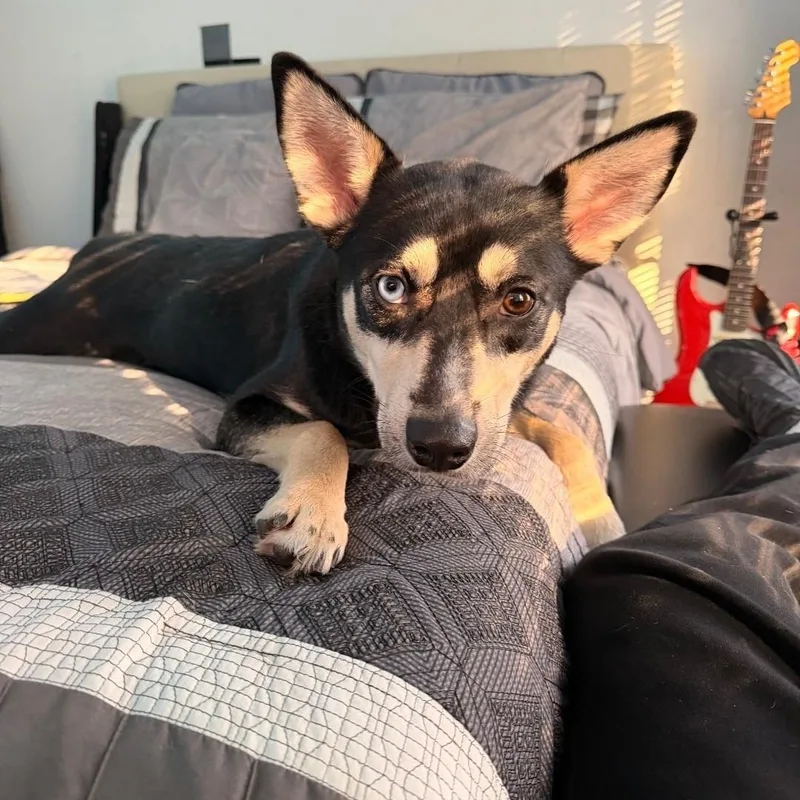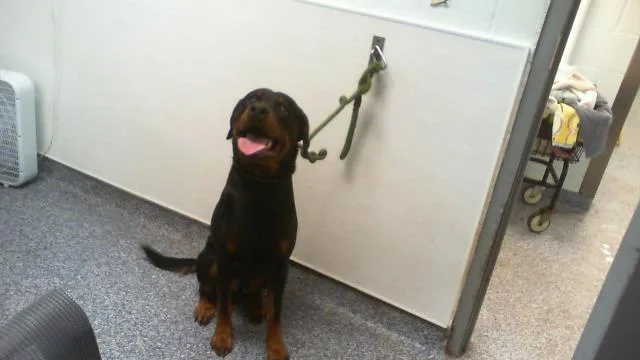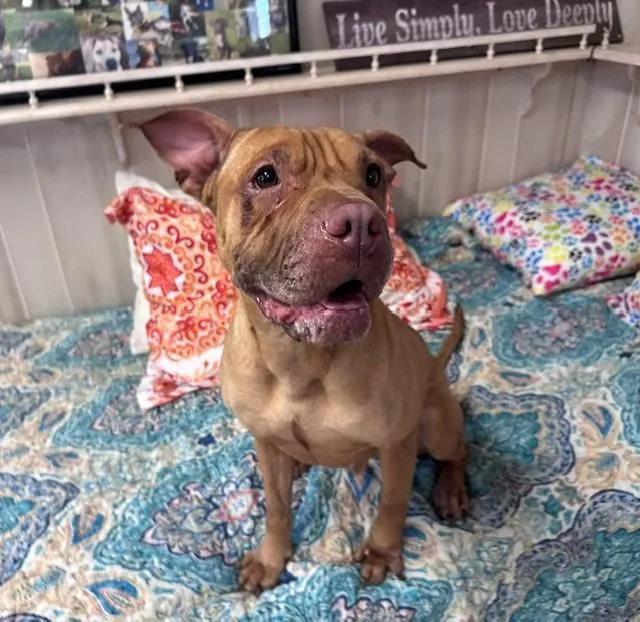
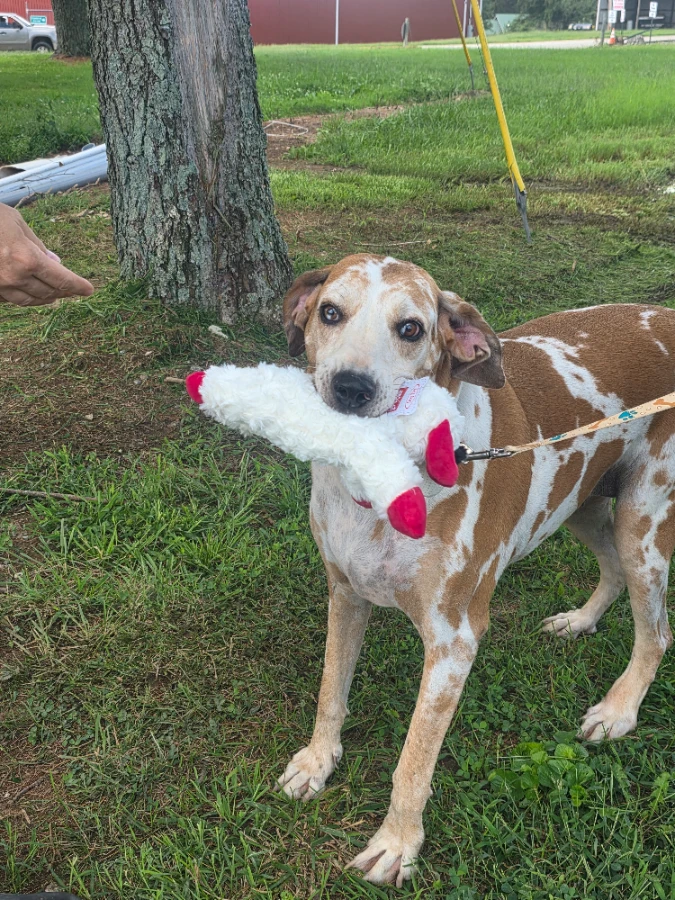
Hamiltonstovare Dogs for Adoption in Charlotte, NC

Your guide to finding and caring for a Hamiltonstovare in Charlotte

A Hamiltonstovare does best in Charlotte with a fenced yard and a trail close by. Steele Creek's suburban subdivisions suit that kind of setup, and McDowell Nature Preserve's lakeside trails on Lake Wylie give a scent hound plenty to sniff on leashed hikes. This friendly Swedish hound is athletic and even-tempered, but its nose runs the show, so a sturdy fence matters more than yard size. The breed is rare in the US, so watch the listings on this page and save a search.

4949 dogs similar to Hamiltonstovare available in Charlotte and nationwide

Say hello to your Hamiltonstovare

Hamiltonstovares and Similar Breeds Available for Adoption Near Charlotte

About the Hamiltonstovare breed

The Hamiltonstovare is a Swedish scent hound created by Count Adolf Hamilton, founder of the Swedish Kennel Club, and first shown in 1886. It was developed to trail hare and fox alone, giving tongue so hunters could follow. Medium-sized and athletic, it wears a close-lying tricolor coat with a black mantle and tan and white markings.

In Charlotte, that history shows up in everyday ways. Many Hamiltonstovares are friendly and even-tempered with people and other dogs, yet a fresh scent can override recall, so secure fencing and leashed walks matter. They need patient training, daily exercise and company. Dogs vary, and a hound mix may share only some of these traits.

Weight
50–60 lbs
Height
19–24 in
Lifespan
10–13 yrs
Temperament
Friendly, Energetic, Independent
Group
Hound
Shedding
Moderate

Owning a Hamiltonstovare in Charlotte

Having a Hamiltonstovare in Charlotte

Easygoing at home and driven outdoors, this hound pairs stamina with a strong nose. In Charlotte, that means planning for secure fencing, daily mileage and summer heat far more than for coat care.

Temperament

Hamiltonstovares are typically friendly and even-tempered, enjoying family life and often getting along with other dogs. They can be stubborn and easily distracted by scent, so short, rewarding training sessions work well. Small pets may trigger chasing. Each dog differs, so expect some variation in how one handles a busy Charlotte apartment complex.

Exercise Needs

Plan on long daily walks, plus a run or hike once the dog is mature. In Charlotte, the Little Sugar Creek Greenway offers leashed miles, and county dog parks provide fenced off-leash time. Scent games add mental work. Keep the dog leashed anywhere unfenced, since a fresh trail can override recall.

Health Considerations

Hip dysplasia occurs in the breed, and drop ears need regular checks for infection. Keeping the dog lean supports its joints. In Charlotte, ticks and heartworm make year-round parasite prevention worthwhile. Limited health data exist outside Scandinavia, so a veterinarian can check hips and ears at the first wellness visit.

Living Space

A house with a securely fenced yard suits most Hamiltonstovares, but a Charlotte apartment can work if the dog gets long daily outings. Baying can carry through thin walls when the dog is bored or alone. The short coat handles mild winters well, yet this is an indoor family dog, not a yard dog.

What it costs to own a Hamiltonstovare in Charlotte

ExpenseTypical costPer year
Food$35 to $70 per month$420 to $840
Pet insurance$45 to $85 per month$540 to $1,020
Routine vet care$225 to $450 per year$225 to $450
Other*$435 to $1,180 per year$435 to $1,180
Estimated yearly total (after year one)$1,620 to $3,490

Other costs are estimates and vary with size, age and health.

* The Charlotte dog license ($10 or $30 a year), flea, tick and heartworm prevention, a dental cleaning allowance, toys and bedding, and occasional baths and brushing.

Adopt a Hamiltonstovare in Charlotte.

Now that you know more, let’s find you a new best friend. These rescues and shelters below have dogs available in and near Charlotte.

Frequently Asked Questions

No, pet dogs can't ride CATS buses or the LYNX light rail. The CATS code of conduct allows only service animals and animals in training, and violations can bring a $50 civil penalty. For a Hamiltonstovare, plan on car trips and neighborhood walks, and get the dog used to a crate or seat belt harness for rides.

Usually yes, with sensible timing. Charlotte averages about 49 days a year at 90°F or higher, and humidity slows cooling. A Hamiltonstovare's short coat helps, but walk at dawn or dusk, carry water, and test the pavement with your hand for five seconds. Heavy panting, unsteadiness or a deep red tongue means heatstroke, so get to a vet right away.

Fenced dog parks are the safest choice for a scent-driven hound. Davie Dog Park in south Charlotte covers five acres, and Barkingham Park at Reedy Creek Park offers four. Both require a rabies tag number, DHLPP and Bordetella vaccinations. For leashed hikes, try the Little Sugar Creek Greenway or McDowell Nature Preserve on Lake Wylie.

Yes. Charlotte's animal rules aren't breed-specific, so a Hamiltonstovare is treated like any other dog. You'll need a city license once the dog is four months old ($10 a year if spayed or neutered, $30 if not), a current rabies vaccination, and a leash or fence at all times outside your own property.

Yes, for an adult that gets long daily outings. The bigger issue is noise: baying can carry through thin walls, and in Charlotte excessive, continuous barking can count as a nuisance offense. Choose a quieter unit, use the greenways for mileage, and read the building's breed and weight limits before applying.

Sometimes, on patios only. North Carolina rules let restaurants allow leashed dogs in outdoor dining areas as long as the dog doesn't pass through indoor areas, but each restaurant decides, so look for a posted policy. Indoors, pet dogs aren't allowed. A well-exercised Hamiltonstovare that settles under the table is the best candidate.

Very little. The harsh, close-lying coat needs a weekly brushing, more during seasonal shedding, and a bath only when dirty. Check and clean the drop ears regularly, since Charlotte's humid summers encourage ear trouble, and trim nails as needed. Grooming fits within the $435 to $1,180 yearly Other costs, mostly baths and brushing.

Yes, Hamiltonstovares shed, though their short, close-lying coat makes care easy. Expect a moderate amount of hair year-round, with heavier shedding when the coat changes with the seasons. A weekly once-over with a rubber curry brush or hound glove removes most loose hair. They are not hypoallergenic, so people with dog allergies should spend time with one before adopting.

Hamiltonstovares can be loud, but they are not usually constant barkers at home. The breed was developed to give tongue, baying as it follows a scent so hunters can track it, and that voice comes out when a dog catches an interesting trail or grows bored. Plenty of exercise, scent games and company keep household noise lower.

Expect roughly $1,620 to $3,490 a year for a Hamiltonstovare in Charlotte. That covers food at $35 to $70 a month, insurance at $45 to $85 a month, routine vet care at $225 to $450 a year, and other costs of $435 to $1,180 a year. Emergencies, boarding and training classes would be extra.