Curly-Coated Retriever Dogs for Adoption in Charlotte, NC

Your guide to finding and caring for a Curly-Coated Retriever in Charlotte

A Curly-Coated Retriever suits Charlotte best when its people spend real time outdoors. In Steele Creek, a fenced backyard and the trails at McDowell Nature Preserve give a tall, tireless retriever room to burn off energy, while the wide, tree-lined streets of Myers Park suit long leashed walks. Curlies need a daily job, whether that's fetch, scent games or training. They're rare, so keep an eye on this page for new listings.

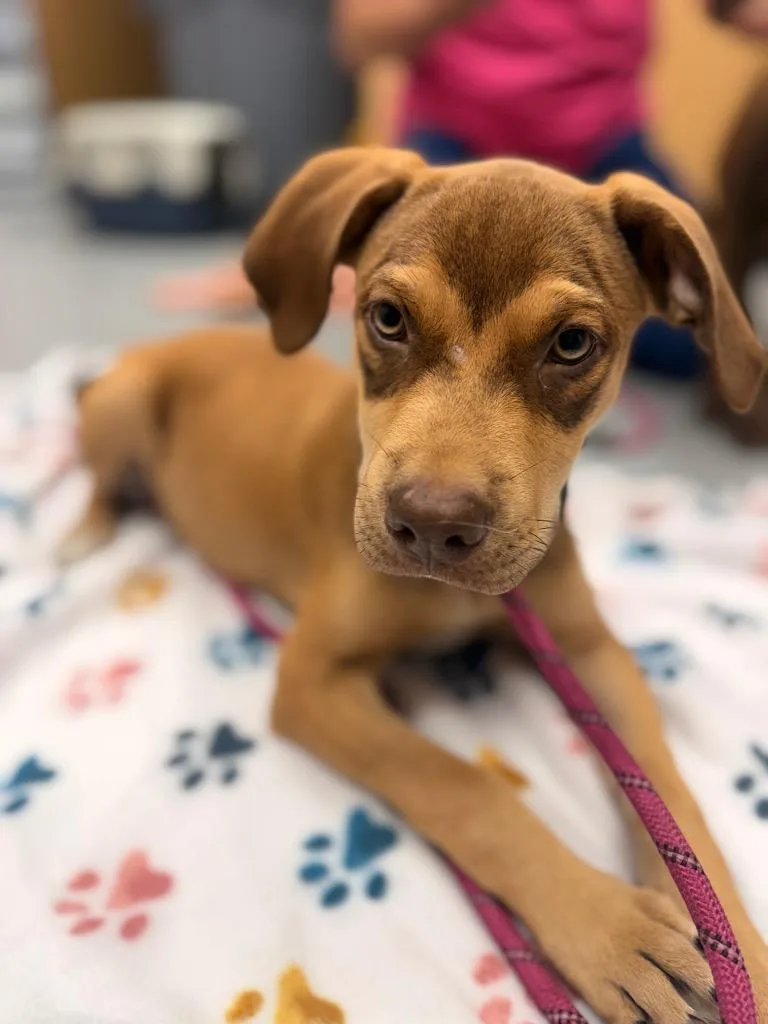
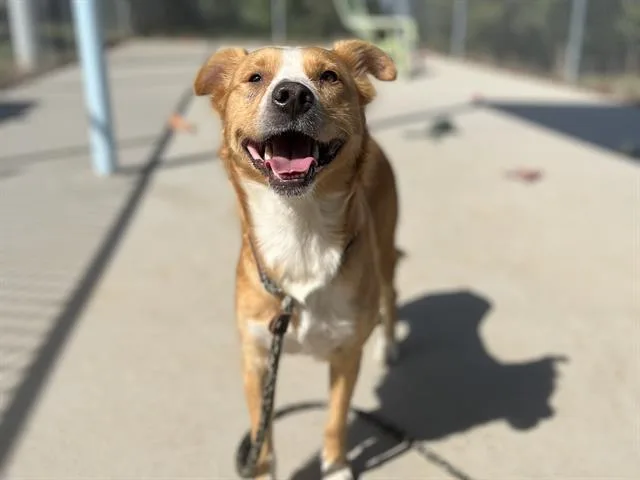
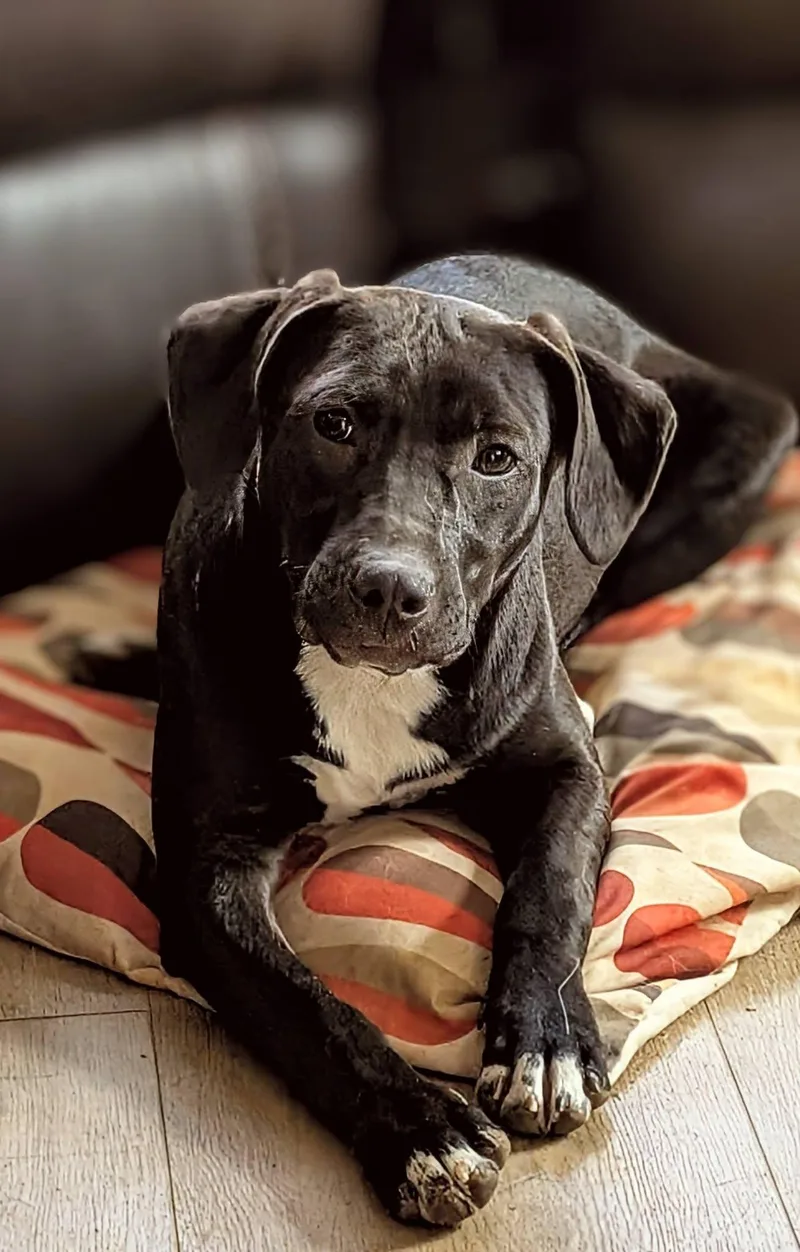
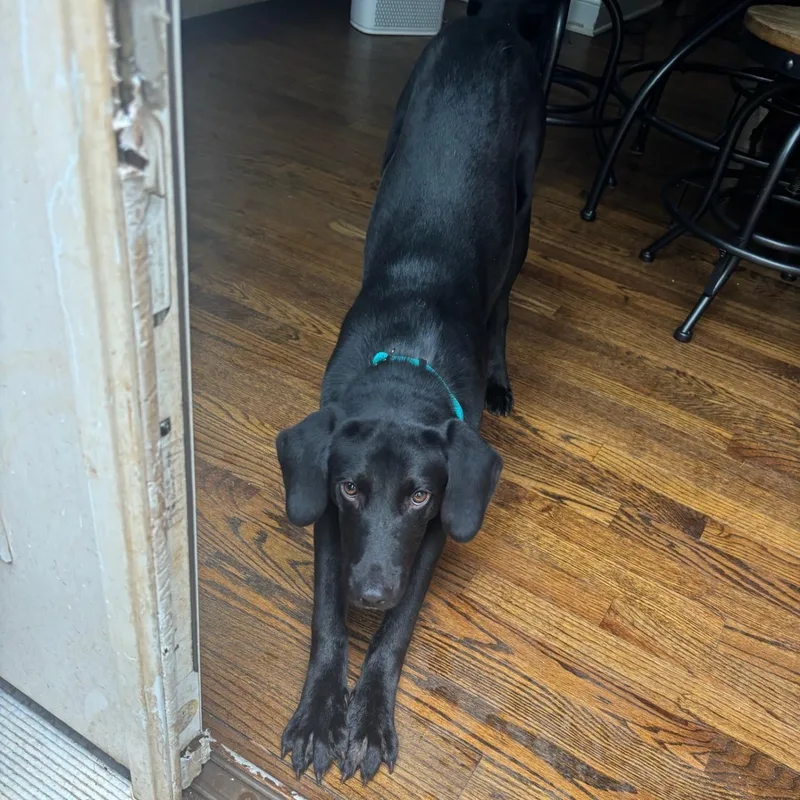
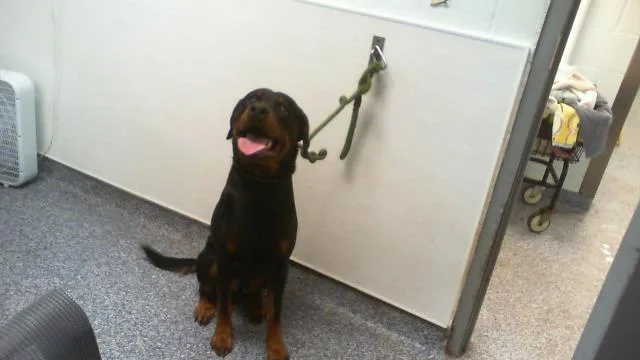
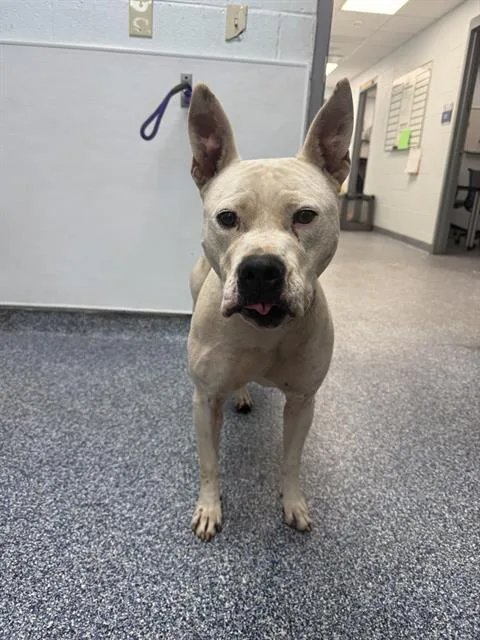
15109 dogs similar to Curly-Coated Retriever available in Charlotte and nationwide

Bring home a Curly-Coated Retriever

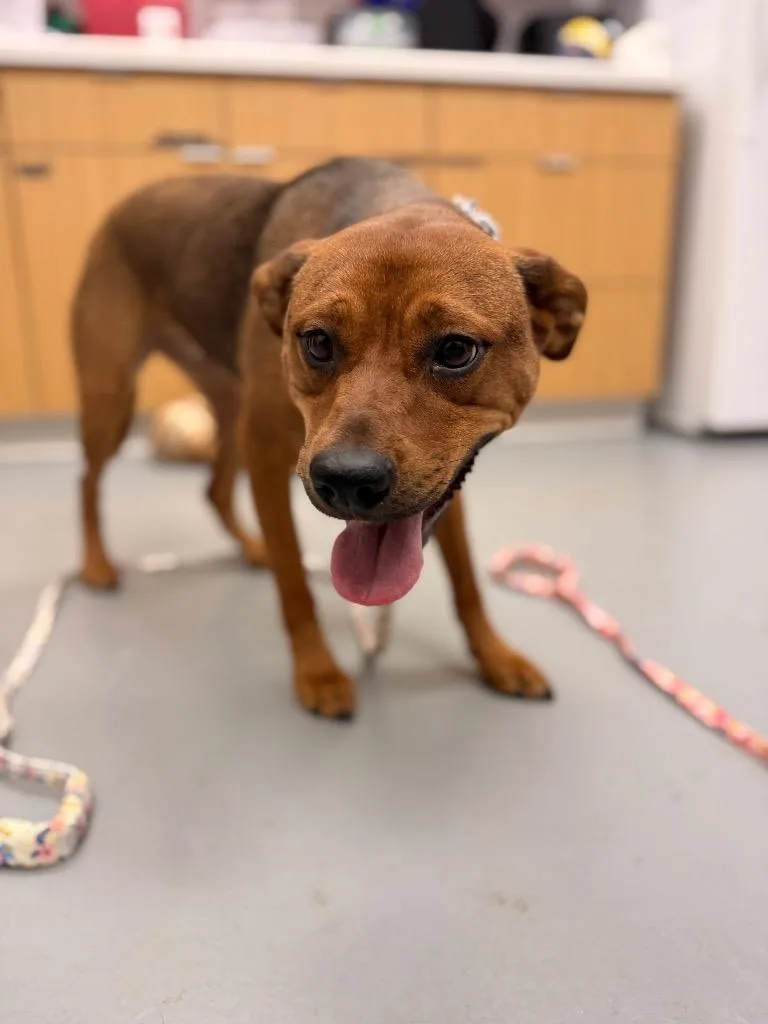
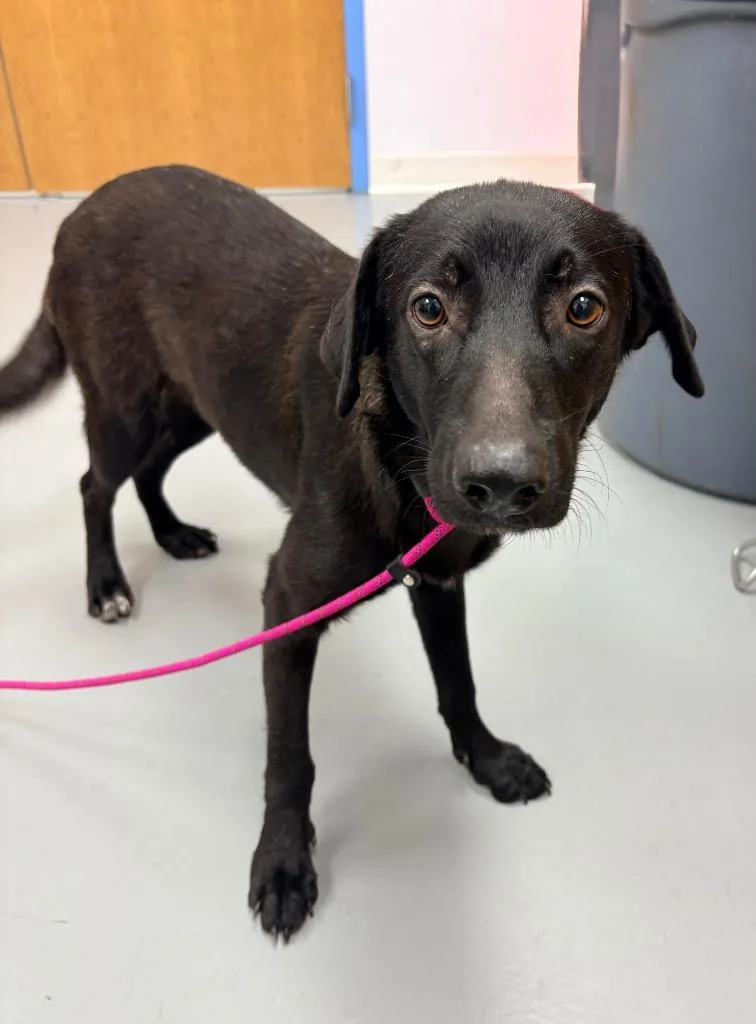
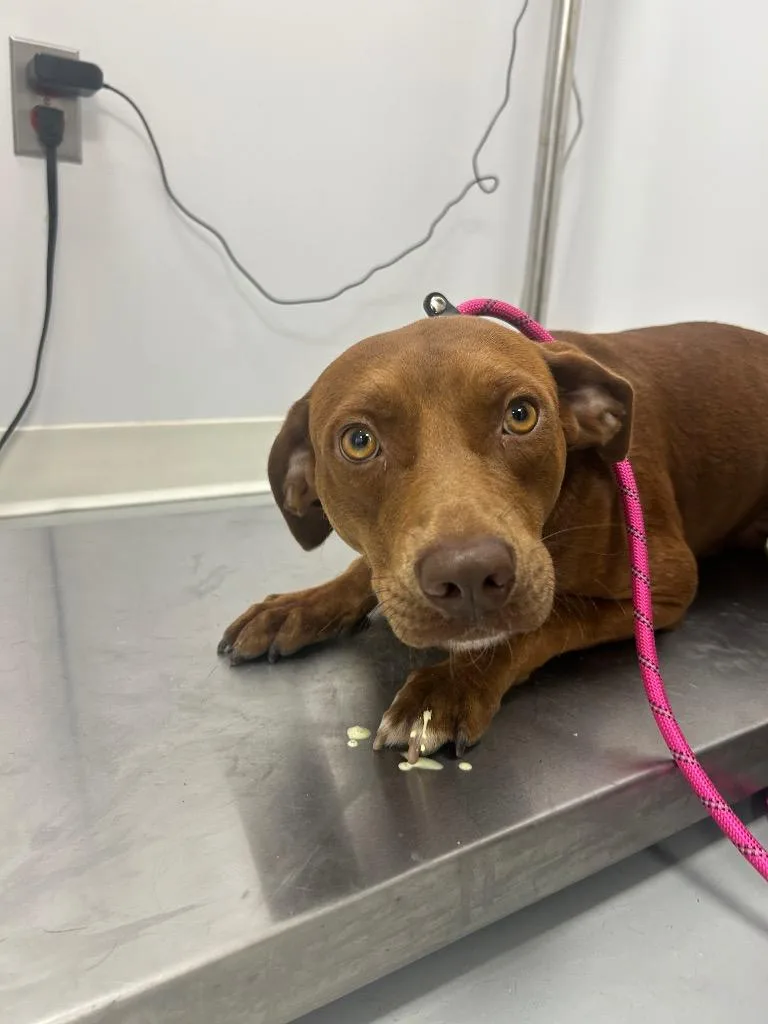
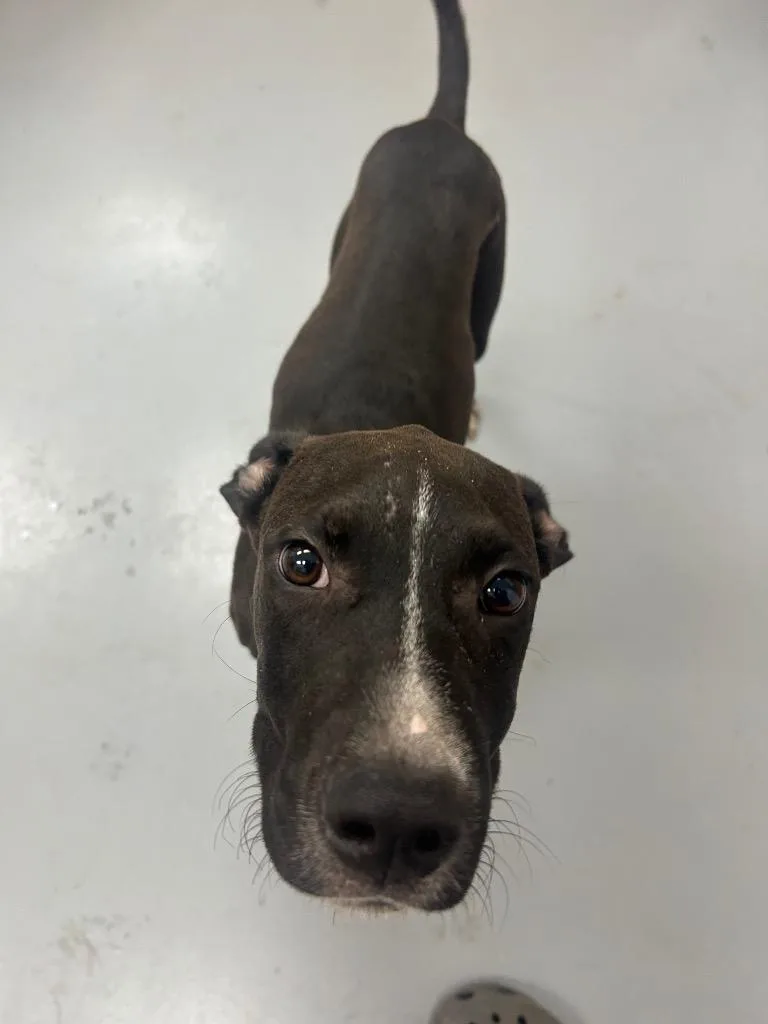
Curly-Coated Retrievers and Similar Breeds Available for Adoption Near Charlotte

About the Curly-Coated Retriever breed

The Curly-Coated Retriever is one of the oldest retriever breeds and the tallest of them. Adults usually stand 23 to 27 inches and weigh 60 to 95 pounds, with a dense covering of tight, crisp curls in black or liver. The coat sheds water and brambles, which suited a dog developed for waterfowl and upland birds.

In Charlotte, that working energy is the main thing to plan around. Many Curlies are more reserved with strangers than Labs or Goldens, think for themselves, and stay playful for two or three years, so they do best with patient, reward-based training and steady daily exercise. The coat is low-maintenance but not no-maintenance: it's dampened and fingered rather than brushed, with occasional trims, and dogs vary in how much they shed.

Weight
60–95 lbs
Height
23–27 in
Lifespan
10–12 yrs
Temperament
Confident, Intelligent, Independent
Group
Sporting
Shedding
Low to Moderate

Owning a Curly-Coated Retriever in Charlotte

Having a Curly-Coated Retriever in Charlotte

Curlies pair a retriever's stamina with a more self-possessed outlook. In Charlotte, that means a household that's out most days, comfortable with a slow-maturing dog, and ready for the weather and coat care that come with it.

Temperament

Curlies are usually devoted to their own people and politely aloof with strangers, so a busy Charlotte greenway or apartment lobby calls for early, relaxed socialization. They're smart and may tire of repetitive drills. Reward-based training works well, and many stay puppyish for a few years. Each dog's personality varies.

Exercise Needs

Plan on vigorous daily exercise: long walks, running or retrieving games, plus mental work like scent games or obedience classes. In Charlotte, the Little Sugar Creek Greenway offers leashed miles, and county off-leash parks such as Davie Dog Park give room to run. A bored Curly often invents its own entertainment.

Health Considerations

Curlies can face hip and elbow dysplasia, exercise-induced collapse, glycogen storage disease type IIIa, an inherited eye disease called progressive retinal atrophy, heart disease and coat loss. Bloat is a risk in deep-chested dogs. Plan on regular vet checkups of the joints, eyes and heart, plus heartworm, flea and tick prevention in Charlotte's warm, humid climate.

Living Space

A Curly does best with a securely fenced yard, which Charlotte's single-family neighborhoods can offer. An apartment can work for a committed owner who gets the dog out for hours every day. A tall dog with an active tail also needs floor space indoors, and Curlies want to live inside with the family, not in a kennel.

What it costs to own a Curly-Coated Retriever in Charlotte

ExpenseTypical costPer year
Food$55 to $110 per month$660 to $1,320
Pet insurance$65 to $130 per month$780 to $1,560
Routine vet care$250 to $500 per year$250 to $500
Other*$490 to $1,290 per year$490 to $1,290
Estimated yearly total (after year one)$2,180 to $4,670

Other costs are estimates and vary with size, age and health.

* Flea, tick and heartworm prevention, a dental cleaning allowance, the $10 Charlotte license for a spayed or neutered dog, toys and bedding, and light coat care with occasional trims.

Adopt a Curly-Coated Retriever in Charlotte.

Now that you know more, let’s find you a new best friend. These rescues and shelters below have dogs available in and near Charlotte.

Frequently Asked Questions

Yes, you can own a Curly-Coated Retriever in Charlotte, because the city has no breed ban. You'll need an annual license for any dog four months or older, with proof of rabies vaccination, and the dog must be leashed or fenced. Dangerous-dog rules look at a dog's behavior rather than its breed, so training and socialization matter.

A Curly-Coated Retriever suits Charlotte if you're active and outdoors often. Mild springs and falls, greenway miles and county dog parks give a high-energy retriever plenty to do, though summer heat and spring storms need planning. Because Curlies tend to be reserved and slow to mature, they fit patient owners who commit to training and daily exercise.

Yes, a Curly-Coated Retriever can live in a Charlotte apartment, but only with a firm routine of long daily outings, because this large, athletic dog won't settle for a short walk. Read the lease for weight limits before applying, and favor ground-floor units or buildings near a greenway. Expect a tail that clears coffee tables.

Yes, most Curlies handle Charlotte summers with sensible care. Exercise before breakfast or after sunset, carry water and rest in air conditioning through the afternoon. The dense dark coat holds heat, and exercise-induced collapse occurs in the breed, so stop at the first sign of wobbling or heavy panting, and cool the dog with cool, not cold, water.

Davie Dog Park, at five acres the county's largest, is a strong pick for running off-leash, and Barkingham Park and Shuffletown Dog Park are good alternatives. For leashed miles, try the Little Sugar Creek Greenway. A water-loving Curly may also enjoy the three ponds at the Whitewater Center's paid Off Leash area. County dog parks require current rabies, DHLPP and Bordetella vaccines.

No. CATS bans animals on its buses and LYNX light rail unless they're service animals or animals in training, and the rules list no carrier exception for pets. A 60- to 95-pound Curly wouldn't fit in a carrier anyway, so plan on driving to parks and trails. Violations can bring a $50 civil penalty.

Sometimes, on patios. North Carolina rules let restaurants allow leashed dogs in outdoor dining areas as long as they don't pass through indoor areas, but each restaurant decides. Indoors, only service animals are allowed. Bring a mat and water, and keep a large Curly settled beside your chair, since reserved dogs may dislike passing strangers.

A Curly's coat needs less work than it looks, but never brushing, which frizzes the curls. Dampen the coat and work through it with your fingers, and plan occasional trims. Humid Charlotte summers make a rinse after muddy greenway or pond outings useful. Those light grooming costs fit within the yearly Other costs listed on this page.

Yes, Curly-Coated Retrievers shed, but usually less than most retrievers for much of the year. Many have one or two heavier seasonal sheds when the curls loosen and drop hair, and intact females may shed more after a heat cycle. Owners generally avoid brushing, which frizzes the curls, and instead dampen the coat and work loose hair out by hand.

Budget about $55 to $110 a month for food and $65 to $130 a month for pet insurance. Routine vet care runs about $250 to $500 a year, and other costs such as prevention, dental care, the license, supplies and coat care add $490 to $1,290 a year. Totals depend on the dog's size, health and appetite.