




Corgi Dogs for Adoption in Charlotte, NC

Your guide to finding and caring for a Corgi in Charlotte

A corgi fits well in Elizabeth or Plaza Midwood, where the sidewalks are made for neighborhood loops. Short legs don't slow them down, and a corgi will happily trot past Independence Park or Veterans Park on a long leashed walk. Corgis are talkative, though, so expect announcements about every passerby from the bungalow window, and a Charlotte summer afternoon is best spent indoors. If you're thinking of adopting one here, plan on walking early or late and brushing often.

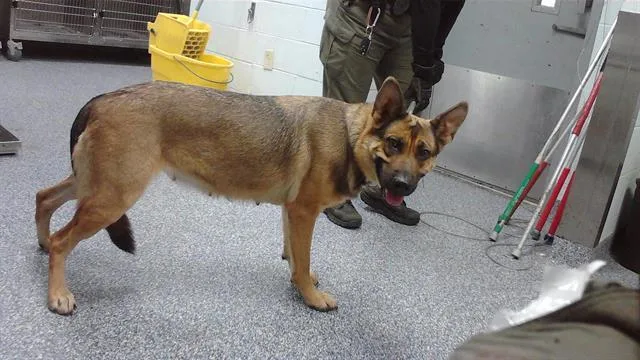
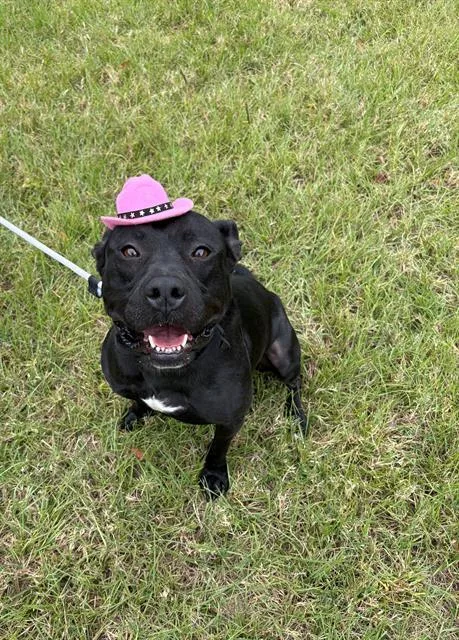
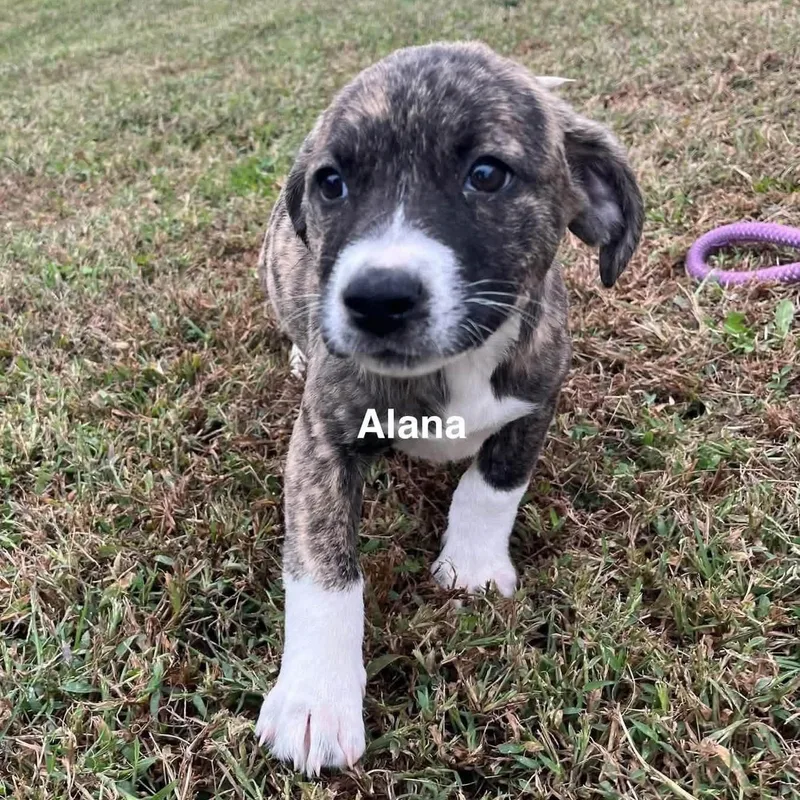
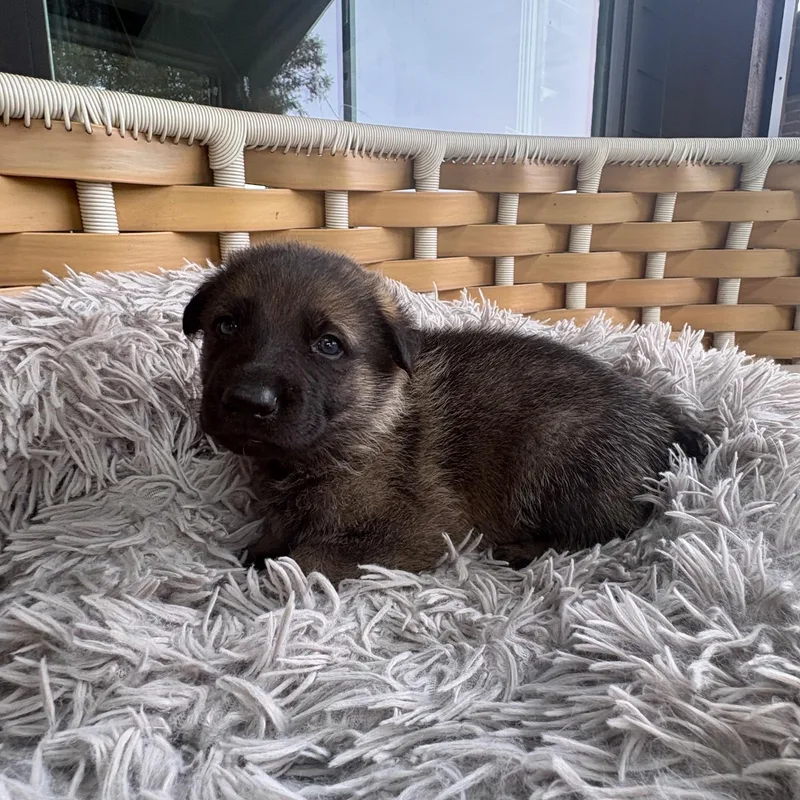
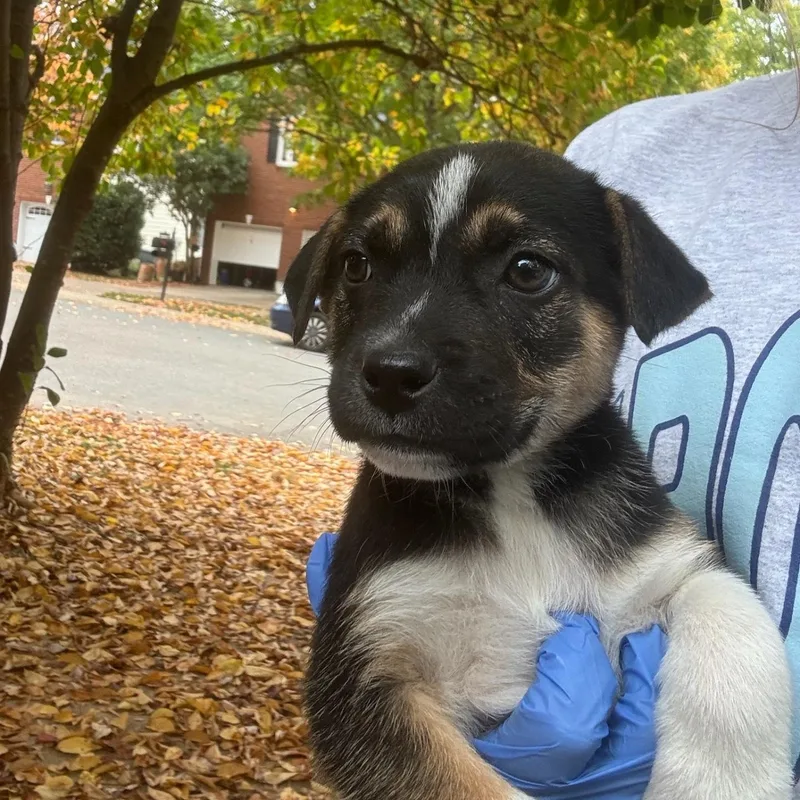
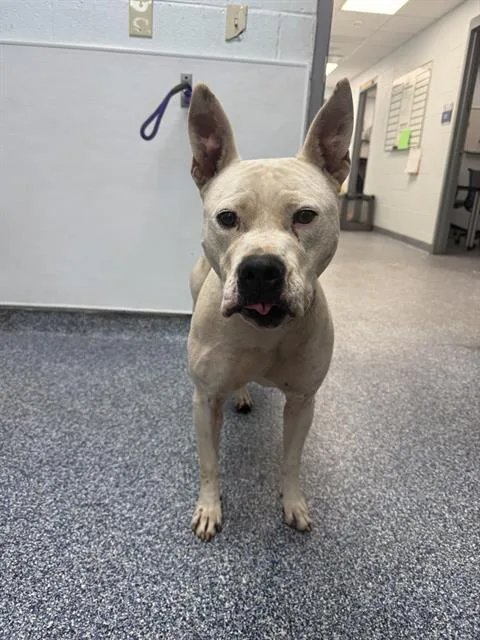
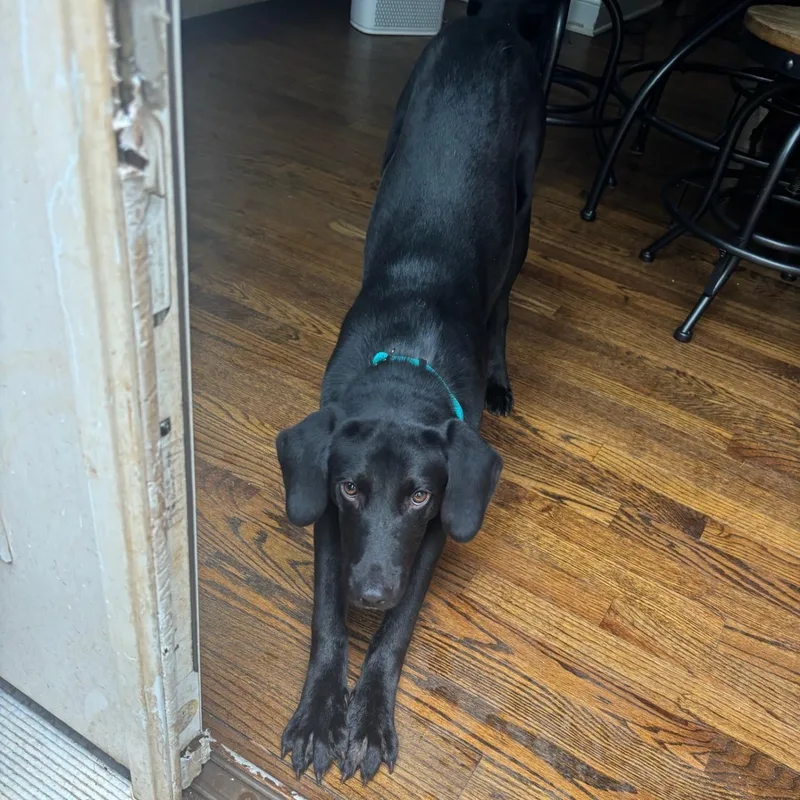
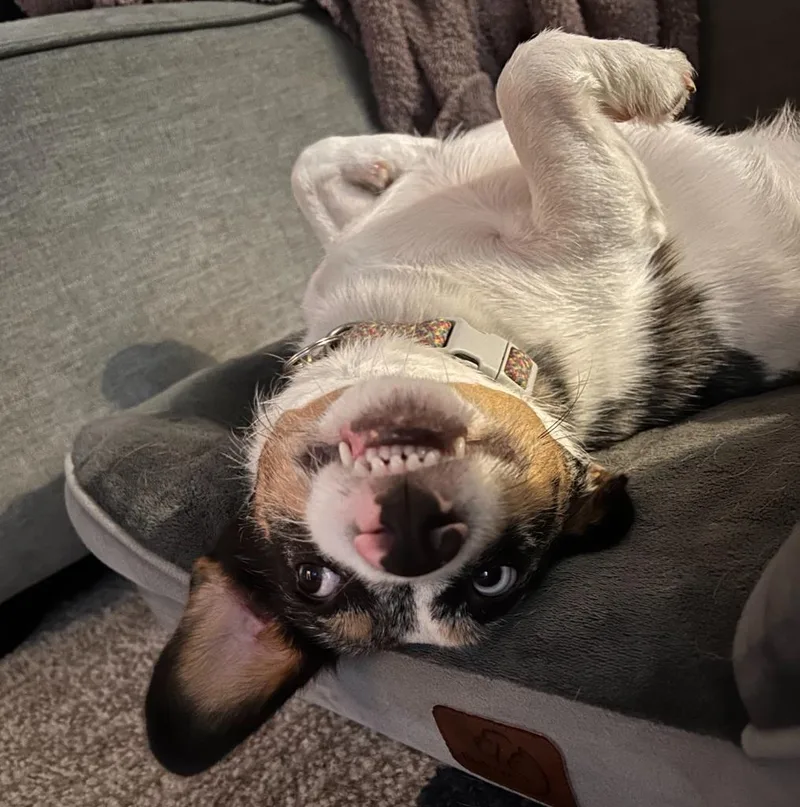
466 Corgis available in Charlotte and nationwide

Meet your next Corgi

While we don't have enough dogs near Charlotte, keep in mind that many rescues may offer transport.

Corgis Available for Adoption Near Charlotte

About the Corgi breed

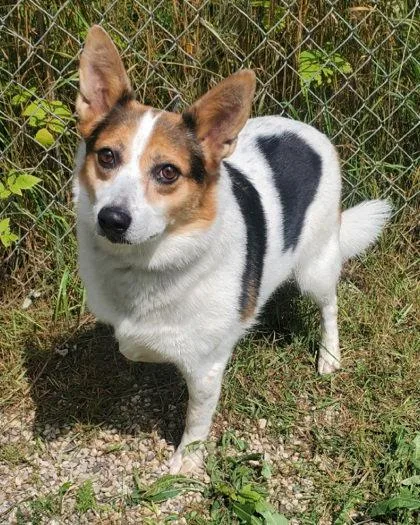
Corgi is the name people use for two Welsh herding breeds, the Pembroke and the Cardigan, and corgi mixes are common too. All are long, low dogs with upright ears and a thick double coat, built to herd cattle by nipping at heels. Pembrokes are lighter and foxier, while Cardigans are heavier and keep a long, brushy tail.

In Charlotte, that herding streak can show up on greenway walks and in busy apartment hallways, where a corgi may try to steer joggers, kids and other dogs. Most are bright, affectionate and confident, but they bark, shed heavily and gain weight easily. Dogs vary a lot, so spend time with a corgi before deciding, and plan on training, brushing and daily walks.

Weight
22–38 lbs
Height
10–13 in
Lifespan
12–15 yrs
Temperament
Alert, Intelligent, Affectionate
Group
Herding
Shedding
High

Owning a Corgi in Charlotte

Having a Corgi in Charlotte

Corgis pair a sharp herding mind with a long back and a thick coat. In Charlotte, that means steady training, back-friendly exercise, regular brushing and some planning for heat. Dogs differ, so treat these traits as a starting point, not a promise.

Temperament

Corgis are usually bright, outgoing and attached to their people, with a stubborn streak and a loud voice. In Charlotte's apartments and close-set neighborhoods, barking at hallway or sidewalk noise is a common worry, and the city treats excessive, continuous barking as a nuisance. Early socialization and calm training help, though each corgi differs.

Exercise Needs

Plan on daily walks plus active play, split into a few sessions. Charlotte's greenways, including the Little Sugar Creek Greenway, work for leashed walks, and county dog parks offer off-leash play with small-dog areas. Keep fetch on soft ground, skip repetitive jumping, and add puzzle toys on hot days.

Health Considerations

Back trouble is the main concern: corgis are prone to intervertebral disc disease, and extra weight makes it worse. Hip dysplasia, eye disease and degenerative myelopathy also occur. In Charlotte, copperheads in yards and coyotes near greenways are good reasons to keep walks leashed. A veterinarian can check the spine and set a healthy weight.

Living Space

Corgis adapt to apartments, townhomes and bungalows alike, since their small size suits most Charlotte homes. Add ramps for sofas and beds, limit stair use to protect that long back, and expect barking at hallway sounds and shed hair year-round.

What it costs to own a Corgi in Charlotte

ExpenseTypical costPer year
Food$20 to $45 per month$240 to $540
Pet insurance$40 to $85 per month$480 to $1,020
Routine vet care$200 to $400 per year$200 to $400
Other*$485 to $1,280 per year$485 to $1,280
Estimated yearly total (after year one)$1,405 to $3,240

Other costs are estimates and vary with size, age and health.

* The $10–$30 Charlotte dog license, flea, tick and heartworm prevention, a dental cleaning allowance, toys and bedding, and brushing and baths for heavy shedding.

Adopt a Corgi in Charlotte.

Now that you know more, let’s find you a new best friend. These rescues and shelters below currently have Corgis available.

Frequently Asked Questions

Yes, Charlotte has no breed ban, so a Corgi is as welcome as any other dog. Dangerous-dog rules turn on a dog's actual behavior, not its breed. The practical requirements are a license, a rabies tag on the collar, and a leash or fence, plus a $40 permit if three or more dogs or cats spend much of their time outside.

Yes, a Corgi can live in a Charlotte apartment, since its small size suits most buildings. The bigger questions are stairs and sound. Walk-ups strain a long back, so a ground-floor unit or elevator building is kinder, and a bored corgi's barking can reach neighbors. Read the lease for pet fees, pet limits and breed or weight rules.

Yes, with planning. Charlotte summers are humid rather than extreme, but a corgi's thick coat and short legs, which keep it close to hot asphalt, make midday outings risky. Keep sessions short, shaded and near water, and swap long walks for indoor games on the hottest days. Don't shave the double coat, since it helps insulate against heat.

Start with the county dog parks, which have small-dog areas: Frazier Park at Uptown's edge, Ray's Fetching Meadow in the east, and Shuffletown in the northwest. For a paid option, the U.S. National Whitewater Center has a fenced 70-acre off-leash area. On county park trails, dogs must stay leashed.

No, pet Corgis can't ride CATS buses or the LYNX light rail. The CATS Code of Conduct allows only animals that assist a person with a disability or are in training, and violations can bring a $50 civil penalty. It lists no exception for carriers, even for a small dog, so plan on walking or driving.

Sometimes, on patios only. North Carolina rules let restaurants allow leashed dogs in outdoor dining areas if the dog doesn't pass through indoor areas or touch food, dishes or staff, but each restaurant decides. Indoors, only service animals are allowed. A corgi that barks at passing dogs may do best at a quiet corner table with a chew.

A Corgi needs brushing a few times a week, and daily during the heavy sheds in spring and fall, when the undercoat comes out in clumps. A bath every month or two is plenty. Grooming fits inside the yearly Other costs of roughly $485 to $1,280, so home brushing keeps spending near the low end.

A corgi is a small, long-bodied herding dog from Wales with short legs, upright ears and a thick double coat. The name covers two separate breeds, the Pembroke Welsh Corgi and the Cardigan Welsh Corgi, which share a working past driving cattle. Many corgis in shelters are mixes. Most are smart, energetic and affectionate, with a strong opinion about everything.

We have 2 rescues with Corgis available: Saving the Aggressive Breeds Rescue and FurBabies Animal Rescue. You can see every rescue with Corgis available in the list above these questions, or scroll to the top to see the Corgis near Charlotte.

A corgi in Charlotte typically costs $20–$45 a month for food and $40–$85 a month for insurance. Routine vet care runs $200–$400 a year, and other costs such as the license, parasite prevention, dental care, supplies and grooming add roughly $485–$1,280 a year. Heavier corgis may eat toward the top of the food range.

Find Corgis in Nearby Cities

Expand your search to find Corgis available for adoption near Charlotte.