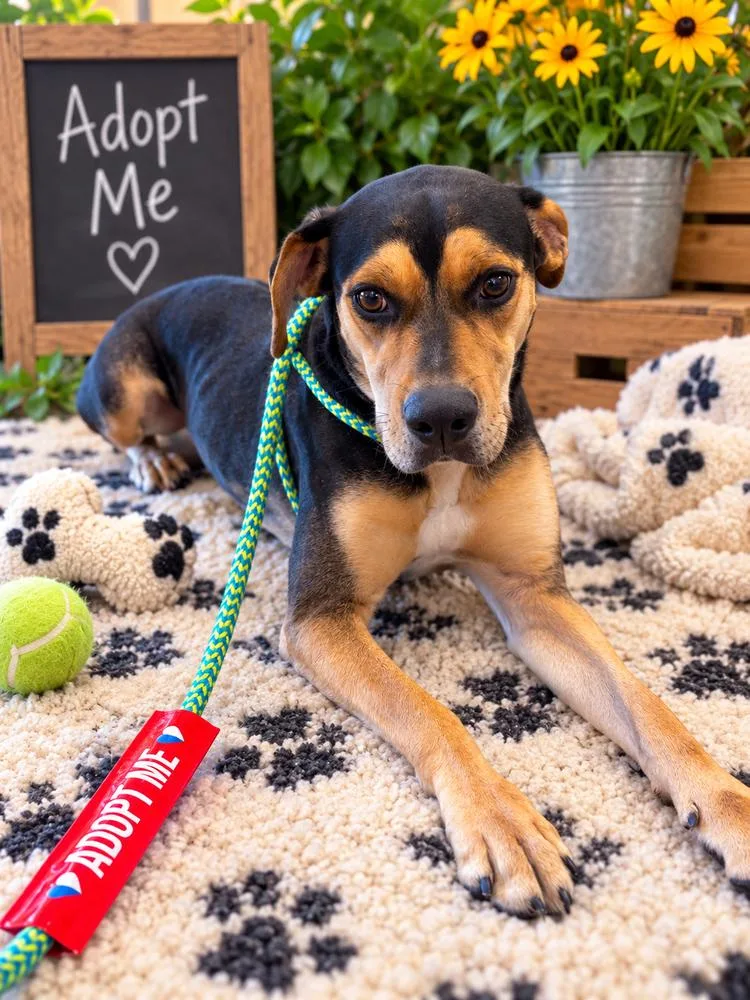
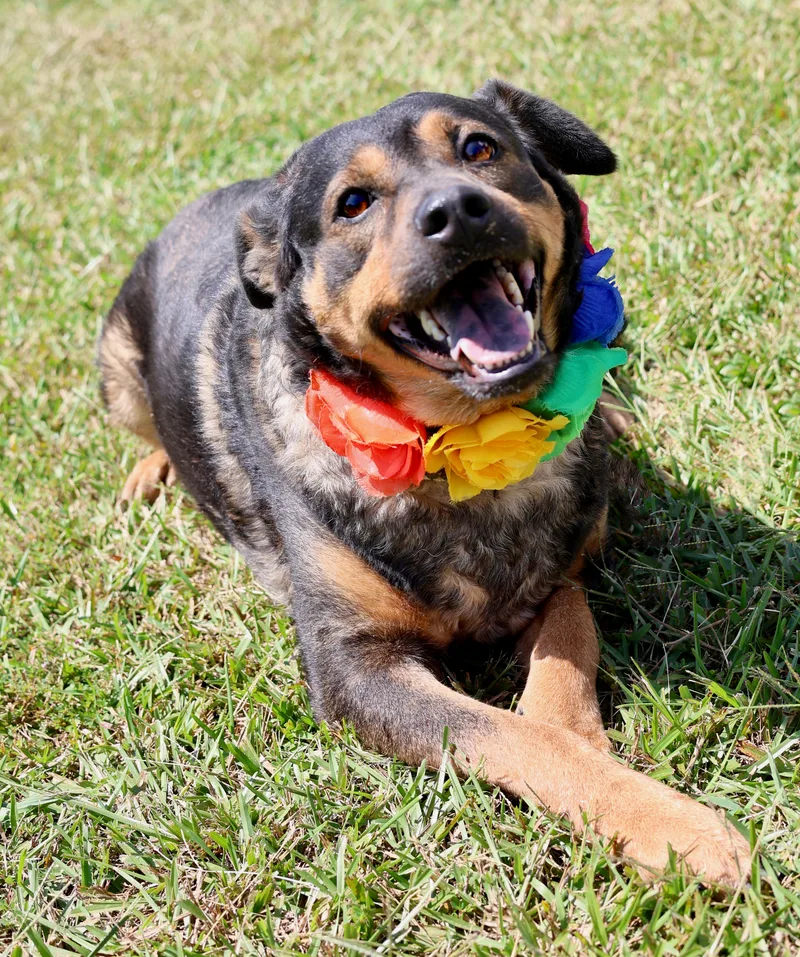
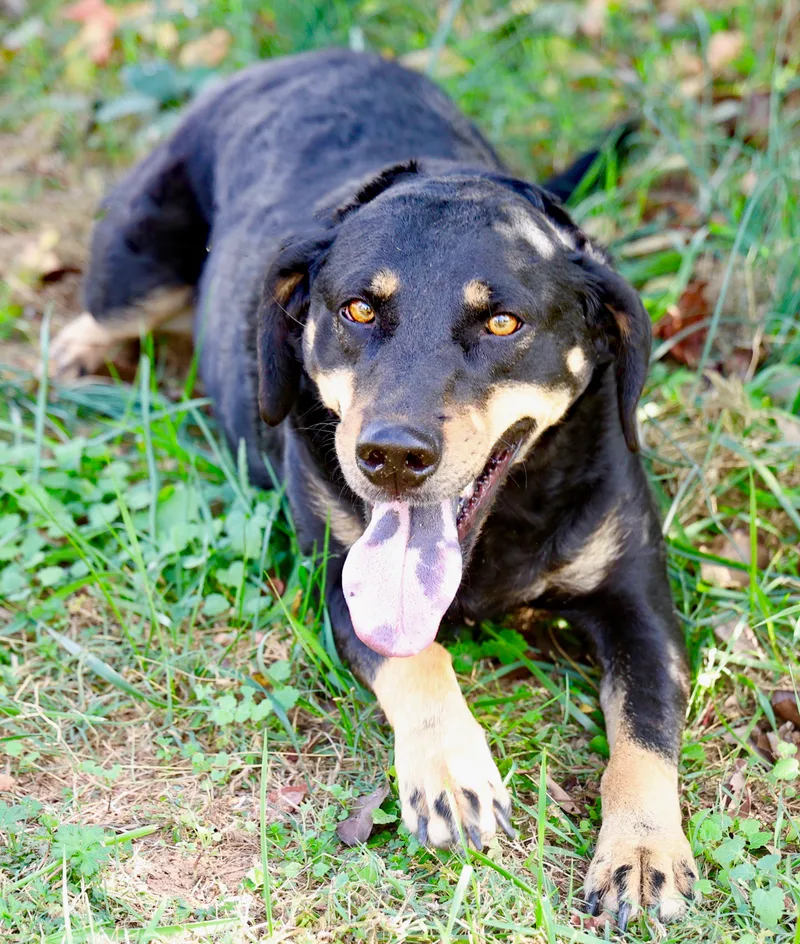
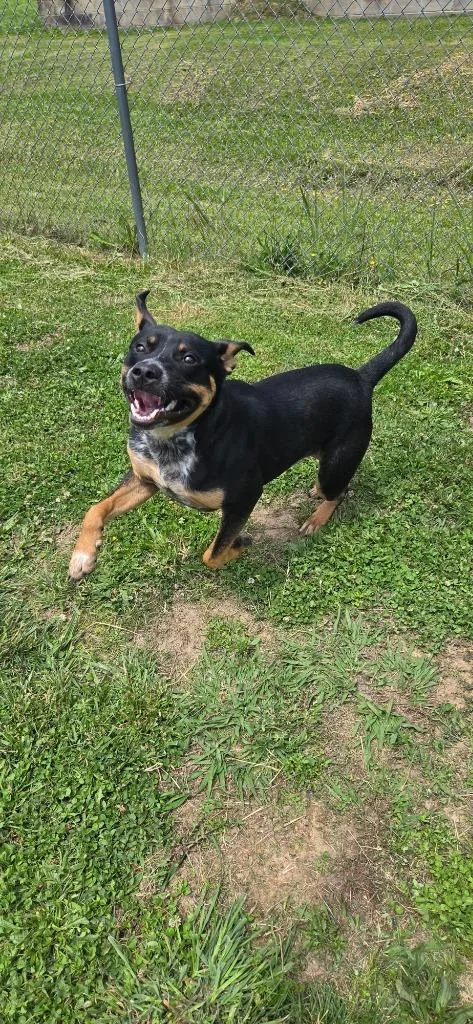
Black Russian Terrier Dogs for Adoption in Charlotte, NC

Your guide to finding and caring for a Black Russian Terrier in Charlotte

A Black Russian Terrier needs room, which is why a fenced yard in a Steele Creek subdivision suits one better than a South End apartment. These are heavy-boned dogs of 80 to 130 pounds, calm and devoted at home but reserved with strangers. A Black Russian wants a daily job, whether that's long leashed walks on the Little Sugar Creek Greenway or training sessions in the backyard. Charlotte's humid summers are the hard part for that thick black coat, so keep walks to early morning and evening.

2696 dogs similar to Black Russian Terrier available in Charlotte and nationwide

Find your Black Russian Terrier

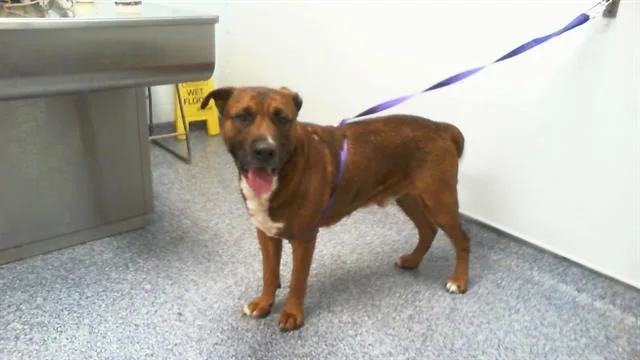
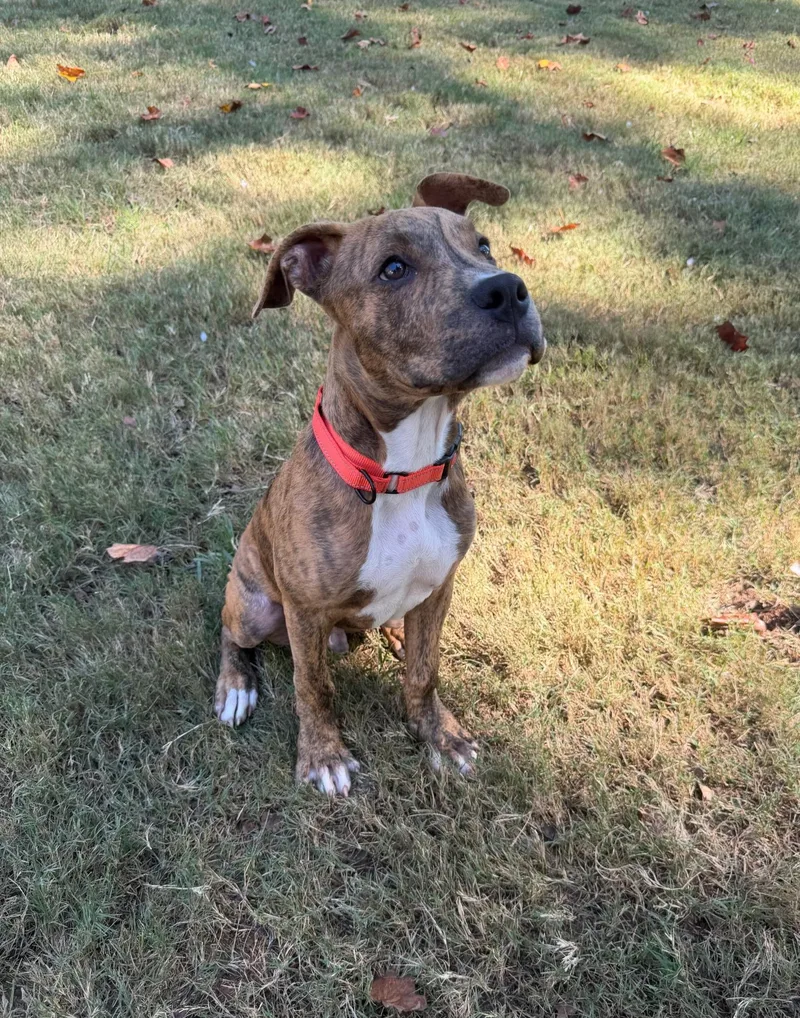
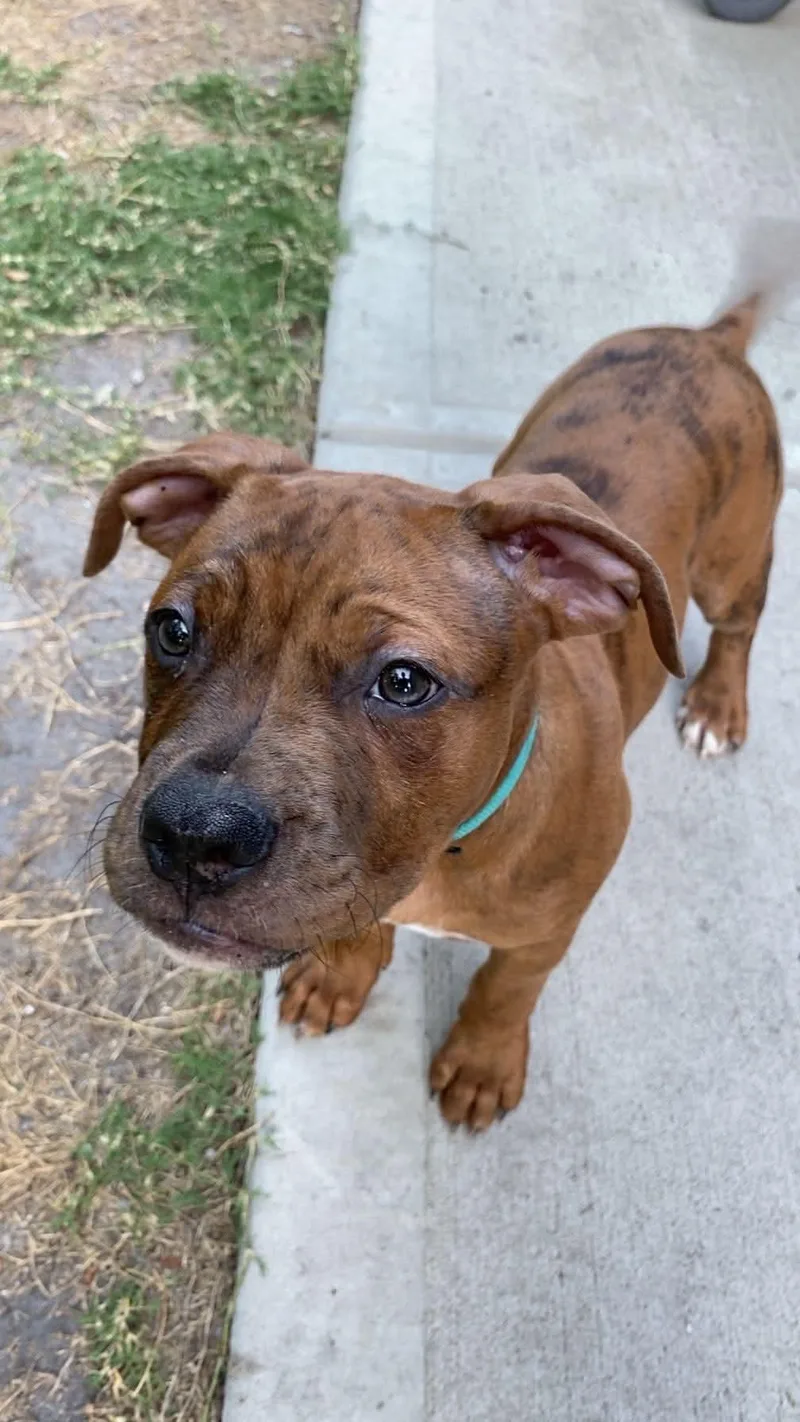
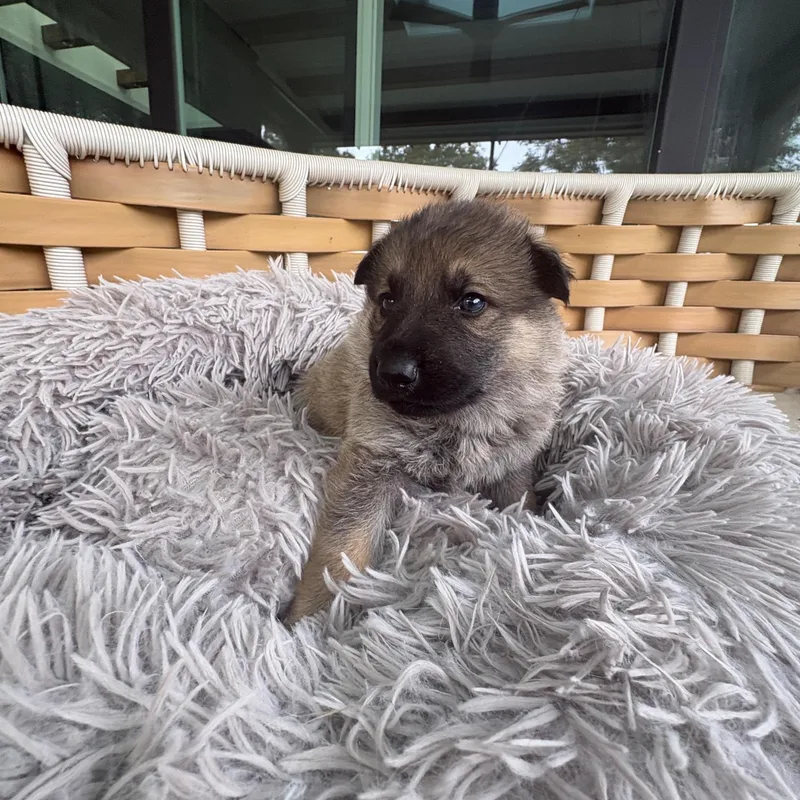
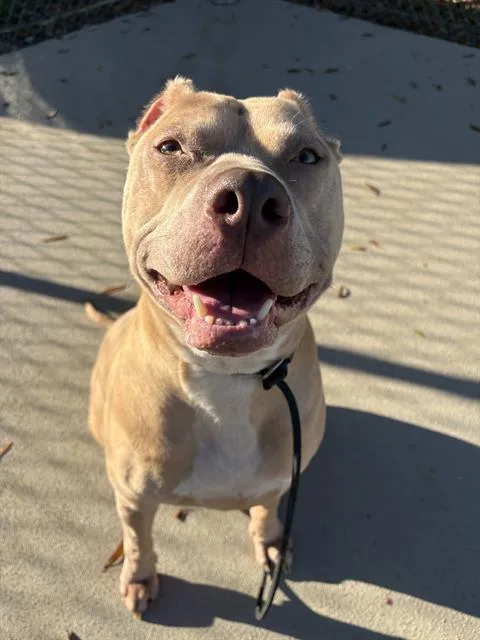
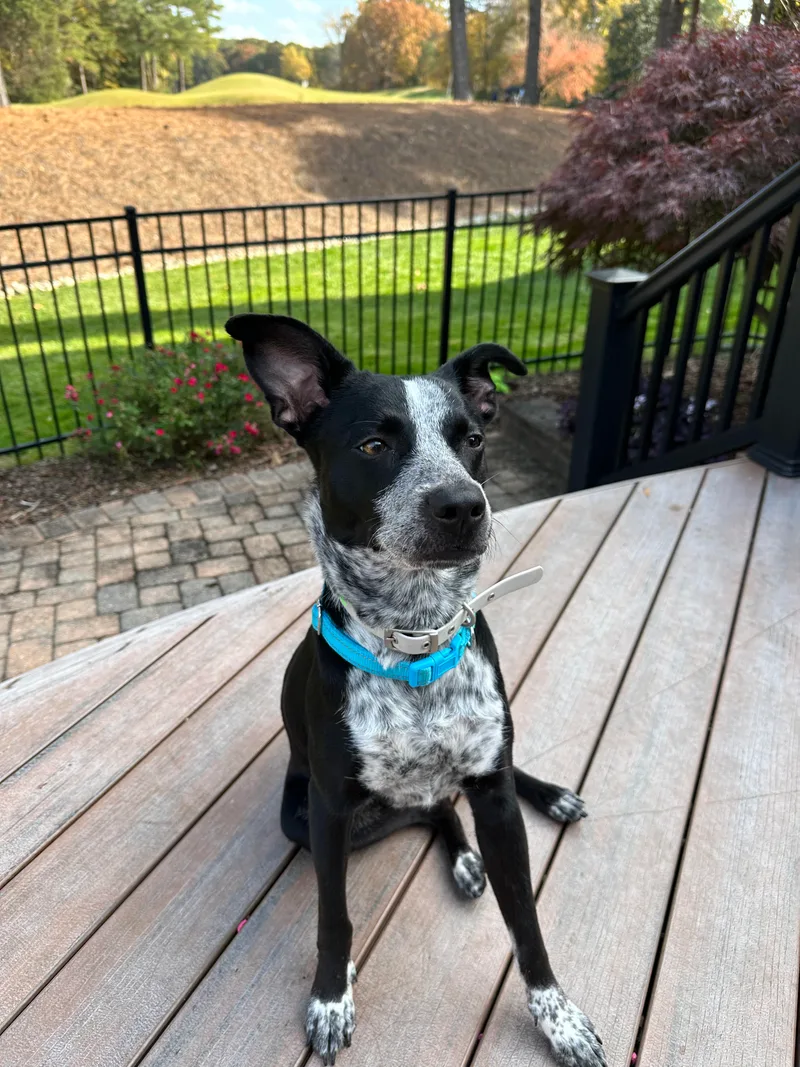
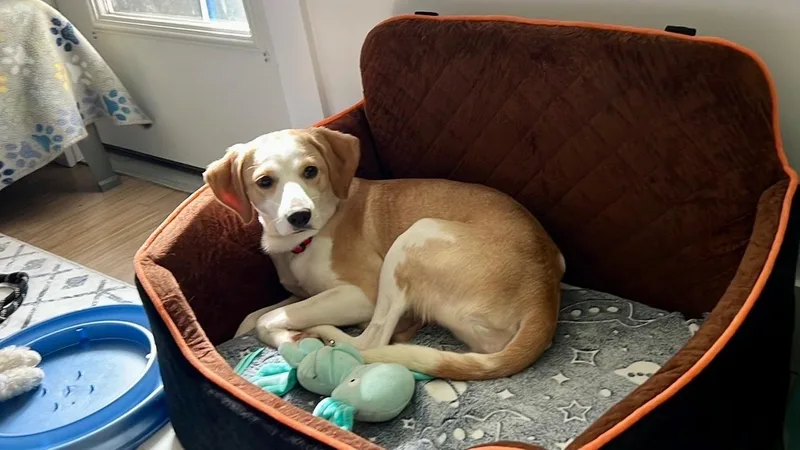
Black Russian Terriers and Similar Breeds Available for Adoption Near Charlotte

About the Black Russian Terrier breed

Despite the name, the Black Russian Terrier isn't a true terrier. It was developed in the Soviet Union in the late 1940s and 1950s as a hardy working and guard dog, using about 17 breeds that included the Giant Schnauzer, Airedale, Rottweiler and Newfoundland. The AKC placed it in the Working Group in 2004. The look is unmistakable: heavy bone, a wavy black double coat, a bearded muzzle and eyebrows that fall over the eyes.

Many are calm, confident and closely bonded to their families, while staying aloof with strangers. They're intelligent and trainable, but their size and protective streak call for a consistent handler and plenty of socialization. The low-shedding coat needs brushing a few times a week and professional trims, which becomes a regular line in a Charlotte budget.

Weight
80–130 lbs
Height
26–30 in
Lifespan
10–12 yrs
Temperament
Confident, Protective, Loyal
Group
Working
Shedding
Low

Owning a Black Russian Terrier in Charlotte

Having a Black Russian Terrier in Charlotte

Guardian instincts, a big frame and a high-maintenance coat define life with this breed. In Charlotte, the fenced yard, the summer heat and the grooming schedule matter as much as handling experience, so weigh time and space alongside temperament.

Temperament

Black Russians are often steady and attached to their own people, though dogs vary. Many are watchful with visitors, which matters in Charlotte's busy neighborhoods and on shared greenways. Practice calm introductions to strangers and other dogs on leash, and use reward-based training. For a rescue dog, day-to-day behavior tells you more than breed reputation.

Exercise Needs

Plan on two good walks a day plus play, hiking or training. Charlotte's county greenways and leashed park trails offer plenty of routes, and the county's fenced dog parks, which require rabies, DHLPP and Bordetella vaccines, give off-leash time if the dog is comfortable with other dogs. Avoid hard exercise around mealtimes because of bloat risk.

Health Considerations

Hip and elbow dysplasia, progressive retinal atrophy, bladder stones and juvenile laryngeal paralysis are known concerns, and deep-chested giants face bloat risk. In Charlotte, keep flea, tick and heartworm prevention current and watch for copperheads during yard time. A veterinarian can check the joints and look for early signs of these conditions soon after adoption.

Living Space

A house with a securely fenced yard suits a Black Russian best. A calm adult can manage an apartment with reliable daily exercise, but this is a giant dog that fills floor space and needs a cool indoor spot to rest. Many Charlotte buildings set breed or weight limits, so read the lease terms closely.

What it costs to own a Black Russian Terrier in Charlotte

ExpenseTypical costPer year
Food$80 to $160 per month$960 to $1,920
Pet insurance$85 to $170 per month$1,020 to $2,040
Routine vet care$250 to $500 per year$250 to $500
Other*$1,035 to $2,780 per year$1,035 to $2,780
Estimated yearly total (after year one)$3,265 to $7,240

Other costs are estimates and vary with size, age and health.

* The $10 to $30 yearly Charlotte dog license, professional trims every 6 to 8 weeks, flea, tick and heartworm prevention, a dental cleaning allowance, toys and bedding, and joint supplements.

Adopt a Black Russian Terrier in Charlotte.

Now that you know more, let’s find you a new best friend. These rescues and shelters below have dogs available in and near Charlotte.

Frequently Asked Questions

Yes, you can own a Black Russian Terrier in Charlotte, which has no breed ban. Any dog four months or older needs an annual license with proof of rabies vaccination, at $10 to $30 a year depending on spay or neuter status. Dogs must be leashed or fenced, and owners must scoop waste. Dangerous-dog rules apply to dogs of any breed.

Yes, with care, but the thick black coat holds heat. About 49 days a year reach 90°F, and the air is humid. Walk at dawn or dusk, keep the dog in air conditioning during afternoons, offer water often, and never leave the dog in a parked car. Heavy panting, staggering or vomiting means cool the dog and see a vet.

A calm adult Black Russian can live in a Charlotte apartment, but it's a tight fit for a dog of 80 to 130 pounds. Weight and breed limits are the usual obstacle, so confirm them before applying. Look for a building near a greenway or park, and budget time for two walks a day plus training.

Mecklenburg County's fenced dog parks are the best off-leash choice, including Davie Dog Park in south Charlotte and Barkingham Park at Reedy Creek, each with a large-dog area. Dogs need rabies, DHLPP and Bordetella vaccines. For leashed walks, try the Little Sugar Creek Greenway or Freedom Park. The Whitewater Center's 70-acre Off Leash area is paid.

No, a Black Russian Terrier can't ride CATS buses or the LYNX light rail. The CATS code of conduct allows only animals that assist a person with a disability or are in training, and violations can bring a $50 civil penalty. It lists no carrier exception, and a dog this size wouldn't fit in one anyway, so plan on driving or walking.

Sometimes, on patios. North Carolina rules let restaurants allow leashed dogs in outdoor dining areas if the dog doesn't pass through indoor areas, but each restaurant decides. Indoors, only service animals are allowed. A Black Russian that's reserved with strangers should be able to lie calmly under a table before you try a busy patio.

Plan on brushing a few times a week and a professional trim about every 6 to 8 weeks. Humid weather and wet walks leave the beard damp, so dry it after drinking and rain. Keeping the coat trimmed shorter helps in summer. Professional trims are the largest part of the $1,035 to $2,780 yearly Other costs.

Yes, for an active household with a fenced yard, time for training and a tolerance for grooming. Charlotte offers greenways, county dog parks and long mild springs and falls for exercise. It's a harder fit for long days away in a small apartment, and summer heat limits midday activity, so the routine has to center on early and late hours.

Black Russian Terriers can be good family dogs for experienced owners. Many are affectionate, calm and protective with their own families and gentle with children they are raised with. Their size and guarding instincts mean they need training, socialization and supervision around visiting kids. An adult rescue with a known history in a family home can be a strong match.

Expect roughly $3,300 to $7,200 a year. That covers food at $80 to $160 a month, insurance at $85 to $170 a month, routine vet care at $250 to $500 a year, and about $1,035 to $2,780 a year in other costs, mostly grooming and prevention. Charlotte's dog license runs $10 to $30 a year.