Basset Hound Dogs for Adoption in Charlotte, NC

Your guide to finding and caring for a Basset Hound in Charlotte

Basset Hounds suit Charlotte's post-war ranch neighborhoods, where one-story floor plans spare their long backs. Around Windsor Park and Sheffield Park, a fenced yard and a slow loop past the brick ranches are enough to keep a Basset content. Their noses turn every walk into a crawl, and that's the point. Expect plenty of sniffing, a bay when something interesting passes the fence, and a dog that wants to be wherever you are. If you're thinking of adopting one in Charlotte, it fits steady walkers who like a relaxed pace.

503 Basset Hounds available in Charlotte and nationwide

A Basset Hound is ready for you

While we don't have enough dogs near Charlotte, keep in mind that many rescues may offer transport.

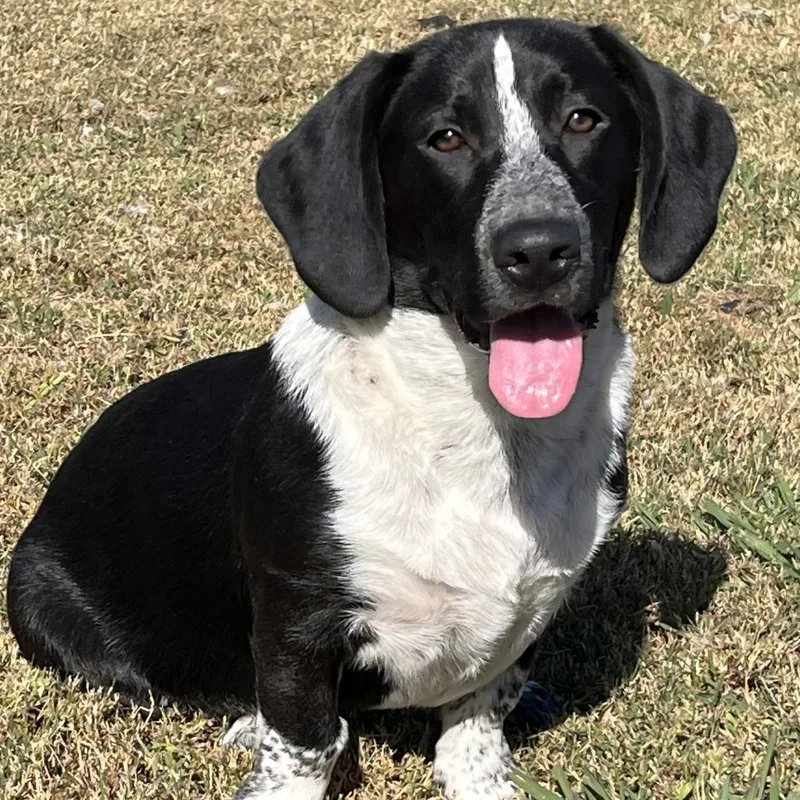
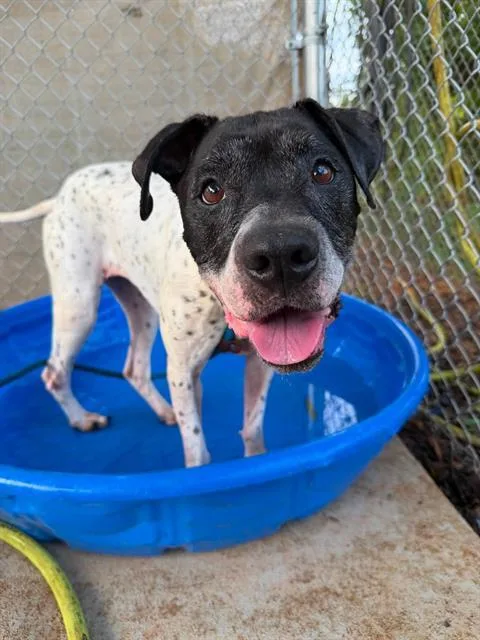
Basset Hounds Available for Adoption Near Charlotte

About the Basset Hound breed

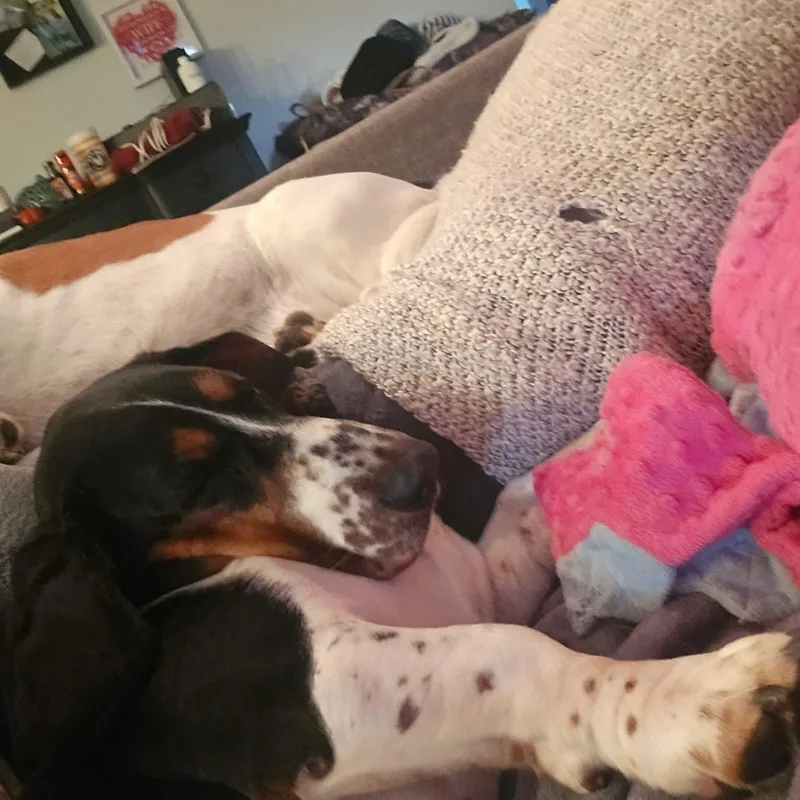
The Basset Hound is a French-rooted scent hound, developed in Britain into the heavy-boned, long-eared dog people recognize today. It was built to trail rabbits and hares at a walking pace, which explains the short legs, loose skin and a nose second only to the Bloodhound's. Adults usually weigh 40 to 65 pounds despite standing only 11 to 15 inches tall.

In Charlotte, that nose is the main thing to plan around. Bassets are typically mellow and sociable, but a scent can pull them off course, so a leash or secure fence matters on greenway walks and in yards. Plan for ear cleaning, regular nail trims, careful portions and limited stairs. Many bay, which neighbors in close-set apartment buildings may notice. Temperament varies from dog to dog.

Weight
40–65 lbs
Height
11–15 in
Lifespan
10–13 yrs
Temperament
Easygoing, Friendly, Gentle, Vocal
Group
Hound
Shedding
Moderate

Owning a Basset Hound in Charlotte

Having a Basset Hound in Charlotte

A Basset's low-slung build and strong nose shape nearly everything about daily life. In Charlotte, that means slow walks, a back-friendly home, attention to weight and ears, and a plan for hot, humid afternoons. Here's how temperament, exercise, health and space fit together.

Temperament

Bassets are usually easygoing, affectionate and sociable, and many are relaxed with children and other dogs. They can also be stubborn and vocal. In Charlotte's close-set neighborhoods and apartment buildings, a bay at passersby gets noticed, so early training with food rewards helps. Each dog's personality varies with history and socialization.

Exercise Needs

Plan on one or two steady walks a day with plenty of time to sniff. Leashed dogs are welcome on greenways like the Little Sugar Creek Greenway, and the county dog parks offer fenced space. Keep a Basset leashed everywhere else, since its nose can override recall, and keep jumping and stairs to a minimum.

Health Considerations

Bassets are prone to ear infections, skin fold irritation, glaucoma, disc problems, bloat and obesity. Charlotte's humid summers can make ears and skin folds harder to keep dry, so clean them regularly. Watch for sudden eye redness or a swollen belly, and have a veterinarian check weight, back and eyes at checkups.

Living Space

A Basset can live happily in a Charlotte apartment or house. Ground-floor units and ranch-style homes spare its back from stairs, and a ramp helps with furniture. Baying carries through shared walls, and a fenced yard is useful because a Basset following a scent will wander.

What it costs to own a Basset Hound in Charlotte

ExpenseTypical costPer year
Food$35 to $70 per month$420 to $840
Pet insurance$55 to $100 per month$660 to $1,200
Routine vet care$225 to $450 per year$225 to $450
Other*$485 to $1,330 per year$485 to $1,330
Estimated yearly total (after year one)$1,790 to $3,820

Other costs are estimates and vary with size, age and health.

* The $10 to $30 Charlotte dog license, flea, tick and heartworm prevention, a dental cleaning allowance, toys and bedding, basic coat care, and ear and skin fold cleaning supplies.

Adopt a Basset Hound in Charlotte.

Now that you know more, let’s find you a new best friend. These rescues and shelters below have dogs available in and near Charlotte.

Frequently Asked Questions

Yes, you can own a Basset Hound in Charlotte, since the city has no breed ban or breed-specific rule. Dangerous-dog rules look at a dog's behavior, not its breed. A Basset needs a rabies vaccine by four months, a license, and a leash or fence outside. A $40 permit applies only if three or more dogs or cats spend much time outdoors.

Yes, a Basset Hound can live in a Charlotte apartment if it gets daily walks and the building allows it. Ground-floor units spare its back from stairs. Baying can carry through walls, and excessive barking can be a nuisance offense, so training and enrichment matter. Check the lease for weight and breed limits before you apply.

Charlotte's county dog parks, including Shuffletown in the northwest and Ray's Fetching Meadow in the east, are free and fenced, with small- and large-dog areas. Dogs need current rabies, DHLPP and Bordetella vaccines. The U.S. National Whitewater Center has a paid 70-acre off-leash area. On greenways, keep a Basset leashed, since its nose can override recall.

Usually yes, with care. About 49 days a year reach 90°F, mostly June through September, and humidity adds strain for a heavy dog. Walk at dawn or dusk, carry water, and watch for heavy panting or unsteadiness. Heatstroke is an emergency, so see a veterinarian right away if a dog seems overheated.

No, pet dogs can't ride CATS buses or LYNX light rail. CATS rules allow only service animals and animals in training aboard, and violations can bring a $50 civil penalty. No carrier exception is written, and a 40-to-65-pound Basset is too heavy to carry far anyway. Plan on driving, or on walks close to home.

Sometimes, on patios. North Carolina rules let restaurants allow leashed dogs in outdoor dining areas as long as they don't pass through indoor areas, but each restaurant decides. Indoors, pet dogs aren't allowed. Bring water, a mat, and a Basset settled enough to stay put, since food smells will tempt that nose.

A Basset's short coat needs only weekly brushing, a bit more during moderate year-round shedding. Ear, skin fold and nail care matter more, especially in Charlotte's humidity: clean ears regularly and dry skin folds after baths and rainy walks. Professional grooming is optional, and the cost estimates above already include basic coat and ear care.

Basset Hounds are medium-sized dogs that stay short, standing no more than about 15 inches at the shoulder while weighing roughly 40 to 65 pounds. They are heavy-boned for their height, with long bodies and deep chests, so they feel much bigger than they look. Males usually sit at the upper end, and a lean adult rescue may weigh less.

Basset Hounds were bred to trail rabbits and hares by scent, moving slowly enough that hunters could follow on foot instead of on horseback. Their short legs kept them close to the ground scent, and their long ears and loose skin are thought to help stir up and hold that scent. Many still love following a trail.

Expect roughly $35 to $70 a month for food, $55 to $100 a month for insurance, $225 to $450 a year for routine vet care, and $485 to $1,330 a year for other costs like prevention, dental care and ear care. Together that's about $1,800 to $3,800 a year, before emergencies or one-time supplies.