Basenji Dogs for Adoption in Charlotte, NC

Your guide to finding and caring for a Basenji in Charlotte

Basenjis suit Charlotte's apartment corridors and fenced ranch-house yards better than you might expect. Because they yodel instead of barking, a University City or Ballantyne apartment is workable, though neighbors may still hear a baroo. In the 1950s ranch neighborhoods around Madison Park and Starmount, a tall, tight backyard fence matters more than yard size, since a Basenji will find any gap. Plan on a brisk walk or two every day, and keep a leash on whenever you leave the yard.

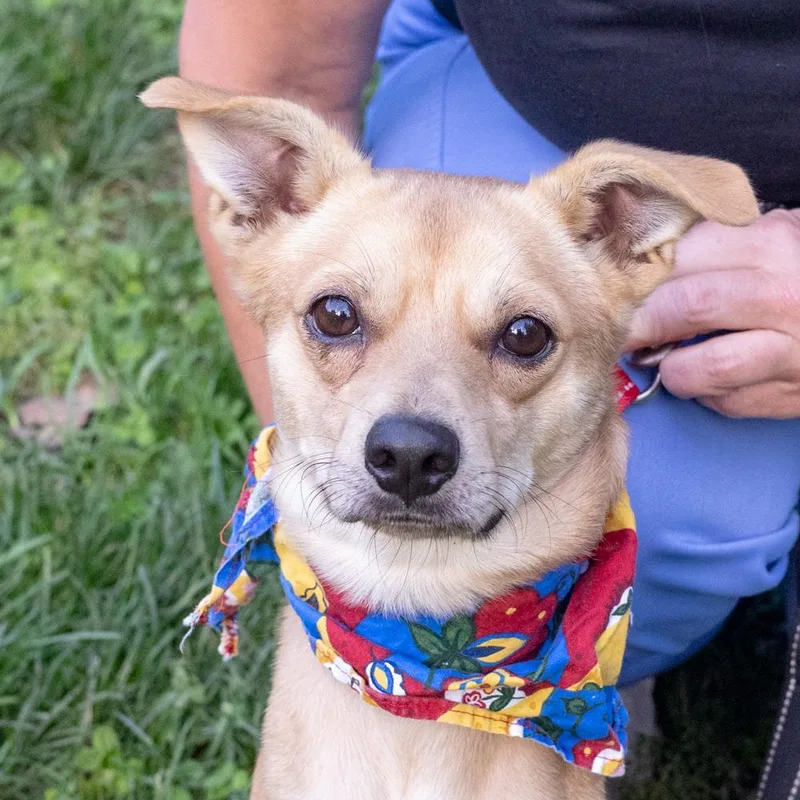
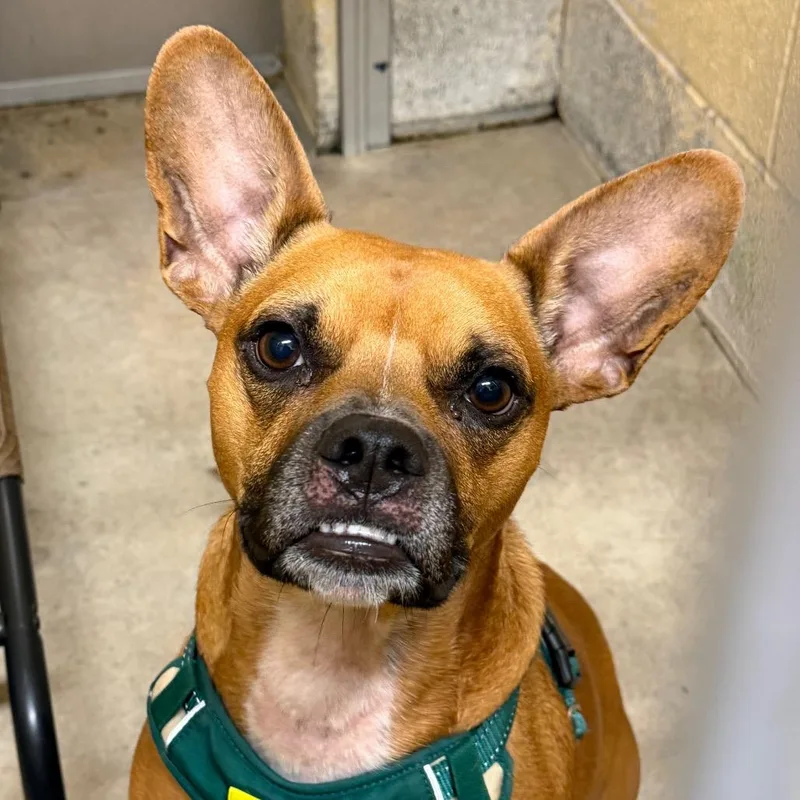
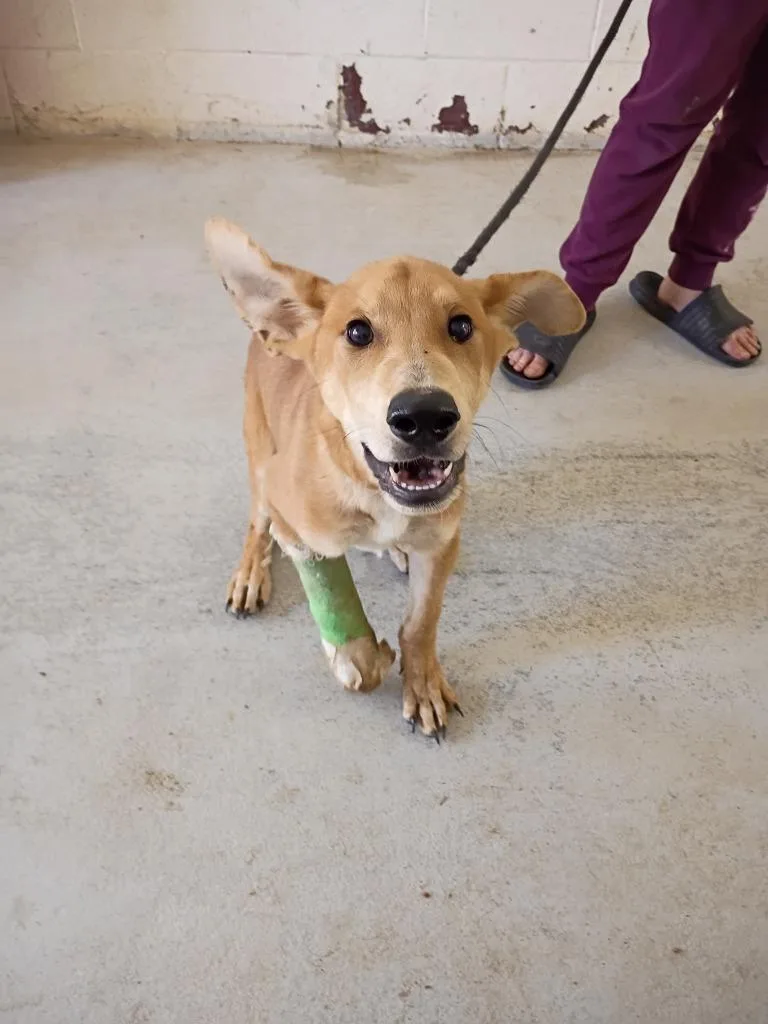
155 Basenjis available in Charlotte and nationwide

Fall for a Basenji

While we don't have enough dogs near Charlotte, keep in mind that many rescues may offer transport.

Basenjis Available for Adoption Near Charlotte

About the Basenji breed

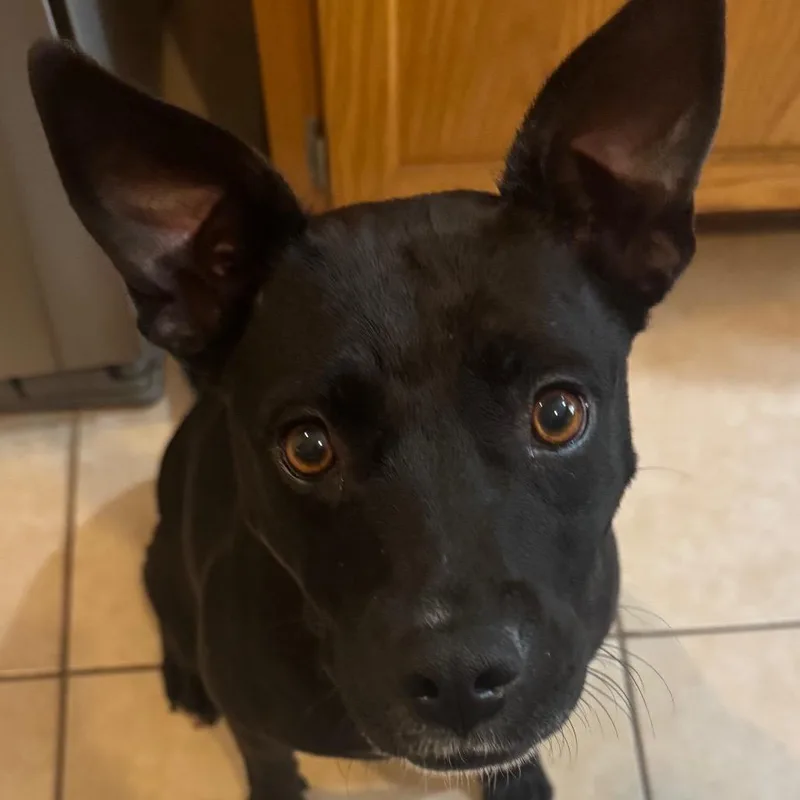
The Basenji is a small, short-coated hunting dog from Central Africa, where village hunters used it to find small game and drive it into nets. It's among the oldest dog lineages known, and it doesn't bark in the usual way. Instead it yodels, howls and makes a sound called a baroo. Most weigh 20 to 26 pounds, with a wrinkled brow, upright ears and a tightly curled tail.

Basenjis groom themselves like cats and have little odor, but they're independent, reserved with strangers and driven to chase. In Charlotte, a squirrel in Freedom Park or a rabbit beside a greenway can send one bolting, so a leash or a fenced area is the safer default. Expect creative training and plenty of chew toys. Dogs vary, so each Basenji's own personality matters.

Weight
20–26 lbs
Height
15–18 in
Lifespan
12–15 yrs
Temperament
Independent, Intelligent, Alert, Affectionate
Group
Hound
Shedding
Low

Owning a Basenji in Charlotte

Having a Basenji in Charlotte

A Basenji brings a hunter's drive, a cat's independence and an unusual voice to Charlotte life. Daily routine, yard security and a plan for heat and ice matter more than size. Here's how those traits play out for training, exercise, health and housing.

Temperament

Basenjis are usually affectionate with their families, alert and reserved with strangers. They think for themselves, so training takes patience and rewards rather than repetition. Strong prey drive means squirrels, rabbits and small pets in Charlotte neighborhoods can be a real temptation. Some Basenjis enjoy other dogs and some prefer being the only one.

Exercise Needs

Plan on a brisk walk or run every day, plus time to sprint in a securely fenced space. Charlotte's county dog parks have fenced areas, and greenways like the Little Sugar Creek Greenway work well for leashed walks. Skip off-leash time in open areas, since the chase instinct can override recall. Puzzle toys and scent games help on rainy days.

Health Considerations

Basenjis can inherit Fanconi syndrome, a kidney disorder, along with progressive retinal atrophy, pyruvate kinase deficiency and hypothyroidism. A veterinarian can discuss DNA tests and periodic urine screening. In Charlotte, steady flea, tick and heartworm prevention matters, and copperheads in yards and wooded edges are worth knowing about during spring yard work.

Living Space

A Basenji can do well in a Charlotte apartment or a house with a yard, as long as daily exercise and mental work are covered. Not barking helps with shared walls, though yodels carry. In a house, a tall, tight fence matters more than yard size, because Basenjis climb and squeeze through small gaps.

What it costs to own a Basenji in Charlotte

ExpenseTypical costPer year
Food$20 to $45 per month$240 to $540
Pet insurance$40 to $85 per month$480 to $1,020
Routine vet care$200 to $400 per year$200 to $400
Other*$385 to $1,080 per year$385 to $1,080
Estimated yearly total (after year one)$1,305 to $3,040

Other costs are estimates and vary with size, age and health.

* The $10 Charlotte dog license for a spayed or neutered dog ($30 if unaltered), a dental cleaning allowance, flea, tick and heartworm prevention, durable chew toys and bedding, and minimal grooming.

Adopt a Basenji in Charlotte.

Now that you know more, let’s find you a new best friend. These rescues and shelters below have dogs available in and near Charlotte.

Frequently Asked Questions

Yes, you can own a Basenji in Charlotte, which has no breed ban. Dogs four months and older need an annual license with proof of rabies vaccination, and must wear the rabies tag. Dogs must be leashed or fenced, and dangerous-dog rules depend on a dog's behavior, not its breed.

Davie Dog Park in south Charlotte is the county's largest at about 5 acres, and Barkingham Park in the northeast and Shuffletown Dog Park in the northwest also have fenced areas. They're free and require rabies, DHLPP and Bordetella vaccines. For walks, try Freedom Park or the Little Sugar Creek Greenway on leash, since a Basenji's chase instinct makes open off-leash time risky.

Yes, a Basenji can live in a Charlotte apartment if daily exercise is covered, and yodeling is easier on shared walls than barking. North Carolina lets landlords charge a reasonable nonrefundable pet fee and caps security deposits at 1.5 months' rent for month-to-month tenancies or two months for longer leases. Get any breed or weight limit in writing, and use chew toys to protect the unit.

Yes, most Basenjis tolerate Charlotte's mild winters with a little help, since the season is mostly jacket weather. Their short, fine coat and dislike of rain and cold mean a coat and shorter walks on freezing mornings. After an ice storm, keep your Basenji leashed and off glazed sidewalks, and have a warm indoor spot ready.

No, pet dogs can't ride CATS buses or LYNX light rail in Charlotte. Only service animals and animals in training are allowed aboard, and violations can bring a $50 civil penalty. The rules list no carrier exception, so plan on walking or driving for vet visits and outings with your Basenji.

Sometimes, on patios. North Carolina's food rules let restaurants allow leashed dogs in outdoor dining areas as long as they don't pass through indoor areas, but each Charlotte restaurant decides, so look for posted policies. Indoors, only service animals are allowed. Since Basenjis are often reserved with strangers, bring a chew toy and pick a quiet corner.

Very little. A Basenji's short, fine coat sheds lightly and the dog cleans itself like a cat, so a weekly brushing and an occasional bath are plenty, even in Charlotte's humid summers. Trim nails and watch ears and teeth. Professional grooming isn't necessary, which fits the minimal grooming allowance in the Other costs.

A Basenji is a small, ancient hunting dog from Central Africa, famous for not barking. It belongs to the AKC Hound Group and was recognized in 1943. Basenjis are lean and elegant, with a wrinkled forehead, upright ears and a tightly curled tail. They tend to be clever, independent, clean and energetic, with a strong instinct to chase.

A Basenji looks like a small, athletic dog with a short, fine coat, upright pointed ears, a wrinkled forehead and a tail curled tightly over its back. Common colors are chestnut red, black, tricolor and brindle, always with white feet, chest and tail tip. It moves with a quick, springy trot often compared to a trotting racehorse.

Expect food at about $20–$45 a month and pet insurance around $40–$85 a month. Routine vet care runs roughly $200–$400 a year, and other costs such as the license, dental care, parasite prevention and chew toys add about $385–$1,080 a year. Basenjis' hereditary health risks make it worth pricing insurance early.

Find Basenjis in Nearby Cities

Expand your search to find Basenjis available for adoption near Charlotte.