
Akita dog

Akita Dogs for Adoption in Charlotte, NC

Your guide to finding and caring for an Akita in Charlotte

An Akita suits Charlotte best with a fenced yard and a steady routine. Steele Creek's newer subdivisions and Myers Park's wide, tree-lined blocks give a big, watchful dog room for leashed walks, and the Little Sugar Creek Greenway covers longer outings. Akitas are devoted to their own people but reserved with visitors, so a calm household suits them better than a busy social calendar. Summer afternoons get hot and humid, so most walks happen early.

466 Akitas available in Charlotte and nationwide

Your Akita is waiting

While we don't have enough dogs near Charlotte, keep in mind that many rescues may offer transport.

Akitas Available for Adoption Near Charlotte

About the Akita breed

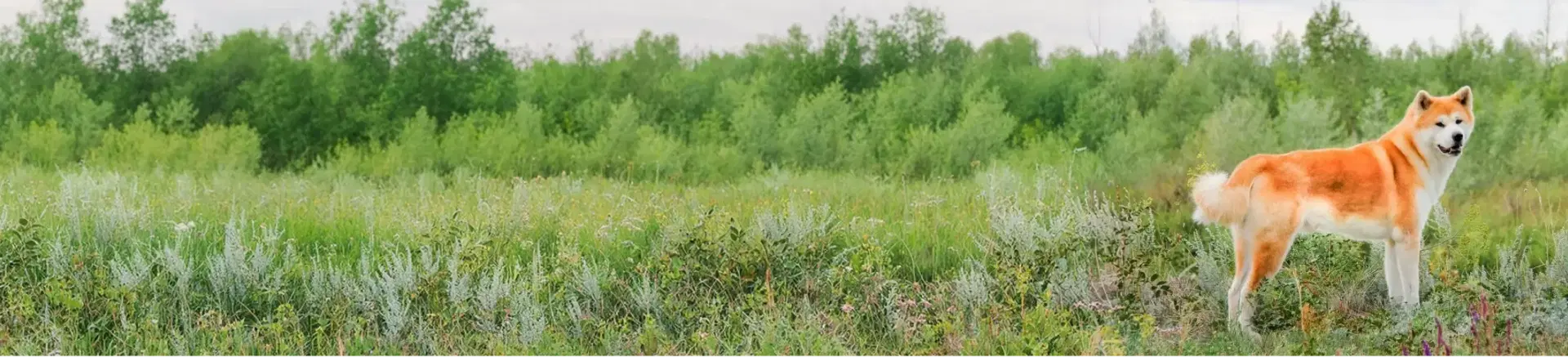
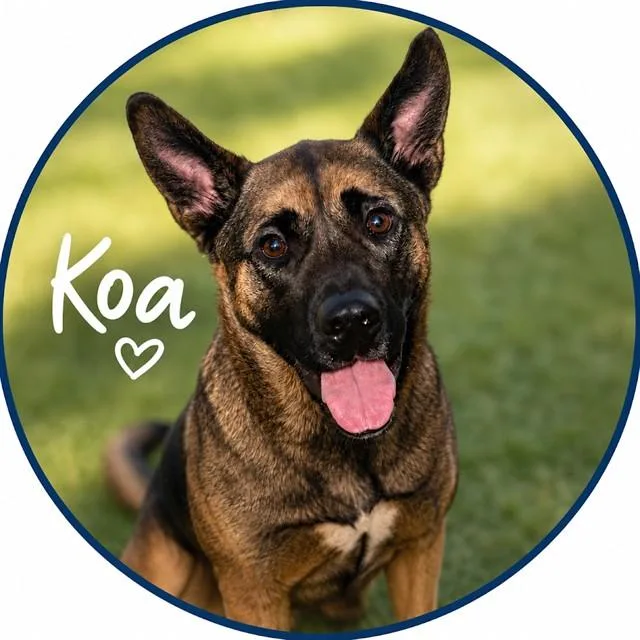
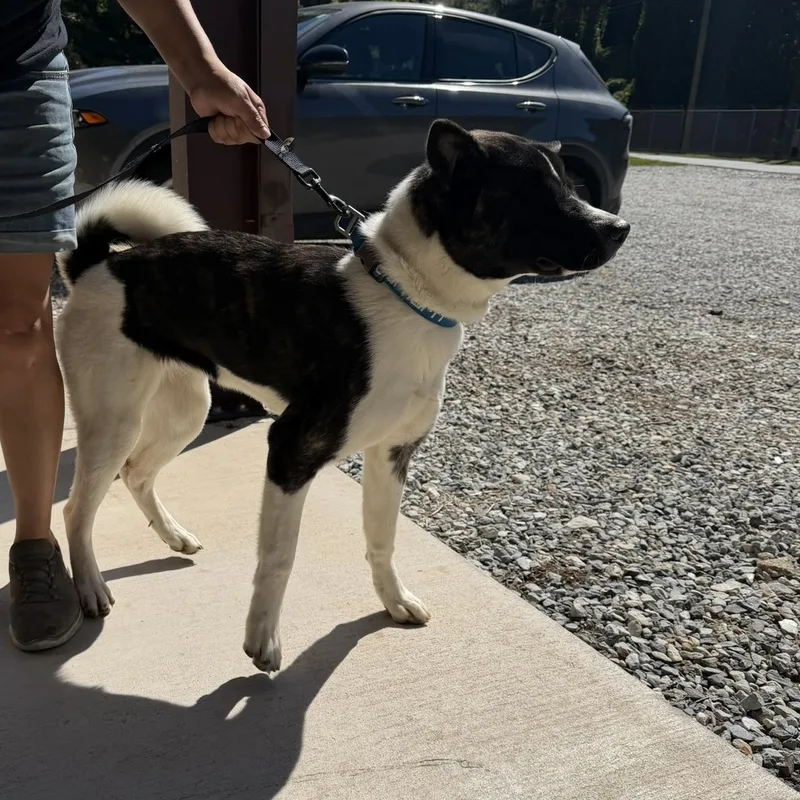
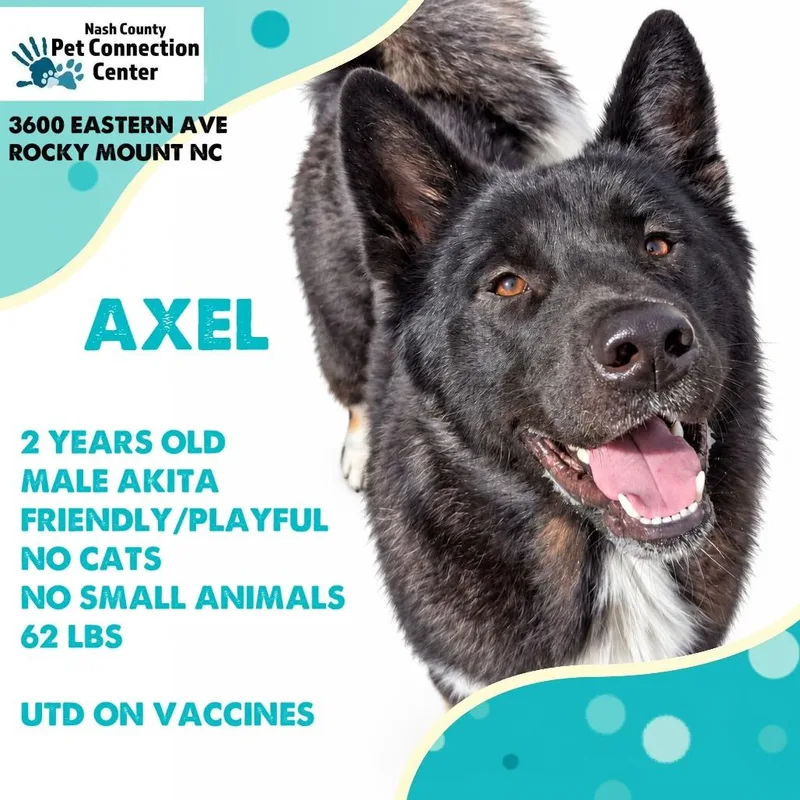
Akitas come from the mountains of northern Japan, where spitz-type dogs hunted bear, boar and serow before guarding estates. The American-type Akita is the heavier, bear-headed dog, with a broad head, small upright ears, a plush double coat and a tail curled over the back. Males can reach 130 pounds, while many females fall between 70 and 100.

Many Akitas are quiet, dignified and deeply devoted to their family while staying aloof with strangers. They often have strong guarding instincts and may not tolerate other dogs, especially of the same sex. In Charlotte, that means careful introductions, patient, consistent training and a plan for the twice-yearly coat blowouts that send fur across the floors.

Weight
70–130 lbs
Height
24–28 in
Lifespan
10–14 yrs
Temperament
Loyal, Dignified, Protective, Independent
Group
Working
Shedding
High

Owning an Akita in Charlotte

Having an Akita in Charlotte

Akitas pair quiet loyalty with real size and strength. Charlotte's heat, mild winters and mix of renters and homeowners shape daily life as much as the dog's looks do. Dogs vary, so judge the Akita in front of you, not the breed label.

Temperament

Akitas are typically calm and affectionate with family but reserved, even suspicious, with strangers. Many dislike other dogs, especially of the same sex, and some chase small animals. On busy Charlotte sidewalks and shared greenways, leashed walks, extra distance from other dogs and early reward-based socialization help. Each Akita differs, so watch how the dog actually behaves.
Exercise Needs

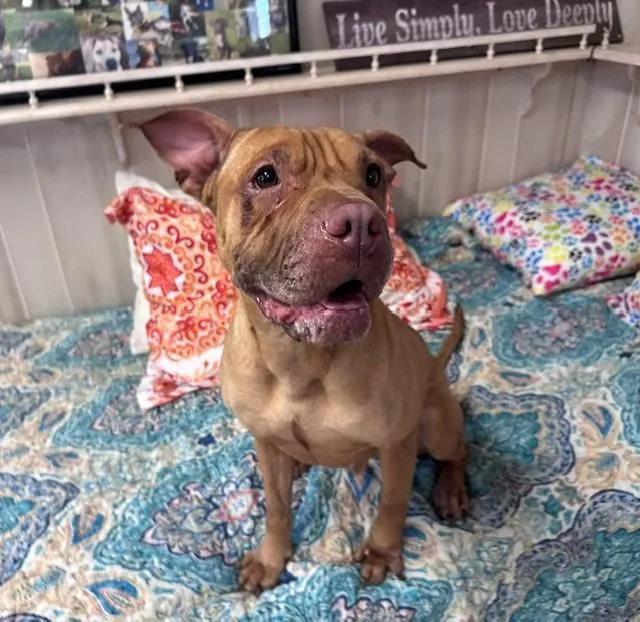
Expect moderate exercise: brisk leashed walks, sniffing outings and play in a securely fenced yard. Charlotte's greenways, including the Little Sugar Creek Greenway, welcome leashed dogs. Many Akitas don't enjoy dog parks, so skip them unless the dog clearly likes other dogs. Short training sessions add useful mental work.

Health Considerations

Akitas can develop hip dysplasia, hypothyroidism, bloat and immune-related conditions, plus eye problems such as glaucoma. In Charlotte, copperheads in yards and hot summers add risks, so keep rabies and parasite prevention current. A veterinarian can check hips, thyroid and eyes, and should know the breed's unusual potassium lab values.

Living Space

An Akita can adapt to an apartment or a house with daily exercise and calm handling, though its size and wariness of strangers make busy hallways and elevators harder. A securely fenced yard is valuable in Charlotte's suburban neighborhoods. It should live indoors with its family, in air conditioning during summer, and heavy shedding means frequent vacuuming.

What it costs to own an Akita in Charlotte

ExpenseTypical costPer year
Food$55 to $110 per month$660 to $1,320
Pet insurance$65 to $130 per month$780 to $1,560
Routine vet care$250 to $500 per year$250 to $500
Other*$585 to $1,480 per year$585 to $1,480
Estimated yearly total (after year one)$2,275 to $4,860

Other costs are estimates and vary with size, age and health.

* The $10 Charlotte license for a spayed or neutered dog, flea, tick and heartworm prevention, a dental cleaning allowance, toys and bedding, and brushing and baths for heavy coat blowouts.

Adopt an Akita in Charlotte.

Now that you know more, let’s find you a new best friend. These rescues and shelters below have dogs available in and near Charlotte.

Frequently Asked Questions

An Akita can be a good fit for Charlotte if you're home regularly, keep summer walks early and want a loyal, low-key dog. It's less suited to households wanting a dog-park companion or frequent guests, since many Akitas are reserved with strangers and other dogs. Fenced yards and quiet greenway access suit them best.

Yes, an Akita can live in an apartment in Charlotte if it gets daily walks and calm handling. Pet fees, two-pet caps and breed or weight limits vary by building, and a large Akita may fall outside some. Quiet hallways and easy access to a grassy walking route make the day-to-day easier.

Akitas do best on leashed routes such as the Little Sugar Creek Greenway and Freedom Park. Davie Dog Park is the county's largest off-leash park and has separate fenced areas, but many Akitas don't tolerate unfamiliar dogs, so try it only if the dog clearly enjoys them. Early mornings are quieter and cooler.

Charlotte's climate works for Akitas with summer care. Winters are mild, so the thick coat is comfortable, but summers turn hot and humid from June through September. Walk at dawn or dusk, keep the dog in air conditioning midday and test pavement with your hand. Spring and fall are long and comfortable.

No. CATS bans animals on its buses and the LYNX light rail except service animals and animals in training, and a violation can bring a $50 civil penalty. The rules list no carrier exception, and an Akita is far too big for one anyway. Plan on car rides with the dog secured, or walk.

An Akita needs brushing about weekly most of the year and daily during the twice-yearly coat blowouts, when the undercoat comes out in clumps. Charlotte's long, humid summers make a well-brushed coat more comfortable, but avoid shaving it. Budget for baths or professional grooming within the $585–$1,480 yearly Other estimate.

Sometimes, but only on patios. North Carolina rules let restaurants allow leashed dogs in outdoor dining areas if they don't pass through indoor areas, but each restaurant decides. Indoors, only service animals are allowed. An Akita that's wary of strangers may be more comfortable at home, since crowded patios mean close contact.

An Akita is a large, powerful spitz-type dog from northern Japan, known for its plush double coat, upright ears and tail curled over the back. In the United States, the Akita is the heavier American type, while the lighter Japanese Akita Inu is now registered separately. Many Akitas are devoted to their family, reserved with strangers and selective about other dogs.

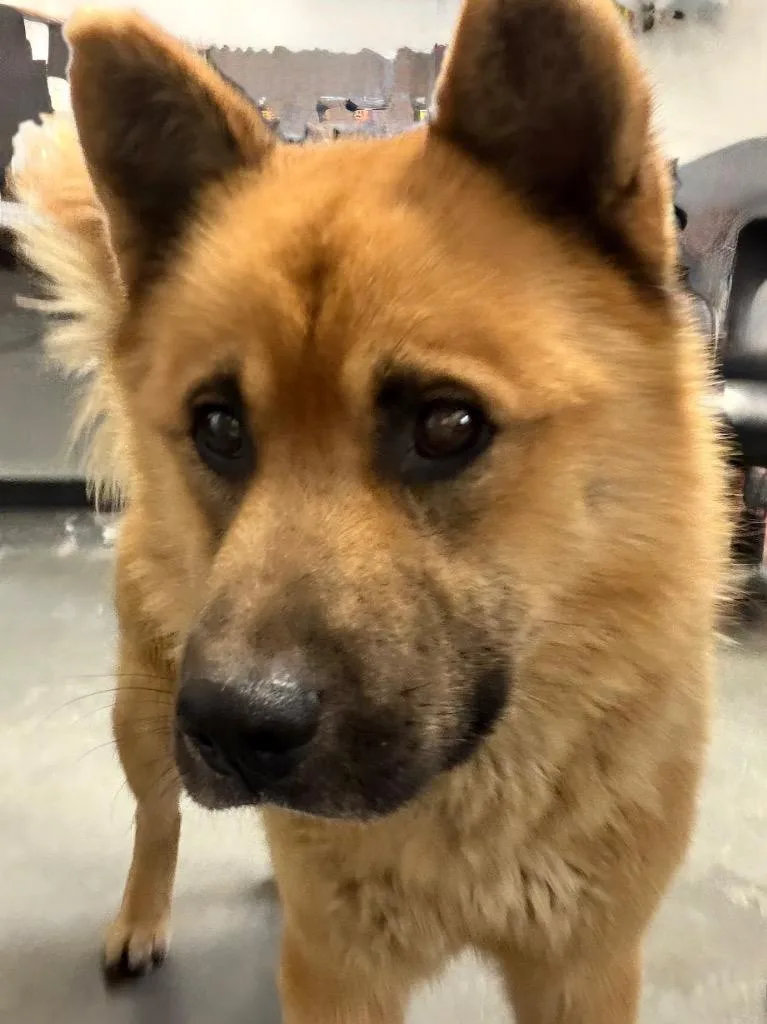
An Akita is a big, heavy-boned dog with a broad, bear-like head, small deep-set eyes and thick triangular ears that stand upright. Its dense double coat is about two inches long, and its full tail curls over the back. American-type Akitas come in almost any color, including white, brindle and pinto, often with a dark mask.

Plan on about $55–$110 a month for food and $65–$130 for insurance, plus $250–$500 a year in routine vet care and $585–$1,480 in other costs like prevention, dental care, grooming and the license. Together that is roughly $2,275–$4,860 a year, before emergencies or apartment pet fees.