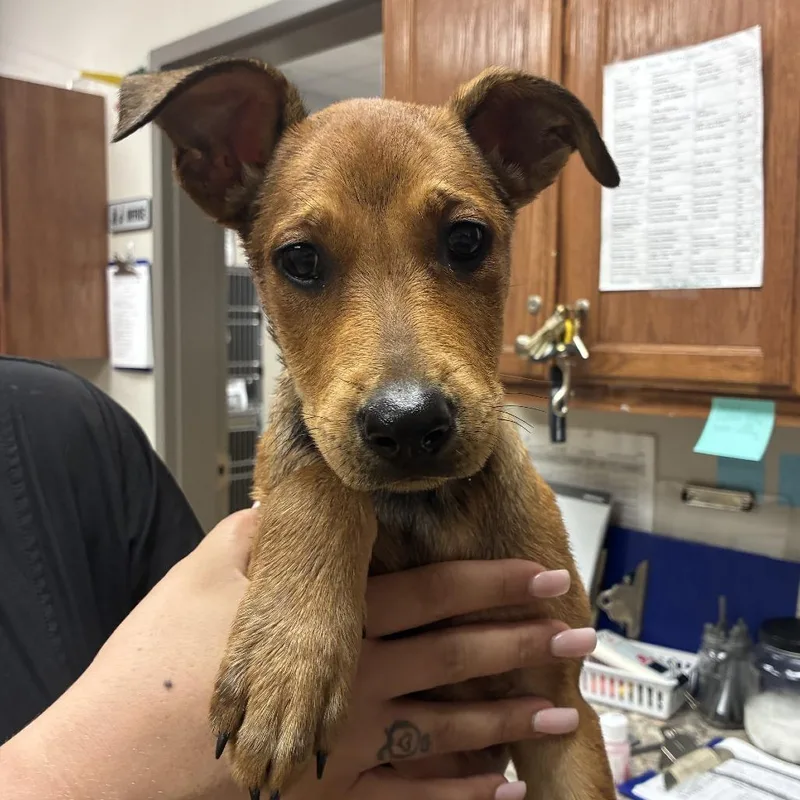
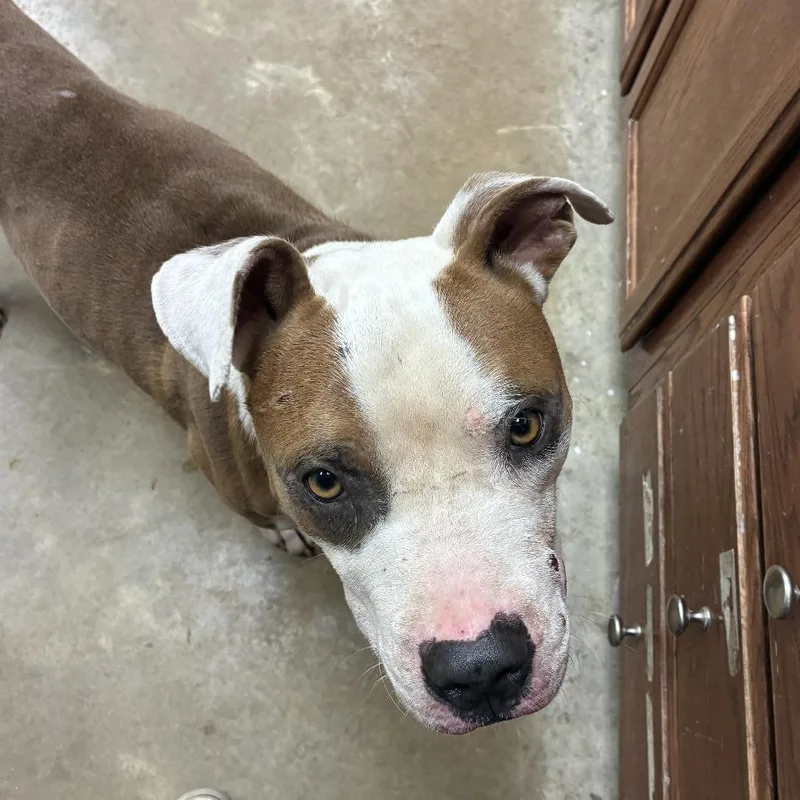
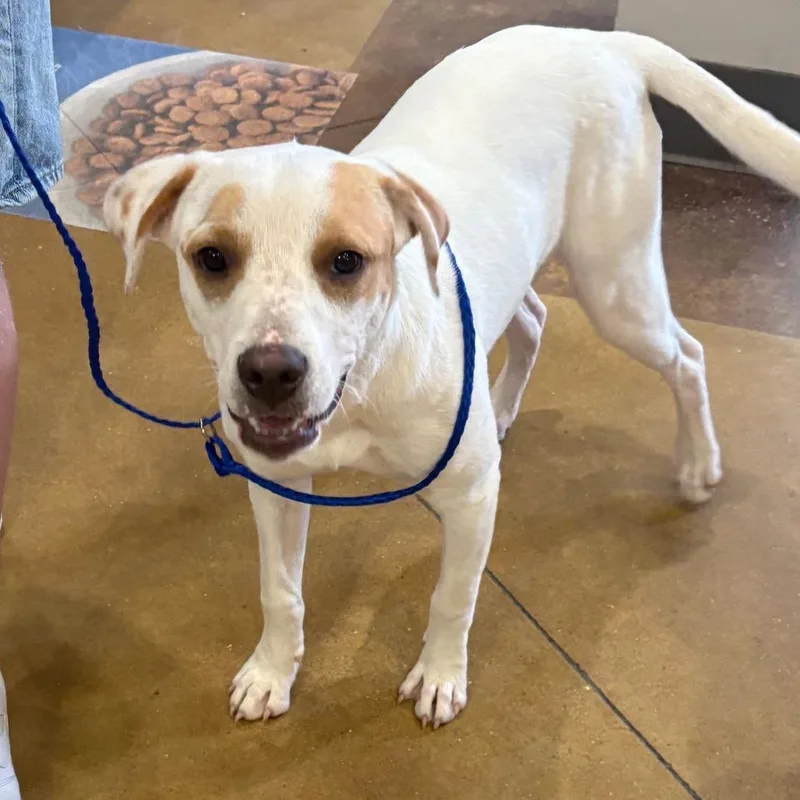
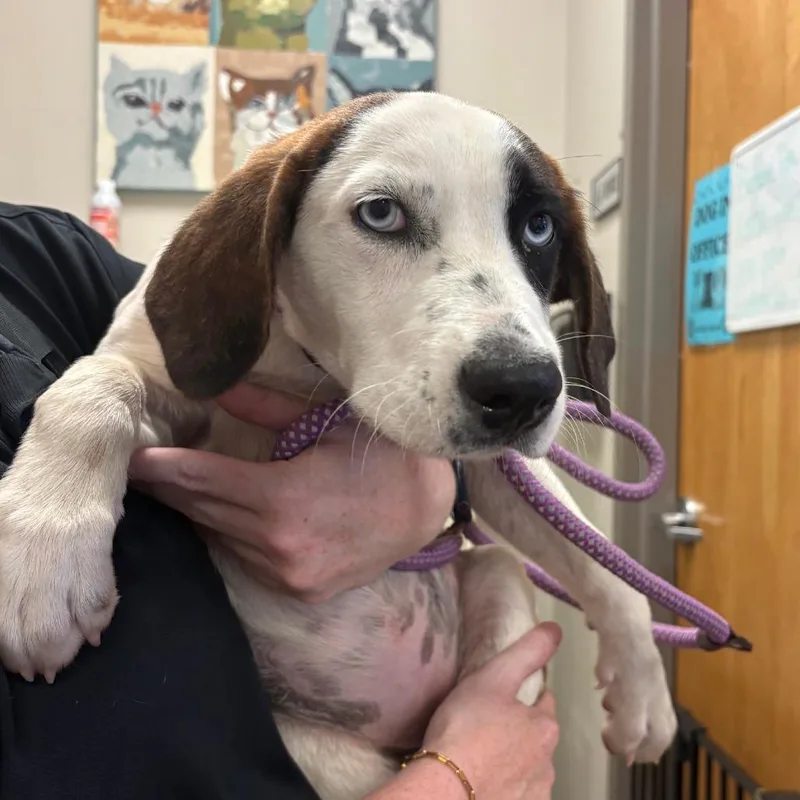
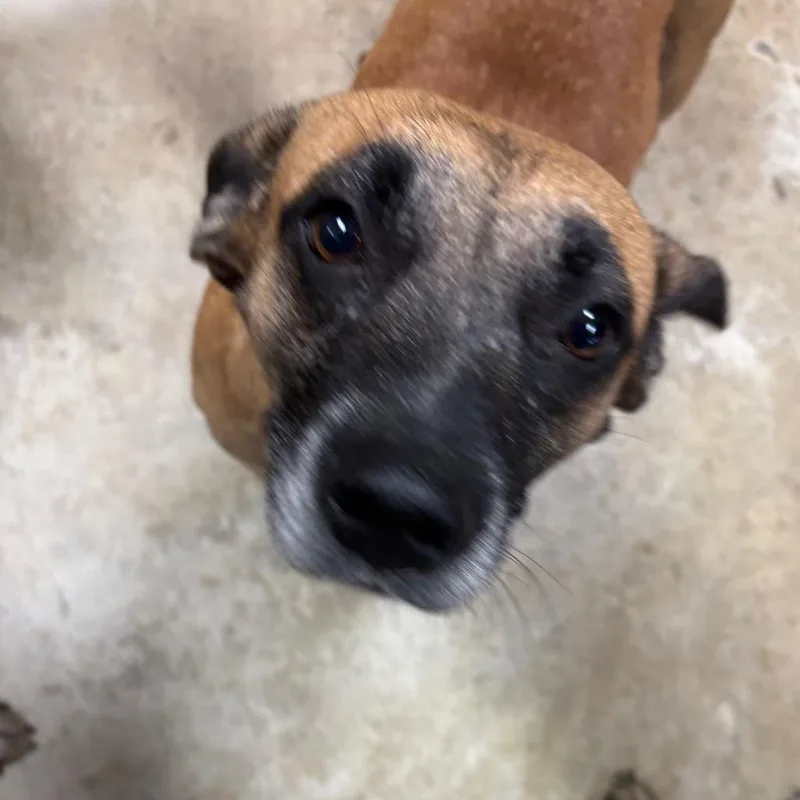
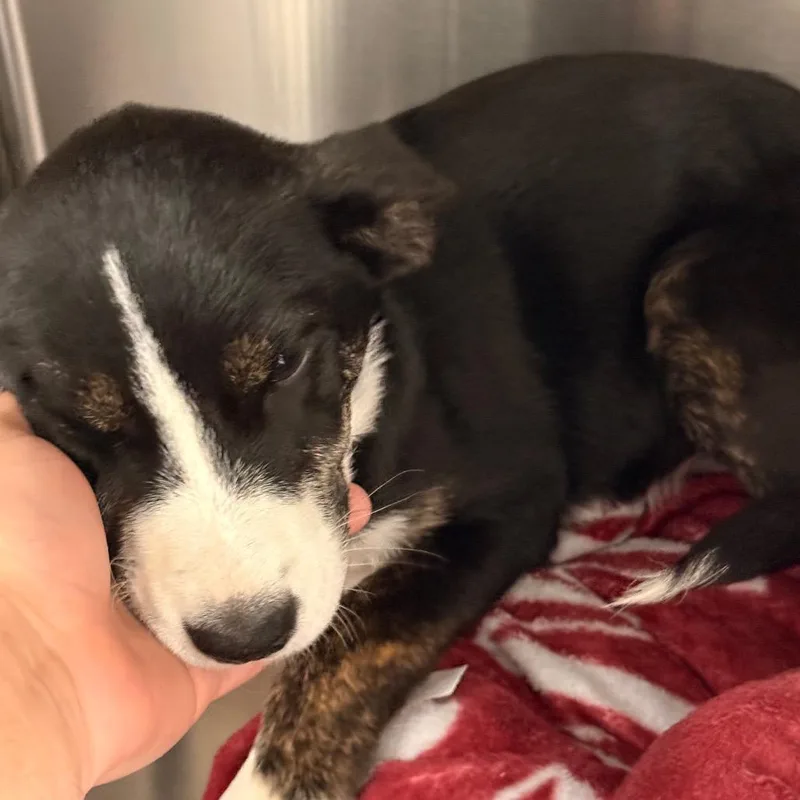
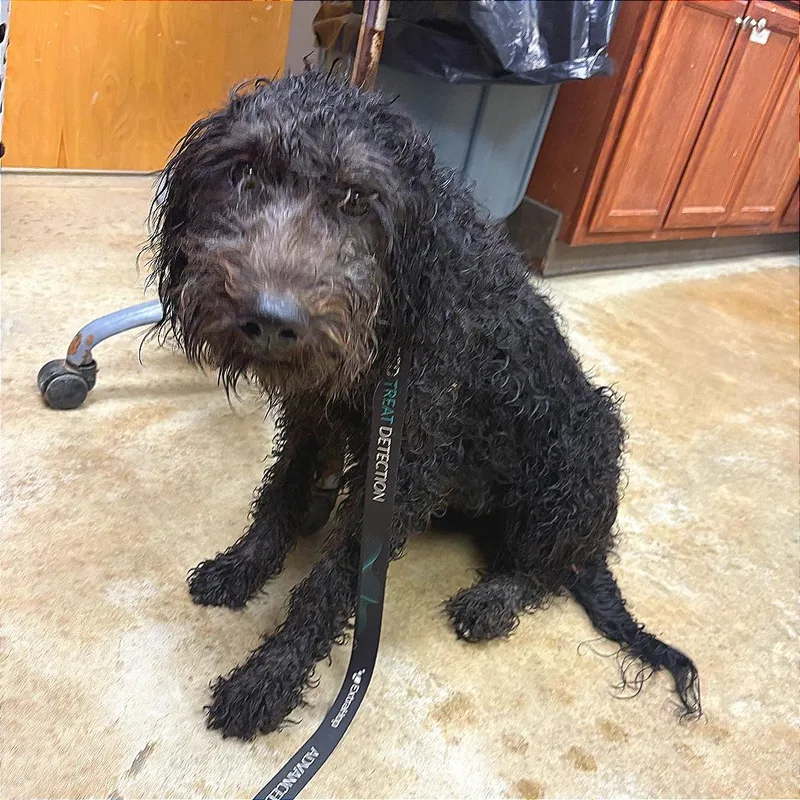
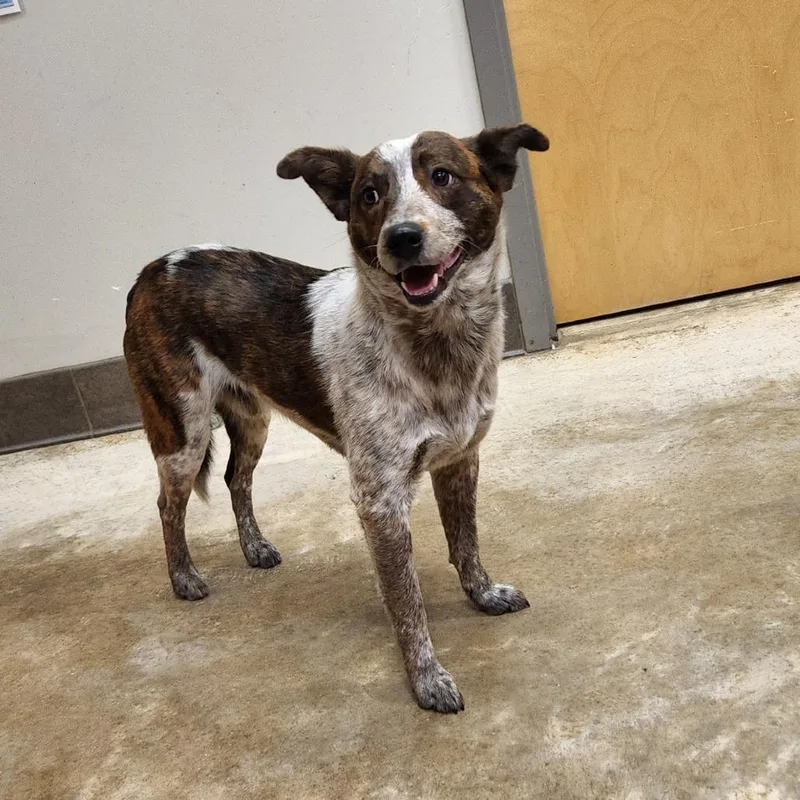
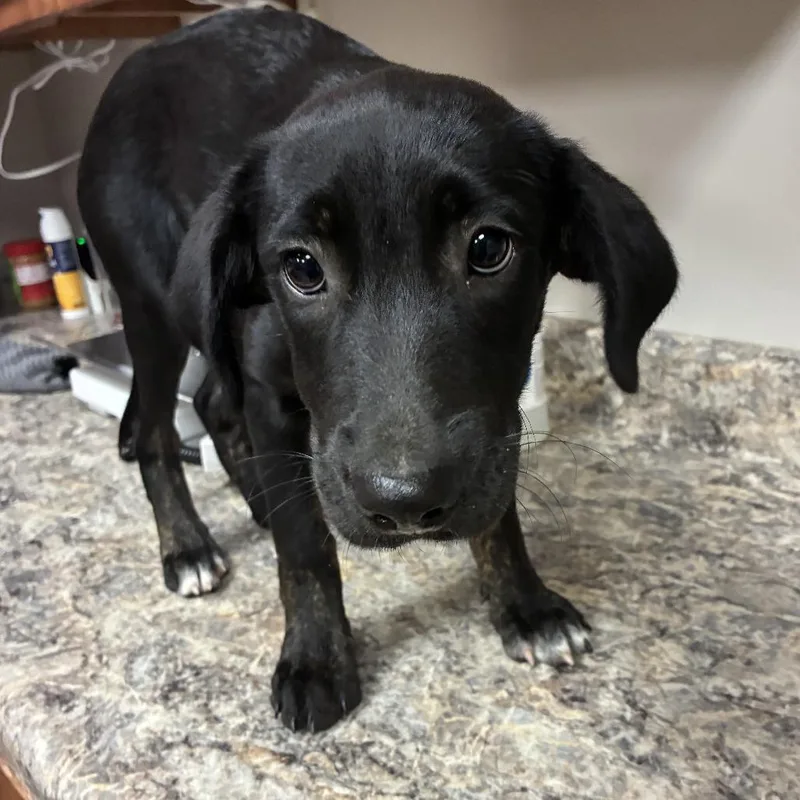
Black Labrador Retriever Dogs for Adoption in Tupelo, MS

Your guide to finding and caring for a Black Labrador Retriever in Tupelo

A black Lab suits Tupelo best when there's a daily walk and somewhere to run. The 3.8-mile Music Bend Nature Trail off Veterans Memorial Boulevard gives a high-energy Lab room to stretch out. In Joyner, the half-mile paved loop at Rob Leake City Park works for a quick evening walk. Black coats soak up the sun, so summer outings happen early. It's a good match for people who are home a fair amount and like being outdoors.

3060 Black Labrador Retrievers available in Tupelo and nationwide

Find your Black Labrador Retriever

Black Labrador Retrievers Available for Adoption Near Tupelo

About the Black Labrador Retriever breed

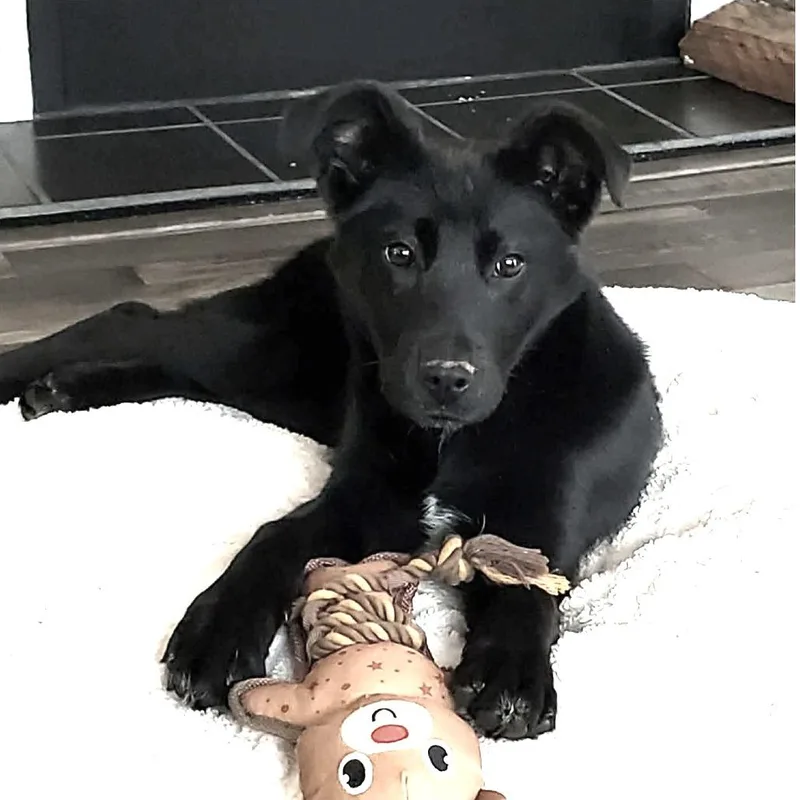
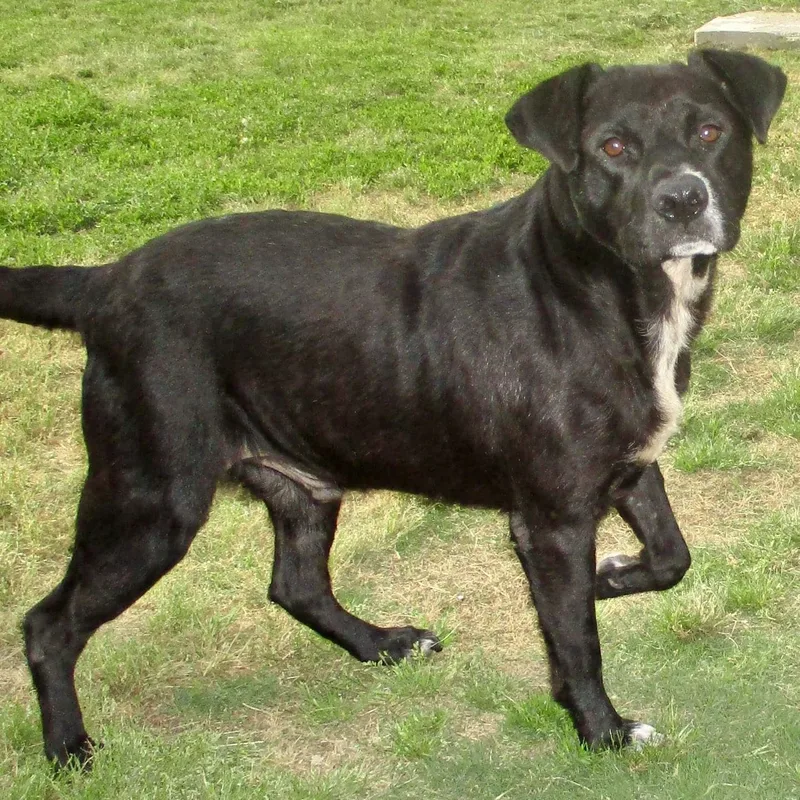
Black is the Lab's original color. The earliest Labs, descended from Newfoundland's St. John's water dogs and developed in Britain as gun dogs, were mostly black. The dark coat comes with the breed's dense, water-resistant double coat and otter tail. Color doesn't change personality, so a black Lab is the same sociable, food-motivated companion as any other Lab, sometimes with a small white chest spot.

In Tupelo, that thick coat matters most through the long, humid summer, while the breed's love of fetch and walking suits the city's paved loops and dirt trails. Labs mature slowly, so expect a boisterous adolescence, steady training and careful portions. Field-bred dogs tend to be leaner and more driven than show-bred ones, and a dog's age and history say more than its coat color.

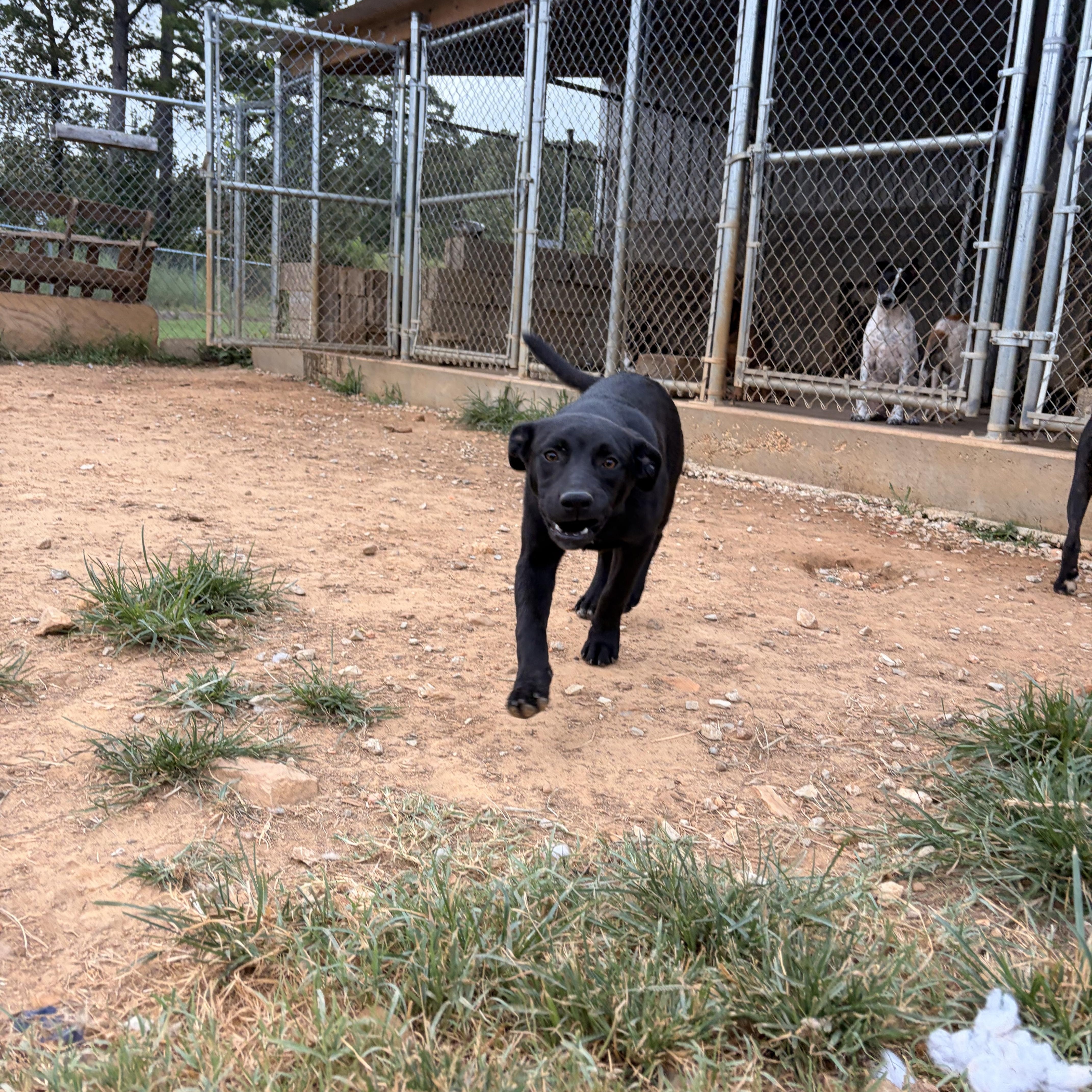
Weight
55–80 lbs
Height
21–25 in
Lifespan
10–14 yrs
Temperament
Friendly, Outgoing, Active
Group
Sporting
Shedding
Moderate to High

Owning a Black Labrador Retriever in Tupelo

Having a Black Labrador Retriever in Tupelo

Energy, appetite and seasonal shedding shape life with a black Lab far more than coat color does. In Tupelo, the biggest adjustments are managing summer heat and keeping up with daily exercise through wet, muddy stretches.

Temperament

Black Labs are typically outgoing and affectionate with family, guests and other dogs. Young dogs can be mouthy and boisterous, and many settle gradually over the first few years. Their love of food makes reward-based training effective. Each dog differs, so age, socialization and history matter more than breed reputation or coat color.
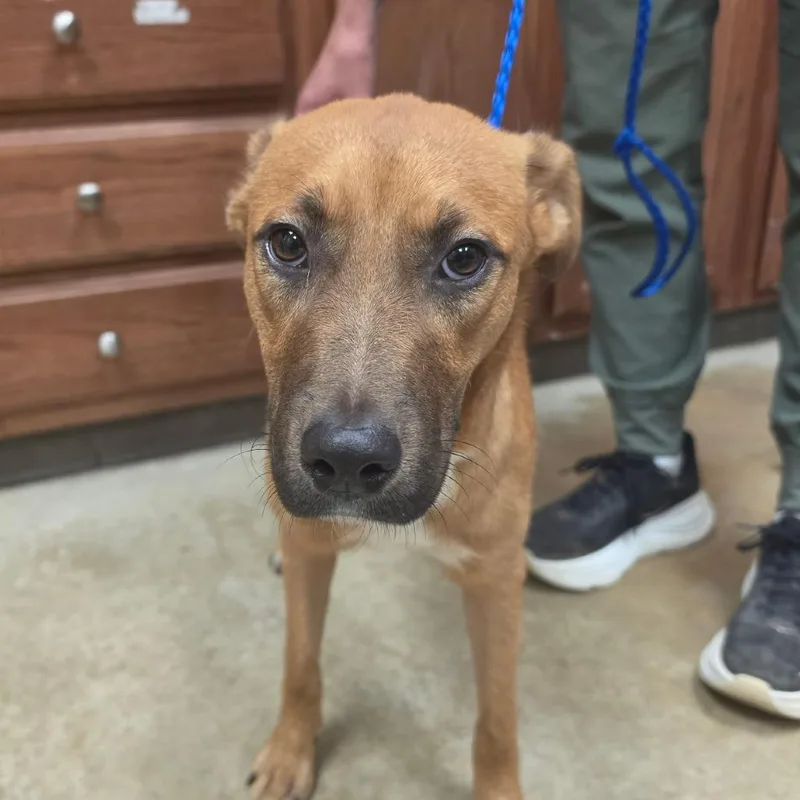
Exercise Needs

Most healthy adult Labs need vigorous activity every day, such as brisk walks, fetch or a trail loop. Tupelo's neighborhood park loops suit weekday walks, and longer dirt trails suit weekends. On rainy days, scent games and short training sessions give a Lab's mind a job and help prevent chewing.

Health Considerations

Labs can be affected by hip and elbow dysplasia, cruciate ligament tears, exercise-induced collapse, progressive retinal atrophy and ear or skin problems. Obesity is common, so measure meals and keep weigh-ins regular. Tupelo's humid climate makes year-round heartworm prevention and routine ear checks worthwhile. A veterinarian can check hips and elbows.

Living Space

A black Lab can live comfortably in a house or an apartment if daily exercise is covered. A fenced yard helps, but it can't replace walks and time with people. Dark coats absorb heat, so shade, water and air conditioning matter in summer. Expect shed hair and a sweeping tail.

What it costs to own a Black Labrador Retriever in Tupelo

ExpenseTypical costPer year
Adoption fee$100 to $175, one time$100 to $175 in year one
Food$55 to $110 per month$660 to $1,320
Pet insurance$65 to $130 per month$780 to $1,560
Routine vet care$250 to $500 per year$250 to $500
Other*$575 to $1,450 per year$575 to $1,450
Estimated yearly total (after year one)$2,265 to $4,830
First-year total (with adoption fee)$2,365 to $5,005

Adoption fee is the range of fees on Black Labrador Retriever listings in Tupelo on GetBuddy today. Other costs are estimates and vary with size, age and health.

* Flea, tick and heartworm prevention, a yearly dental cleaning, toys and bedding, and brushing supplies and occasional baths for heavy seasonal shedding.

Adopt a Black Labrador Retriever in Tupelo.

Now that you know more, let’s find you a new best friend. These rescues and shelters below currently have Black Labrador Retrievers available.

Rescues in Tupelo with Black Labrador Retrievers Available

Tupelo's rescue community serves the city and Lee County, and the groups below list Labs and other dogs for adoption. Here are the rescues & shelters in the Tupelo area where you can find Black Labrador Retrievers and other dogs available for adoption.

Frequently Asked Questions

Yes, with some planning. Tupelo averages about 70 days a year at 90°F or higher, mostly June through August, and summer nights stay near 70°F. A dark coat absorbs heat, so walk at dawn or after sunset, carry water, and keep the dog in air conditioning through the afternoon. Never leave a Lab in a parked car.

Yes. No breed ban is known in Tupelo. Dogs must be leashed or securely confined, tethering to a fixed object is barred except on a trolley-style line, and a fenced yard or kennel needs at least 100 square feet per dog. State law also requires rabies vaccination from 3 months, with the tag worn at all times.

Music Bend Nature Trail is a 3.8-mile dirt loop that suits a Lab with energy to burn. Veterans Memorial Park has a short path and lakes, and Gumtree Park has a one-mile loop. Natchez Trace Parkway trails allow dogs on a leash of 6 feet or shorter, with cleanup required. Expect mud after rain.

Only to outdoor areas, and only where a restaurant has set one up. Mississippi lets restaurants open approved outdoor dog-friendly areas, but dogs aren't allowed inside dining rooms, with service dogs excepted. Policies vary by restaurant, so keep your Lab leashed and under control, and plan patio visits for cooler mornings or evenings.

Brush a black Lab weekly, and daily during heavy shedding, which often peaks in spring and fall. Tupelo's wet weather means muddy paws, so plan on baths every month or two or after messy trail days, and check the ears, since humidity encourages infections. Brushing supplies and baths are counted in the Other costs line.

Tupelo has no subway or fixed bus routes. Its transit service is an on-demand, weekday curb-to-curb van, and no pet policy is published, so don't count on bringing a large dog along. Most Tupelo dog owners drive, so plan on a car for vet visits and trips to the trails.

A Labrador Retriever is a large sporting dog developed to retrieve game for hunters, especially from water. Labs have a short, dense double coat, a thick otter tail and a broad head, and they come in black, yellow and chocolate. Many are friendly, food-motivated and eager to work, which makes them common family, guide and service dogs.

Labs are large dogs, usually standing about 21.5 to 24.5 inches at the shoulder and weighing about 55 to 80 pounds, with females toward the lower end. Field-bred Labs often look taller and leaner, while show-bred Labs tend to be stockier. Most reach adult height by about a year and keep filling out until around two.

We have 1 rescue with Black Labrador Retrievers available: Tupelo-Lee Humane Society. You can see every rescue with Black Labrador Retrievers available in the list above these questions, or scroll to the top to see the Black Labrador Retrievers near Tupelo.

Expect roughly $2,300 to $4,800 a year for a black Lab, combining food ($55–$110 a month), insurance ($65–$130 a month), routine vet care ($250–$500 a year) and other costs ($575–$1,450 a year). Large dogs eat more, and heartworm prevention is worth budgeting for in Tupelo's humid climate.