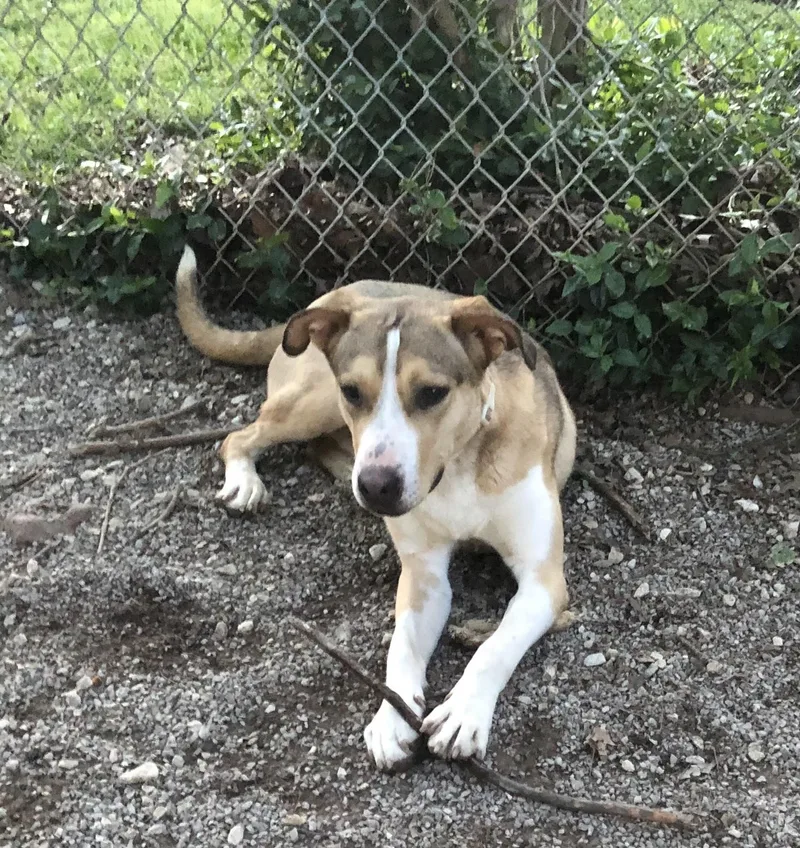
Bloodhound Dogs for Adoption in Troy, MO

Your guide to finding and caring for a Bloodhound in Troy

83 Bloodhounds available in Troy and nationwide

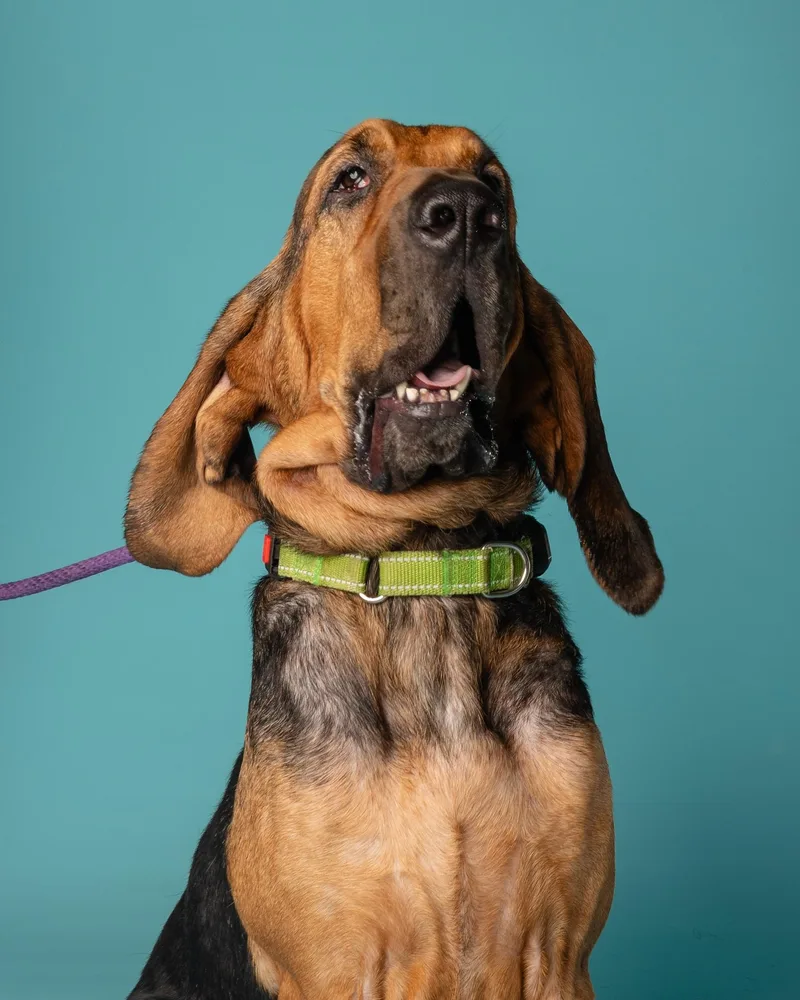
Meet a Bloodhound who needs you

While we don't have enough dogs near Troy, keep in mind that many rescues may offer transport.

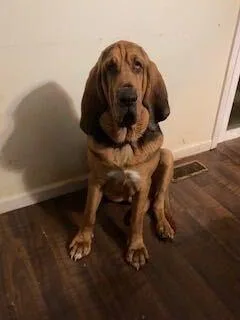
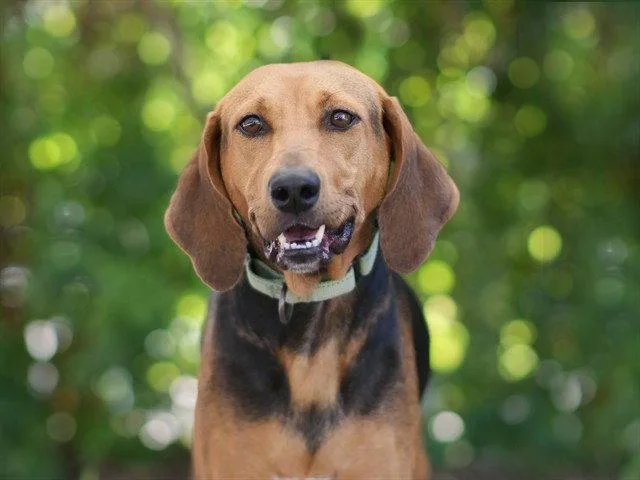
Bloodhounds Available for Adoption Near Troy

About the Bloodhound breed

Famous as the dog that can follow a person's trail days after they passed, the Bloodhound is a large scent hound with a wrinkled face, long ears and loose skin. Its lineage is tied to hounds kept by monks at the Abbey of Saint-Hubert in Belgium, and the breed was refined in Britain. Police and search-and-rescue teams still rely on Bloodhounds for trailing missing people.

At home, many Bloodhounds are gentle, affectionate and remarkably tolerant, but they are also big, strong, stubborn and messy. Expect drool, a booming bay and a nose that can pull a dog far from home if a gate is left open. These hounds need long walks, patient reward-based training, secure fencing and owners who can handle a dog weighing around 100 pounds with determination to match.

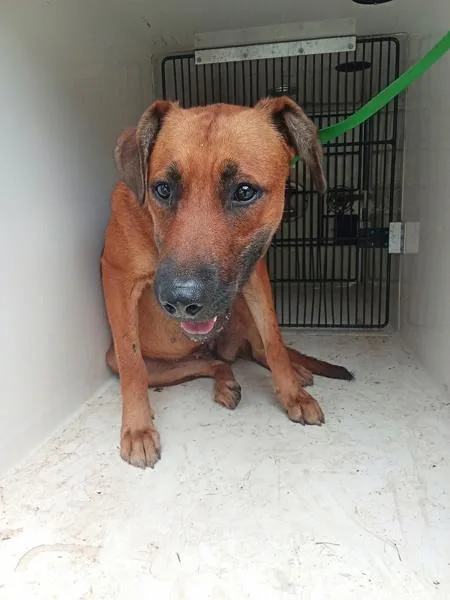
Weight
80–110 lbs
Height
23–27 in
Lifespan
9–12 yrs
Temperament
Gentle, Affectionate, Independent, Vocal
Group
Hound
Shedding
Moderate

Owning a Bloodhound in Troy

Having a Bloodhound in Troy

A Bloodhound is defined by its nose, which shapes nearly everything about living with one. Its gentle nature, size, stamina, loose skin and serious health risks like bloat all matter day to day, so understanding them helps adopters prepare for a demanding but devoted companion.

Temperament

Bloodhounds are often sweet, mild-mannered and sociable with people, children and other dogs. They can also be single-minded and stubborn, especially when they catch a scent, so they respond best to patient, food-based training. Many bay loudly. Young Bloodhounds are boisterous and clumsy, and individual dogs vary in confidence and tolerance.

Exercise Needs

Bloodhounds need substantial daily exercise, such as long leashed walks or hikes that give them time to sniff. Mental work matters as much as distance: trailing games, scent work classes or man-trailing as a sport are ideal outlets. They have more stamina than speed. Avoid strenuous activity around meals because of bloat risk.

Health Considerations

Bloat is a leading cause of death in Bloodhounds, so owners should learn its signs and discuss feeding routines and preventive surgery with a veterinarian. The breed is also prone to eyelid problems, ear infections, skin fold irritation, and hip and elbow dysplasia. Regular ear and fold cleaning and a lean body help. Review any available health records.

Living Space

A Bloodhound usually does best in a house with a securely fenced yard, because its size, baying and wandering nose make close quarters and open gates challenging. Apartment life is possible only with very reliable exercise and tolerant neighbors. Expect drool on walls and furniture, and keep food well out of reach of a tall, persistent counter-surfer.

What it costs to own a Bloodhound

ExpenseTypical costPer year
Adoption fee$300, one time$300 in year one
Food$55 to $110 per month$660 to $1,320
Pet insurance$65 to $130 per month$780 to $1,560
Routine vet care$250 to $500 per year$250 to $500
Other*$540 to $1,490 per year$540 to $1,490
Estimated yearly total (after year one)$2,230 to $4,870
First-year total (with adoption fee)$2,530 to $5,170

Adoption fee is the fee on Bloodhound listings in Troy on GetBuddy today. Other costs are national averages for Bloodhounds; we don't have costs specific to Troy yet.

* Flea, tick and heartworm prevention, a dental cleaning allowance, a dog license, toys and sturdy bedding, basic coat care, and ear and skin fold cleaning supplies.

Adopt a Bloodhound in Troy.

Now that you know more, let’s find you a new best friend. These rescues and shelters below currently have Bloodhounds available.

Rescues in Troy with Bloodhounds Available

Here are the rescues & shelters in the Troy area where you can find Bloodhounds and other dogs available for adoption.

Frequently Asked Questions

A Bloodhound is a large scent hound in the AKC Hound Group, bred to follow the trail of people and animals over long distances. It is recognized by its loose, wrinkled skin, long ears, droopy eyes and black and tan, liver and tan or red coat. Many are gentle at home but stubborn and tireless on a scent.

Yes, Bloodhounds are smart, especially at scent work, where they can solve complex trailing problems that few other dogs can. Their intelligence is independent rather than obedience-focused, so they may ignore commands when a smell is more interesting. Patient, reward-based training with short sessions works best, and giving them nose work makes good use of their abilities.

The Bloodhound's name most likely means a hound of blood, referring either to its skill at following wounded game or to its use in tracking. A sixteenth-century English scholar, John Caius, described it that way. A popular later theory says it refers to pure, noble breeding, but historians find little evidence to support that explanation.

Bloodhounds see like other dogs, with good motion detection and dichromatic color vision that distinguishes blues and yellows better than reds. Their droopy lower eyelids and heavy facial skin can sometimes partly cover the eye or cause irritation. When trailing, they keep their heads down and rely on scent far more than sight to find their target.

Bloodhounds trace back to hounds kept by monks at the Abbey of Saint-Hubert in what is now Belgium, roughly a thousand years ago, with likely French roots. The dogs appeared in English writing by the 1300s and were refined into the modern breed in Britain during the 1800s. In parts of Europe the breed is still called the St. Hubert Hound.

Bloodhounds are used mainly for trailing missing people, escaped suspects and lost pets, working with police, search-and-rescue groups and volunteers. Their ability to follow old, complex scent trails is unmatched by most dogs. Some take part in man-trailing and scent work as a sport, and many others simply live as family companions who enjoy sniffing walks.

Bloodhounds can be good family dogs for active households that welcome a large, slobbery, vocal companion. Many are gentle and patient with children, but young dogs are big and clumsy enough to knock over toddlers. Families need secure fencing, time for long walks and patience with training. Supervise children and teach them to respect the dog's resting space.

Bloodhounds are not considered dangerous and are generally known for a gentle, mild temperament. Their size and strength still require responsible handling, and any dog can bite if frightened, hurt or poorly socialized. The bigger risks with Bloodhounds tend to be pulling hard on a leash or bolting after a scent, so secure equipment and fencing matter.

Bloodhounds are tall dogs, with males usually standing about 25 to 27 inches at the shoulder and females about 23 to 25 inches. Their long ears and loose skin make them look even larger. A big Bloodhound can rest its head on a kitchen counter easily, so food and trash need to be stored well out of reach.

We have 1 rescue with Bloodhounds available: Dogwood Farm Sanctuary. You can see every rescue with Bloodhounds available in the list above these questions, or scroll to the top to see the Bloodhounds near Troy.

Explore Other Breeds in Troy

Looking for a different breed? Browse other dogs available for adoption in Troy.