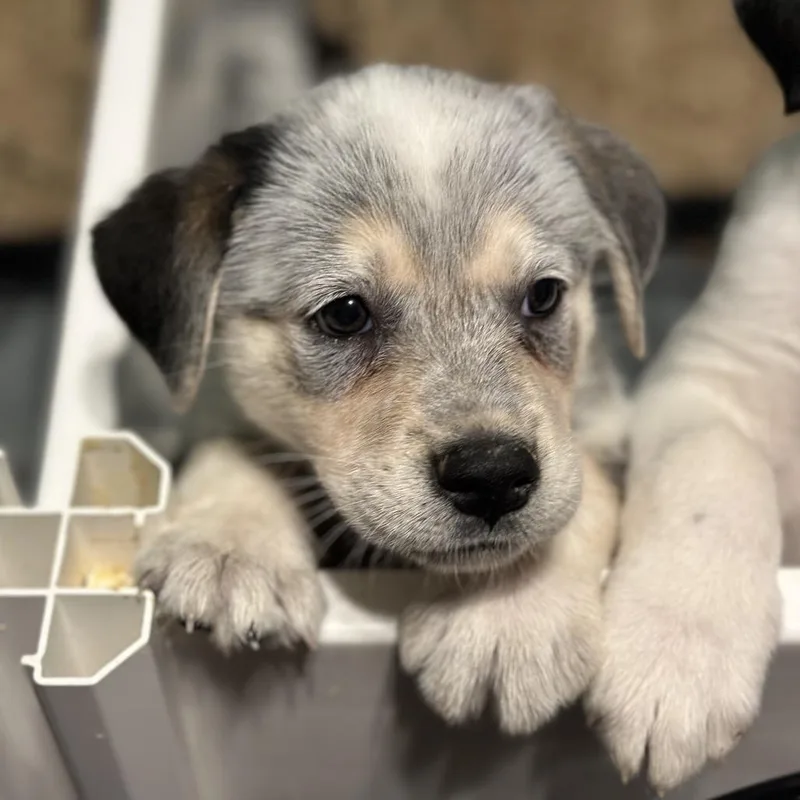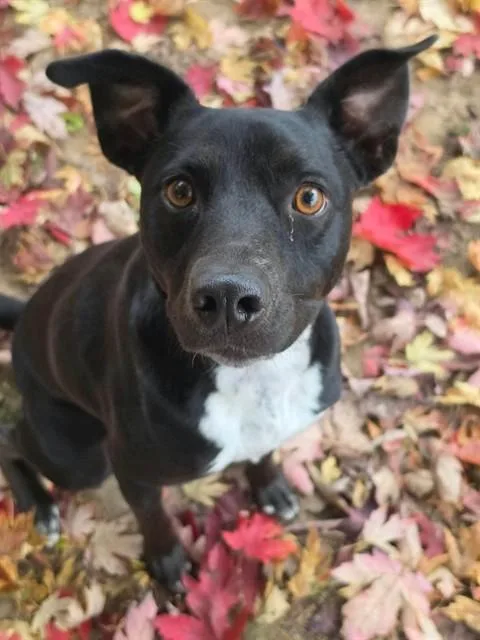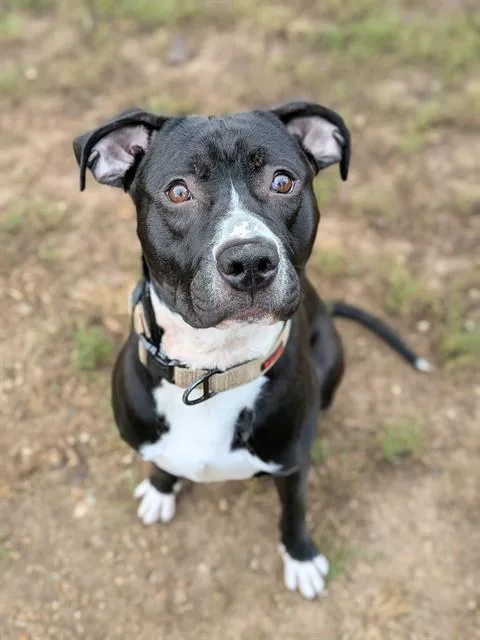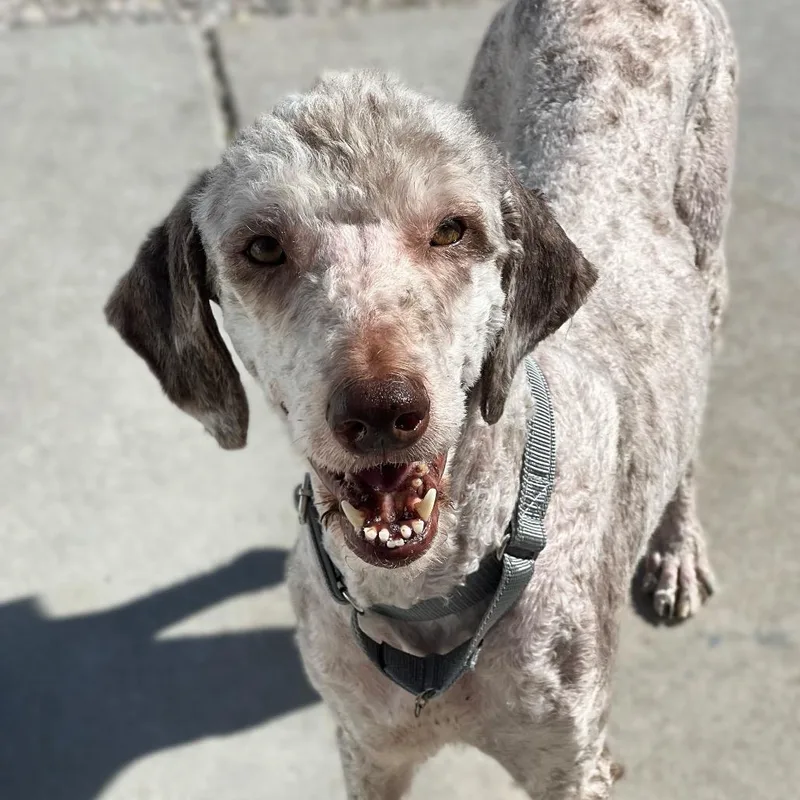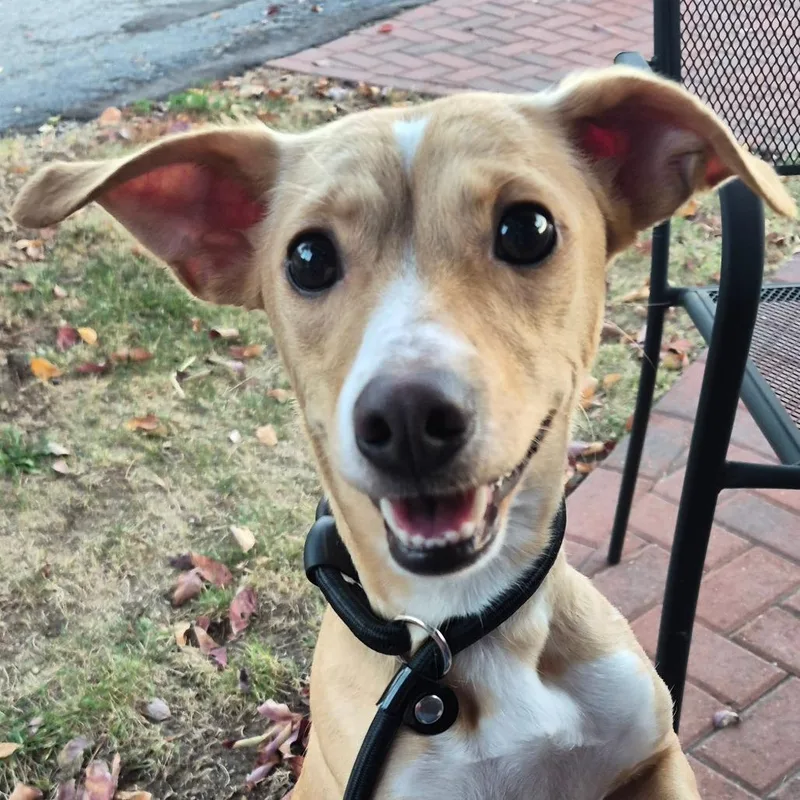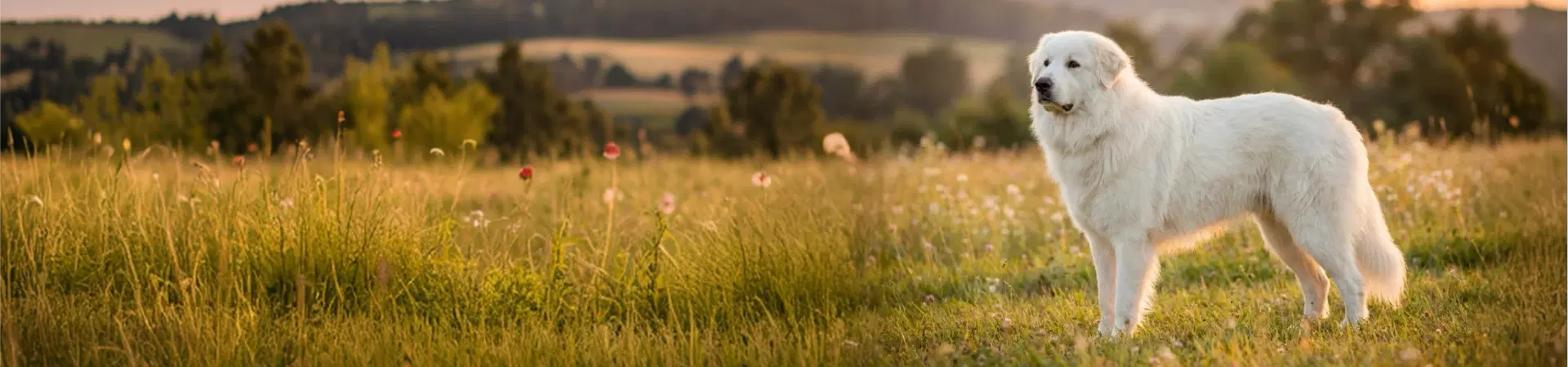
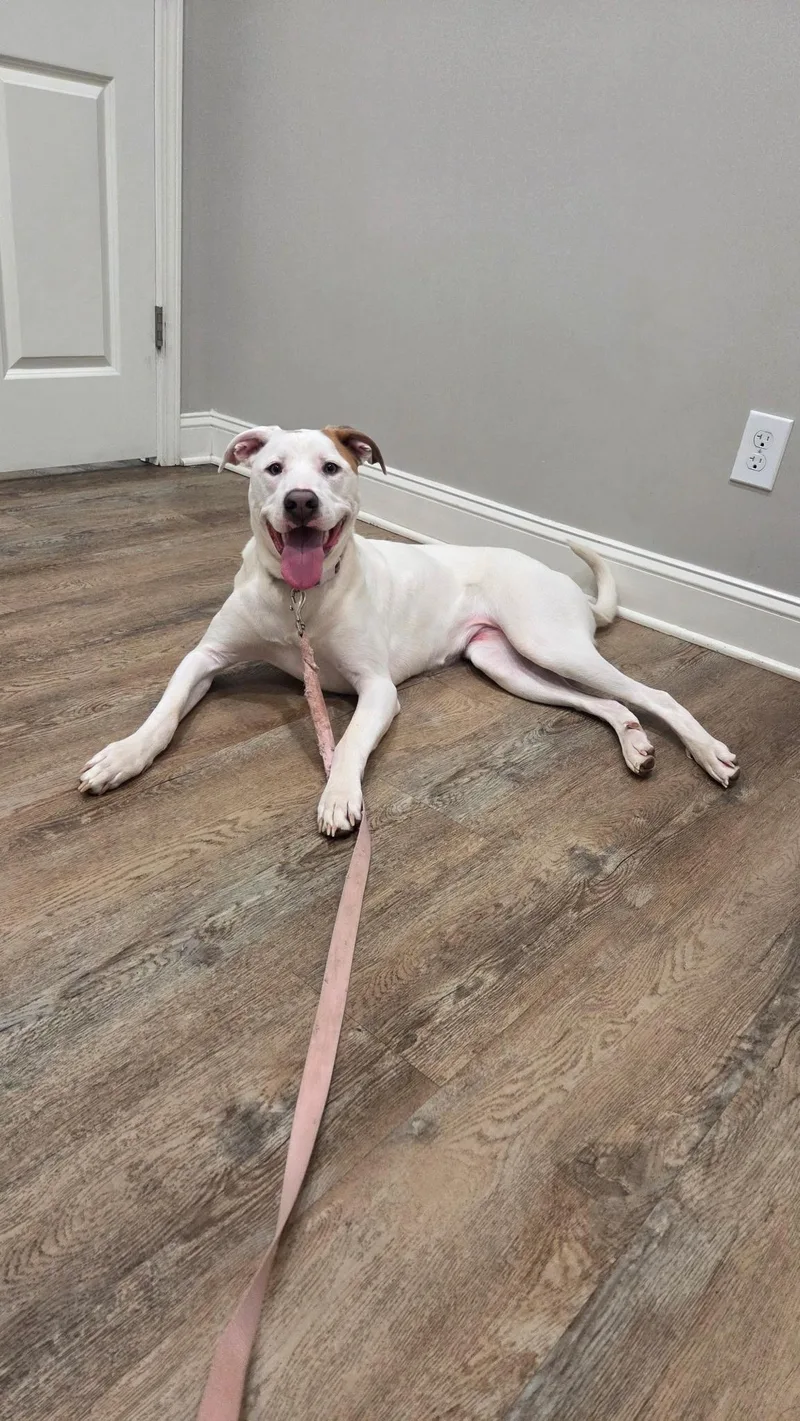
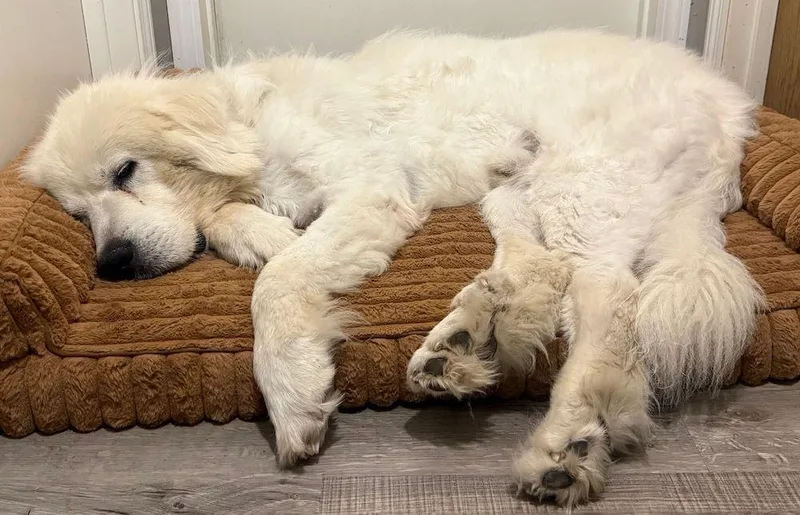

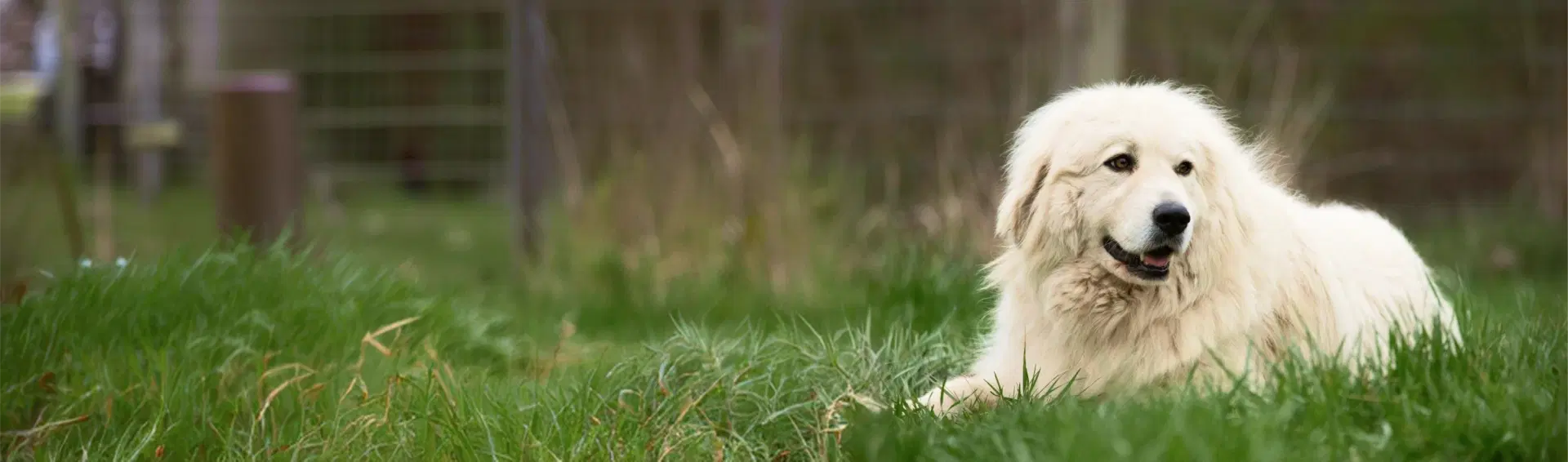
Great Pyrenees dog

Great Pyrenees Dogs for Adoption in St. Peters, MO

Your guide to finding and caring for a Great Pyrenees in St. Peters

A Great Pyrenees fits St. Peters best in a house with a fenced yard and a slow daily walk. The city is mostly subdivisions, and a Pyr will happily patrol a backyard, then amble along the three-mile Dardenne Creek trail from Jack Gettemeyer Park on a leash. Expect barking at night and white fur on everything. Pyrs are calm, but many wander, so a solid fence matters more than a big lawn. It suits patient people who like a quiet, watchful dog.

2416 Great Pyrenees available in St. Peters and nationwide

Open your home to a Great Pyrenees

Great Pyrenees Available for Adoption Near St. Peters

About the Great Pyrenees breed

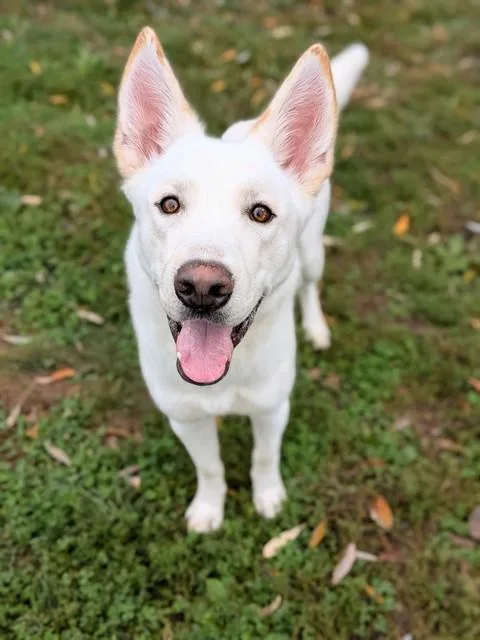
The Great Pyrenees is a giant livestock guardian from the mountains between France and Spain, where big white dogs stayed with flocks and watched for wolves and thieves. Adults usually weigh 85 to 120 pounds and wear a thick white double coat, sometimes with gray, tan or badger markings, and a plumed tail. Most Pyrs are calm, patient and devoted to their families.

That guarding history shows up at home. Pyrs tend to be independent, slow to follow commands and watchful after dark, so barking and roaming are common. In St. Peters, where neighbors share fence lines in subdivisions, early socialization and a plan for nighttime barking go a long way. Every Pyr is different, and Pyr mixes vary even more.

Weight
85–120 lbs
Height
25–32 in
Lifespan
10–12 yrs
Temperament
Calm, Protective, Independent
Group
Working
Shedding
High

Owning a Great Pyrenees in St. Peters

Having a Great Pyrenees in St. Peters

Size, independence, nighttime vigilance and a heavy white coat shape life with a Pyr. In St. Peters that means a secure fence, shade and air conditioning for hot afternoons, and patience with training, though each Pyr's needs vary.

Temperament

Pyrs are usually gentle and affectionate with their families and calm indoors. They're often reserved with strangers and bark to warn of anything unusual, especially after dark. Independence can look like stubbornness, so patient, reward-based training and early socialization help. With subdivision neighbors nearby, night barking deserves a plan.
Exercise Needs

Moderate exercise suits most Pyrs: a daily leashed walk plus time patrolling a fenced yard. The Dardenne Creek and Spencer Creek trails make easy, steady routes, best in cooler hours. Many Pyrs roam, so keep them leashed, and skip hard runs in July heat.

Health Considerations

Hip and elbow dysplasia, kneecap luxation, bloat and bone cancer are the main concerns in the breed. Feed smaller meals, avoid hard exercise around them and keep the dog lean. Check for ticks after creekside walks in St. Peters, and ask a veterinarian about joint screening and the signs of bloat.

Living Space

A house with a securely fenced yard suits a Pyr best, and St. Peters is largely subdivisions where yards are common. Calm adults can manage an apartment, but size and night barking make it harder. Indoors, expect white hair and a dog that picks the coolest floor.

What it costs to own a Great Pyrenees in St. Peters

ExpenseTypical costPer year
Food$80 to $160 per month$960 to $1,920
Pet insurance$85 to $170 per month$1,020 to $2,040
Routine vet care$250 to $500 per year$250 to $500
Other*$680 to $1,855 per year$680 to $1,855
Estimated yearly total (after year one)$2,910 to $6,315

Other costs are estimates and vary with size, age and health.

* A county rabies tag, flea, tick and heartworm prevention, a dental cleaning allowance, toys and bedding, brushing and baths for heavy seasonal shedding, and joint supplements for a giant breed.

Great Pyrenees dog

Adopt a Great Pyrenees in St. Peters.

Now that you know more, let’s find you a new best friend. These rescues and shelters below currently have Great Pyrenees available.

Rescues in St. Peters with Great Pyrenees Available

The St. Charles County Pet Adoption Center sits in St. Peters, alongside other shelters and rescues serving the surrounding St. Charles area. Here are the rescues & shelters in the St. Peters area where you can find Great Pyrenees and other dogs available for adoption.

Frequently Asked Questions

Yes. St. Peters' animal rules center on a dog's behavior rather than its breed. You'll need a current rabies vaccination with a St. Charles County tag on the collar, a leash whenever the dog is off your property, and no more than three pets in the household. Rules differ between St. Louis-area towns, so confirm them before moving.

Yes, with care. St. Peters averages about 39 days a year at 90°F or higher, mostly June through September, and a Pyr's thick coat makes heat tiring. Walk at dawn or after sunset, keep the dog in air conditioning, offer water and shade, and don't shave the coat. Never leave a Pyr in a parked car.

For leashed walks, try the three-mile Dardenne Creek trail through Jack Gettemeyer Park, the Spencer Creek Trail's boardwalk, or the trails at 370 Lakeside Park. Choose cooler hours in summer and check for ticks afterward. The fenced Rotary Club Dog Park at 370 Lakeside is off-leash but requires a paid membership, spay/neuter proof and rabies records.

It's possible for a calm adult, but a house with a yard usually works better. St. Peters is mostly subdivisions, so yards are easy to find. Size, night barking and heavy shedding can strain apartment life, and some landlords limit giant breeds, so confirm weight limits and pet fees before applying and plan on daily walks.

Often, yes, for a household with a fenced yard and time for daily walks. Cold, snowy winters suit the coat, while hot summers take planning. Subdivision neighbors may hear night barking, and the three-pet household limit matters if you already have animals. Patient, reward-based training and secure fencing make it work.

Plan on brushing a few times a week, and daily during the heavy spring and fall sheds. Muddy creek trails mean occasional baths, and ticks are worth checking for after walks. Don't shave the coat, since it protects against both cold winters and hot summers. Grooming costs fall within the Other line in the cost table above.

A Great Pyrenees is a giant livestock guardian dog from the Pyrenees mountains between France and Spain, bred to protect sheep from predators. It has a thick, weather-resistant white coat, often with gray, tan or badger markings, and double dewclaws on its hind legs. Many are calm, gentle and devoted to family, yet independent and watchful.

Great Pyrenees are giant dogs. Males usually stand about 27 to 32 inches at the shoulder and females about 25 to 29 inches. Most males weigh 100 pounds or more and most females 85 pounds or more, with many adults landing between about 85 and 120 pounds. Their fluffy coat makes them look even larger.

We have 1 rescue with Great Pyrenees available: St. Charles County Pet Adoption Center. You can see every rescue with Great Pyrenees available in the list above these questions, or scroll to the top to see the Great Pyrenees near St. Peters.

Expect roughly $2,900 to $6,300 a year for a Pyr in St. Peters, covering food, insurance, routine vet care and other costs. Food and insurance are the biggest lines for a giant breed, and heavy seasonal shedding adds brushing and bathing costs. Emergency care, such as bloat surgery, isn't included.