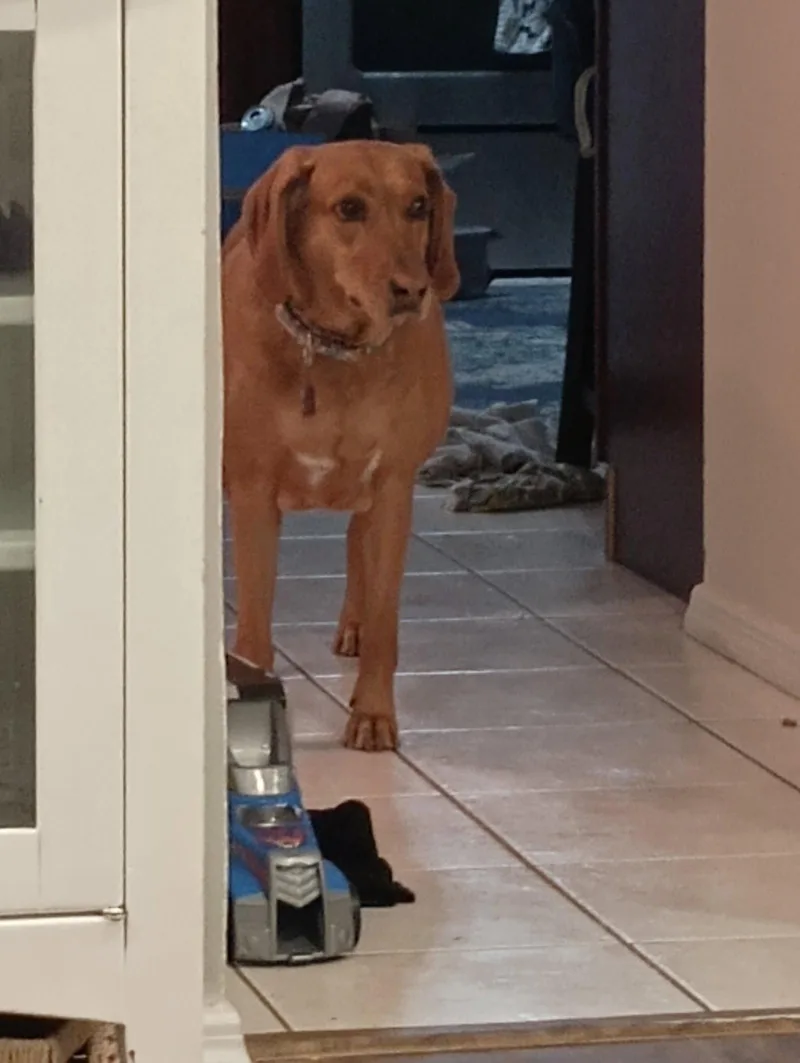
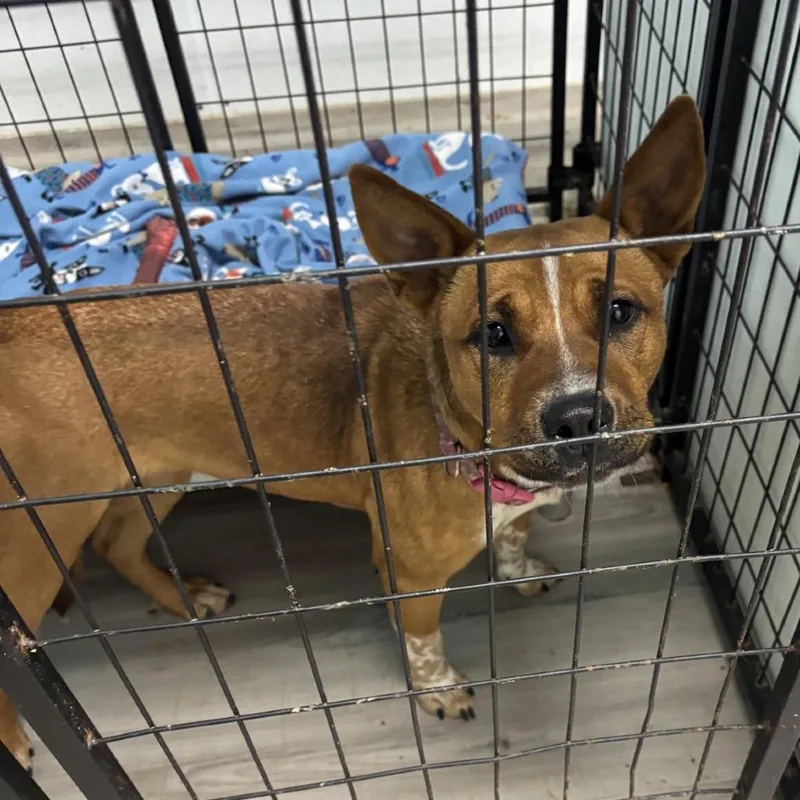
Treeing Walker Coonhound Dogs for Adoption in St. Louis, MO

Your guide to finding and caring for a Treeing Walker Coonhound in St. Louis

A Treeing Walker Coonhound suits the yards and tree-shaded streets of St. Louis Hills and Lindenwood Park. Walkers are friendly, athletic hounds that need a long leashed walk every day, and those streets are full of squirrel scent. Lindenwood Park is mostly single-family brick homes, so a fenced yard is realistic. Expect a ringing bay, though, so introduce yourself to the neighbors early. A loop around Francis Park makes a good daily routine.

372 Treeing Walker Coonhounds available in St. Louis and nationwide

Find your Treeing Walker Coonhound

While we don't have enough dogs near St. Louis, keep in mind that many rescues may offer transport.

Treeing Walker Coonhounds Available for Adoption Near St. Louis

About the Treeing Walker Coonhound breed

The Treeing Walker Coonhound traces to Virginia, Kentucky and Tennessee, where hunters crossed English and American Foxhounds to make a fast dog that would trail a raccoon and hold it up a tree. The United Kennel Club recognized it as its own breed in 1945, and the AKC followed in 2012. Walkers weigh 50 to 70 pounds and have a short, glossy tricolor coat, long ears and soft, pleading eyes.

At home, many Walkers are mellow, sociable and happy on the couch, but outdoors the nose leads. Prey drive is high, so a leash matters in open areas, and a fresh trail can override recall. The bay is loud, the coat is easy to care for, and the long ears need regular cleaning. Dogs vary, so spend time with the one you're considering.

Weight
50–70 lbs
Height
20–27 in
Lifespan
12–13 yrs
Temperament
Friendly, Energetic, Vocal
Group
Hound
Shedding
Moderate

Owning a Treeing Walker Coonhound in St. Louis

Having a Treeing Walker Coonhound in St. Louis

Walkers pair a hunter's stamina with a laid-back side indoors. In St. Louis, the big questions are fencing, neighbors who will hear the bay, and whether you can give a nose-driven dog a long walk every day.

Temperament

Walkers are usually friendly with people and other dogs, and many are gentle with respectful kids. They're smart but can turn stubborn when a scent calls, and many dislike harsh handling. Prey drive can make cats and small pets tricky. Their bay carries, so neighbors in St. Louis's closely built brick blocks may notice.

Exercise Needs

Plan on vigorous daily exercise, such as long leashed walks, hikes or runs once the dog is fully grown. Forest Park and Tower Grove Park suit leashed outings, and scent games and puzzle feeders give the nose a job. Without enough activity, many Walkers bay, dig or roam.

Health Considerations

Long ears trap moisture, so weekly cleaning helps prevent infections. Hip dysplasia and eye problems are screened for in the breed, and idle hounds gain weight easily. Ticks hide under the ears, so check after park walks. Raccoon contact can cause coonhound paralysis, so keep walks leashed and ask a veterinarian about prevention.

Living Space

A securely fenced yard suits a Walker best. Many St. Louis homes are brick flats and apartments, where a Walker needs a dedicated daily exercise routine and understanding neighbors. Fences need height, solid footing and no easy footholds. Walkers want to live indoors with their family, not out in the yard.

What it costs to own a Treeing Walker Coonhound in St. Louis

ExpenseTypical costPer year
Food$55 to $110 per month$660 to $1,320
Pet insurance$55 to $110 per month$660 to $1,320
Routine vet care$250 to $500 per year$250 to $500
Other*$479 to $1,254 per year$479 to $1,254
Estimated yearly total (after year one)$2,049 to $4,394

Other costs are estimates and vary with size, age and health.

* The $4 St. Louis registration for a spayed or neutered dog, flea, tick and heartworm prevention, a yearly dental cleaning, toys and bedding, and occasional grooming supplies.

Adopt a Treeing Walker Coonhound in St. Louis.

Now that you know more, let’s find you a new best friend. These rescues and shelters below currently have Treeing Walker Coonhounds available.

Frequently Asked Questions

A Treeing Walker Coonhound fits St. Louis if you're active, have a fenced yard or a very committed exercise routine, and can live with a loud bay. Leashed parks and membership dog parks give a Walker places to burn energy, while hot summers and spring storms take planning. Walkers vary, so a quieter, easygoing one may adapt more easily.

Yes. In the city, the everyday rules are rabies vaccination, City registration with a tag on the collar, a leash of six feet or less in public, and a limit of ten continuous hours on any outdoor tether. Owners must also provide shelter from heat, cold and rain. Nearby suburbs set their own animal rules, so review them before moving.

It can, but it takes work. A Walker's bay carries through shared walls, so a ground-floor or end unit and a routine of long leashed walks help a lot. St. Louis has many brick flats and apartments, and pet rules vary by building, so confirm size limits and fees before applying. Scent games keep an apartment Walker calmer.

Mostly yes, with planning. Walkers have short coats and plenty of stamina, but humid St. Louis summer nights give little relief. Exercise at dawn or after dark, bring water, and test pavement with your hand before walking. Never leave the dog in a parked car, and keep it in air conditioning during extreme heat.

Forest Park's six-mile loop is the classic leashed outing, and Carondelet Park adds two lakes and a bike path. The River des Peres Greenway offers 9.9 paved, mostly flat miles, while the northern Riverfront Trail is closed until about early 2027. Keep a Walker leashed, since a fresh scent overrides recall, and watch for coyotes at dusk.

No. Metro allows only service animals on MetroBus and MetroLink, and pets in carriers aren't permitted either. For a 50 to 70 pound Walker, that means walking distance, a car, or a ride where the driver agrees to a dog. Plan vet visits and park trips around that limit.

Often on a patio, but not inside. A 2007 city ordinance lets restaurants seat dogs in outdoor dining areas if they post a sign, though seven wards are exempt and each restaurant decides. Look for the sign before sitting down. Pick a quiet corner and bring a mat, since a Walker's nose and bay can disrupt a busy patio.

Very little. A Walker's short coat needs a weekly pass with a hound glove or damp towel, an occasional bath, and nails trimmed every couple of weeks. In St. Louis's humid, tick-friendly seasons, clean the ears weekly and check under them after park walks. Grooming costs stay within the Other budget, mostly supplies rather than salon visits.

We have 1 rescue with Treeing Walker Coonhounds available: Needy Paws Rescue. You can see every rescue with Treeing Walker Coonhounds available in the list above these questions, or scroll to the top to see the Treeing Walker Coonhounds near St. Louis.

Plan on roughly $55 to $110 a month for food, $55 to $110 a month for pet insurance, $250 to $500 a year for routine vet care, and $479 to $1,254 a year for other costs such as prevention, dental care and supplies. That works out to about $2,050 to $4,400 a year.

Find Treeing Walker Coonhounds in Nearby Cities

Expand your search to find Treeing Walker Coonhounds available for adoption near St. Louis.