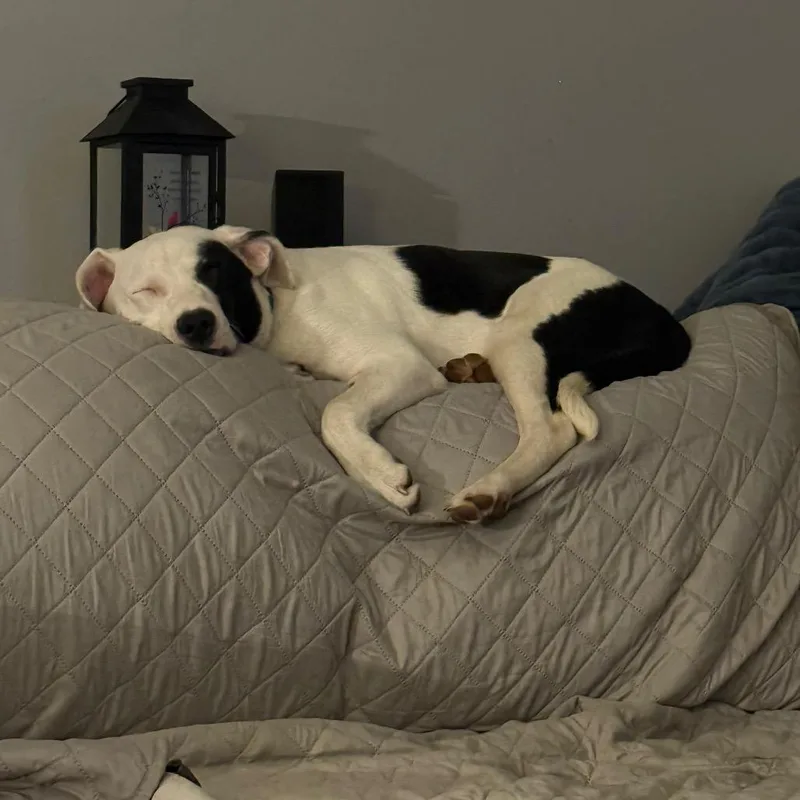
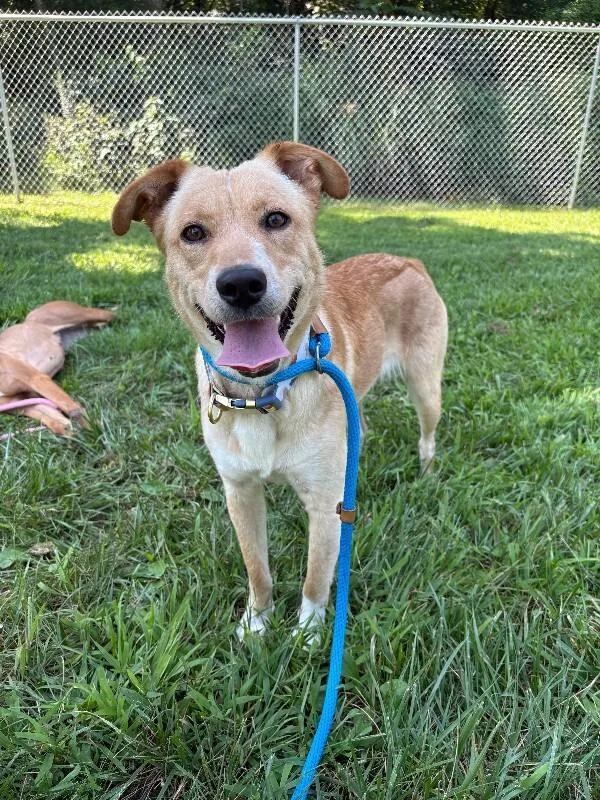
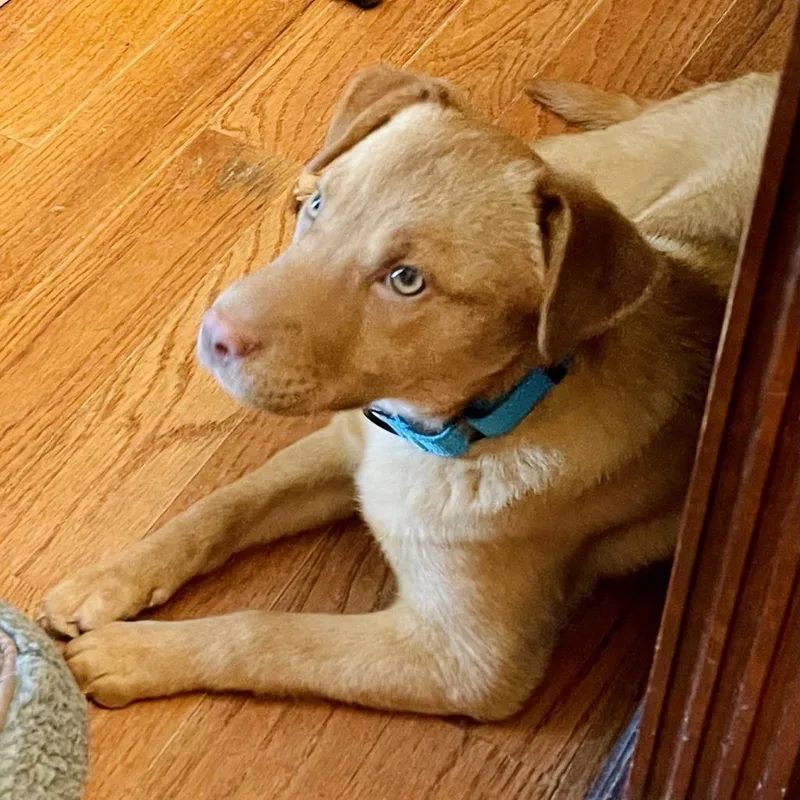
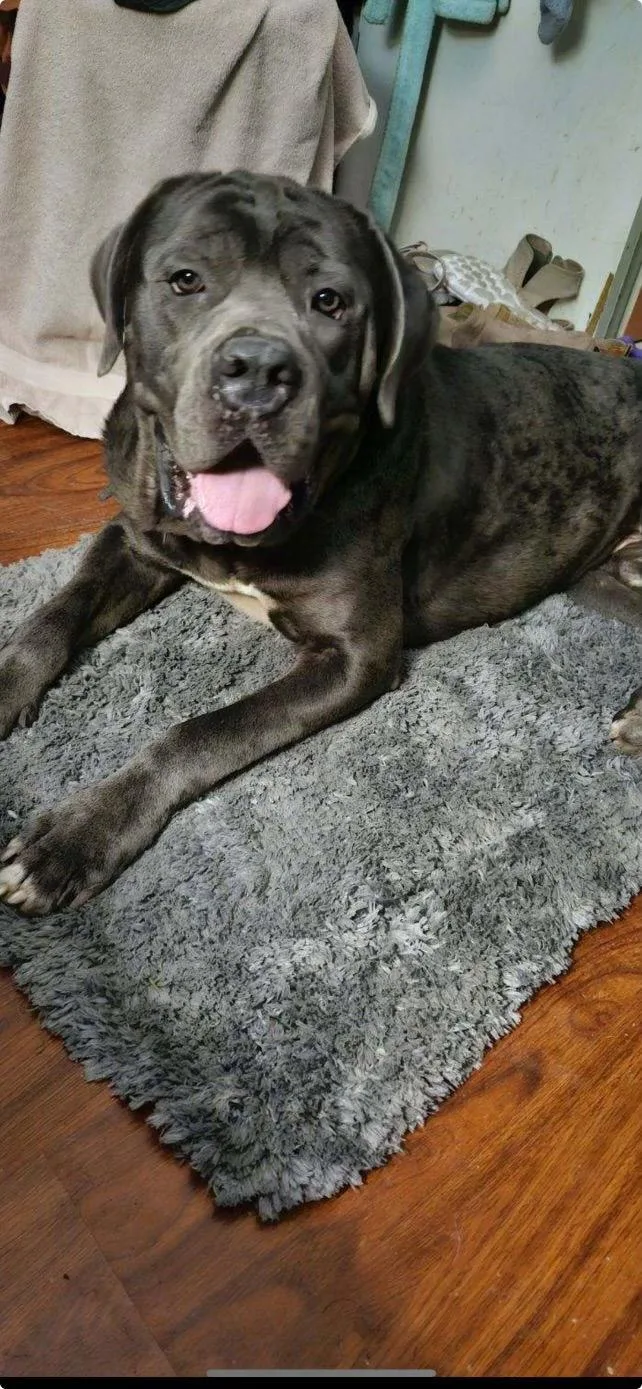
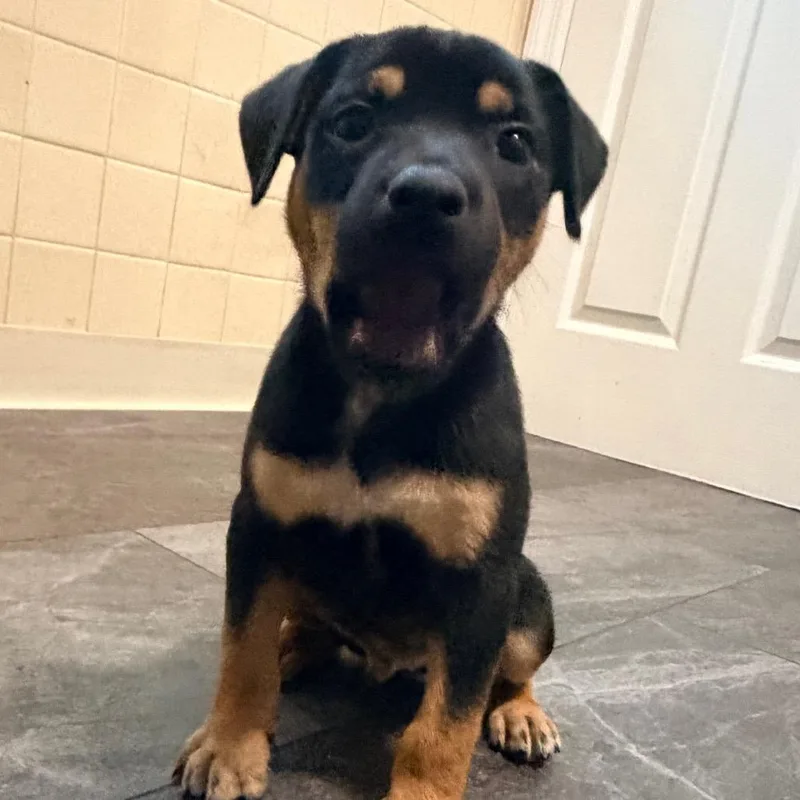
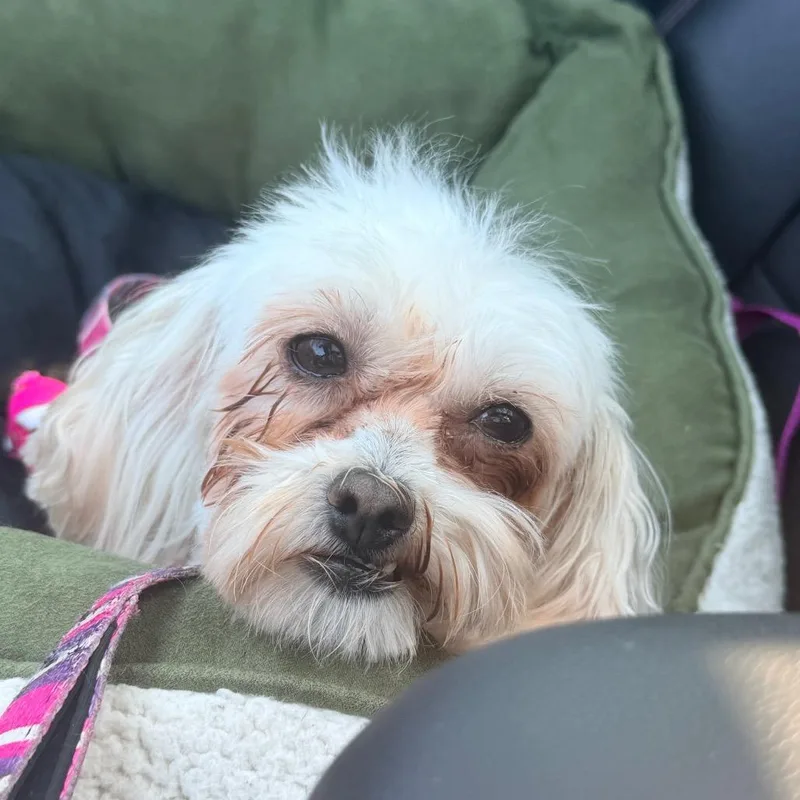
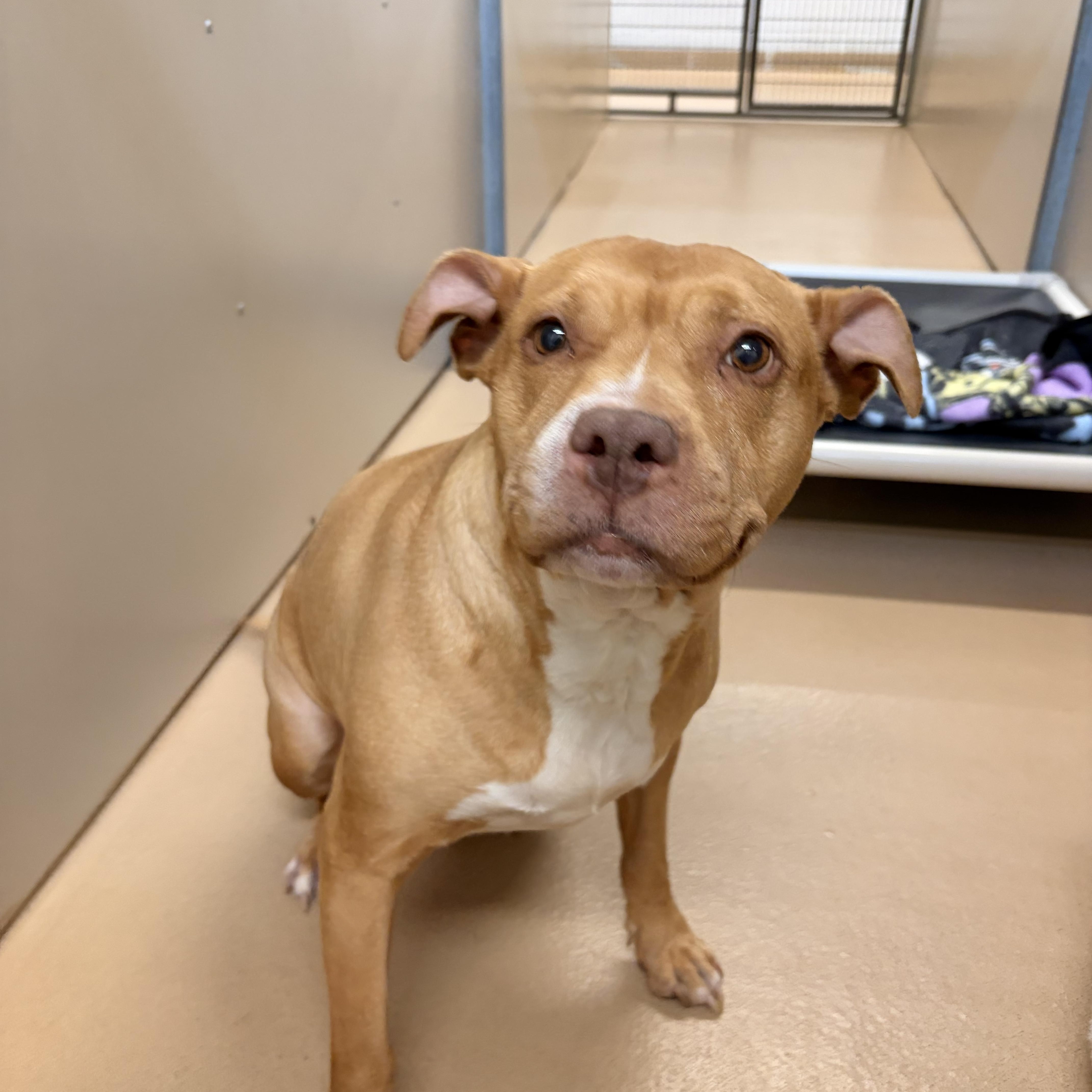
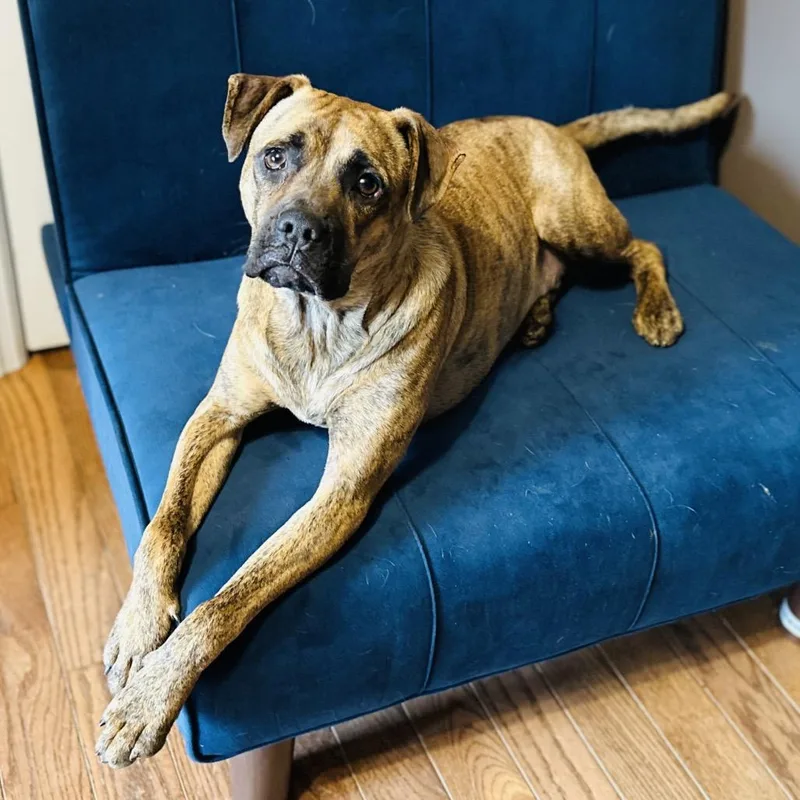
Black Labrador Retriever Dogs for Adoption in St. Charles, MO

Your guide to finding and caring for a Black Labrador Retriever in St. Charles

Black Labs suit St. Charles best when there's a daily loop on the Boschert Greenway or around McNair Park. They're friendly and sturdy, so a Frenchtown sidewalk or a busy New Town street rarely bothers them. Expect to give a young Lab a good hour of activity a day, with fetch to burn off the rest. They're happiest indoors with the family, and a dark coat means shade matters once summer humidity settles in.

3114 Black Labrador Retrievers available in St. Charles and nationwide

Find your Black Labrador Retriever

Black Labrador Retrievers Available for Adoption Near St. Charles

About the Black Labrador Retriever breed

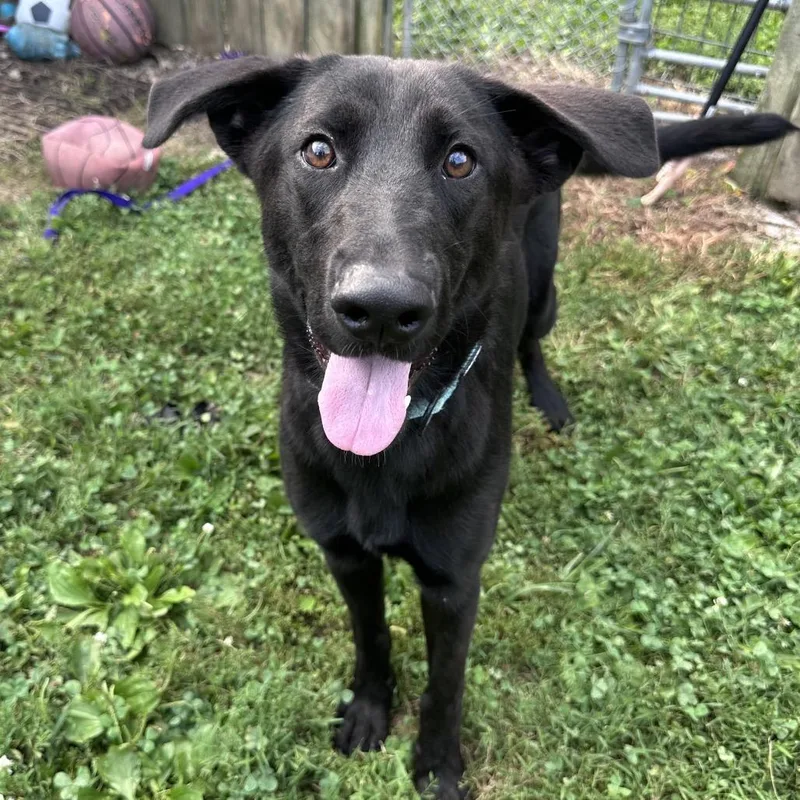
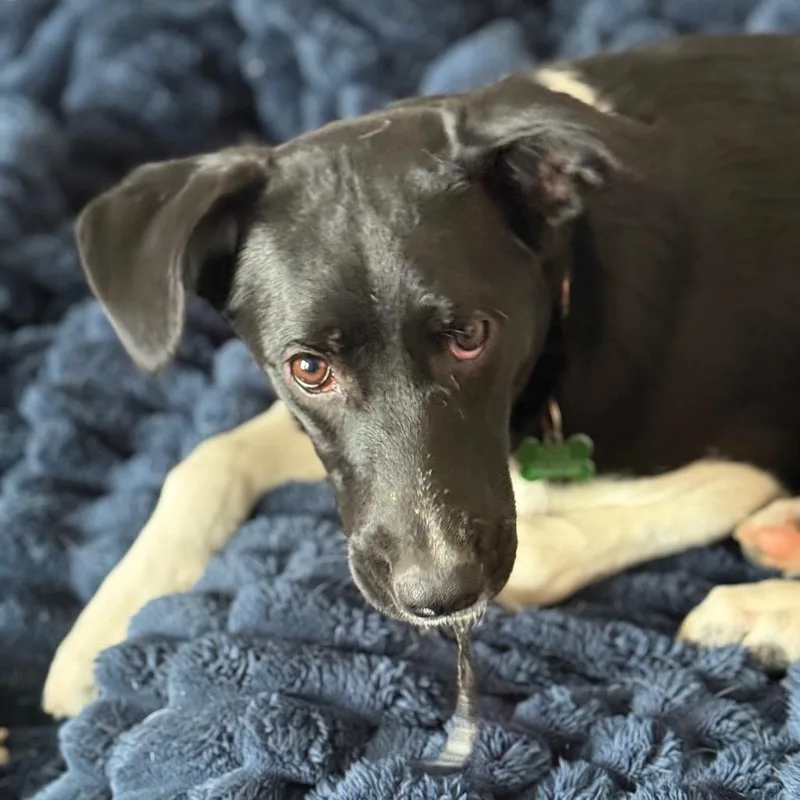
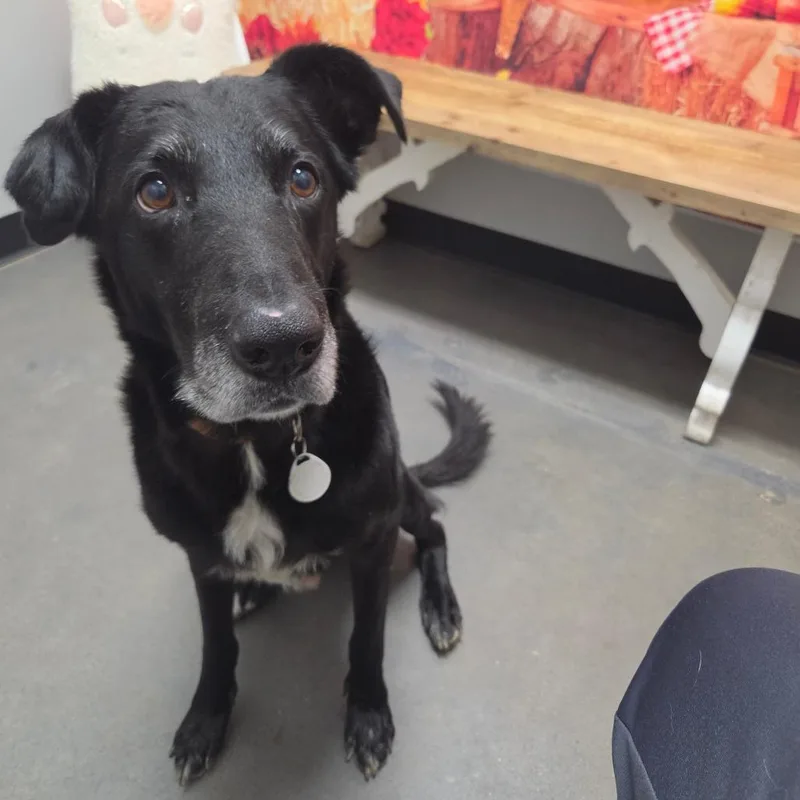
A black Lab is a Labrador Retriever in the breed's original color, not a separate breed. Labs descend from the St. John's water dogs of Newfoundland and were refined in Britain as gun dogs, which explains the dense water-resistant double coat, otter tail and love of retrieving. Black is the color many people picture first, and it doesn't change personality.

In St. Charles, that working heritage shows up as a dog who wants a job: leashed miles on the Katy Trail, fetch in the backyard, training games at home. Labs are food-motivated and gain weight easily, so measured meals matter. Expect heavy shedding in spring and fall and a slow-maturing, bouncy adolescence. Dogs vary, so a young field-type Lab may need far more activity than a calm adult.

Weight
55–80 lbs
Height
21–25 in
Lifespan
10–14 yrs
Temperament
Friendly, Outgoing, Active
Group
Sporting
Shedding
Moderate to High

Owning a Black Labrador Retriever in St. Charles

Having a Black Labrador Retriever in St. Charles

Energy, appetite and seasonal shedding shape daily life with a black Lab far more than coat color does. In St. Charles, that means planning for greenway walks, humid summers and a few icy winter stretches, and matching a dog's age and drive to your routine.

Temperament

Black Labs tend to be friendly with family, visitors and other dogs, which helps on busy St. Charles trails and at DuSable Dog Park. Young dogs can be mouthy and boisterous, and their love of food makes reward-based training work well. A dog's age, history and socialization say more than breed or color.

Exercise Needs

Most grown black Labs need an hour or more of vigorous activity daily. Leashed walks on the Boschert Greenway, McNair Park's loops or the Katy Trail work well, and DuSable Dog Park offers fenced off-leash play in a large-dog section. City parks require a leash of 6 feet or less. Retrieving games and scent work give the mind a job too.

Health Considerations

Hip and elbow dysplasia, cruciate tears, exercise-induced collapse, eye disease, ear infections and allergies all occur in Labs, and obesity is common. A veterinarian can check hips and elbows and track weight. Missouri has lone star, American dog and deer ticks, so check the coat after trail walks and keep up parasite prevention.

Living Space

A black Lab can live in a house or an apartment, including newer buildings like those at the Streets of St. Charles, if daily exercise is met. A fenced yard makes play easier but doesn't replace walks. Expect shed hair, a sweeping tail and a dog that wants to live indoors with you.

What it costs to own a Black Labrador Retriever in St. Charles

ExpenseTypical costPer year
Food$55 to $110 per month$660 to $1,320
Pet insurance$65 to $130 per month$780 to $1,560
Routine vet care$250 to $500 per year$250 to $500
Other*$580 to $1,455 per year$580 to $1,455
Estimated yearly total (after year one)$2,270 to $4,835

Other costs are estimates and vary with size, age and health.

* The $5 St. Charles County rabies tag, flea, tick and heartworm prevention, a dental cleaning allowance, toys and bedding, and brushing and baths for seasonal shedding.

Adopt a Black Labrador Retriever in St. Charles.

Now that you know more, let’s find you a new best friend. These rescues and shelters below have dogs available in and near St. Charles.

Rescues and Shelters in or near St. Charles

St. Charles has a city animal shelter, a private nonprofit shelter, and a county adoption center in nearby St. Peters. Here are the rescues & shelters in the St. Charles area with dogs available for adoption, worth asking whether a Black Labrador Retriever is coming in.

Frequently Asked Questions

Yes, you can own a Black Labrador Retriever in St. Charles, which has no known breed-specific rules. Dogs need a yearly rabies vaccine and a St. Charles County rabies tag by four months old, and a household can keep two dogs without a permit. Keep the leash at 6 feet or less off your property. Nearby towns may differ, so check before moving.

DuSable Dog Park on N. Main St. is the city's only off-leash park, with a fenced large-dog section; dogs must be spayed or neutered and tagged. For leashed outings, the Katy Trail through Frontier Park, the Boschert Greenway, Fountain Lakes and McNair Park suit an active Lab. Swimming in park lakes isn't allowed, and pets are banned from Frontier Park during special events.

Yes, a Black Labrador Retriever can live in a St. Charles apartment if it gets an hour or more of daily exercise. About 32% of households rent, so rentals are plentiful, but weight limits and pet fees vary, so read the lease for large-dog rules. Greenway walks and DuSable Dog Park help burn energy, and regular brushing keeps shed hair manageable indoors.

Yes, with precautions. Summers run 66–86°F and feel humid, with about a month of 90°F days a year, and a dark coat absorbs heat. Walk early or late, carry water, avoid hot pavement, and never leave a Lab in a parked car, which city code prohibits in dangerous heat. Park lakes ban swimming, so a kiddie pool or hose at home helps.

A Black Labrador Retriever fits St. Charles well for active households that are home a fair amount. The city's greenways, trails and large parks give a Lab room to walk, and four seasons suit its double coat. Plan for shedding, shade in summer and the two-dog household limit. A young field-type Lab needs more exercise than a calm adult.
A black Lab needs weekly brushing most of the year and near-daily brushing during the heavy spring and fall sheds. Baths are occasional, and rinsing paws after winter walks on salted sidewalks helps. Humid summers can aggravate skin and ears, so dry ears after baths. Brushing supplies and occasional baths fall under the Other costs in the cost table.

Pets generally can't ride transit around St. Charles. The free trolley allows service animals only, and Metro buses and MetroLink do the same. The Charley, the city's curb-to-curb van service, publishes no pet rule, so confirm current rules before booking. For a 55–80 pound Lab, driving or walking is usually simpler.

A Labrador Retriever is a large sporting dog developed to retrieve game for hunters, especially from water. Labs have a short, dense double coat, a thick otter tail and a broad head, and they come in black, yellow and chocolate. Many are friendly, food-motivated and eager to work, which makes them common family, guide and service dogs.

Labs are large dogs, usually standing about 21.5 to 24.5 inches at the shoulder and weighing about 55 to 80 pounds, with females toward the lower end. Field-bred Labs often look taller and leaner, while show-bred Labs tend to be stockier. Most reach adult height by about a year and keep filling out until around two.

Plan on roughly $2,270 to $4,835 a year for a black Lab in St. Charles, covering food, insurance, routine vet care and other costs. Food runs $55–$110 a month and insurance $65–$130. Routine vet care is $250–$500 a year, and other costs run $580–$1,455. Adoption fees are shown on the listings.