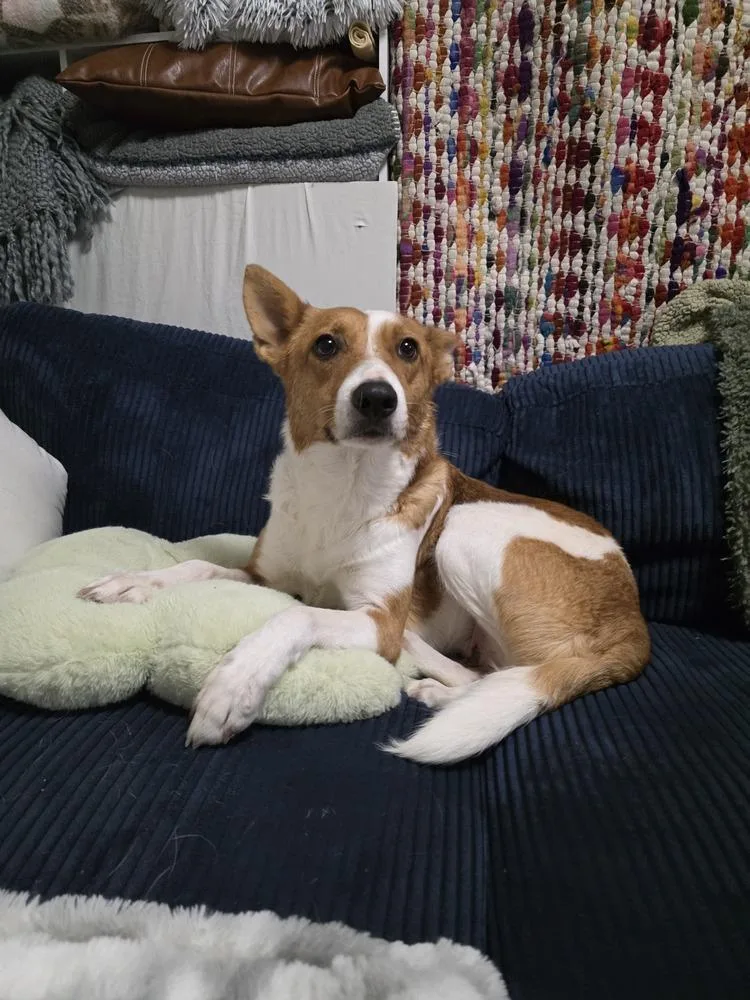

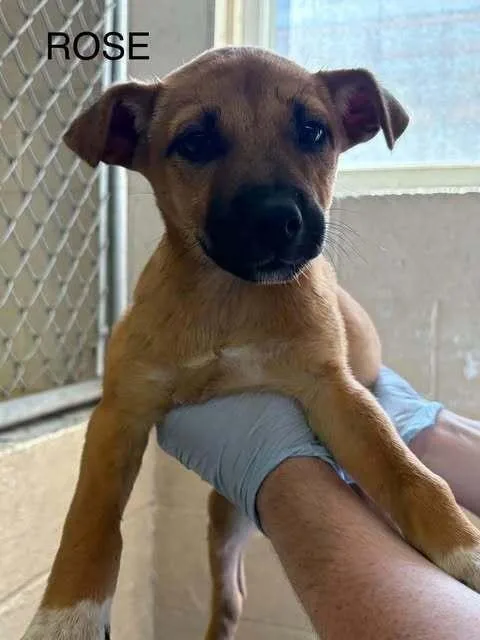

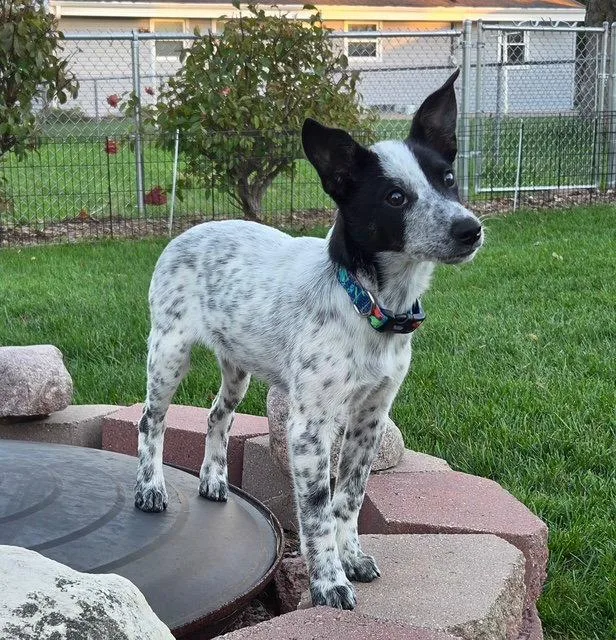
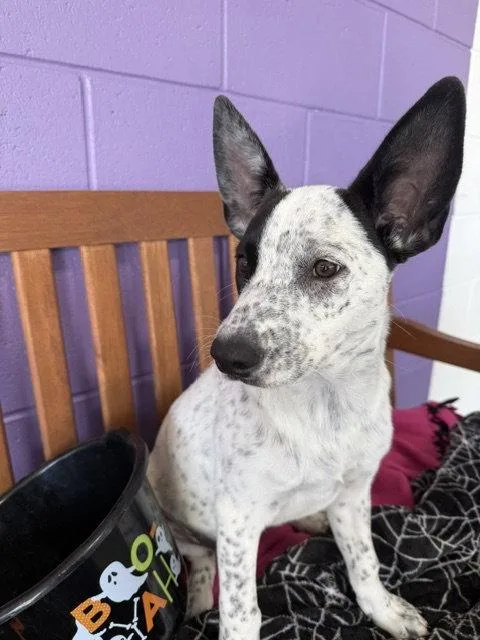
Australian Cattle Dog / Blue Heelers for Adoption in St. Charles, MO

Your guide to finding and caring for an Australian Cattle Dog / Blue Heeler in St. Charles

A Blue Heeler suits St. Charles best when its owner likes being outside every day. The Boschert Greenway runs about four miles from Frenchtown to New Town, a good long leashed walk or jog for a dog with this much stamina, and McNair Park's loop trails add variety on weekdays. Heelers attach closely to their person and keep an eye on the street, so a quiet block near the older Lindenwood homes can work better than a busy corner.

4378 Australian Cattle Dog / Blue Heelers available in St. Charles and nationwide

Say hello to your Blue Heeler

Australian Cattle Dog / Blue Heelers Available for Adoption Near St. Charles

About the Australian Cattle Dog / Blue Heeler breed

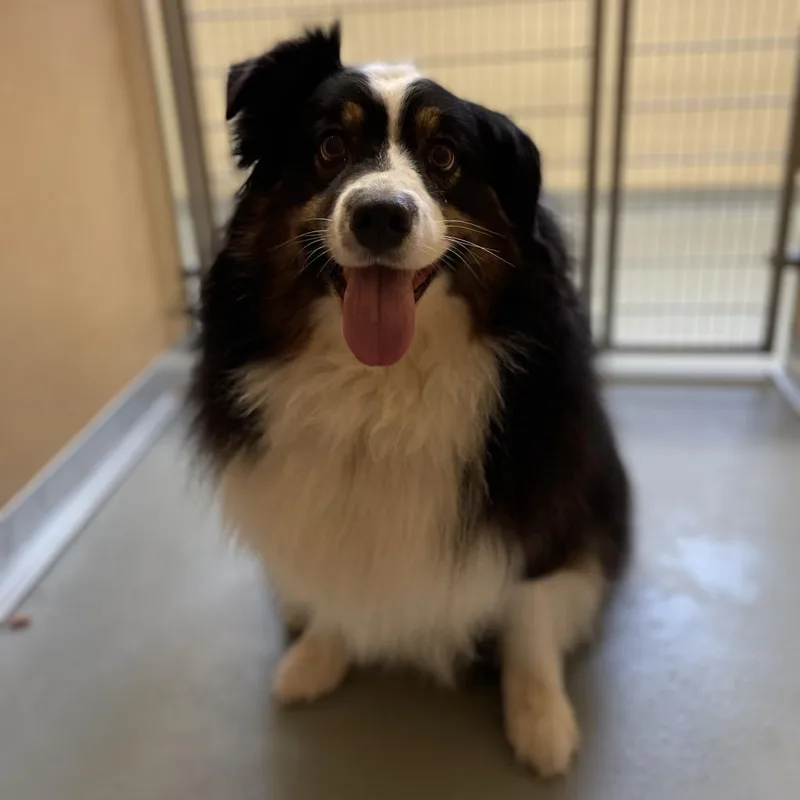
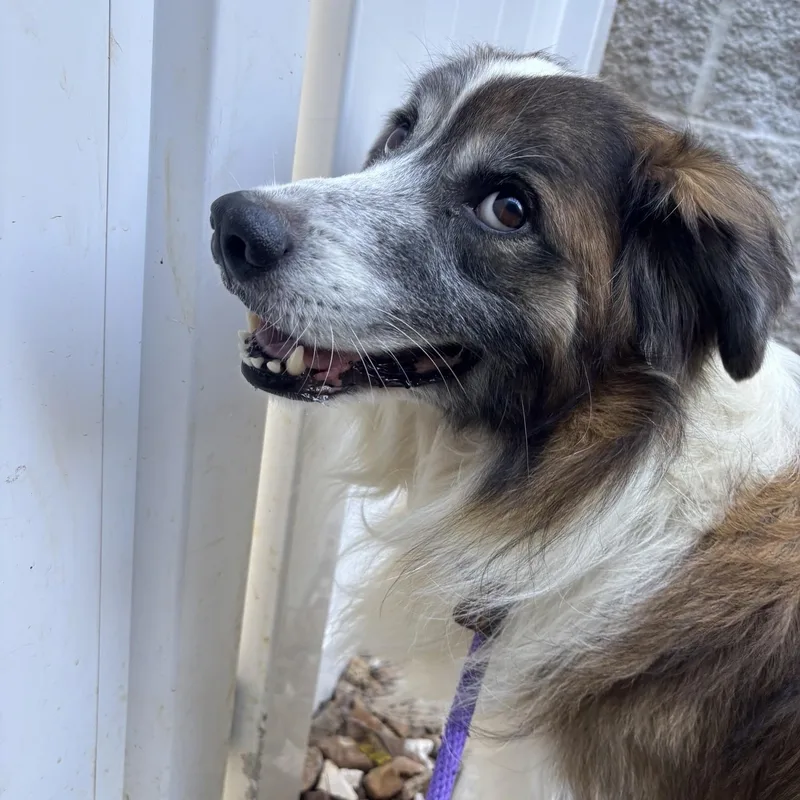
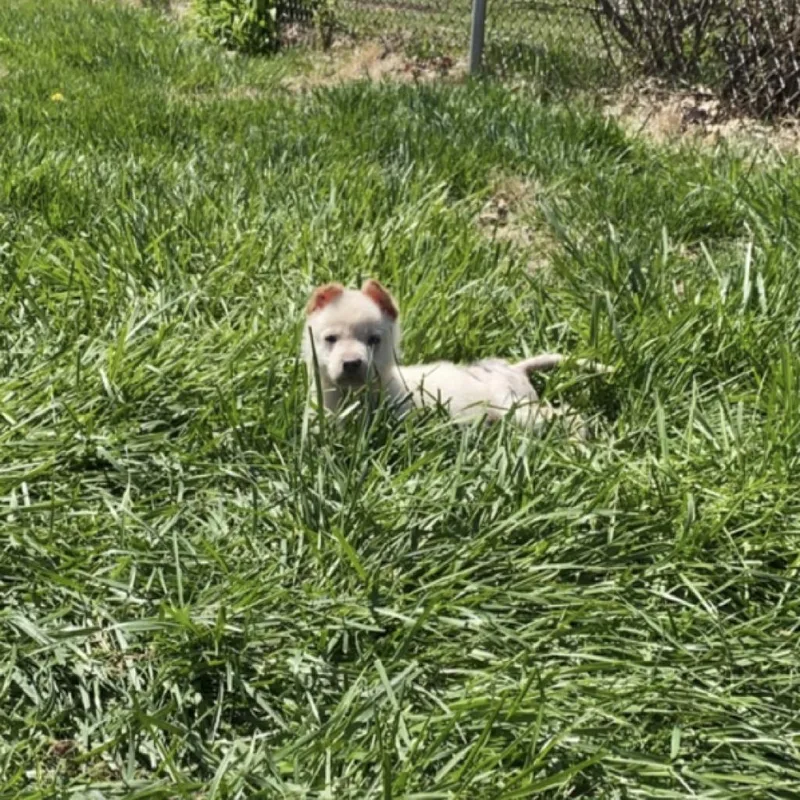
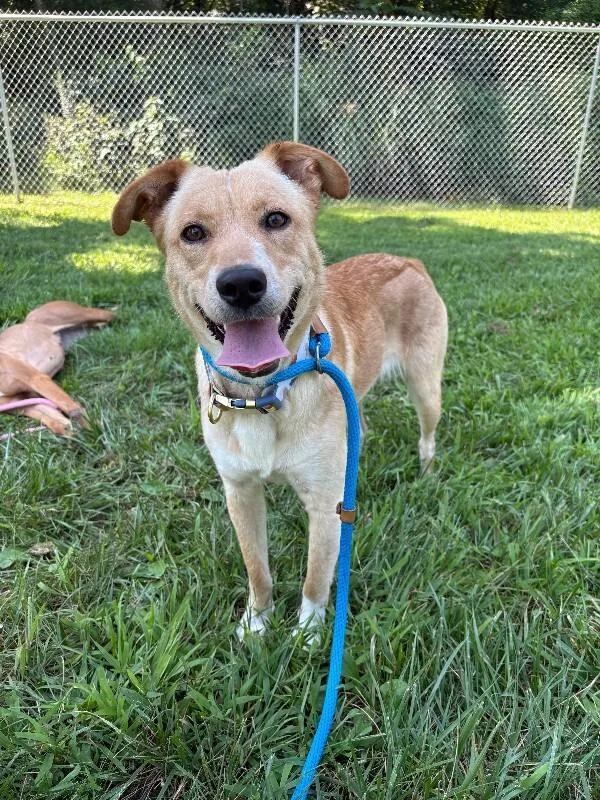
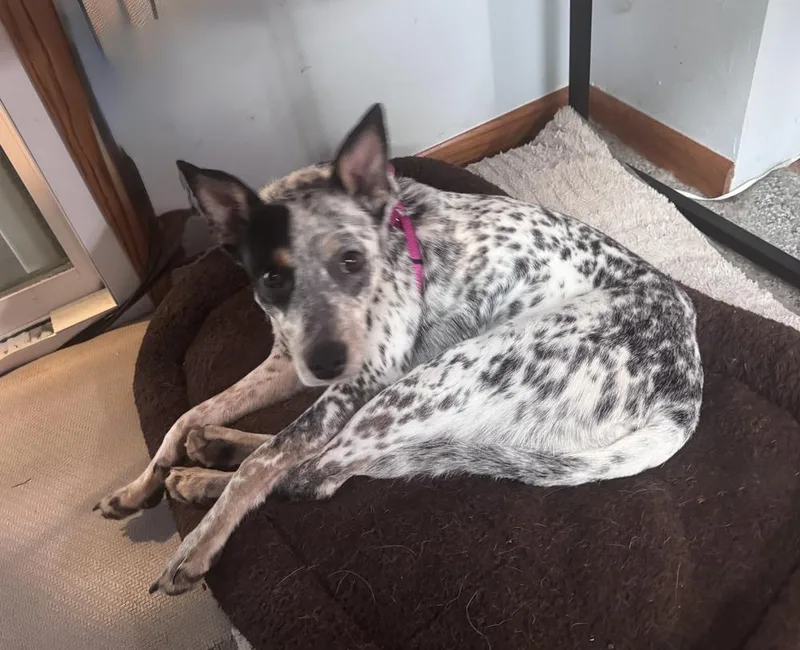
Australian Cattle Dogs, also called Blue Heelers or Queensland Heelers, were developed in nineteenth-century Australia to drive cattle over long distances in heat and dust. They're compact and muscular, usually 35 to 50 pounds, with a weatherproof double coat in blue or red speckle. Puppies are born white and color in over the first weeks.

Heelers are loyal, clever and watchful, and many attach closely to one person while staying wary of strangers. Their herding drive can show up as nipping at heels, bikes or other pets. In St. Charles, they do best with owners who use the area's trails and want a dog that needs a job. Coat care is simple: weekly brushing, with heavier shedding once or twice a year.

Weight
35–50 lbs
Height
17–20 in
Lifespan
12–16 yrs
Temperament
Energetic, Intelligent, Loyal, Alert
Group
Herding
Shedding
Moderate

Owning an Australian Cattle Dog / Blue Heeler in St. Charles

Having an Australian Cattle Dog / Blue Heeler in St. Charles

Stamina and a working mind matter more than size with this breed. A medium-sized Heeler fits many St. Charles homes, as long as daily trail time, training and mental work come with it.

Temperament

Heelers are usually loyal, alert and reserved with strangers, and many shadow one person around the house. That watchfulness can mean barking at passersby on busy streets or in apartment hallways. Herding instincts may bring nipping at heels or chasing bikes. Early socialization and consistent, reward-based training help, though temperament varies from dog to dog.

Exercise Needs

Expect an hour or more of vigorous activity daily, plus mental work. The Boschert Greenway, McNair Park's loop trails and the Katy Trail suit running, hiking and leashed fetch breaks. Training games, puzzle toys and scent work fill rainy days. A short stroll around the block rarely tires a young Heeler.

Health Considerations

Cattle Dogs are often long-lived, but deafness, progressive retinal atrophy, primary lens luxation and hip or elbow dysplasia are documented in the breed. A veterinarian can check hearing, eyes and joints and discuss screening. In Missouri, check the coat for ticks after trail walks and keep parasite prevention current.

Living Space

A medium-sized Heeler can fit an apartment at the Streets of St. Charles or a house with a fenced yard, provided daily exercise is a given. A secure fence helps a dog that likes to patrol. Expect watchful barking, and note that St. Charles prohibits habitually barking dogs that disturb neighbors.

What it costs to own an Australian Cattle Dog / Blue Heeler in St. Charles

ExpenseTypical costPer year
Adoption fee$300, one time$300 in year one
Food$35 to $70 per month$420 to $840
Pet insurance$55 to $100 per month$660 to $1,200
Routine vet care$225 to $450 per year$225 to $450
Other*$430 to $1,155 per year$430 to $1,155
Estimated yearly total (after year one)$1,735 to $3,645
First-year total (with adoption fee)$2,035 to $3,945

Adoption fee is the fee on Australian Cattle Dog / Blue Heeler listings in St. Charles on GetBuddy today. Other costs are estimates and vary with size, age and health.

* The $5 St. Charles County rabies tag (there is no separate city license), flea, tick and heartworm prevention, a dental cleaning allowance, durable toys and bedding, and light home grooming for a short coat.

Adopt an Australian Cattle Dog / Blue Heeler in St. Charles.

Now that you know more, let’s find you a new best friend. These rescues and shelters below currently have Australian Cattle Dog / Blue Heelers available.

Rescues in St. Charles with Australian Cattle Dog / Blue Heelers Available

The St. Charles area has city, county and nonprofit shelters, with adoptable dogs of many breeds and mixes. Here are the rescues & shelters in the St. Charles area where you can find Australian Cattle Dog / Blue Heelers and other dogs available for adoption.

Frequently Asked Questions

Yes, St. Charles has no known breed-specific rule covering Blue Heelers; its dog rules are behavior-based. Households can keep two dogs without a permit, and every dog needs a yearly rabies vaccination and county tag by four months. Some nearby St. Louis-area towns do restrict breeds, so confirm local rules before moving across town.

It can be, if you spend time outdoors every day. St. Charles offers greenways, large parks and the Katy Trail for a high-energy herding dog. Heelers are less suited to long, empty workdays, and their watchful barking can strain relations with neighbors. Many do well with training, a daily job and a steady routine.

The Boschert Greenway (about four miles) and Centennial Greenway (about 2.7 miles) give a Heeler long leashed outings, and both connect to the Katy Trail. McNair and Wapelhorst parks have loop trails. DuSable Dog Park offers off-leash play in fenced sections. City parks require a leash of six feet or less.

Yes, if the daily exercise happens. About a third of St. Charles households rent, and newer complexes such as those at the Streets of St. Charles may suit a medium-sized Heeler. Plan on long walks, training and puzzle toys, and expect some barking at hallway noise, which the city's barking rule can make a problem.

Mostly yes. The double coat handles cold winters well, and the dog's stamina suits four seasons. Summer needs care, with about a month of 90°F days, so exercise early or late. Spring brings mud, storms and occasional river flooding that closes the riverfront trail, so have a second route ready.

Not reliably. The St. Charles Trolley allows service animals only, and Metro buses and trains do not carry pets. The Charley, the city's curb-to-curb van service, publishes no pet policy. For most outings, plan on driving, and never leave a dog in a parked car in dangerous heat or cold.

Only to patios that allow dogs, and that is up to each restaurant. Pet dogs are generally not allowed in indoor dining rooms. A Heeler's wariness of strangers can make a crowded Main Street patio stressful, so practice calm settling at a quiet spot first, with water and a mat.

Very little. Weekly brushing handles the short double coat, with daily brushing during the once- or twice-yearly coat blow. Bathe only when needed, since too many baths strip the coat's oils. Rinse salty paws in winter and check for ticks after summer and fall trail walks. Home grooming costs fall within the Other line.

We have 1 rescue with Australian Cattle Dog / Blue Heelers available: Lucky K9 Rescue - St. Charles, MO. You can see every rescue with Australian Cattle Dog / Blue Heelers available in the list above these questions, or scroll to the top to see the Australian Cattle Dog / Blue Heelers near St. Charles.

A Blue Heeler in St. Charles typically costs about $35 to $70 a month for food and $55 to $100 for pet insurance. Routine vet care runs roughly $225 to $450 a year, and other expenses such as parasite prevention, dental care, supplies and the county rabies tag add $430 to $1,155 a year.