Siberian Husky Dogs for Adoption in Kansas City, MO

Your guide to finding and caring for a Siberian Husky in Kansas City

Siberian Huskies suit Kansas City best when their people like being outdoors in every season. A Husky can burn off a morning on the Line Creek Trail in the Northland or the wooded paths along the Blue River Parkway near Red Bridge, and the cold, snowy winters don't bother the breed much. What matters is a securely fenced yard or a firm routine of leashed miles, since Huskies tend to roam. It's a good match for a runner or hiker who's home often.

2708 Siberian Huskies available in Kansas City and nationwide

Open your home to a Siberian Husky

Siberian Huskies Available for Adoption Near Kansas City

About the Siberian Husky breed

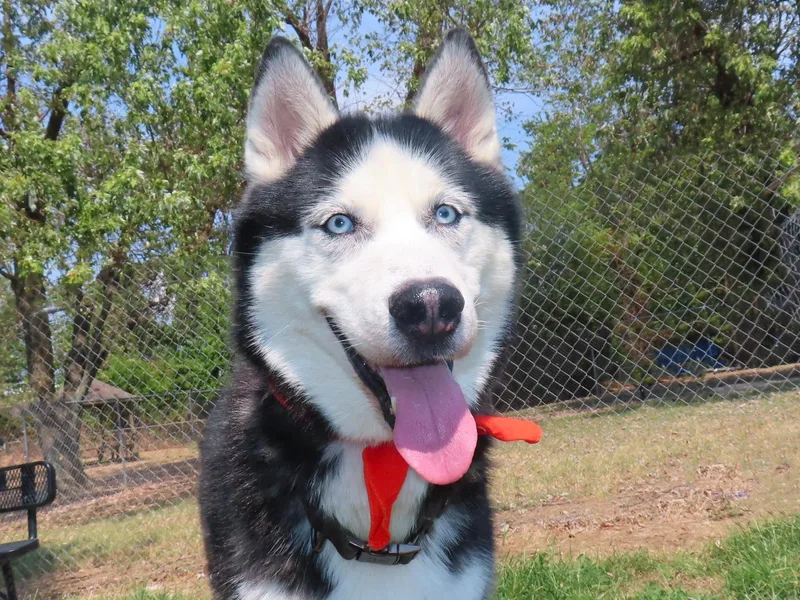
Siberian Huskies descend from sled dogs kept by the Chukchi people of northeastern Siberia, and they became famous through the 1925 serum run to Nome. They're medium-sized, usually 35 to 60 pounds, with erect ears, a brush tail, a thick double coat and eyes that can be brown, blue or one of each. Most are friendly with nearly everyone, so they make poor guard dogs.

The daily picture matters more than the looks. Huskies were built to run and think for themselves, so many roam, dig, howl and test fences. Expect two heavy sheds a year, training that takes patience, and a dog that does best with company. Each Husky is different, and a calm adult may be more relaxed than the breed's reputation suggests.

Weight
35–60 lbs
Height
20–24 in
Lifespan
11–14 yrs
Temperament
Friendly, Energetic, Independent
Group
Working
Shedding
High

Owning a Siberian Husky in Kansas City

Having a Siberian Husky in Kansas City

Huskies pair sled-dog stamina and an independent streak with a social, easygoing nature. In Kansas City, the biggest questions are whether you can give daily running, keep a fence secure, and manage humid summer days with a thick coat.

Temperament

Many Huskies are outgoing, gentle and playful, and they often greet strangers like old friends, so don't count on one as a watchdog. They usually enjoy other dogs, though a strong prey drive can put cats and small pets at risk. Independence can look like stubbornness, and howling and talking are common, which matters in shared buildings.

Exercise Needs

Plan on vigorous exercise every day: long leashed walks, jogging or hiking on trails such as the Line Creek Trail or the Blue River Parkway. Few Huskies have reliable recall, so fenced off-leash areas work only if the dog responds well. Add puzzle toys and training for mental work, and run early or late on hot days.

Health Considerations

Huskies are generally robust, but juvenile cataracts, corneal dystrophy and progressive retinal atrophy occur in the breed, and some develop a zinc-responsive skin condition. Kansas City's humid summers add heatstroke risk for a thick-coated dog. Yearly vet exams that include the eyes and skin help catch problems early.

Living Space

A Husky can live in an apartment or a house if daily exercise is met, but a tall, secure fence is a real help since many dig under or climb over. Whichever home you choose, indoor time with company and air conditioning matter most in summer.

What it costs to own a Siberian Husky in Kansas City

ExpenseTypical costPer year
Food$35 to $70 per month$420 to $840
Pet insurance$45 to $85 per month$540 to $1,020
Routine vet care$225 to $450 per year$225 to $450
Other*$537 to $1,362 per year$537 to $1,362
Estimated yearly total (after year one)$1,722 to $3,672

Other costs are estimates and vary with size, age and health.

* The Kansas City dog license ($10 for one year, plus a $2 administrative fee), flea, tick and heartworm prevention, a dental cleaning allowance, toys and bedding, and brushing tools and baths for twice-yearly coat blowouts.

Adopt a Siberian Husky in Kansas City.

Now that you know more, let’s find you a new best friend. These rescues and shelters below currently have Siberian Huskies available.

Frequently Asked Questions

It can be, for active people who are home often. Cold winters and miles of trails suit the coat, but humid summers, spring storms and July fireworks need planning, and a secure fence or steady leash routine is essential. A Husky is a poor match for long workdays alone, since the breed does best with company.

Yes, with planning. Kansas City summers are humid, with about 36 to 47 days a year at 90°F or higher, and humidity limits a Husky's ability to cool by panting. Exercise at dawn or after dark, provide shade and water, keep the dog in air conditioning on hot days, and never leave one in a car.

For long leashed runs, try the 8.4-mile Line Creek Trail in the Northland, the roughly six-mile Trolley Track Trail through Brookside and Waldo, or the Blue River Parkway in south Kansas City. Swope Park's five-acre off-leash area and Penn Valley's fenced park work too, but few Huskies have reliable recall, so treat them as a bonus.

Yes, if daily running is guaranteed and the dog has company. Plan on two long outings a day, and expect howling to carry through shared walls. Get any breed or weight limits and pet fees in writing from the landlord before signing, and remember dogs can't be tied up in shared yards.

Yes. Kansas City has no breed ban affecting Huskies, and its dangerous-dog rules are based on a dog's behavior. You'll need a city license and rabies vaccination for any dog over 120 days old, a leash or fence outside your home, and to stay within the four-pet household limit. Huskies roam, so secure fencing matters.

Brush weekly most of the year and daily during the two heavy sheds, usually spring and fall. Baths are occasional, and the coat should never be shaved, even in humid summers, since it helps insulate against heat. Brushing tools and baths fall under the Other costs of roughly $537 to $1,362 a year.

Not realistically. RideKC buses allow only service animals and small pets in cages or carriers, which rules out a medium-sized Husky, and the free KC Streetcar allows no pets except ADA service animals. Kansas City has no subway or light rail, so plan on a car or on walking to nearby trails.

Only to patios of restaurants that hold a health-department dog-friendly patio variance. Otherwise the food code bars pet dogs from areas where food is served, and dining rooms are off limits. Look for posted signs and confirm before you go, and bring a leash and a settled Husky, since excited greetings are common.

We have 2 rescues with Siberian Huskies available: KC Pet Project and Wayside Waifs Animal Shelter. You can see every rescue with Siberian Huskies available in the list above these questions, or scroll to the top to see the Siberian Huskies near Kansas City.

Expect roughly $1,700 to $3,700 a year for a Husky in Kansas City, based on food at $35 to $70 a month, insurance at $45 to $85 a month, routine vet care at $225 to $450 a year, and other costs of $537 to $1,362. The higher end reflects heavy coat care and dental cleanings.