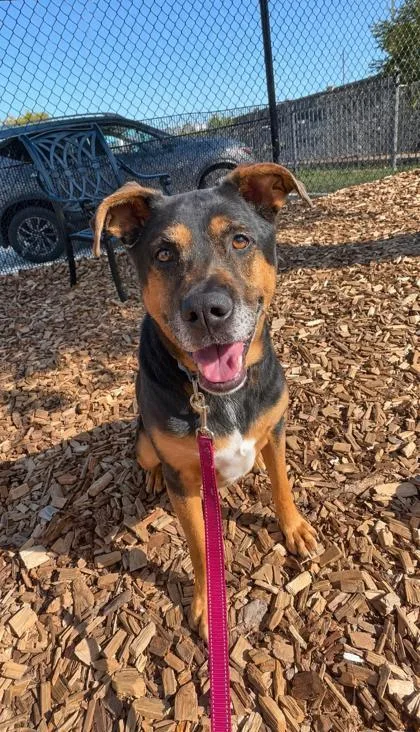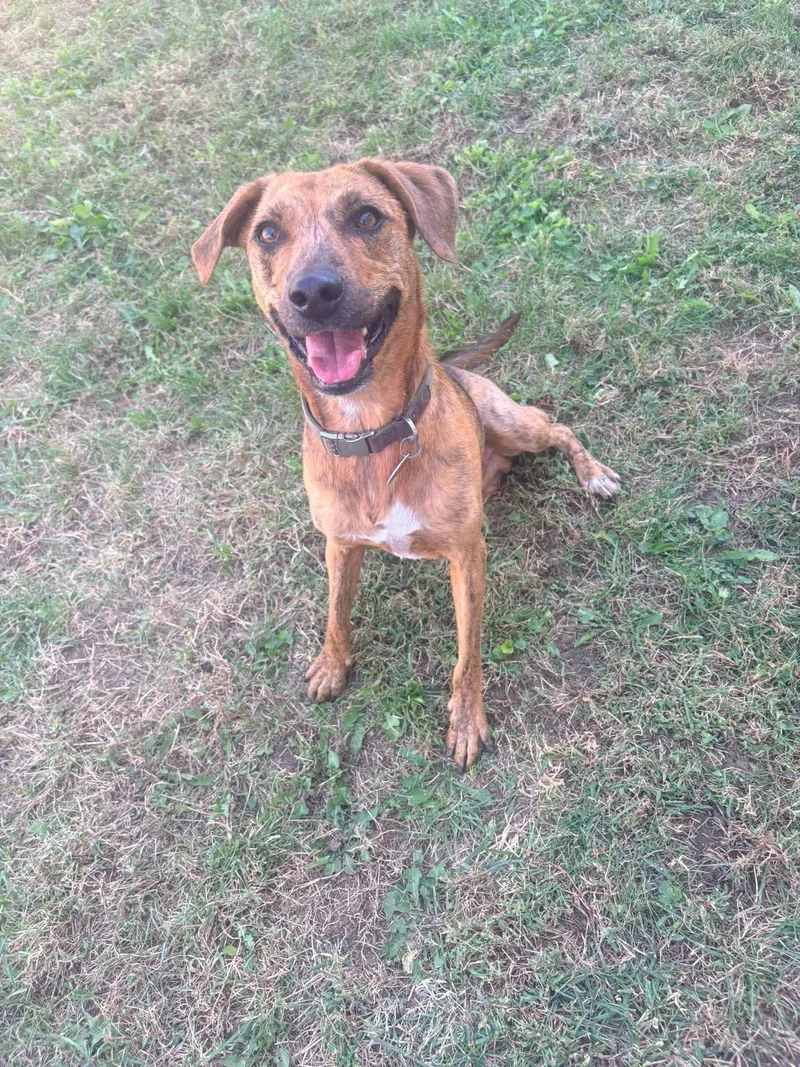
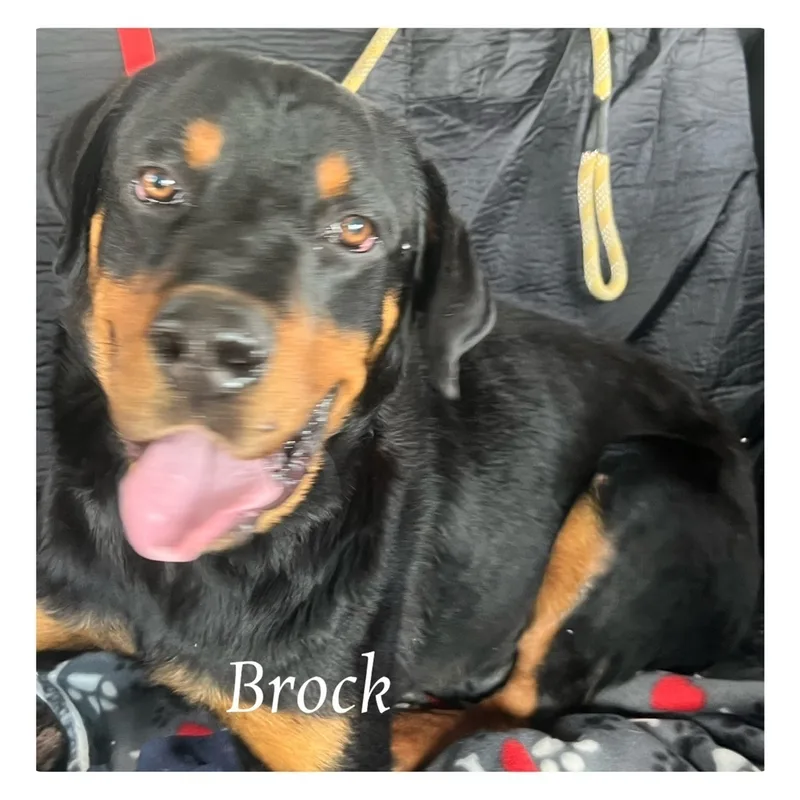
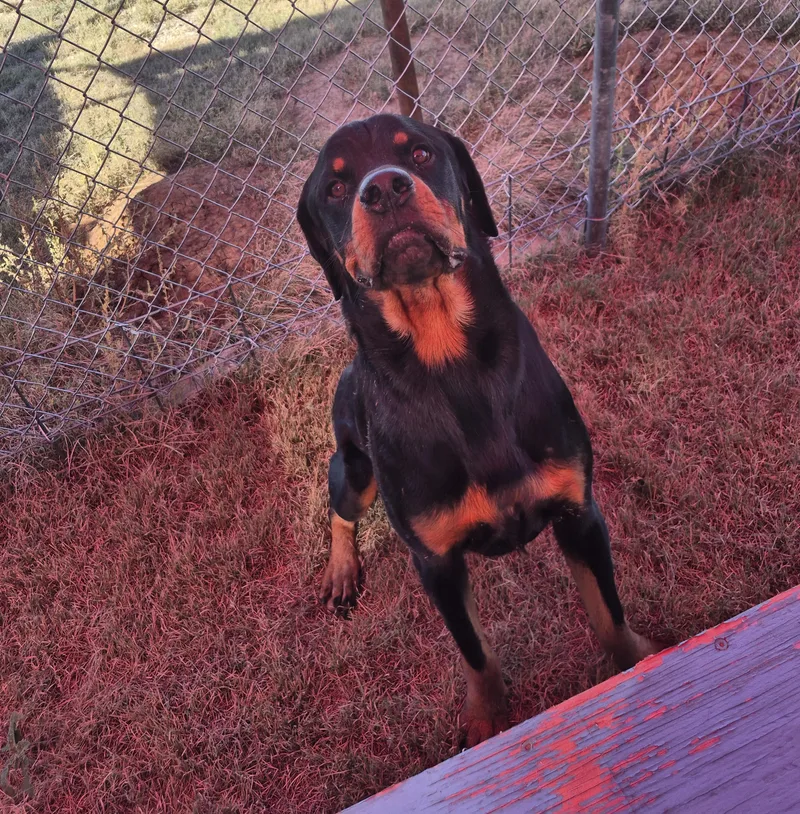



Rottweiler dog

Rottweiler Dogs for Adoption in Kansas City, MO

Your guide to finding and caring for a Rottweiler in Kansas City

Rottweilers suit south Kansas City's Blue River Parkway trails, where a strong dog can burn off a working day's worth of energy. A morning walk out of Red Bridge toward Minor Park, followed by a short training session at home, covers much of what a Rottie wants. Waldo and Brookside work too, with the Trolley Track Trail close by. July heat is the one thing to plan around, since a black coat and humid air are a rough match.

1458 Rottweilers available in Kansas City and nationwide

Give a Rottweiler a home

Rottweilers Available for Adoption Near Kansas City

About the Rottweiler breed

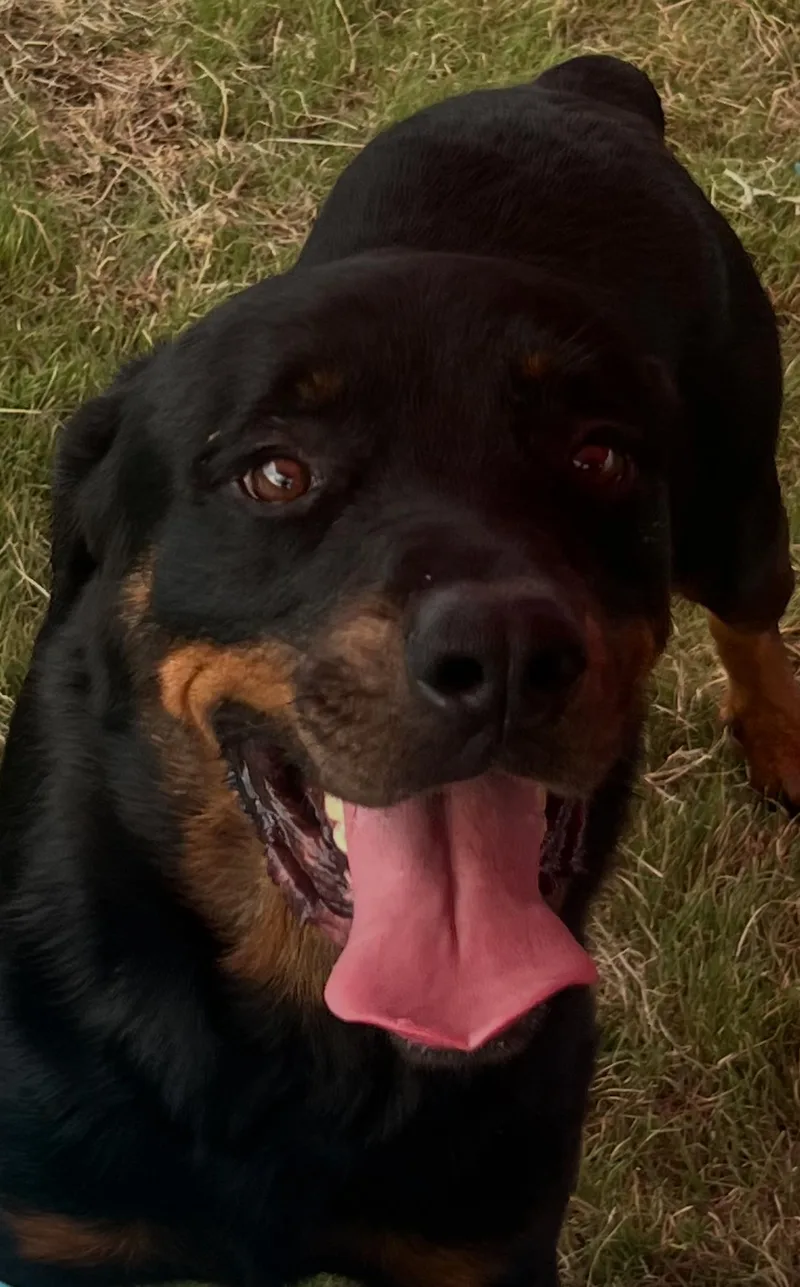
Rottweilers trace back to the German market town of Rottweil, where drover dogs moved cattle to market and pulled butchers' carts. They're compact, powerful dogs with a short black coat, rust markings and a broad head, usually weighing 75 to 135 pounds, with males larger than females.

Many Rotties are affectionate and goofy at home but reserved with strangers, and that watchful streak is why early socialization and steady, reward-based training matter. In Kansas City, a dog this size does well with a routine: a long walk on a leashed trail, a few training games, and time indoors with the family. Dogs vary, so a Rottweiler's own history and behavior say more than the breed label does.

Weight
75–135 lbs
Height
22–27 in
Lifespan
8–11 yrs
Temperament
Confident, Loyal, Protective, Calm
Group
Working
Shedding
Moderate

Owning a Rottweiler in Kansas City

Having a Rottweiler in Kansas City

Rottweilers pair a calm, watchful nature with real physical strength, so training, joint health and heat management shape daily life more than looks do. In Kansas City, humid summers and busy trails add a few extra things to plan around.

Temperament

Rottweilers are typically calm and self-assured, with a wait-and-see attitude toward new people. Many are affectionate at home and like to follow their family from room to room. On busy Kansas City sidewalks and trails, a Rottweiler's protective side benefits from early socialization and relaxed, consistent leash manners. Each dog's history matters more than breed reputation.

Exercise Needs

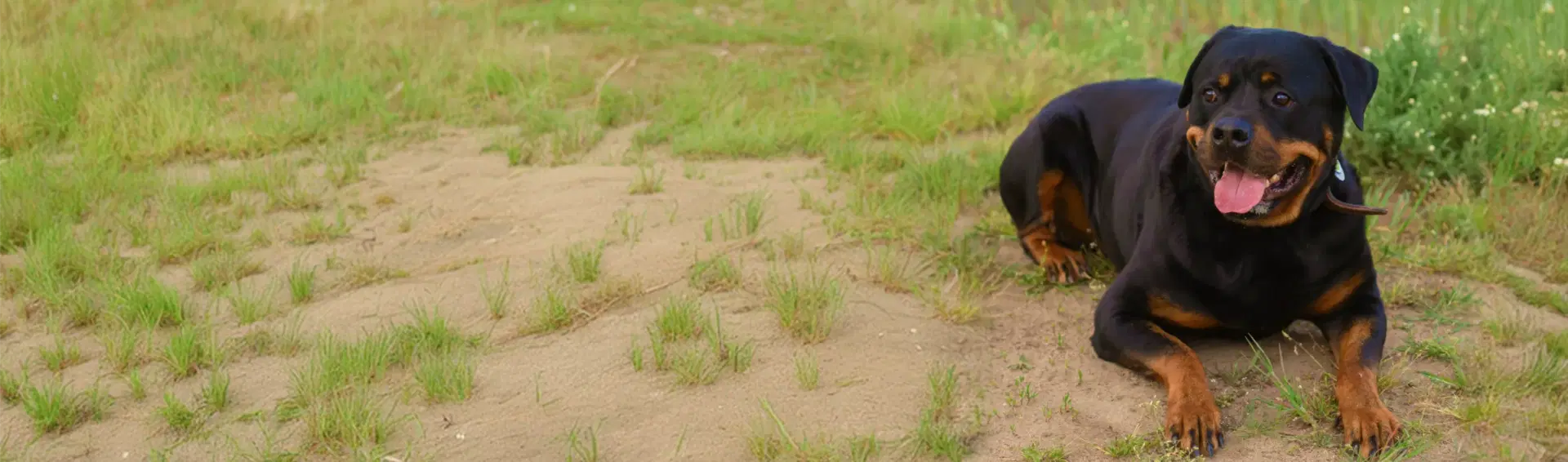
Plan on daily walks plus training, play or scent games so a Rottweiler has a job to do. Trails like the Trolley Track Trail, Line Creek Trail and Blue River Parkway give good mileage on leash. Because of the black coat, schedule harder exercise for early morning or evening in summer.

Health Considerations

Rottweilers are prone to hip and elbow dysplasia, cruciate ligament injuries, heart conditions and several cancers. A veterinarian can check hips, elbows and heart and advise on keeping a Rottie lean, which protects the joints. Heatstroke is a real risk in humid Kansas City summers, so learn the warning signs, such as heavy panting and drooling.

Living Space

A Rottweiler can live in a house or a roomy apartment if daily exercise is dependable. A fenced yard helps, but Kansas City code doesn't allow tying a dog in the shared yard of a multi-unit building. Plan on indoor living, since a Rottweiler's size and strength matter in tight spaces.

What it costs to own a Rottweiler in Kansas City

ExpenseTypical costPer year
Food$55 to $110 per month$660 to $1,320
Pet insurance$65 to $130 per month$780 to $1,560
Routine vet care$250 to $500 per year$250 to $500
Other*$485 to $1,262 per year$485 to $1,262
Estimated yearly total (after year one)$2,175 to $4,642

Other costs are estimates and vary with size, age and health.

* The $10 one-year Kansas City dog license, flea, tick and heartworm prevention, dental cleanings, toys and bedding, and occasional bathing and brushing supplies.

Rottweiler dog

Adopt a Rottweiler in Kansas City.

Now that you know more, let’s find you a new best friend. These rescues and shelters below currently have Rottweilers available.

Frequently Asked Questions

Yes, Kansas City has no breed ban, and its dangerous-dog rules look at a dog's behavior, not its breed. A dog declared dangerous after an unprovoked attack must be enclosed at home, muzzled outside and kept on a leash no longer than 48 inches, with liability coverage. Suburbs set their own animal rules, so check before moving outside city limits.

A Rottweiler fits Kansas City well for people who can give daily exercise and training and who'll manage the weather. Trails and parks offer plenty of mileage, while humid summers mean early or late outings, and spring storms can rattle some dogs. It's a less natural fit for someone who's away from home most of the day.

Yes, if the dog gets dependable daily exercise and the building allows large dogs. A ground-floor unit near a trail makes quick outings easier. Kansas City's noise rule covers a dog whose barking disturbs a neighbor within 100 yards, so practice calm greetings and alone time early, and give the dog plenty of mental work.

They can with care. Kansas City summers are humid, with dozens of 90°F days, and a Rottweiler's black coat soaks up heat. Exercise at dawn or after dark, offer shade and water, and keep the dog indoors on the hottest afternoons. Heavy panting, drooling or wobbling means it's time to cool the dog down and call a vet.

Strong leashed walkers do well on the Trolley Track Trail through Brookside and Waldo, the Riverfront Heritage Trail near the River Market and Cliff Drive's wooded bluffs. For off-leash time, Swope Park has five fenced acres. Kansas City has no dog beach, so water play means a hose or kiddie pool at home.

No. RideKC buses allow only service animals and small pets in cages or carriers, so a Rottweiler doesn't qualify as a pet passenger. The free KC Streetcar allows no pets at all, only ADA service animals. Plan on driving to trailheads and parks, and practice calm car rides early.

Only at restaurants that hold a health-department dog-friendly patio variance. Otherwise the Kansas City food code keeps pet dogs out of areas where food is served, and indoor dining rooms are off-limits except for service animals. Look for posted signage, and make sure your Rottweiler can settle on a down-stay before you go.

Very little. A Rottweiler's short coat needs weekly brushing, with extra sessions when shedding picks up. Humid summers call for rinsing off sweat and mud and checking skin folds and ears, plus regular nail trims. Professional grooming is optional, and a bath is a small part of the yearly Other costs.

We have 2 rescues with Rottweilers available: Protective Animal Welfare Society (PAWS) and The Animal Rescue Alliance (T.A.R.A.). You can see every rescue with Rottweilers available in the list above these questions, or scroll to the top to see the Rottweilers near Kansas City.

Expect roughly $2,200 to $4,600 a year for a Rottweiler in Kansas City, covering food, insurance, routine vet care and other costs. Food runs $55 to $110 a month and insurance $65 to $130. Routine vet visits cost $250 to $500 a year, and other costs, including the license, run $485 to $1,262.