Hamiltonstovare Dogs for Adoption in Kansas City, MO

Your guide to finding and caring for a Hamiltonstovare in Kansas City

A Hamiltonstovare is a good match for Kansas City homes near the Blue River Parkway or Line Creek trails. This medium scent hound has real stamina, so a fenced yard in Red Bridge or the Northland, or a Waldo address a short walk from the Trolley Track Trail, gives it room to sniff and work. It's friendly and even-tempered, but its nose leads and its baying carries, so plan on leashes and recall practice. Summer humidity means early walks.

7892 dogs similar to Hamiltonstovare available in Kansas City and nationwide

Say hello to your Hamiltonstovare

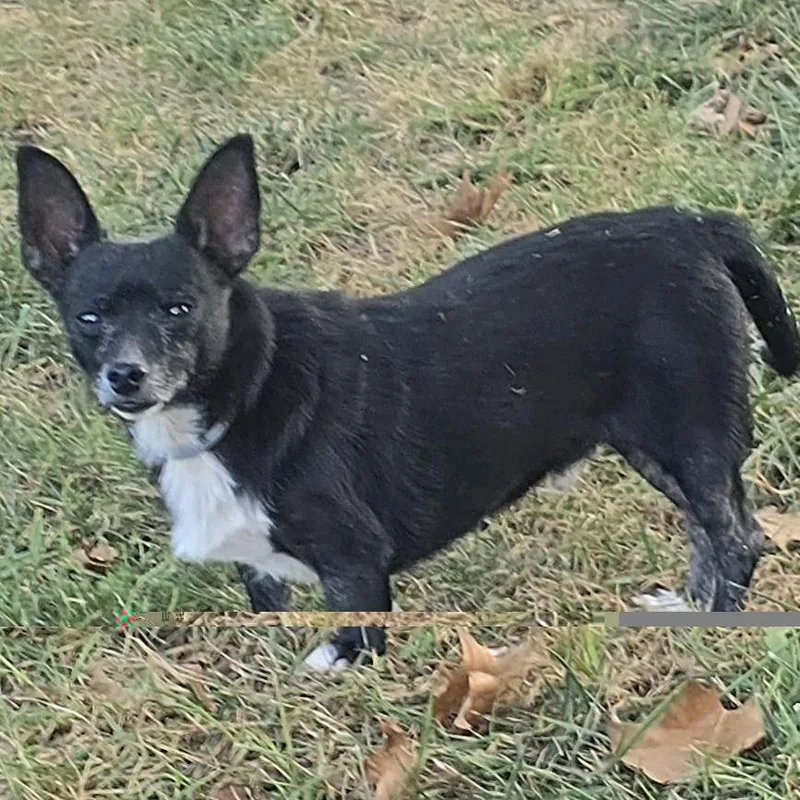
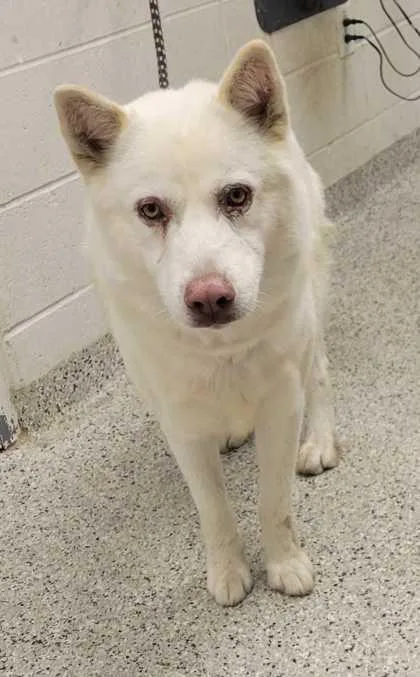
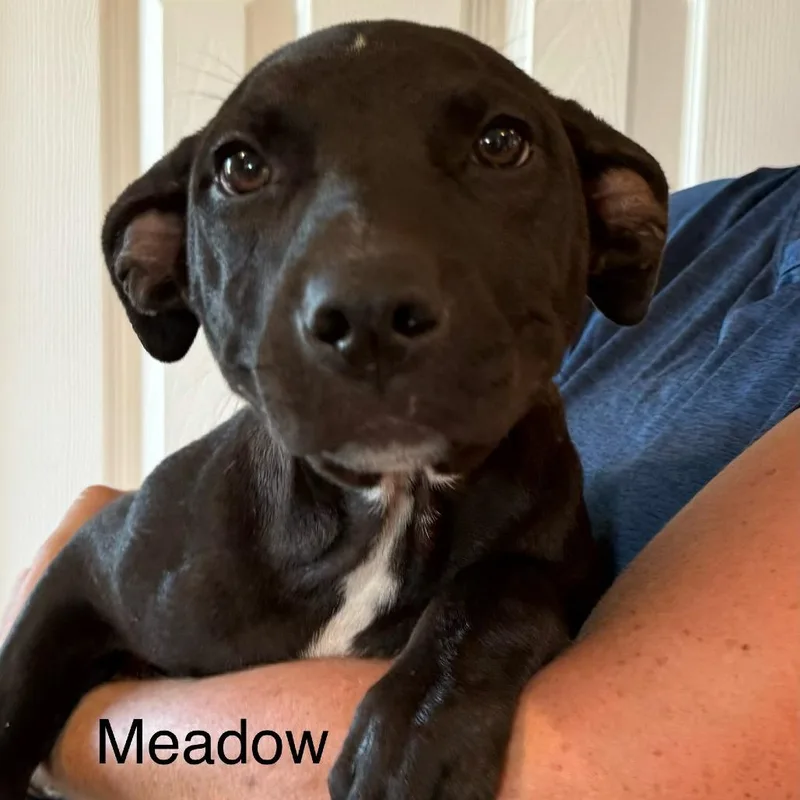
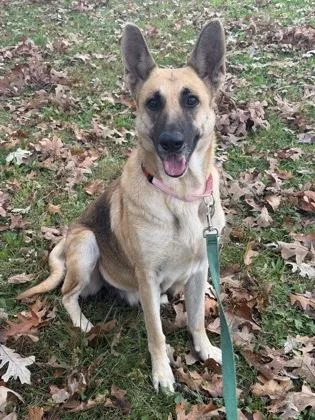
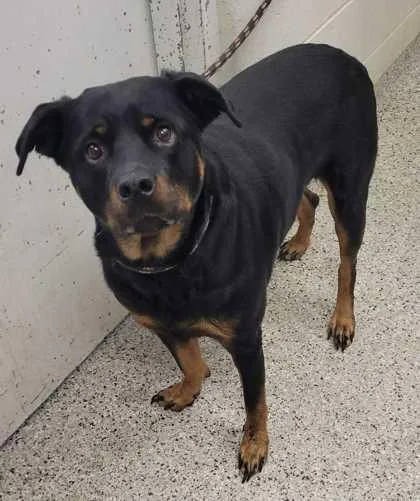
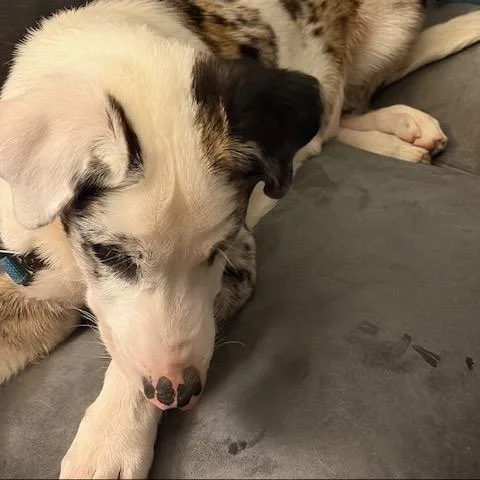
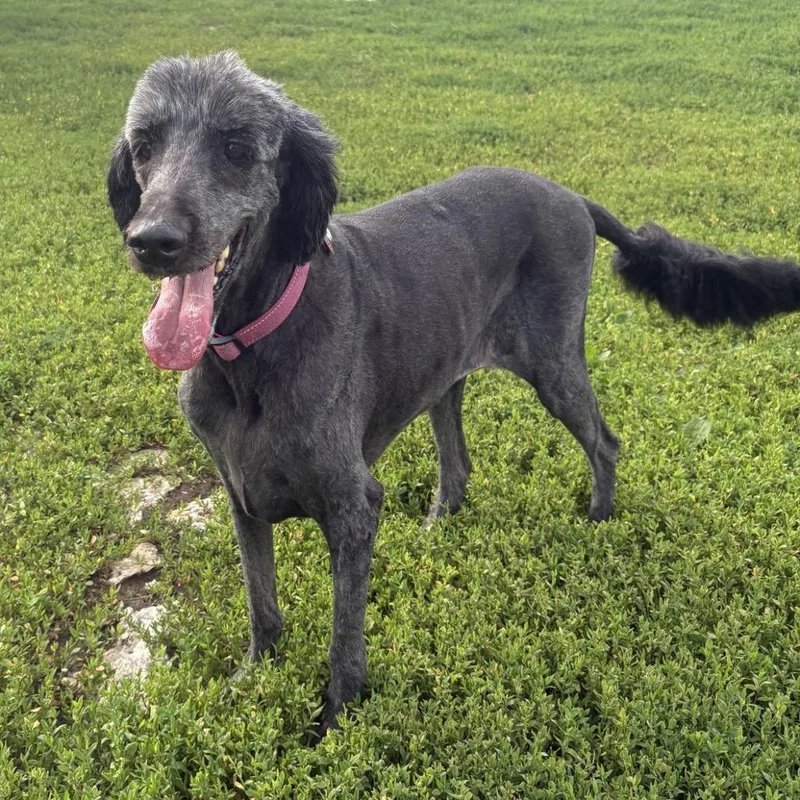
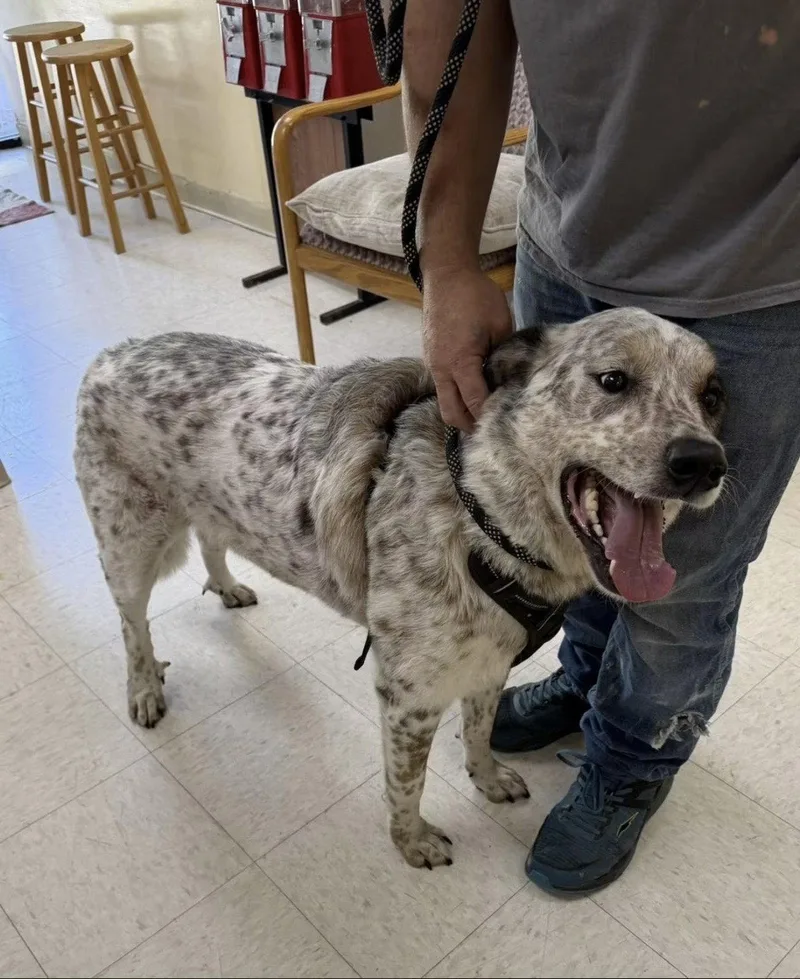
Hamiltonstovares and Similar Breeds Available for Adoption Near Kansas City

About the Hamiltonstovare breed

The Hamiltonstovare is a Swedish scent hound named for Count Adolf Hamilton, founder of the Swedish Kennel Club, who showed the first examples in 1886. It was developed to trail hare and fox alone rather than in a pack, giving voice on the trail so hunters could follow. It's an athletic, medium-sized dog, usually 50 to 60 pounds, with a close-lying coat in black, tan and white.

In Kansas City, the breed's nose matters more than its looks. Most are friendly and even-tempered with people and other dogs, but a fresh scent can override recall, so secure fencing and a leash outside fenced areas suit both the dog and the city's restraint rules. The breed is uncommon in the US, so watch the listings on this page and consider hound mixes or similar breeds. Dogs vary, so judge each one by how it behaves.


Weight
50–60 lbs
Height
19–24 in
Lifespan
10–13 yrs
Temperament
Friendly, Energetic, Independent
Group
Hound
Shedding
Moderate

Owning a Hamiltonstovare in Kansas City

Having a Hamiltonstovare in Kansas City

A Hamiltonstovare pairs an easygoing home manner with the stamina of a trail hound. In Kansas City, its nose, voice and exercise needs shape daily life more than its size, and a fenced yard or steady trail routine helps a great deal.

Temperament

Hamiltonstovares are usually friendly and even-tempered, and many enjoy other dogs, though every dog differs. Scent hounds can be stubborn and easily distracted, so short, rewarding training sessions work well. Small pets may trigger chasing. Baying can carry through Kansas City neighborhoods, so give a bored dog plenty to do.

Exercise Needs

Plan on substantial exercise every day. Kansas City offers the leashed Trolley Track Trail through Brookside and Waldo, the Line Creek Trail in the Northland and the Blue River Parkway trails in the south. Use a leash or long line outside fenced areas, since a scent can override recall. Scent games add mental work.

Health Considerations

Hamiltonstovares are generally regarded as sturdy, though limited data exist outside Scandinavia. Hip dysplasia occurs in the breed, and drop ears need regular checks for infection, especially after humid summer walks or swims. Keep the dog lean, and have a veterinarian check hips and ears at the first wellness visit.

Living Space

A house with a securely fenced yard suits most Hamiltonstovares, and many homes in Red Bridge, Waldo and the Northland offer one. An apartment can work for an adult with long daily outings, though baying may bother neighbors. Kansas City bars tying a dog in the shared yard of a multi-unit building, so plan on leashed outings.

What it costs to own a Hamiltonstovare in Kansas City

ExpenseTypical costPer year
Food$35 to $70 per month$420 to $840
Pet insurance$45 to $85 per month$540 to $1,020
Routine vet care$225 to $450 per year$225 to $450
Other*$437 to $1,162 per year$437 to $1,162
Estimated yearly total (after year one)$1,622 to $3,472

Other costs are estimates and vary with size, age and health.

* The $10 Kansas City dog license (plus a $2 administrative fee), flea, tick and heartworm prevention, a dental cleaning allowance, toys and bedding, and occasional brushing and baths.

Adopt a Hamiltonstovare in Kansas City.

Now that you know more, let’s find you a new best friend. These rescues and shelters below have dogs available in and near Kansas City.

Frequently Asked Questions

Yes, Kansas City has no ban on Hamiltonstovares. Any dog over 120 days old needs a city license and proof of rabies vaccination, and a household can keep four dogs and cats combined. Because the breed is uncommon, watch the listings on this page, and save a search to hear when a hound or similar breed is posted.

It is for active people who are home a fair amount. Kansas City's trails and off-leash parks give a scent hound plenty to do, and a fenced yard makes life easier. Households away ten hours a day may struggle, since a bored Hamiltonstovare may bay or wander. Dogs vary, so consider each one's energy and habits.

It can, if it's an adult that gets long daily outings, but baying is the hurdle. Kansas City's noise rule covers animals that disturb a neighbor, so exercise the dog before you leave and avoid long stretches alone. A ground-floor unit near a trail or park makes quick outings easier.

Yes, with routine precautions. Humid heat makes panting less effective, so exercise at dawn or after dark, offer shade and water, and keep the dog indoors on hot afternoons. Never leave a dog in a parked car; city officers can remove an animal endangered by weather, and the dog may be impounded.

Swope Park's off-leash area suits supervised play, and its 1,805 acres include the Swope Trails. For leashed walks, the Riverfront Heritage Trail, Cliff Drive in the Historic Northeast and the Blue River Parkway give a nose-driven hound plenty to explore. Creek-side trails can flood after heavy storms, so check conditions first.

Mostly no. RideKC buses allow only service animals and small pets in cages or carriers, so a 50 to 60 pound Hamiltonstovare generally can't ride. The KC Streetcar allows no pets at all except ADA service animals. Plan to drive to trailheads and parks, and use a secured crate or harness in the car.

Only to patios at restaurants that hold a Health Department dog-friendly patio variance. Otherwise the city food code keeps dogs out of areas where food is served, and indoor dining rooms are off limits to pet dogs. Look for posted signage or ask before sitting down, and keep visits short and calm.

Very little. The close-lying coat needs a weekly brushing, more often when the winter undercoat sheds in spring and fall. Bathe only when the dog is dirty, and dry the drop ears after humid summer walks or muddy spring trails. Home grooming keeps costs low, and baths are part of the Other line in the cost table.

Yes, Hamiltonstovares shed, though their short, close-lying coat makes care easy. Expect a moderate amount of hair year-round, with heavier shedding when the coat changes with the seasons. A weekly once-over with a rubber curry brush or hound glove removes most loose hair. They are not hypoallergenic, so people with dog allergies should spend time with one before adopting.

Expect roughly $1,600 to $3,500 a year for a Hamiltonstovare: food at $35 to $70 a month, insurance at $45 to $85 a month, routine vet care at $225 to $450 a year, and $437 to $1,162 for other costs such as prevention, dental care and the city license. Illness and emergencies cost extra.