Bernese Mountain Dogs for Adoption in Kansas City, MO

Your guide to finding and caring for a Bernese Mountain Dog in Kansas City

A Bernese Mountain Dog fits Kansas City best when the walks happen early and the house stays cool. A morning stroll along the Trolley Track Trail through Brookside and Waldo suits a Berner's easy pace. The catch is July, when humid highs near 90 are hard on a thick-coated giant. Adopters with air conditioning and room to stretch out, say a Northland house near the Line Creek Trail, will have the easiest time.

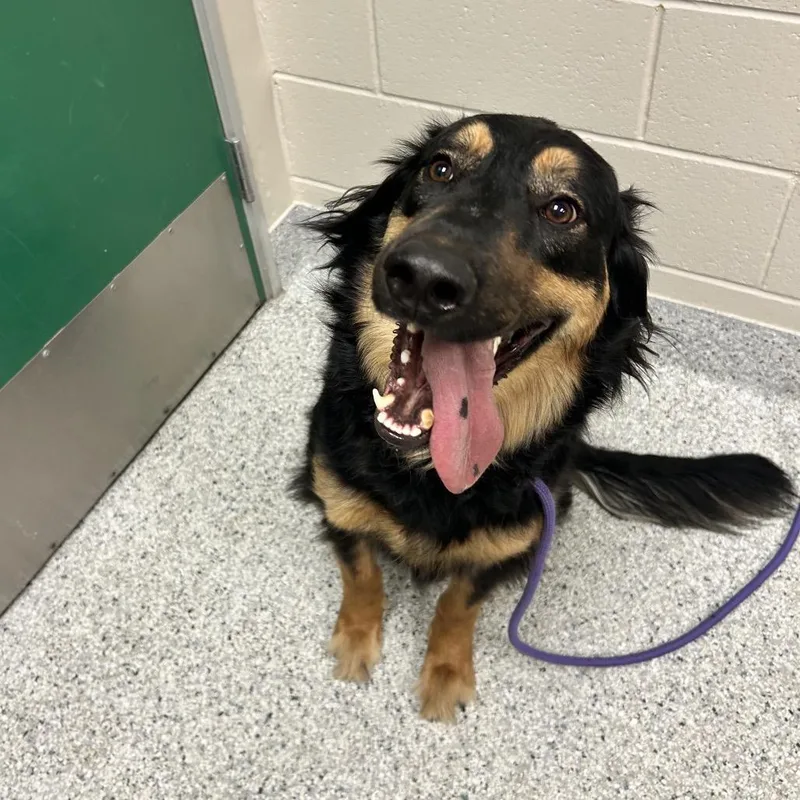
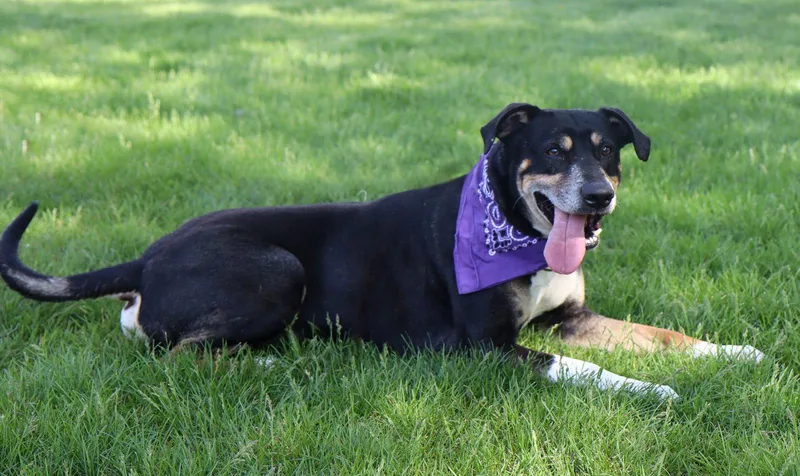
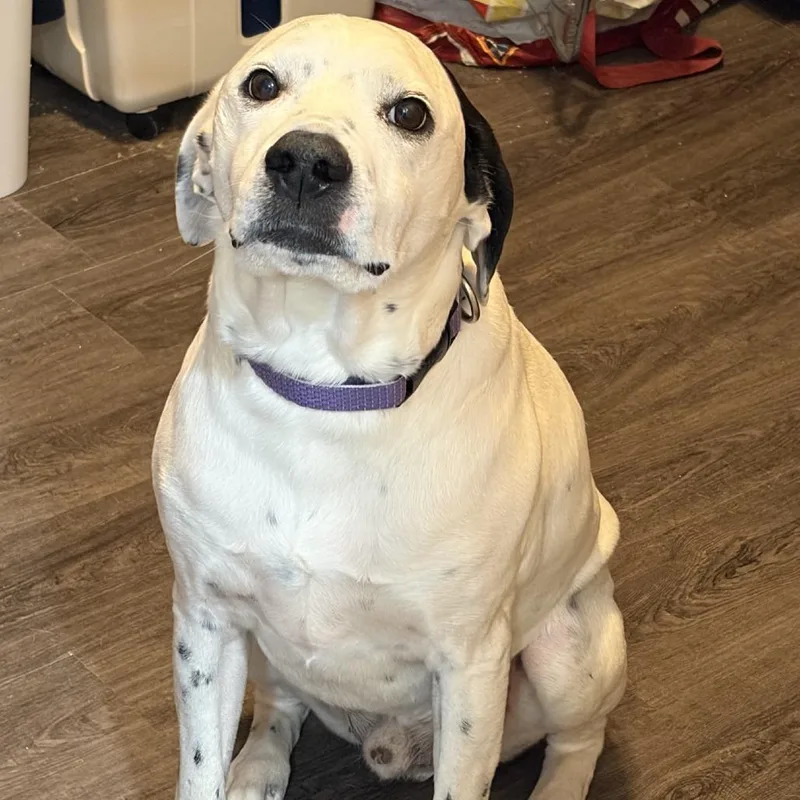
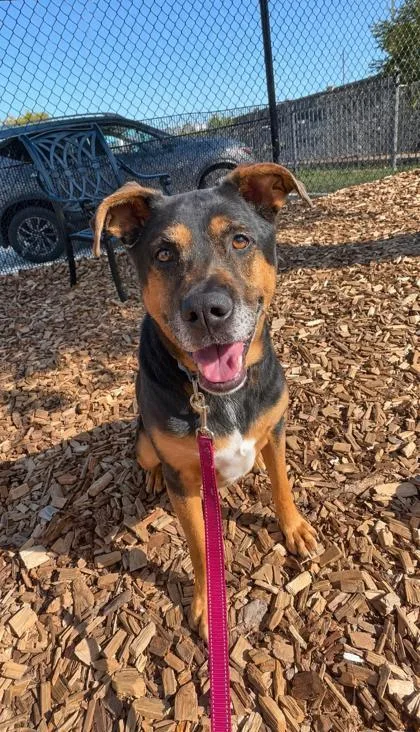
131 Bernese Mountain Dogs available in Kansas City and nationwide

Adopt a Bernese Mountain Dog today

While we don't have enough dogs near Kansas City, keep in mind that many rescues may offer transport.

Bernese Mountain Dogs Available for Adoption Near Kansas City

About the Bernese Mountain Dog breed

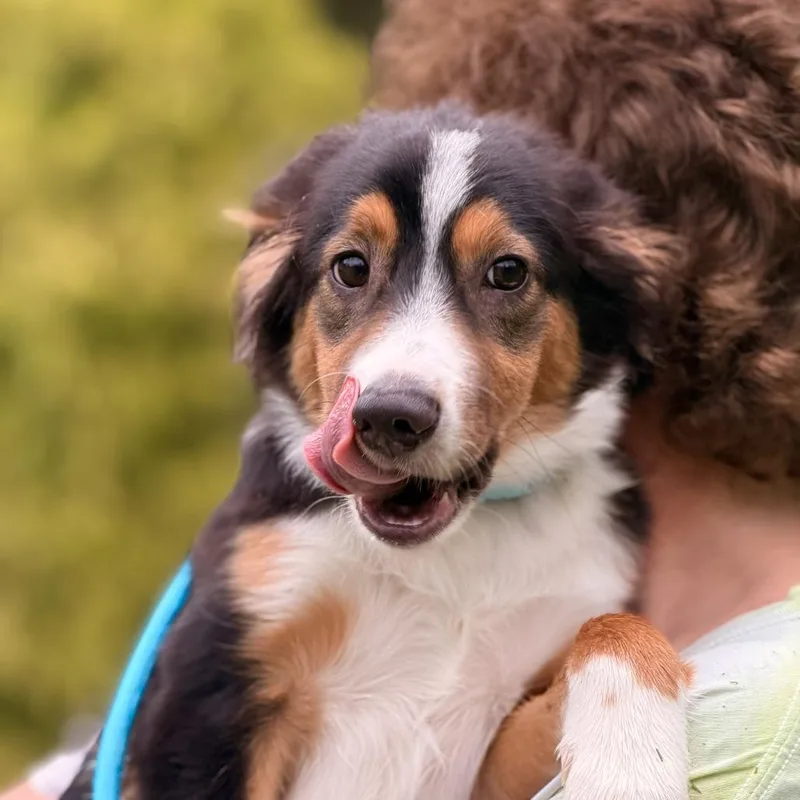
Bernese Mountain Dogs come from the farms of the Swiss canton of Bern, where they pulled carts of milk and cheese, drove cattle and watched over the farmyard. They're the only long-coated Swiss mountain breed, with a jet-black coat, rust markings and a white blaze and chest cross. Most weigh 70 to 115 pounds.

Berners tend to be gentle, affectionate and calm indoors, though many are reserved with strangers. They shed heavily, overheat easily and usually live 7 to 10 years, largely because of high cancer rates. In Kansas City that means a brush close at hand, a cool spot inside and early training so a pulling adult stays manageable on busy sidewalks. Dogs vary, so a Berner's own personality says more than the breed label.


Weight
70–115 lbs
Height
23–28 in
Lifespan
7–10 yrs
Temperament
Gentle, Affectionate, Calm
Group
Working
Shedding
High

Owning a Bernese Mountain Dog in Kansas City

Having a Bernese Mountain Dog in Kansas City

Berners combine a soft nature with a draft dog's size, so heat, shedding and health risks shape daily care. In Kansas City, humid summers and busy sidewalks add a few local points worth planning for before you adopt.

Temperament

Berners are often gentle, patient and devoted, and many are friendly with respectful kids and other pets. Some are shy or aloof with strangers. On Kansas City sidewalks and trails, their size makes a calm greeting routine important, so watch how a Berner reacts to new people, dogs and noises.

Exercise Needs

One or two moderate walks a day, plus play and training, usually keeps a Berner content. The large-dog sections at Penn Valley and Swope Park give room to stretch, and the Trolley Track Trail suits steady leashed walks. From June through August, stick to early morning or late evening and skip hard runs.

Health Considerations

Cancer, especially histiocytic sarcoma, along with hip and elbow dysplasia, kidney disease and bloat, are concerns for the breed. Keeping a Berner lean protects the joints, and regular checkups catch problems early. In Kansas City, heat stress is an added risk, and a veterinarian can explain bloat warning signs and a joint-care plan.

Living Space

Kansas City has many houses with yards, which suit a Berner well. Apartments can work with an elevator or ground-floor unit, daily walks and a reliably cool, air-conditioned home. Expect shedding on every surface. Berners do best living indoors with their family rather than spending long hours in a yard.

What it costs to own a Bernese Mountain Dog in Kansas City

ExpenseTypical costPer year
Food$80 to $160 per month$960 to $1,920
Pet insurance$85 to $170 per month$1,020 to $2,040
Routine vet care$250 to $500 per year$250 to $500
Other*$687 to $1,862 per year$687 to $1,862
Estimated yearly total (after year one)$2,917 to $6,322

Other costs are estimates and vary with size, age and health.

* A Kansas City dog license ($10 for one year), flea, tick and heartworm prevention, a dental cleaning allowance, coat care for heavy shedding, joint supplements, and toys and large bedding.

Adopt a Bernese Mountain Dog in Kansas City.

Now that you know more, let’s find you a new best friend. These rescues and shelters below have dogs available in and near Kansas City.

Frequently Asked Questions

A Bernese Mountain Dog is a good fit for Kansas City if you can keep it cool from June through September. Winters suit the breed, and the city has off-leash parks and leashed trails for daily exercise. Berners do best in a home with air conditioning, room to stretch out and someone around for much of the day, since they're people-focused.

Berners can handle Kansas City summers with planning, but it's their hardest season. Humid highs near 90 make panting less effective, and the city sees dozens of 90-degree days. Walk at dawn, keep the dog in air conditioning, provide shade and water, and never leave it in a parked car. Test pavement before walking, since hot asphalt can burn paws.

Swope Park's five-acre off-leash park has a separate large-dog section, and Penn Valley's larger-dog area covers 2.7 acres. For leashed walks, the Trolley Track Trail runs about six miles through Brookside and Waldo, and the Riverfront Heritage Trail follows the river near Downtown. Flash floods can close creekside trails, and summer walks should happen early in the day.

Yes. No known Kansas City rule restricts Bernese Mountain Dogs by breed. Dogs over 120 days old need a city license and rabies vaccination, must be leashed or fenced when off the owner's property, and a household can keep up to four dogs and cats combined. Neighboring suburbs have their own animal rules, so those can differ if you move.

Not realistically. RideKC buses allow only service animals and small pets in cages or carriers, and a Berner weighing 70 to 115 pounds is far too big for a carrier. The free KC Streetcar doesn't allow pets other than ADA service animals. Kansas City has no subway or light rail, so plan on driving to parks and vet visits.

Only at restaurants that hold a Health Department dog-friendly patio variance. Otherwise Kansas City's food code bars dogs from areas where food is prepared or served, and pet dogs aren't allowed in dining rooms. Look for posted signage before sitting down, and pick a shaded, quiet corner in summer, since a Berner takes up a lot of floor space.

Plan on brushing a Berner once or twice a week, and daily during the heavy shedding of spring and fall. Humid Kansas City summers make trapped heat and mats worse, so don't shave the double coat without veterinary advice. Professional grooming, if you use it, is part of the yearly Other costs for the breed.

A Bernese Mountain Dog is a large to giant Swiss working breed originally used on farms to pull carts, drive cattle and guard property. It has a long, tricolored coat of black, rust and white and a sturdy, powerful build. Berners are known for their gentle, affectionate nature, though their lifespan is shorter than many breeds.

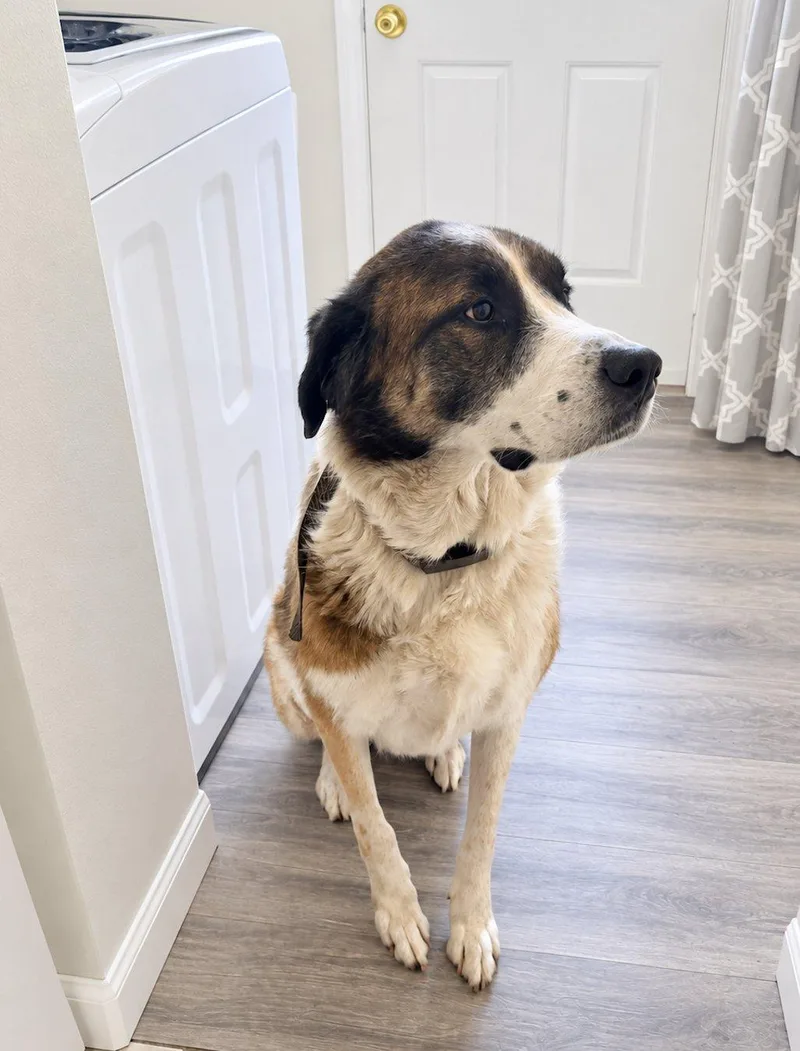
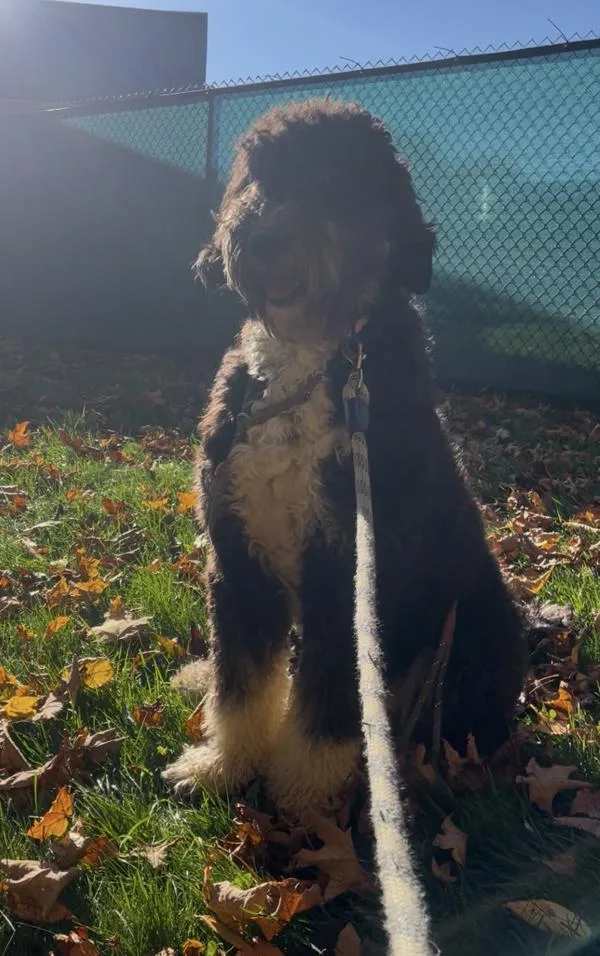
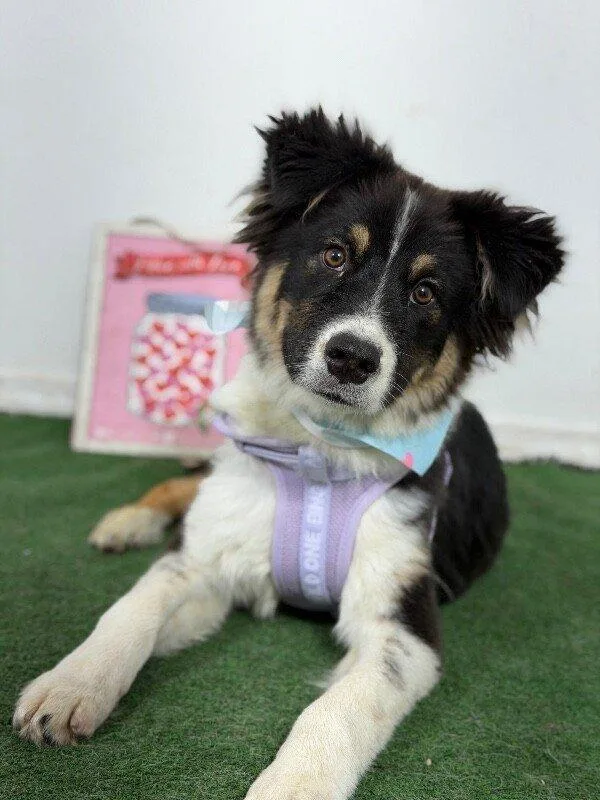
A Bernese Mountain Dog has a thick, moderately long coat that is jet black with rich rust markings over the eyes, on the cheeks, chest and legs, and white on the face, chest, feet and tail tip. The white chest marking often forms an inverted cross. They have a broad head, dark brown eyes and triangular drop ears.

Budget roughly $2,900 to $6,300 a year for a Berner in Kansas City. Food runs $80 to $160 a month and insurance $85 to $170 a month, while routine vet care is $250 to $500 a year. Other costs, including prevention, dental care, coat care and joint support, add about $687 to $1,862 a year.

Find Bernese Mountain Dogs in Nearby Cities

Expand your search to find Bernese Mountain Dogs available for adoption near Kansas City.