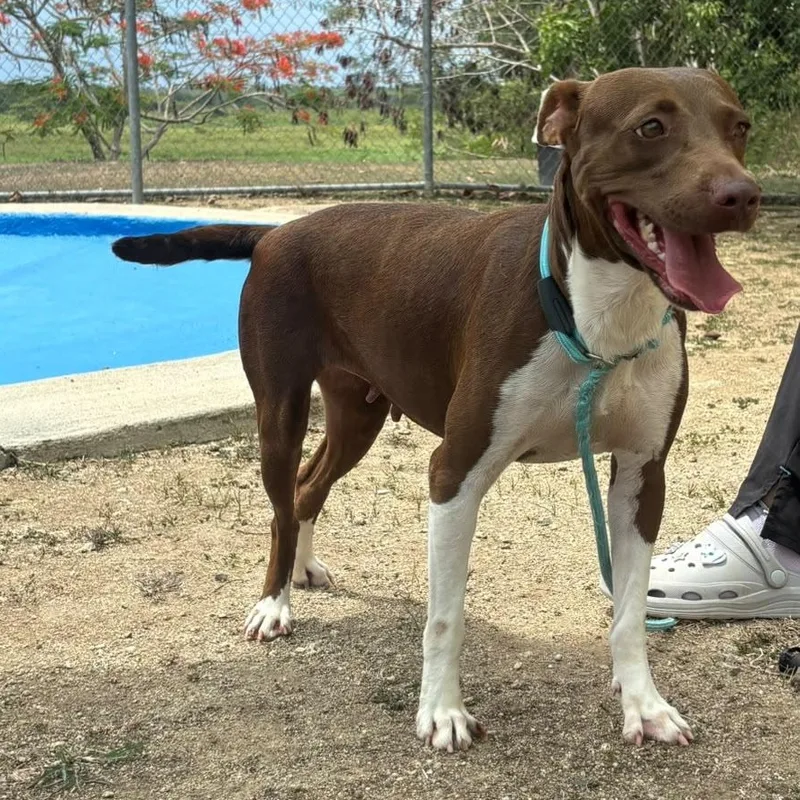
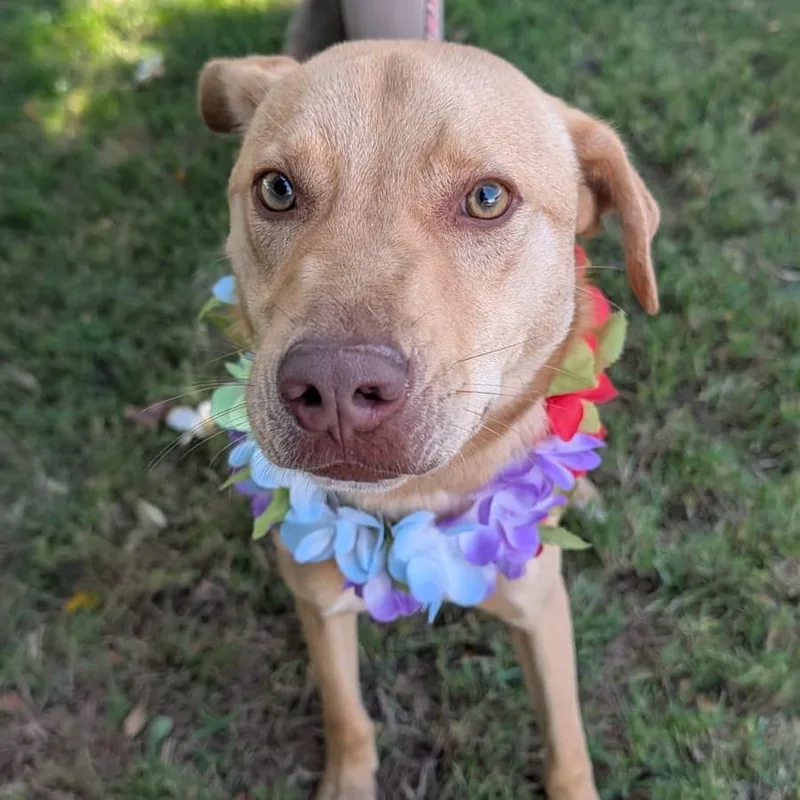
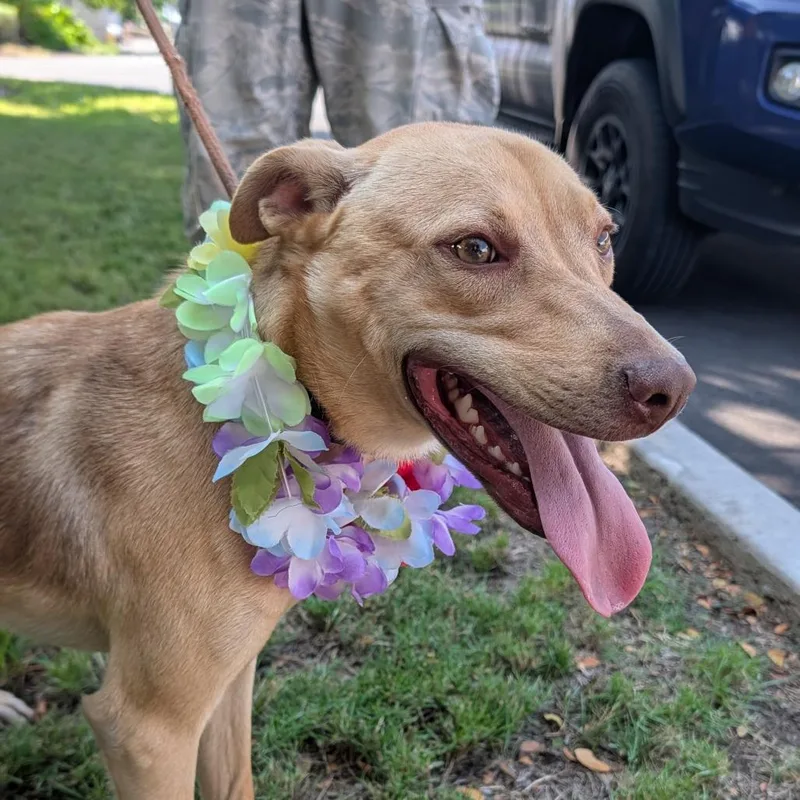
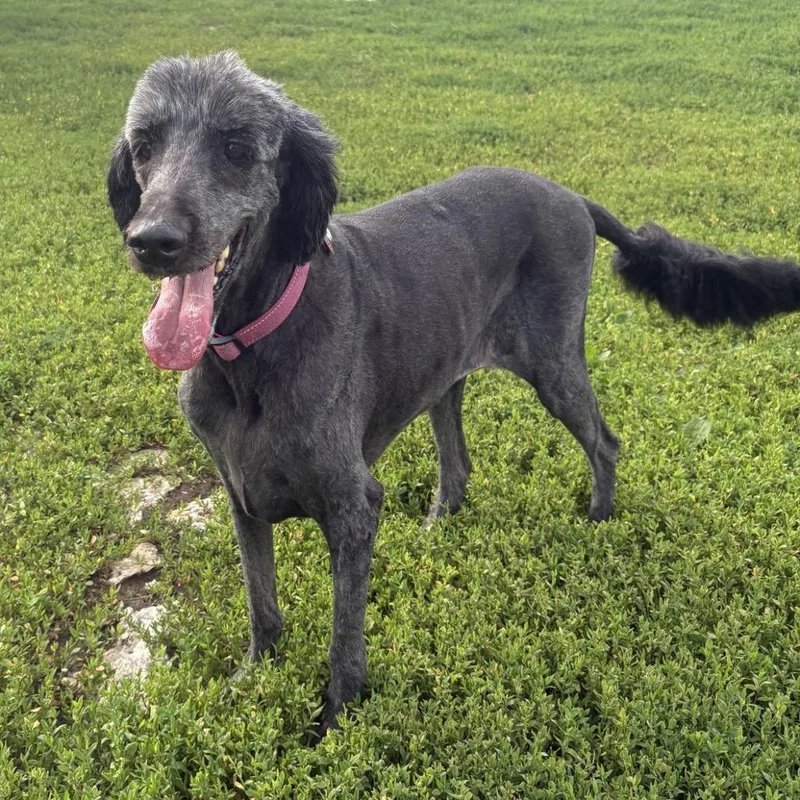
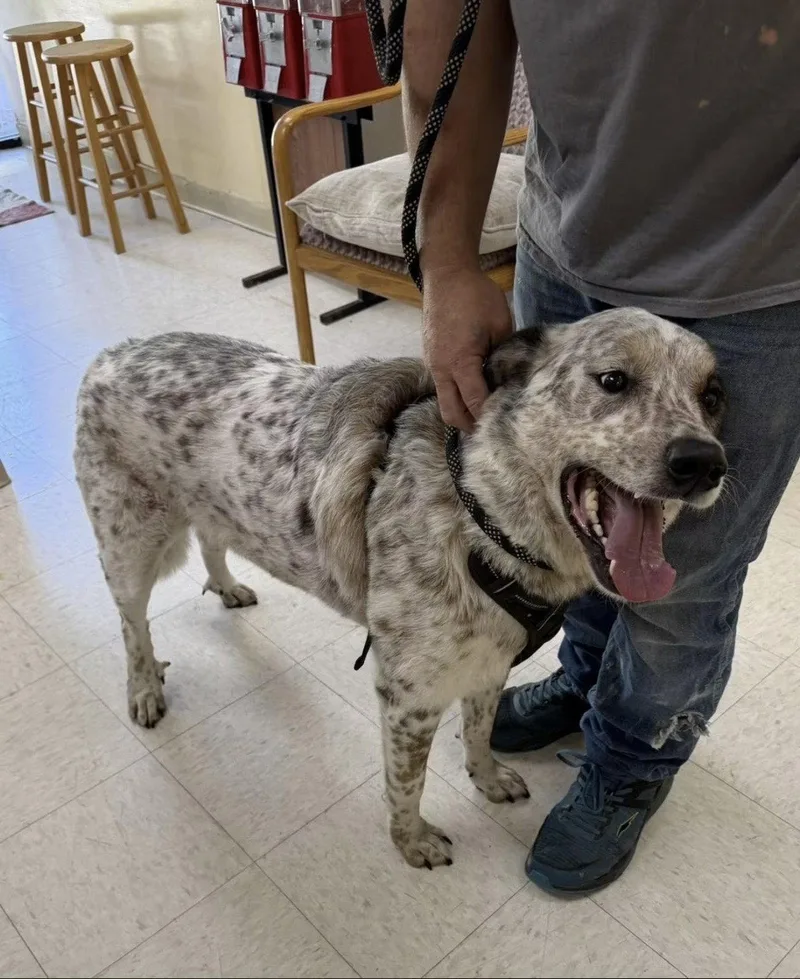
Basenji Dogs for Adoption in Kansas City, MO

Your guide to finding and caring for a Basenji in Kansas City

Basenjis suit Kansas City's loft and bungalow neighborhoods better than you might expect, largely because they don't bark. A converted warehouse apartment in the Crossroads or West Bottoms is workable, though a Basenji may still yodel. What these dogs need is a daily run: a leashed loop on the Trolley Track Trail through Waldo, or a fenced yard where the chase instinct can't carry them over the top. They're clever climbers, so a tall, tight fence matters more than square footage.

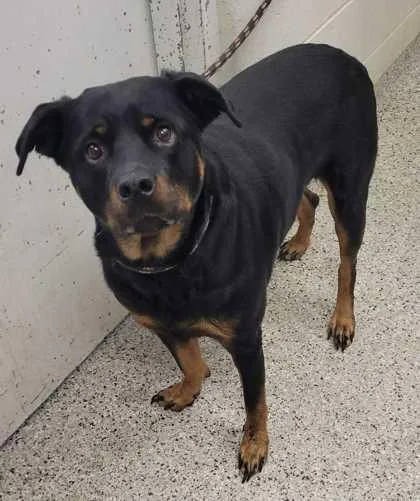
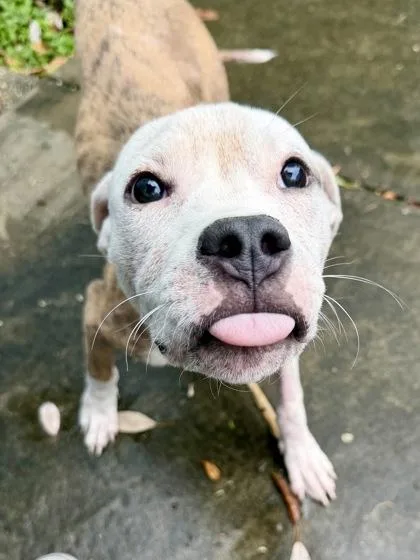
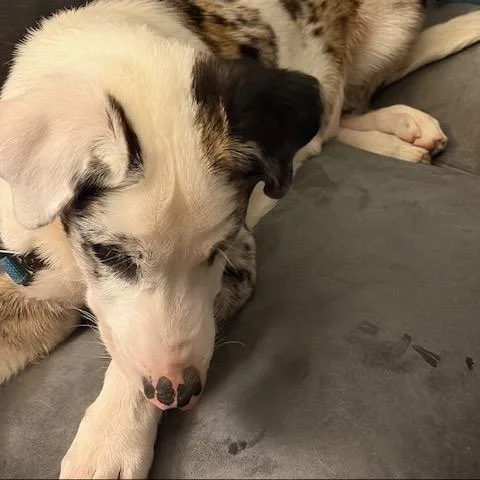
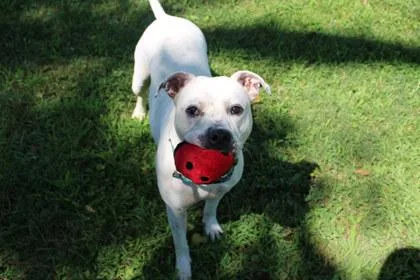
156 Basenjis available in Kansas City and nationwide

Fall for a Basenji

While we don't have enough dogs near Kansas City, keep in mind that many rescues may offer transport.

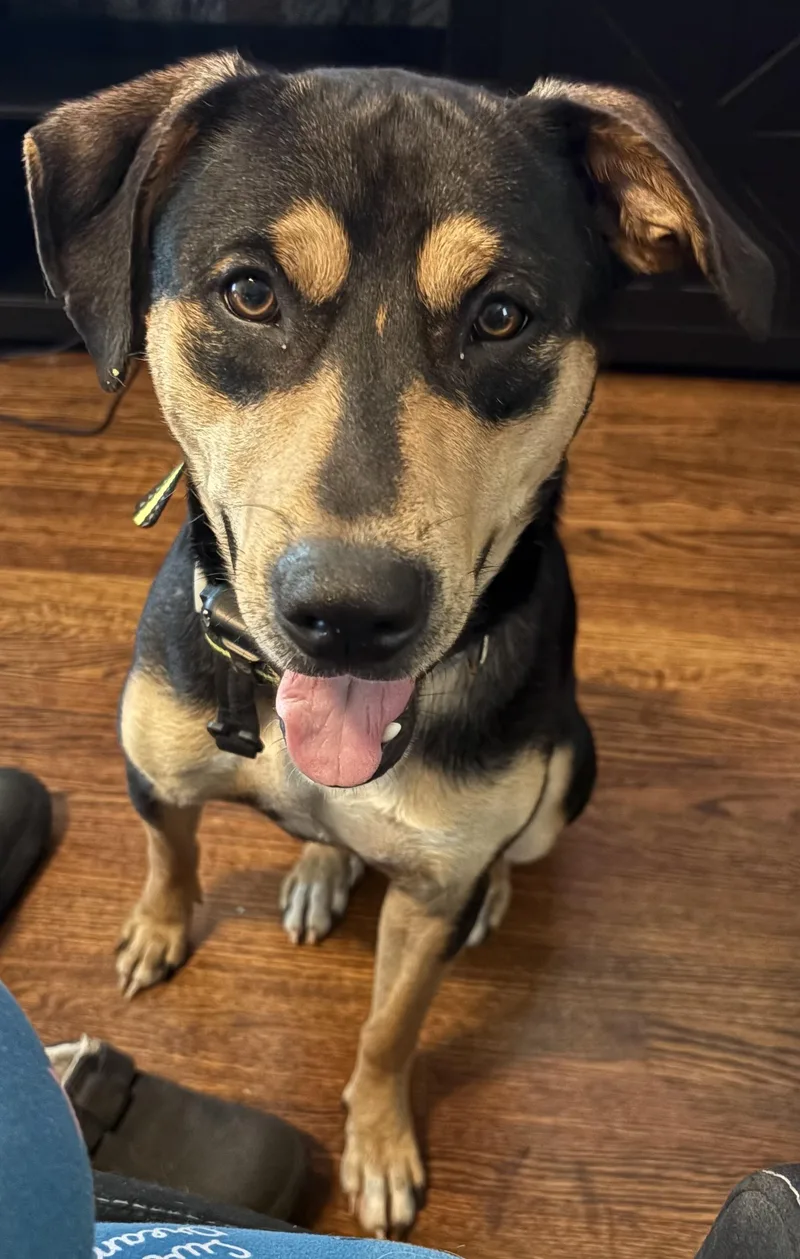
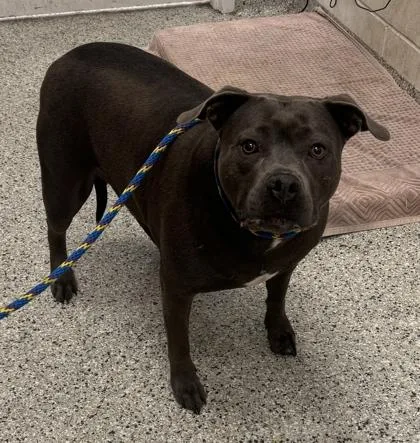
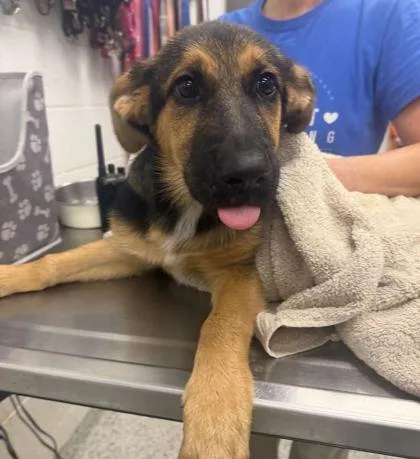
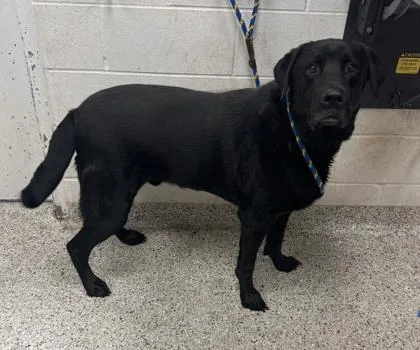
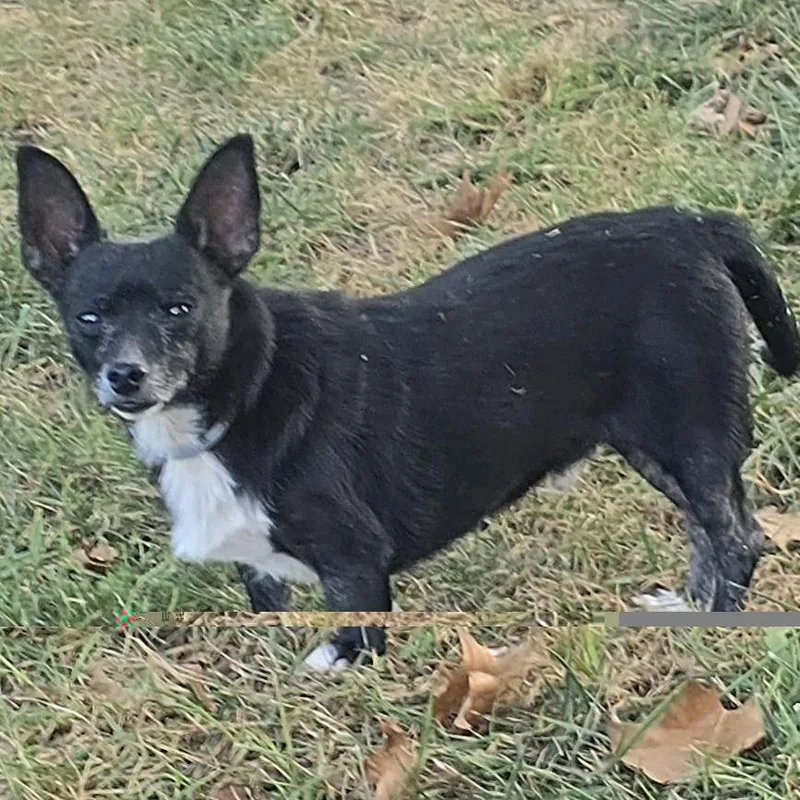
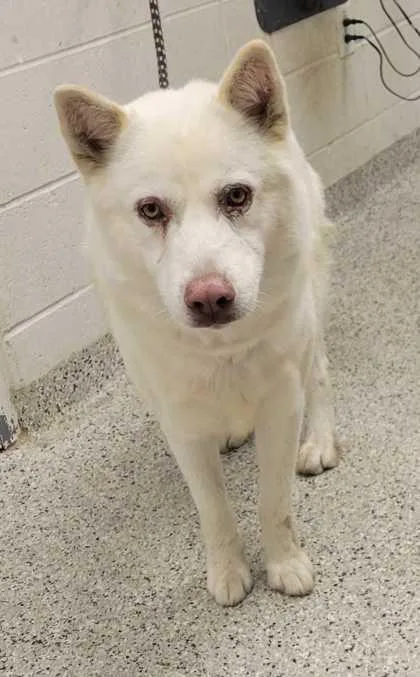
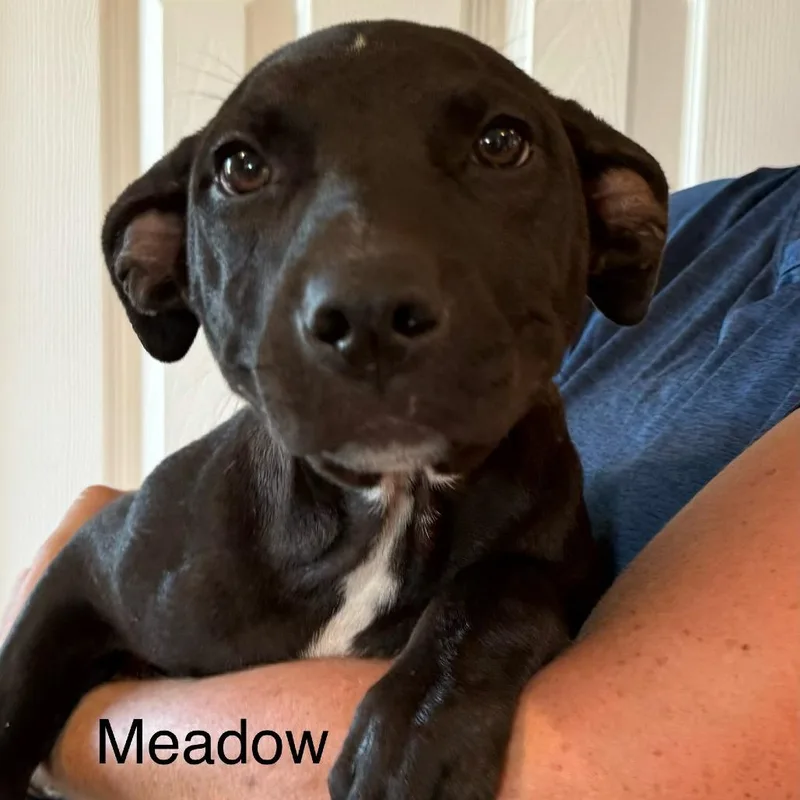
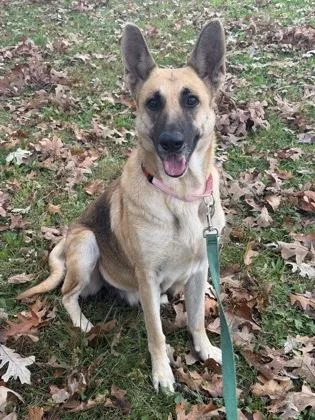
Basenjis Available for Adoption Near Kansas City

About the Basenji breed

The Basenji is a small, short-coated hunting hound from the Congo basin of Central Africa, and DNA studies place it among the oldest dog lineages. Adults usually weigh 20 to 26 pounds and come in chestnut red, black, tricolor or brindle, always with white feet, chest and tail tip. Instead of barking, they yodel and make a sound called a baroo. They groom themselves like cats and have little odor.

Basenjis are independent, clever and often reserved with strangers, and their chase drive is strong. Many are escape artists and enthusiastic chewers, though every dog differs. In Kansas City, where dogs must be leashed or fenced anywhere outside the home, that means a secure harness, solid fencing and a patient approach to training. Most live 12 to 15 years.

Weight
20–26 lbs
Height
15–18 in
Lifespan
12–15 yrs
Temperament
Independent, Intelligent, Alert, Affectionate
Group
Hound
Shedding
Low

Owning a Basenji in Kansas City

Having a Basenji in Kansas City

Catlike independence, a hunter's chase drive and an unusual yodeling voice define the Basenji. Those traits shape how much supervision, fencing and mental work a Kansas City household needs to provide, from a secure yard to puzzle toys on winter days.

Temperament

Basenjis are usually affectionate with their families, alert and aloof with strangers. They think for themselves, so commands that seem pointless may get ignored; short, rewarding training sessions work best. Strong prey drive makes small pets like hamsters or rabbits risky, and some Basenjis prefer being the only dog. Temperament varies from dog to dog.

Exercise Needs

Plan on a vigorous daily outlet: brisk leashed walks, plus time to sprint in a securely fenced area. Open fields are risky off leash because a Basenji may bolt after anything that moves. Puzzle toys, scent games and short training sessions give the mind a workout and help curb chewing and escape attempts.

Health Considerations

Basenjis can inherit Fanconi syndrome, a kidney disorder, along with progressive retinal atrophy, pyruvate kinase deficiency and hypothyroidism. Signs like heavy thirst, frequent urination or sudden tiredness deserve a prompt vet visit. A veterinarian can run urine screening and genetic tests after adoption, and yearly checkups help catch problems early.

Living Space

A Basenji can do well in a Kansas City apartment, loft or house if it gets daily exercise, and its lack of barking helps in shared buildings. Security matters most: these dogs climb, squeeze through gaps and chew through barriers. Many dislike cold and rain, so give the dog a warm indoor spot.

What it costs to own a Basenji in Kansas City

ExpenseTypical costPer year
Food$20 to $45 per month$240 to $540
Pet insurance$40 to $85 per month$480 to $1,020
Routine vet care$200 to $400 per year$200 to $400
Other*$385 to $1,062 per year$385 to $1,062
Estimated yearly total (after year one)$1,305 to $3,022

Other costs are estimates and vary with size, age and health.

* The $10 one-year Kansas City dog license (a small administrative fee may apply), flea, tick and heartworm prevention, a dental cleaning allowance, durable chew toys and bedding, and occasional light grooming.

Adopt a Basenji in Kansas City.

Now that you know more, let’s find you a new best friend. These rescues and shelters below currently have Basenjis available.

Frequently Asked Questions

Yes. Kansas City has no known breed ban affecting Basenjis, and the main requirements are the same as for any dog: a city license, a current rabies vaccination, and a leash or fence anywhere outside your home. Missouri doesn't block local breed rules, so nearby suburbs can differ; confirm the rules in any town outside Kansas City proper before you move.

Yes, indoors and with the right gear, but they aren't cold-weather dogs. A Basenji's thin coat and dislike of cold and damp mean a coat or sweater on walks, quick potty trips on sub-zero nights, and a warm bed away from drafts. Ice storms can knock out power, so keep extra blankets ready.

Start with a fenced off-leash park such as Swope Park's five-acre area, since a Basenji's chase drive makes open fields risky. For leashed walks, the Riverfront Heritage Trail and Cliff Drive's bluff-top route in Kessler Park offer variety. County lake beaches don't allow dogs, so don't plan a swim outing.

Only in limited ways. RideKC buses allow just service animals and small pets in cages or carriers, so a Basenji would need to fit comfortably in a carrier, which can be tight for a 20 to 26 pound dog. The KC Streetcar doesn't allow pets at all apart from ADA service animals, so plan on driving or walking.

Only to restaurants with a health-department dog-friendly patio variance. Kansas City's food code otherwise bars pet dogs from areas where food is prepared or served, and dining rooms are off-limits apart from service animals. Look for posted signage before sitting down, and keep a Basenji leashed and settled, since a sudden chase could cause trouble.

Very little. A Basenji's short, fine coat sheds lightly and the dog cleans itself like a cat, so a weekly brush and an occasional bath are usually enough. Wipe paws and check skin after humid summer walks, and avoid over-bathing in winter, which can dry the skin. Trim nails regularly. If you use a groomer, budget up to about $100 a year.

A Basenji can be a good fit if you can provide daily exercise, a secure yard or reliable leash habits, and patience with training. Kansas City's four seasons mean humid summers, icy winters and stormy springs, so the dog needs comfortable indoor space year-round. Households away most of the day may struggle, since bored Basenjis chew and escape.

A Basenji is a small, ancient hunting dog from Central Africa, famous for not barking. It belongs to the AKC Hound Group and was recognized in 1943. Basenjis are lean and elegant, with a wrinkled forehead, upright ears and a tightly curled tail. They tend to be clever, independent, clean and energetic, with a strong instinct to chase.

We have 1 rescue with Basenjis available: Protective Animal Welfare Society (PAWS). You can see every rescue with Basenjis available in the list above these questions, or scroll to the top to see the Basenjis near Kansas City.

Expect roughly $1,300 to $3,000 a year for a Basenji in Kansas City. That covers food at $20 to $45 a month, insurance at $40 to $85 a month, $200 to $400 in routine vet care, and $385 to $1,062 in other yearly costs. Insurance runs higher for breeds with hereditary conditions like Fanconi syndrome.