Afghan Hound dog

Afghan Hound Dogs for Adoption in Kansas City, MO

Your guide to finding and caring for an Afghan Hound in Kansas City

Afghan Hounds suit Kansas City best when there's a tall fence or a long, steady walking route nearby. A Waldo house with a secure yard works well, and the Trolley Track Trail gives a leashed stretch of about six miles for daily walks. Indoors these hounds are quiet and often calm once they've run, so a Hyde Park rental can work too. Plan on regular brushing and baths, because that silky coat tangles quickly after a muddy walk.

13 Afghan Hounds available in Kansas City and nationwide

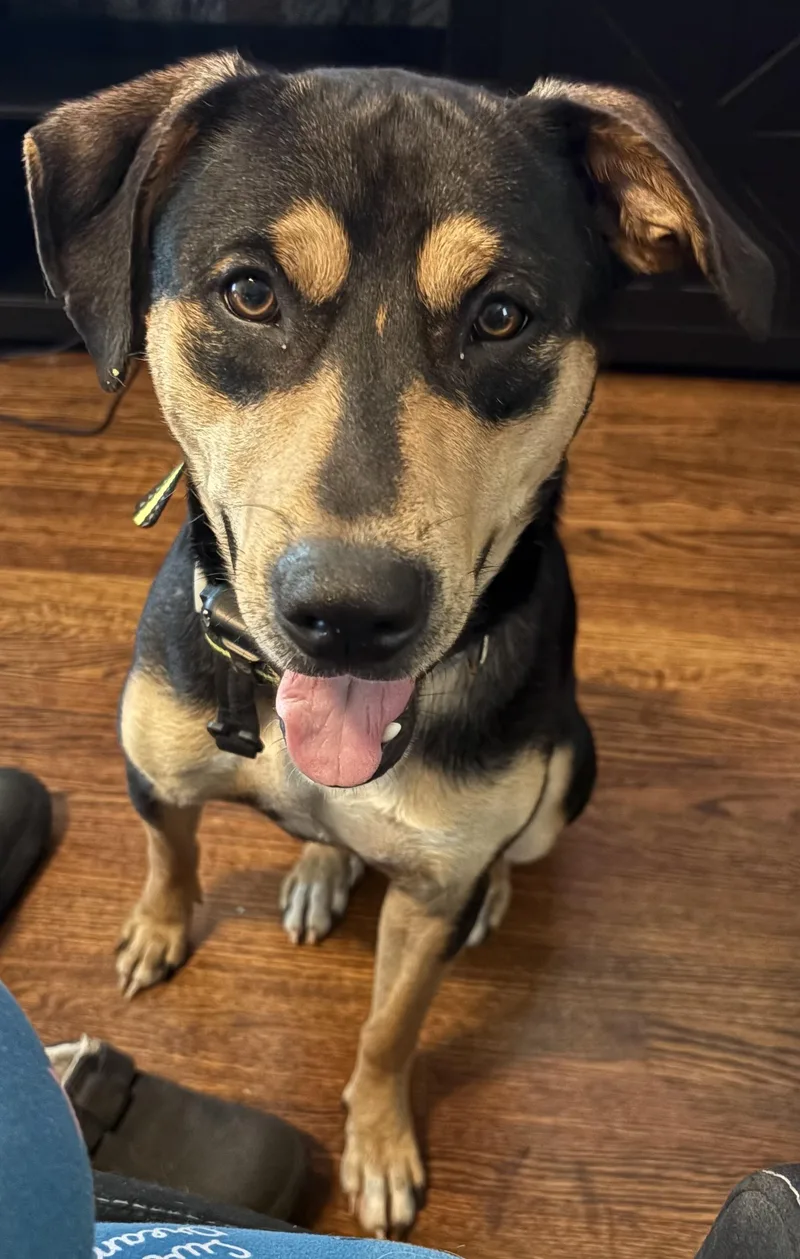
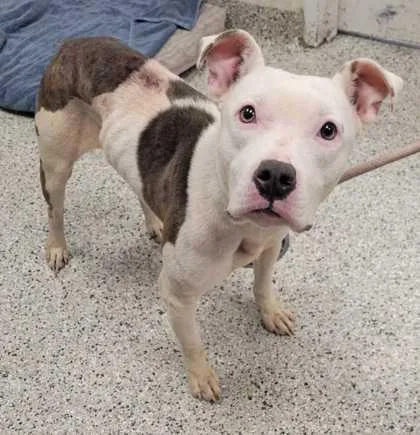
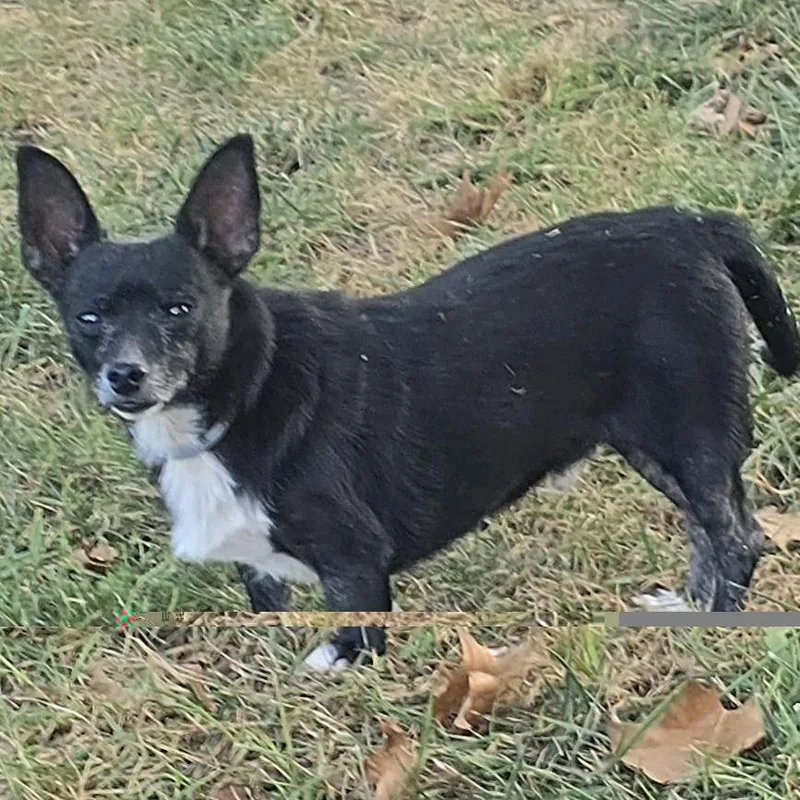
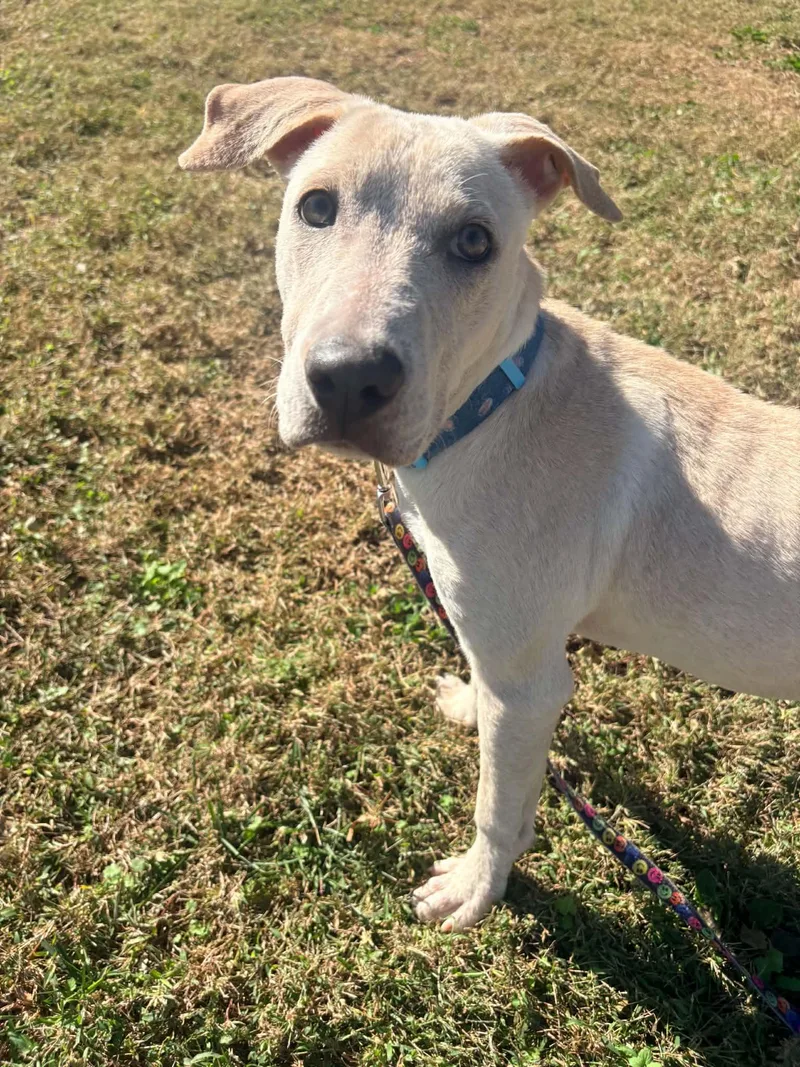
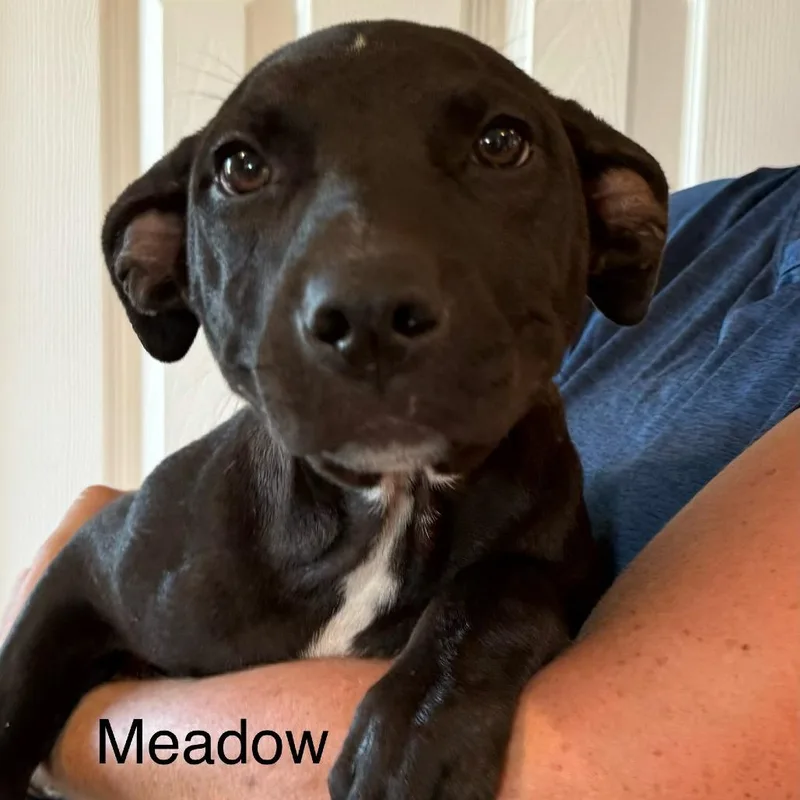
Meet an Afghan Hound who needs you

While we don't have enough dogs near Kansas City, keep in mind that many rescues may offer transport.

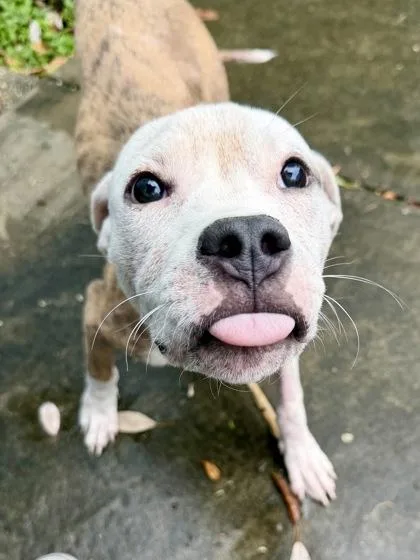
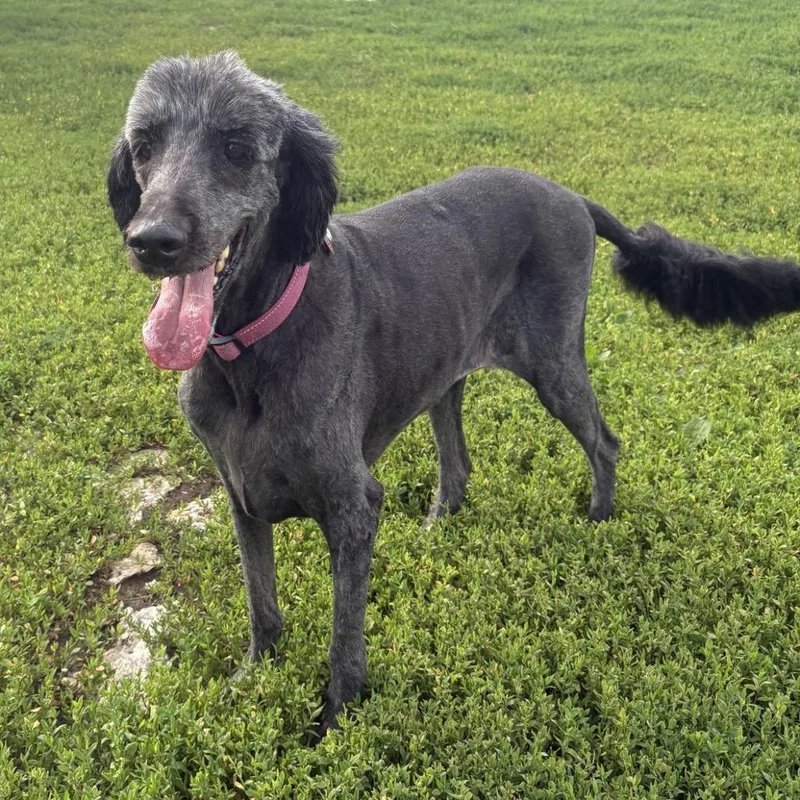
Afghan Hounds Available for Adoption Near Kansas City

About the Afghan Hound breed

The Afghan Hound is one of the oldest known breeds, a sighthound developed in the mountains of Afghanistan to chase game by sight and speed. Its long silky coat handled harsh cold, and its big padded feet cushioned rocky ground. British army officers brought these hounds to England in the late 1800s, and the breed later became a show-ring star.

At home, Afghans are sensitive, independent and often a little clownish with their own people, though many stay reserved with strangers. Strong prey drive means a dog may bolt after squirrels or rabbits, so a secure fence matters more than most people expect. Grooming is the other big commitment: frequent brushing and bathing, or professional help, keeps mats away. Each dog differs, but adopters who enjoy a quiet, dignified companion often find the effort worthwhile.


Weight
50–60 lbs
Height
24–28 in
Lifespan
11–14 yrs
Temperament
Dignified, Independent, Loyal, Playful
Group
Hound
Shedding
Low

Owning an Afghan Hound in Kansas City

Having an Afghan Hound in Kansas City

Afghan Hounds combine a sighthound's speed with a long coat that needs steady care. In Kansas City, the key questions are fenced space for running, grooming through muddy springs and icy winters, and a household that can give a sensitive dog calm company.

Temperament

Many Afghan Hounds are dignified and reserved with new people, then affectionate and goofy with their family. They're sensitive to harsh handling and loud noise, which matters on busy Kansas City streets and during storm season. Independence means gentle, patient training works best, and personalities vary from dog to dog.

Exercise Needs

Plan on a daily walk plus regular sprints in a securely fenced area. Kansas City's fenced off-leash parks can serve that purpose, but prey drive and unreliable recall make unfenced fields and trailheads risky. Many Afghans settle into calm, quiet evenings once they've had a real run.

Health Considerations

Afghan Hounds can face hip dysplasia, hypothyroidism, allergies, cataracts and some cancers, and the breed is among those most affected by chylothorax, a buildup of fluid in the chest. Sighthounds can also react strongly to anesthesia, so look for a Kansas City veterinarian familiar with them, and keep up regular checkups.

Living Space

An Afghan Hound can live in a Kansas City house or apartment if daily exercise and safe running time are covered. A tall, secure fence matters because these dogs jump and chase. Leave room for brushing, bathing and drying, since a long coat takes real time and floor space.

What it costs to own an Afghan Hound in Kansas City

ExpenseTypical costPer year
Food$55 to $110 per month$660 to $1,320
Pet insurance$55 to $110 per month$660 to $1,320
Routine vet care$250 to $500 per year$250 to $500
Other*$937 to $2,362 per year$937 to $2,362
Estimated yearly total (after year one)$2,507 to $5,502

Other costs are estimates and vary with size, age and health.

* The $10 Kansas City dog license (plus a $2 administrative fee), flea, tick and heartworm prevention, a dental cleaning, toys and bedding, and professional grooming for the long silky coat.

Adopt an Afghan Hound in Kansas City.

Now that you know more, let’s find you a new best friend. These rescues and shelters below have dogs available in and near Kansas City.

Frequently Asked Questions

Yes. Kansas City has no known breed ban or restriction on Afghan Hounds. You'll need a city license and proof of rabies vaccination for any dog over 120 days old, and households are limited to four dogs, cats or potbellied pigs combined. Keep your dog leashed or fenced outside your home, and clean up after walks.

Yes, if the daily exercise happens. Afghan Hounds are usually quiet and calm indoors, which helps in shared buildings, but they need walks and fenced sprints. Kansas City rules bar tying a dog out in the shared yard of a multi-unit building, so plan regular trips to a fenced off-leash park instead.

With planning, yes. July is the hottest month, and humid nights stay near 70°F, so a long-coated Afghan needs dawn or evening exercise, shade, fresh water and a cool indoor spot. City code requires shade for dogs kept outside. Skip midday pavement walks, and never leave your dog in a parked car.

Fenced off-leash areas fit best: Penn Valley's large-dog section, Swope Park's five-acre park and the one-acre Kemp park downtown. For leashed outings, the Trolley Track Trail, Riverfront Heritage Trail and Cliff Drive suit long, steady walks. Avoid unfenced fields, since prey drive and unreliable recall make bolting a real risk.

Mostly no. RideKC buses allow only service animals and small pets in cages or carriers, so a 50 to 60 pound Afghan Hound won't qualify as a pet passenger. The free KC Streetcar allows only ADA service animals. Plan on driving, or on walking from home to nearby trails and parks.

Only on patios that hold a city health department dog-friendly variance. Otherwise the food code keeps pet dogs out of dining areas, with service animals excepted. Look for posted signage before you sit down. A calm Afghan resting under the table helps, but tuck the long ears and coat away from plates.

Plan on brushing several times a week and bathing regularly, more often after muddy spring walks or salty winter ones. Humid summers, wet springs and winter ice all tangle the feathering, and mats form fast when the coat is damp. Professional grooming is part of the yearly Other costs, so budget for it if home care falls behind.

Afghan Hounds shed lightly compared with most breeds, losing hair in small amounts rather than heavy seasonal coats. Their long, fine hair tends to tangle into mats instead of falling out, which is why frequent brushing and bathing are essential. Puppies shedding their puppy coat as the adult coat grows in, often between about one and three years, can mat especially quickly.

No, Afghan Hounds are not truly hypoallergenic, because all dogs produce allergens in their skin, saliva and urine. Their low shedding means less hair around the house, which some allergy sufferers find easier to live with. Reactions vary widely between people and dogs, so spend time with an Afghan before adopting and talk with your doctor about managing allergies.

Expect roughly $55 to $110 a month for food and the same for insurance, plus $250 to $500 a year for routine vet care. Other yearly costs, mostly grooming, parasite prevention and dental care, run about $937 to $2,362. Together that's roughly $2,500 to $5,500 a year.