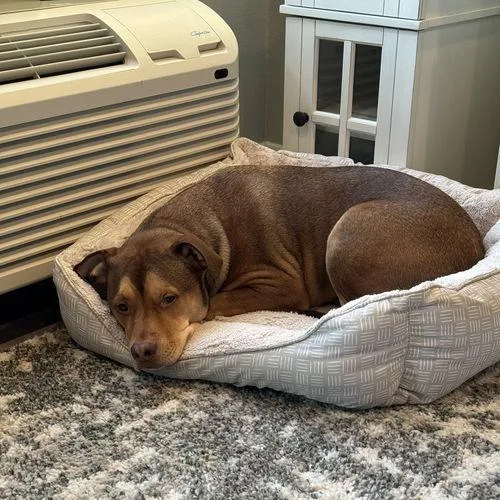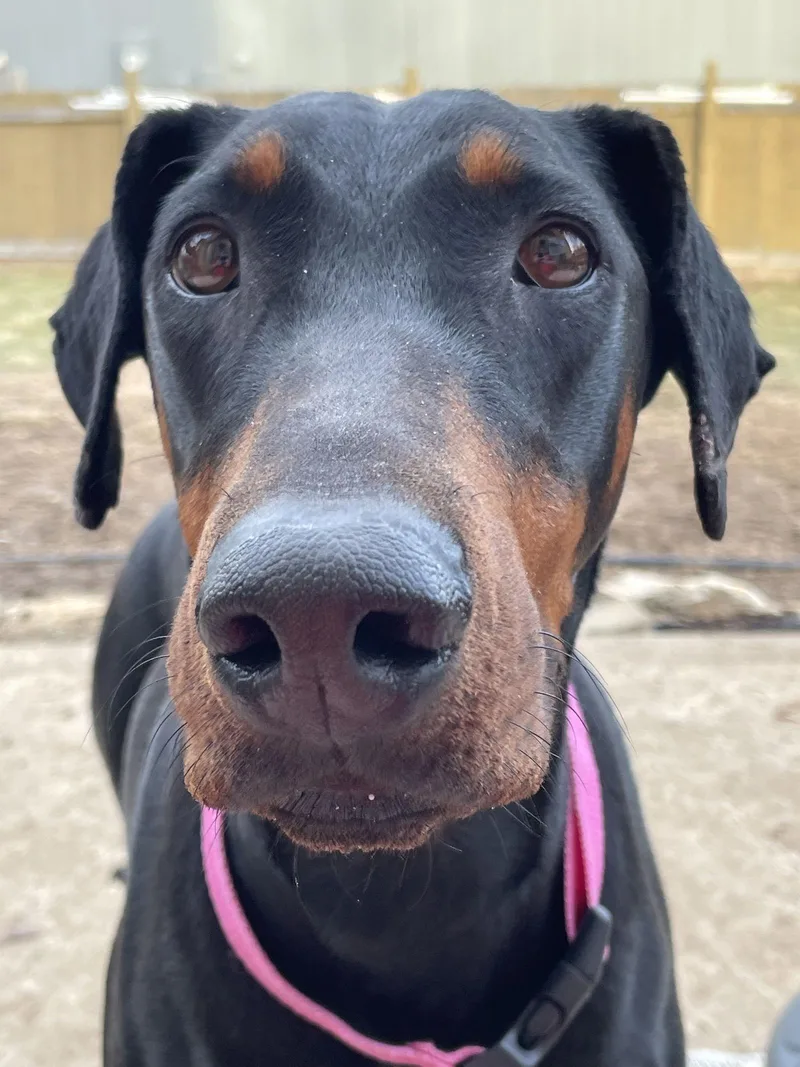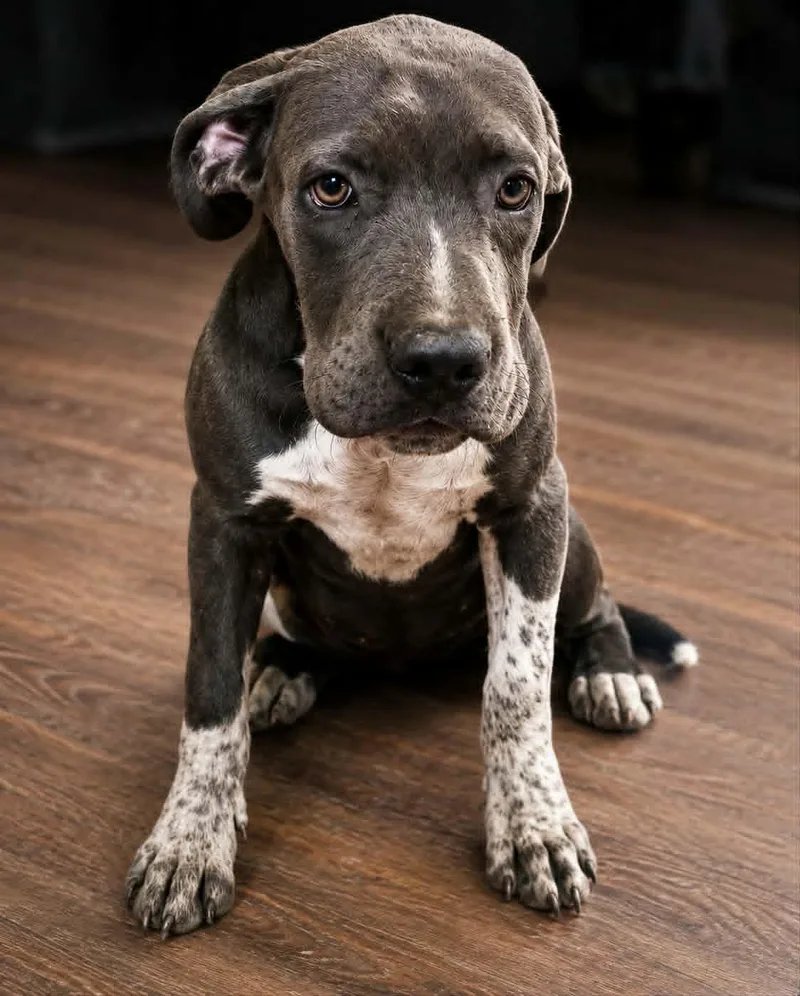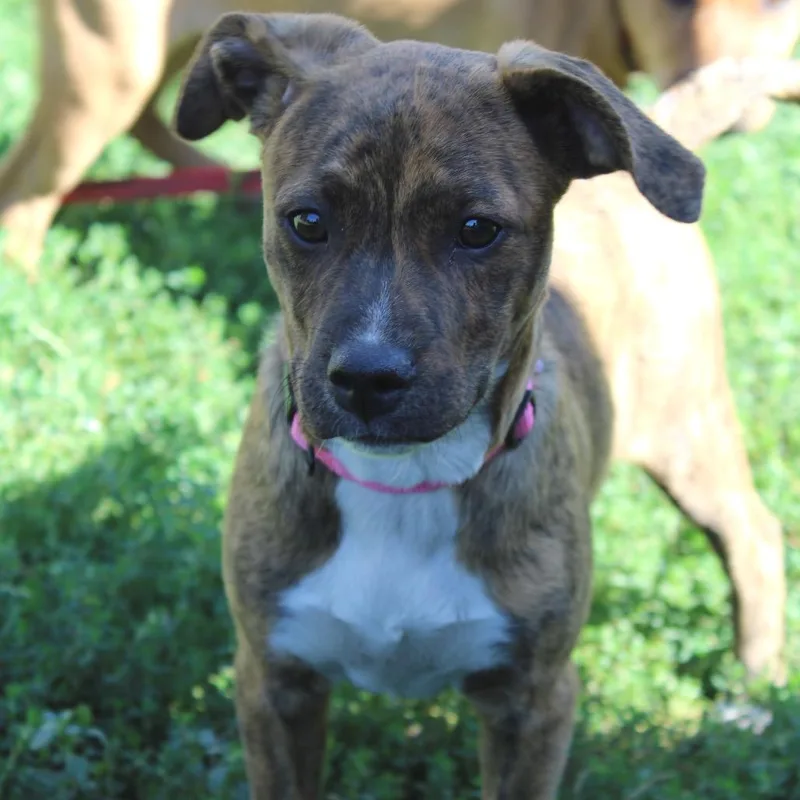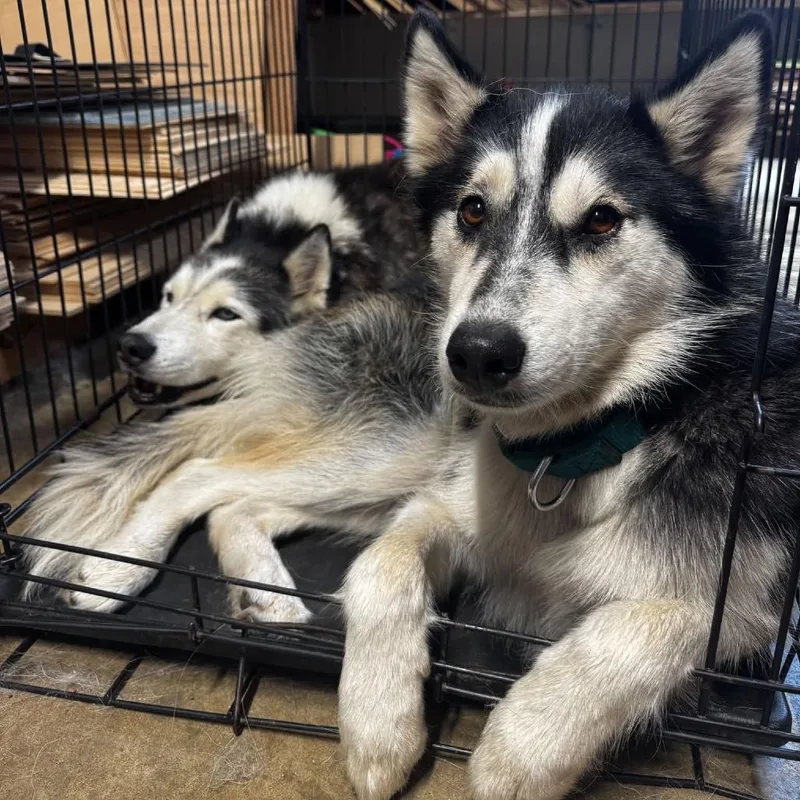





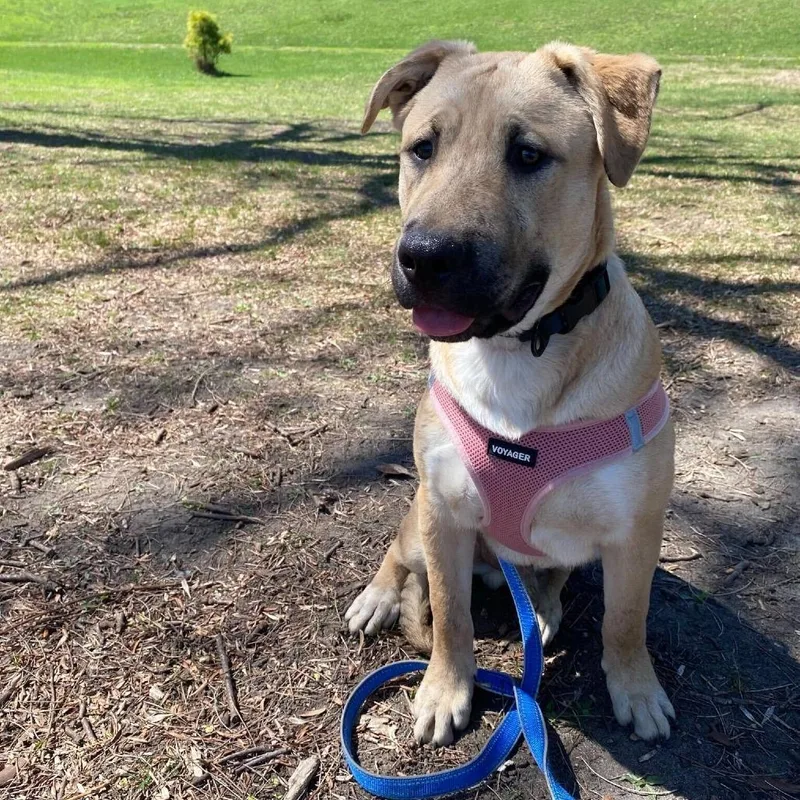


Siberian Husky Dogs for Adoption in Minneapolis, MN

Your guide to finding and caring for a Siberian Husky in Minneapolis

Siberian Huskies are well matched to Minneapolis winters, as long as they get to run. A Husky living in Bryn Mawr has Theodore Wirth Park right at the west edge, with off-road trails for walking and snowshoeing and nearly 12 km of ski trails. Most Huskies would happily spend a January morning out there. What they don't do well with is long, empty days in the house or an unfenced yard, so adopting one suits people who are home often and like being outside.

2327 Siberian Huskies available in Minneapolis and nationwide

Open your home to a Siberian Husky

Siberian Huskies Available for Adoption Near Minneapolis

About the Siberian Husky breed

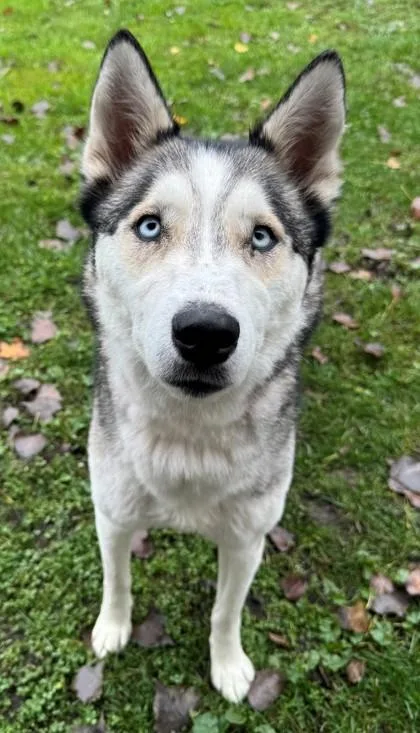
The Siberian Husky is a medium-sized working dog developed by the Chukchi people of northeastern Siberia to pull light loads over long distances. Huskies reached Alaska in the early 1900s for sled racing and became famous through the 1925 serum run to Nome. Erect ears, a brush tail, a thick double coat and sometimes blue or mismatched eyes give them a wolf-like look, though they are domestic dogs.

Many Huskies are friendly and playful with nearly everyone, which makes them poor guard dogs. They also howl, dig and test fences, and a strong prey drive can put cats and small pets at risk. In Minneapolis the double coat is an asset in January, but expect two heavy sheds a year and hair on everything.

Weight
35–60 lbs
Height
20–24 in
Lifespan
11–14 yrs
Temperament
Friendly, Energetic, Independent
Group
Working
Shedding
High

Owning a Siberian Husky in Minneapolis

Having a Siberian Husky in Minneapolis

Huskies pair sled-dog stamina and an independent streak with a friendly, people-loving nature. In Minneapolis the cold suits their coat, but their need to run, talent for escaping and heavy sheds still shape daily life.

Temperament

Many Huskies are outgoing, gentle and playful, greeting strangers as friends instead of guarding the home. Most enjoy other dogs, but prey drive can put cats and small pets at risk. Independence can look like stubbornness, so patient, consistent training helps. Each Husky differs, and how a dog behaves around kids, dogs and cats is the best guide.


Exercise Needs

Plan on an hour or more of vigorous exercise daily: jogging, long walks, hiking or canicross. Minneapolis helps, with about 102 miles of Grand Rounds trails and lake loops of roughly 1.7 to 3.1 miles. Keep a Husky leashed anywhere outside a fenced off-leash park, since recall is often unreliable.

Health Considerations

Huskies are generally robust, but eye conditions such as juvenile cataracts and progressive retinal atrophy occur, and some develop a zinc-responsive skin condition. Ticks are active in Minnesota from snowmelt, so ask your vet about prevention and annual tickborne screening. Hip problems are uncommon. Regular checkups help catch eye and skin changes early.

Living Space

A Husky can live in an apartment if daily exercise is reliable, but a house with a tall, secure fence is easier. Many dig under or climb over short fences, so check for gaps before letting one out. They do best indoors with company, and Minneapolis bars leaving a dog tethered outside unsupervised.

What it costs to own a Siberian Husky in Minneapolis

ExpenseTypical costPer year
Food$35 to $70 per month$420 to $840
Pet insurance$45 to $85 per month$540 to $1,020
Routine vet care$225 to $450 per year$225 to $450
Other*$540 to $1,390 per year$540 to $1,390
Estimated yearly total (after year one)$1,725 to $3,700

Other costs are estimates and vary with size, age and health.

* The $30 Minneapolis dog license for a spayed or neutered dog, flea, tick and heartworm prevention, a dental cleaning, toys and bedding, and brushing tools and baths for coat blowouts.

Adopt a Siberian Husky in Minneapolis.

Now that you know more, let’s find you a new best friend. These rescues and shelters below currently have Siberian Huskies available.

Frequently Asked Questions

Yes, Siberian Huskies handle Minneapolis winters well. Their double coat suits a climate with about 72 days a year that never top freezing and roughly 22 nights below 0°F. Keep outings short in extreme cold, since frostbite can affect paws, ears and face, and rinse salt off paws after walks. State law requires a windproof shelter for dogs kept outdoors.

Theodore Wirth Regional Park is a strong pick, with more than five miles of off-road trails for walking and snowshoeing, and the Chain of Lakes loops run about 1.7 to 3.1 miles. For off-leash play, Victory Prairie and St. Anthony Parkway are the largest fenced dog parks, and a permit is required. Dogs must be leashed elsewhere and are not allowed on beaches.

Yes, Minneapolis has no breed-specific rules, and Minnesota law bars cities from regulating dangerous dogs based solely on breed. Dangerous-dog rules turn on a dog's behavior instead. You'll need to license your Husky once it's over four months old, with a current rabies vaccination, so budget for that when you adopt.

Usually not. Metro Transit allows pets on buses and light rail only in a carrier, and leashed pet dogs aren't allowed to board. Since an adult Husky weighs 35 to 60 pounds and won't fit a carrier, plan on walking, driving or biking instead. Service animals are the exception and can ride without special paperwork.

Yes, if you can meet its exercise needs every day. That means a real run or hike, not just a balcony break, and not long workdays alone. Howling can lead to neighbor complaints, and Minneapolis can issue a $200 citation for unprovoked barking that disturbs the peace. Get your landlord's approval in writing first.

Only on patios, and only where the restaurant has opted in. Minneapolis has let restaurants allow dogs in designated outdoor areas since 2008, with dogs leashed, on the ground and off the furniture. Indoor dining is off-limits except for service animals, and each restaurant decides. A friendly Husky should be settled before sitting down.

A Husky needs brushing a few times a week, and daily during the two heavy sheds a year, typically spring and fall. Cold winters let the double coat do its job, and in summer you brush out loose undercoat but never shave. Brushing tools, baths and occasional professional help fall within the $540 to $1,390 yearly Other costs on this page.

A Siberian Husky is a medium-sized working dog developed as a sled dog in northeastern Siberia. Huskies weigh about 35 to 60 pounds and have a thick double coat, erect ears and often striking blue or mismatched eyes. They are known for endurance, friendliness and independence, and they need plenty of exercise, secure fencing and company to thrive.

We have 2 rescues with Siberian Huskies available: Doberman Rescue Minnesota and Midwest Animal Rescue Services. You can see every rescue with Siberian Huskies available in the list above these questions, or scroll to the top to see the Siberian Huskies near Minneapolis.

Expect roughly $1,700 to $3,700 a year for a Husky in Minneapolis. Food runs $35 to $70 a month and insurance $45 to $85. Routine vet care is $225 to $450 a year, and other costs such as the license, prevention, dental care and coat care add $540 to $1,390.

Find Siberian Huskies in Nearby Cities

Expand your search to find Siberian Huskies available for adoption near Minneapolis.