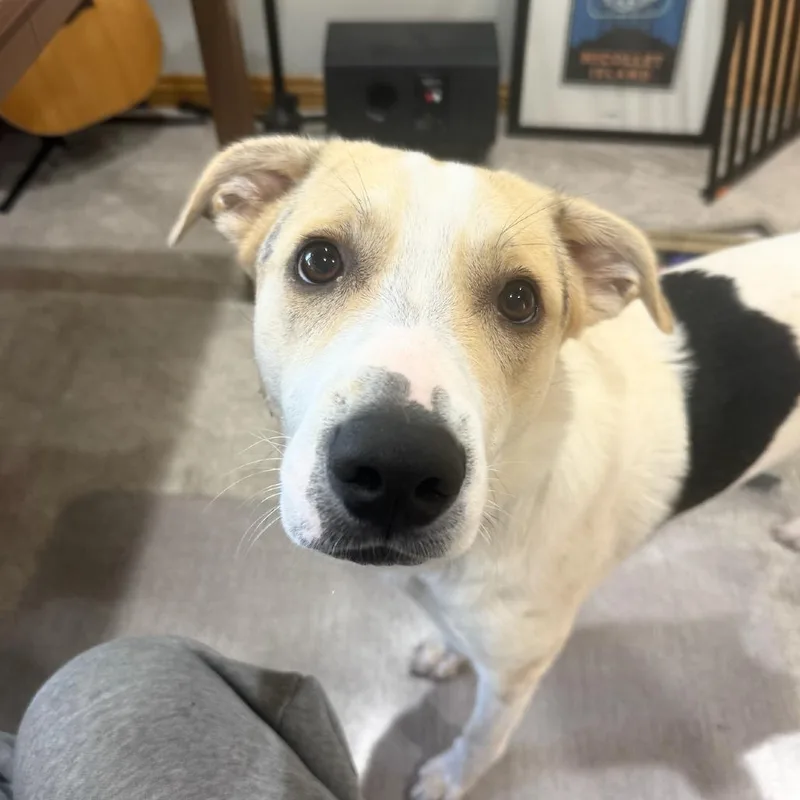
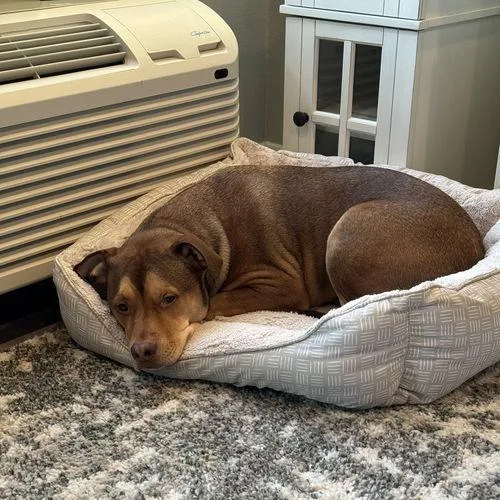
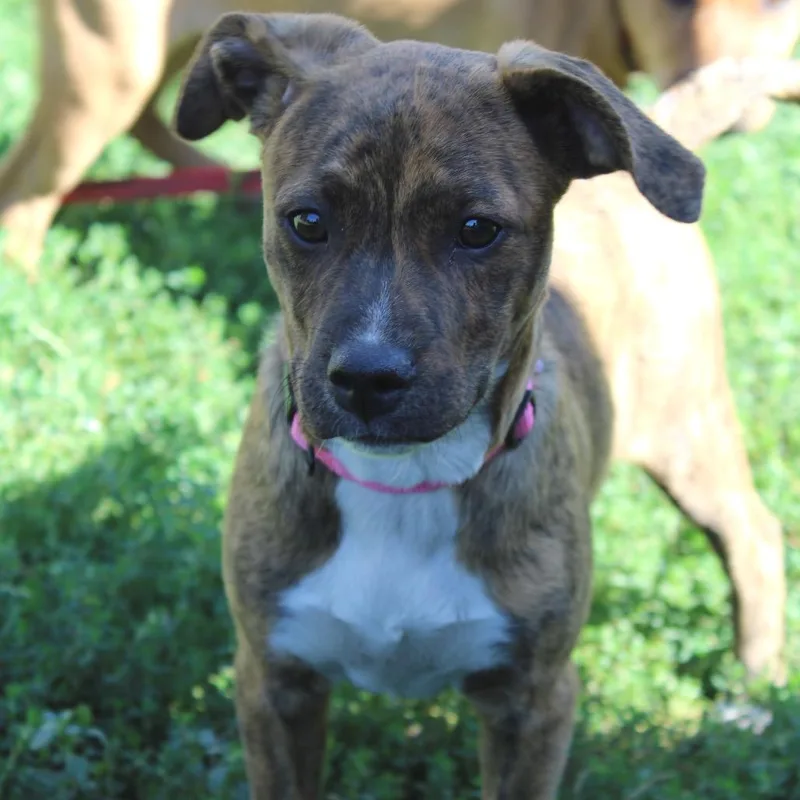
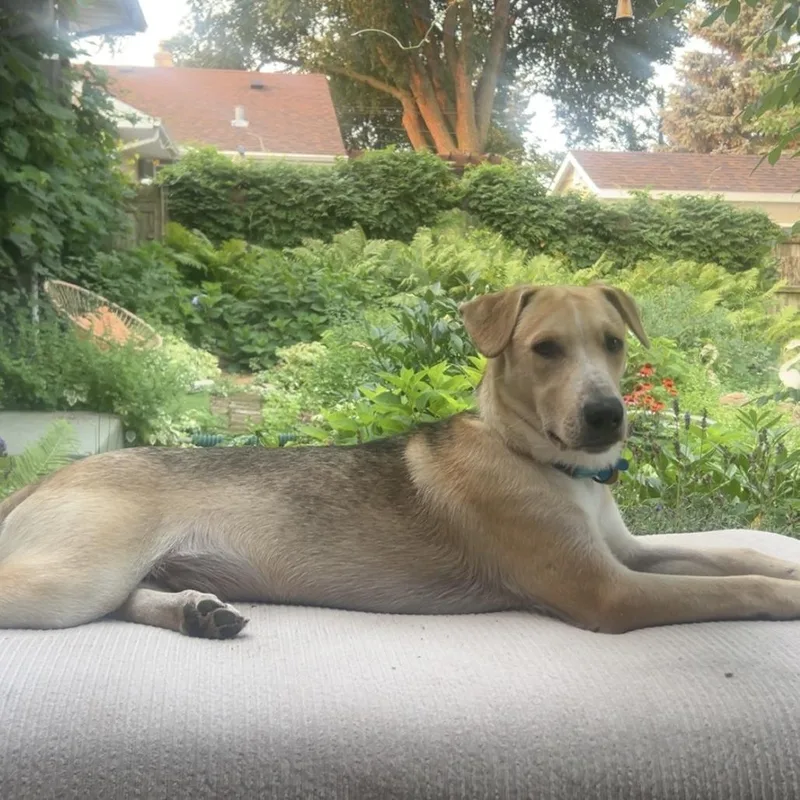
Pug dog

Pug Dogs for Adoption in Minneapolis, MN

Your guide to finding and caring for a Pug in Minneapolis

Pugs suit Minneapolis's apartment neighborhoods, where a couple of short walks cover most of their day. In Loring Park, that might be a loop around the small lake and a stop at the fenced dog run before heading back inside. Most Pugs want company, so they do best when someone is home a good part of the day. Winter is the season to plan for, since short legs and deep snow don't mix, and a lint roller helps year-round.

1139 Pugs available in Minneapolis and nationwide

Your Pug is waiting

Pugs Available for Adoption Near Minneapolis

About the Pug breed

Pugs began as companions at the Chinese imperial court, and Dutch traders carried them to Europe in the sixteenth century, where they won over the House of Orange and later Queen Victoria. The modern Pug is square and muscular, with a round head, deep wrinkles, big dark eyes and a tail curled over the hip, usually in fawn with a black mask or solid black.

Many Pugs are even-tempered, funny and devoted, happiest following their people from room to room. The flat face makes breathing harder, so heat, hard exercise and extra weight are real risks, and the short coat sheds far more than most adopters expect. Skin folds and prominent eyes need regular attention. Reported lifespans vary, roughly 11 to 15 years. In Minneapolis, caring for a Pug mostly means keeping it cool in July and warm in January.


Weight
14–18 lbs
Height
10–13 in
Lifespan
11–15 yrs
Temperament
Charming, Playful, Affectionate
Group
Toy
Shedding
High

Owning a Pug in Minneapolis

Having a Pug in Minneapolis

Pugs pack a big personality into a small, sturdy body, and most of their care comes down to that short muzzle. In Minneapolis, the biggest variables are cold-season outings, summer heat and a home that works for a dog who wants company.

Temperament

Pugs tend to be sociable, gentle and eager for company, which suits Minneapolis's busy apartment buildings and neighborly sidewalks. Many get along with kids, visitors and other dogs. Some are stubborn about training and housetraining, so short sessions with food rewards help. Each Pug differs, and a dog's history and age matter as much as breed.

Exercise Needs

Most Pugs are content with a couple of short walks and indoor play each day. Their airways limit hard exercise, so skip long runs and stop if breathing turns noisy. In Minneapolis, a fenced dog run or a short stretch of a lake loop works well, with a harness instead of a collar. Food puzzles fill icy days.

Health Considerations

Pugs are prone to airway trouble, overheating, eye injuries, skin-fold infections, obesity and spine or hip problems. Long indoor winters make weight creep easy, so measure meals. A veterinarian can check airways, eyes and skin folds, and tick prevention matters in Minnesota, where blacklegged ticks spread Lyme disease.

Living Space

A Pug fits well in Minneapolis apartments, condos and older bungalows, since it needs little room and isn't a big barker. Climate control matters most: air conditioning for summer and a warm spot in winter. A Pug should live indoors, and ramps or steps help a heavier dog reach furniture safely.

What it costs to own a Pug in Minneapolis

ExpenseTypical costPer year
Adoption fee$500, one time$500 in year one
Food$20 to $45 per month$240 to $540
Pet insurance$40 to $85 per month$480 to $1,020
Routine vet care$200 to $400 per year$200 to $400
Other*$640 to $1,740 per year$640 to $1,740
Estimated yearly total (after year one)$1,560 to $3,700
First-year total (with adoption fee)$2,060 to $4,200

Adoption fee is the fee on Pug listings in Minneapolis on GetBuddy today. Other costs are estimates and vary with size, age and health.

* The $30 Minneapolis dog license for a spayed or neutered dog, flea, tick and heartworm prevention, dental care, brushing and baths, skin-fold cleaning supplies, and toys and bedding.

Pug dog

Adopt a Pug in Minneapolis.

Now that you know more, let’s find you a new best friend. These rescues and shelters below currently have Pugs available.

Frequently Asked Questions

Yes, most Pugs can handle a Minneapolis winter with some help, but they need more protection than bigger dogs. Their short coat and low body chill fast, and the cold makes frostbite on feet and ears a real risk. Use a coat, keep outings to a few minutes in deep cold, wipe off salt, and check paw pads afterward.

Only if your Pug fits in a carrier. Metro Transit buses and light rail allow pets only in a carrier, and leashed pet dogs aren't allowed to board; service animals are the exception. Many adult Pugs weigh 14 to 18 pounds and fit tightly, and flat-faced dogs overheat easily, so choose a roomy, ventilated carrier and skip rides in hot weather.

Loring Park near downtown is a good easy start, with paths around its small lake and a fenced dog run in its north corner. Lake of the Isles has a 2.6-mile loop, plus a dog park with a designated small-dog area, though a Pug can do just a short stretch. Minnehaha Regional Park's paved trails stay open in winter. Dogs must be leashed outside dog parks.

Yes, a Pug suits Minneapolis apartments well, since it's small, needs short walks and isn't a big barker. Still, unprovoked barking reported through 311 can bring a $200 citation, so teach a quiet routine for when you're out. Apartment buildings must clear sidewalks within four daytime hours after snow stops, which keeps winter potty trips easier. Pugs shed heavily, so plan on vacuuming.

A Pug fits Minneapolis well if someone is home much of the day and you're willing to adjust for the seasons. Winter means coats and short outings, summer means early or late walks and air conditioning, and the shedding lasts all year. Pugs bond closely and usually dislike long stretches alone, so a flexible schedule helps. Every Pug differs, so watch each dog's comfort.

Sometimes, but only on patios. Minneapolis lets restaurants opt in to dog-friendly outdoor areas under a 2008 ordinance, and each restaurant decides. Dogs must stay leashed, on the ground and off furniture, and staff won't handle them. Indoors, only service animals are allowed. Hot patio concrete and summer sun are hard on a Pug, so choose shade and bring water.

A Pug needs brushing at least weekly because it sheds heavily all year, a bath every month or two, and skin-fold wipes several times a week. Dry indoor winter heat can irritate skin, and a veterinarian can suggest products if you see flaking. Brushing, baths and fold-care supplies fall under the Other line of the cost table, $640 to $1,740 a year.

A Pug is a small companion dog from China with a flat, wrinkled face, large dark eyes, a curled tail and a compact, muscular body. Pugs belong to the American Kennel Club's Toy Group and usually weigh 14 to 18 pounds. Many are affectionate, comical and people-focused, though their short muzzle brings breathing and heat sensitivities that owners need to manage.

We have 2 rescues with Pugs available: Matty's Heart & Soul Animal Rescue and Midwest Animal Rescue Services. You can see every rescue with Pugs available in the list above these questions, or scroll to the top to see the Pugs near Minneapolis.

Expect roughly $1,560 to $3,700 a year for a Pug, based on the cost table: $20 to $45 a month for food, $40 to $85 a month for insurance, $200 to $400 for routine vet care and $640 to $1,740 for other costs. Emergencies and illness are extra, and flat-faced breeds can need more veterinary care.

Find Pugs in Nearby Cities

Expand your search to find Pugs available for adoption near Minneapolis.