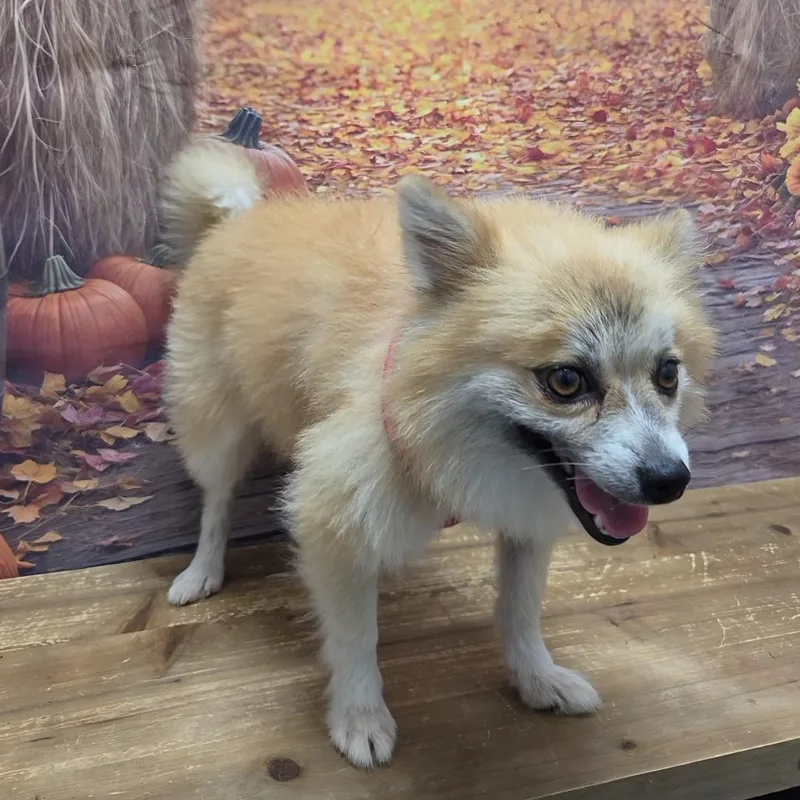
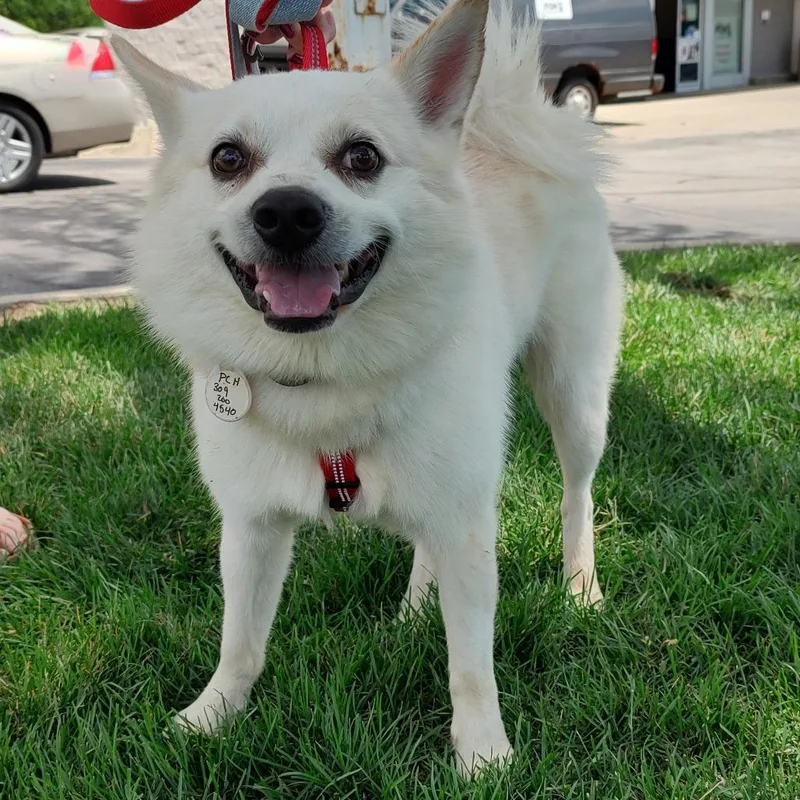
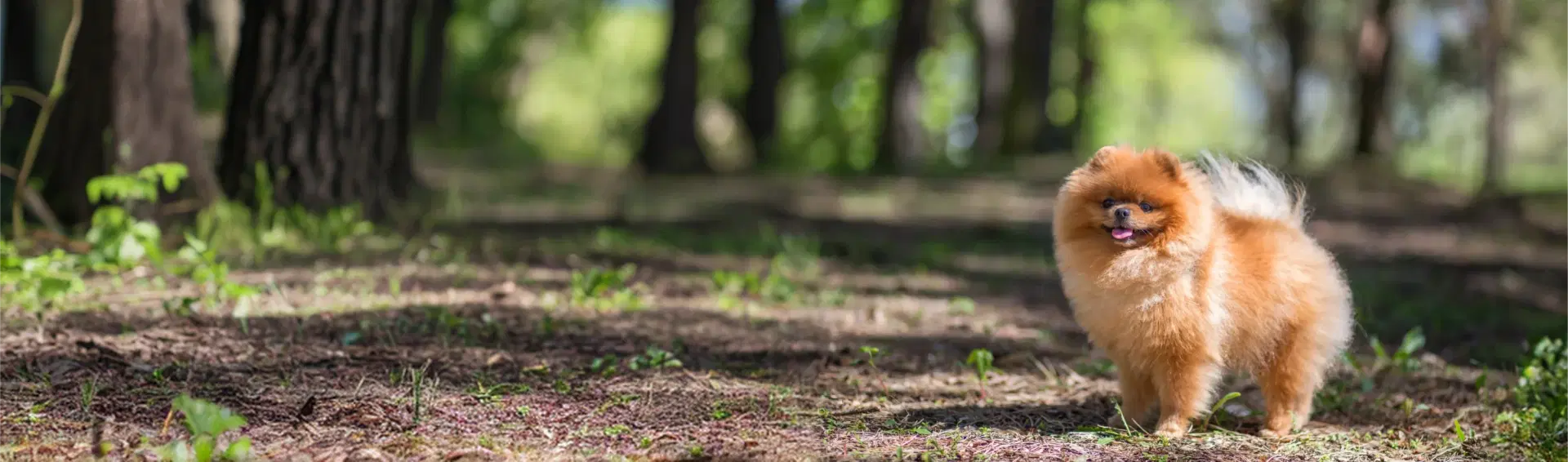
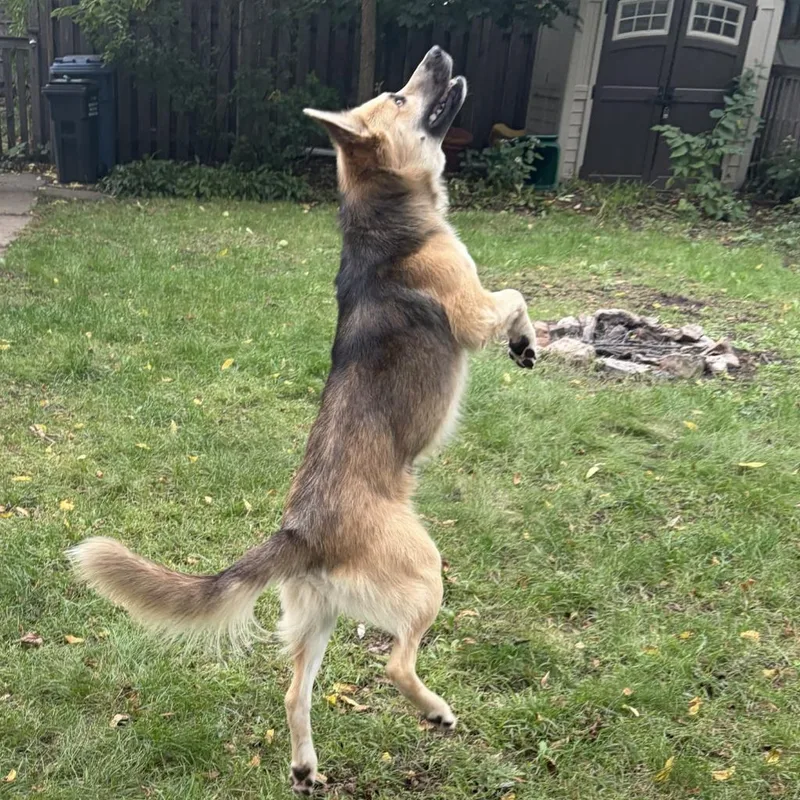
Pomeranian dog

Pomeranian Dogs for Adoption in Minneapolis, MN

Your guide to finding and caring for a Pomeranian in Minneapolis

Pomeranians suit Minneapolis apartment life well, as long as their owners don't mind a little barking. In a Loring Park or Elliot Park building, a Pom's daily exercise fits into a few loops of the park paths and some play on the living room floor. They're alert and chatty, so thin walls take some training. Winter is the real adjustment: a few pounds of dog under all that fluff still needs a coat and short outings when it's well below freezing.

628 Pomeranians available in Minneapolis and nationwide

Bring home a Pomeranian

While we don't have enough dogs near Minneapolis, keep in mind that many rescues may offer transport.

Pomeranians Available for Adoption Near Minneapolis

About the Pomeranian breed

Pomeranians are the small end of the spitz family, descended from larger German Spitz dogs and named for the Pomerania region on the Baltic coast. Queen Victoria's fondness for small Poms helped shrink the breed to today's three to seven pounds, though plenty of pet Poms run heavier. Under that standoff double coat is a sturdy little dog with a plumed tail, pricked ears and a fox-like face.

Many Poms are bold, curious and sure they're much bigger than they are. They bond closely with their people, announce every sound and enjoy learning tricks. Expect regular brushing, daily tooth care and a plan for barking. In Minneapolis, that coat is a real asset in January, but it needs upkeep year-round, and a dog this size needs protection from falls, rough play and larger dogs at the park.


Weight
3–7 lbs
Height
6–11 in
Lifespan
12–16 yrs
Temperament
Lively, Alert, Curious, Bold
Group
Toy
Shedding
Moderate to High

Owning a Pomeranian in Minneapolis

Having a Pomeranian in Minneapolis

A Pomeranian is a small dog with a big coat and a watchful streak. In Minneapolis, the questions that matter most are barking in shared buildings, keeping that coat in shape through the seasons, and protecting small joints and teeth.

Temperament

Pomeranians tend to be confident, curious and affectionate with their favorite people, and many announce every footstep in the hallway. Some get bossy with bigger dogs or snappy if handled roughly. Each Pom differs, so gentle socialization and reward-based training matter more than the breed label, especially in a busy city building.

Exercise Needs

Most Poms are content with a couple of short daily walks plus indoor play and puzzle toys. Use a harness rather than a collar to protect the trachea. In Minneapolis, the small-dog area at Lake of the Isles gives them room to run, and winter outings can stay brief, with play moved indoors.

Health Considerations

Pomeranians are prone to luxating kneecaps, collapsing trachea, dental disease and, in some dogs, alopecia X coat loss. Daily tooth brushing, a lean weight and regular checkups help. Minnesota's tick season runs from snowmelt through fall, so ask a veterinarian about year-round prevention and annual vector-borne disease screening.

Living Space

Apartments and small homes suit a Pom well, since its exercise needs are easy to meet indoors. Barking is the main issue with close neighbors, so training matters. Watch for open doors, stairs and high furniture, and carry a small dog through shared hallways and stairwells where larger dogs pass.

What it costs to own a Pomeranian in Minneapolis

ExpenseTypical costPer year
Food$15 to $35 per month$180 to $420
Pet insurance$35 to $70 per month$420 to $840
Routine vet care$200 to $400 per year$200 to $400
Other*$590 to $1,440 per year$590 to $1,440
Estimated yearly total (after year one)$1,390 to $3,100

Other costs are estimates and vary with size, age and health.

* The Minneapolis dog license, a dental cleaning allowance, flea, tick and heartworm prevention, grooming and brushing supplies, toys and bedding, and a winter coat.

Pomeranian dog

Adopt a Pomeranian in Minneapolis.

Now that you know more, let’s find you a new best friend. These rescues and shelters below have dogs available in and near Minneapolis.

Frequently Asked Questions

Yes, with some care. A Pomeranian's double coat helps, but a toy dog loses heat quickly, so keep winter outings short and add a coat when it's well below freezing. Minneapolis averages about 22 nights a year below 0°F. Wipe paws after salted sidewalks, watch feet and ears for frostbite, and never leave a dog in a parked car.

Only in a carrier. Metro Transit buses and light rail allow pets onboard only in a carrier, and leashed pet dogs aren't allowed to board. A Pomeranian is small enough to fit a carrier, so a ride is possible if the dog stays inside it the whole trip. Service animals follow separate rules. Get the dog used to the carrier first.

Lake of the Isles has a fenced off-leash park with the city's only designated small-dog area, which suits a Pom. Loring Park and Gateway are small fenced runs near downtown. Off-leash parks need a Park Board permit, a rabies vaccination and a City license. For leashed walks, the Lake of the Isles loop is 2.6 miles and Lake Harriet's is 2.75.

Yes. Minneapolis has no breed-specific rules, and Minnesota law bars cities from regulating dangerous dogs by breed alone. You'll need a City license for any dog over four months old, which requires a current rabies vaccination. Without a multiple-animal permit, a home can have up to three dogs, and dogs must be leashed outdoors.

Sometimes, on patios only. Minneapolis lets restaurants opt in to dog-friendly outdoor areas, and each restaurant decides. Dogs must stay leashed, on the ground and off furniture, and staff can't handle them. Indoors, dogs aren't allowed unless they're service animals. That means a Pomeranian stays on the ground, even a small one.

Plan on brushing a Pomeranian a few times a week, and daily during the heavy sheds in spring and fall. Rinse or wipe paws after winter walks on salted sidewalks, and bathe as needed. Avoid shaving the double coat, which can affect regrowth. Grooming falls under the yearly Other costs, and professional visits are optional if you brush at home.

Pomeranians come from the Pomerania region along the Baltic Sea, now part of northern Poland and northeastern Germany, where its larger German Spitz ancestors developed. The breed as we know it was shaped in England, where royals including Queen Charlotte and Queen Victoria kept them in the 1700s and 1800s and the dogs grew steadily smaller. The first English breed club formed in 1891.

A Pomeranian is a tiny, compact dog with a short back, a wedge-shaped head and a fox-like face with small pricked ears and bright almond eyes. Its signature feature is an abundant double coat that stands away from the body, forming a ruff around the neck and a plumed tail carried flat over the back. Poms come in many colors and patterns.

A Pomeranian is a toy dog of the spitz family, descended from larger German Spitz dogs and named after the Pomerania region. It weighs about 3 to 7 pounds and belongs to the AKC Toy Group. Poms are known for their fluffy double coat, foxy expression and lively, confident personality, and they have been popular companions for well over a century.

Expect roughly $15 to $35 a month for food and $35 to $70 a month for pet insurance. Routine vet care runs about $200 to $400 a year, and other costs such as grooming, dental cleanings, parasite prevention and the license add about $590 to $1,440 a year, including a winter coat.

Find Pomeranians in Nearby Cities

Expand your search to find Pomeranians available for adoption near Minneapolis.