





Bernese Mountain Dogs for Adoption in Minneapolis, MN

Your guide to finding and caring for a Bernese Mountain Dog in Minneapolis

Bernese Mountain Dogs fit Minneapolis better than most big breeds, especially if you live near the trails of Theodore Wirth Park. A Berner's thick coat is made for a long cold season, so winter walks from Bryn Mawr's quiet residential streets into the park are easy to enjoy. The dog's size is the bigger question, since 70 to 115 pounds is a lot of dog for a small unit. A house or a ground-floor home near green space makes daily life simpler.

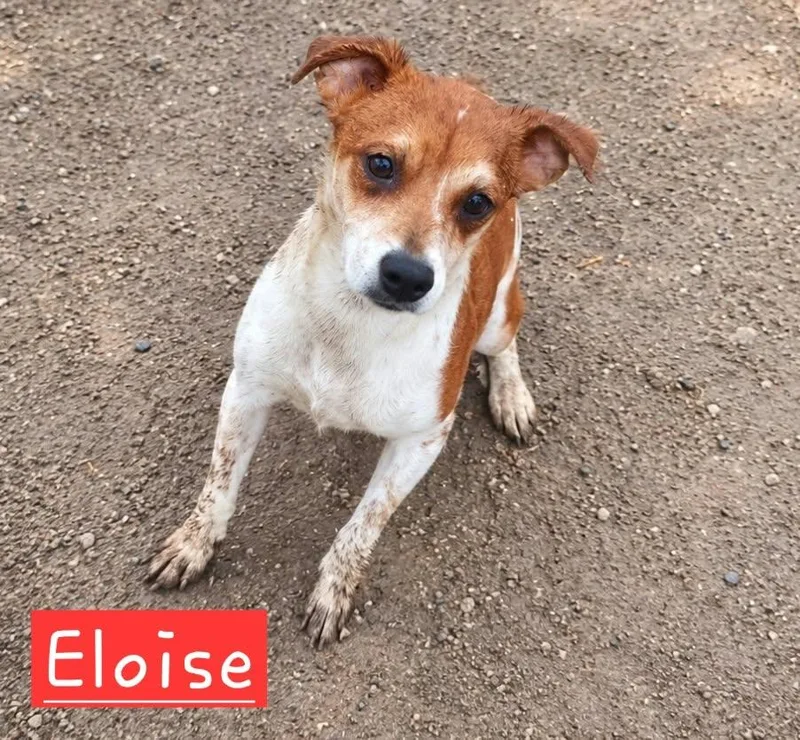
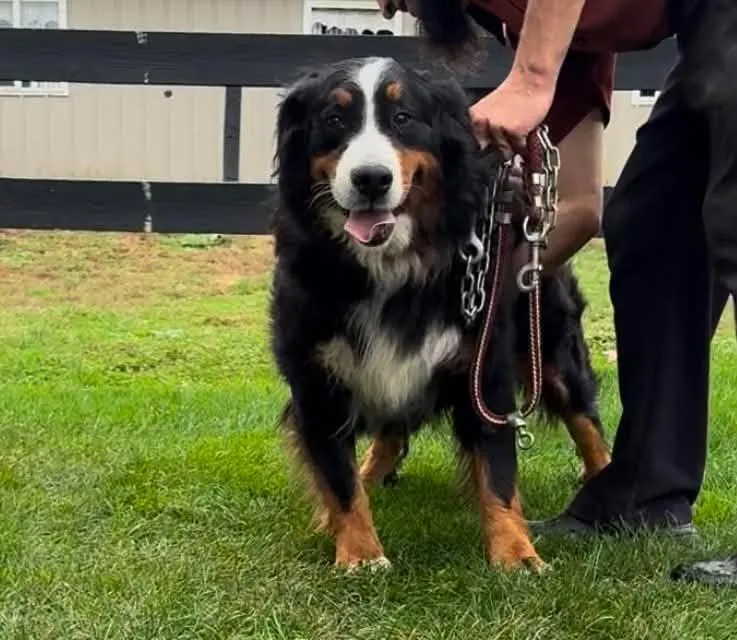
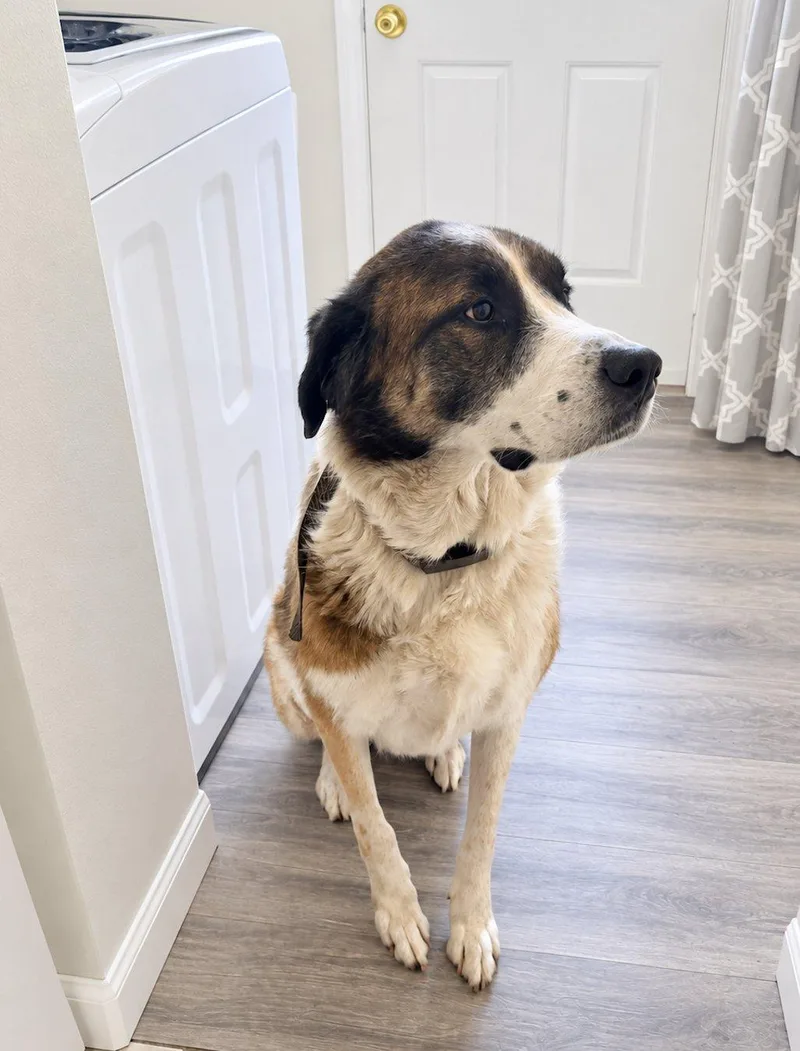
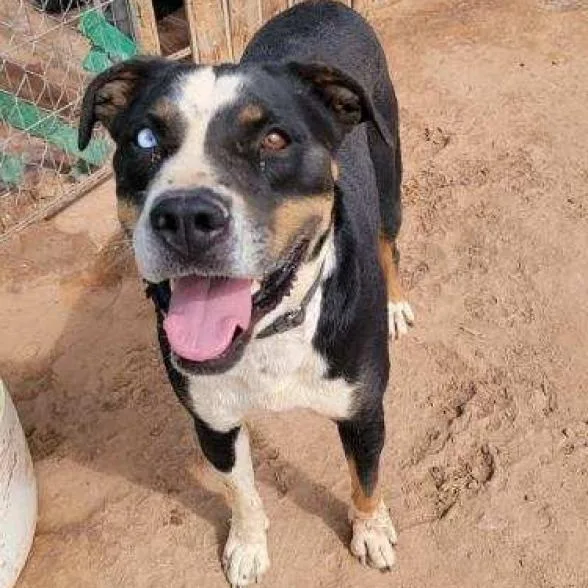
131 Bernese Mountain Dogs available in Minneapolis and nationwide

Adopt a Bernese Mountain Dog today

While we don't have enough dogs near Minneapolis, keep in mind that many rescues may offer transport.

Bernese Mountain Dogs Available for Adoption Near Minneapolis

About the Bernese Mountain Dog breed

Berners come from the Swiss canton of Bern, where farmers used them to pull carts of milk and cheese, drive cattle and watch the farmyard. They're the only long-coated Swiss mountain dog, with a jet-black coat, rust markings, a white blaze and a white chest cross.

Most Berners are gentle, affectionate and eager to please, though many are reserved with strangers at first. That calm nature suits lakeside loops and quiet evenings at home. Go in clear-eyed: they shed heavily, live shorter lives than most breeds because of cancer, and need early leash training, since a pulling adult is very hard to manage. Each dog's own personality matters more than the breed label.

Weight
70–115 lbs
Height
23–28 in
Lifespan
7–10 yrs
Temperament
Gentle, Affectionate, Calm
Group
Working
Shedding
High

Owning a Bernese Mountain Dog in Minneapolis

Having a Bernese Mountain Dog in Minneapolis

Berners are big, thick-coated dogs that handle Minnesota cold well but need care in warm weather. Size, shedding and cancer risk shape daily life more than energy level, so plan for space, regular brushing and routine vet visits.

Temperament

Berners tend to be gentle, patient and devoted, and many do well with respectful kids and other dogs. Some are reserved with strangers, which can show up on busy sidewalks and crowded lake paths. Early socialization and polite leash manners matter for a dog this size, and each dog's history and personality count as much as the breed.

Exercise Needs

Expect one or two good walks a day plus some play. Leashed lake loops like the 3.1-mile Bde Maka Ska path suit the breed's steady pace, and cool weather is ideal. Skip hard exercise in heat, and keep puppies off long runs and repetitive jumping while their joints develop.

Health Considerations

Cancer, especially histiocytic sarcoma, is the biggest concern in Berners, along with hip and elbow dysplasia, kidney disease and bloat. Keep your dog lean and keep up regular vet checkups. Ticks are active in Minnesota from snowmelt, so keep prevention current and ask a veterinarian about Lyme screening.

Living Space

A Berner does best in a house with a secure yard, and Minneapolis has plenty of single-family neighborhoods. An apartment can work with an elevator or a ground-floor unit, daily walks and a cool interior, but expect constant shedding. Berners are happiest living inside with their people.

What it costs to own a Bernese Mountain Dog in Minneapolis

ExpenseTypical costPer year
Food$80 to $160 per month$960 to $1,920
Pet insurance$85 to $170 per month$1,020 to $2,040
Routine vet care$250 to $500 per year$250 to $500
Other*$705 to $1,890 per year$705 to $1,890
Estimated yearly total (after year one)$2,935 to $6,350

Other costs are estimates and vary with size, age and health.

* The $30 Minneapolis license for a spayed or neutered dog, flea, tick and heartworm prevention, a dental cleaning allowance, large bedding and supplies, coat care for heavy shedding, and joint supplements.

Adopt a Bernese Mountain Dog in Minneapolis.

Now that you know more, let’s find you a new best friend. These rescues and shelters below have dogs available in and near Minneapolis.

Frequently Asked Questions

Yes, mostly. Minneapolis winters are long and snowy, with freezing nights from October through April, and a Berner's thick coat suits that. Summers are the harder part, since warm, humid days can still overheat the breed. Walk early or late, keep the house cool, and limit outings in extreme cold, like the −28°F snap in 2019, to quick potty breaks.

Generally no. Metro Transit buses and light rail allow pets only in a carrier, and leashed dogs aren't allowed to board, so a full-size Bernese Mountain Dog can't ride unless it's a service animal. Service animals ride without special paperwork as long as they stay under control. For a giant dog, plan on walking or driving.

Theodore Wirth Regional Park is a strong pick, with 740 acres and more than five miles of off-road trails. The 2.6-mile Lake of the Isles loop and the river trails at North Mississippi Regional Park also give a Berner room to walk on leash. Cooler mornings and evenings are the most comfortable times for the breed.

Yes. Minneapolis has no breed-specific rules, and Minnesota law bars cities from regulating dangerous dogs by breed alone. Dangerous-dog rules, including a muzzle, leash and $300,000 insurance, depend on a dog's behavior. Without a multiple-animal permit, a household can have up to three dogs and no more than four pets in total.

Sometimes, on patios only. Since 2008, Minneapolis has let restaurants opt in to dog-friendly outdoor areas, but each restaurant decides. Dogs stay leashed, on the ground and off furniture, and staff don't handle them. Indoors is off-limits except for service animals. A Berner takes up a lot of floor, so pick a roomy table.

Plan on brushing one to two times a week, and more often during the heavy sheds that tend to come in spring and fall. Check for mats behind the ears and in the feathering on the legs and tail. Professional grooming is optional, and coat care is counted in the Other costs shown on this page.

A Bernese Mountain Dog is a large to giant Swiss working breed originally used on farms to pull carts, drive cattle and guard property. It has a long, tricolored coat of black, rust and white and a sturdy, powerful build. Berners are known for their gentle, affectionate nature, though their lifespan is shorter than many breeds.

A Bernese Mountain Dog has a thick, moderately long coat that is jet black with rich rust markings over the eyes, on the cheeks, chest and legs, and white on the face, chest, feet and tail tip. The white chest marking often forms an inverted cross. They have a broad head, dark brown eyes and triangular drop ears.

Most adult Bernese Mountain Dogs weigh about 70 to 115 pounds. Males commonly weigh around 80 to 115 pounds and females around 70 to 95 pounds, though some dogs fall outside these ranges. Frame size matters, so veterinarians judge by body condition: you should feel ribs under a light layer of fat. Extra weight strains this breed's joints.

Expect roughly $2,900 to $6,350 a year for a Berner: $80 to $160 a month for food, $85 to $170 a month for insurance, $250 to $500 for routine vet care, and $705 to $1,890 for everything else. Insurance runs higher than for many breeds because of cancer and joint risks.

Find Bernese Mountain Dogs in Nearby Cities

Expand your search to find Bernese Mountain Dogs available for adoption near Minneapolis.