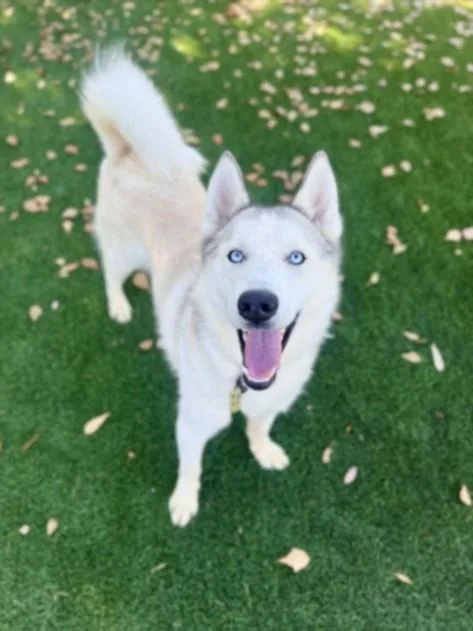
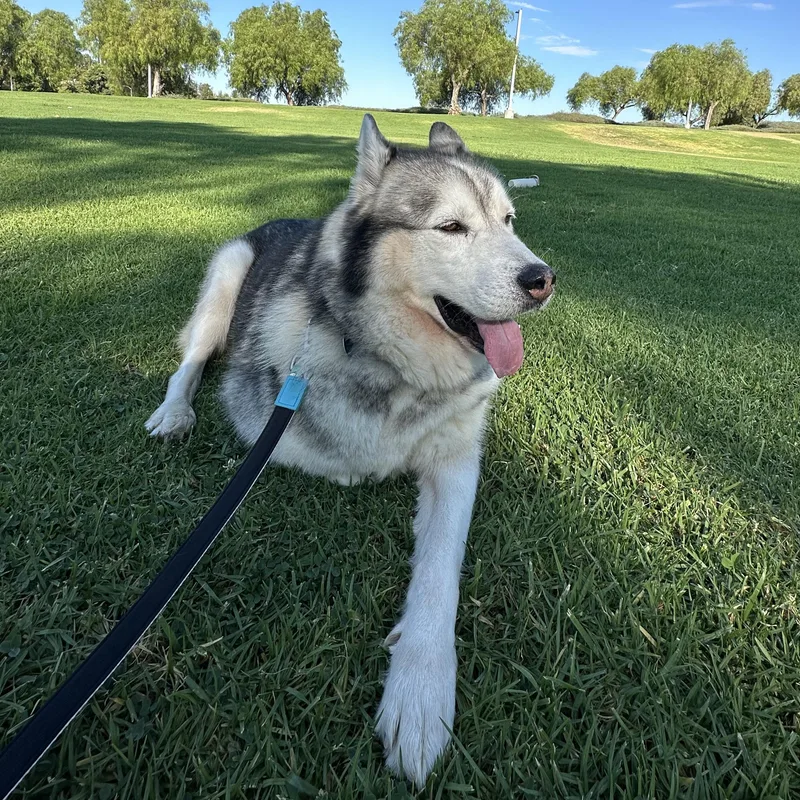
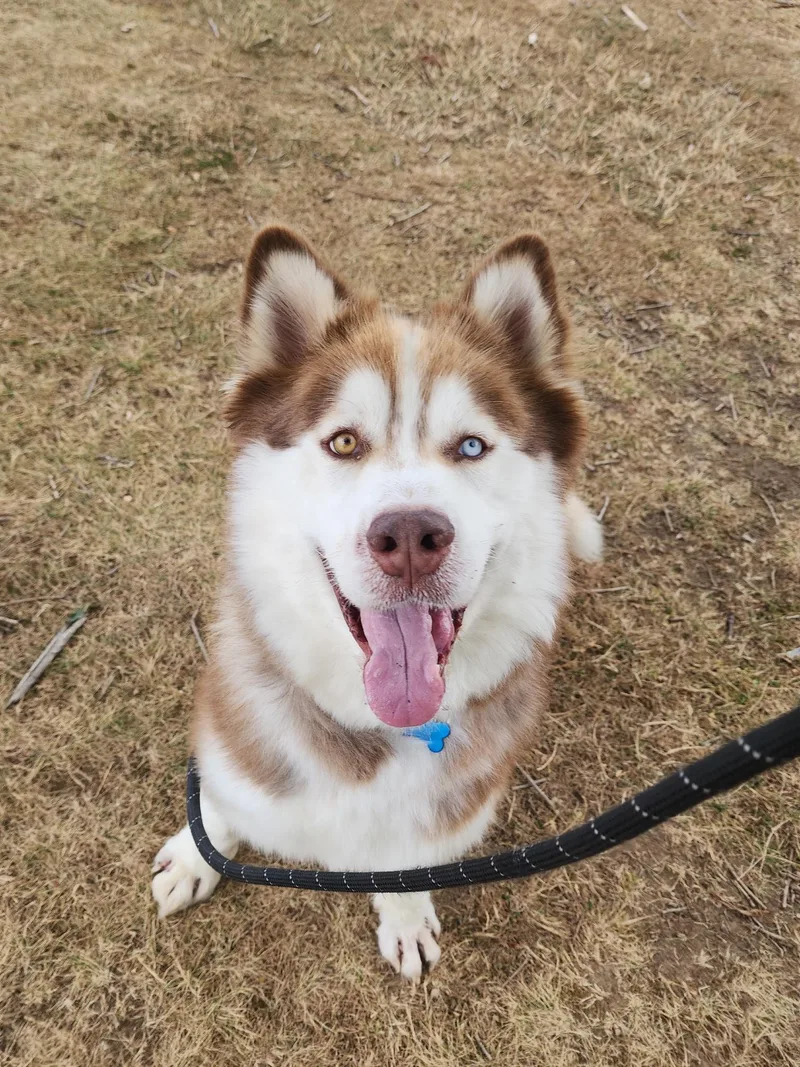
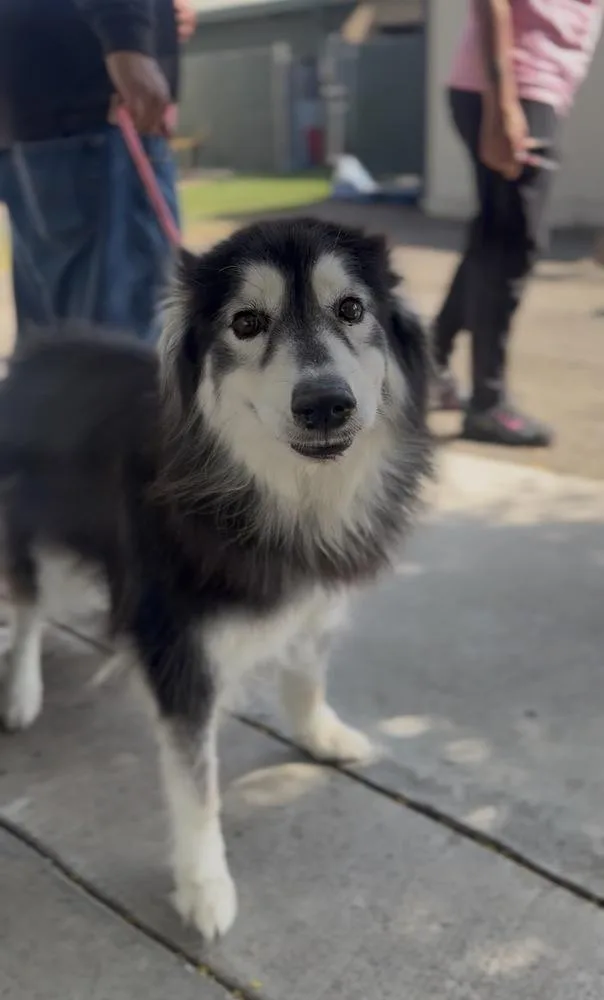
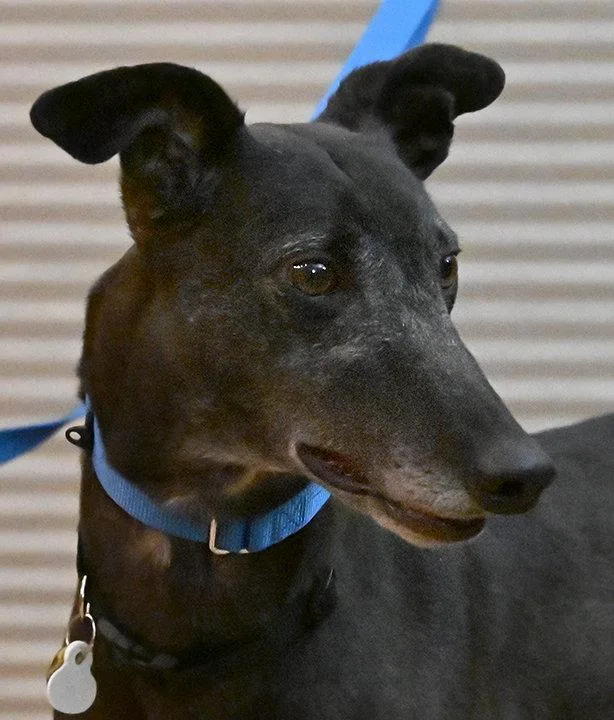
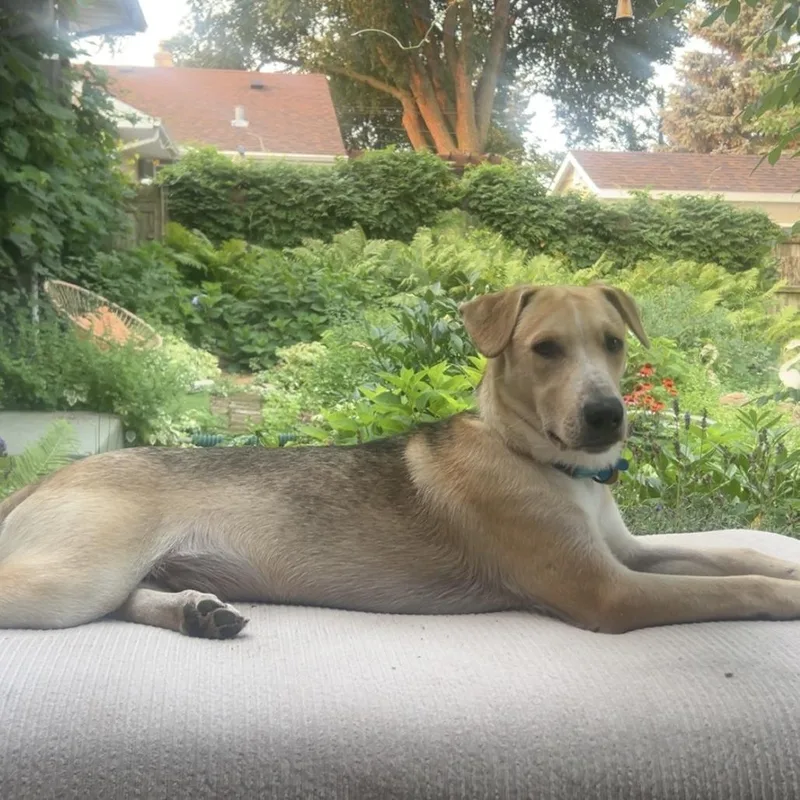
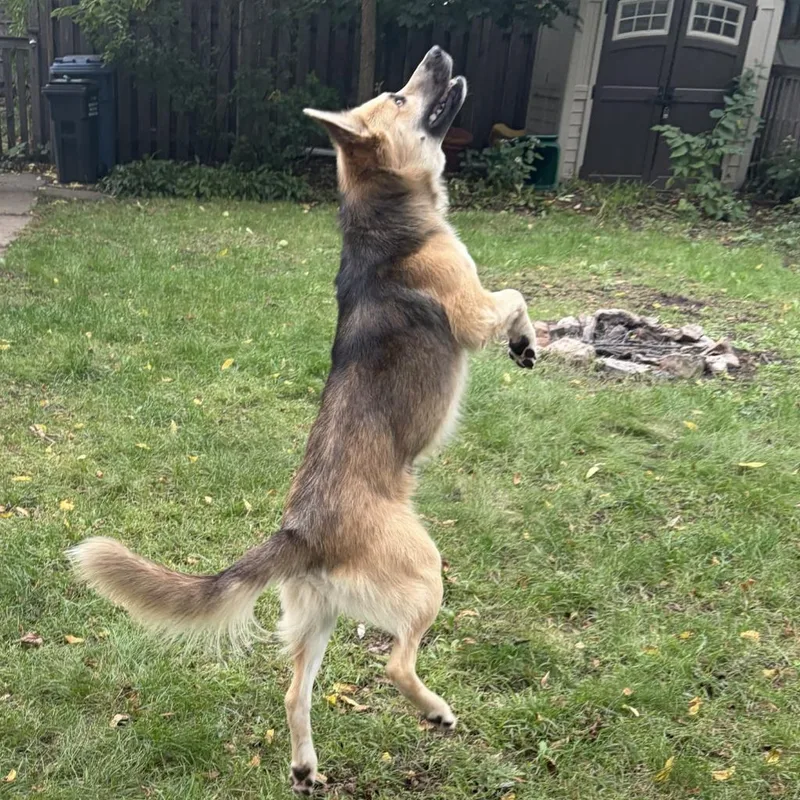
Alaskan Malamute dog

Alaskan Malamute Dogs for Adoption in Minneapolis, MN

Your guide to finding and caring for an Alaskan Malamute in Minneapolis

Alaskan Malamutes fit Minneapolis better than most big dogs, and not only because of the snow. A household in Bryn Mawr or Camden with a fenced yard can be minutes from the wooded trails of Theodore Wirth Park or the river paths at North Mississippi Regional Park, and the Malamute's double coat was made for cold like ours. Expect a strong, independent dog that pulls on walks and sheds heavily. It suits active adopters who are home often and like being outside year-round.

279 Alaskan Malamutes available in Minneapolis and nationwide

Adopt an Alaskan Malamute today

While we don't have enough dogs near Minneapolis, keep in mind that many rescues may offer transport.

Alaskan Malamutes Available for Adoption Near Minneapolis

About the Alaskan Malamute breed

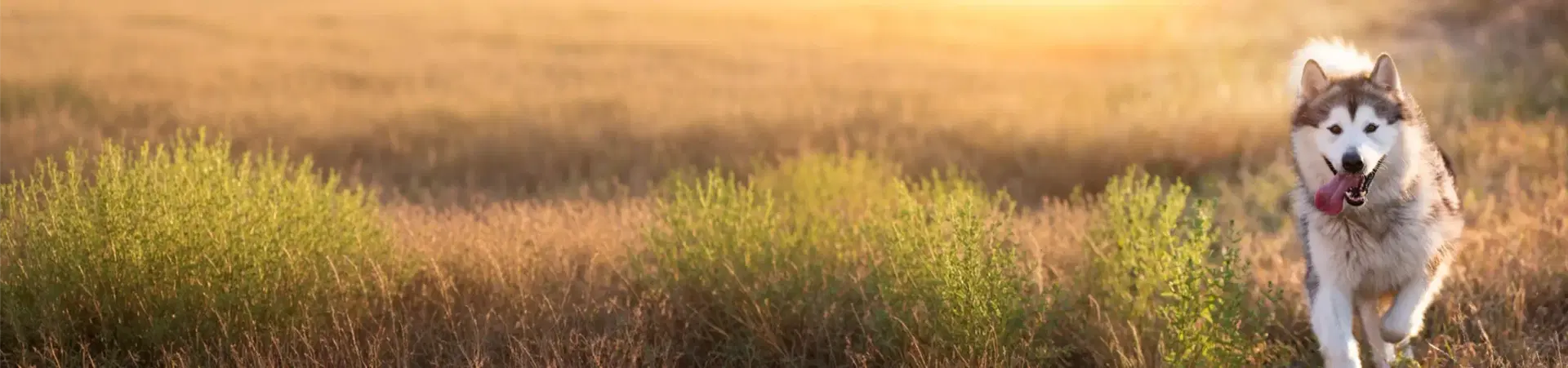
The Alaskan Malamute was developed by the Mahlemiut Inupiaq people of northwestern Alaska to haul heavy freight over long distances. Built for strength and endurance rather than speed, it has heavy bone, snowshoe feet, a plumed tail carried over the back and a thick, coarse coat. Most adults weigh roughly 70 to 95 pounds.

In Minneapolis, that heritage shows up in daily life. Malamutes are usually friendly with strangers, which makes them poor guard dogs, but they are strong, strong-willed and often pull hard on a leash. Many dig, howl and have a strong prey drive, which matters around lakeside paths, squirrels and close neighbors. Expect heavy shedding, with a major coat blow once or twice a year. Dogs vary, and breed alone doesn't decide a Malamute's personality.

Weight
70–95 lbs
Height
23–26 in
Lifespan
10–14 yrs
Temperament
Affectionate, Friendly, Independent, Loyal
Group
Working
Shedding
High

Owning an Alaskan Malamute in Minneapolis

Having an Alaskan Malamute in Minneapolis

Strength, heavy shedding and an independent streak shape life with a Malamute more than its friendly face suggests. In Minneapolis, the cold is rarely the problem; summer heat, tall fences and consistent training matter more.

Temperament

Malamutes are typically warm with people and rarely devoted to just one person, so expect a greeter rather than a guard dog. They can also be stubborn and may ignore cues that seem pointless. Many have a strong prey drive, and some dislike dogs of the same sex, so careful introductions matter on busy city trails.

Exercise Needs

Plan on a long walk or hike every day, plus mental work like training games or food puzzles. Minneapolis helps: the Grand Rounds has about 102 miles of trails, and the lake loops run roughly 1.7 to 3.1 miles. Keep a Malamute leashed on them, and use a sturdy harness and loose-leash training for a dog that pulls.

Health Considerations

Malamutes can develop hip dysplasia, hypothyroidism, eye problems such as cataracts and day blindness, and inherited conditions like polyneuropathy. A veterinarian can check hips, thyroid and eyes and suggest screening. Keeping the dog lean protects its joints. Because Lyme disease occurs in Minnesota, talk with a veterinarian about tick prevention and annual screening.

Living Space

A house with a tall, securely fenced yard suits a Malamute best, since many dig and climb. Apartments can work for very active households that accept shedding and howling, but the dog needs cool indoor space. Minneapolis has many owner-occupied streets in Northeast, Camden and Bryn Mawr where yards are common.

What it costs to own an Alaskan Malamute in Minneapolis

ExpenseTypical costPer year
Food$55 to $110 per month$660 to $1,320
Pet insurance$65 to $130 per month$780 to $1,560
Routine vet care$250 to $500 per year$250 to $500
Other*$590 to $1,490 per year$590 to $1,490
Estimated yearly total (after year one)$2,280 to $4,870

Other costs are estimates and vary with size, age and health.

* The $30 Minneapolis dog license for a spayed or neutered dog, flea, tick and heartworm prevention, a dental cleaning allowance, toys and bedding, and brushing and baths for the seasonal coat blow.

Adopt an Alaskan Malamute in Minneapolis.

Now that you know more, let’s find you a new best friend. These rescues and shelters below have dogs available in and near Minneapolis.

Frequently Asked Questions

Yes. Minneapolis has no breed bans, and Minnesota law prohibits cities from regulating dangerous dogs based solely on breed. You'll need a city license for a dog over four months old, which requires a current rabies vaccination, and dogs must be leashed outdoors or contained on your property. Landlords and insurers may set their own breed rules, so review those before adopting.

Yes, winter is when Malamutes are most at ease. Their dense double coat handles about 51 inches of snow a season and deep freezes like the -28°F reading in January 2019. Watch for ice balls and road salt on paws, and keep outings brief in extreme cold, since dogs are prone to frostbite on feet, ears and face.

Theodore Wirth Regional Park offers more than five miles of wooded off-road trails, and Minnehaha Regional Park keeps paved trails open through winter. North Mississippi Regional Park adds river trails. Leashes are required outside dog parks, and the Minnehaha off-leash area closes December 21, so plan on leashed walks there. Bring water, since parks don't list water sources.

It can be for an active household with a fenced yard. The city's trails, lakes and cold season suit a Malamute's stamina, but the dog needs hours outside, steady training and cool indoor space in summer. Howling and heavy shedding matter more in dense, shared-wall areas like Whittier or Marcy-Holmes, where barking complaints can lead to citations.

Brush a Malamute a few times a week, and daily during the heavy coat blows that usually come in spring and fall. Minneapolis winters keep the undercoat dense, so expect a big shed once it thaws. Baths are occasional, and the coat should never be shaved. Brushing supplies and any professional grooming fall within the Other line of the cost table.

Only to patios that opt in. Minneapolis has let restaurants allow dogs in designated outdoor areas since 2008, but each restaurant decides, and indoor dining is off limits except for service animals. Dogs must stay leashed, on the ground and off furniture. A large Malamute needs a calm, practiced down-stay before a busy patio.

Generally no. Metro Transit buses and light rail allow pets only in a carrier, and leashed pet dogs aren't permitted to board, so an adult Malamute can't ride. Service animals are the exception. Plan on walking or driving, and use a secure crate or restraint in the car.

Alaskan Malamutes are large dogs, typically standing about 23 to 26 inches at the shoulder, with males around 25 inches and females around 23. Their heavy bone, deep chest and thick coat make them look even bigger. Most reach full height by about a year old but keep filling out until two or three, so a young adult may still be broadening.

Most Alaskan Malamutes weigh about 75 to 95 pounds, and the breed standard describes ideal freighting weights of about 85 pounds for males and 75 for females. Individual dogs can be lighter or heavier depending on bone, sex and body condition. A fit Malamute has a visible waist under its coat, so feeling for ribs is more reliable than looking.

Expect a Malamute to cost roughly $2,300 to $4,900 a year. Food runs $55 to $110 a month and pet insurance $65 to $130 a month. Routine vet care is $250 to $500 a year, and other costs such as parasite prevention, dental care, grooming and the license add $590 to $1,490 a year.